Eight things the cold light of fireflies hides

DC·174 Deep Cuts
A firefly wastes almost no heat

A firefly wastes almost no heat

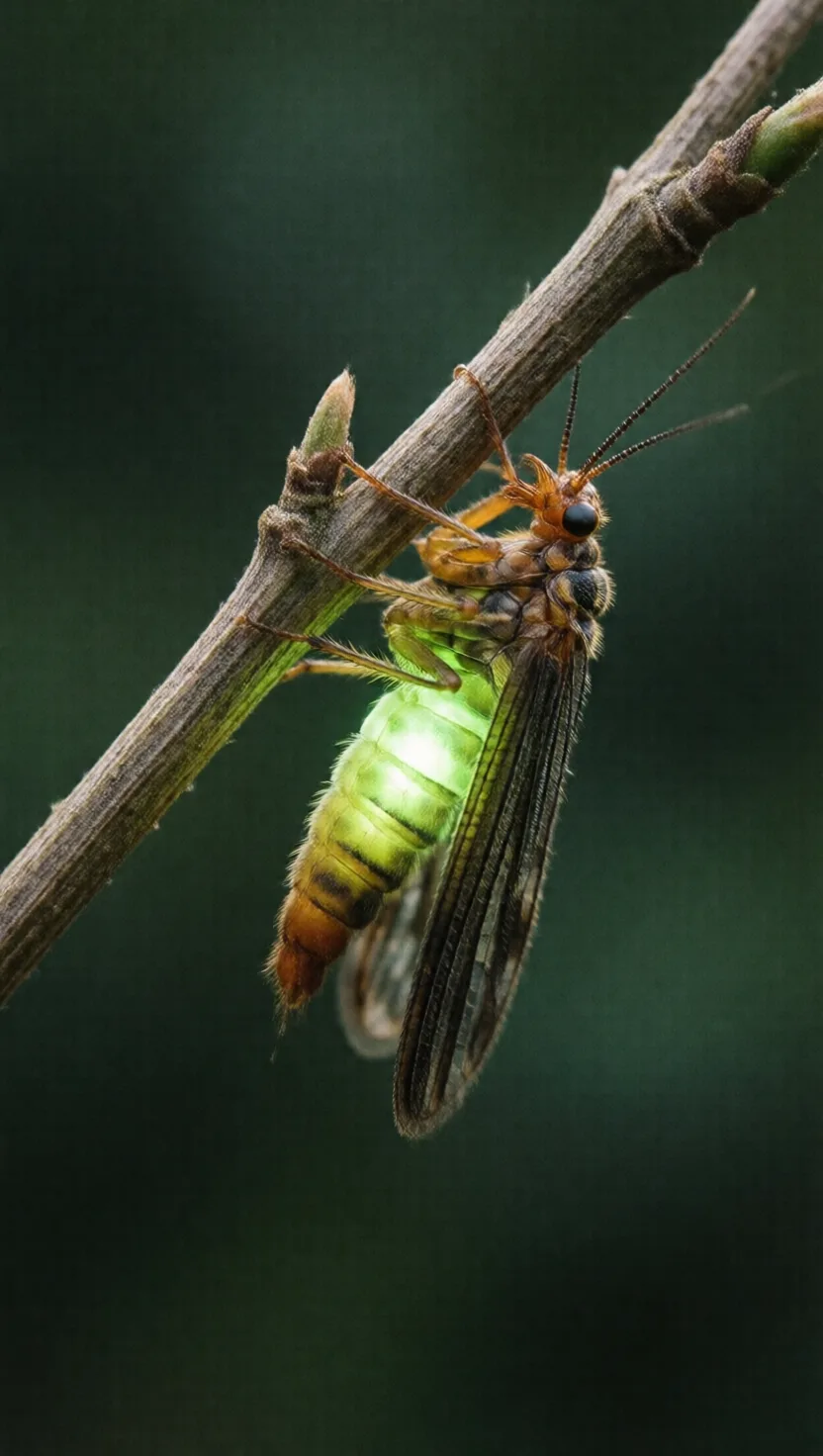
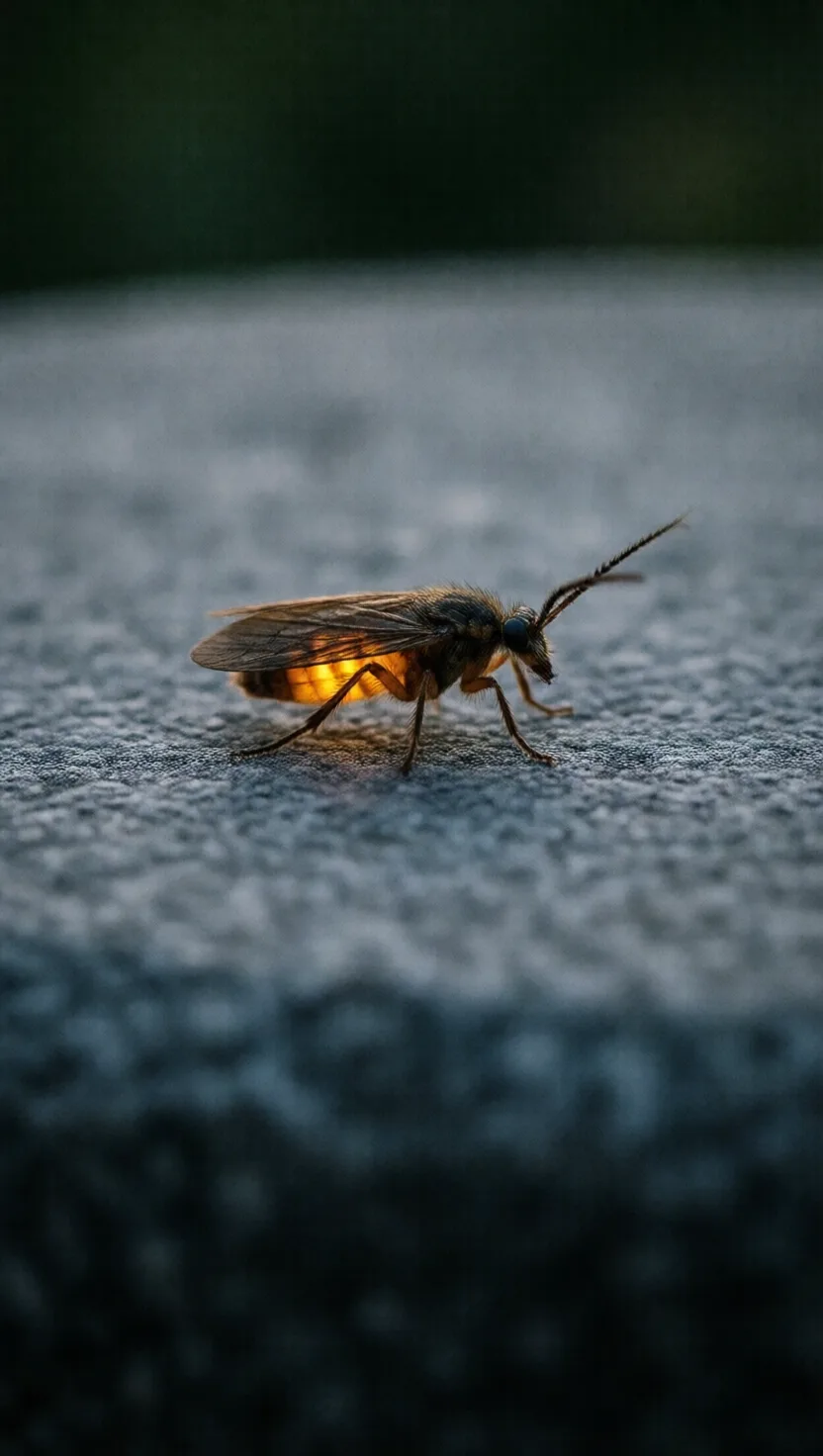
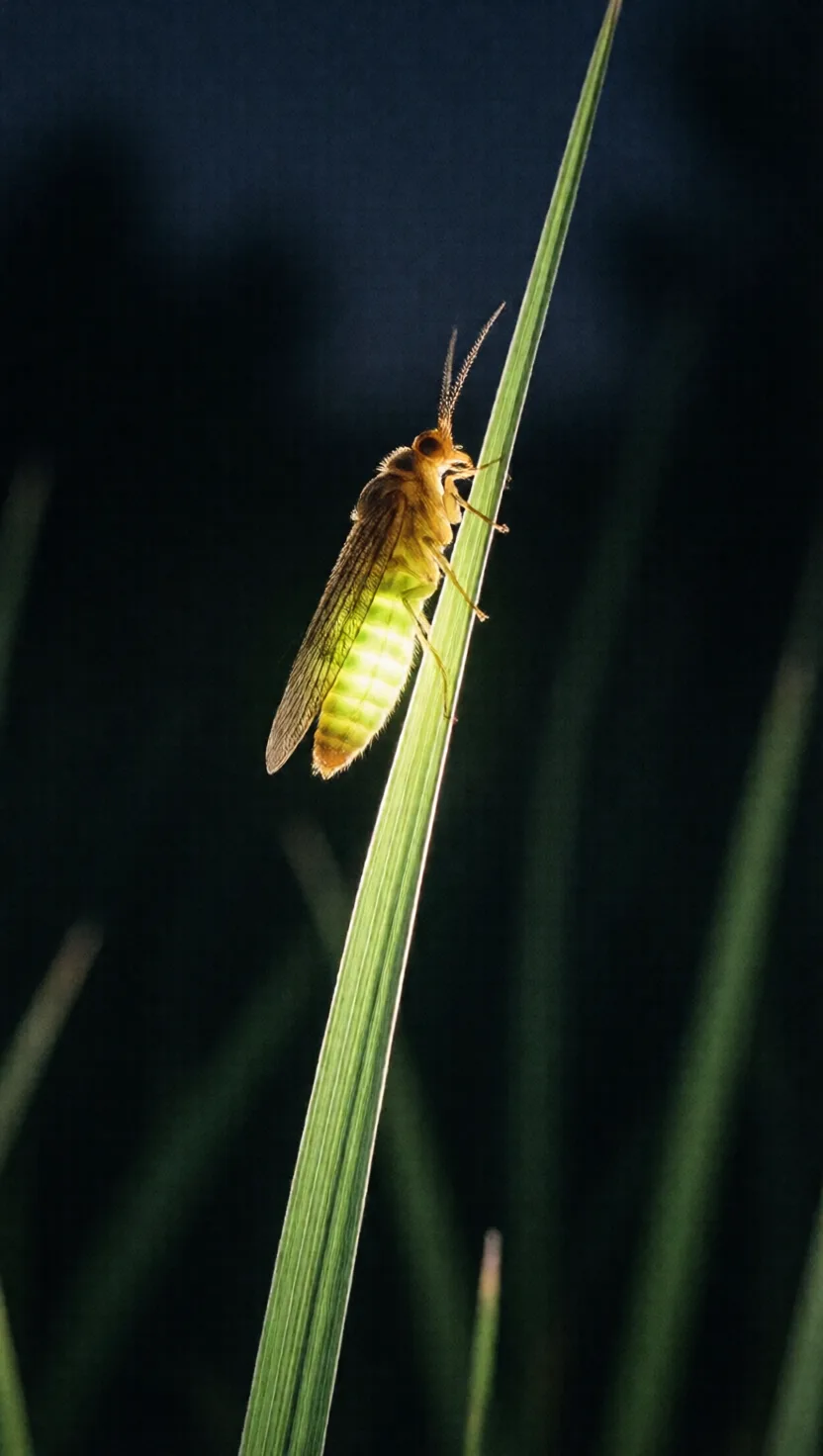
A flame or a bulb throws away most of its energy as heat. A firefly does the opposite: nearly all the energy in its light reaction becomes light, not warmth. Careful lab measurements put the efficiency around 96 percent, against under 10 percent for an old incandescent bulb. That is why you can cup a glowing firefly in your hand and feel nothing. The glow appears when an enzyme oxidises a molecule called luciferin, releasing the energy almost entirely as a cool greenish light.
Some fireflies fake love to eat their dates

Some fireflies fake love to eat their dates

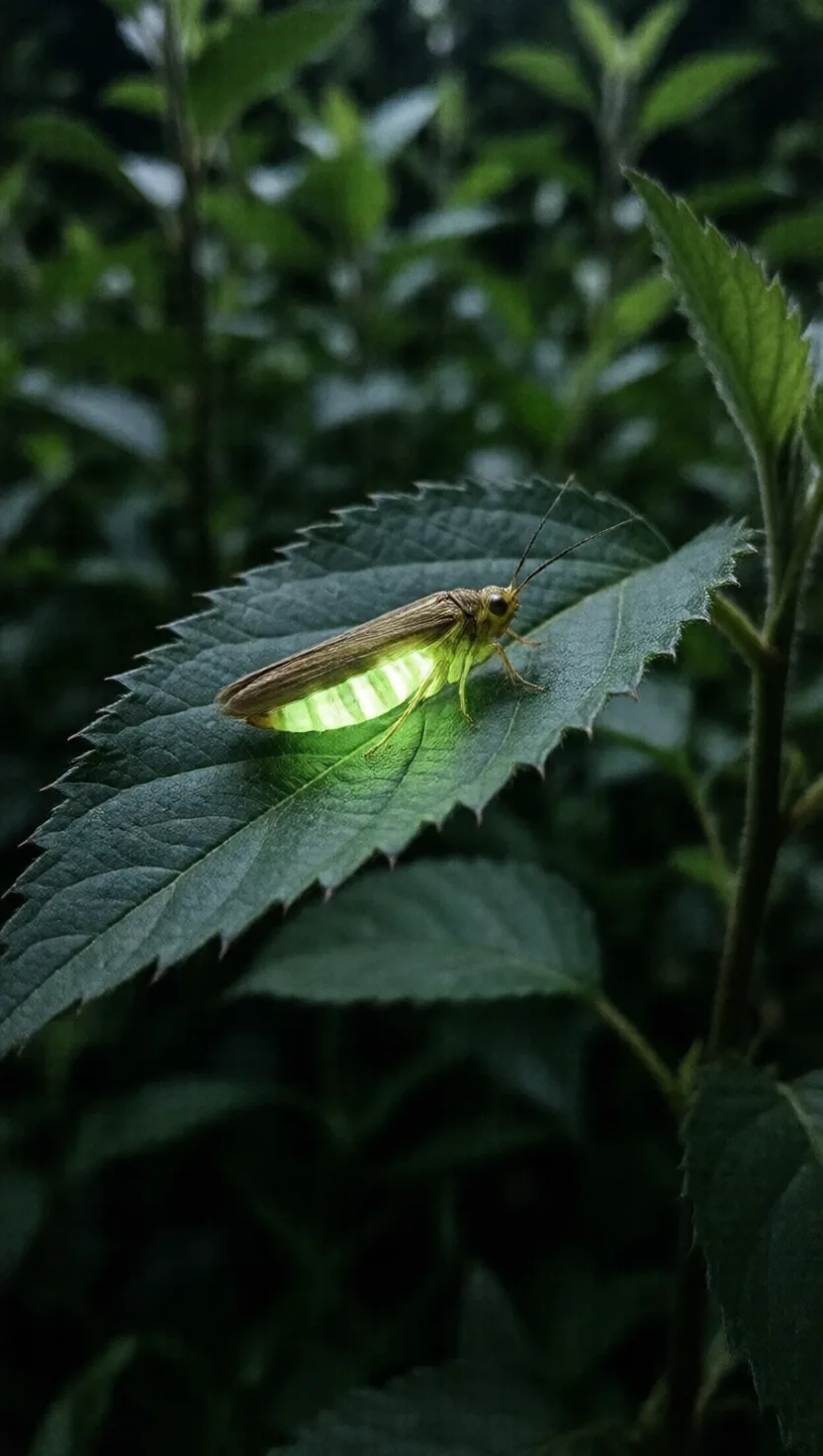
Each firefly species blinks in its own rhythm, a code that lets males and females find their own kind. Females of the genus Photuris learned to crack a rival's code. A Photuris female copies the answering flash of a different species' female, luring a hopeful male close, then seizes and eats him. She is after more than a meal. Her victims carry bitter defensive toxins she cannot make herself, and by devouring them she steals that chemical armor to protect her own body and eggs.
Whole forests of fireflies blink as one

Whole forests of fireflies blink as one

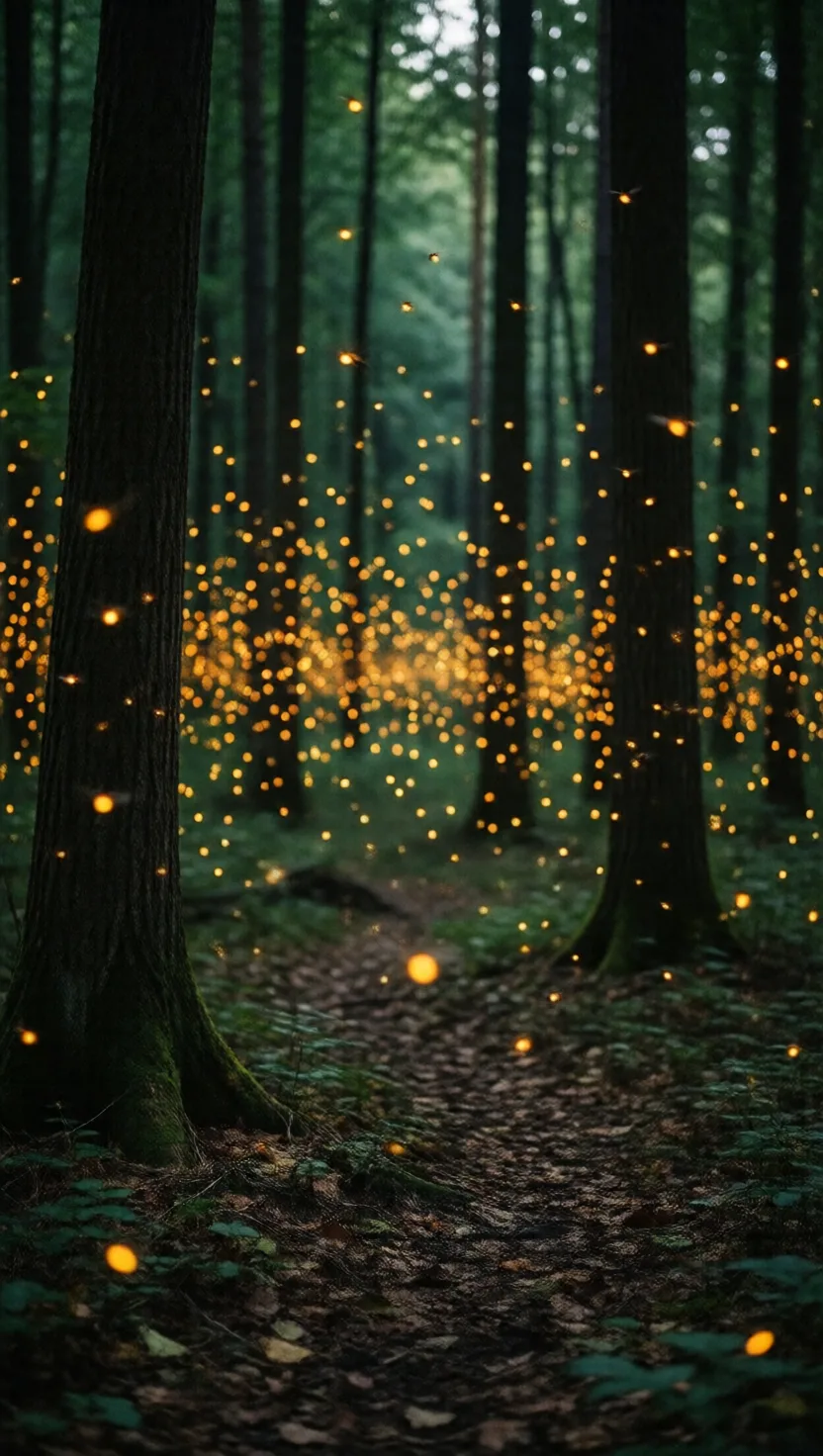
On a few warm nights each year in the southern Appalachian mountains, thousands of one firefly species flash together. Each male gives a burst of five to eight flashes, then the whole population falls dark for roughly eight seconds, then lights up again, a forest pulsing in unison. No conductor sets the beat. Each insect simply nudges its timing toward its neighbors until the crowd locks into rhythm. The display lasts only about two weeks, its start set by temperature and soil moisture.
Every baby firefly glows, as a threat

Every baby firefly glows, as a threat

Adults flash to flirt, but the glow starts much earlier. Every known firefly larva glows, and in some species so do the eggs. The young are not signalling for mates; they are warning. Firefly larvae are laced with bitter, toxic compounds, and a steady light tells predators hunting in the dark to leave them alone. The glow brightens when a larva is disturbed. These crawling lights are the original glowworms, lit long before the insect ever grows wings and takes to the air.
A firefly's blink is switched by a gas

A firefly's blink is switched by a gas

How does a firefly turn its light on and off so crisply? The trigger is a gas. A nerve signal makes cells in the lantern release nitric oxide, which briefly stalls the oxygen-hungry machinery of nearby mitochondria. That lets a sudden rush of oxygen reach the light-making chemicals, and the lantern flares. The instant the light is produced it cancels the gas's effect, the mitochondria grab the oxygen back, and the glow snaps off. The flash is a tiny chemical relay run on oxygen and gas.
Firefly skin taught us brighter LEDs

Firefly skin taught us brighter LEDs

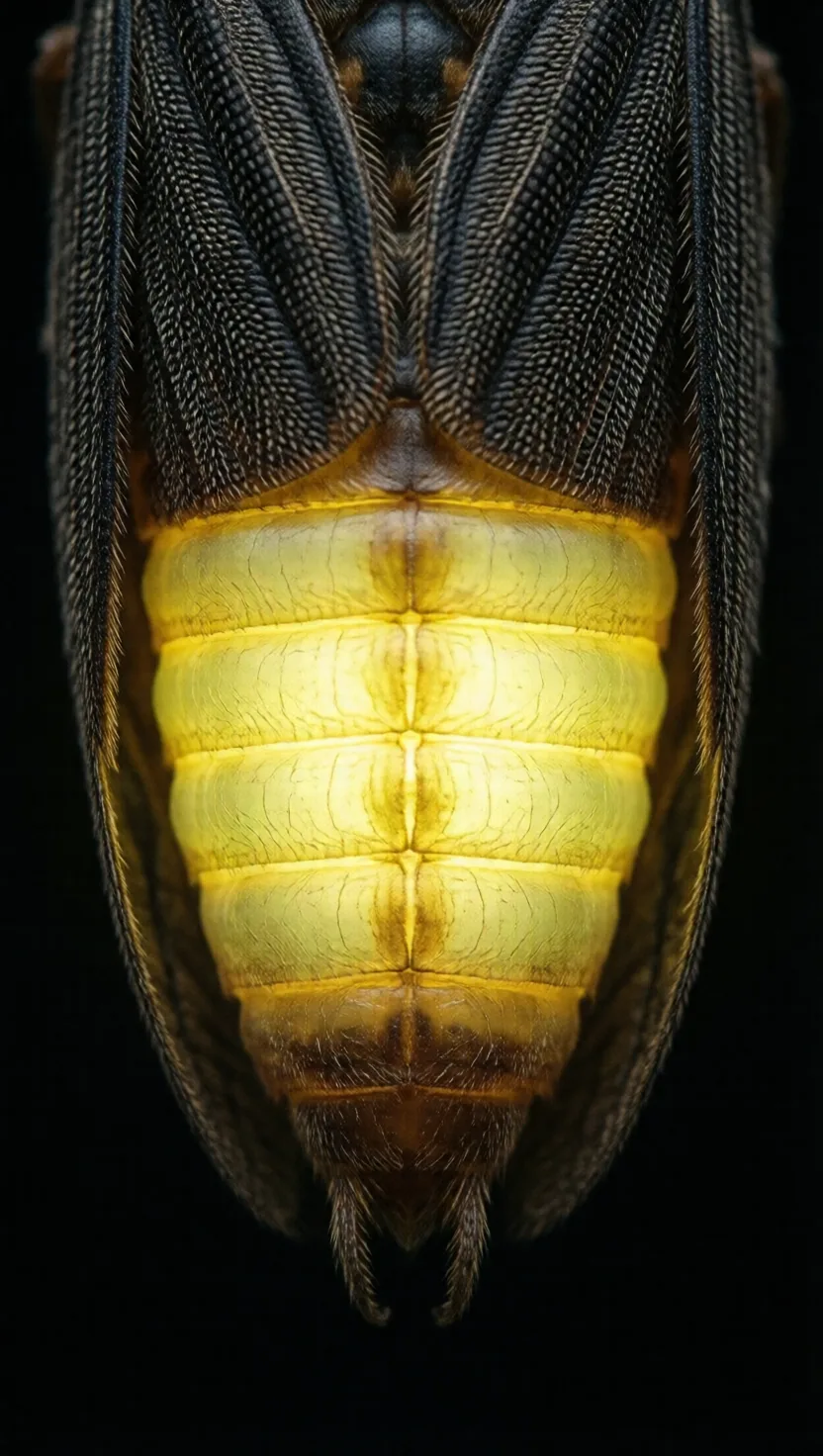
A firefly's lantern is built to leak light efficiently. Behind the glowing cells sits a reflector packed with tiny, evenly sized grains of uric acid that bounce light outward. The lantern's surface is also covered in jagged microscopic scales, shaped a little like rows of factory rooftops, that let light escape instead of bouncing back inside. Engineers copied that jagged pattern onto LED coatings and pulled more than 50 percent more light out of the very same diode.
Half a firefly can kill a lizard

Half a firefly can kill a lizard

Those bitter firefly toxins, called lucibufagins, are close cousins of the heart poisons of certain toads. They jam the sodium-potassium pump that every animal cell depends on. Native predators learn to avoid the taste, but pet lizards from other continents, like the Australian bearded dragon, have no such instinct. As little as half a firefly carries enough toxin to kill a full-grown bearded dragon, often within a couple of hours. A glow that looks gentle is a warning meant quite literally.
Dusk fireflies glow yellower on purpose

Dusk fireflies glow yellower on purpose

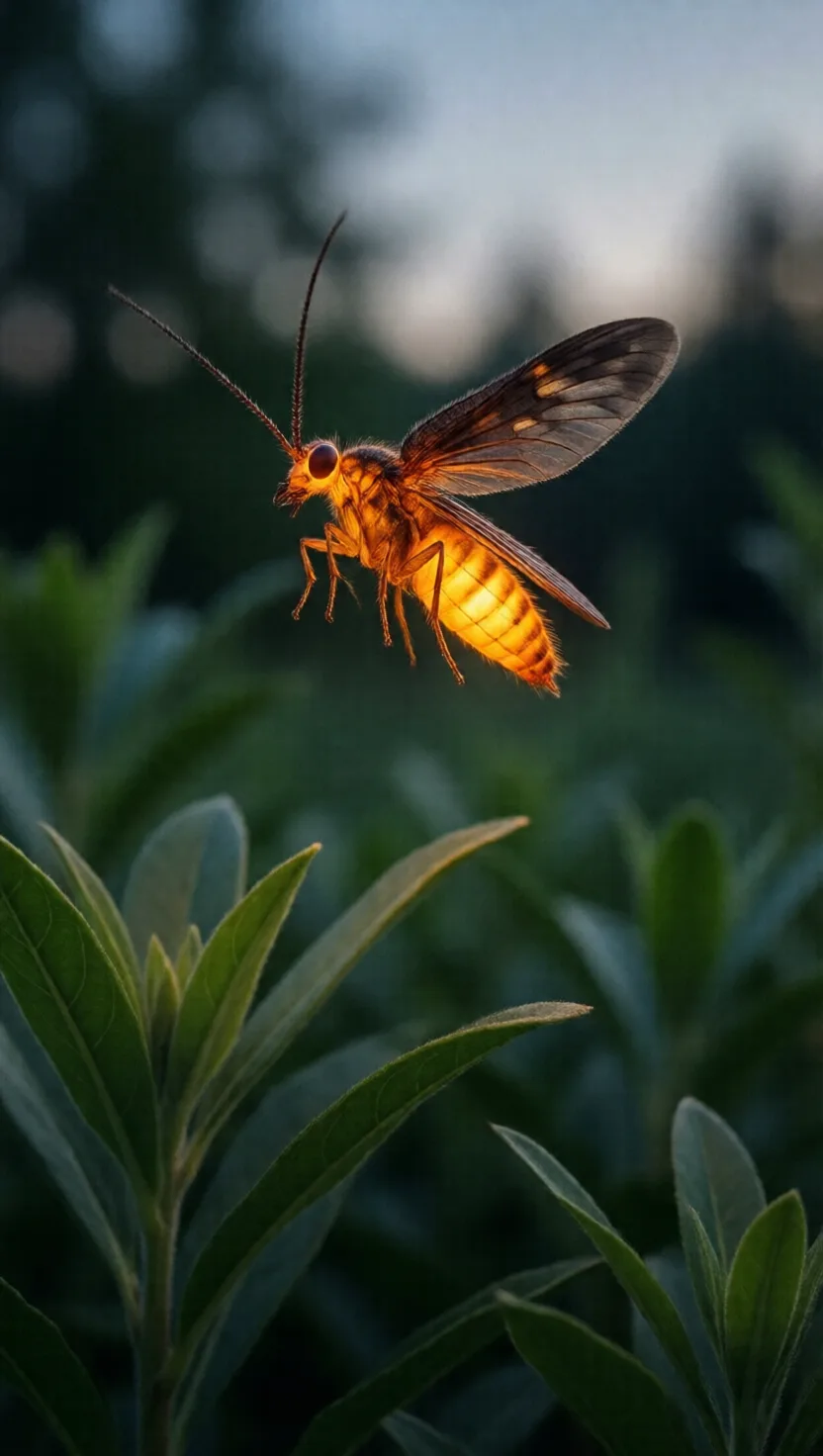
Firefly light is not all the same color. Species that fly in near-total darkness tend to glow green, while those active at twilight glow a more yellow shade. The reason appears to be contrast. At dusk, air and leaves reflect a lot of green light, so a green signal would blur into the background, while a yellower flash stands out against the foliage and is easier for a mate to spot. The insect's eyes are tuned to match, sharpening the very signal it is trying to send.
tap →swipe ↑ for depthswipe ↓ to exit