Eight things hiding in a rainbow metal

DC·169 Deep Cuts
Its rainbow is just a skin of tarnish

Its rainbow is just a skin of tarnish

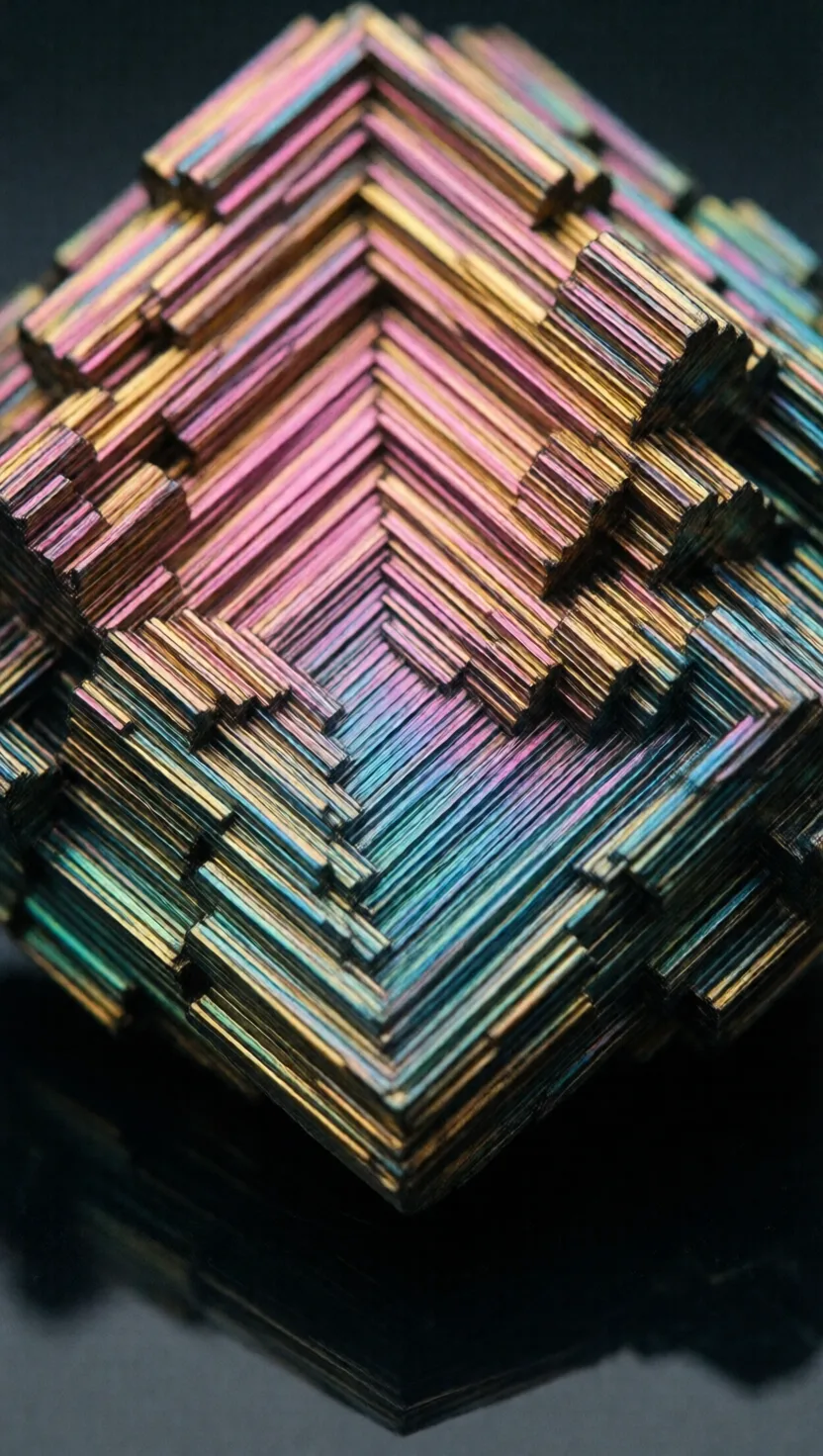
The dazzling colours on a bismuth crystal are not the metal itself but a film of tarnish thinner than a soap bubble. As molten bismuth cools it grows a microscopic oxide layer, and light bouncing off that skin interferes with light bouncing off the metal beneath, splitting into colours set purely by the film's thickness. Makers seal the crystals in varnish to freeze the rainbow in place.
It grows into hollow stepped pyramids

It grows into hollow stepped pyramids

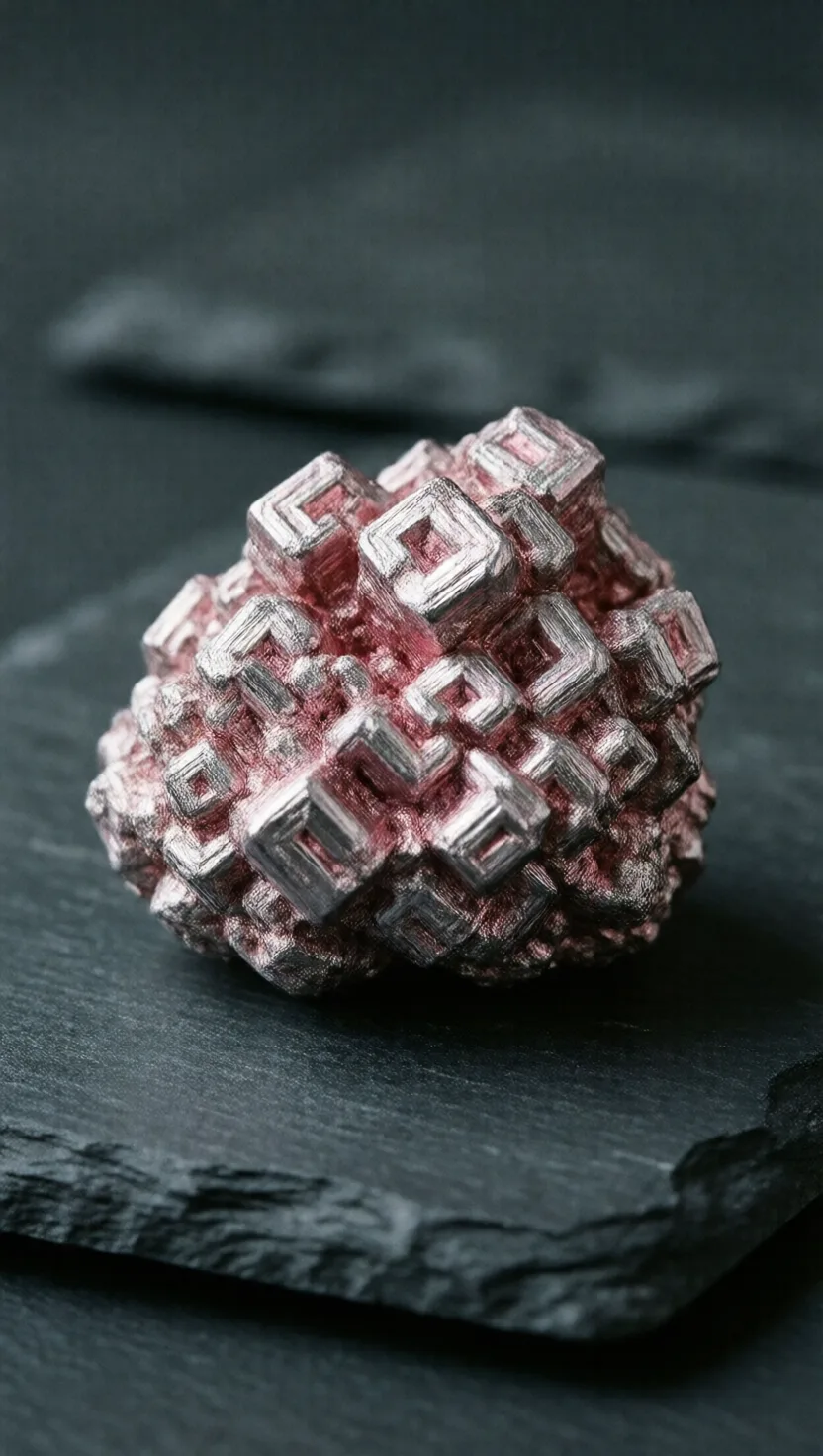
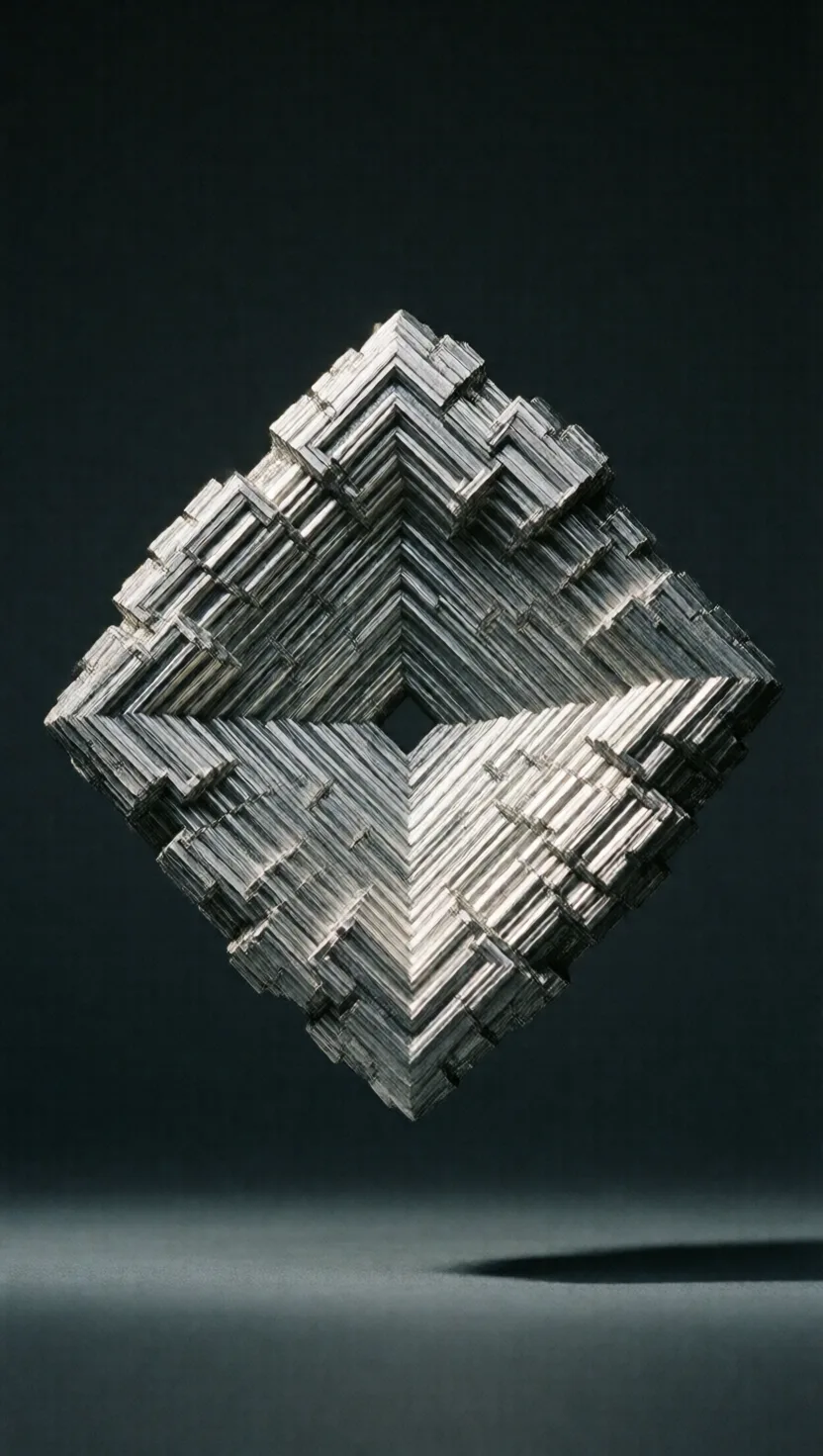
Bismuth crystallises into strange skeletal staircases, square pyramids that look hollowed out from the inside. The shape forms because the outer edges of each layer grow faster than the flat faces, racing ahead and leaving the centres sunken. Geologists call these hopper crystals, and bismuth makes some of the most perfect examples of any element.
It's radioactive, but barely

It's radioactive, but barely

For two centuries bismuth was filed away as the heaviest stable element, the last one that never decays. Then in 2003 physicists in France caught its atoms quietly spitting out alpha particles. Bismuth-209 does decay, but its half-life is about 19 billion billion years, more than a billion times the present age of the universe, so the change is all but invisible.
Like water, it swells as it freezes

Like water, it swells as it freezes

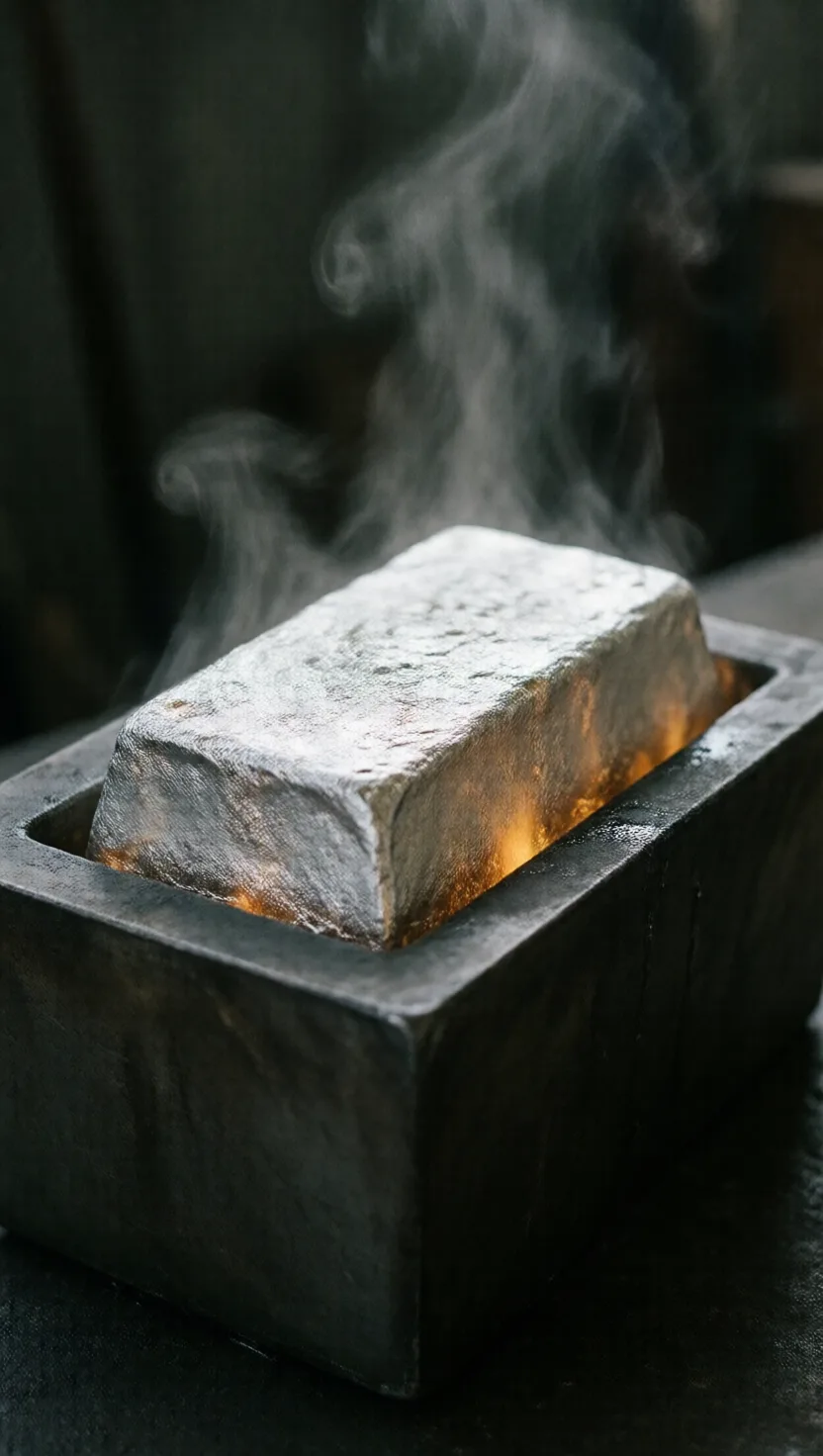
Nearly every metal shrinks as it hardens, but bismuth does the opposite, expanding about 3.3 percent as it solidifies. It shares that quirk with only a few substances, water and antimony among them. The trait once made bismuth valuable in printing alloys, because the swelling pressed the metal tight into every corner of a mould instead of pulling away.
A blob of it triggers fire sprinklers

A blob of it triggers fire sprinklers

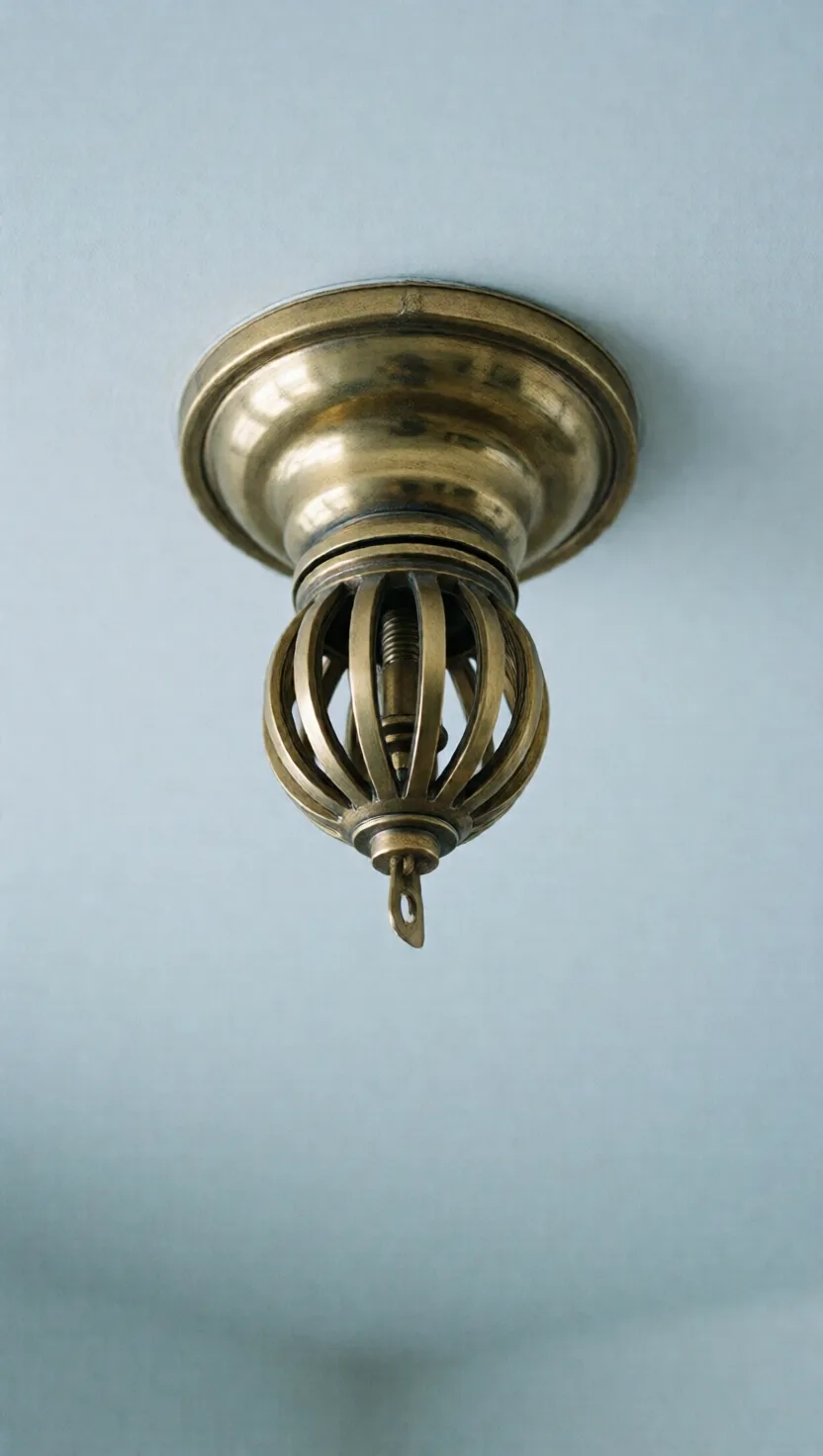
Alloy bismuth with a little lead and tin and it melts at startlingly low heat, some mixtures turning liquid below the boiling point of water, around 70 degrees Celsius. A small fusible link of such alloy holds the valve of a ceiling sprinkler shut; when a fire heats the room, the link melts at its set temperature and lets the water burst free.
A magnet floats above it, no power needed

A magnet floats above it, no power needed

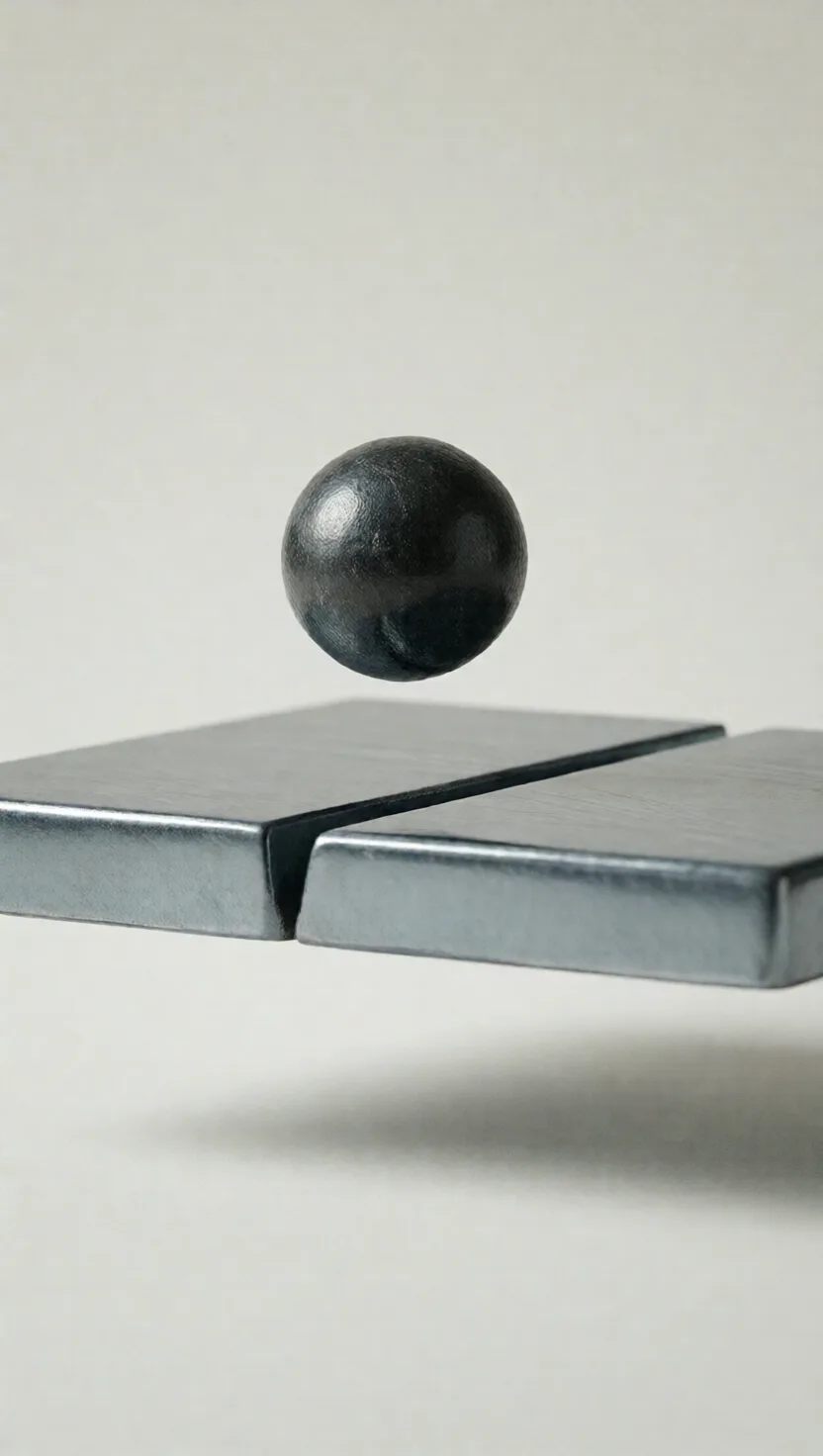
Bismuth is the most strongly diamagnetic of all metals, meaning it pushes back against any magnetic field rather than being drawn in. The effect is powerful enough that, with the right arrangement, a small magnet will hover in mid-air between bismuth plates at ordinary room temperature, using no electricity and no cooling at all.
Its shimmer hides in face powder

Its shimmer hides in face powder

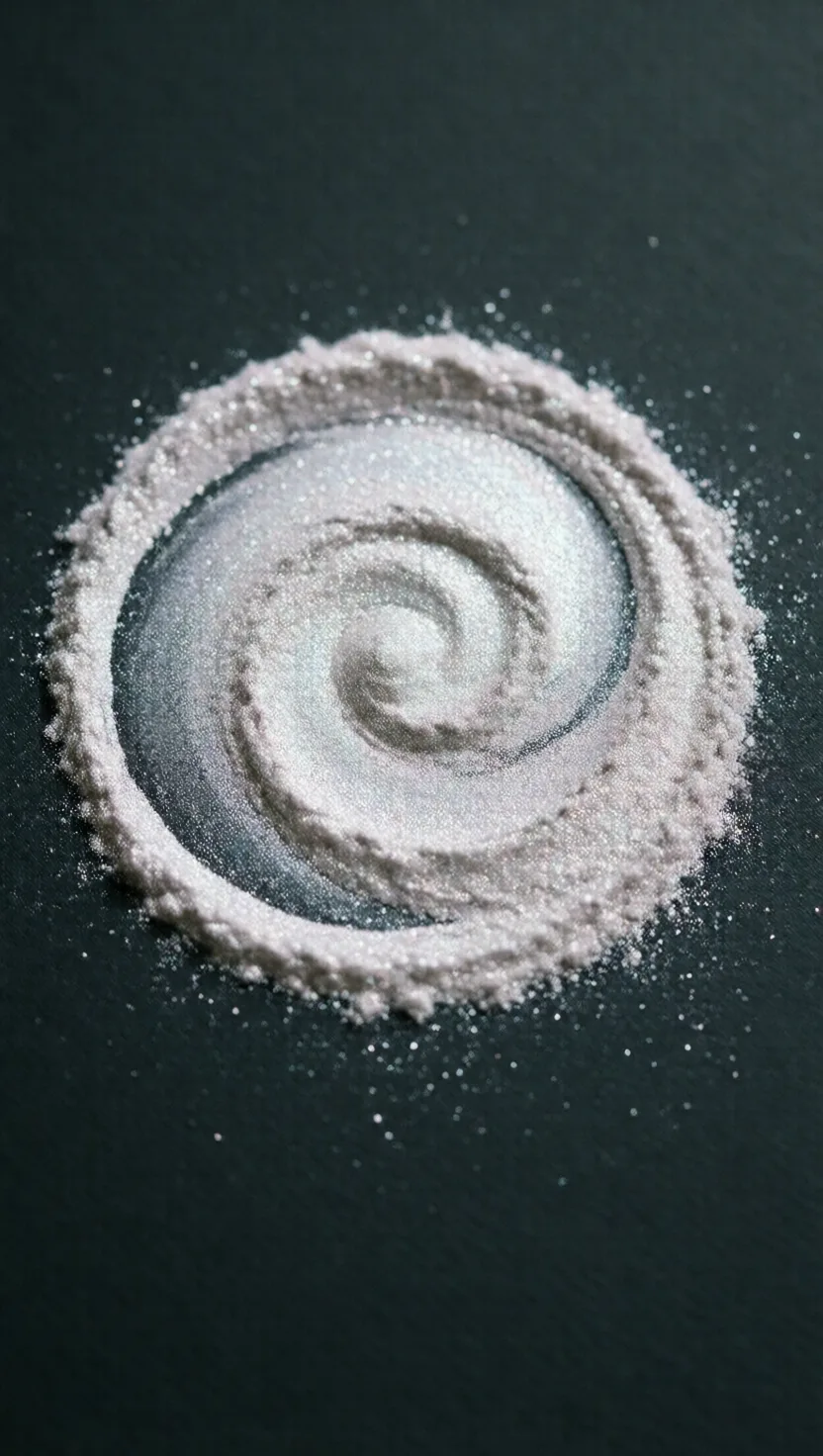
A pale bismuth compound forms feather-light, plate-shaped crystals that scatter light much as the inside of a seashell does. Dusted into face powders, eyeshadows and nail varnish, those plates give a soft pearly glow. The trick is ancient, and it offered a safe, lustrous stand-in for the toxic lead whites once smeared on skin.
It's the heavy metal that won't poison you

It's the heavy metal that won't poison you

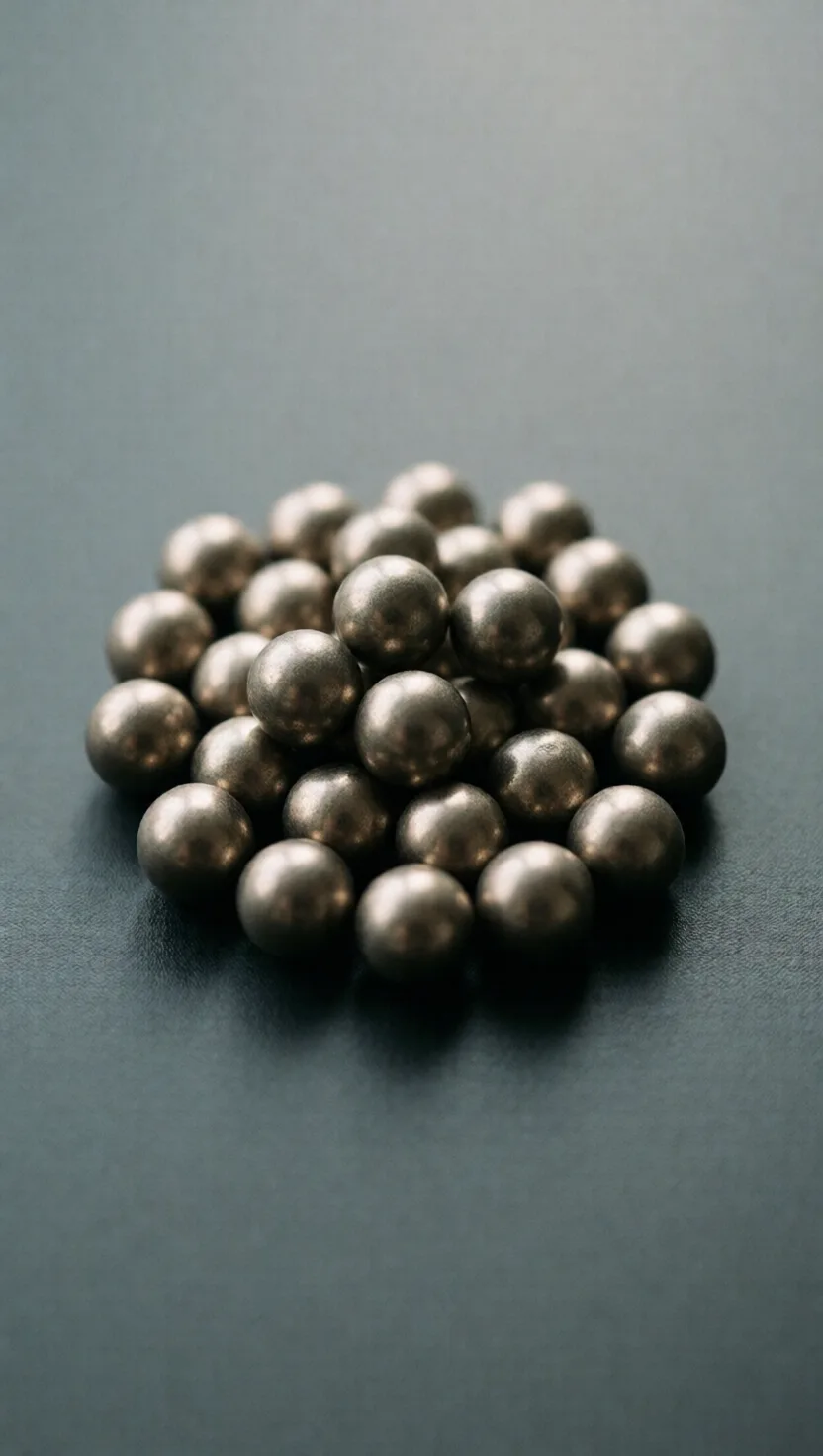
Most heavy metals are toxic, but bismuth is remarkably harmless to living things, so it has become the go-to replacement for lead. It now fills shotgun pellets, fishing weights and solder where lead is banned. A bismuth-tin shot is about three-quarters as dense as lead, yet a bird or fish that swallows a stray pellet comes to no harm.
tap →swipe ↑ for depthswipe ↓ to exit