Eight things rivers and waterfalls keep hidden

DC·15 Deep Cuts
The world's tallest waterfall never reaches the ground

The world's tallest waterfall never reaches the ground

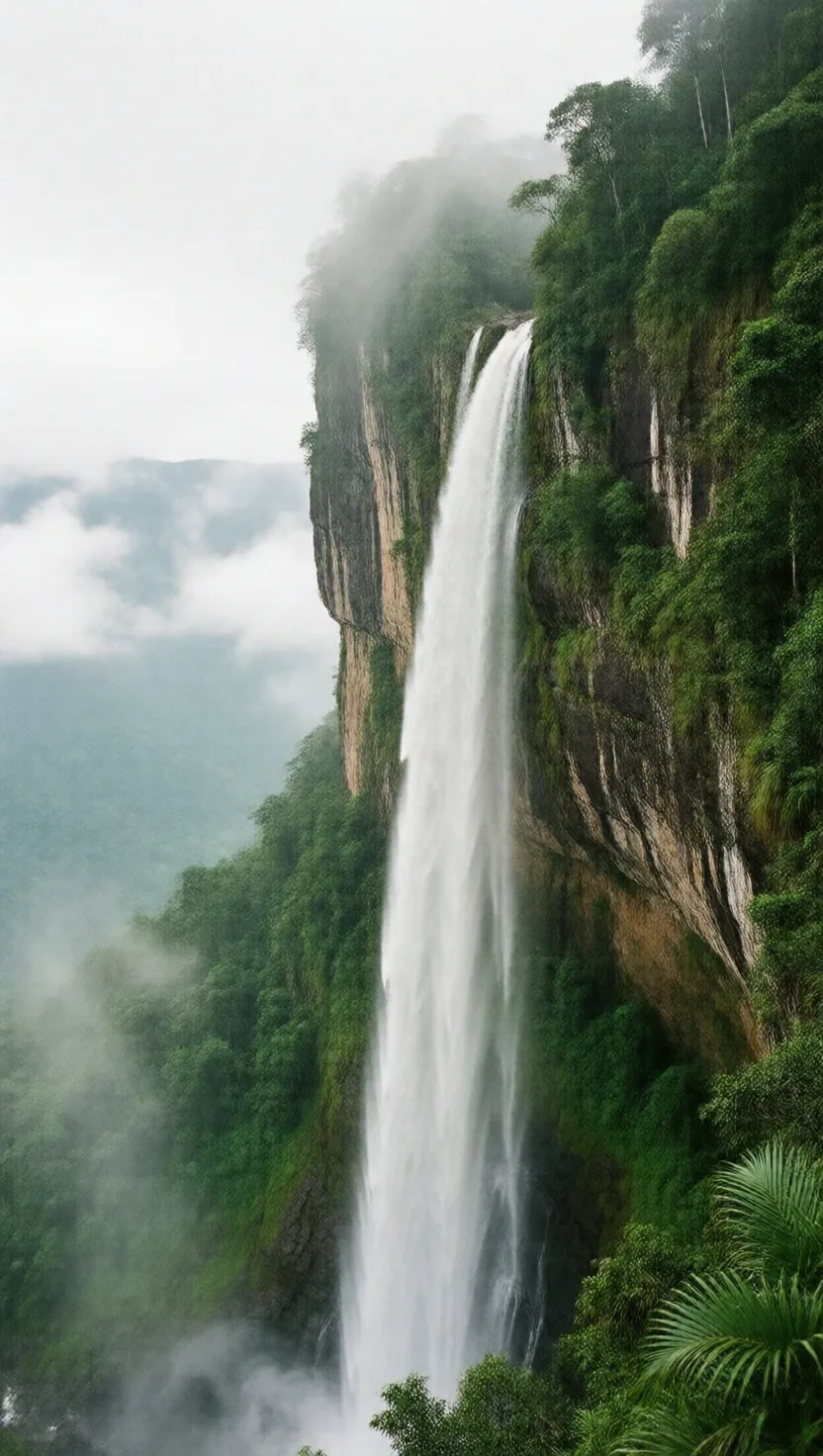
Angel Falls in Venezuela drops 979 metres off the edge of a flat-topped tabletop mountain — so far that in the dry season the water shatters into fine mist long before it touches the base, drifting away on the wind. Its uninterrupted plunge of 807 metres is more than fifteen times the height of Niagara, and the spray can be felt a kilometre away.
There's a river in the Amazon hot enough to cook you alive

There's a river in the Amazon hot enough to cook you alive

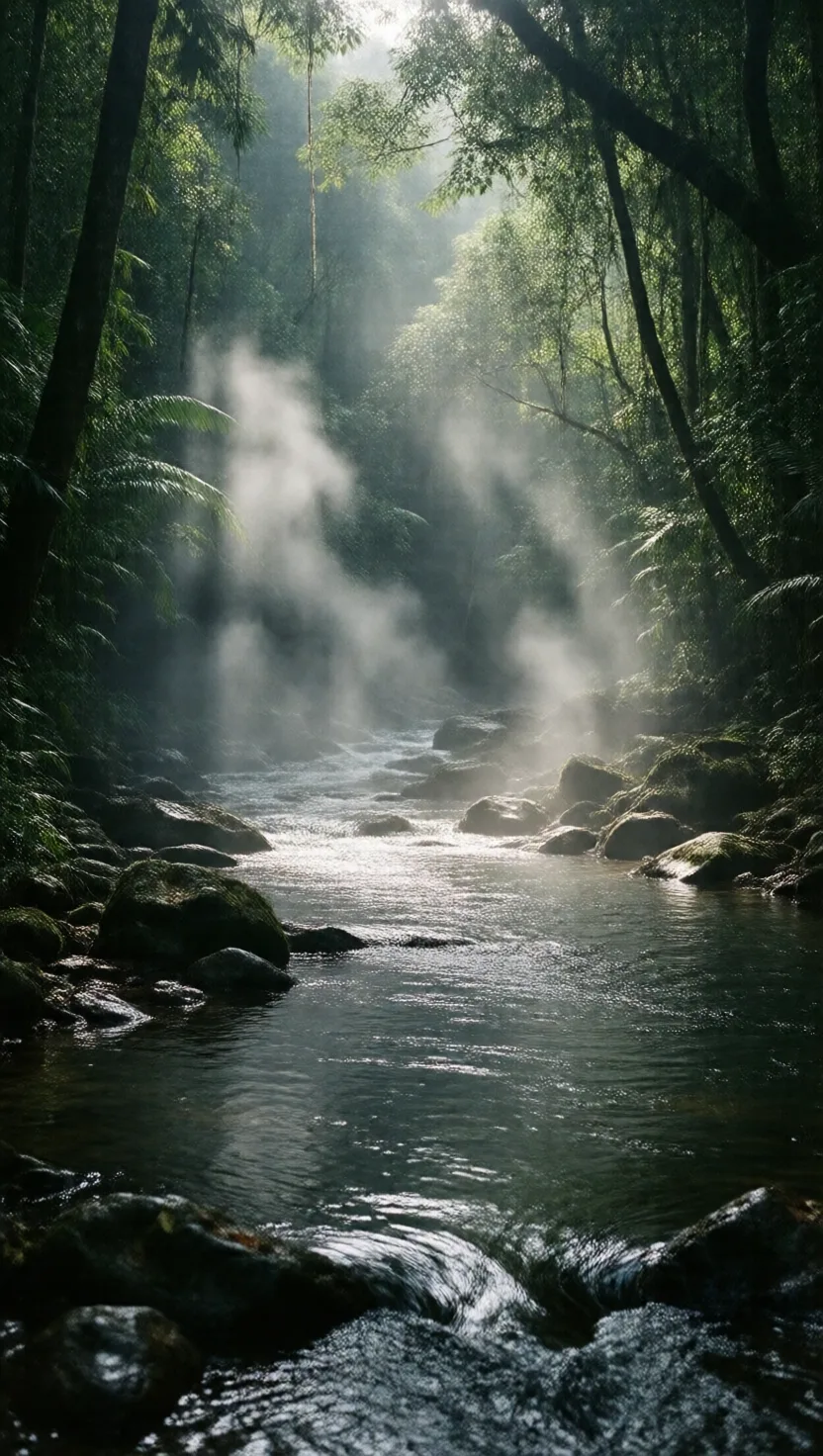
The Shanay-timpishka in Peru runs at an average near 86°C and has been measured at 99°C — a near boil — for some six kilometres. Animals that fall in are cooked from the inside; their eyes go first. Yet the nearest volcano is over 700 km away. The heat comes from rainwater that sinks thousands of metres into deep fault cracks, is warmed by the Earth, and rises back up steaming.
For a few weeks a year this river turns blood red

For a few weeks a year this river turns blood red

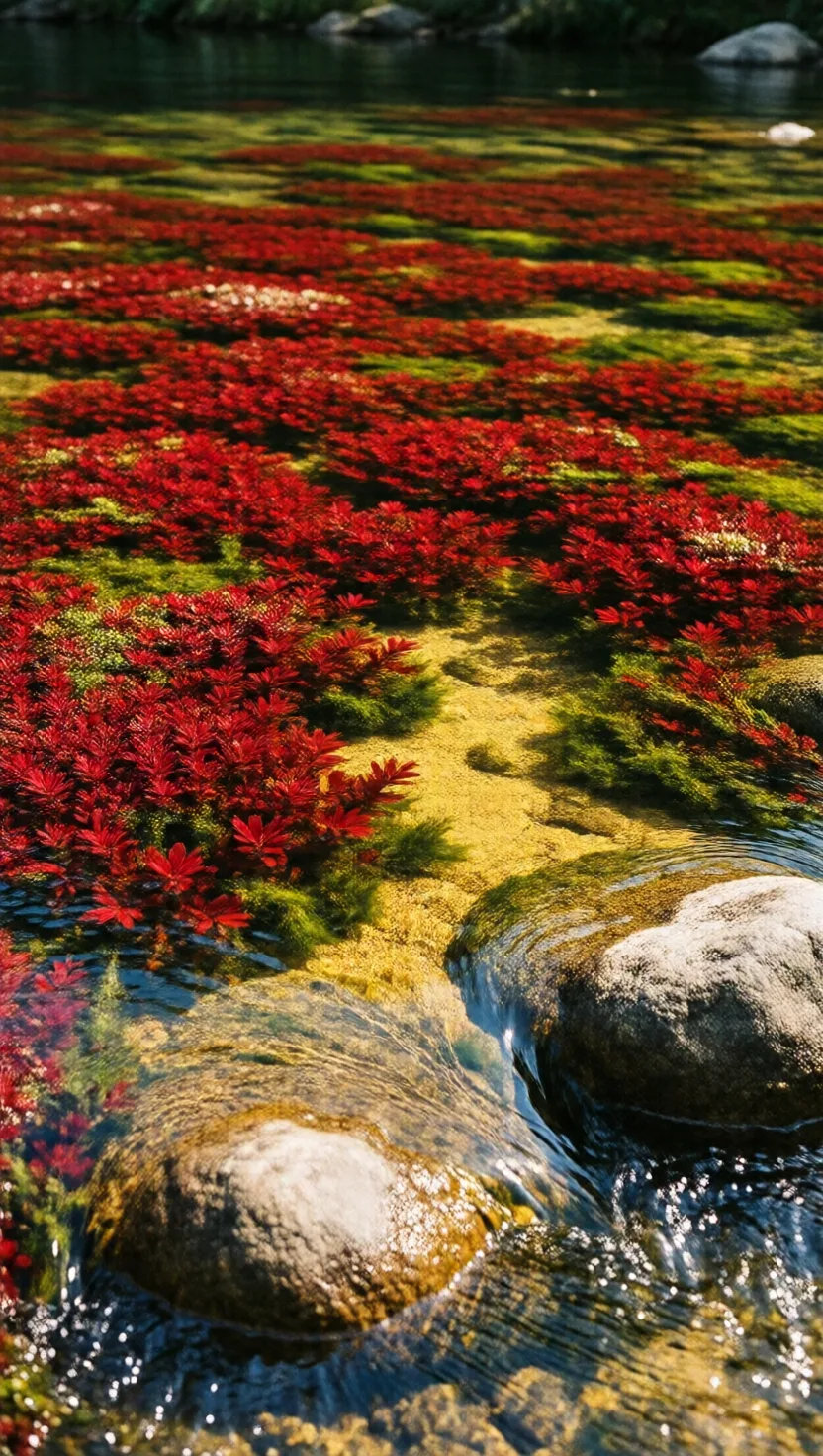
Colombia's Caño Cristales is called the river of five colours. For a short window between roughly September and November, an aquatic plant called Macarenia clavigera blushes brilliant scarlet across the riverbed, set against yellow sand, green moss and blue water. The plant needs a precise depth of fast, clear, sunlit flow — too high and it stays dormant, too shallow and it dries out.
For ten minutes each February this waterfall looks like lava

For ten minutes each February this waterfall looks like lava

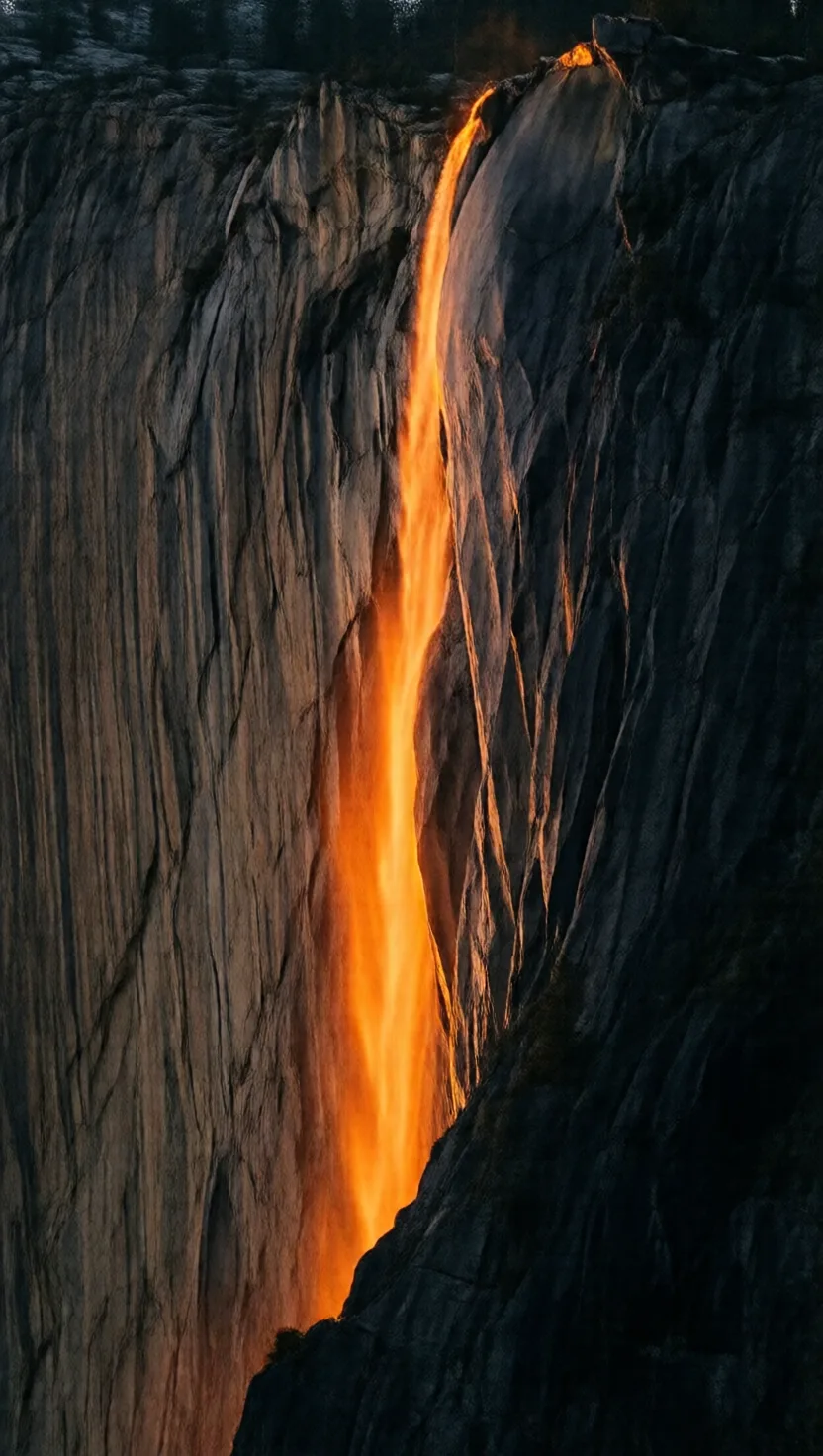
Horsetail Fall pours down a granite cliff in Yosemite. For about two weeks in mid-to-late February, if the water is flowing and the sky is clear, the setting sun strikes the falling water at just the right angle and lights it molten orange — a glowing ribbon that looks like flowing lava. The effect lasts roughly ten minutes before the sun drops, then vanishes for another year.
A flame burns inside this waterfall, almost always lit

A flame burns inside this waterfall, almost always lit

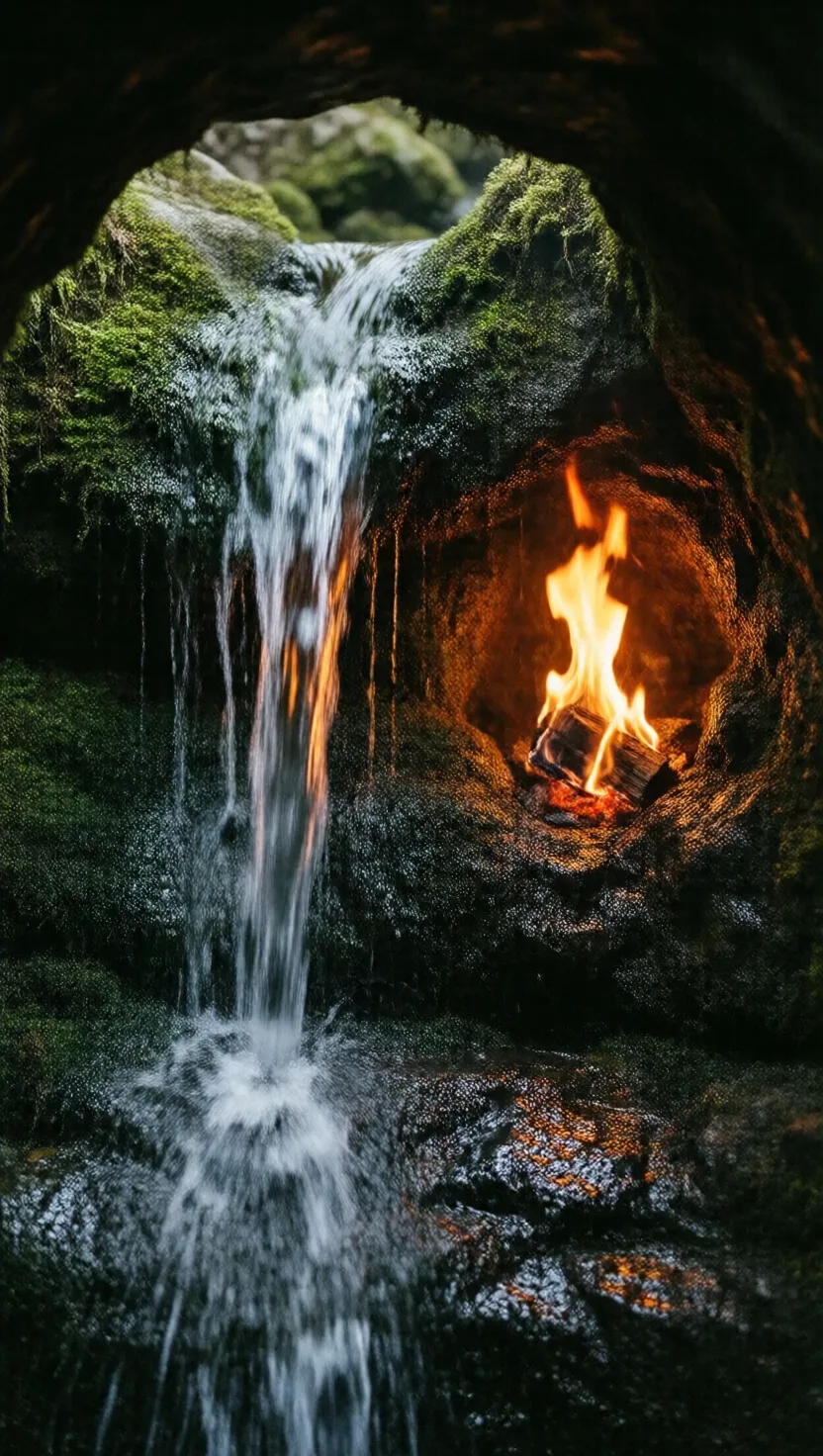
Behind a small cascade in western New York, a little grotto leaks natural gas straight from the rock. Lit by visitors, the flame burns just centimetres from the falling water and stays lit nearly year-round. Oddly, the shale feeding it sits only about 400 metres down and is far too cool to make gas the usual way — geologists still aren't sure exactly how it forms.
This waterfall is solid stone and hasn't moved in millennia

This waterfall is solid stone and hasn't moved in millennia

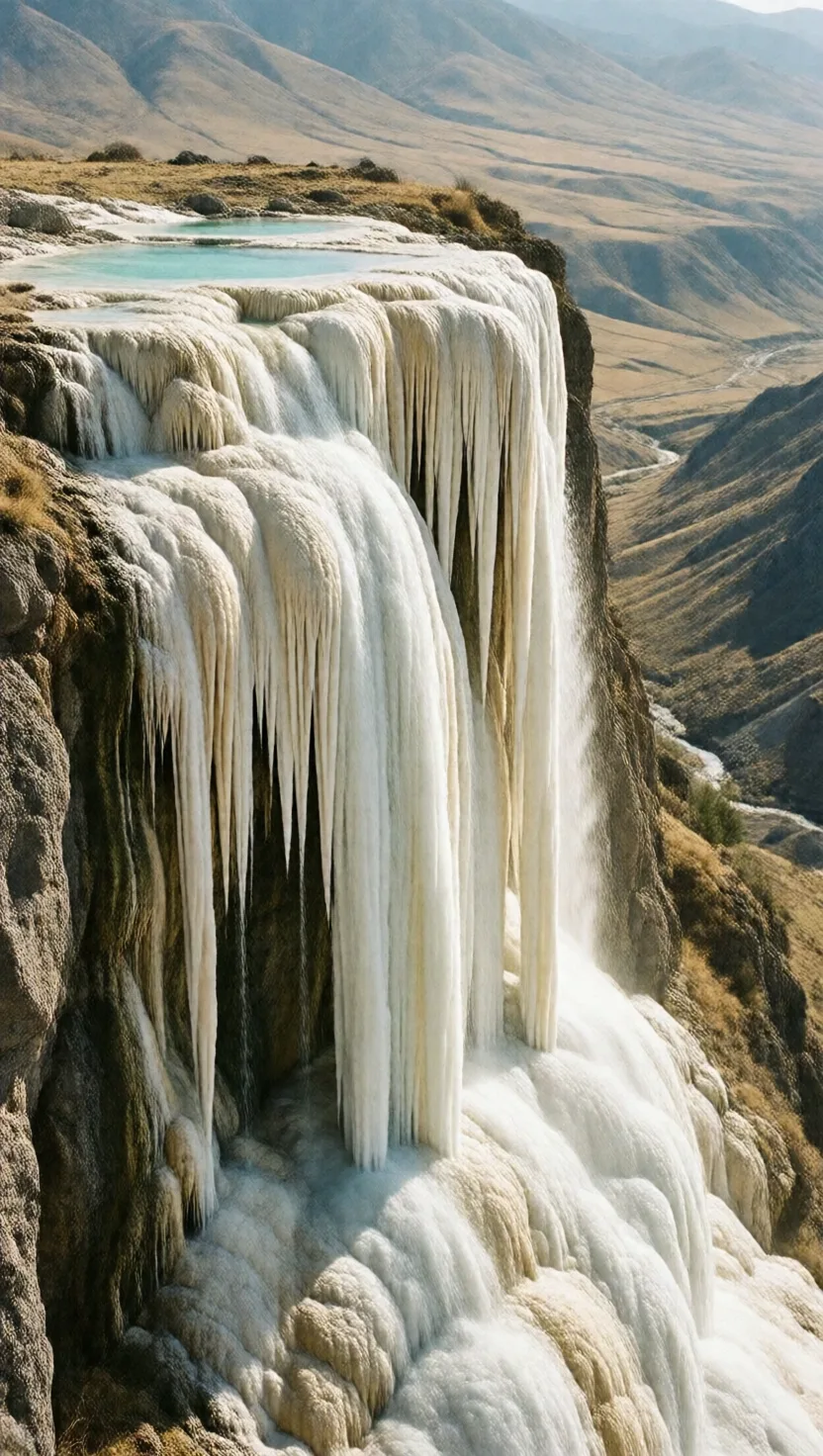
At Hierve el Agua in Oaxaca, Mexico, what looks like a frozen white waterfall pouring off a cliff is actually rock. Spring water oversaturated with calcium carbonate trickles over the edge and, drop by drop over thousands of years, leaves its minerals behind — building stone cascades up to 30 metres tall, the same way a stalactite grows. The water is a mild 22–27°C; only the cliff is frozen.
These waterfalls build their own dams and keep moving

These waterfalls build their own dams and keep moving

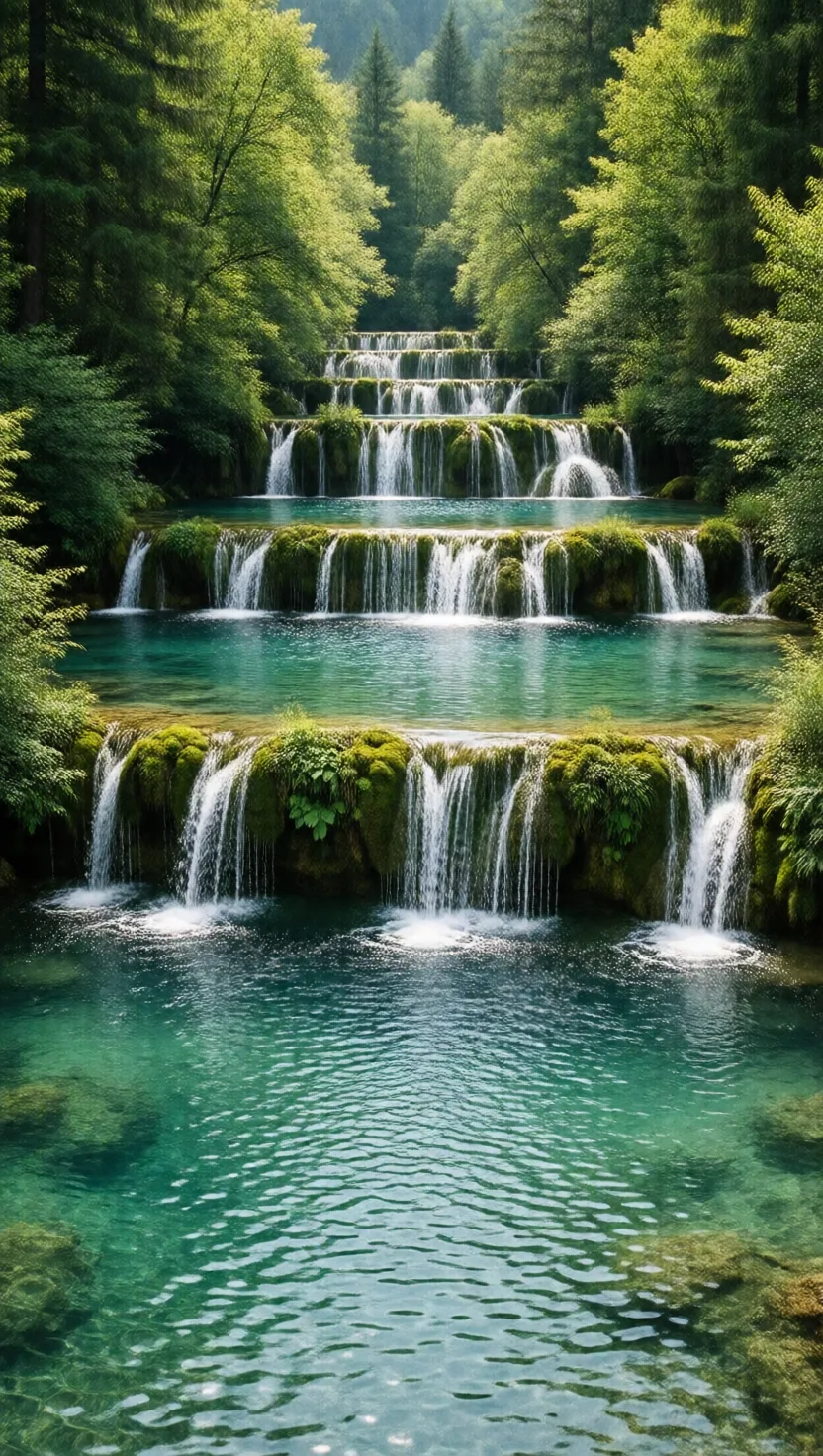
At Plitvice Lakes in Croatia the waterfalls are alive. Mosses, algae and bacteria in the water pull dissolved calcium carbonate out and cement it into stone, growing the rocky barriers between the lakes by about one to three centimetres every year. The dams rise, divert the water and create entirely new falls — so the landscape is measurably different from one generation to the next.
The deepest river on Earth could swallow a 70-storey tower

The deepest river on Earth could swallow a 70-storey tower

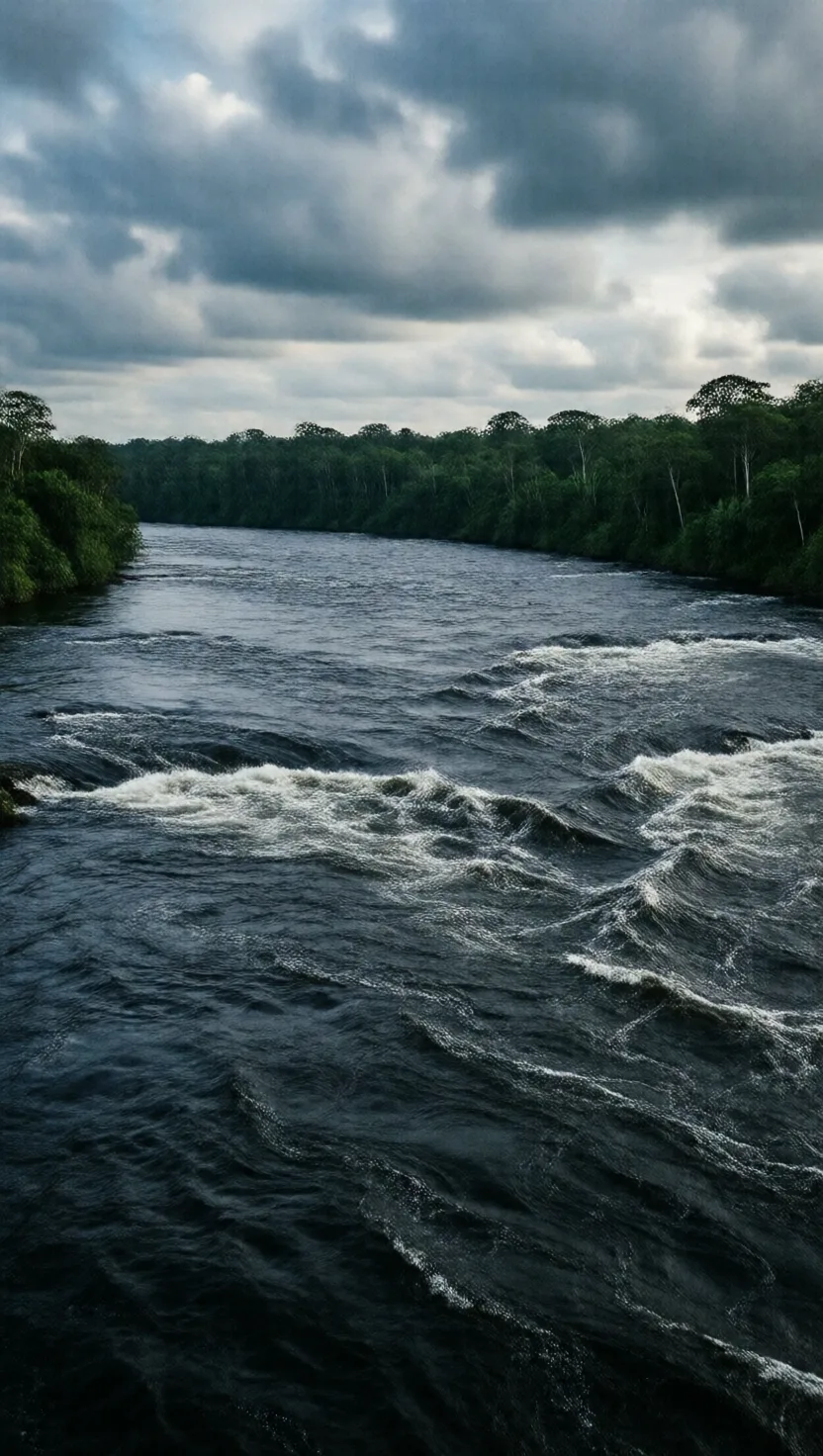
The Congo River reaches about 220 metres deep in its lower stretches — deeper than any other river, with canyon-like trenches carved into its bed. The water drops so steeply and flows so fast there that it has gouged out channels that never see daylight. Those black depths even hold fish that evolved for near-total darkness, like a blind, colourless cichlid found nowhere else.
tap →swipe ↑ for depthswipe ↓ to exit