Eight things hidden inside a garnet.

DC·145 Deep Cuts
Garnet is named after the pomegranate

Garnet is named after the pomegranate

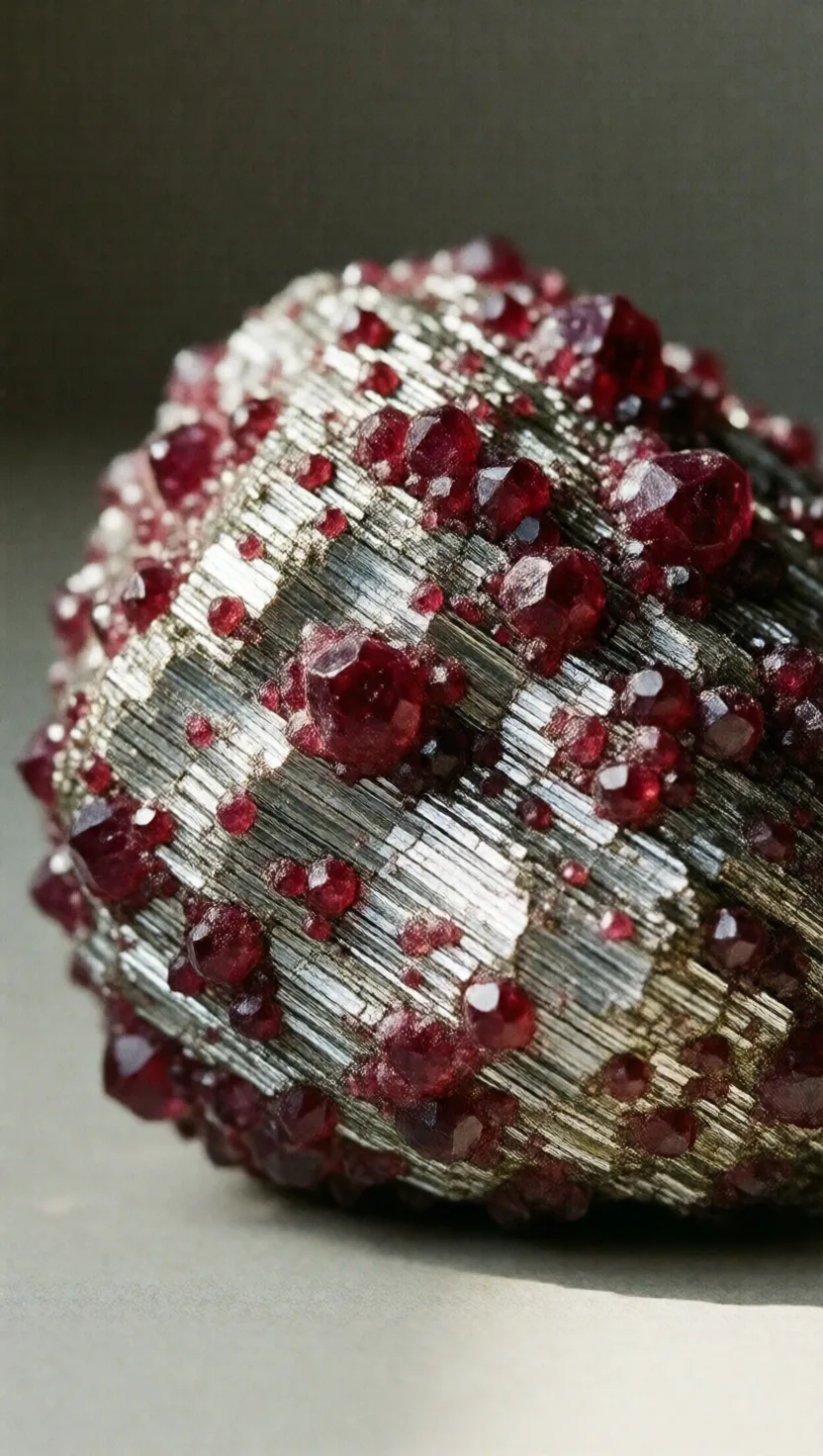
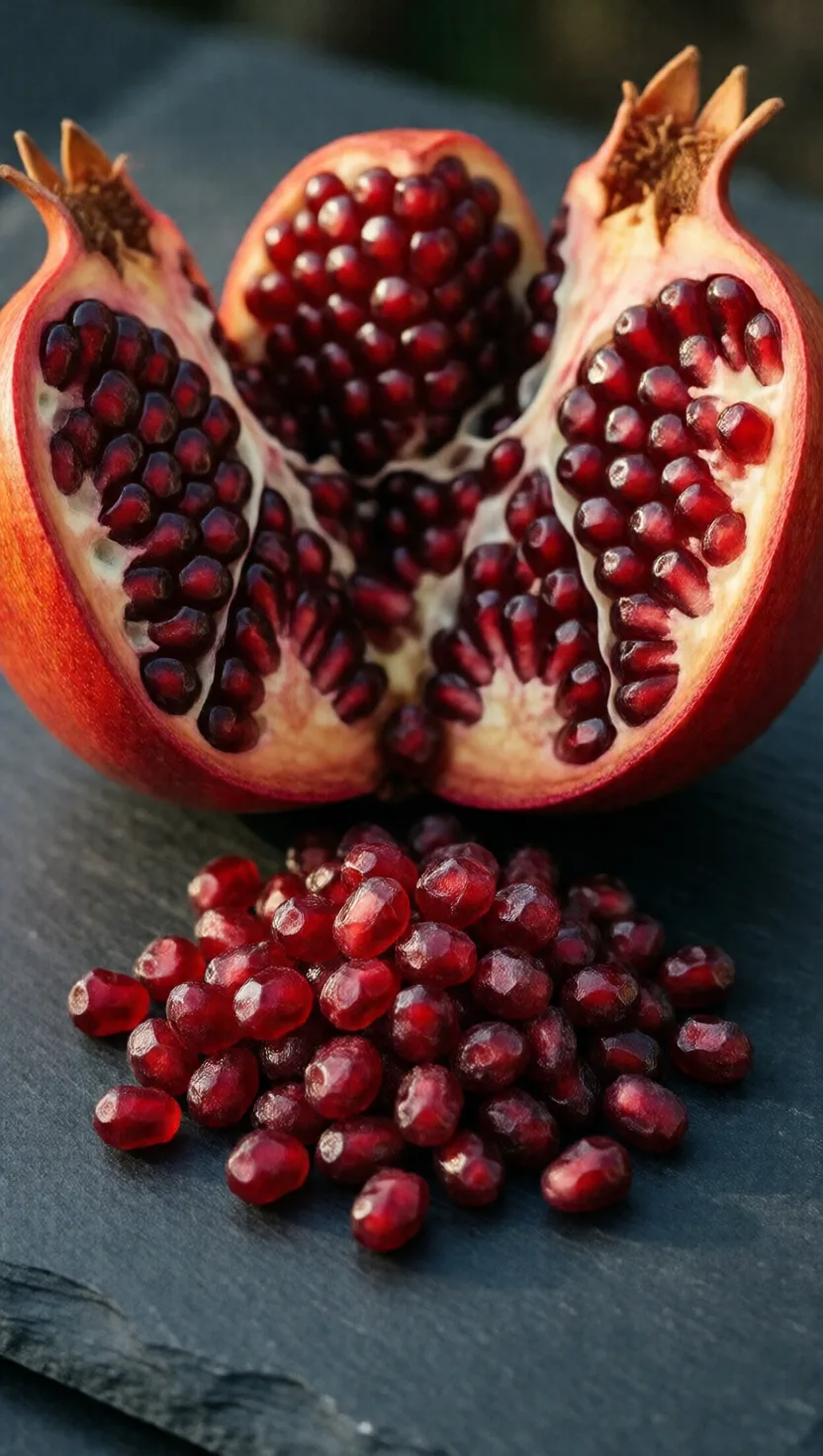
The name comes from the Latin granatum, 'pomegranate.' Cut one open and the likeness is plain: deep-red garnets often grow as little twelve-sided crystals, rounded and packed like the glistening seeds inside the fruit. Garnet is one of the few minerals that routinely forms near-perfect natural polyhedra straight out of the rock, no cutting needed, which is part of why people have prized it since the Bronze Age.
Most garnet ends up as grit, not jewels

Most garnet ends up as grit, not jewels

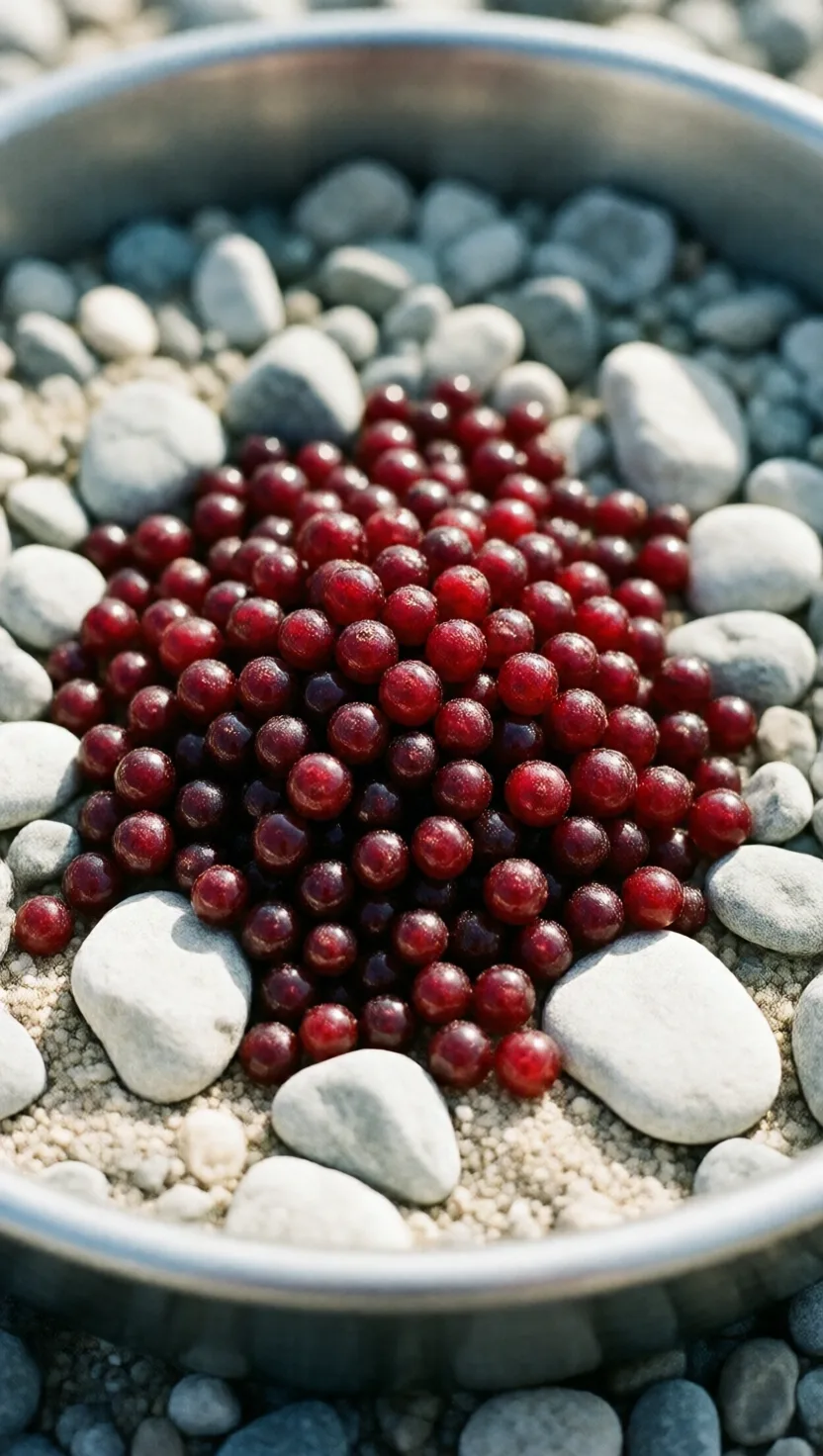
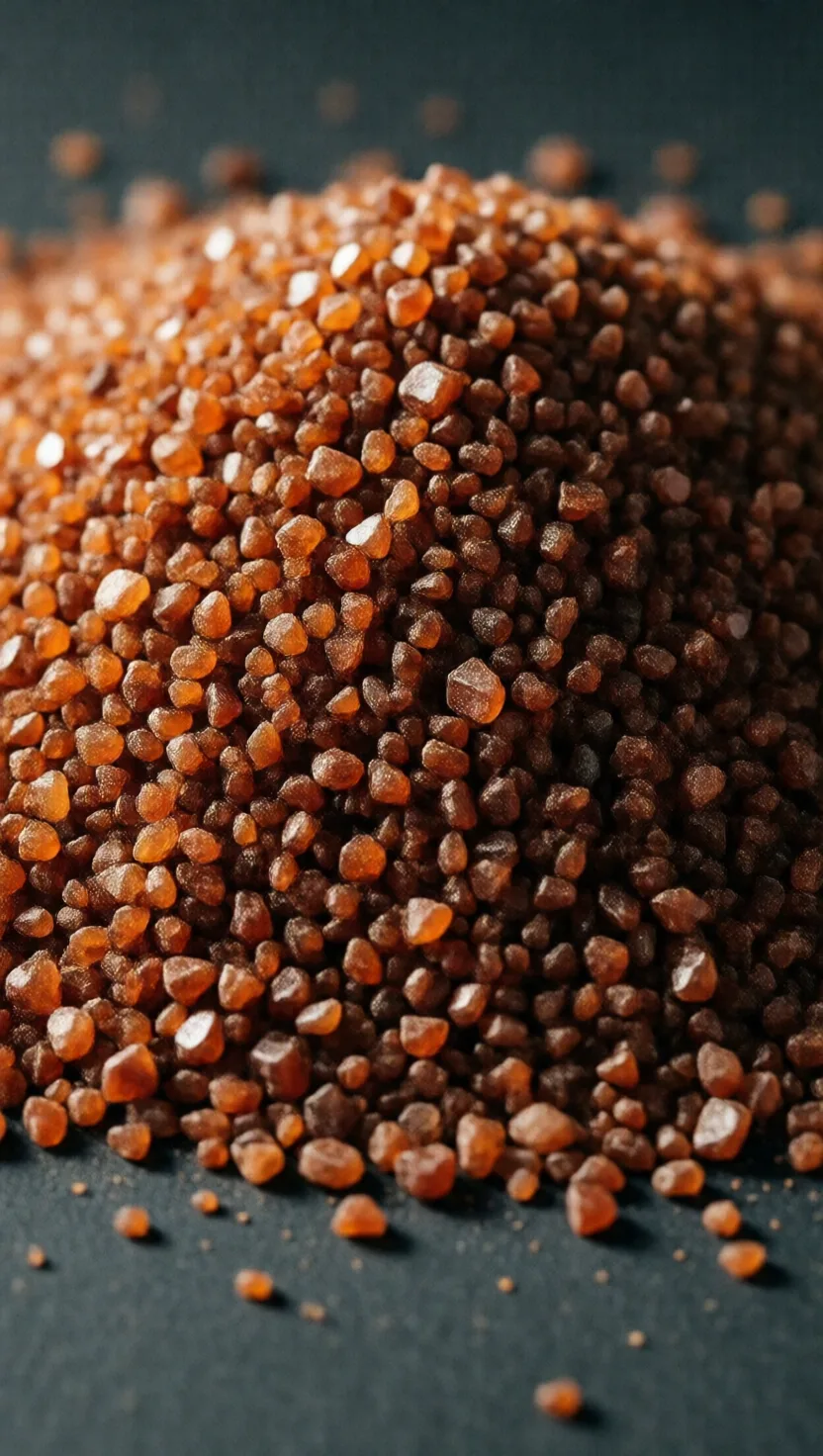
Garnet is hard, heavy and cheap, so the vast majority mined is never set in jewellery. Crushed into sharp grains it becomes the red abrasive on garnet sandpaper and the cutting media fired through industrial waterjets, where a thin jet of water carrying garnet slices clean through steel several centimetres thick. Tumbled smooth in ancient rivers and beaches, it is dredged out by the tonne.
A star floats in garnets from just two places

A star floats in garnets from just two places

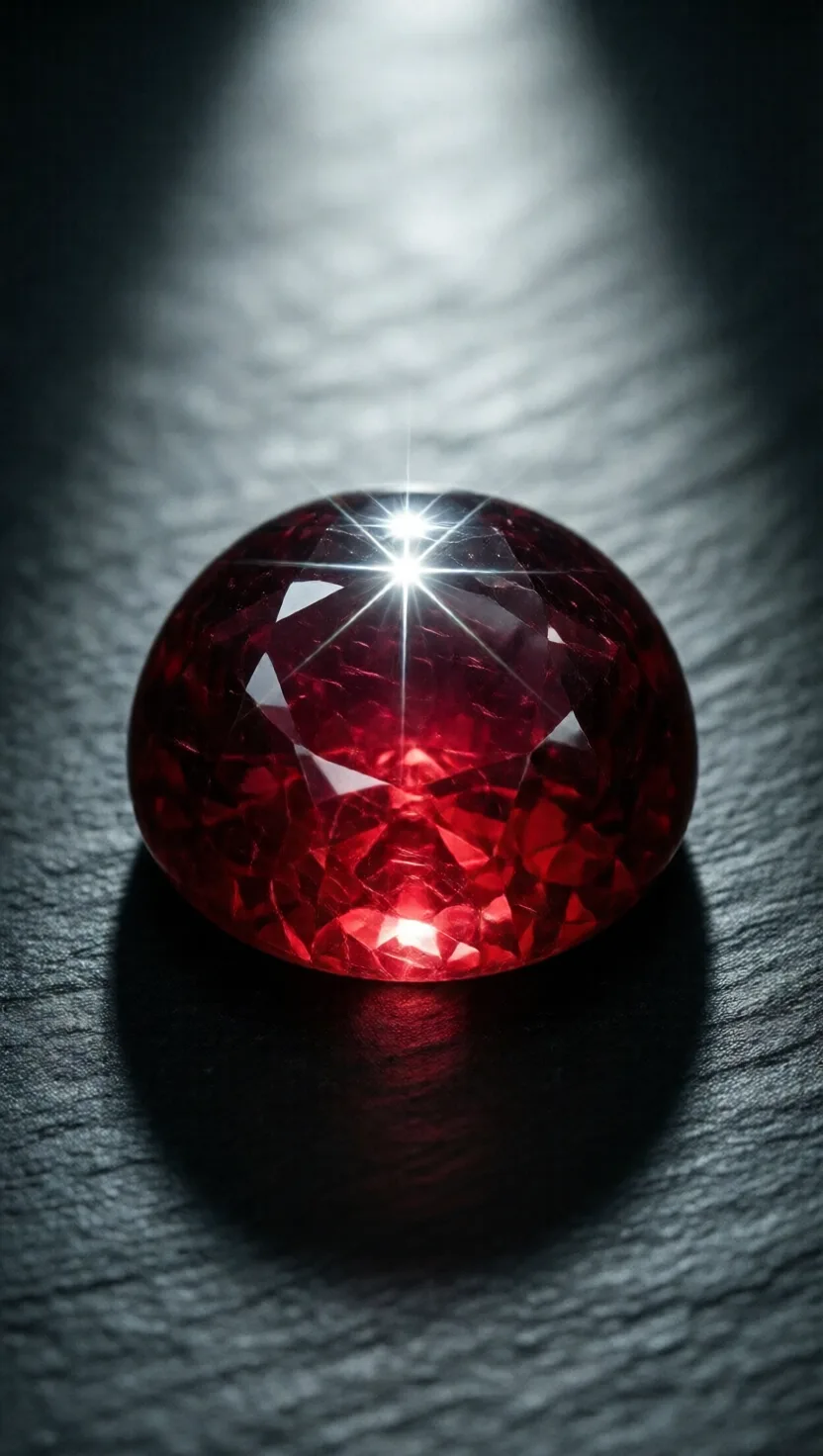
Polish certain garnets into a smooth dome and a sharp star of light floats across the surface, an effect called asterism, caused by light bouncing off countless microscopic needles aligned inside the stone. Six-rayed star garnets occur in commercial quantity in only two places on Earth: northern Idaho and India. The four-rayed kind is rarer still, and Idaho thought enough of it to name it the state gem.
A garnet remembers how hot its rock once got

A garnet remembers how hot its rock once got

Garnets crystallize at specific temperatures and pressures deep in the crust, locking their chemistry in as they grow, layer by layer like tree rings. Geologists read that chemistry, especially the way iron and magnesium split between a garnet and the mineral beside it, to calculate just how hot and how deeply buried a rock once was. A single crystal can record an entire mountain belt's rise.
In one green garnet, flaws raise the price

In one green garnet, flaws raise the price

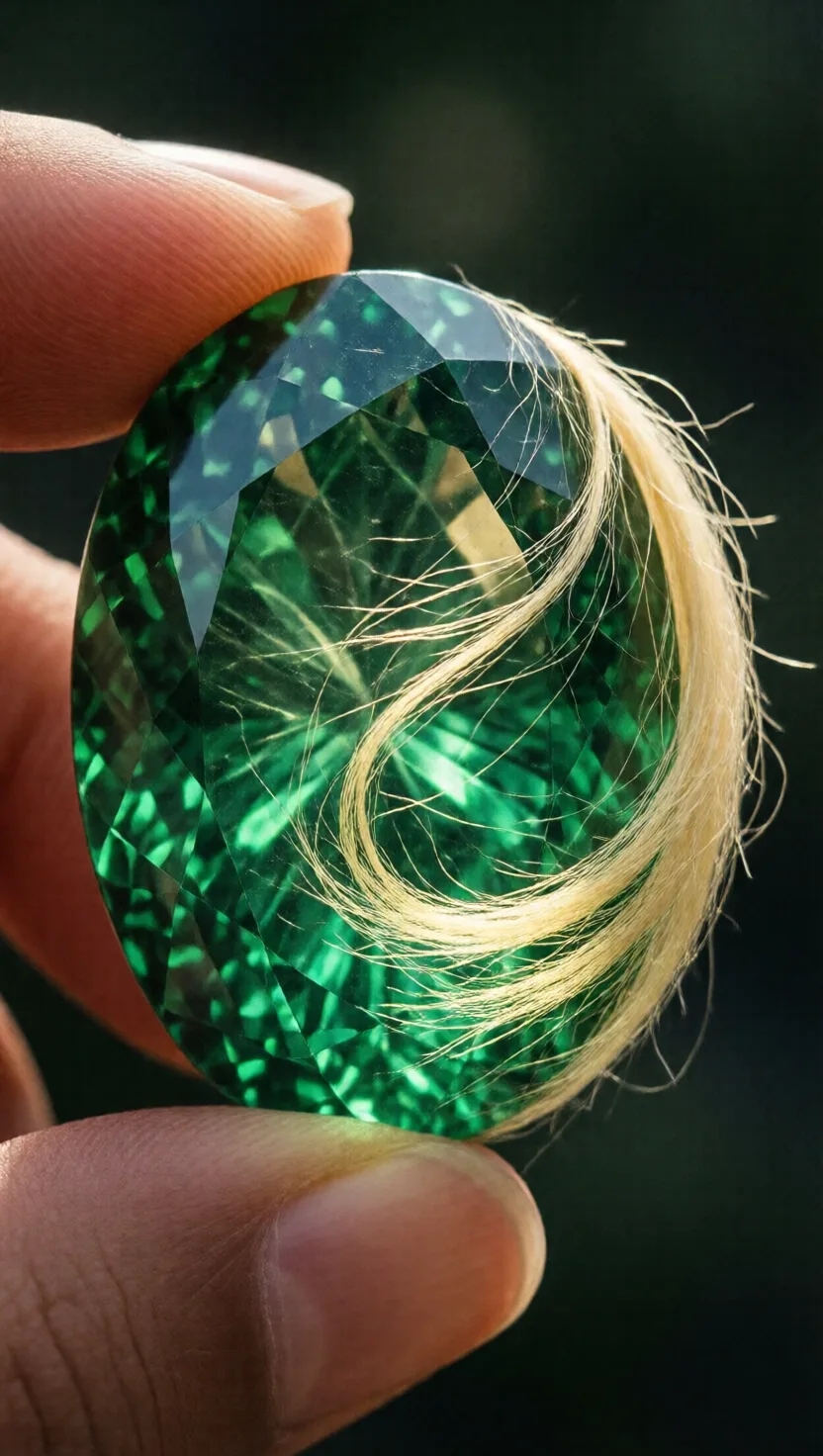
Demantoid is a rare green garnet, and inside the finest stones lie delicate golden fibres fanning out like a horse's tail, threads of the mineral chrysotile frozen mid-growth. In almost every other gem an inclusion is a flaw that lowers the value. Here it is the reverse: a clear horsetail proves the stone is a natural demantoid, and collectors pay more for it, not less.
Hunting diamonds? Follow the red garnets

Hunting diamonds? Follow the red garnets

Diamonds ride to the surface in rare volcanic pipes called kimberlite, dragged up from the mantle in a matter of hours. The same eruptions carry a distinctive deep-red garnet, chrome pyrope, that is far more plentiful and far easier to spot than diamond itself. So prospectors sift stream gravel for these red grains and trace them upstream; where the garnet trail ends, the buried diamond pipe usually begins.
Dark Age jewels glow on wafer-thin gold foil

Dark Age jewels glow on wafer-thin gold foil

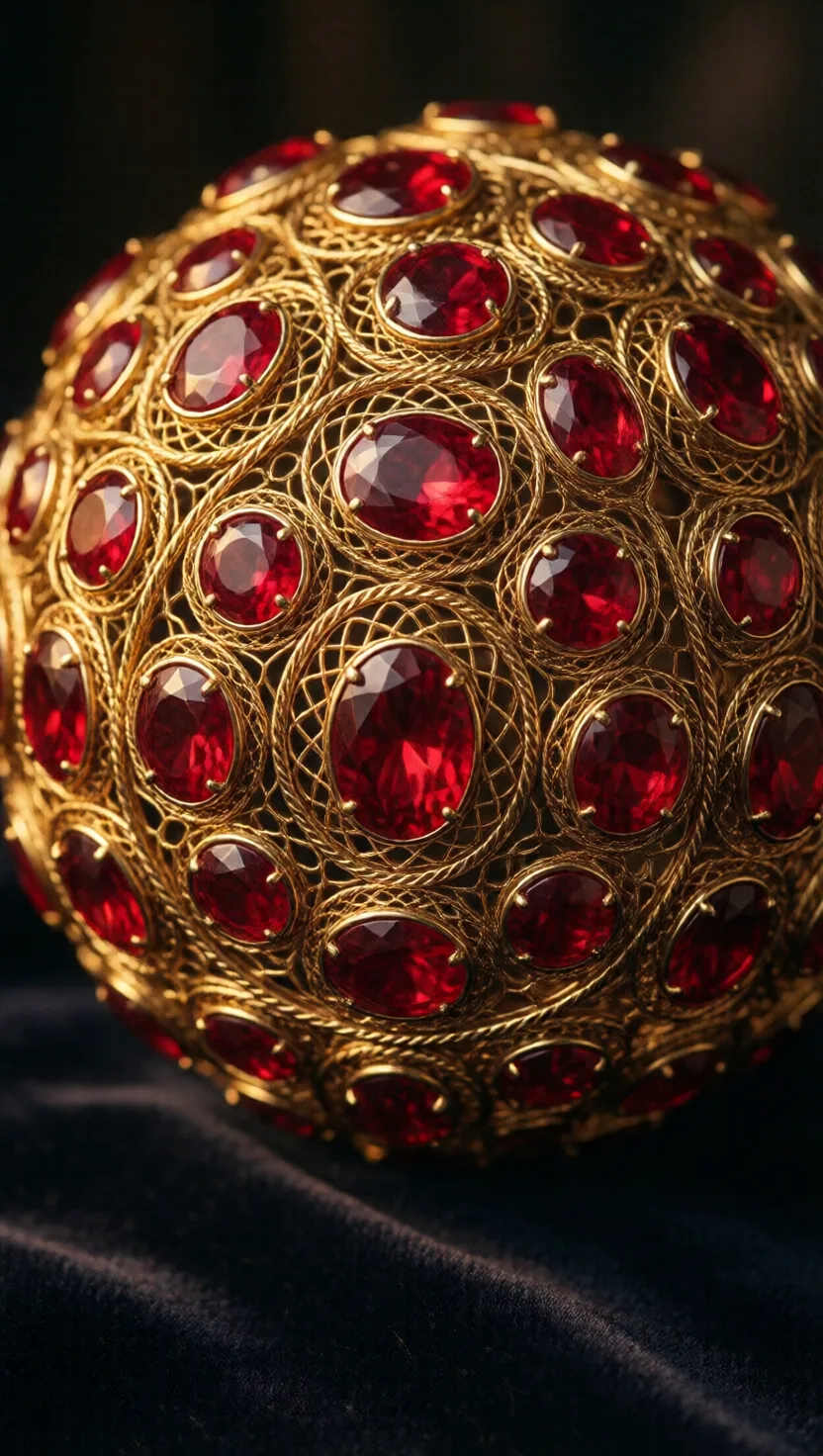
The Anglo-Saxon goldsmiths who made the Sutton Hoo treasures sliced garnet into wafers and set them into tiny gold cells, a craft called cloisonné. Beneath each stone they laid gold foil stamped with a fine waffle pattern. That hidden texture caught any light passing through the thin red garnet and bounced it back out, so the gems seem to glow from within even by dim firelight. Some pieces hold thousands of cut stones.
Garnet came in every colour but blue

Garnet came in every colour but blue

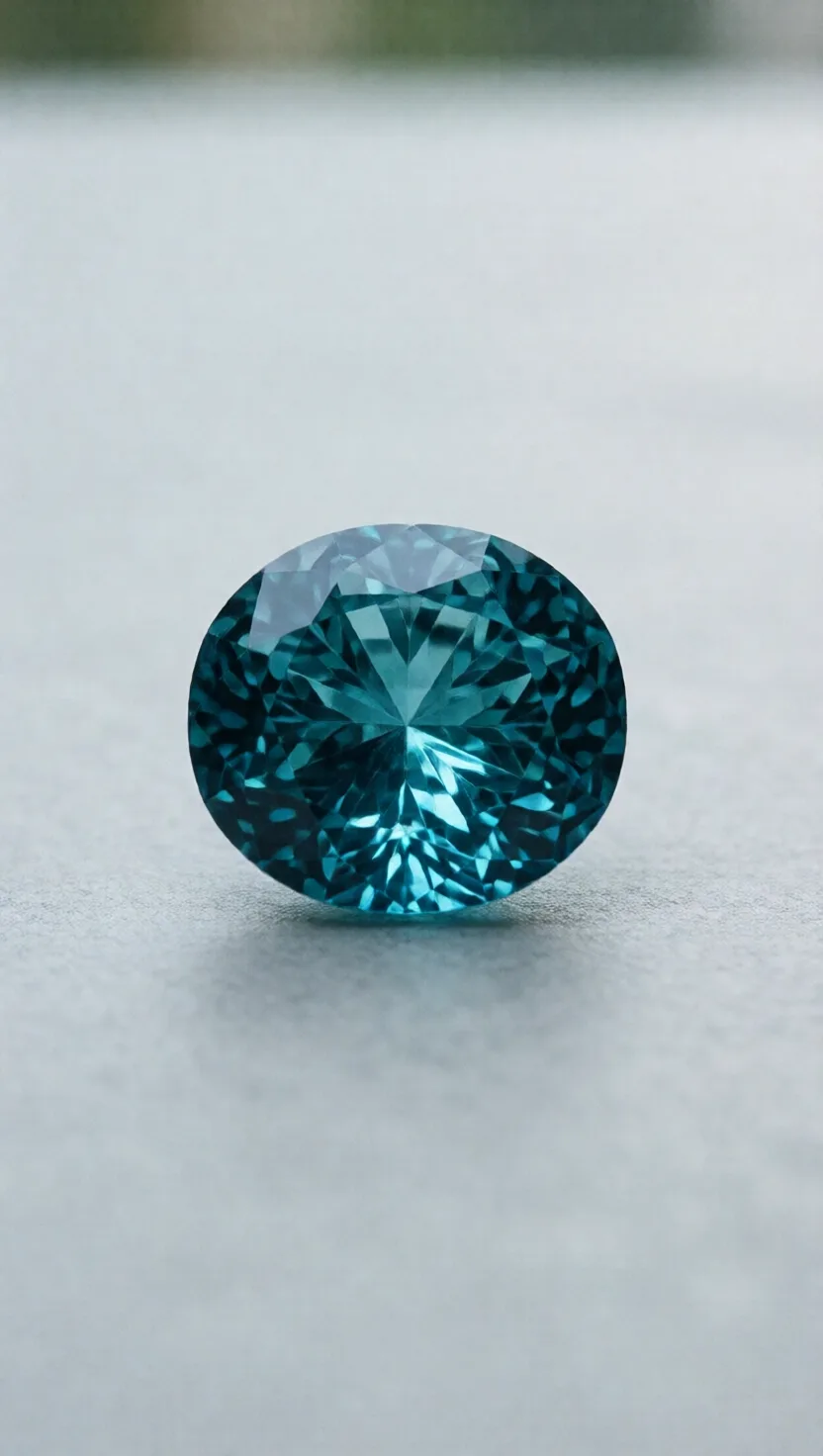
Garnet was long known in reds, greens, oranges and even violet, but never blue, until 1998, when a deposit at Bekily in southern Madagascar yielded the first. A high vanadium content makes these stones a cool blue-green in daylight that flips to a reddish-purple under a household bulb, a dramatic colour change like the gem alexandrite. They remain among the rarest garnets ever found.
tap →swipe ↑ for depthswipe ↓ to exit