Eight things hiding in a strip of foil.

DC·140 Deep Cuts
Aluminium can't rust — it heals instead

Aluminium can't rust — it heals instead

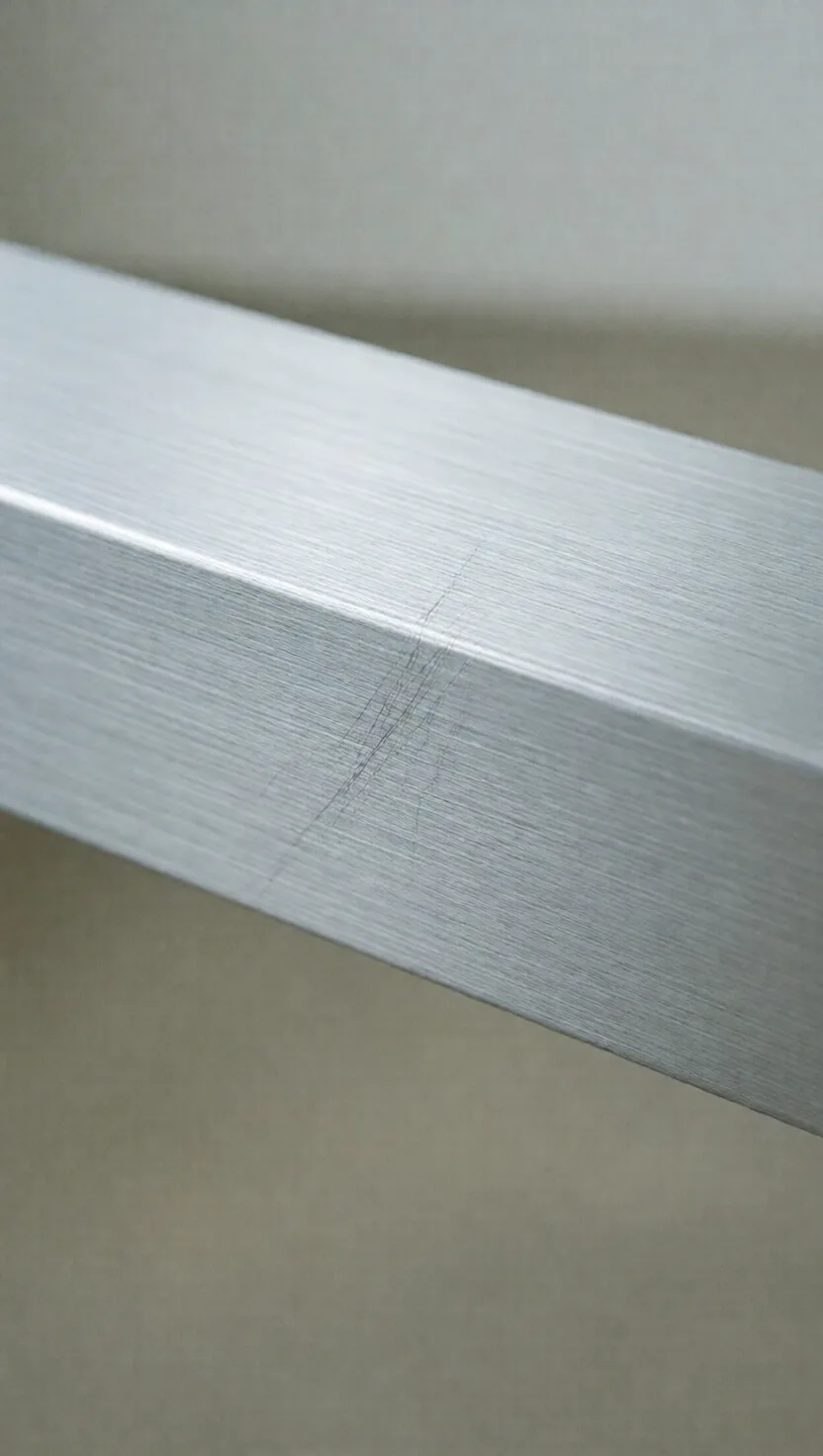
Aluminium is actually a very reactive metal, yet it doesn't rust away like iron. The instant a fresh surface meets air, it grows a skin of aluminium oxide just 2 to 5 nanometres thick — thousands of times thinner than paper — that is dense, hard and seals the metal off. Scratch it and the bare metal underneath flashes over with new oxide in moments. Iron's rust flakes off and keeps eating inward; aluminium's invisible armour heals itself and stops.
A can recycled is energy almost free

A can recycled is energy almost free

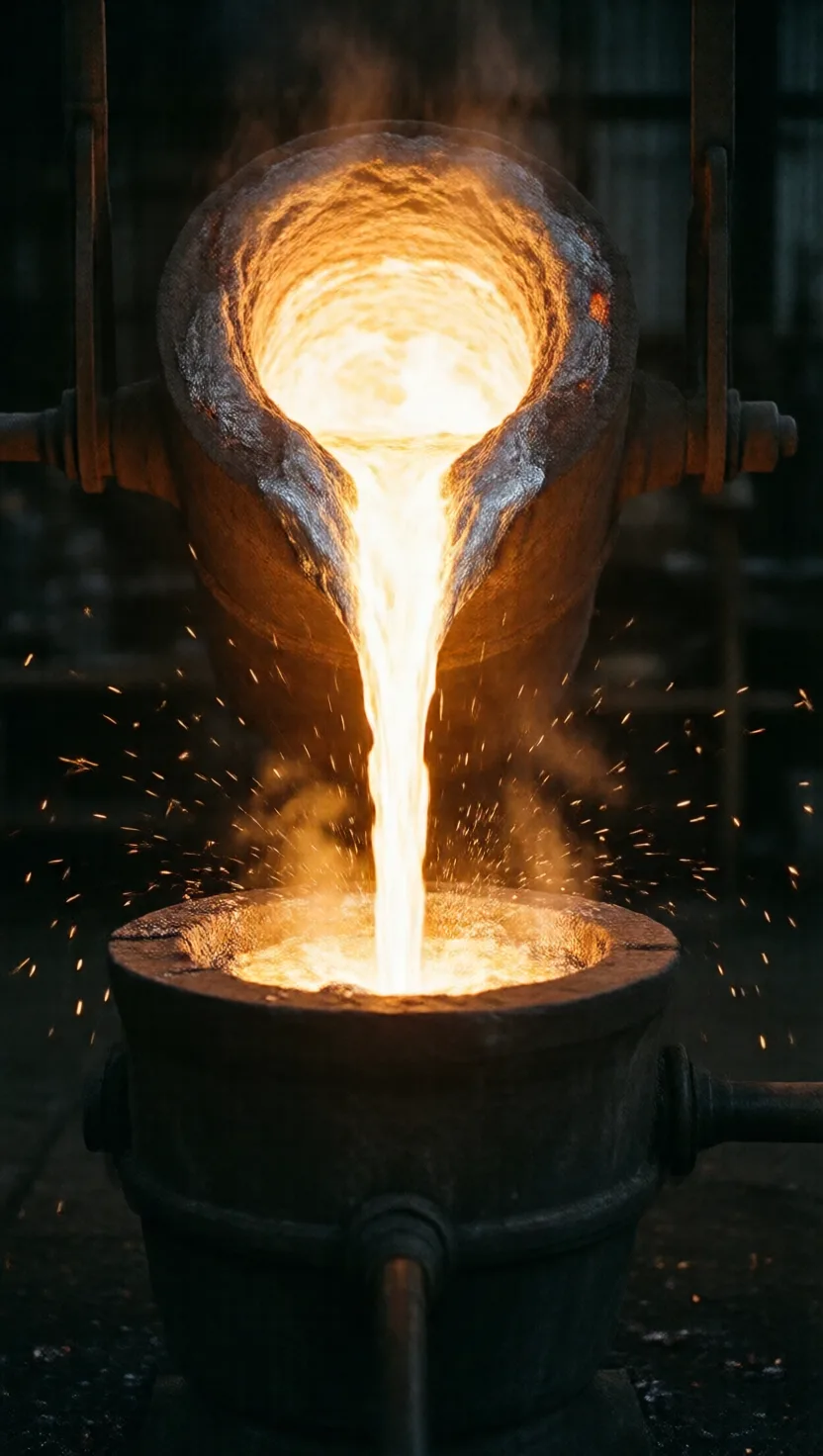
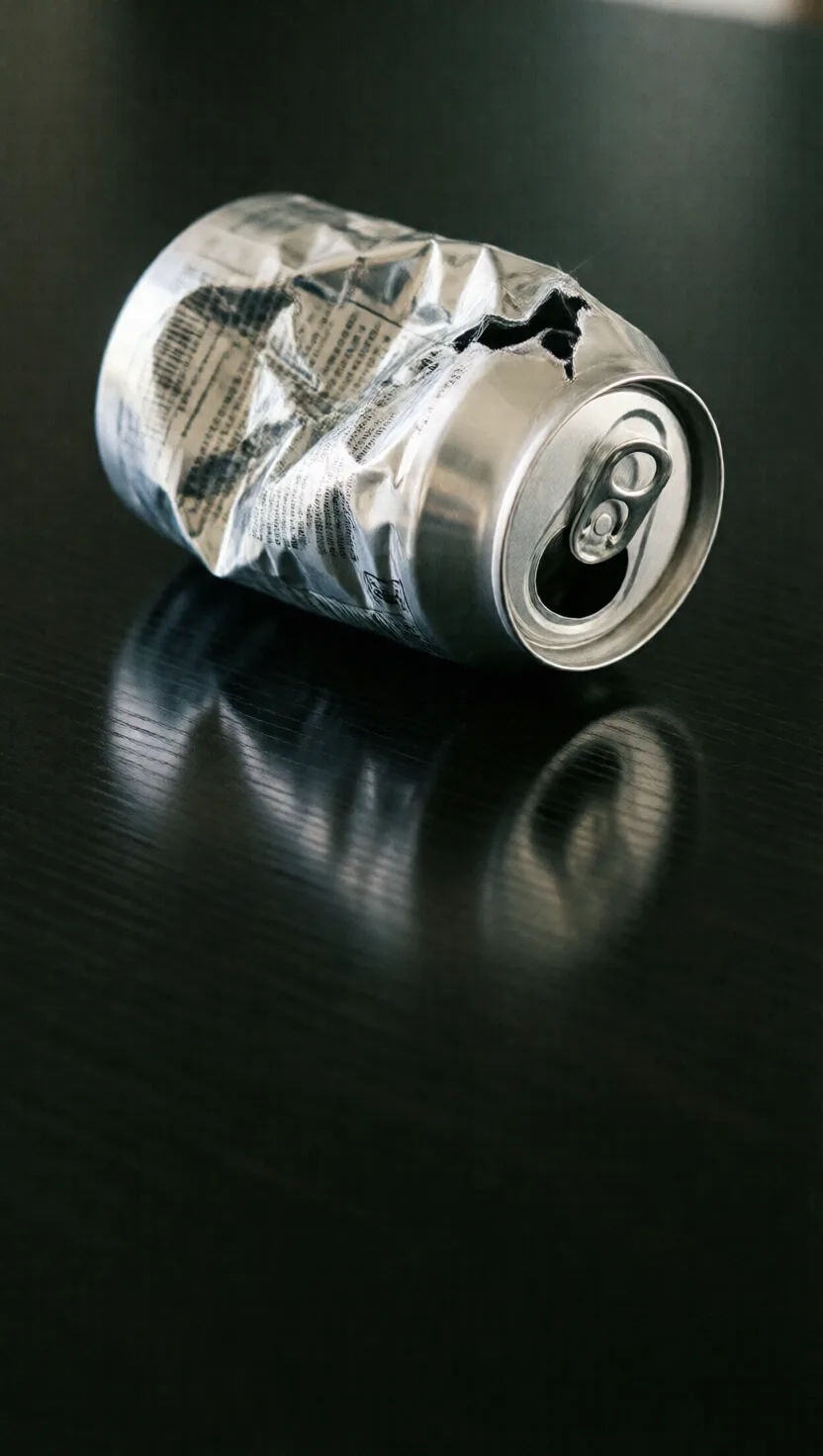
Making aluminium from ore is brutally power-hungry — roughly 45 kilowatt-hours of electricity per kilogram to wrench the metal out of its oxide. But melting down old aluminium to use again needs only about 5% of that. And it can be remelted endlessly without losing quality, so the metal effectively never wears out: an estimated three-quarters of all the aluminium ever produced since the 1880s is still in use today, circulating from foil to engine block to window frame.
Two strangers, same age, same idea

Two strangers, same age, same idea

The method that made aluminium cheap was invented twice over in 1886 — independently, on two continents, by two men who never met. One was a 22-year-old fresh out of college in Ohio; the other a French engineer of exactly the same age. Both dissolved aluminium oxide in molten mineral and split it apart with electric current. Both were born in 1863 and, remarkably, both died in 1914. Their shared name still labels the process that now pours out millions of tonnes a year.
Foil's two sides are a factory accident

Foil's two sides are a factory accident

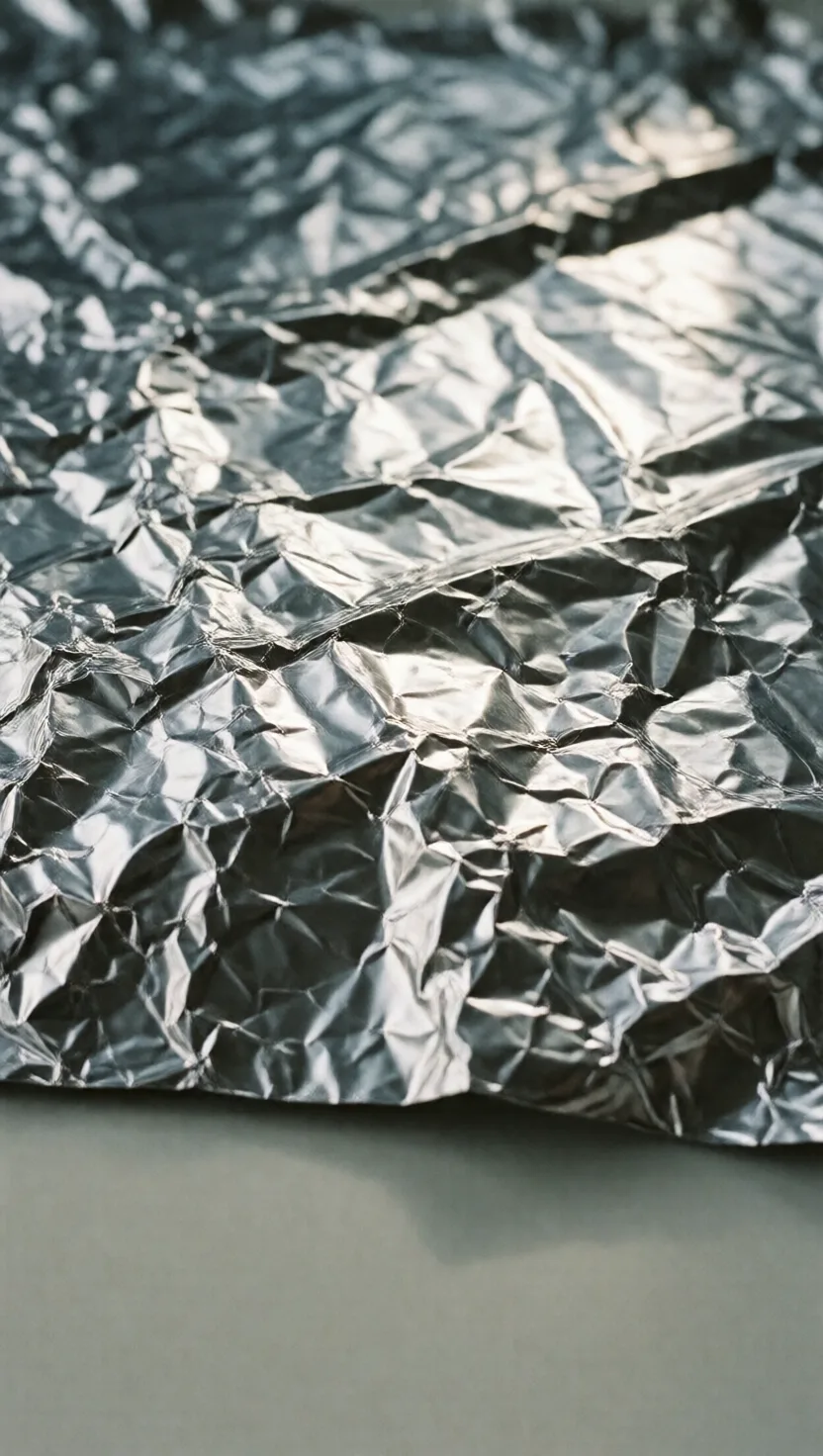
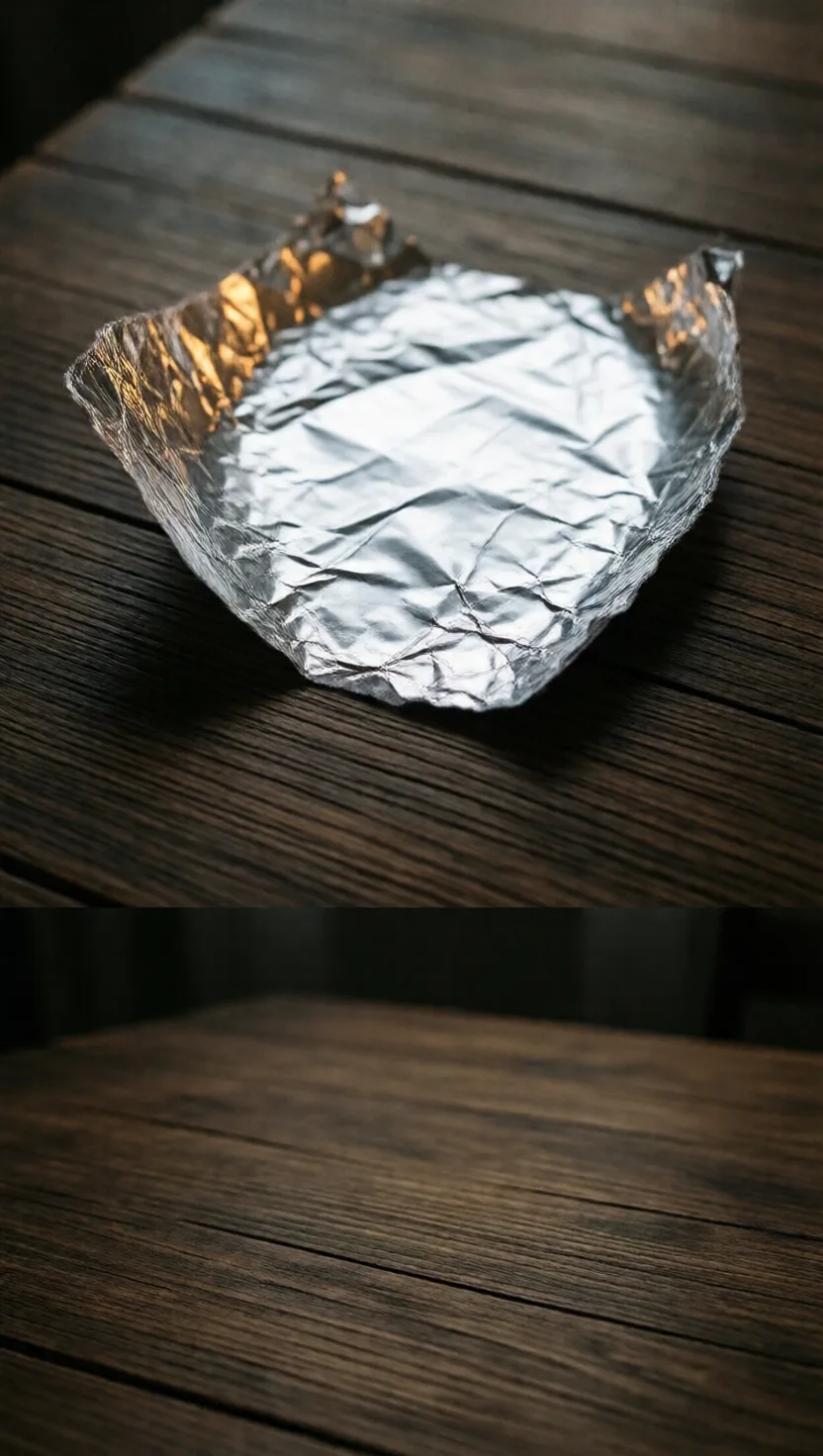
Aluminium foil has a shiny side and a dull side, and people invent reasons for which to use. The truth is more boring: by the final rolling stage the foil is so thin — often under 0.02 millimetres — that it would tear, so the mill feeds two sheets through the rollers at once. The faces pressed against the polished steel rollers come out shiny; the two faces pressed against each other come out matte. It changes nothing for cooking — the sheen is just a fingerprint of how the metal was squeezed thin.
Foil's cousin helps launch rockets

Foil's cousin helps launch rockets

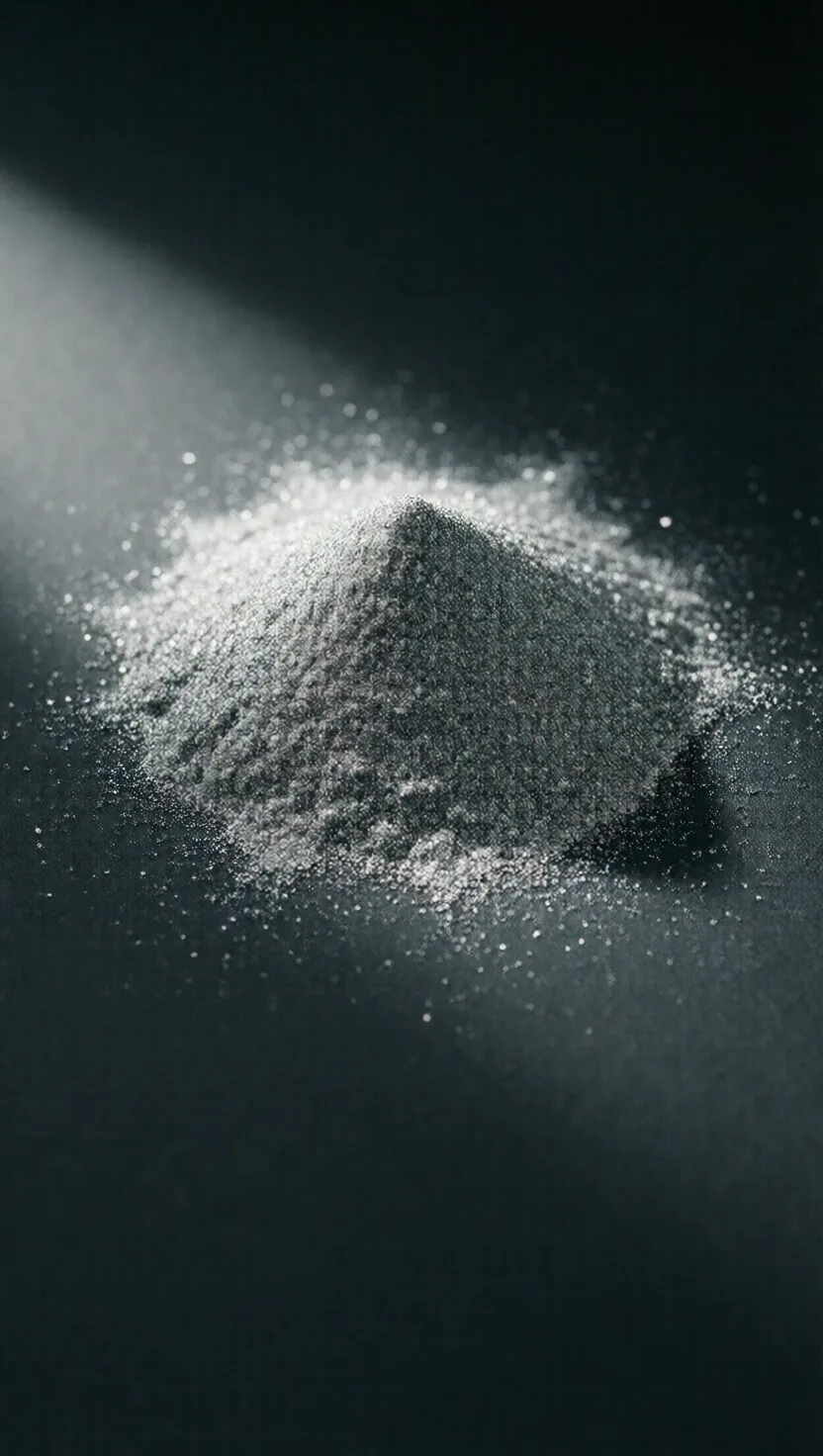
Aluminium burns fiercely if you make it fine enough. Powder it, and the same metal that wraps a sandwich becomes rocket fuel: the big solid boosters that helped lift the Space Shuttle were packed with atomised aluminium — about 16% of the propellant by weight — mixed with an oxidiser. Igniting it releases enormous heat and thrust. The light, friendly metal in your kitchen drawer is, in another form, one of the most energetic fuels we strap people on top of.
The commonest metal hid for ages

The commonest metal hid for ages

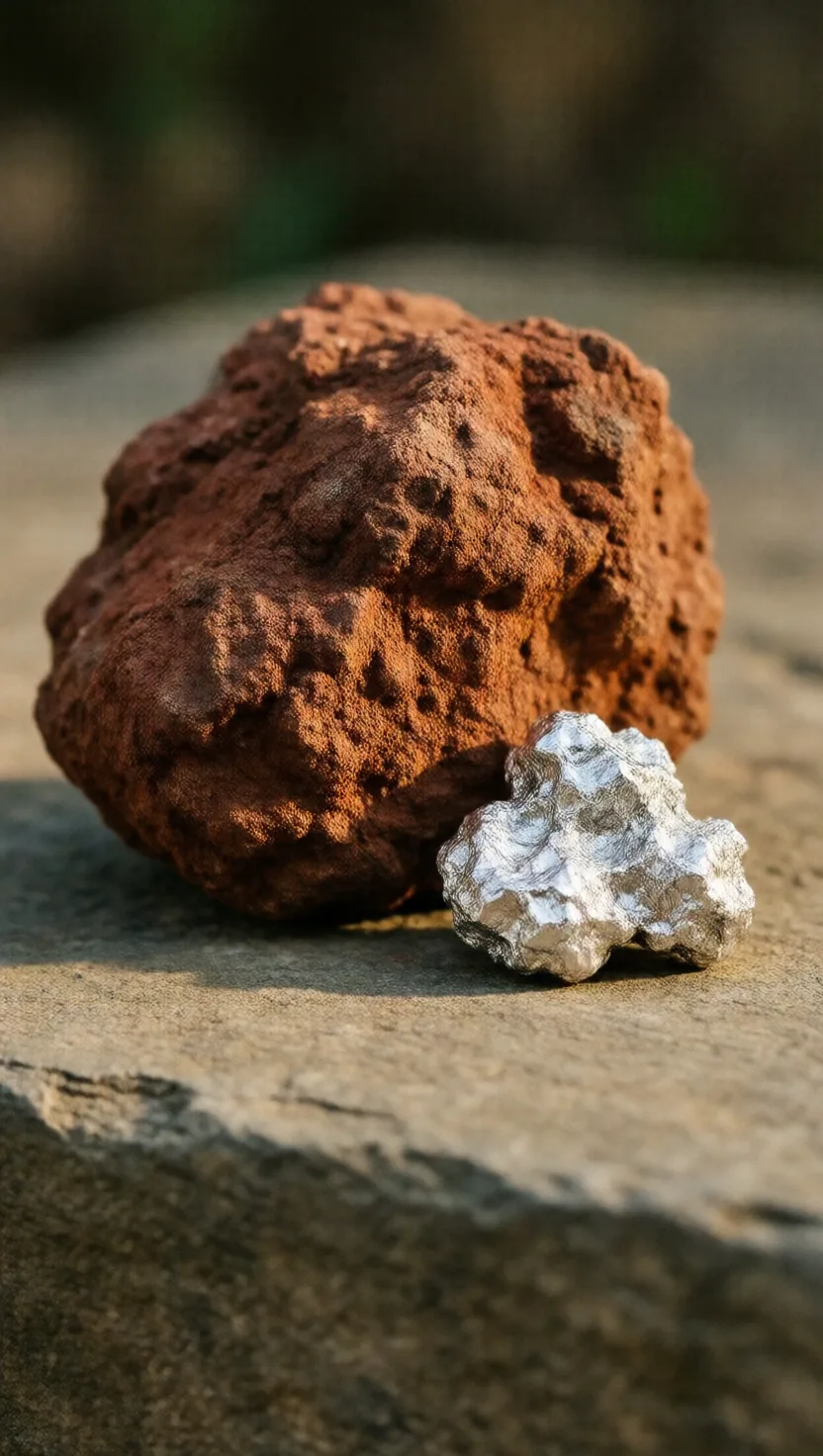
Aluminium is the most abundant metal in the Earth's crust — about 8% of it by weight, and the third most common element of all, after oxygen and silicon. Yet humans only isolated it in the 1800s, long after gold, copper and iron. The reason is its fatal attraction to oxygen: aluminium bonds so tightly to it that the pure metal almost never occurs in nature and resists every old smelting trick. The most common metal around us was, for most of history, impossibly out of reach.
A London landmark is cast in foil-metal

A London landmark is cast in foil-metal

When aluminium was still a novelty, a sculptor chose it for a famous winged statue unveiled in a London circus in 1893 — believed to be the first statue in the world cast in aluminium. The metal was prized then for being startlingly light and bright, a daring choice for public art. Crowds nicknamed the figure Eros, though the sculptor meant his brother Anteros, god of mature love. Over a century on, it still perches above the traffic in shining aluminium.
Tin foil really used to be tin

Tin foil really used to be tin

The name 'tin foil' is a fossil. Before aluminium took over, kitchen and wrapping foil was genuinely rolled from tin — heavier, stiffer, and prone to leaving a faint metallic tang on whatever it touched, the same tinny taste as food left in a can. Aluminium foil replaced it from around 1910 because it was lighter, cheaper and tasteless. The tin vanished, but the old name stuck to its silvery replacement, which is why people still reach for 'tin foil' that has not held a speck of tin in a century.
tap →swipe ↑ for depthswipe ↓ to exit