Eight things an owl's eyes and ears can do

DC·136 Deep Cuts
One owl ear sits higher than the other

One owl ear sits higher than the other

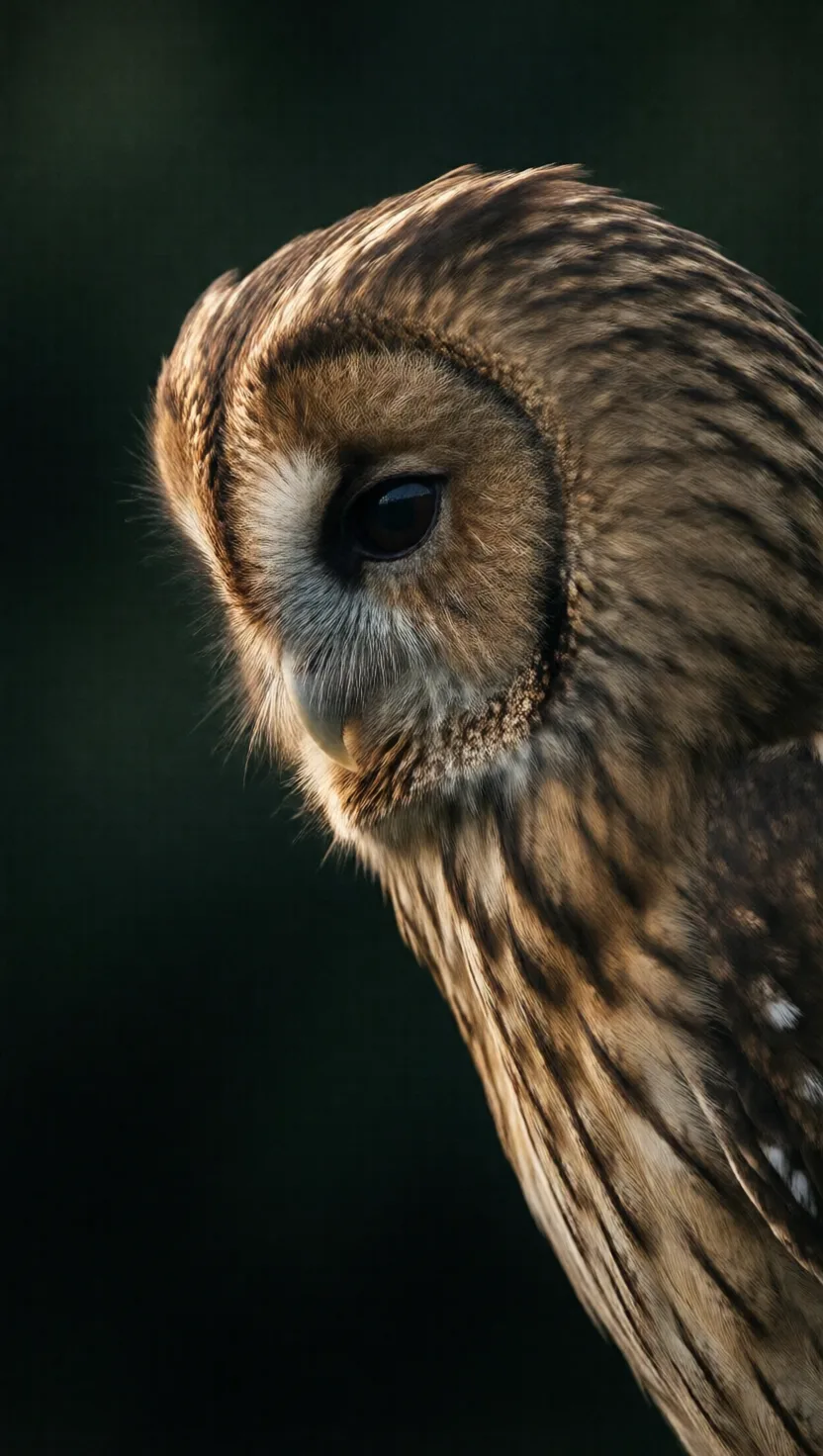
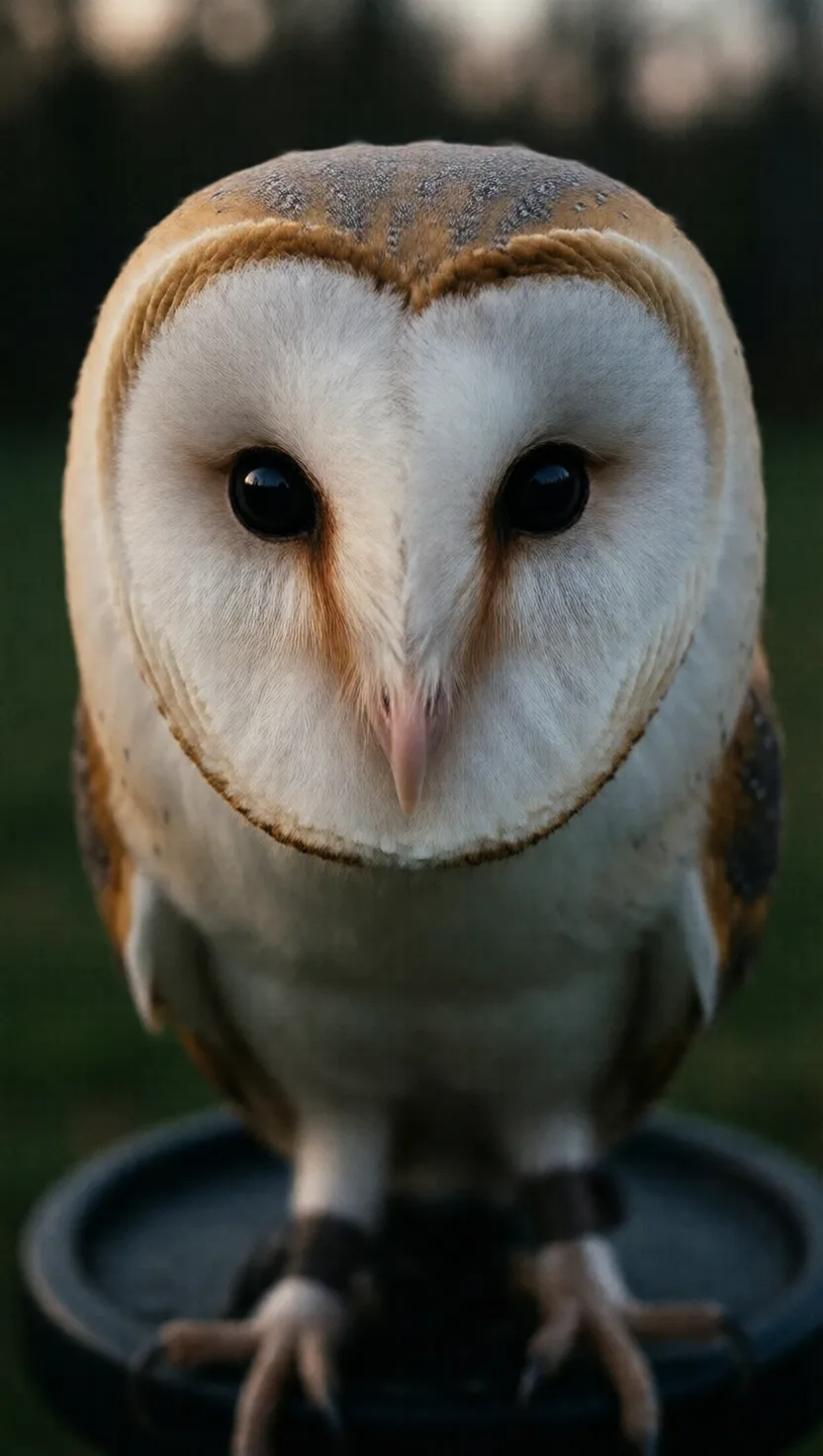
A barn owl's ears aren't level. The left ear opening sits higher on the skull and points slightly down; the right sits lower and points up. That lopsided arrangement means a sound reaches the two ears at slightly different times and volumes depending on whether it comes from above or below — so the owl can map a noise not just left-to-right but up-and-down. The brain fuses the two cues into a precise map of space built entirely from sound.
An owl can strike prey in total darkness

An owl can strike prey in total darkness

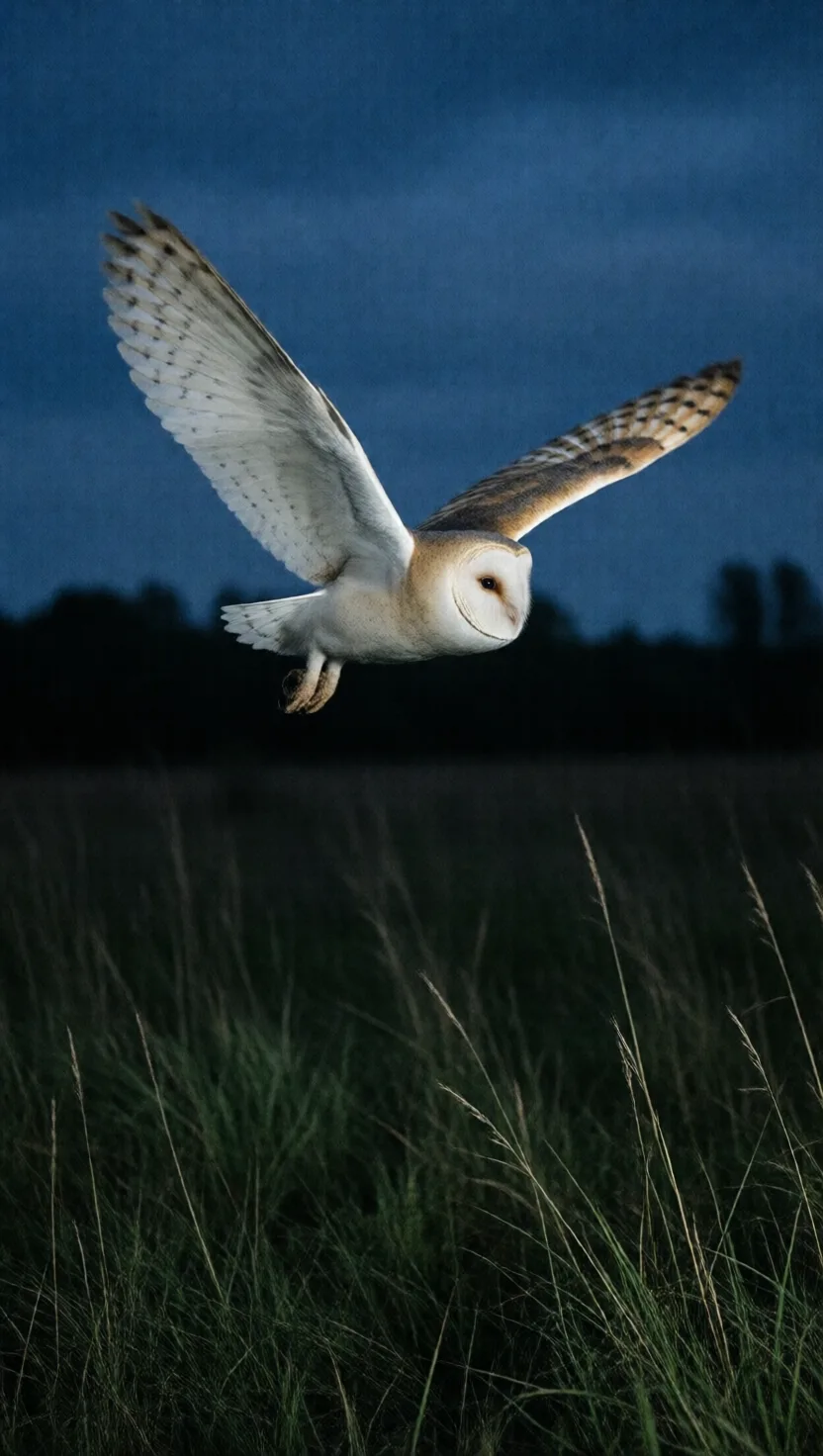
In a room with no light at all, a barn owl can still catch a mouse — guided by hearing alone. In classic experiments first run in 1958, owls struck not only mice but a crumpled wad of paper dragged on a string, in complete darkness; block the ears and they miss. They pinpoint a sound's direction to within one or two degrees, the sharpest directional hearing measured in any animal, and they won't strike a sound they don't recognise.
Owls can't move their eyes, so they spin their heads

Owls can't move their eyes, so they spin their heads

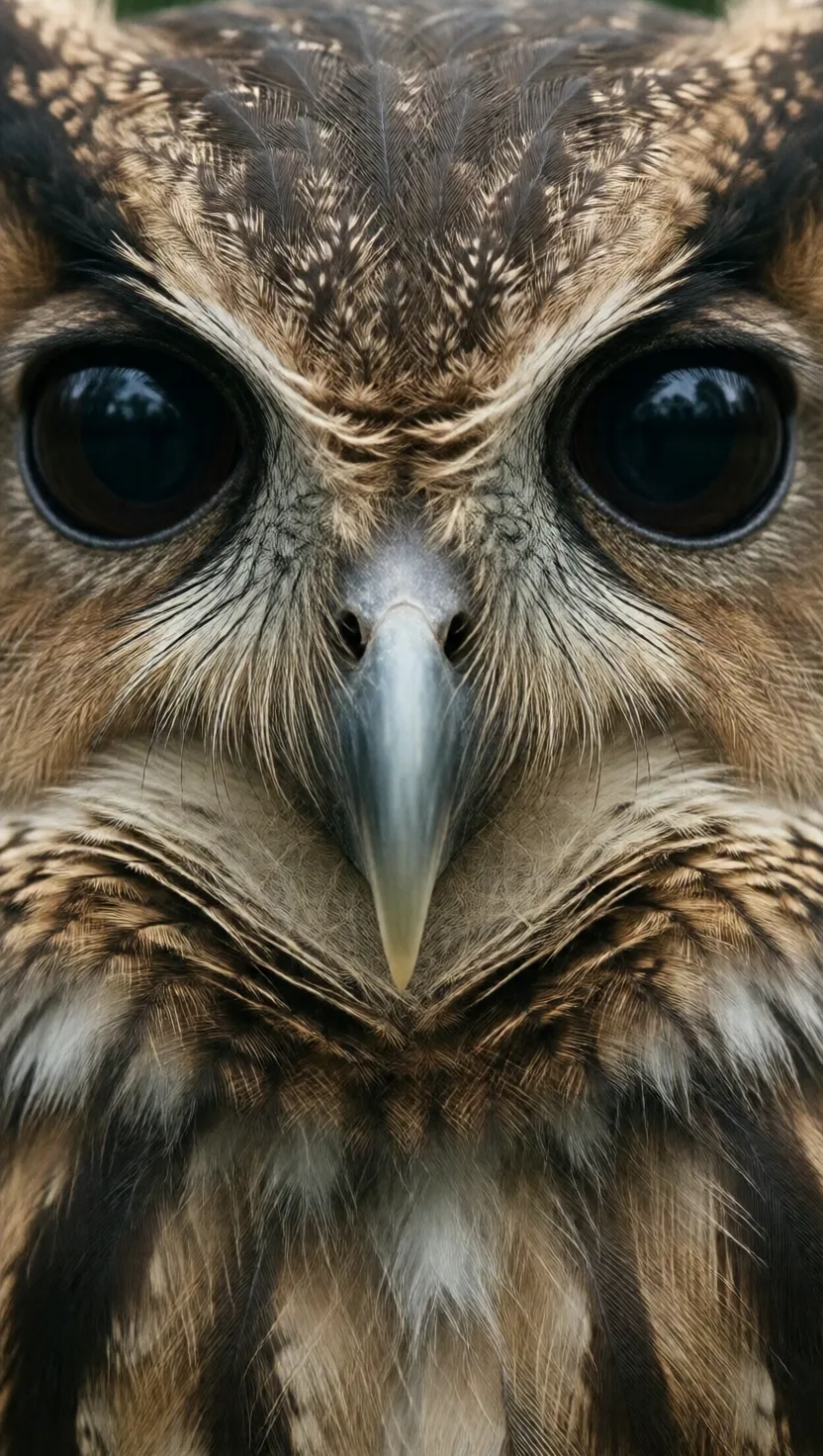
An owl's eyes aren't balls that swivel — they're long tubes, locked in place by a ring of bone called the sclerotic ring. Fixed eyes give it huge, powerful forward vision but no way to glance sideways. To look around, an owl turns its whole head, and it can rotate up to about 270 degrees — three-quarters of a full circle — helped by a neck of 14 vertebrae, double the seven in yours.
Spinning its head should give an owl a stroke

Spinning its head should give an owl a stroke

In a human, wrenching the neck hard around can tear the arteries feeding the brain and trigger a stroke. An owl does it constantly and is fine. Medical imaging in 2013 revealed why: the bony canals carrying its neck arteries are roomy, letting vessels twist without pinching; small connecting vessels reroute blood if one path kinks; and pouches at the base of the skull pool a reserve of blood, keeping the brain supplied through the sharpest turn.
Those 'ear' tufts have nothing to do with hearing

Those 'ear' tufts have nothing to do with hearing

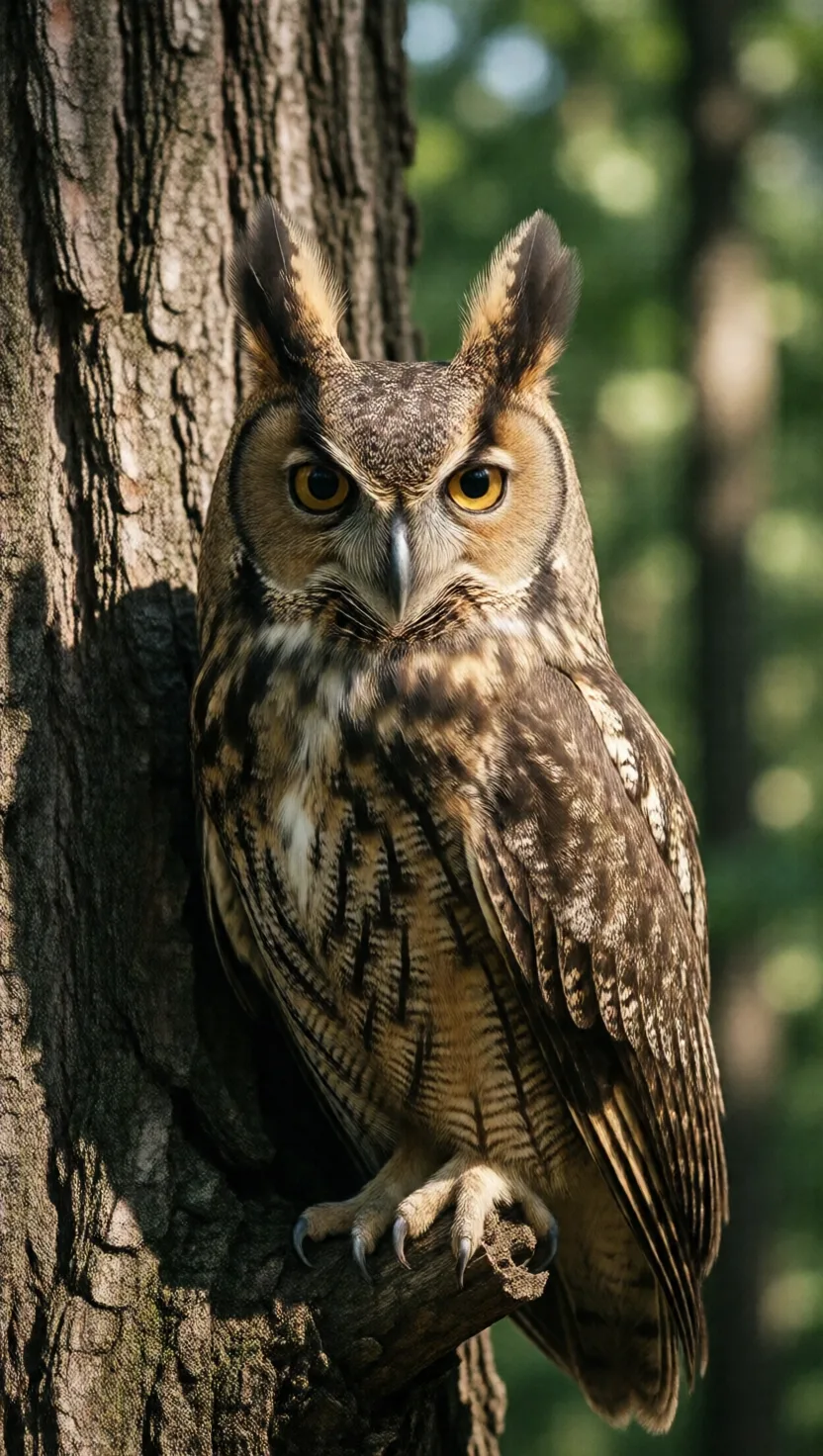
The pointed tufts on a horned or long-eared owl look like ears, but they're just feathers — called plumicorns. The real ears are slits hidden in the feathers at the sides of the face. The tufts do other jobs: raised and pointed, they break up the owl's outline against bark so a roosting bird looks like a snapped branch, and their position signals mood to other owls, much like raised eyebrows. Only about 50 of the world's 225 owl species grow them.
This owl hears mice through a foot of snow

This owl hears mice through a foot of snow

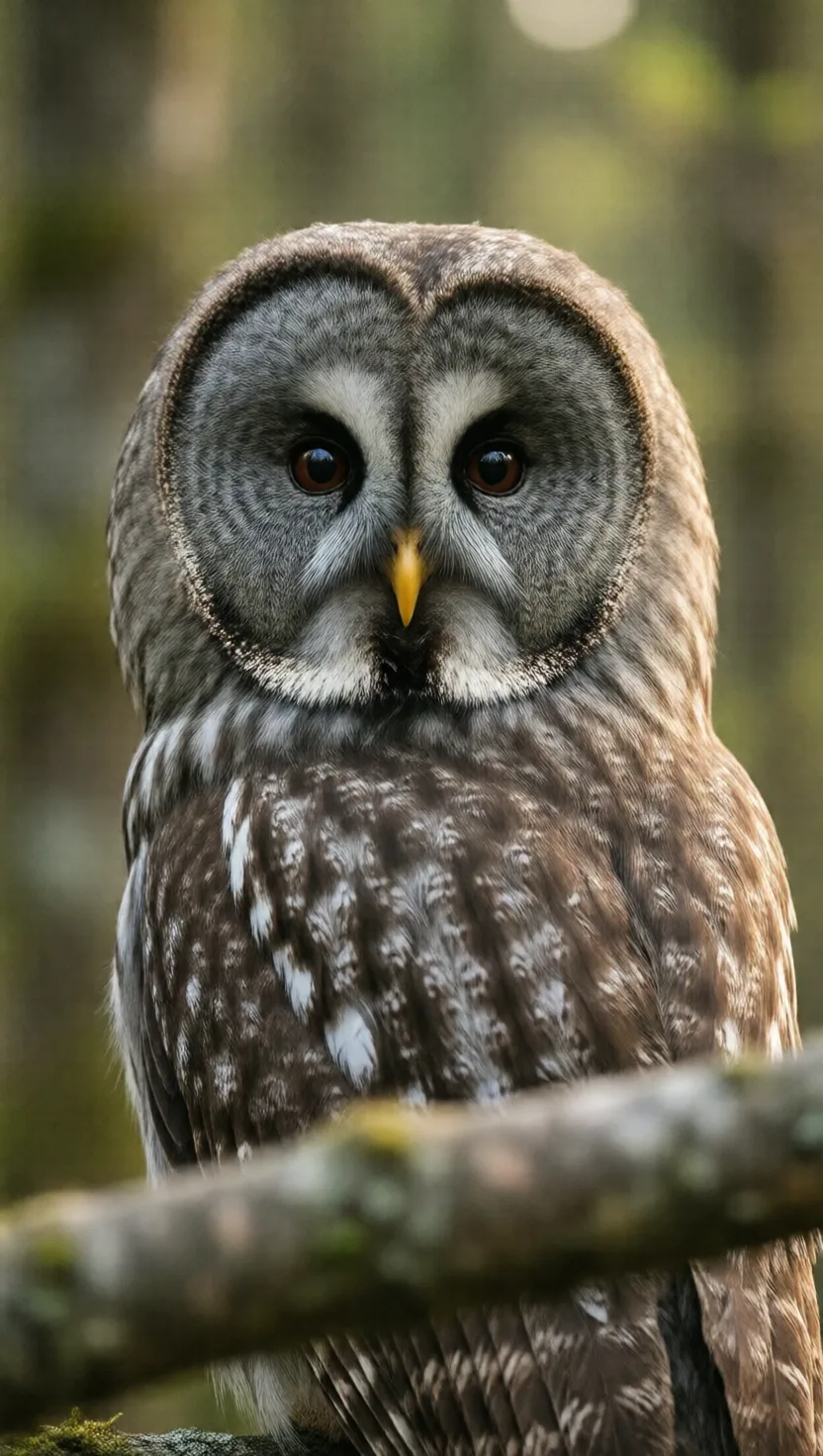
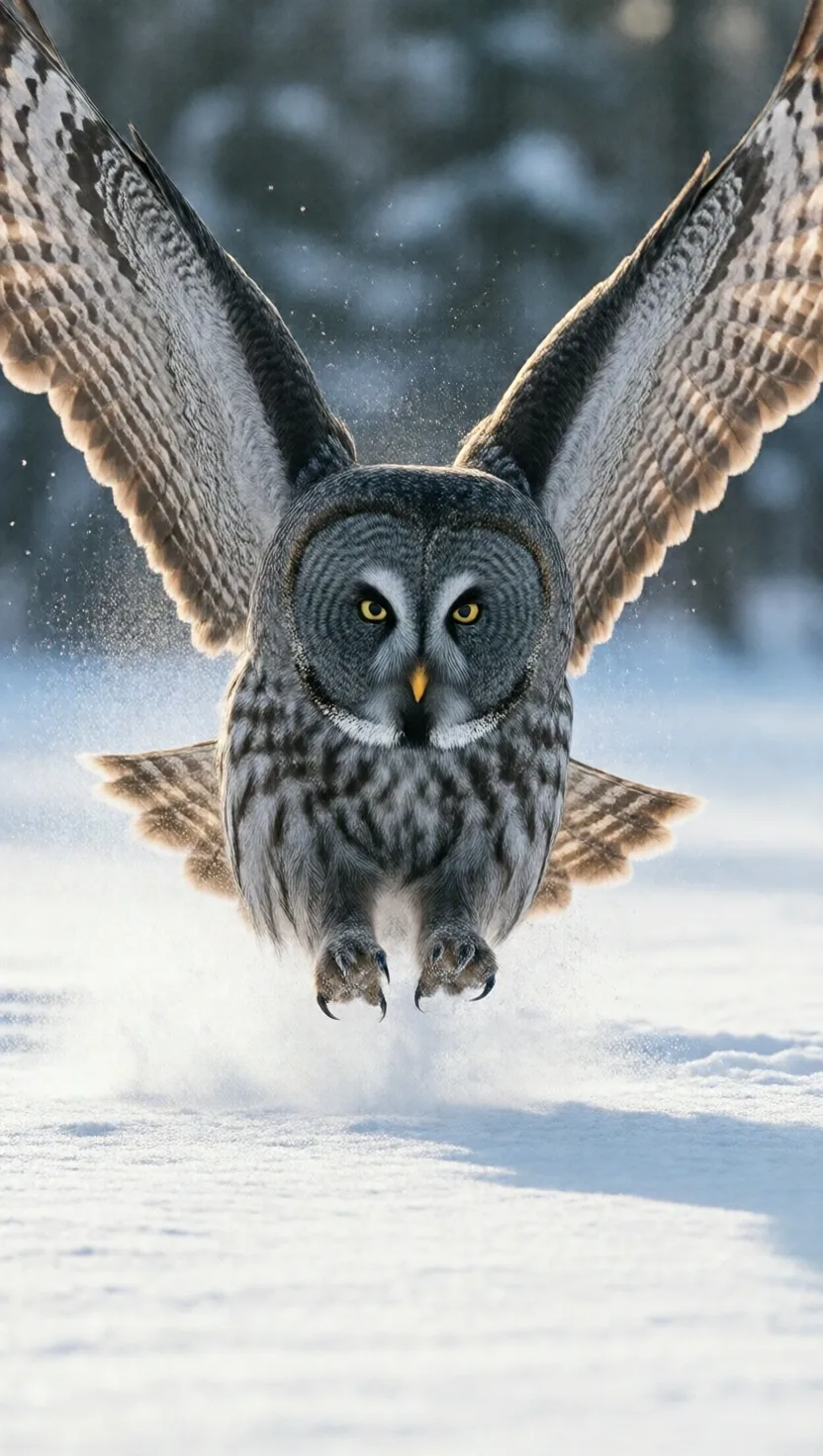
The great grey owl, with the largest facial disc of any owl, hunts voles tunnelling beneath winter snow it cannot see through. Listening from a perch, it locates a vole by ear and plunges, punching through a crust strong enough to hold a grown adult to snatch prey up to about 45 centimetres down. Snow bends the rising sound, shifting the apparent target by several degrees — so just before striking the owl hovers, beating its wings to lock onto the true position.
Owls cough up the bones of their dinner

Owls cough up the bones of their dinner

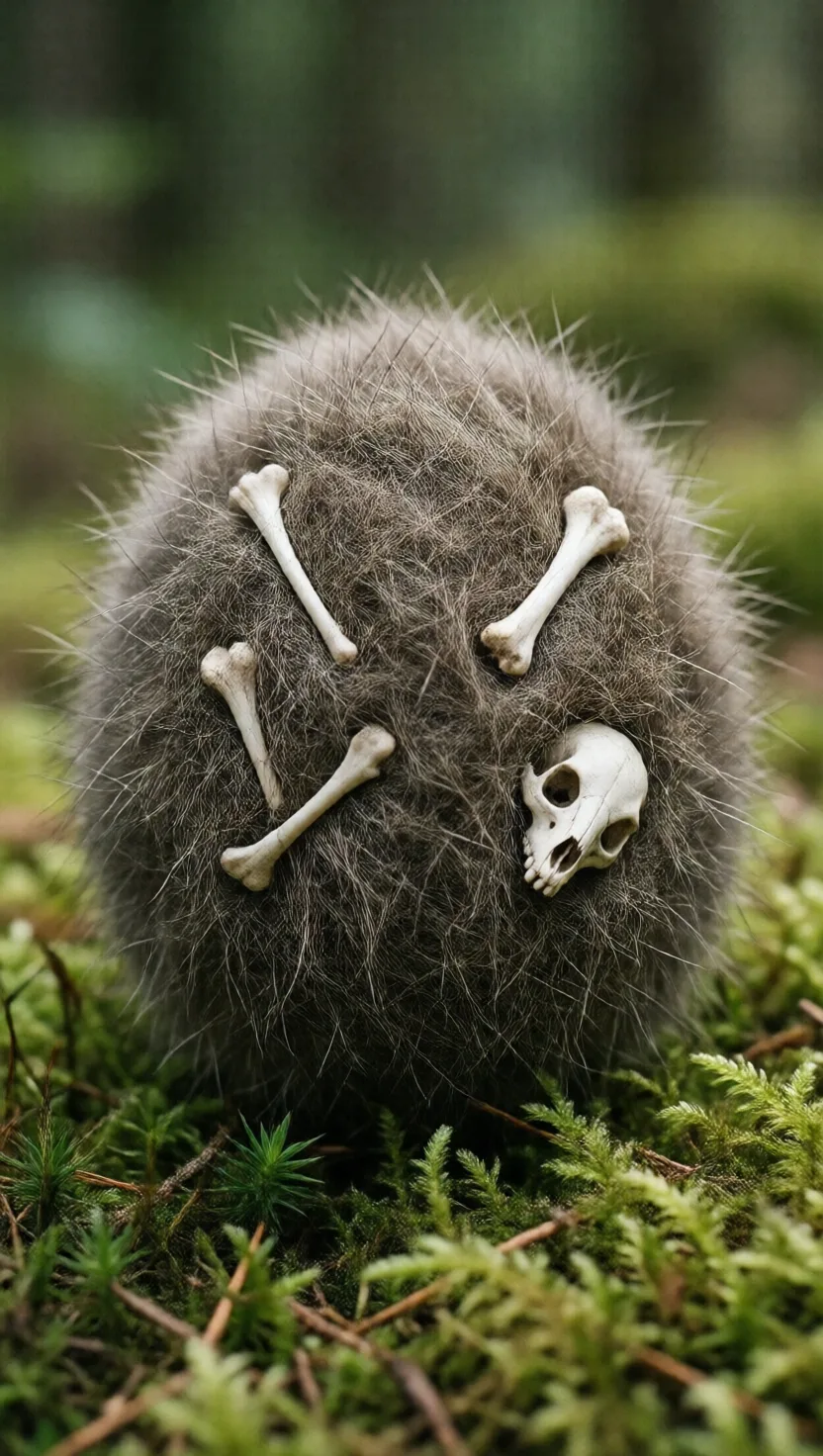
An owl usually swallows prey whole, but it can't digest bone, fur, teeth or feathers. Those parts gather in the gizzard and are pressed into a neat pellet, which the owl coughs back up — often within a day — before it can eat again. Naturalists prize these pellets: teased apart, a single one holds the complete tiny skeletons of an owl's recent meals, making it a perfect record of what the bird, and the local ecosystem, has been eating.
An owl can't focus on what's under its beak

An owl can't focus on what's under its beak

Owl eyes are tuned for distance and dim light — so much so that the bird cannot focus on anything within a few centimetres of its face. The prey clamped in its own talons is a blur. To handle it, the owl relies on touch: stiff bristly feathers around the beak and hair-like filoplumes on its face and feet act as whiskers, feeling the catch the eyes can't see. Superb long-range vision, paid for with near-total blindness up close.
tap →swipe ↑ for depthswipe ↓ to exit