Eight things layered into agate and its kin

DC·131 Deep Cuts
Agate's bands grow inward, wall to core

Agate's bands grow inward, wall to core

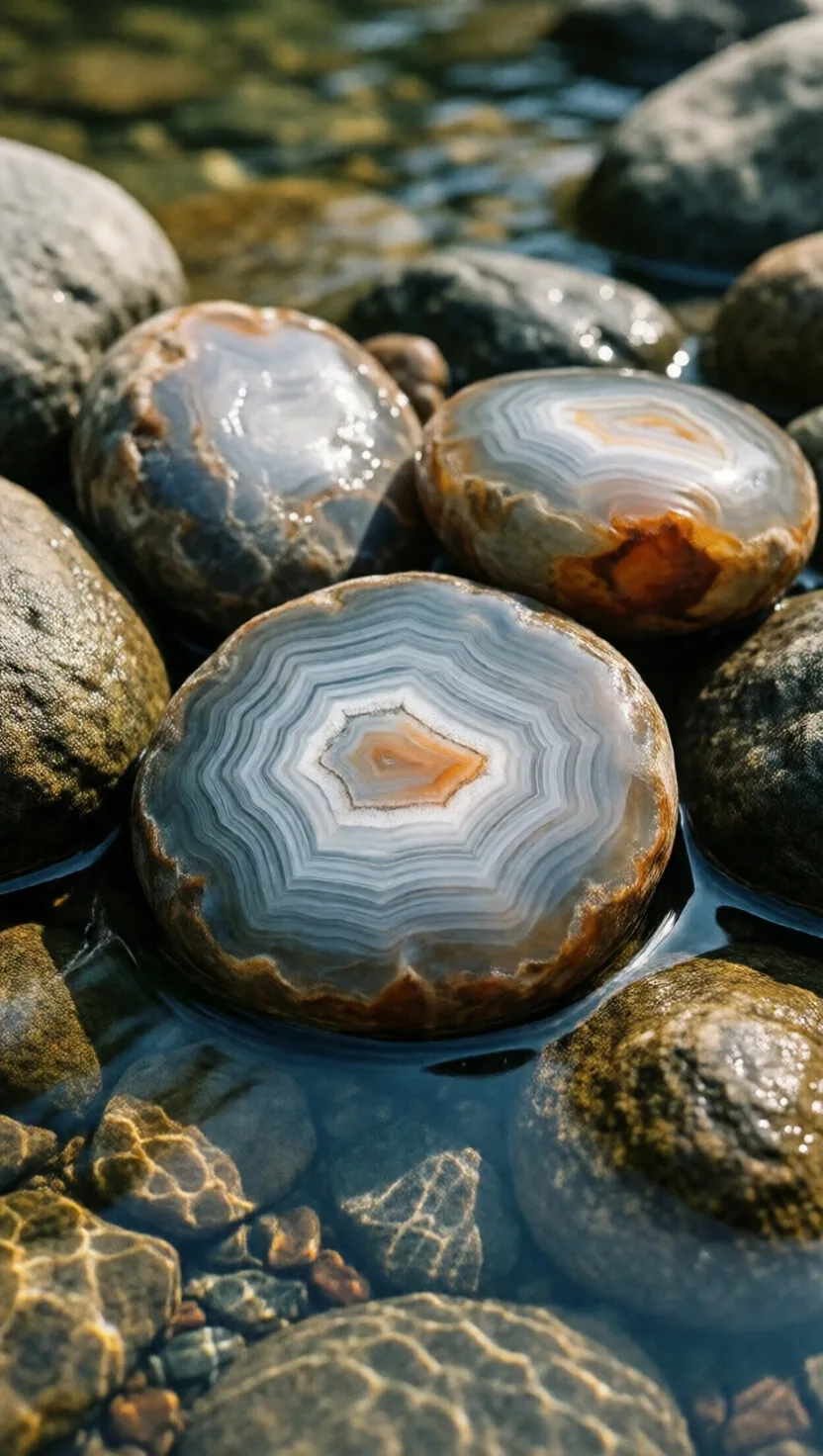
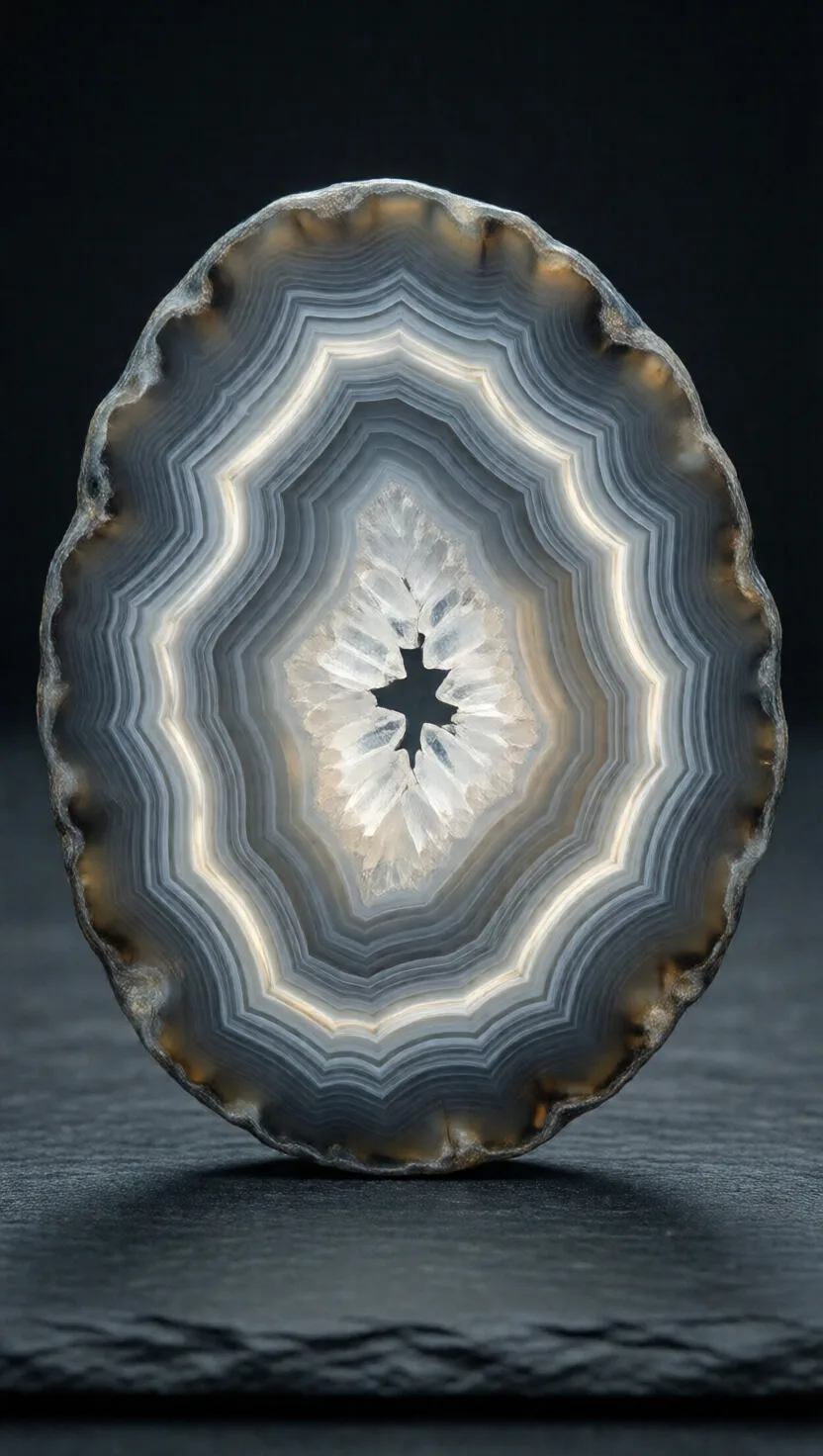
An agate begins as an empty gas bubble in cooling lava. Silica-rich water seeps in and chalcedony — countless microscopic quartz fibres — crystallises on the cavity walls, then layer by layer toward the centre. Because the bands trace the bubble's shape, an angular pocket yields sharp, zig-zag 'fortification' lines like a fort seen from above. The pattern isn't painted on; it is a record of the stone slowly filling itself from the outside in.
Most 'black onyx' is dyed grey agate

Most 'black onyx' is dyed grey agate

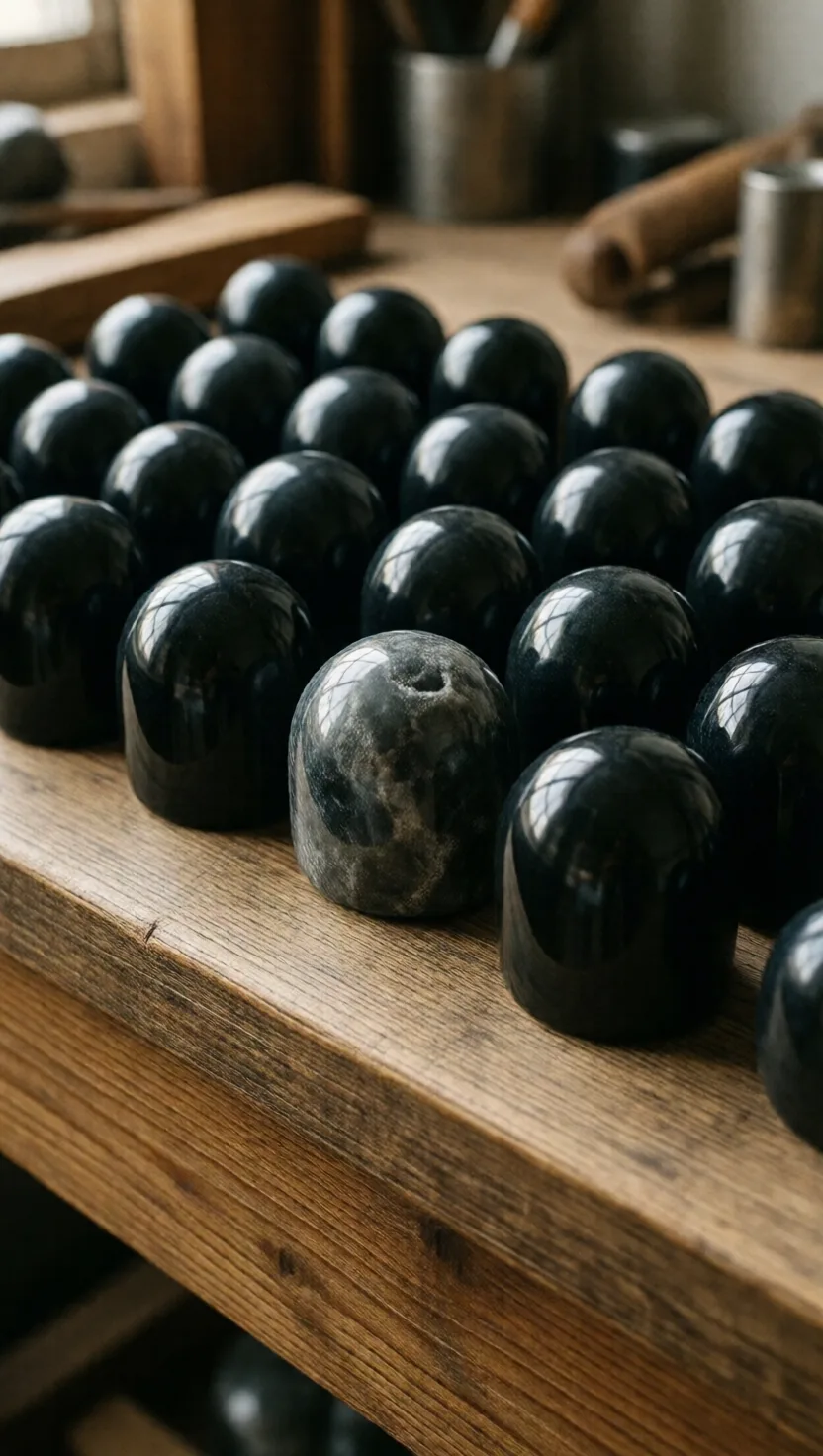
True solid-black onyx is rare, so for two centuries the German lapidary town of Idar-Oberstein has manufactured it. Porous grey agate is soaked in a sugar or honey solution until it penetrates the stone, then boiled in sulfuric acid. The acid chars the trapped sugar to black carbon inside the stone, layer by layer. The polished result is sold worldwide as 'black onyx' — a craft recipe, not a colour the stone was born with.
The 'moss' inside is mineral, not a plant

The 'moss' inside is mineral, not a plant

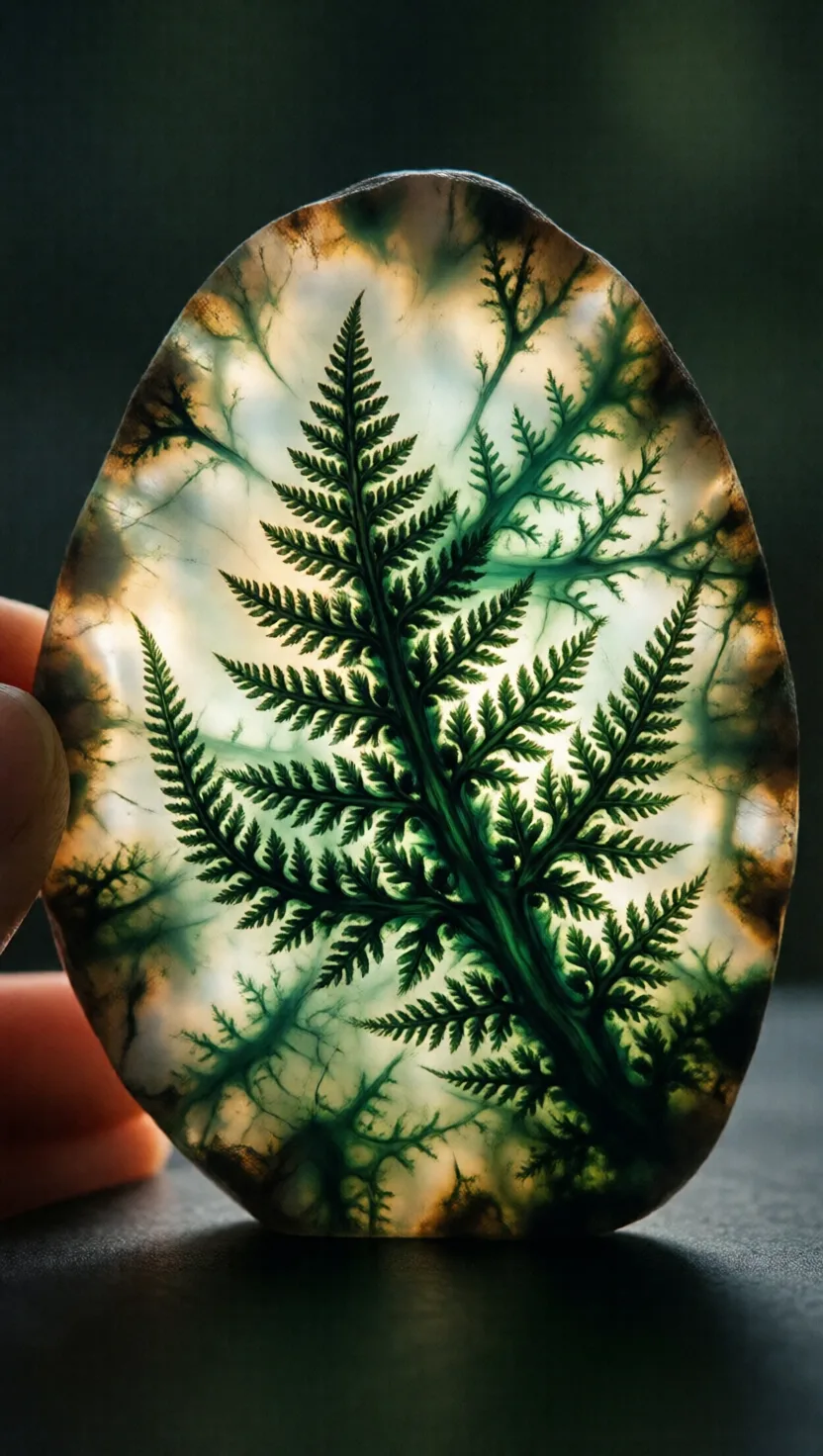
Moss agate looks like a fern frozen mid-stone, but nothing ever grew inside it. The green and black branches are dendrites — feathery crystals of manganese and iron oxides that formed as mineral-rich water crept through the silica. They branch like plants for the same mathematical reason frost does on a window. No leaf, no root, no fossil: just chemistry imitating a forest inside a translucent stone.
Gold leaf gets its shine from an agate tooth

Gold leaf gets its shine from an agate tooth

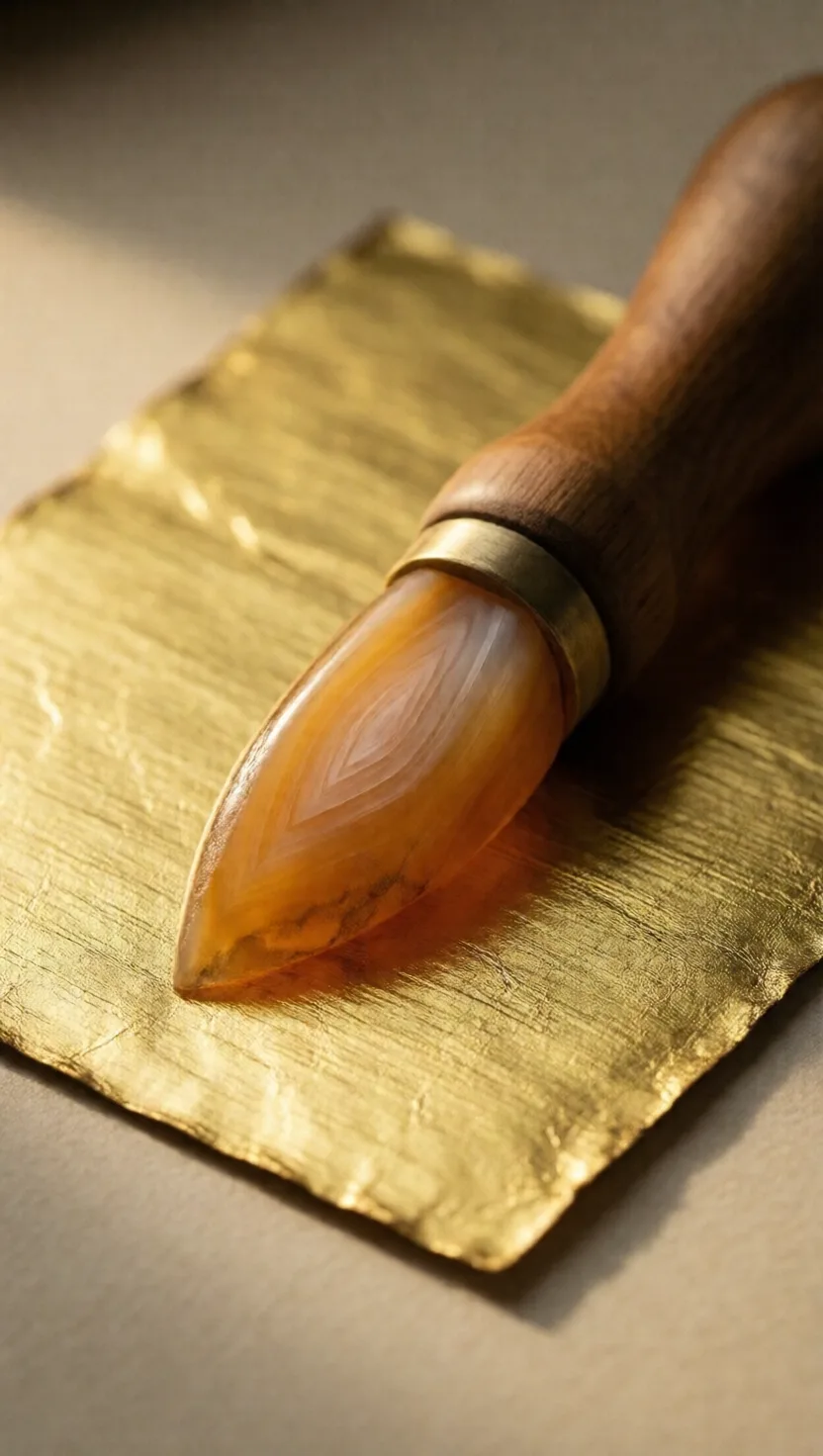
The mirror gleam on gilded picture frames and book edges doesn't come from polish — it comes from stone. Gilders lay whisper-thin gold leaf, then rub it with a smooth, curved agate burnisher, often shaped like a dog's tooth. Agate is hard, flawlessly smooth and won't scratch the gold, so it presses the leaf flat and bright without tearing it. The same tool burnishes the gilded edges of fine books. Centuries on, nothing beats agate for the job.
Plain lumps that hide a star of agate

Plain lumps that hide a star of agate

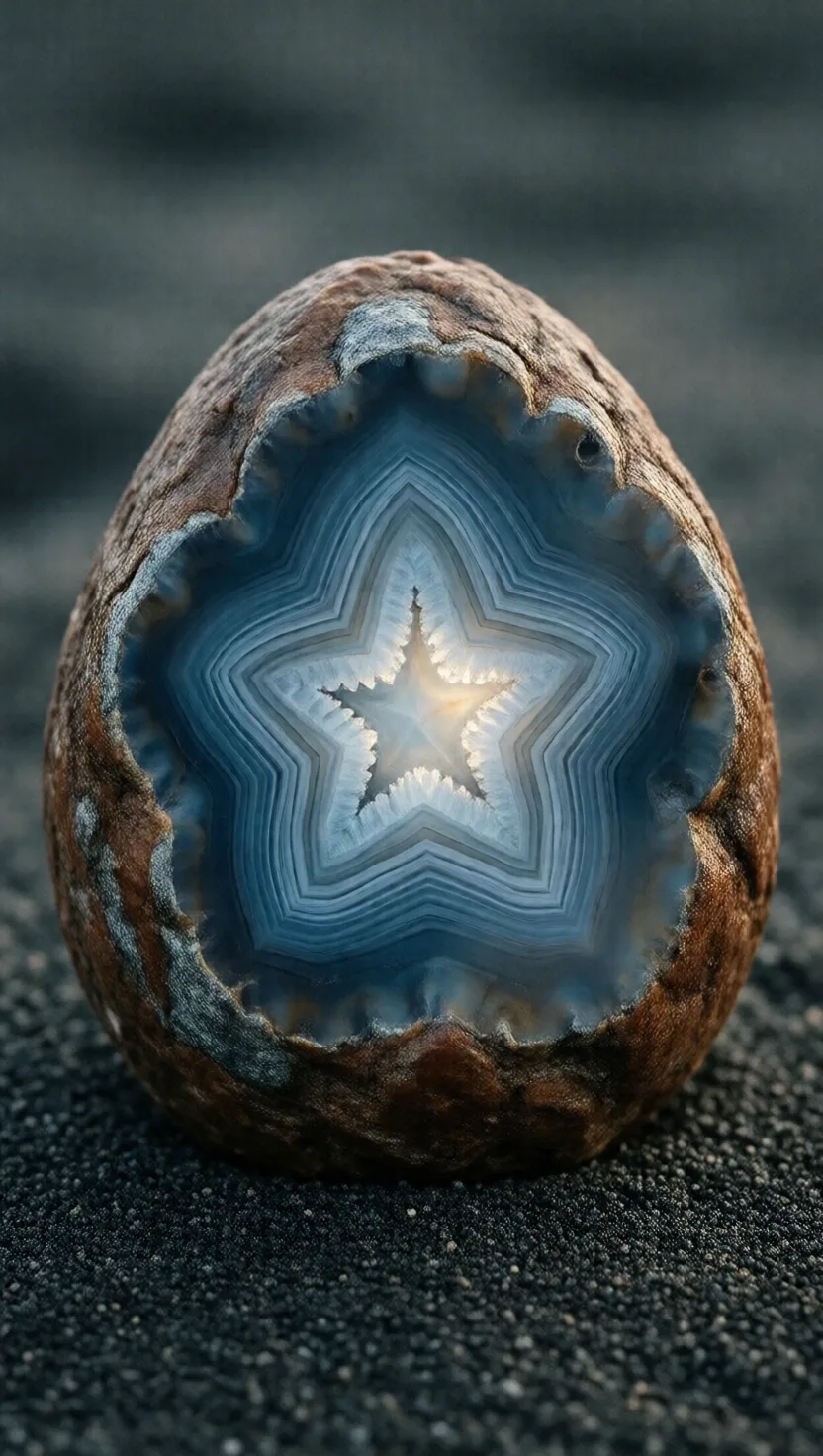
From the outside a thunderegg is a drab, knobby brown ball the size of a fist. Saw it in half and it can reveal a star- or flower-shaped core of agate, jasper or opal. They form in silica-rich rhyolite lava, where gas pockets become moulds that mineral-laden water slowly fills. Oregon named the thunderegg its state rock in 1965; local legend said warring mountain spirits hurled them during thunderstorms.
Named 2,300 years ago for a Sicilian river

Named 2,300 years ago for a Sicilian river

The word agate is ancient. Around 350 BC the Greek naturalist Theophrastus described a banded stone found along the river Achates in Sicily, and the stone took the river's name — passed down through Latin achates to today's 'agate.' Later writers, including Pliny, repeated the story. The river itself faded from the maps, but every banded agate still quietly carries the name of a Sicilian stream.
Heat turns dull agate into fiery carnelian

Heat turns dull agate into fiery carnelian

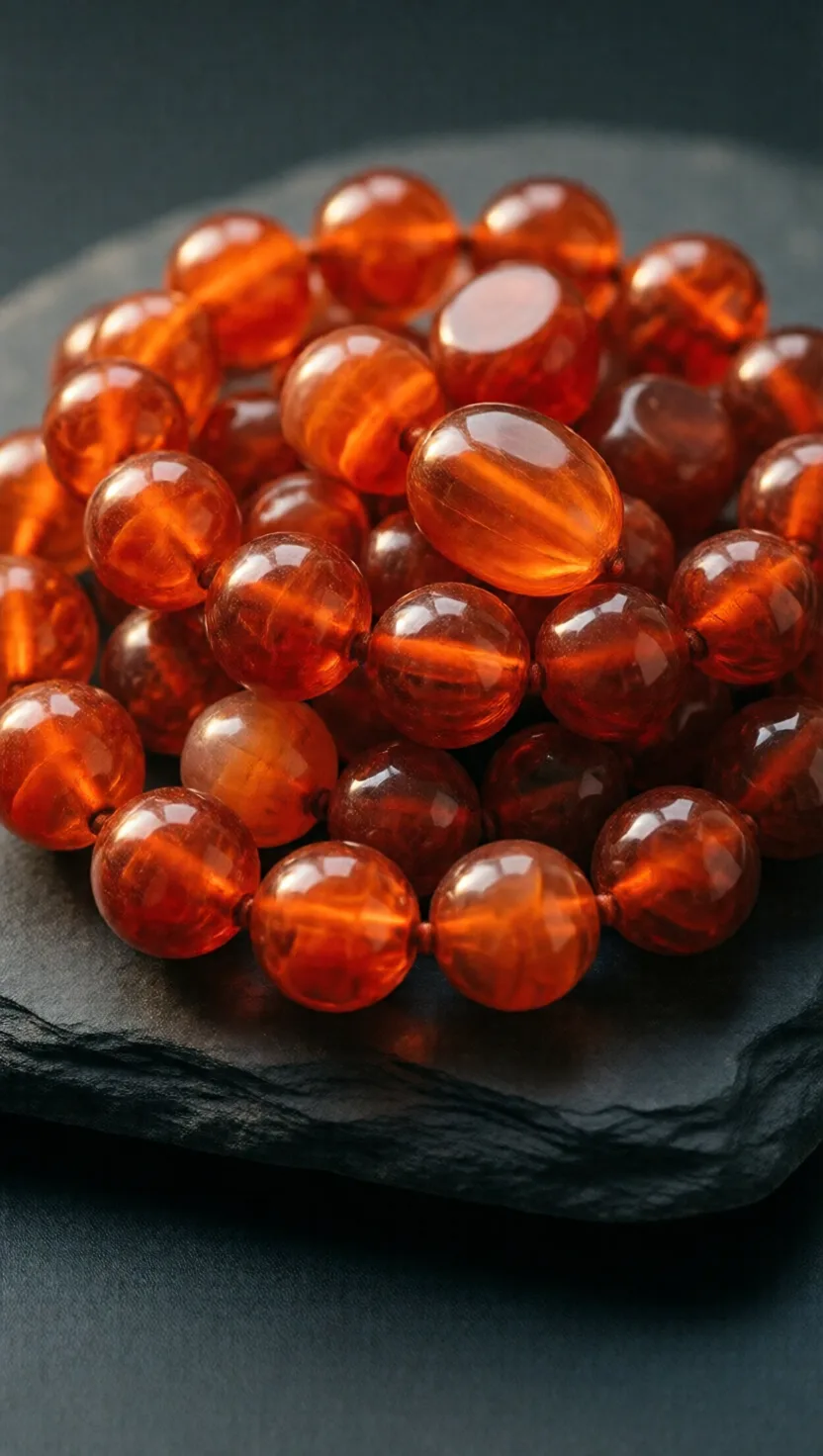
The glowing orange-red of carnelian is often made, not found. Ancient bead-makers of the Indus Valley discovered that grey agate rich in iron turns vivid red when heated — the iron oxides shift colour in the fire. Packed in clay pots and buried under burning dung at around 340 degrees Celsius, dull pebbles emerged as bright carnelian. Some of the world's oldest beads, over 4,000 years old, were reddened this way before being traded across half of Asia.
Labs grind on agate to keep samples pure

Labs grind on agate to keep samples pure

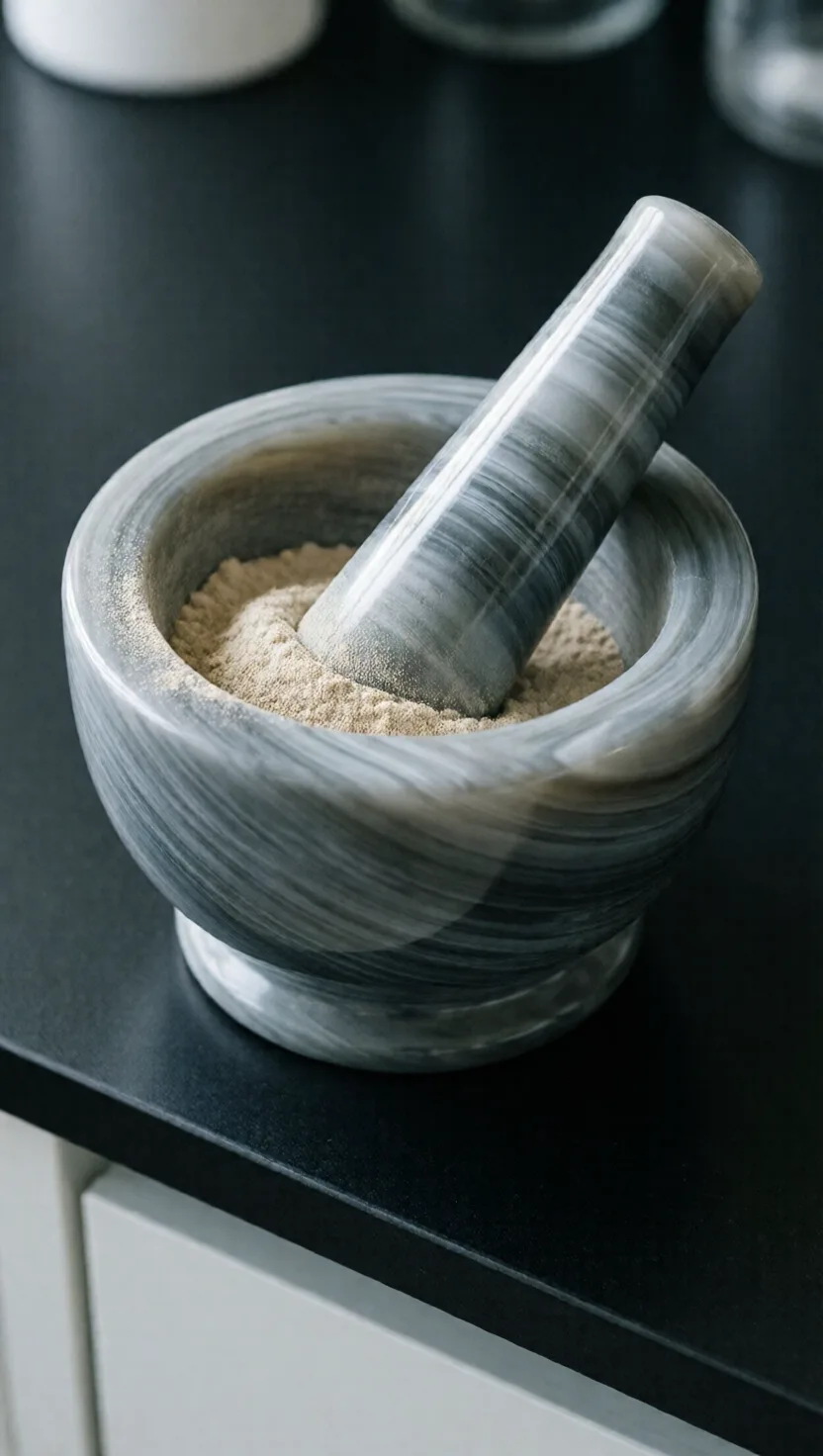
When a chemist needs to crush a sample without contaminating it, the bowl is often agate. At 6.5 to 7 on the hardness scale it grinds most materials without shedding its own grains, it is over 99.9 percent silica, and it resists nearly every acid and solvent — only hydrofluoric acid touches it. Non-porous and polished, it wipes perfectly clean between samples. The same banded stone prized for jewellery is also a quiet workhorse of the laboratory.
tap →swipe ↑ for depthswipe ↓ to exit