Eight things mirrors have been hiding

DC·103 Deep Cuts
The first mirrors were polished volcanic glass

The first mirrors were polished volcanic glass

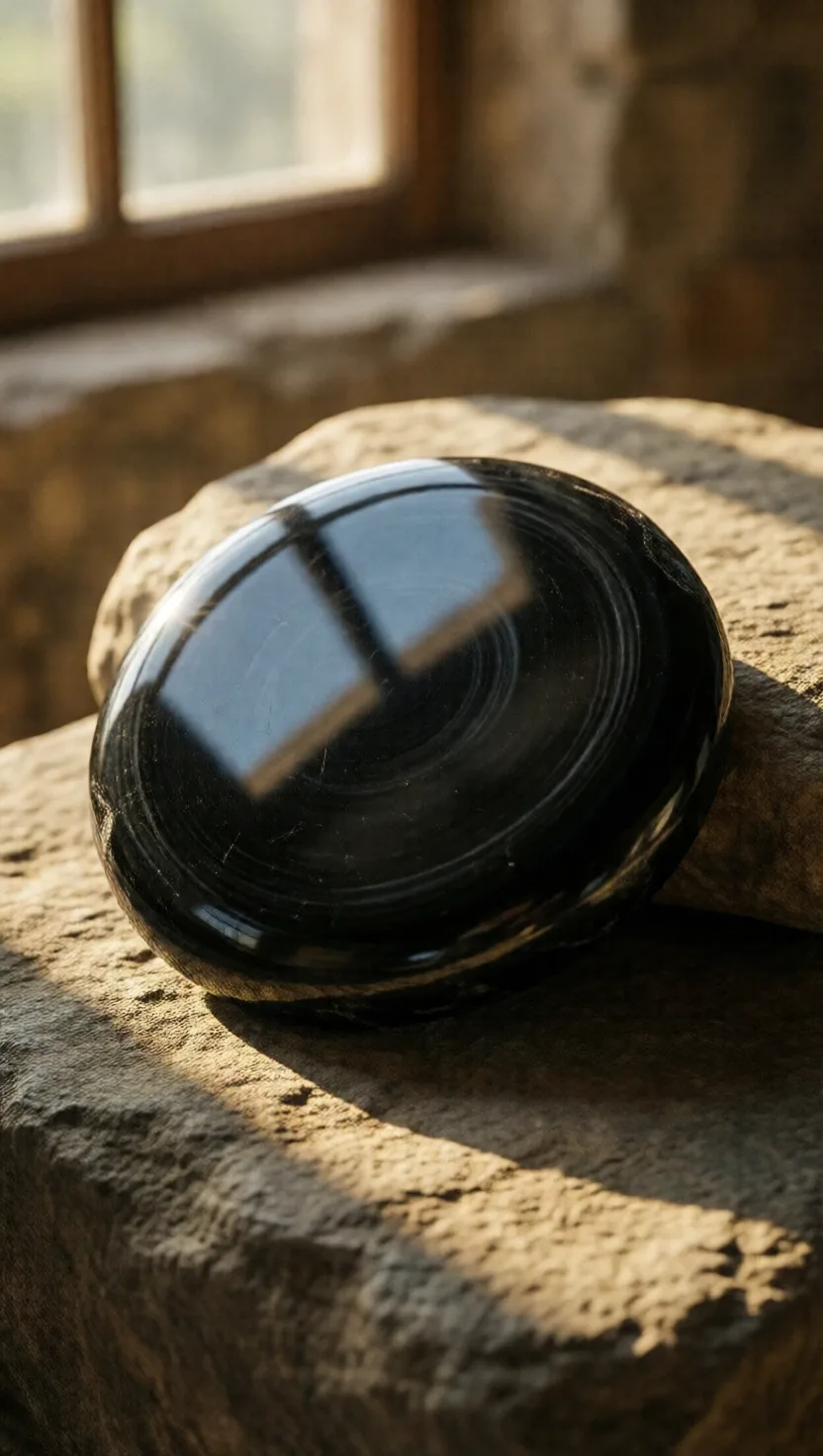
Long before silvered glass, people saw themselves in stone. At Neolithic settlements in central Anatolia — Catalhoyuk and Canhasan — craftsmen ground discs of obsidian, black volcanic glass, into mirrors around 6000 BCE, smoothing them with sand and fat until they shone. They are the oldest manufactured mirrors known, and every example found so far comes from what is now Turkey.
The modern mirror was born from a sugar reaction

The modern mirror was born from a sugar reaction

In 1835 the chemist Justus von Liebig found a way to coax silver out of a solution and lay it onto glass in a film just atoms thick. A little silver nitrate, some ammonia, and a sugar to trigger the reaction, and metallic silver plates itself onto the glass. For the first time mirrors could be made cheaply and at scale, turning what had been a luxury into something almost anyone could own.
Making mirrors slowly poisoned the people who made them

Making mirrors slowly poisoned the people who made them

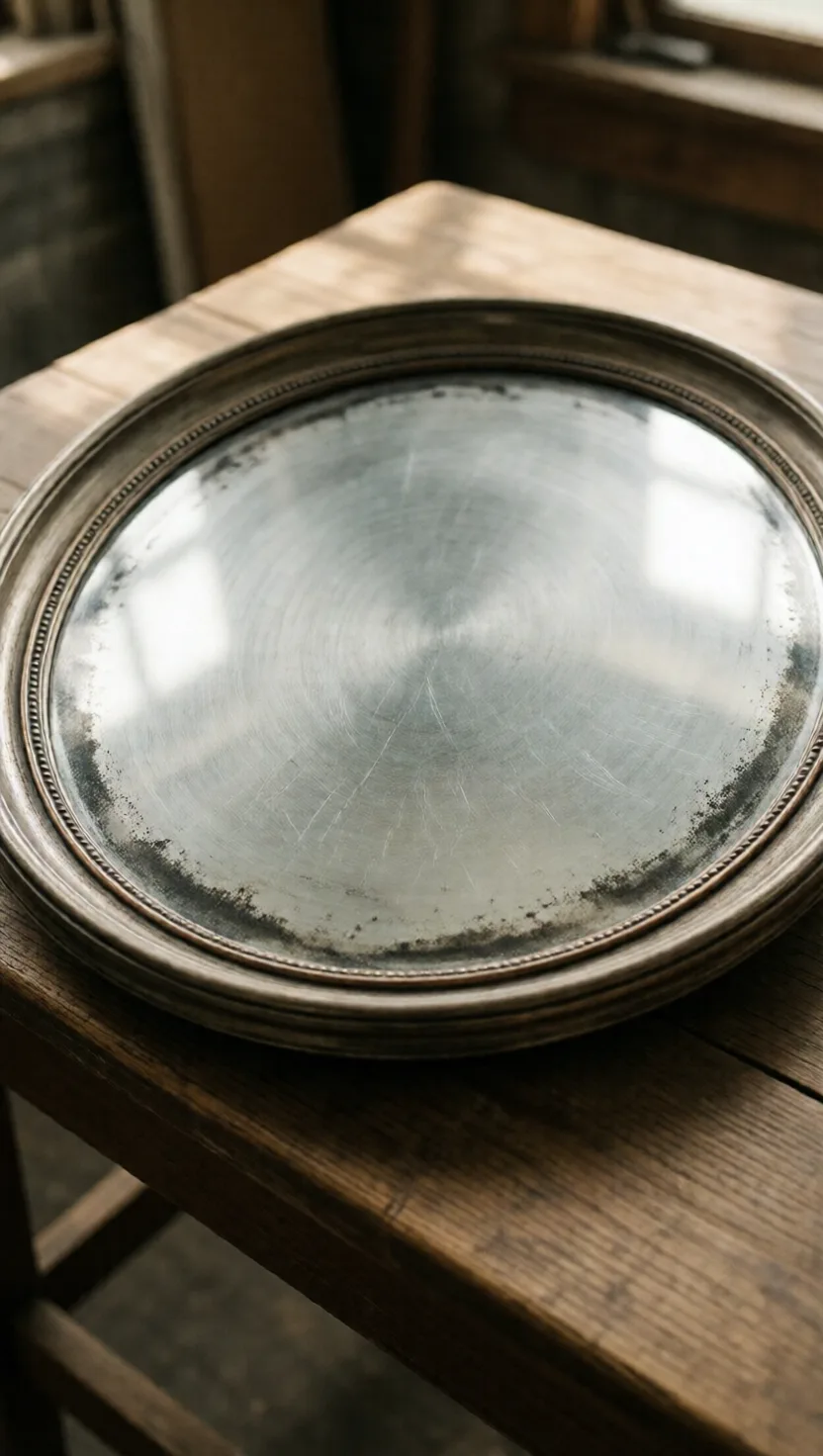
For four centuries the finest mirrors were backed with an amalgam of tin and mercury: a craftsman floated liquid mercury on a tin sheet, then slid glass on top. The shimmering result kept releasing invisible mercury vapour for years. The workers breathed it daily, and chronic mercury poisoning — with its tremors and confusion — became a recognised hazard of the trade long before the cause was understood.
Venice would kill a mirror-maker who left the city

Venice would kill a mirror-maker who left the city

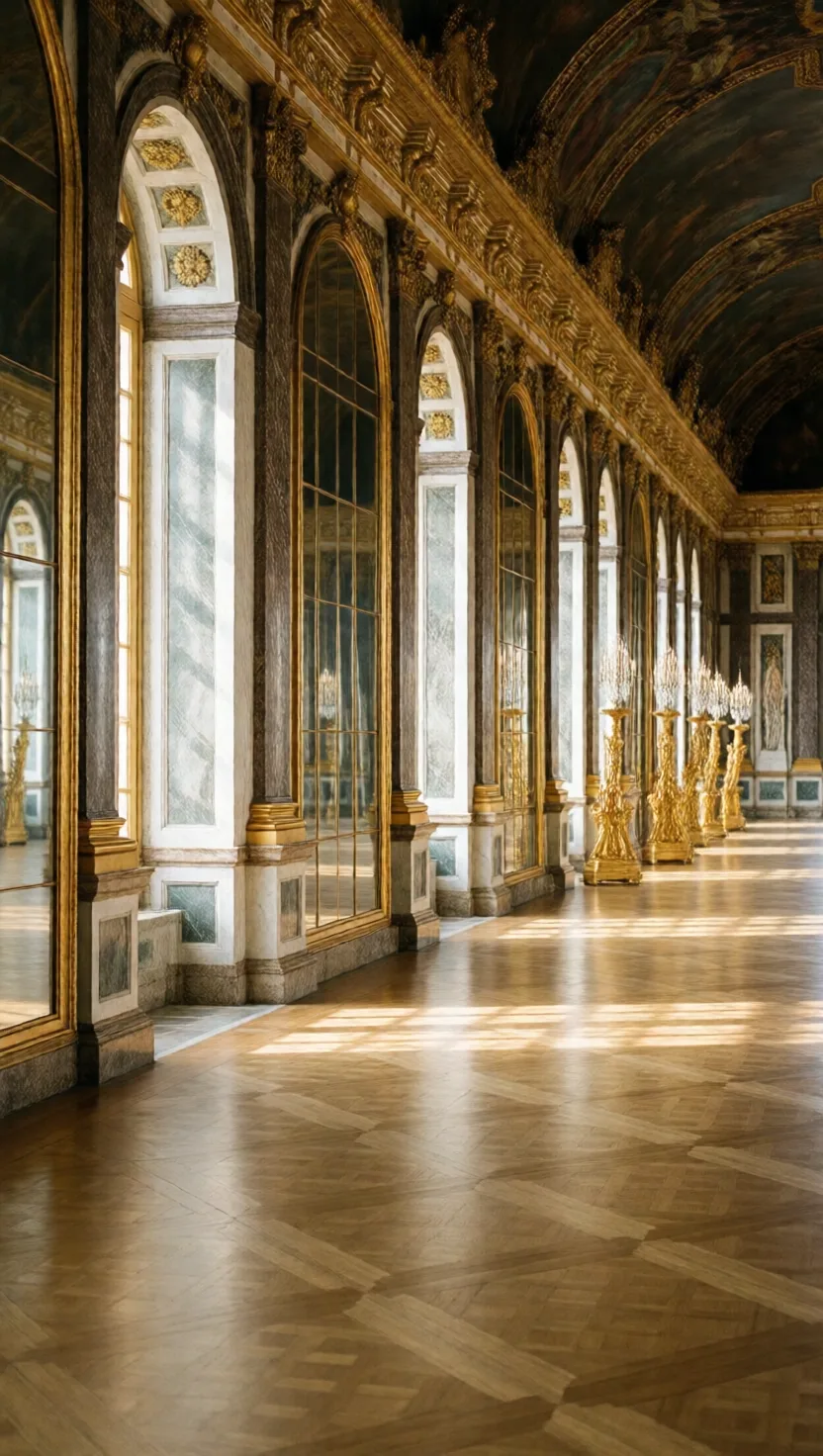
Venice's mirrors were so valuable that the Republic guarded the recipe like a state secret. Glassworkers were confined to the island of Murano; one who fled risked having his family jailed and assassins sent after him. When France lured a few defectors to help build the Hall of Mirrors at Versailles, with its 357 panels, Venice even tried to poison them. The monopoly broke anyway.
This bronze mirror hides a picture only light reveals

This bronze mirror hides a picture only light reveals

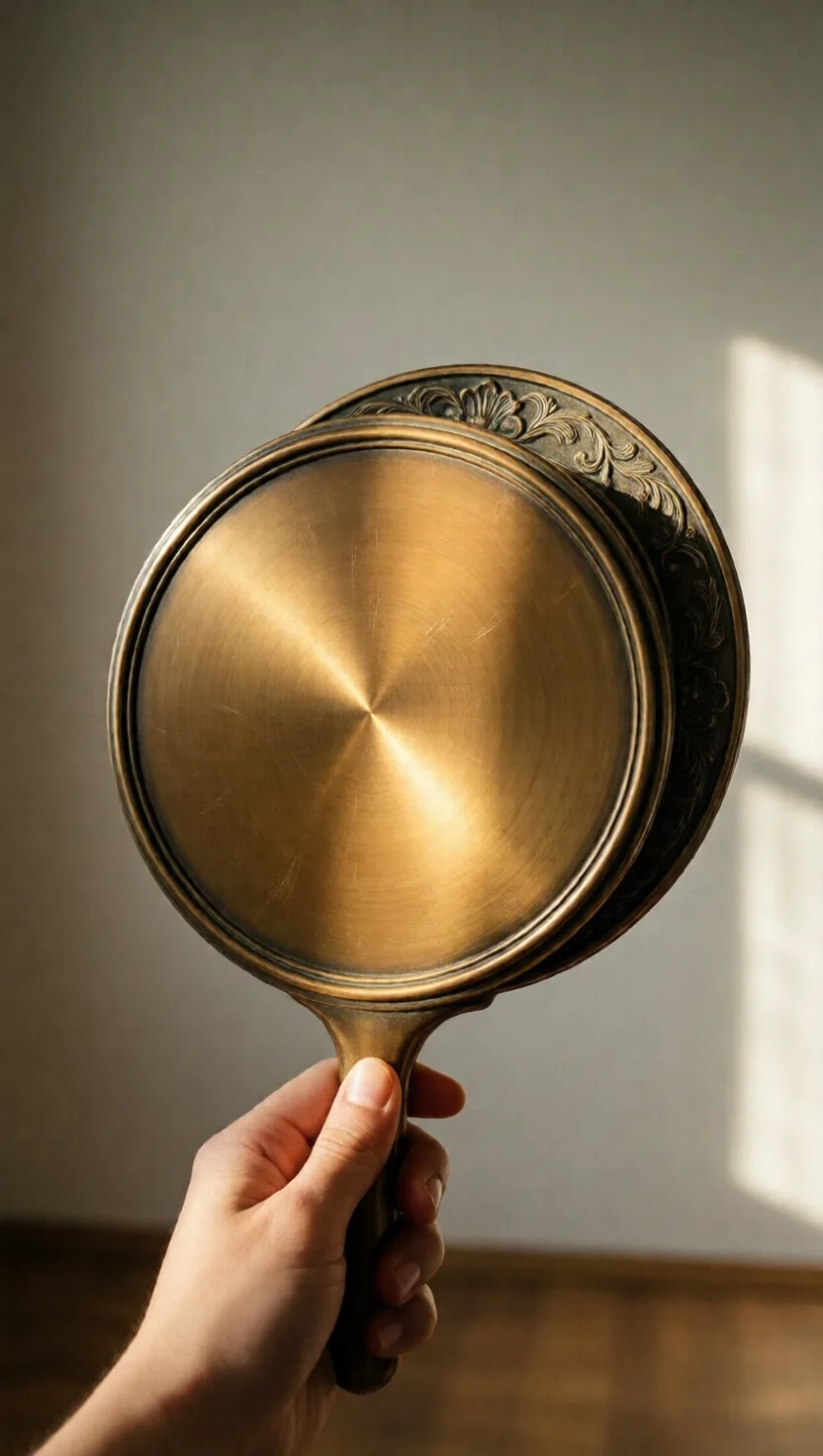
A Japanese makyo, or 'magic mirror,' looks like a plain polished bronze disc — but catch sunlight off its face and cast it on a wall, and a hidden image appears, usually the design moulded into its back. The secret is in the polishing: scraping the front leaves buckles far too small to see, fractions of a micron deep, that exactly trace the relief behind. Hidden Christians once used them to project forbidden images.
Giant concrete 'mirrors' once listened for aircraft

Giant concrete 'mirrors' once listened for aircraft

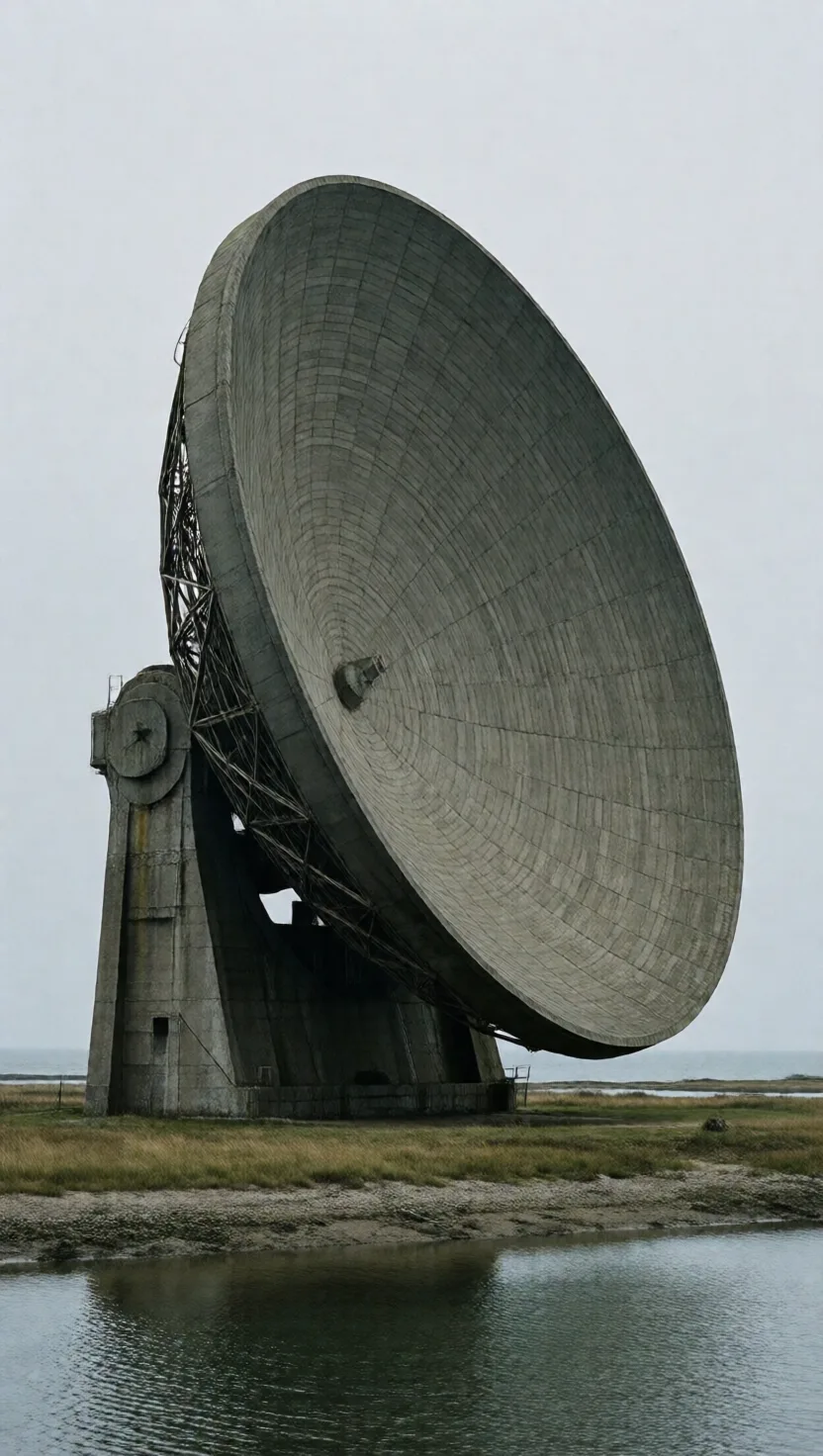
Before radar, Britain's coast was guarded by mirrors for sound. Huge concrete dishes and a curved wall up to 70 metres long stood at Denge in Kent, focusing the drone of distant aero-engines onto a microphone at their centre. On a still day an operator could hear a plane some 30 km out to sea. Faster aircraft and the arrival of radar in the 1930s soon made the listening ears obsolete.
Tourists once admired views by turning their backs

Tourists once admired views by turning their backs

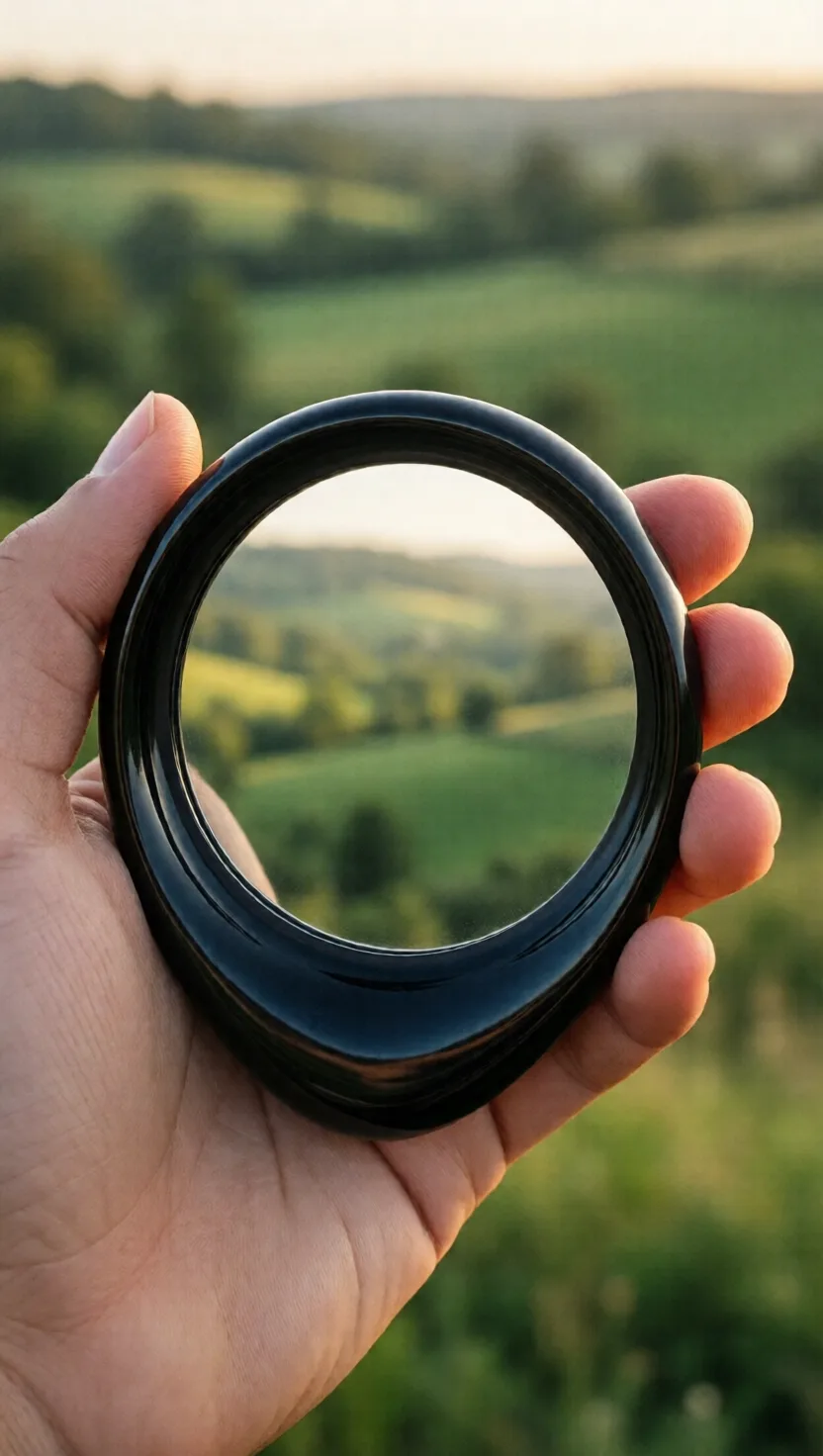
In the 1700s the fashionable way to enjoy a landscape was to ignore it. Travellers carried a Claude glass — a small, dark, slightly convex mirror — turned their back on the scenery, and looked at its reflection instead. The tint and curve compressed the view into soft tones and gentle gradations, making real countryside look like an Old Master painting. It is named for the painter Claude Lorrain.
A famous wizard's mirror was really an Aztec relic

A famous wizard's mirror was really an Aztec relic

John Dee, advisor to Elizabeth I, claimed to summon spirits in a glossy black mirror. For centuries its origin was a mystery — until a 2021 chemical analysis of the obsidian traced it to Pachuca in Mexico. It is an Aztec mirror, tied to the god Tezcatlipoca, whose name means 'Smoking Mirror'; the Mexica polished obsidian into discs for divination. Dee's now sits in the British Museum.
tap →swipe ↑ for depthswipe ↓ to exit