Eight things from ancient Egypt and lost cities

DC·09 Deep Cuts
The oldest man-made color secretly glows in infrared

The oldest man-made color secretly glows in infrared

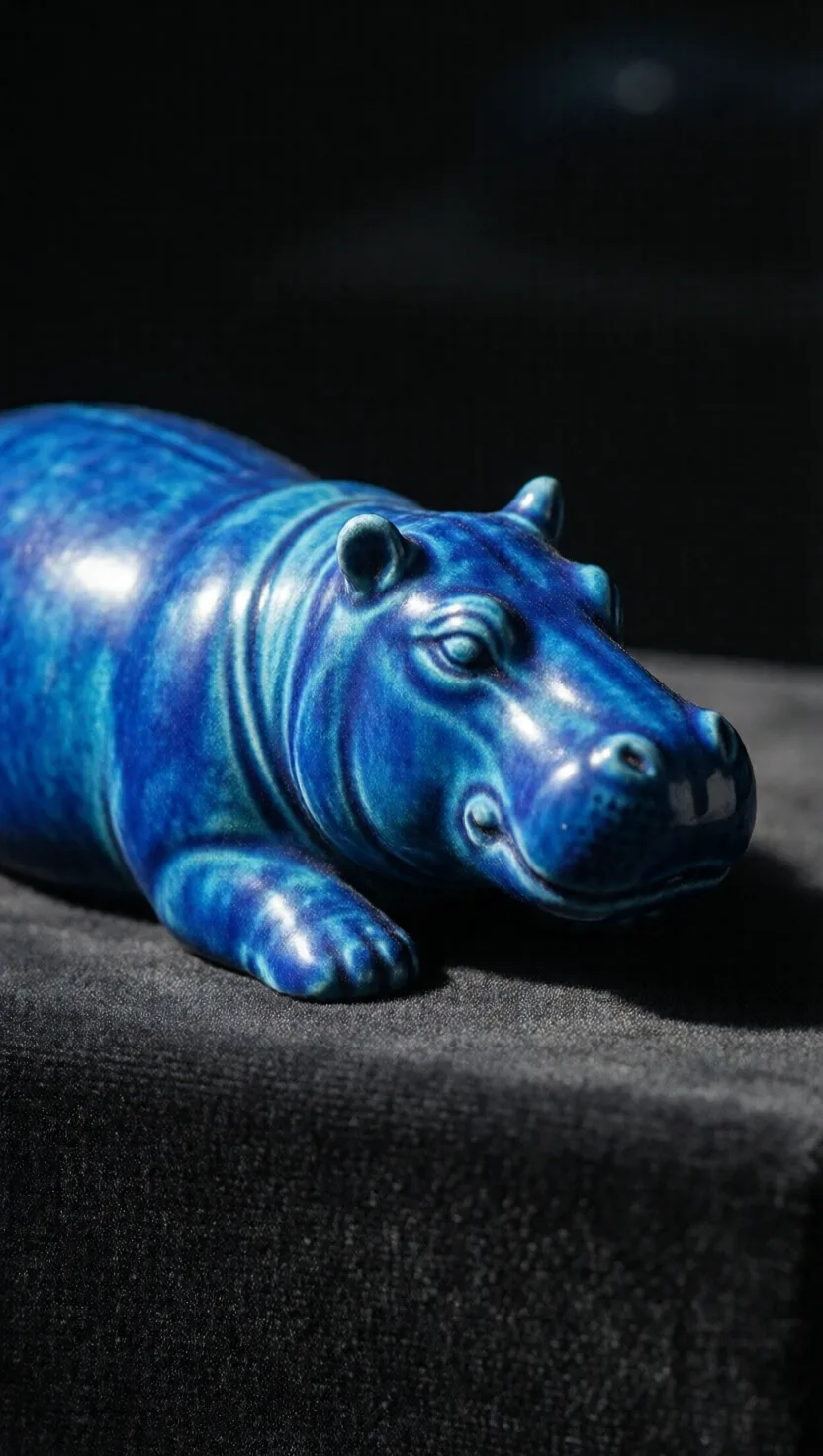
Egyptian blue was cooked from sand, copper and lime more than 5,000 years ago — the first synthetic pigment ever made. Its strangest trick is invisible to us: shine red light on it and it blazes back in the near-infrared, around 910 nm, a glow brighter and longer-lasting than almost any natural mineral. Conservators now use that hidden shine to find traces of it on statues a human eye would swear were bare stone.
Egypt's greatest port spent over a thousand years on the seafloor

Egypt's greatest port spent over a thousand years on the seafloor

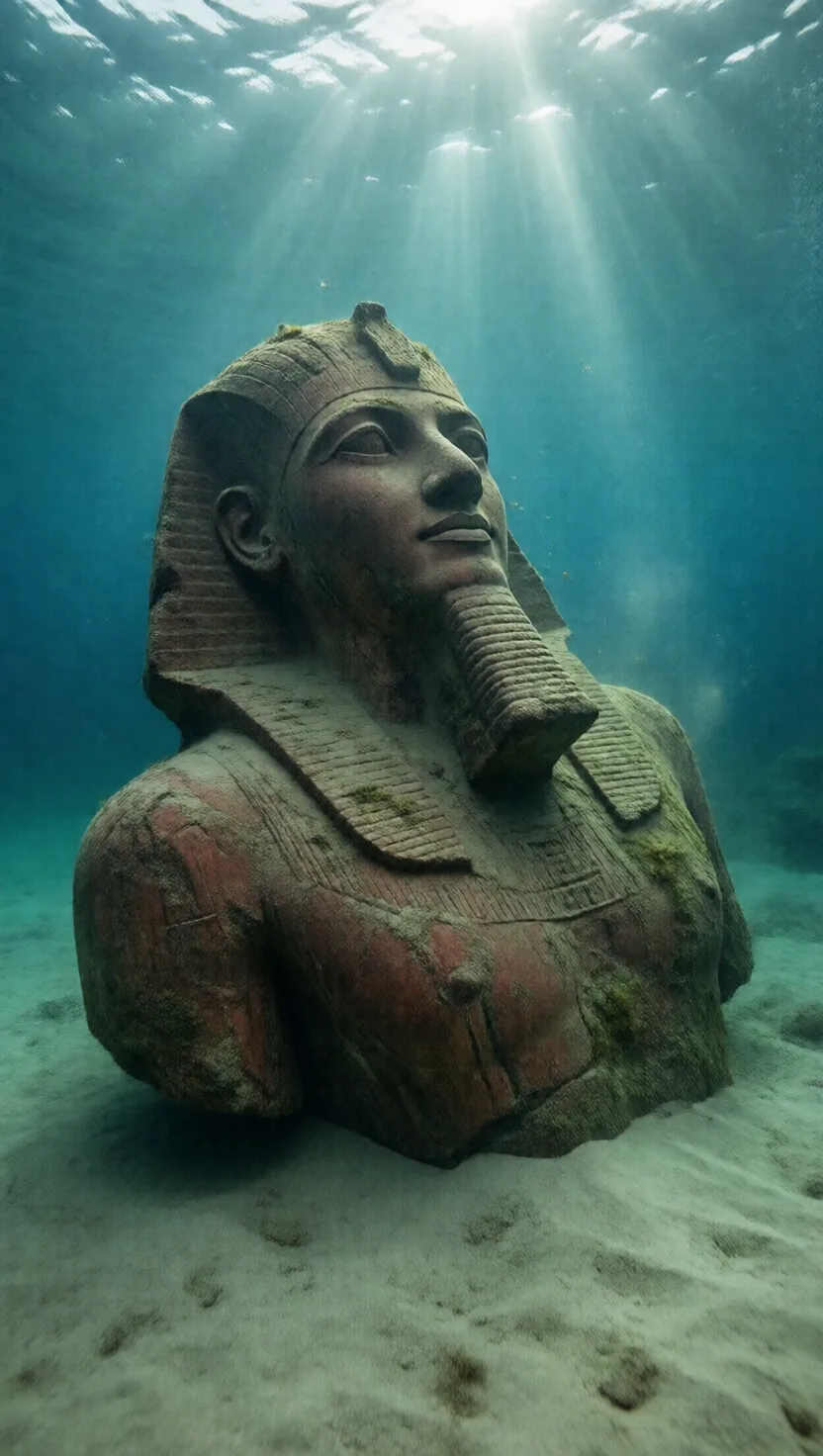
Before Alexandria, Thonis-Heracleion was Egypt's gateway to the Mediterranean — every ship entering the country cleared customs here. Then earthquakes and rising sea liquefied the soft Nile-delta ground and the whole city slid beneath the waves. It was lost so completely that historians doubted it had existed, until divers found it in 2000 lying 7 km offshore, its temples and 5-metre statues still resting in the silt.
A baker's loaf survived Vesuvius — stamp and all

A baker's loaf survived Vesuvius — stamp and all

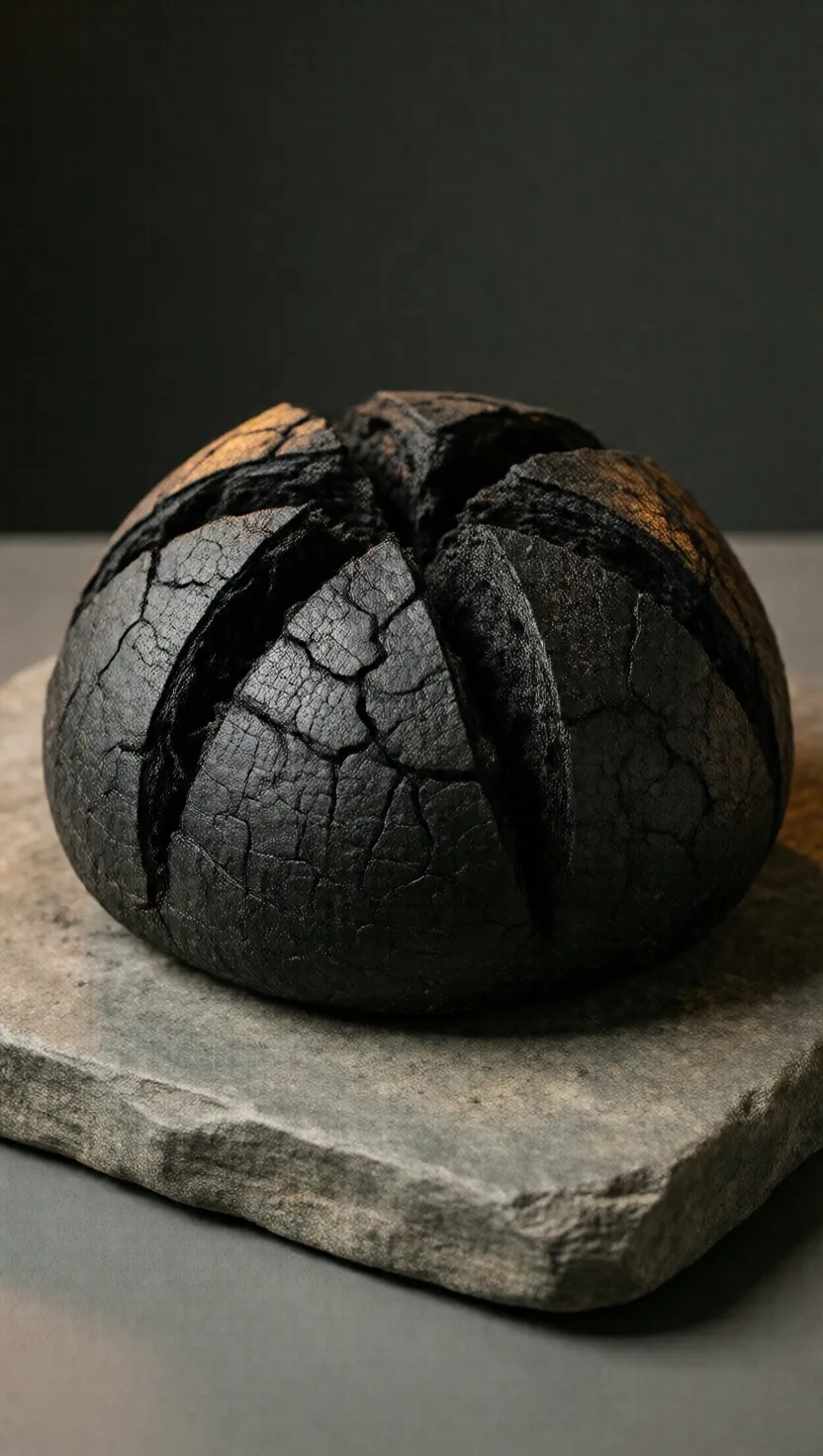
When Vesuvius buried the towns at its foot in 79 AD, the heat didn't burn everything to ash — it carbonised it, turning organic matter into stable black carbon. One round sourdough loaf came through intact, scored into eight wedges and still pressed with its baker's stamp: "made by Celer, slave of Quintus Granius Verus." Records show Celer himself outlived the eruption and was later granted his freedom.
A whole city hides eighteen floors below a Turkish town

A whole city hides eighteen floors below a Turkish town

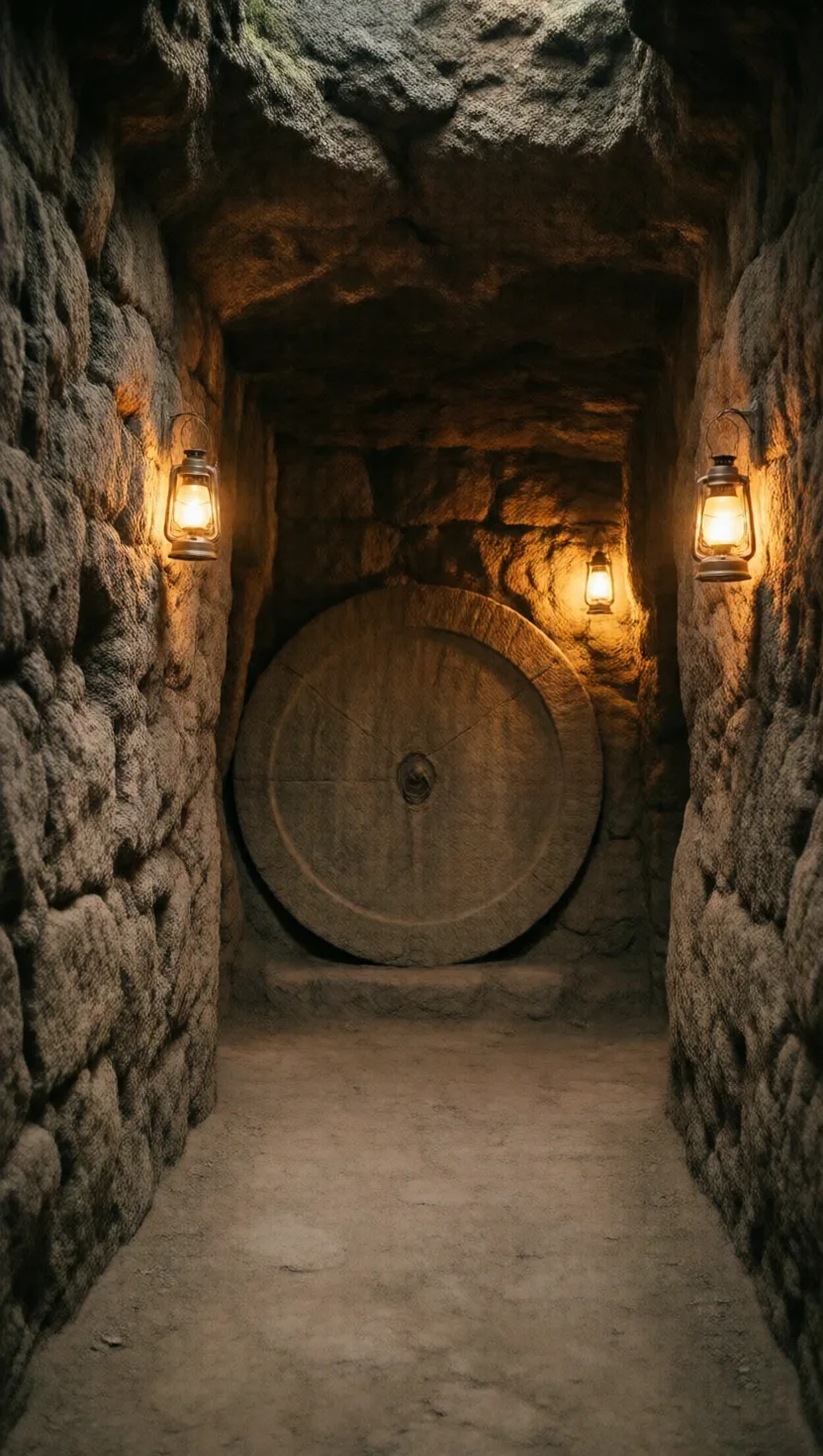
Beneath the plains of Cappadocia, generations carved downward into soft volcanic rock until they had a city 18 levels and about 85 metres deep — stables, kitchens, wine presses, chapels, and ventilation shafts that still pull fresh air to the bottom. Sealed from the inside by great rolling stone doors, it could hide some 20,000 people and their livestock. A man rediscovered it in 1963 while knocking through a wall in his basement.
Hunter-gatherers built a stone temple before farming existed

Hunter-gatherers built a stone temple before farming existed

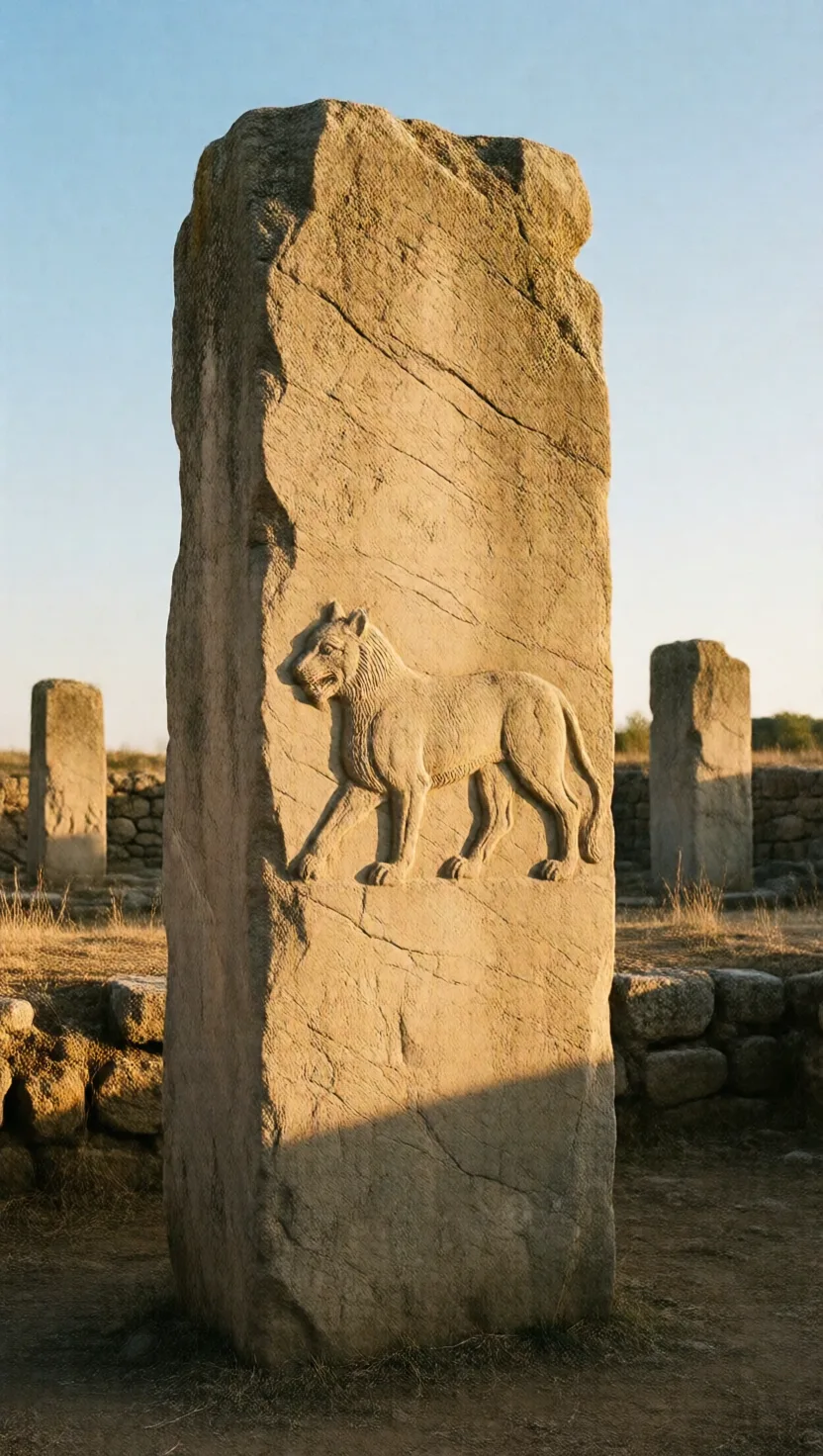
Göbekli Tepe in southern Turkey is roughly 11,500 years old — older than Stonehenge by about 6,000 years and the pyramids by 7,000. Its builders raised rings of T-shaped limestone pillars up to 5.5 metres tall, carved with foxes, scorpions and vultures. The shock is who they were: roaming hunter-gatherers with no pottery, no metal, no writing and no farms. The monument came first; the settled village came afterward.
A pharaoh was buried with a blade forged from a meteorite

A pharaoh was buried with a blade forged from a meteorite

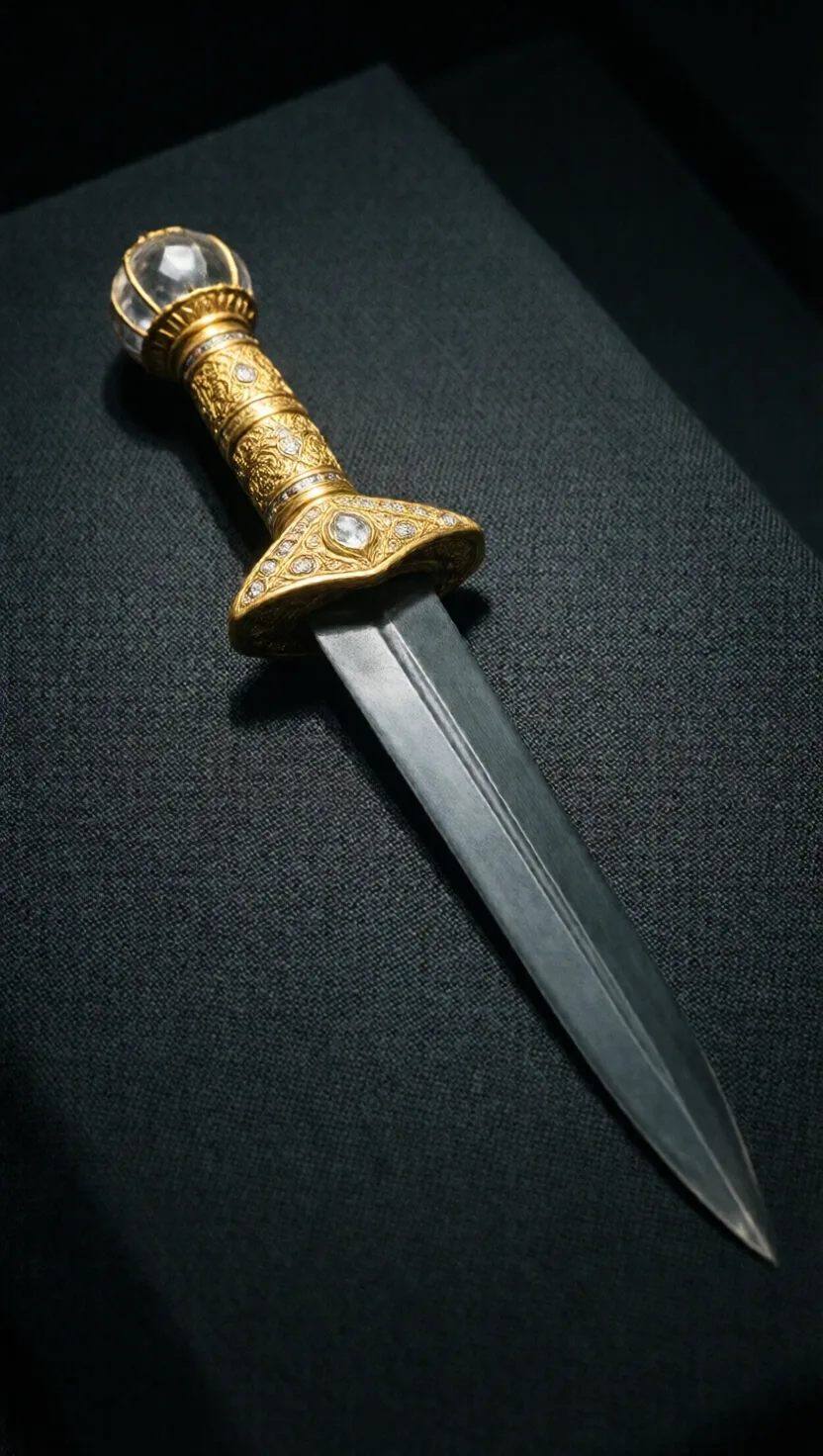
One of the daggers laid against Tutankhamun's body has a blade that never rusted in 3,300 years. X-ray analysis in 2016 explained why: the iron came from no mine. It carries about 11% nickel and a telltale trace of cobalt — the chemical signature of an iron meteorite, not ground ore. In an age before anyone could smelt iron, metal that had fallen from the sky was rarer and more prized than gold.
A desert city carved into rock never ran out of water

A desert city carved into rock never ran out of water

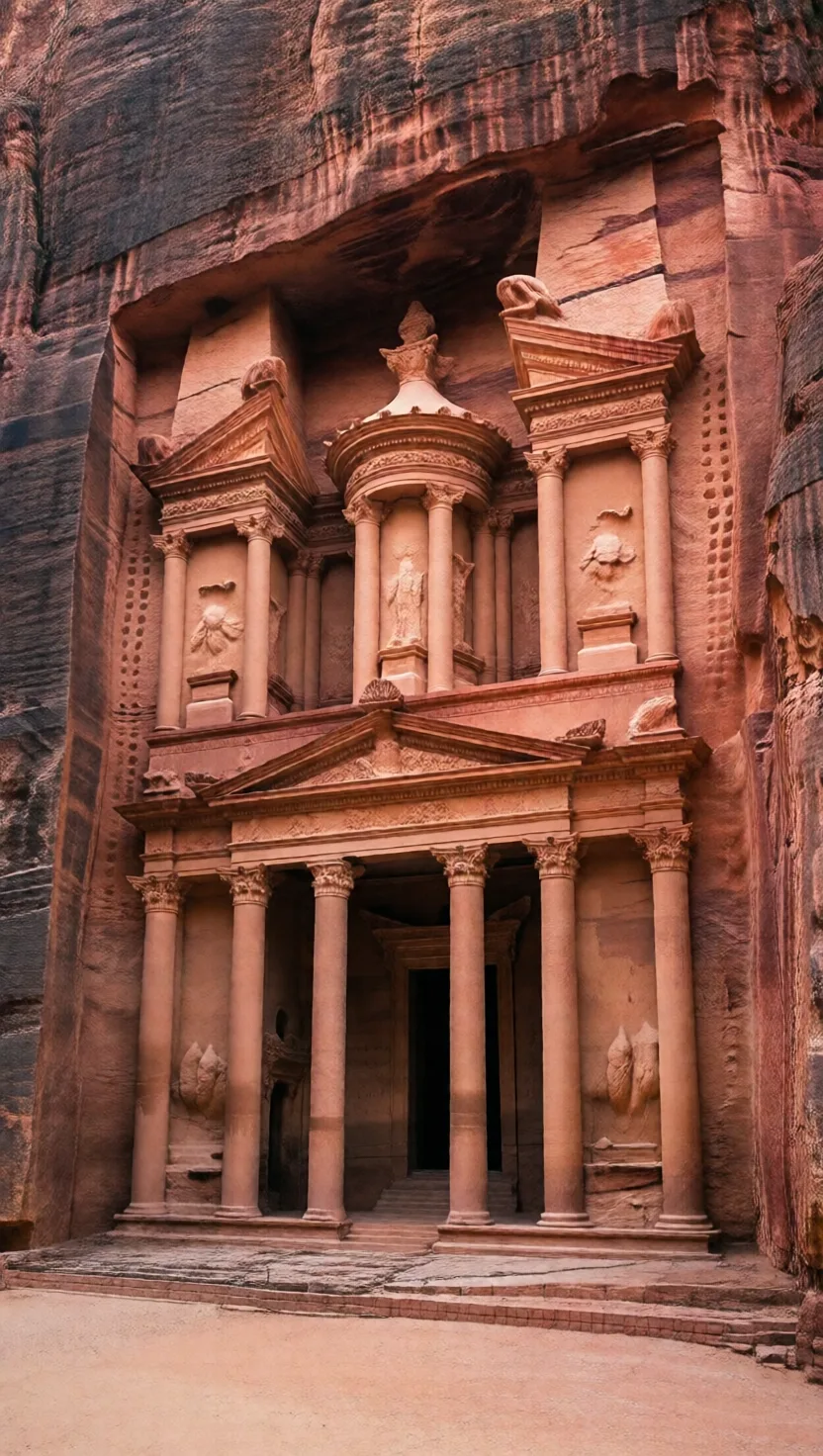
Petra sits in a Jordanian desert that sees only a few centimetres of rain a year, yet it kept 30,000 people watered the year round. The Nabataeans cut a hidden web of channels, ceramic pipes, dams and cisterns into the cliffs, catching every flash flood and storing it for the dry months. The same system tamed the sudden torrents that tore through the canyons — engineering precise enough to keep the rose-red city alive for centuries.
The Sphinx once wore loud red, blue and yellow paint

The Sphinx once wore loud red, blue and yellow paint

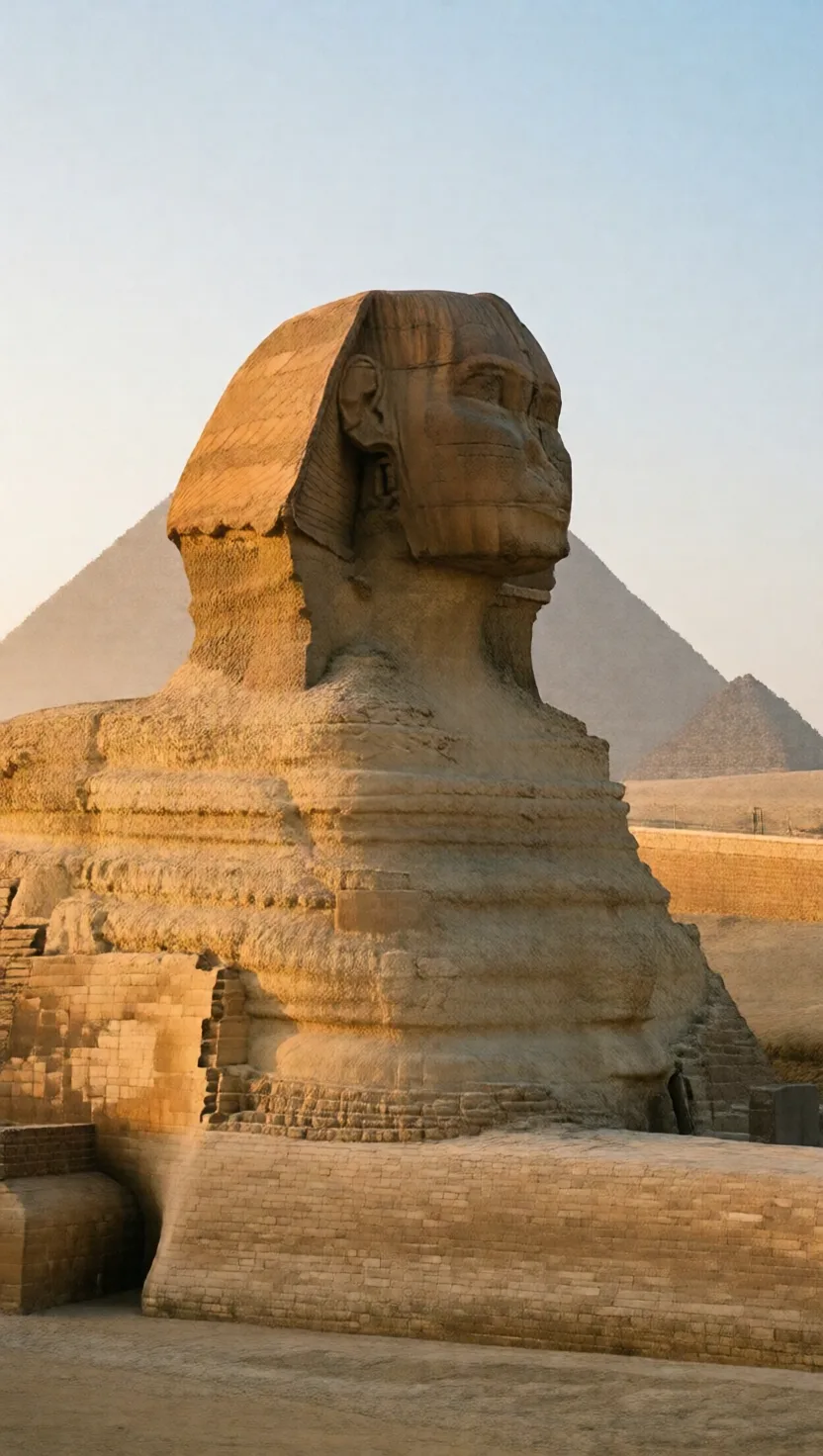
We picture the Great Sphinx as bare honey-coloured limestone, but it began life vividly painted. Flecks of red still cling to its face, with blue and yellow surviving in sheltered spots — enough for archaeologists to conclude the entire 4,500-year-old monument was once brightly coloured. Most of the ancient stone we admire as austere and plain was, in its own day, dressed in bold, almost cartoonish colour.
tap →swipe ↑ for depthswipe ↓ to exit