Eight things the universe keeps quiet

DC·05 Deep Cuts
On Venus, a single day is longer than its year

On Venus, a single day is longer than its year

Venus spins so slowly that one full rotation takes about 243 Earth days — longer than the roughly 225 Earth days it takes to orbit the Sun. It also spins backwards, so from the surface the Sun would rise in the west.
On Neptune, it rains diamonds

On Neptune, it rains diamonds

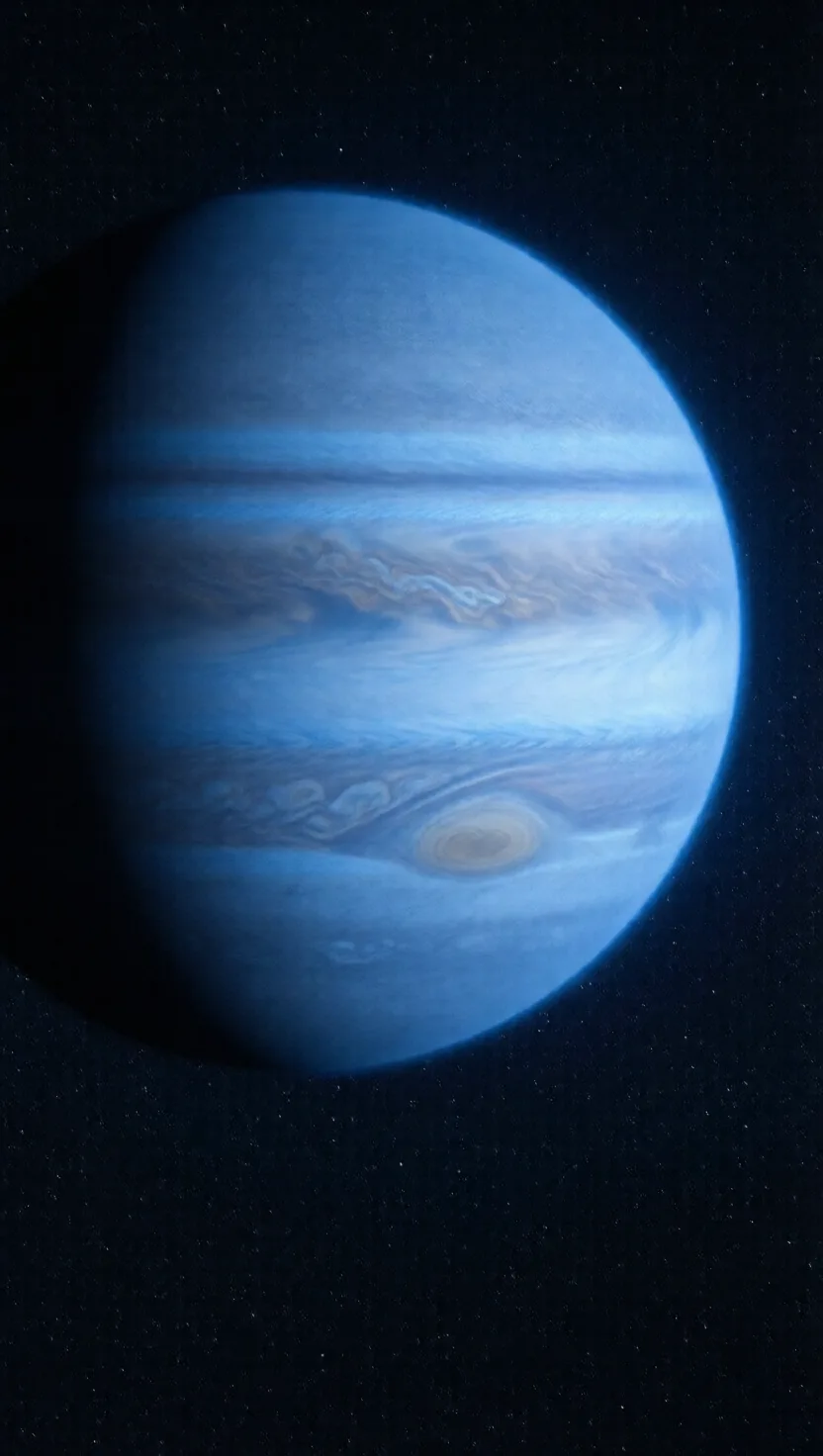
Deep inside Neptune and Uranus, immense heat and pressure squeeze the carbon out of methane and compress it into solid diamond. Lab experiments have recreated the effect — the diamonds are thought to sink slowly toward each planet's core.
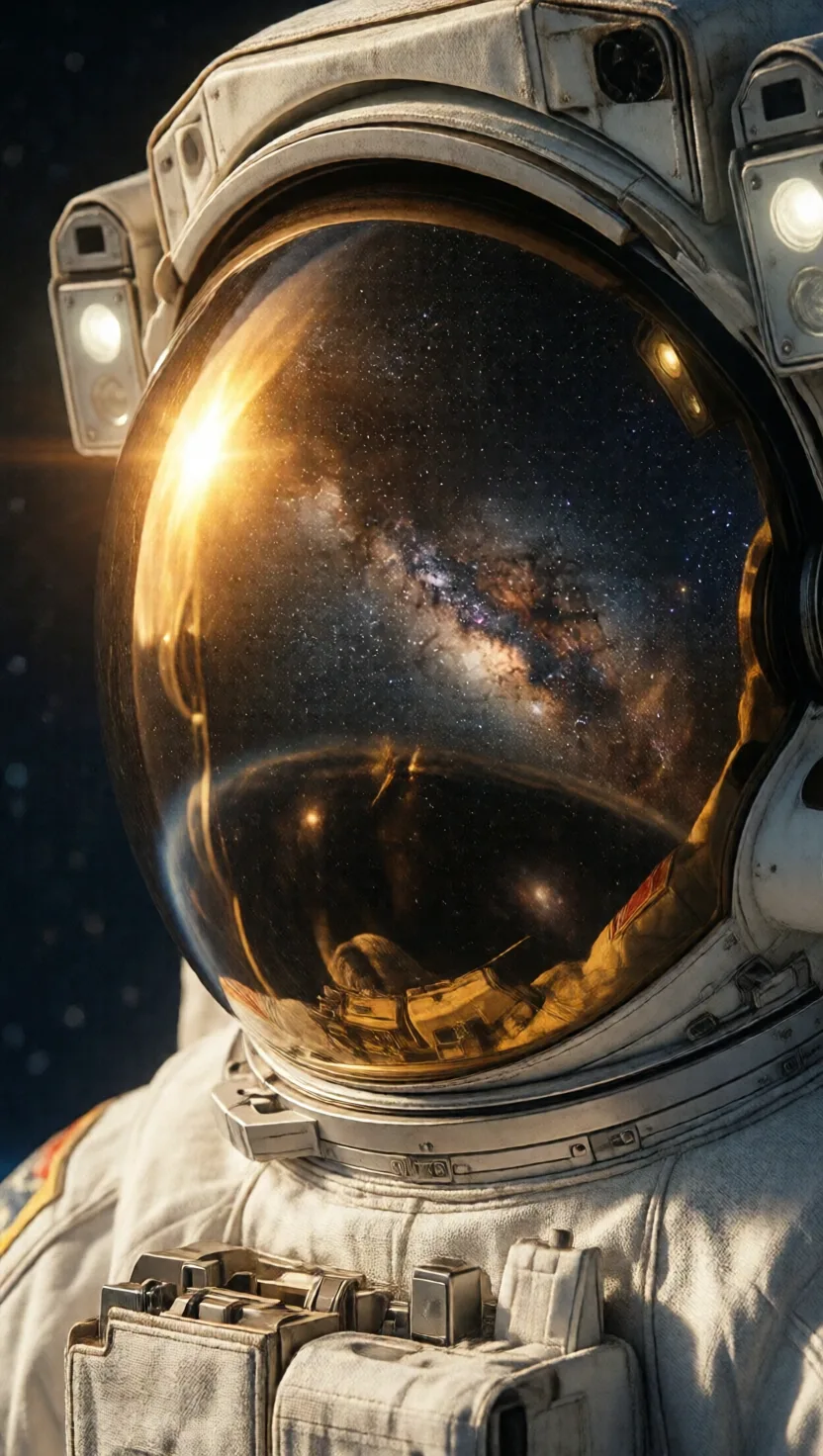
Astronauts say space smells like seared steak

Astronauts say space smells like seared steak

Spacewalkers report a sharp, metallic, seared-meat odour clinging to their suits and gear back in the airlock. It's often linked to polycyclic aromatic hydrocarbons — molecules thrown off by dying stars and burning fuel.
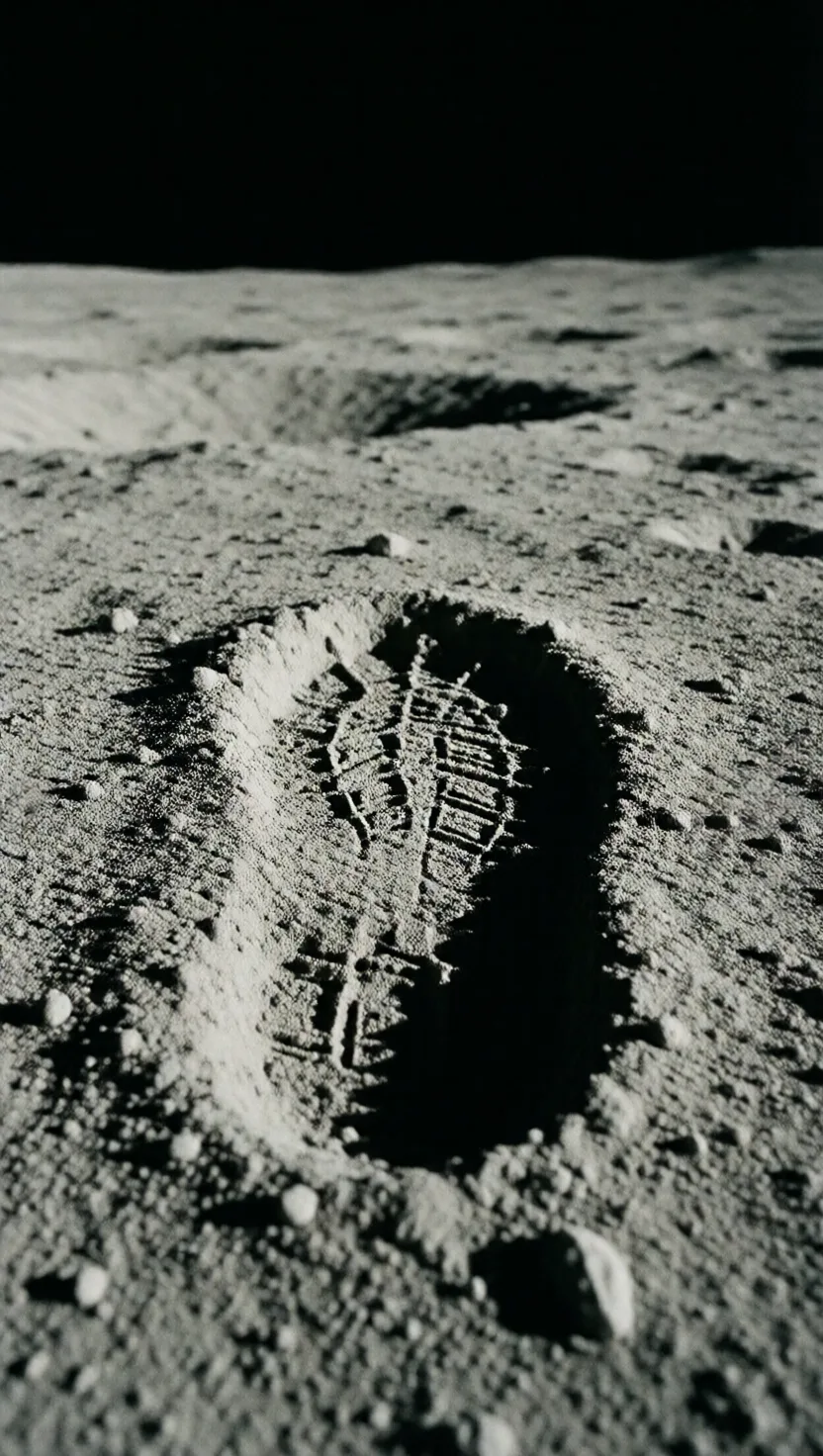
The footprints on the Moon may last millions of years

The footprints on the Moon may last millions of years

With no wind and no liquid water, nothing erodes the Apollo bootprints the way weather would on Earth. Only the slow drizzle of micrometeorites will wear them away — over millions of years.
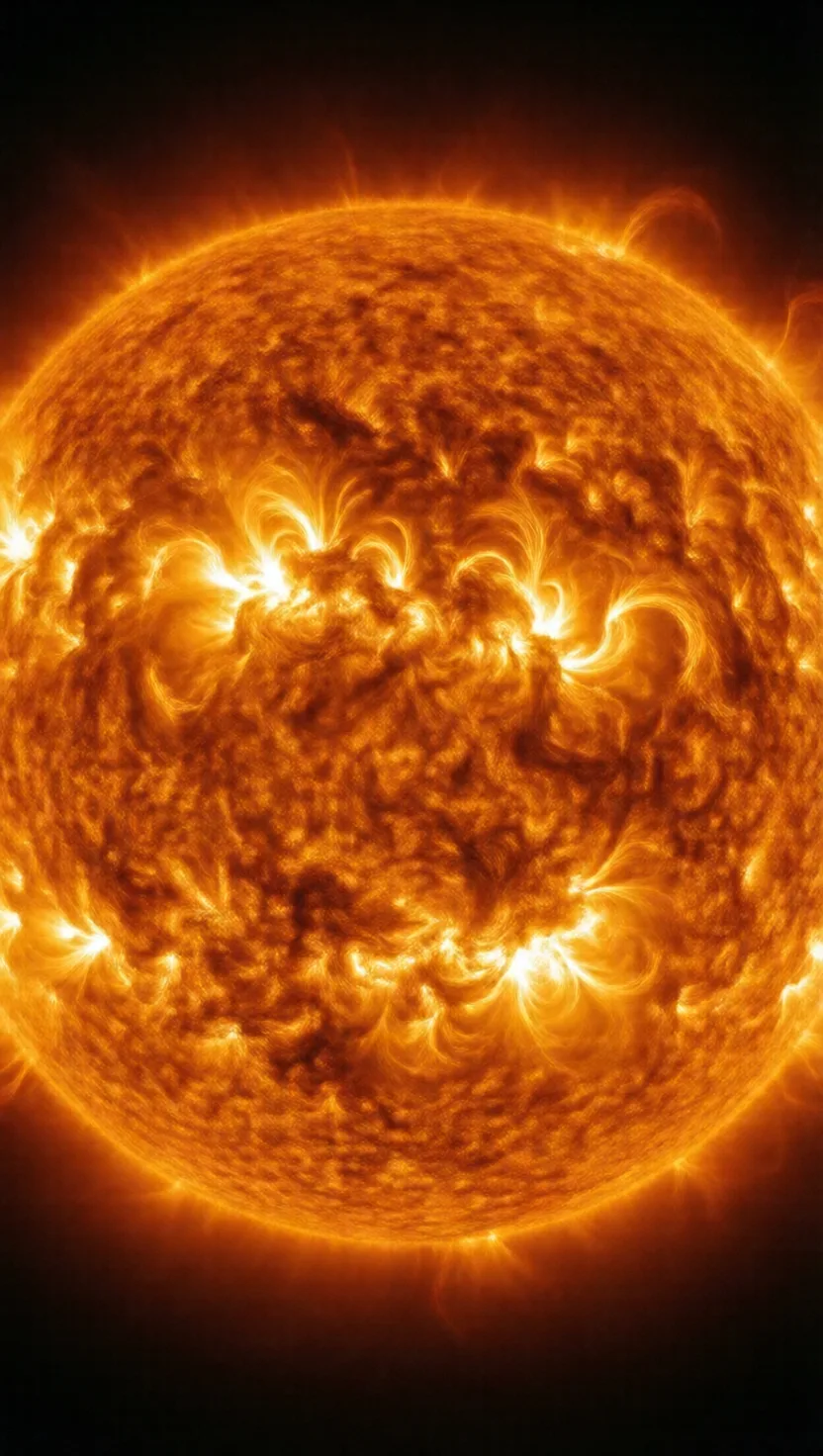
The Sun is 99.8% of the entire Solar System

The Sun is 99.8% of the entire Solar System

Our star holds about 99.8% of all the mass in the Solar System. Every planet, moon, asteroid and comet combined — giant Jupiter included — is the leftover 0.2%.
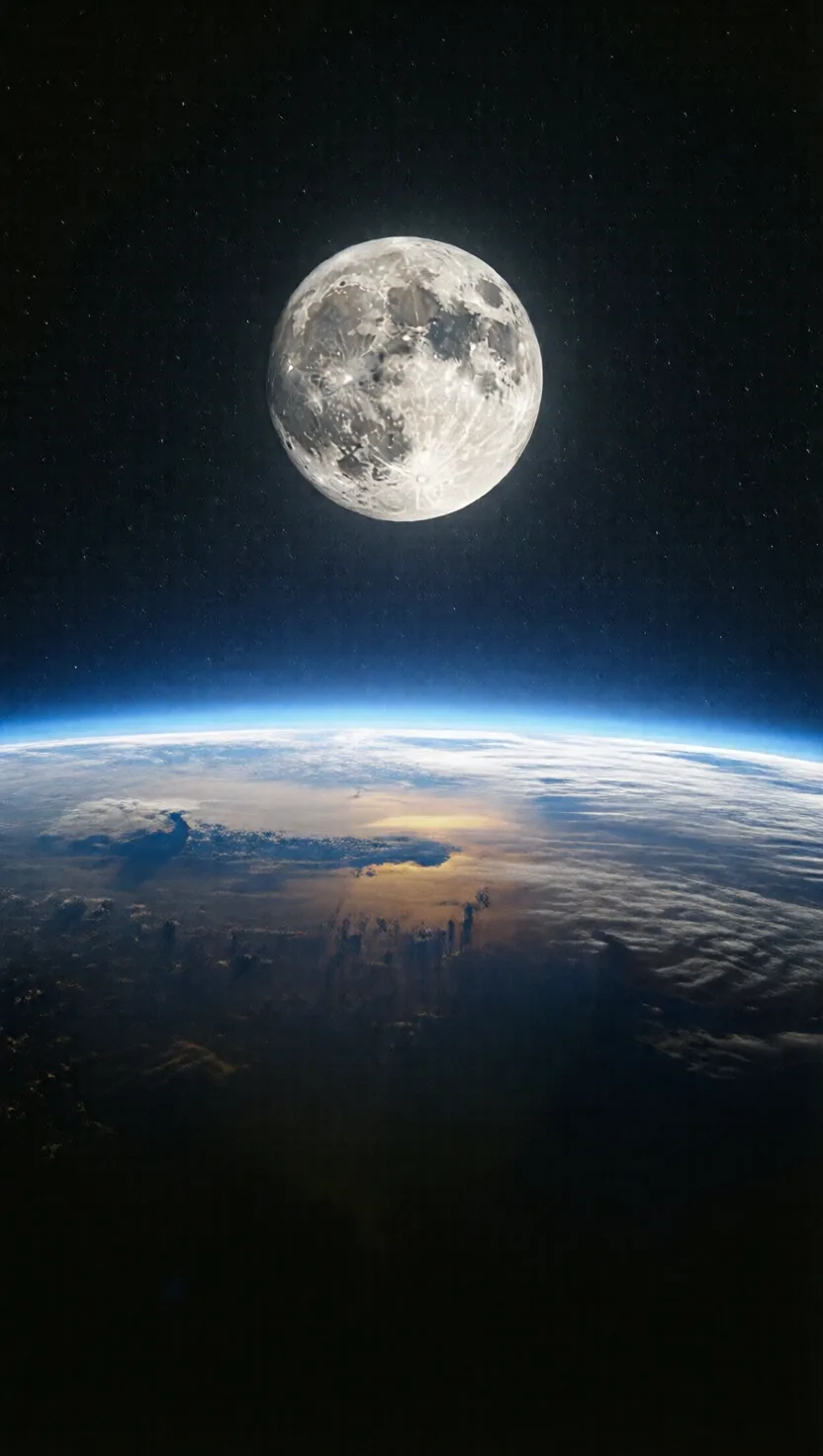
The Moon is drifting away from Earth

The Moon is drifting away from Earth

Lasers bounced off mirrors left by Apollo show the Moon receding about 3.8 cm a year. Far in the future it will look too small to fully cover the Sun, ending total solar eclipses for good.
There's a giant cloud of alcohol floating in space

There's a giant cloud of alcohol floating in space

Near the centre of our galaxy lies Sagittarius B2, a vast molecular cloud rich in ethyl alcohol. It also holds ethyl formate — the compound that gives raspberries their flavour and smells faintly of rum.
A teaspoon of a neutron star weighs a billion tonnes

A teaspoon of a neutron star weighs a billion tonnes

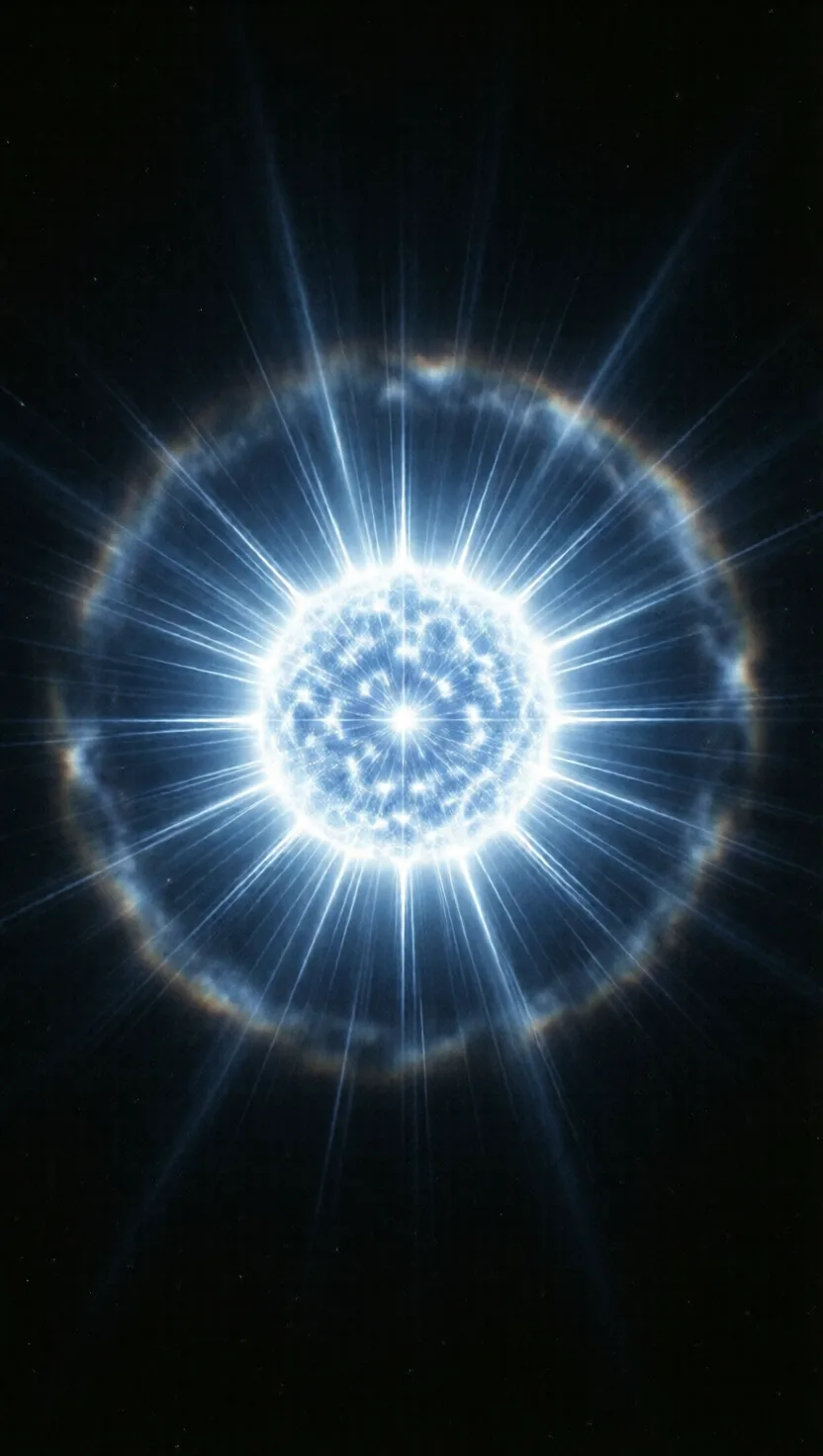
When a massive star collapses, its core is crushed until protons and electrons merge into neutrons packed shoulder to shoulder. A sugar-cube of that matter would outweigh a mountain — around a billion tonnes.
tap →swipe ↑ for depthswipe ↓ to exit