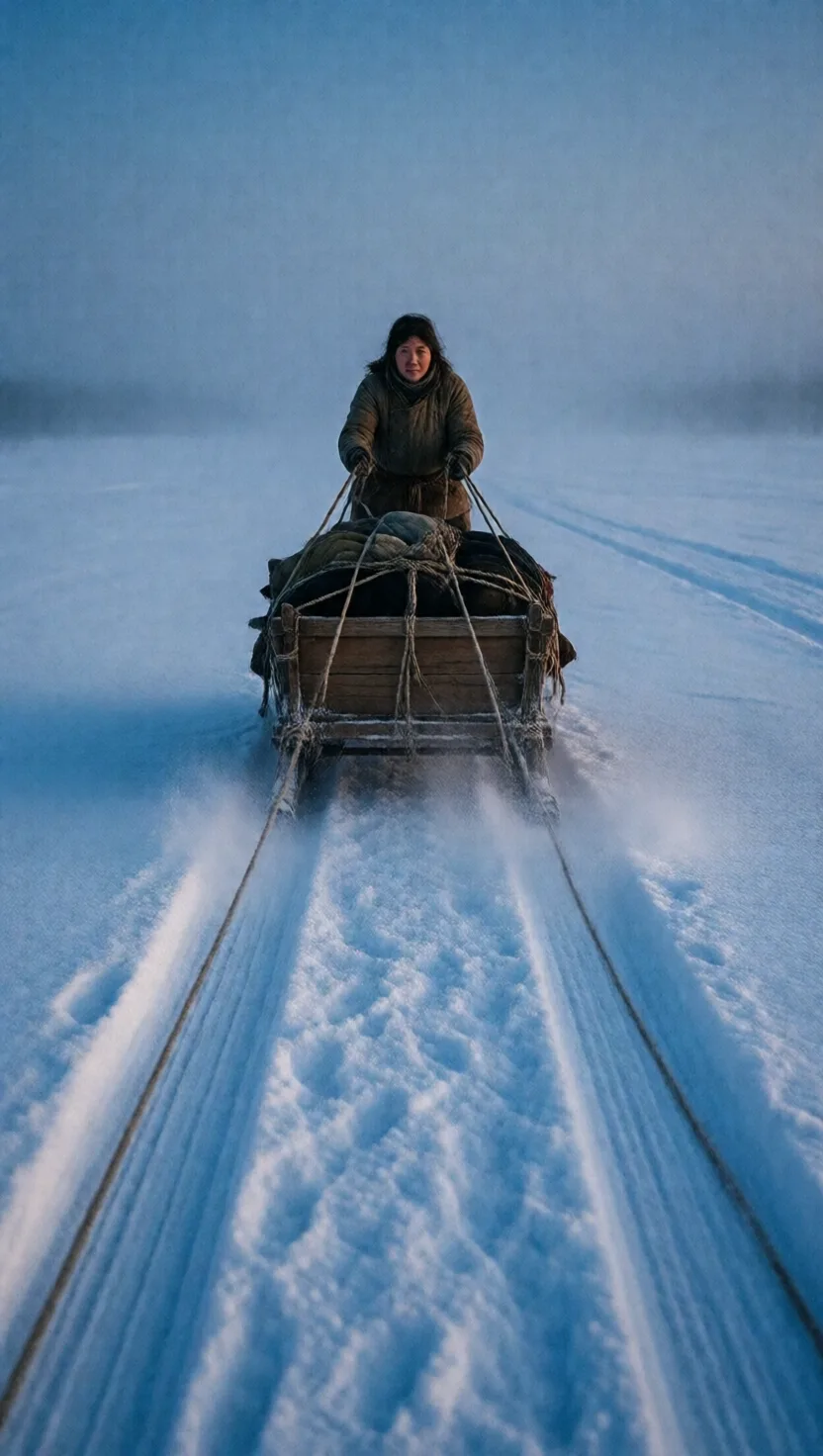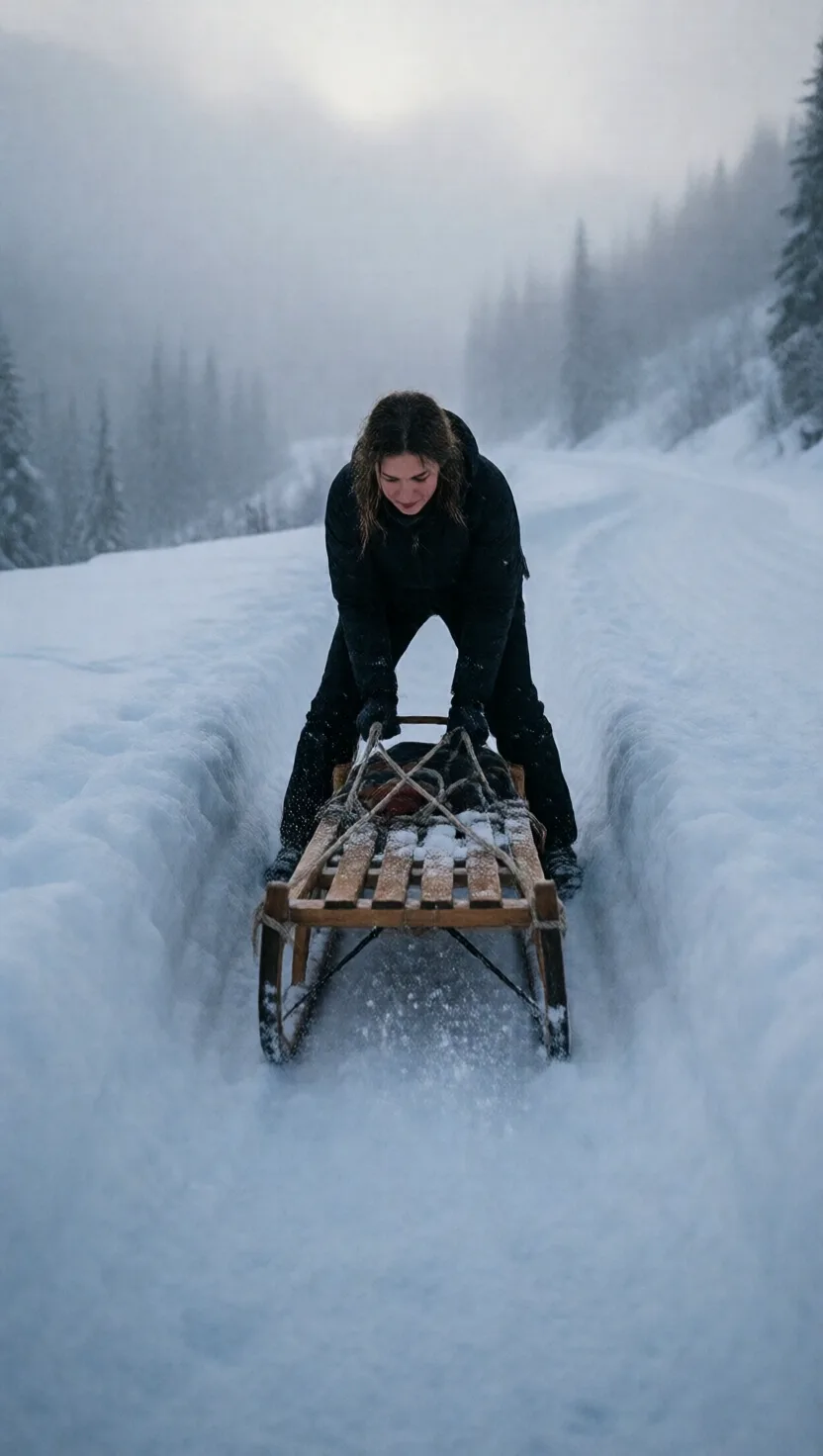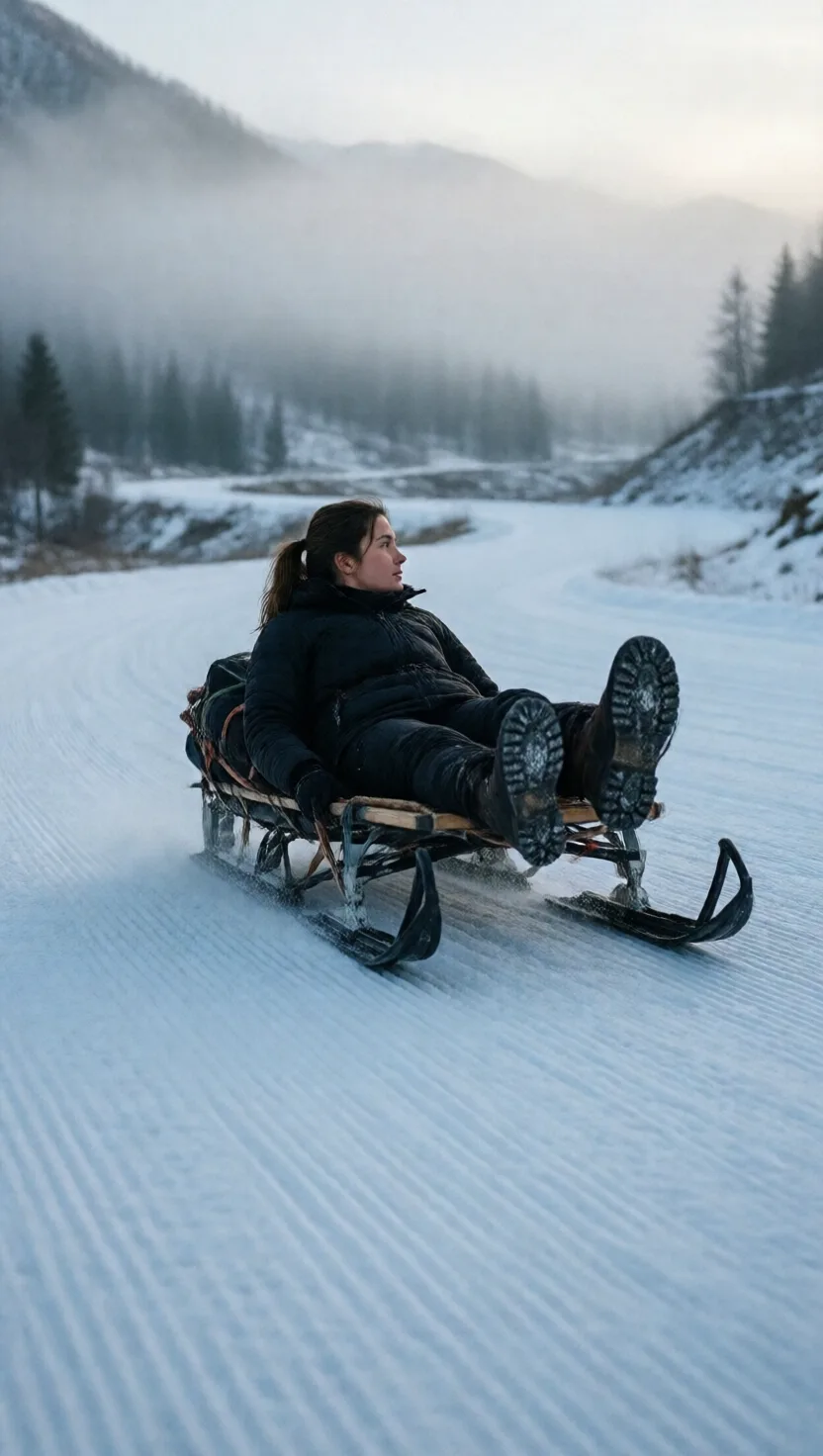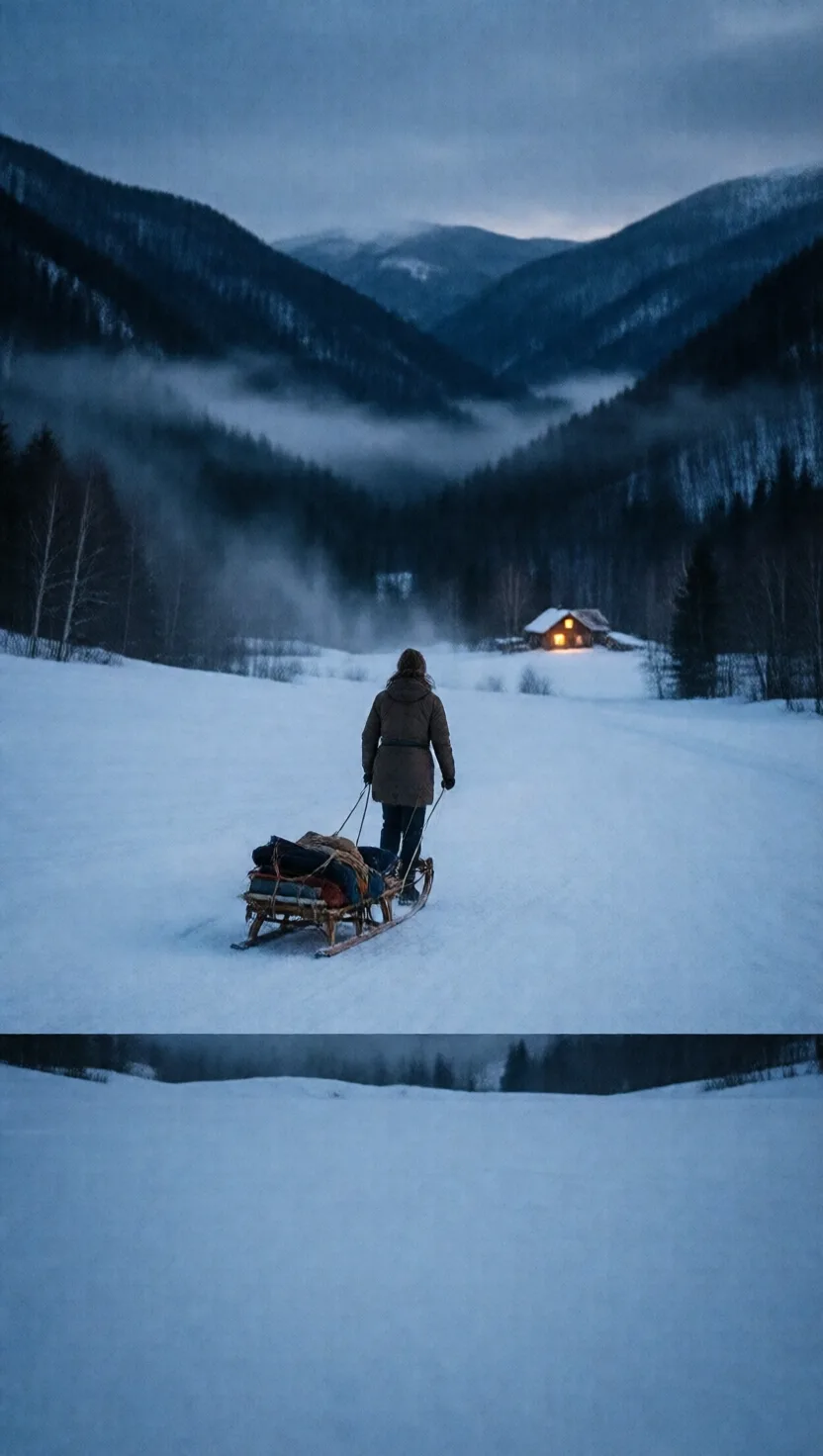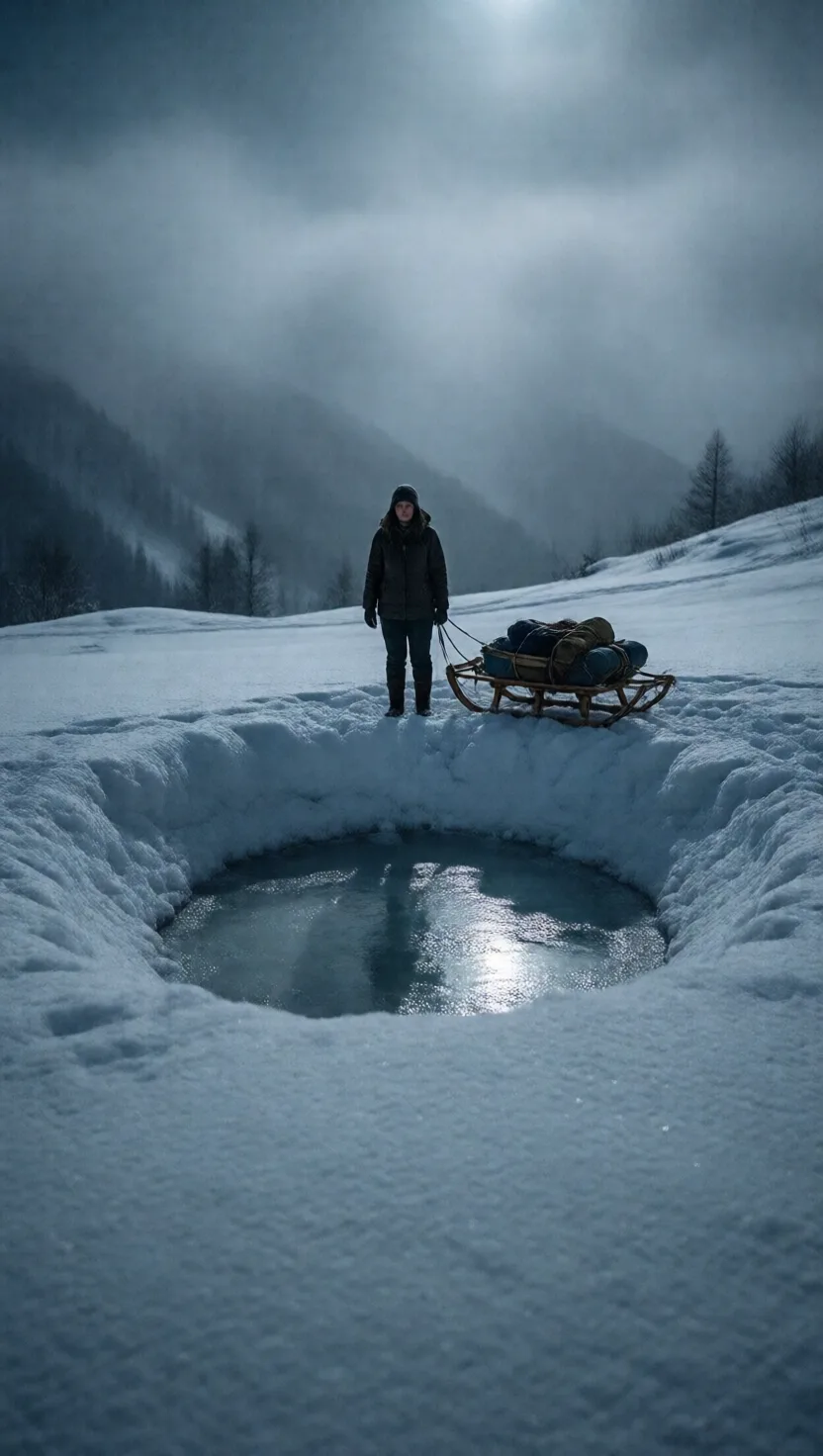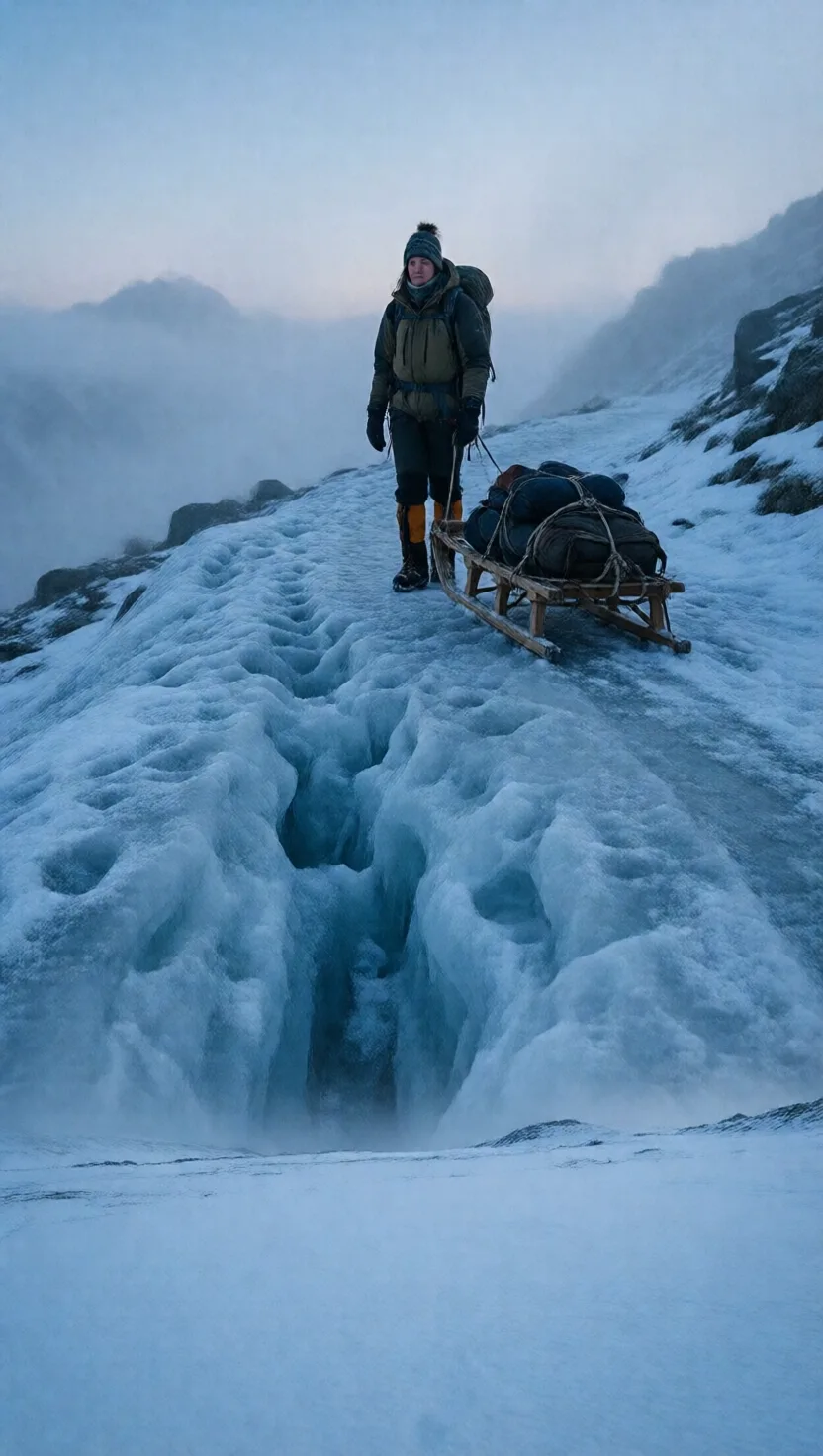
The mountain again — this winter, with a heavy sled.

SRC·130 Source
The track is frozen now, and every step lies a little

The track is frozen now, and every step lies a little

Mira knows this mountain by feel — she once came down it through fog too thick to see her own boots, trusting only the tilt of the ground. This winter she is back with a loaded sled to bring down, and the frozen track has turned deceitful: ruts and potholes yank each step sideways. The ground still says which way is down, but every single report now lies a little. How do you follow advice that keeps twitching?

The loaded sled doesn't feel the potholes

The loaded sled doesn't feel the potholes

Her boots stumble into every hole; the sled does not. Its loaded weight refuses to be turned by any one rut — a jolt to the left and a jolt to the right simply cancel inside its glide, and the only thing that survives is what all the jolts agree on: the slow, steady downhill. Behind her, the runners draw one smooth line through ground that lied at every step. And on the long open slope, the sled starts doing something better than ignoring…
Where the slope keeps agreeing, the sled hoards it

Where the slope keeps agreeing, the sled hoards it

On the long straight the ground says down, down, down — the same answer, stride after stride. Her boots could only spend each push once. The sled hoards them: every pull stacks onto the last, until it carries something like ten strides' worth of push at once, and she is flying down ground that used to cost her a morning. Faster on the straights, deaf to the potholes. Then the track bends hard to the right…
The switchback: weight keeps a promise the slope broke

The switchback: weight keeps a promise the slope broke

At the switchback the ground turns hard — and the sled does not. All that stored push still points the old way, and it ploughs straight past the bend, up the far bank where the slope no longer points down, dragging her with it before it grudgingly comes around. The same weight that rolled through the potholes refuses the corner. And she cannot fix it by unloading: empty the sled, and the potholes own her again. So she learns something subtler…
Lean early — read the mountain a little ahead

Lean early — read the mountain a little ahead

She learns to brake before the ground itself turns — leaning back a breath early, reading the slope a few strides ahead of her boots, so the stored push bleeds away into the bend instead of past it. And she learns the load is a dial: heavy for rough, straight country; lighter where the track twists. The weight is not good or bad — it is a bet about which mountain you expect. Machines, it turns out, place the same bet…
The sled has a name: momentum

The sled has a name: momentum

vβv+g,θθηvv \leftarrow \beta v + g, \qquad \theta \leftarrow \theta - \eta v
A learning machine descends its error-mountain the way Mira descends in winter. Each measured slope lies a little, so instead of obeying the newest report it drags a momentum: a rolling memory of recent slopes. Jolts that disagree cancel out; pulls that agree can stack near ten-fold; and the price is gliding past sharp turns. The line below is her sled — blend the old push with the new slope, then move with the blend. A hollow waits below…
🌱 The hollow that catches boots may not catch sleds

🌱 The hollow that catches boots may not catch sleds

Halfway down lies a shallow dip that once fooled her feet — level in every direction, easy to mistake for the valley floor. Boots stop there. A loaded sled might roll straight through and out the far side, saved by its own refusal to stop. So is the sled's deafness a flaw, or a gift? And if its weight can carry her through the false bottoms — what keeps it from carrying her straight past the true one?
tap →swipe ↑ for depthswipe ↓ to exit