Eight ways the world stores and unleashes a spring

DC·89 Deep Cuts
Drop a hanging coil and its bottom hovers in air

Drop a hanging coil and its bottom hovers in air

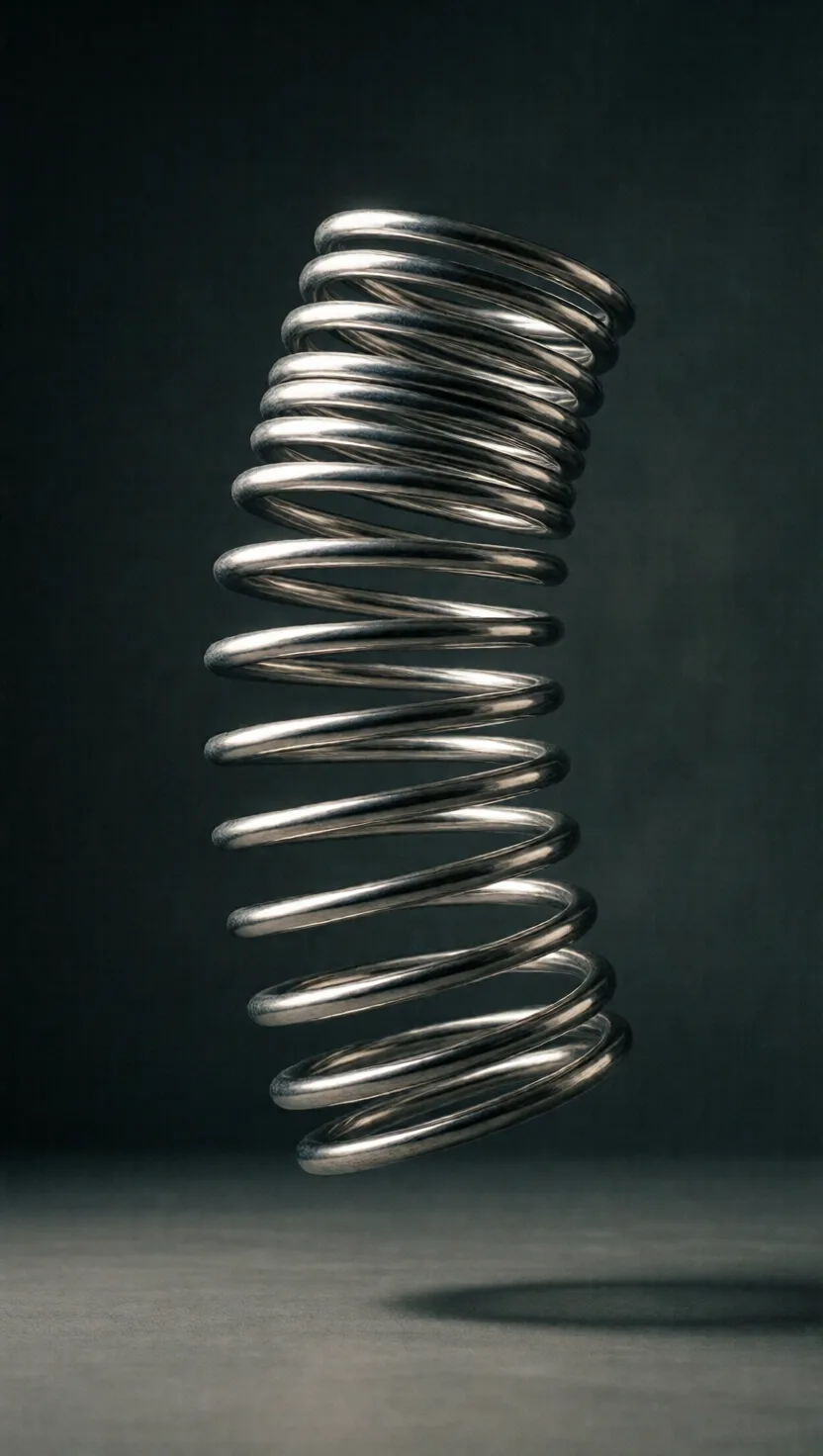
Hold a long metal coil by its top until it stretches and hangs still, then let go. For a moment the bottom coils float in place: gravity pulls them down while the spring's tension still pulls them up, and those forces cancel until a compression wave travels down from the collapsing top to tell the bottom it has been released. A physicist measured this hover at roughly 0.3 seconds, and it would last the same on the Moon or Jupiter, because stronger gravity also speeds the wave.
A spring's law hid inside a scrambled word

A spring's law hid inside a scrambled word

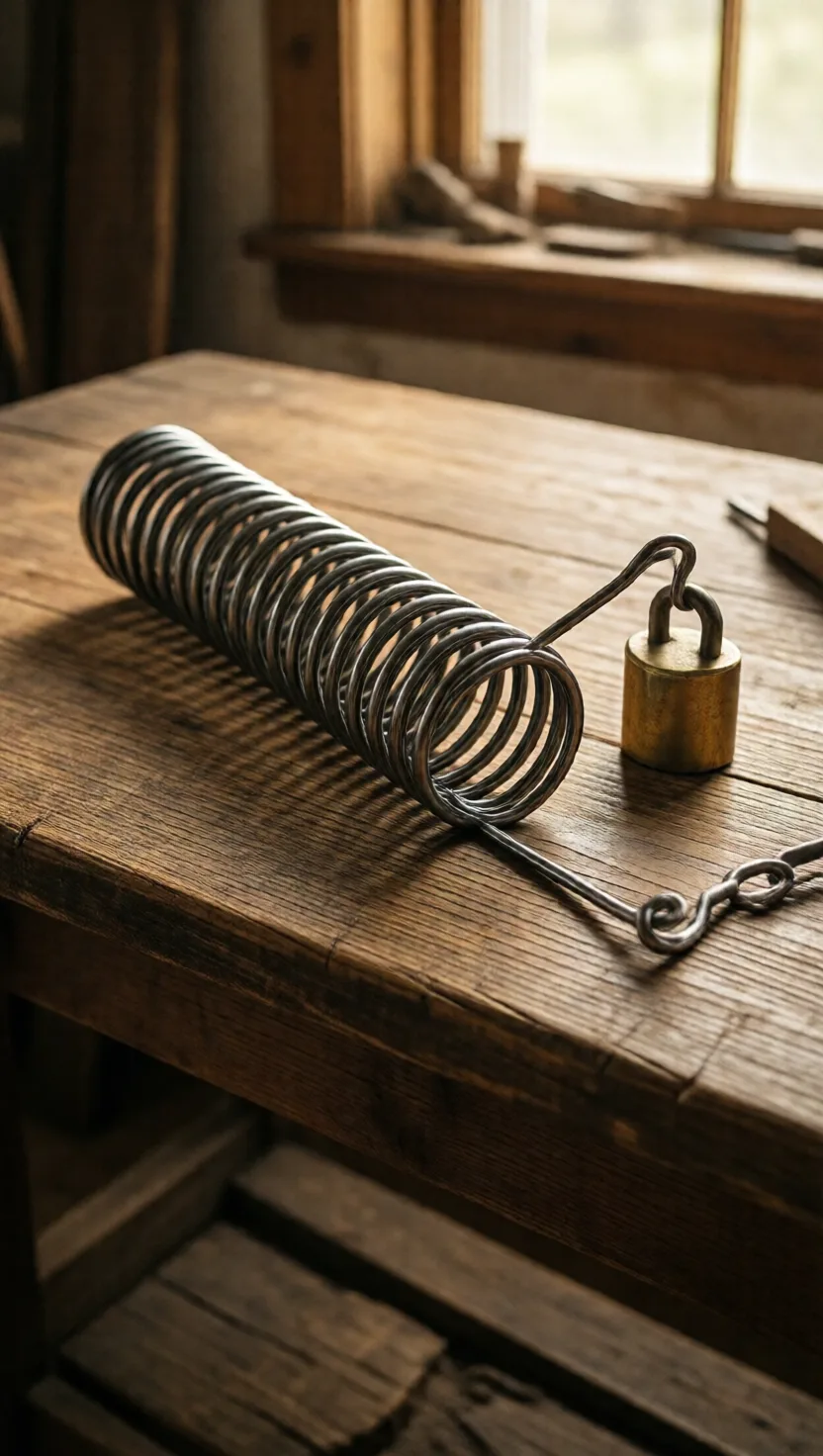
When Robert Hooke discovered that a spring's force grows in proportion to how far you stretch it, he was not ready to share it. In 1676 he published only the jumbled Latin anagram ceiiinosssttuv to stake his claim while keeping rivals out. Two years later, in 1678, he unscrambled it to read ut tensio, sic vis, meaning as the extension, so the force. That simple rule, force equals stiffness times stretch, still underlies the design of nearly every spring made today.
Ancient catapults were sprung with twisted hair

Ancient catapults were sprung with twisted hair

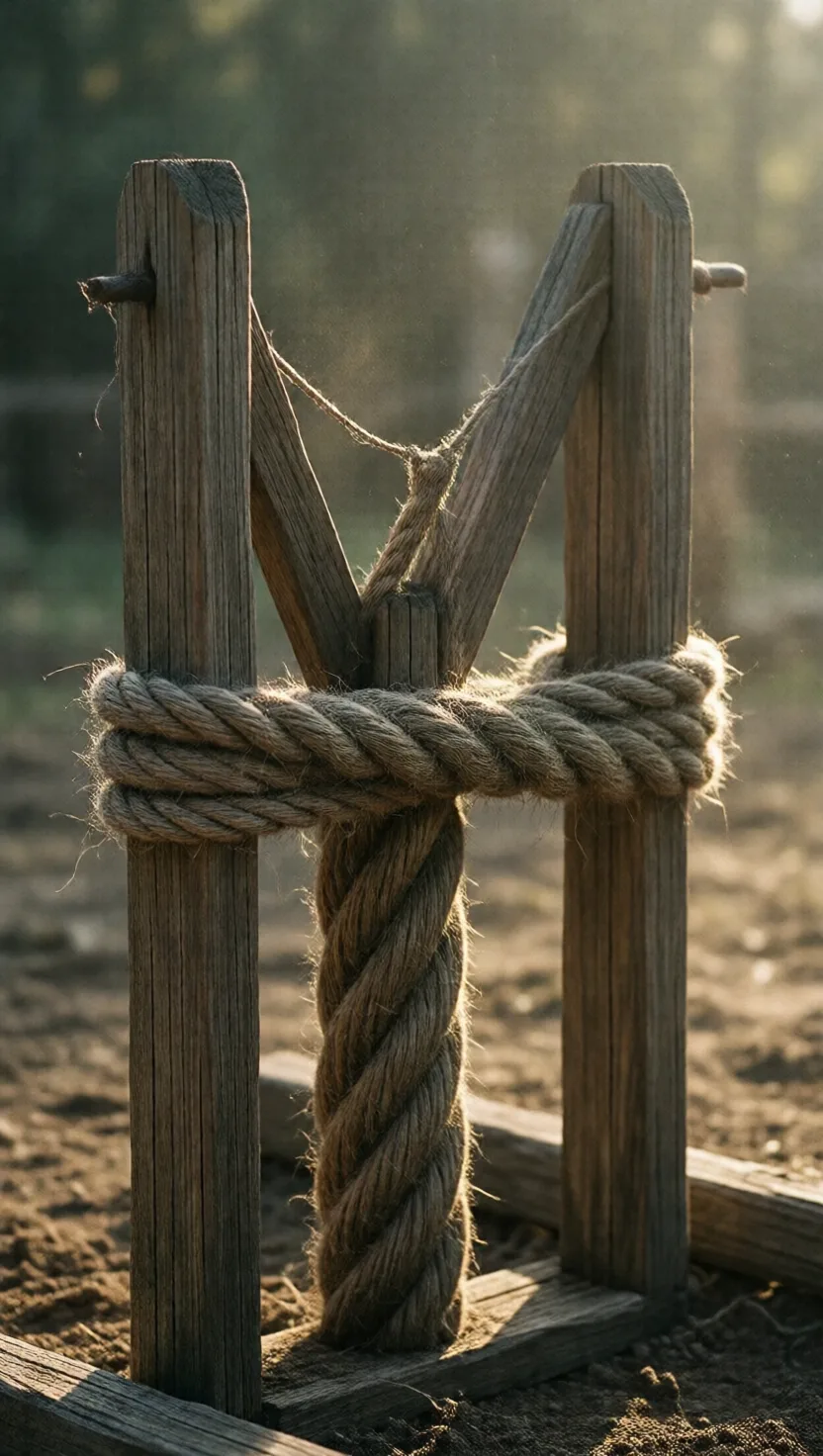
Long before steel springs, Greek and Roman engineers powered their torsion catapults with skeins of tightly twisted animal sinew and hair wound around a frame. Winding the arms back twisted these bundles like a wrung towel, storing elastic energy that snapped the throwing arm forward. Writers such as Vitruvius prized human hair, especially women's hair, for its springiness, and the ropes were oiled to keep them supple. From the 4th century BC such machines hurled stones over 300 meters.
One coiled ribbon pulls the same at any length

One coiled ribbon pulls the same at any length

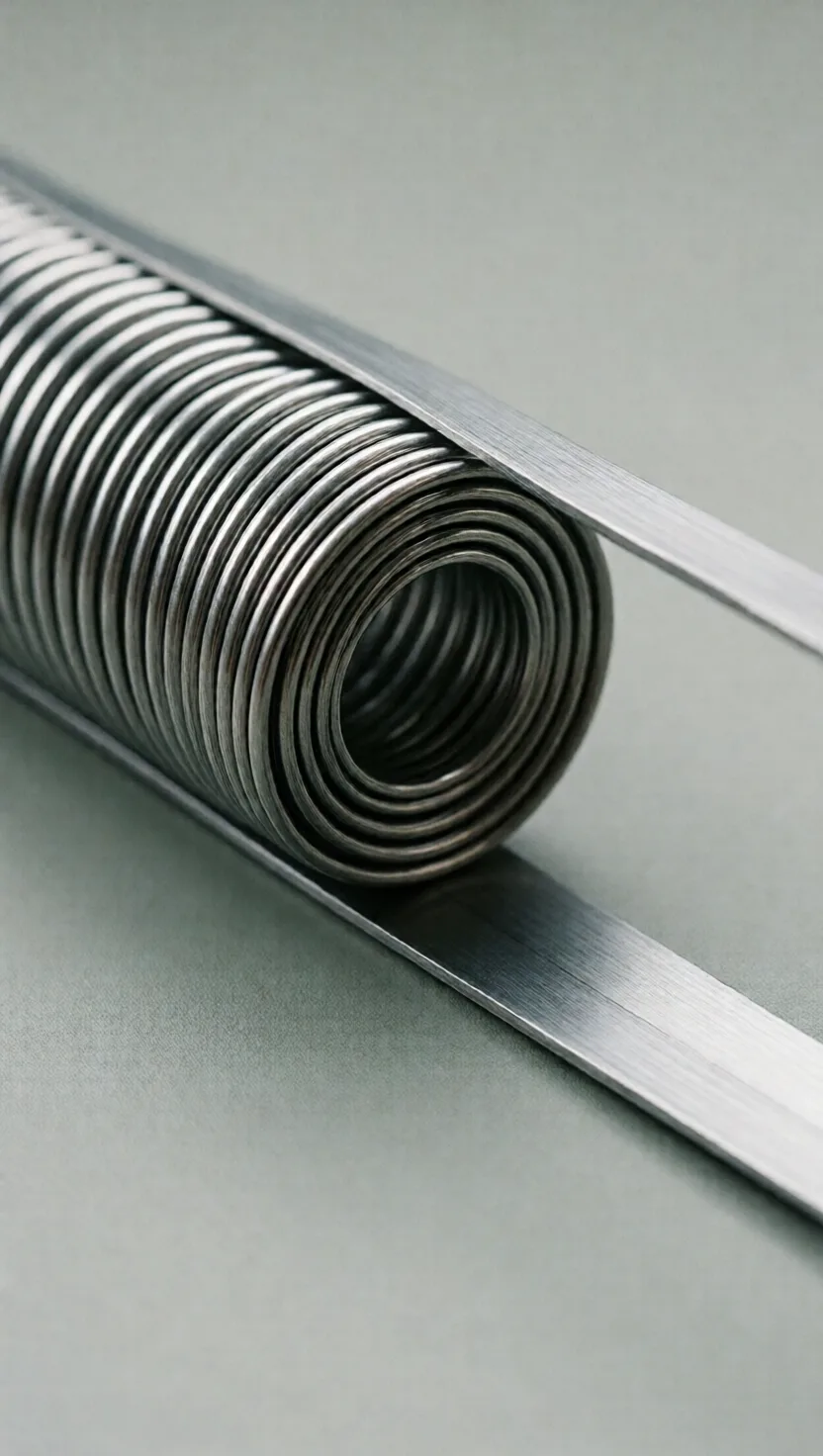
Most springs pull harder the more you stretch them, but a constant-force spring breaks that rule. It is a pre-stressed flat ribbon of spring steel coiled tightly into a roll, each turn resting on the one inside it. As you pull the strip out, only the small bend where it leaves the coil changes, and because that radius of curvature stays the same, so does the resisting force. After uncoiling about 1.25 times its coil diameter it holds a nearly constant pull all the way out, which is why it powers tape measures and retractors.
Insects store their jumps in a near-perfect rubber

Insects store their jumps in a near-perfect rubber

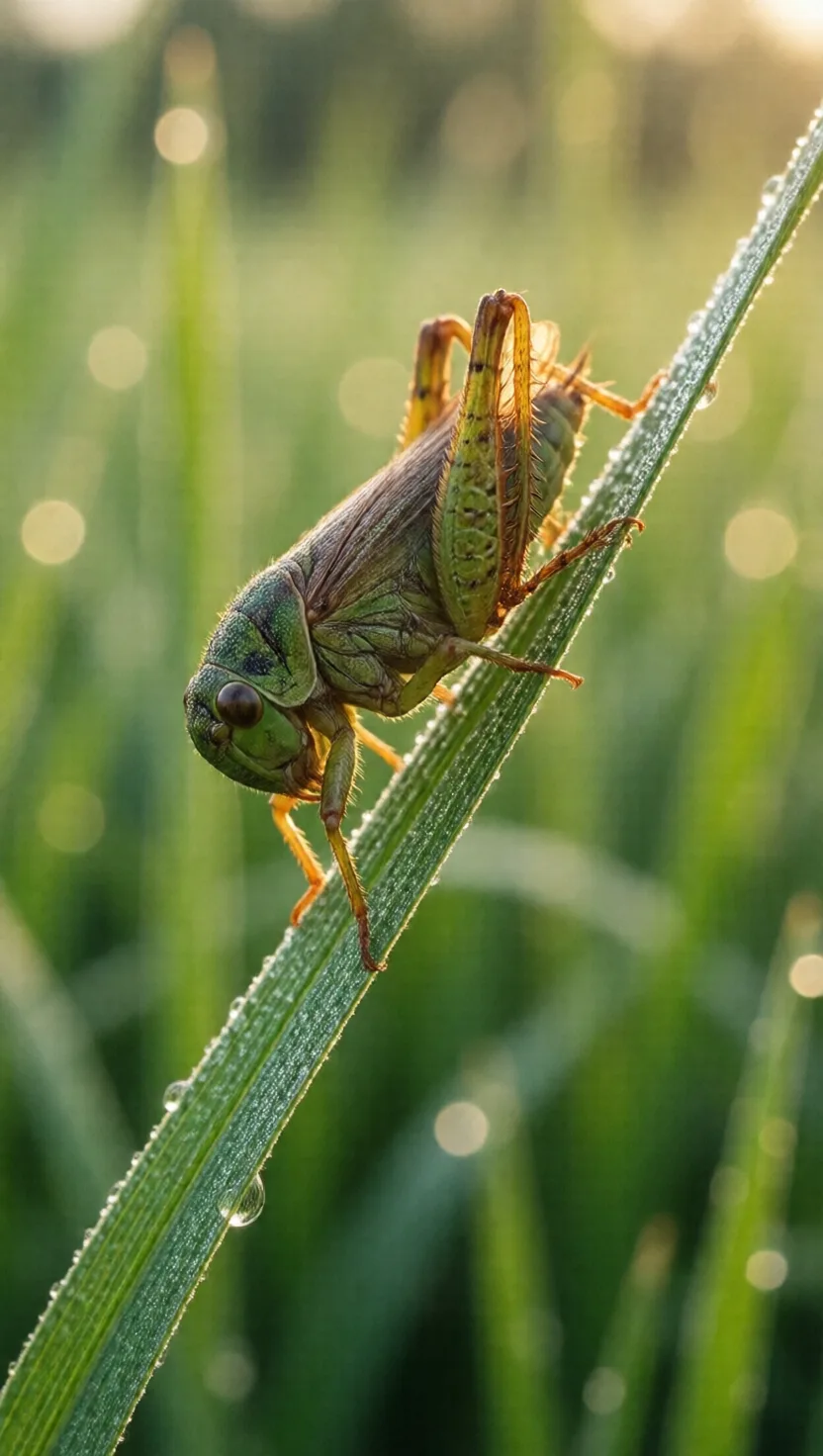
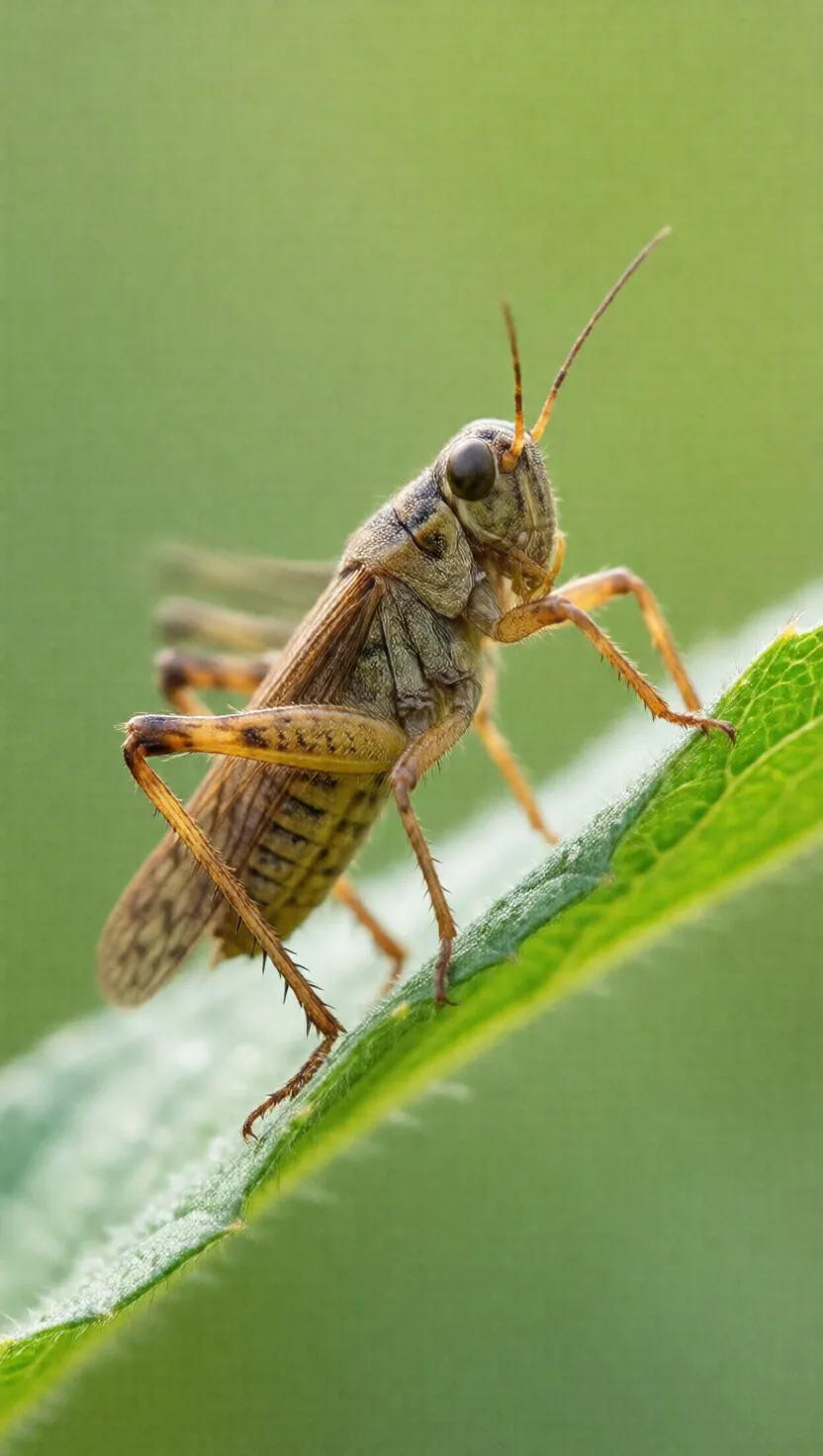
Jumping insects do not rely on muscle speed alone. They store energy in resilin, a rubber-like protein built into their exoskeleton that is one of the most elastic materials known. When a froghopper slowly tenses its legs, it bends a composite of stiff cuticle and resilin like a drawn bow, then releases the catch. Resilin returns the stored energy almost perfectly, losing under 5 percent even when flexed about 200 times a second, far better than most synthetic rubbers, which lets these insects launch in a blink.
The hardest-launching jumper hits 400 g

The hardest-launching jumper hits 400 g

The froghopper, a sap-sucking insect barely six millimeters long, is the most powerful jumper yet measured. Filmed at 2,000 frames per second by a Cambridge biologist in 2003, it was shown to slowly cock a catapult of stiff cuticle and resilin, then release it so fast that takeoff subjects its tiny body to about 400 times the force of gravity. It clears more than 60 centimeters straight up, twice the height of the flea it dethroned as nature's champion leaper.
This beetle jumps with no legs, just a snap

This beetle jumps with no legs, just a snap

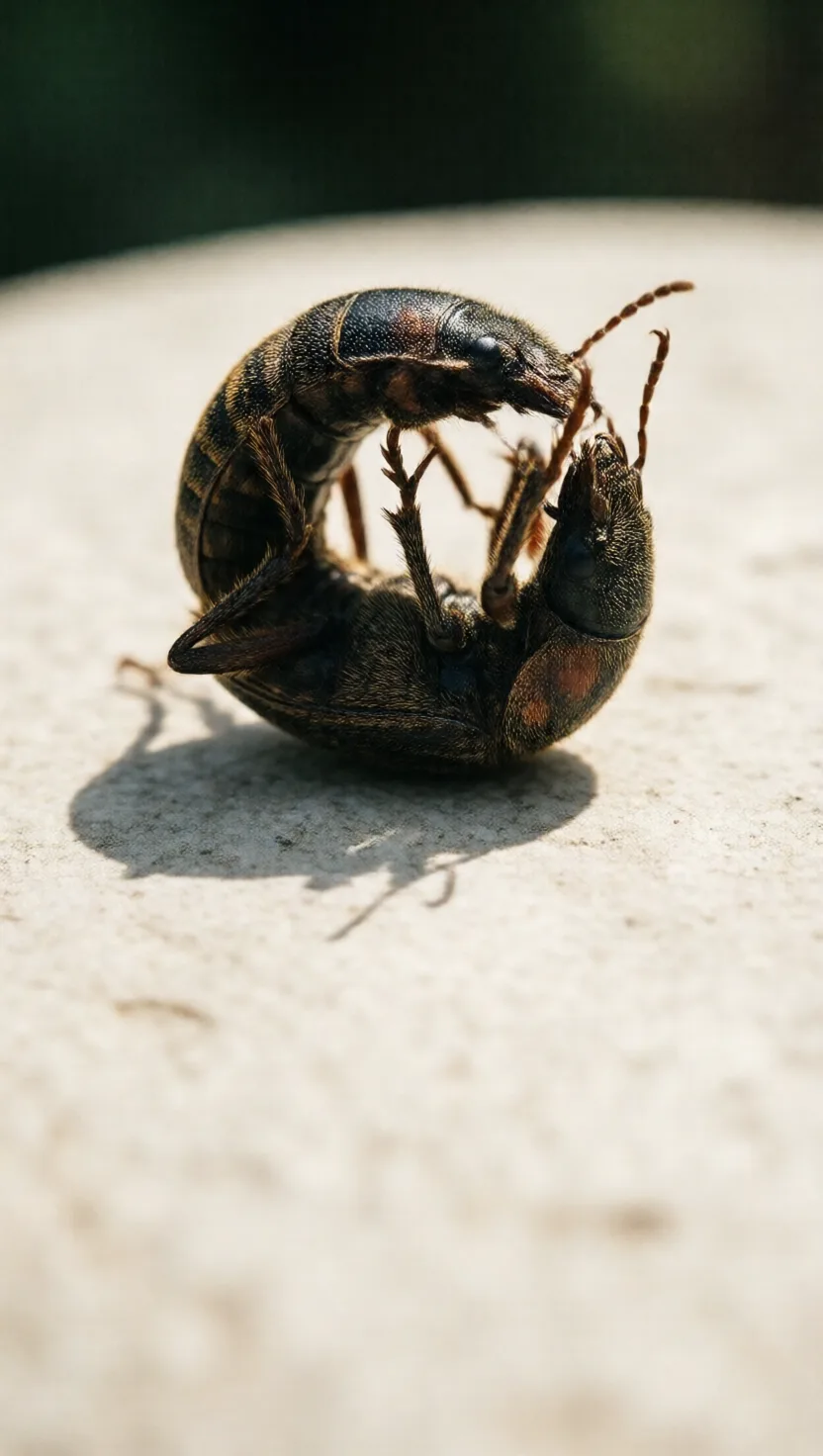
Flip a click beetle onto its back and it rights itself with an audible snap and a leap, using no legs at all. A peg on its underside latches against a lip while muscles slowly load a flexible hinge in its thorax with elastic energy. When the latch slips, the body suddenly snaps through and buckles, flinging the beetle into the air. High-speed X-ray studies show the maneuver reaches more than 300 times the force of gravity, all from a spring built into the insect's own midsection.
Trap-jaw mandibles snap shut at 100,000 g

Trap-jaw mandibles snap shut at 100,000 g

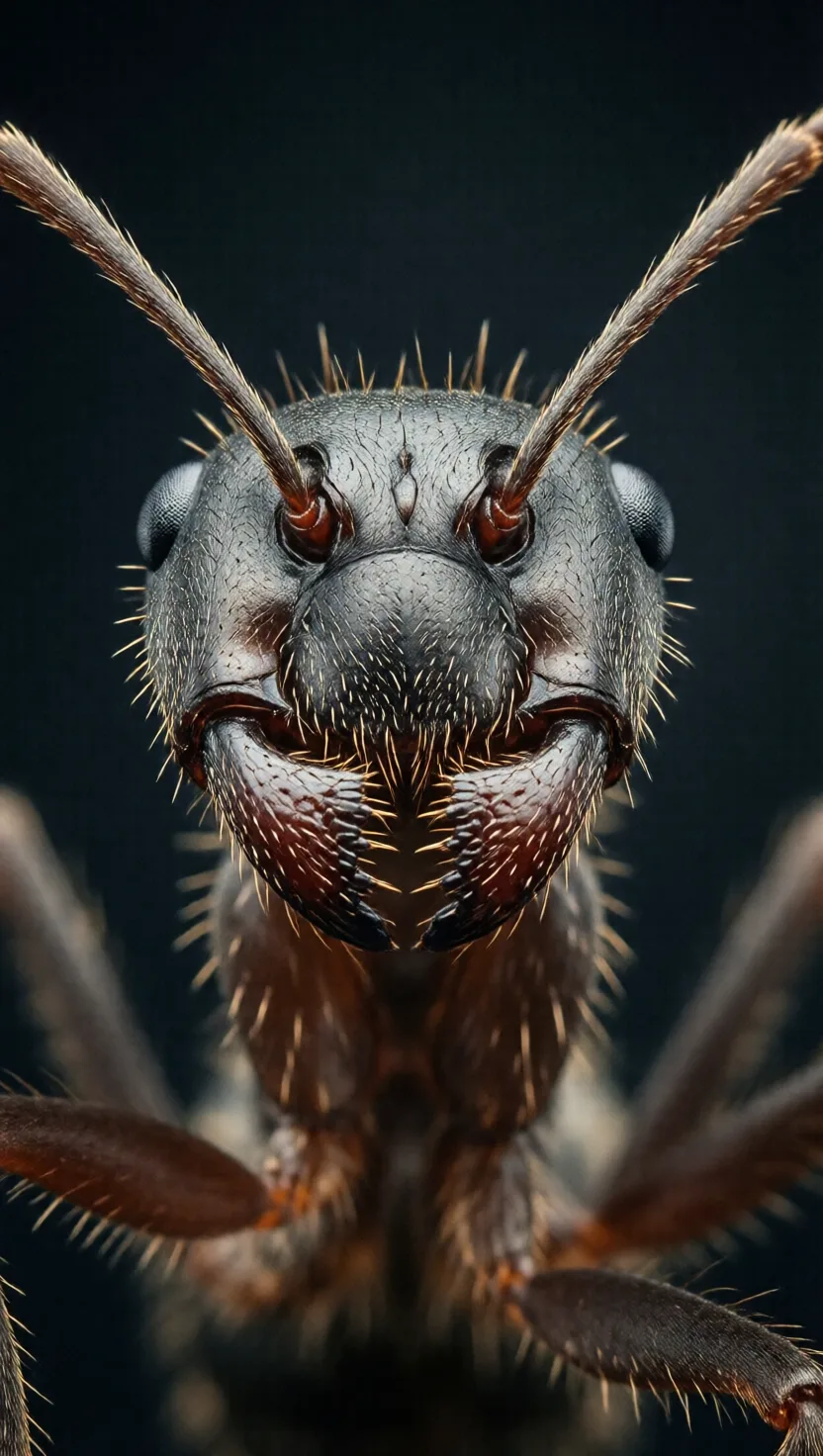
The trap-jaw ant holds its huge mandibles cocked wide open, latched by an internal catch while the closer muscle slowly winds elastic energy into the jaw's cuticle. A touch on its trigger hairs releases the latch, and the jaws slam shut in about 130 microseconds, reaching speeds near 230 kilometers per hour and accelerations around 100,000 times gravity. The ant can even fire its jaws against the ground to bounce itself into the air, escaping danger with a spring-loaded bite.
tap →swipe ↑ for depthswipe ↓ to exit