Eight things hiding in a burst of fireworks

DC·77 Deep Cuts
Blue is the hardest firework colour to make

Blue is the hardest firework colour to make

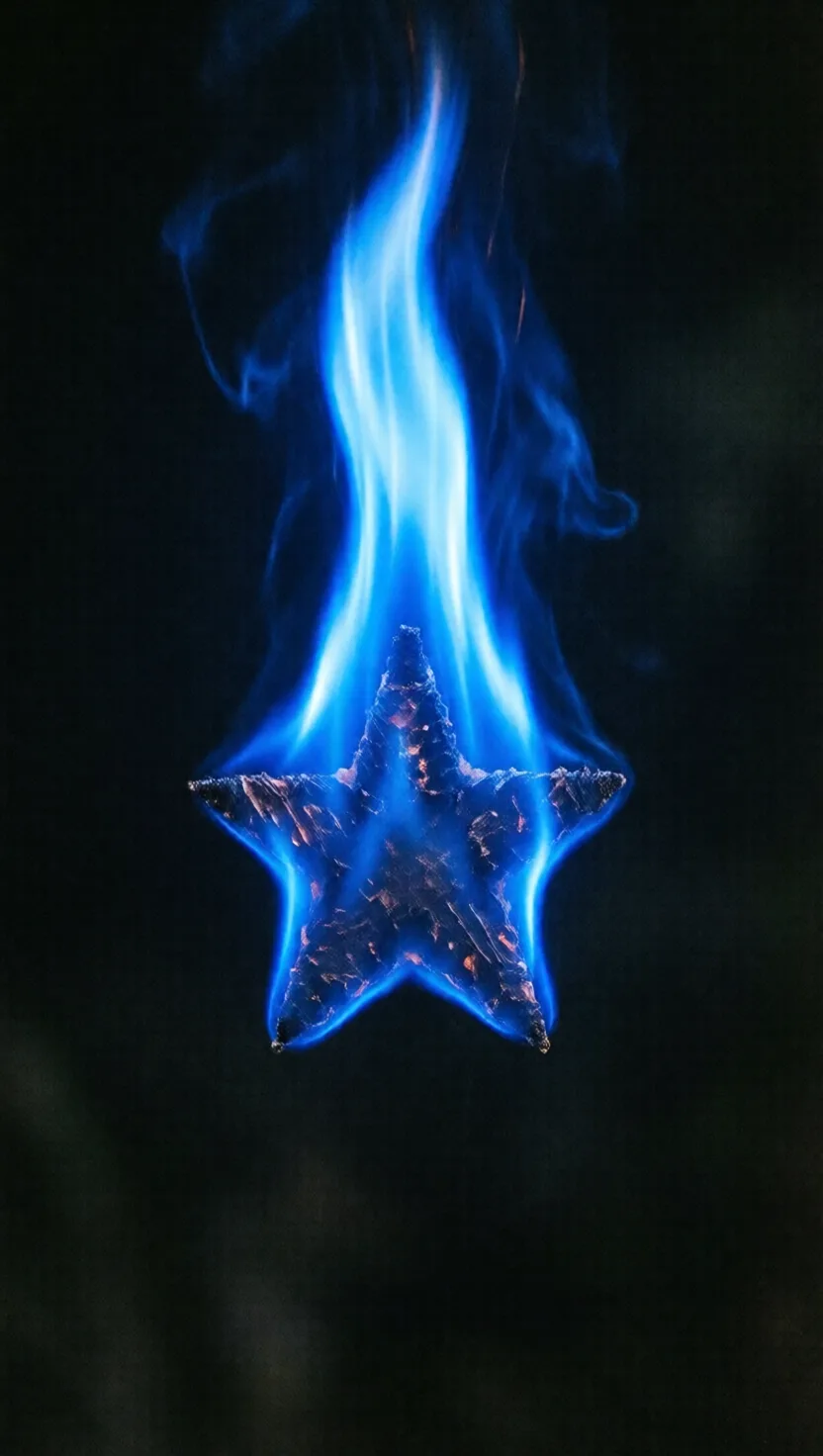
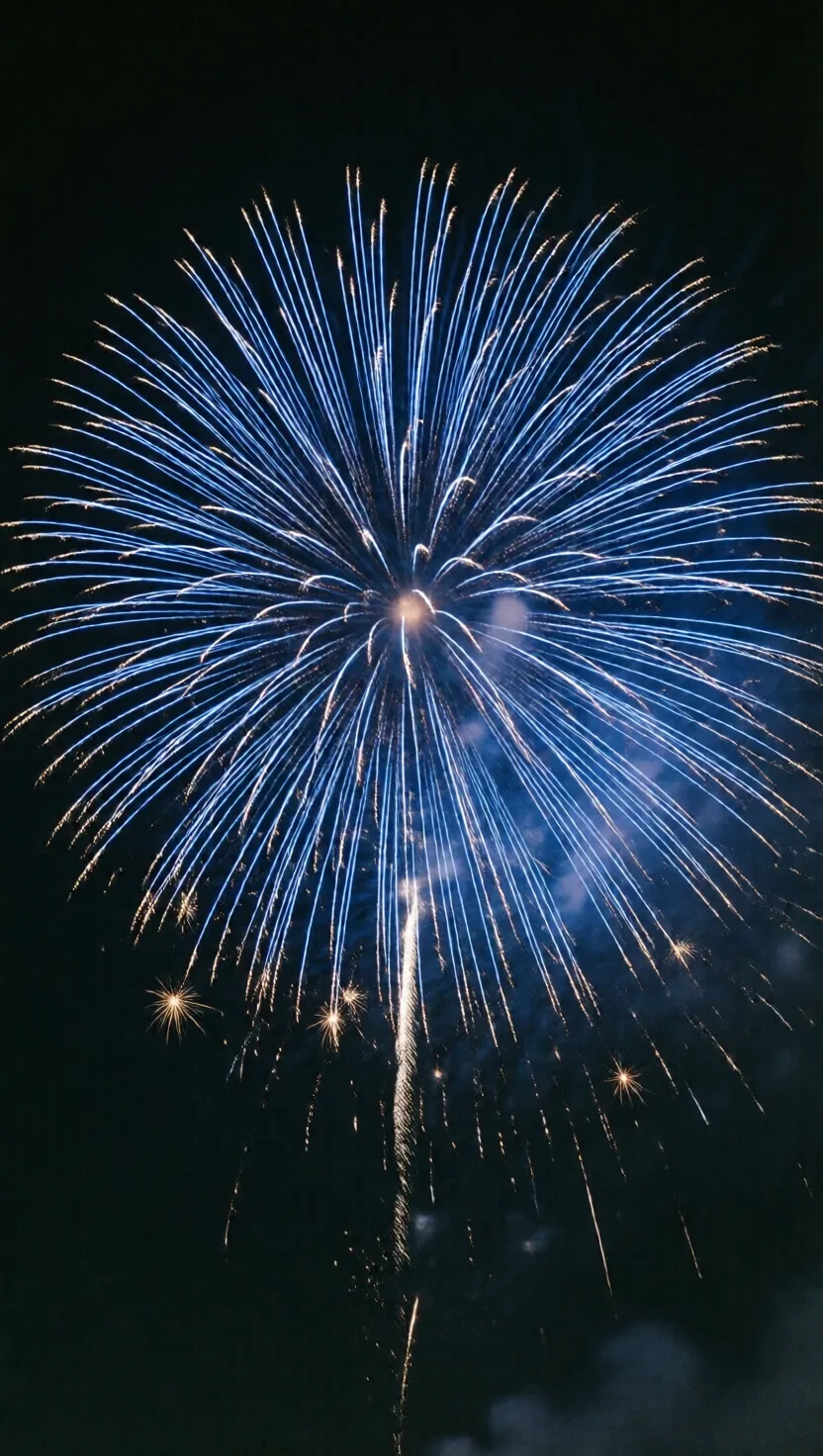
Firework colour comes from heated metal salts glowing their signature hue. Blue needs copper(I) chloride — but that compound falls apart above about 1,200°C, while firework stars burn at 1,500 to 2,000°C. So a true blue survives only in a razor-thin temperature window; too hot and the colorant destroys itself, drifting toward white or green. That is why a deep, saturated blue is the rarest sight in the sky.
Gold sparks glow gold because they're the coolest

Gold sparks glow gold because they're the coolest

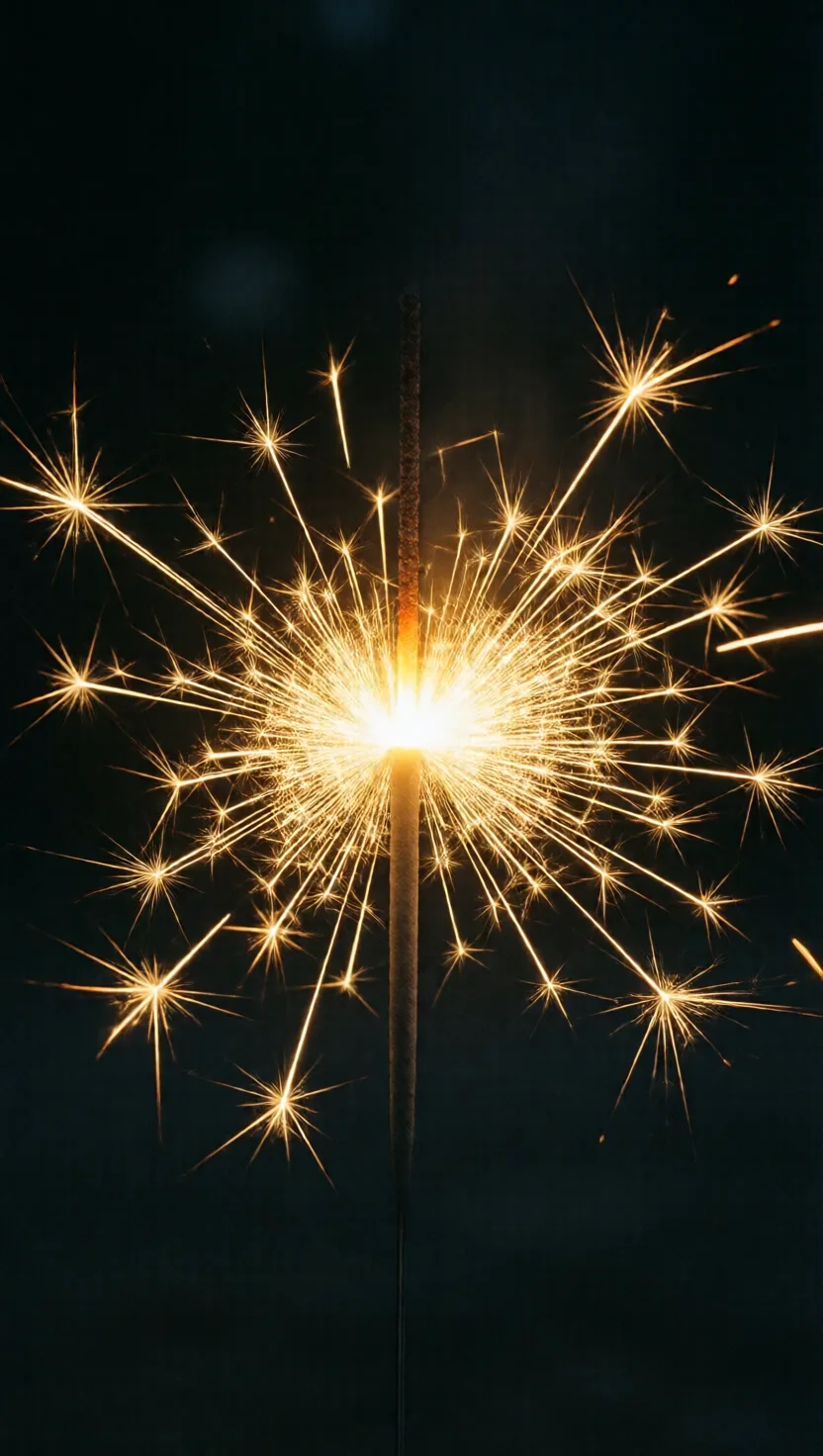
Not all sparks are coloured by chemistry — some are just glowing hot. The gold sparks of a sparkler are charcoal and iron particles burning at only about 1,500°C, so they shine a warm incandescent gold. Swap in aluminium, magnesium or titanium and the particles reach over 3,000°C, glowing white. Spark colour here is really a temperature reading.
A whistling firework has no whistle inside

A whistling firework has no whistle inside

A whistling firework holds no reed or whistle. It is packed with an organic salt, often potassium benzoate, that burns in rapid pressure pulses inside a hollow tube, setting up a standing sound wave in the open column above the burning surface — like blowing across a bottle. As the burn eats downward the column lengthens, so the pitch slides lower; the tone often sits around 2,000 hertz.
This gunpowder recipe hasn't changed since 1780

This gunpowder recipe hasn't changed since 1780

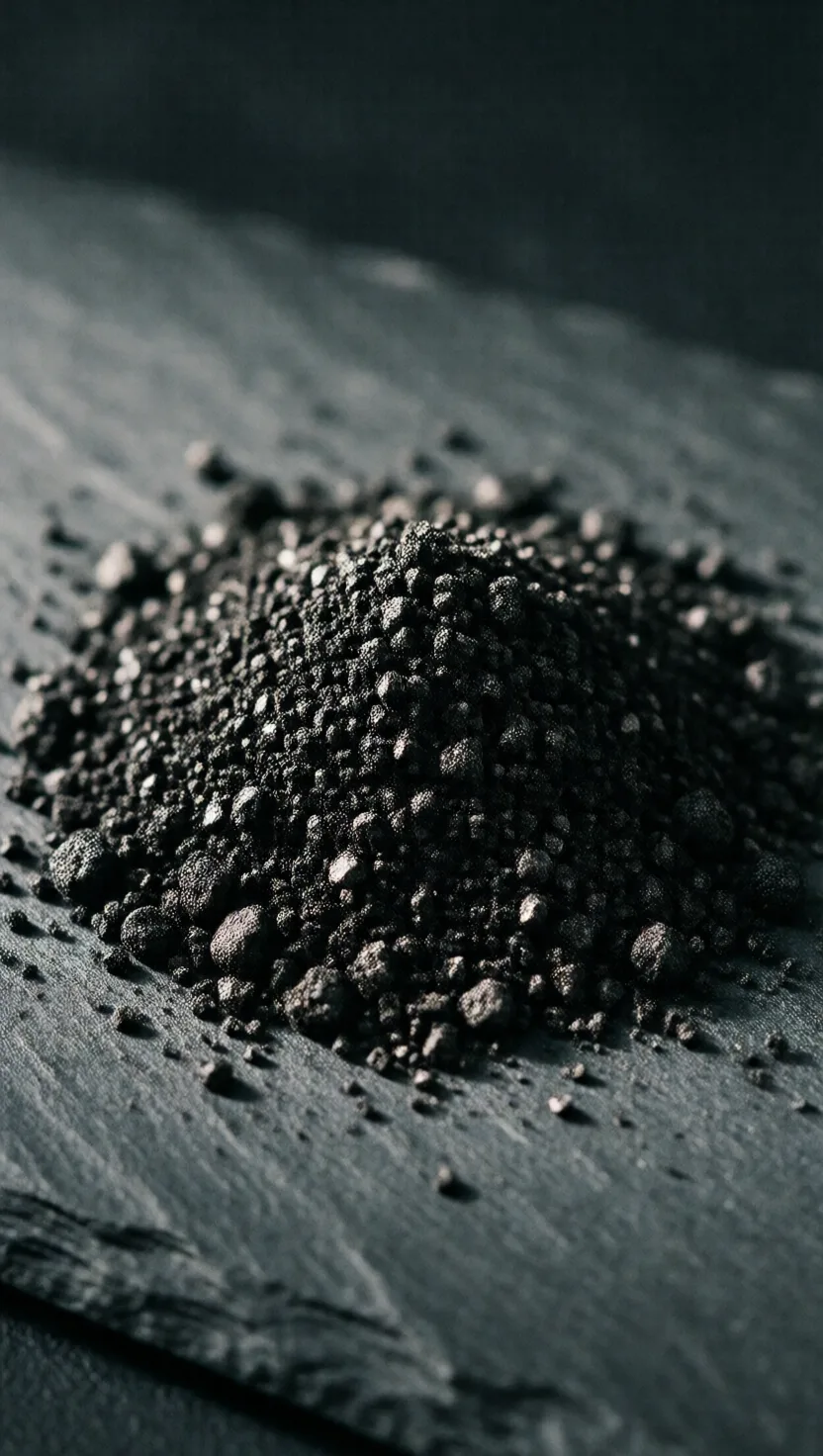
Black powder has barely changed in centuries. The classic blend is 75% potassium nitrate, 15% charcoal and 10% sulfur by weight — a ratio settled on by 1780 and still used today. The nitrate supplies oxygen, the charcoal is the fuel, and the sulfur lowers the ignition temperature and speeds the burn. It lifts shells and bursts them; nearly every firework still runs on it.
The loudest fireworks hold almost no explosive

The loudest fireworks hold almost no explosive

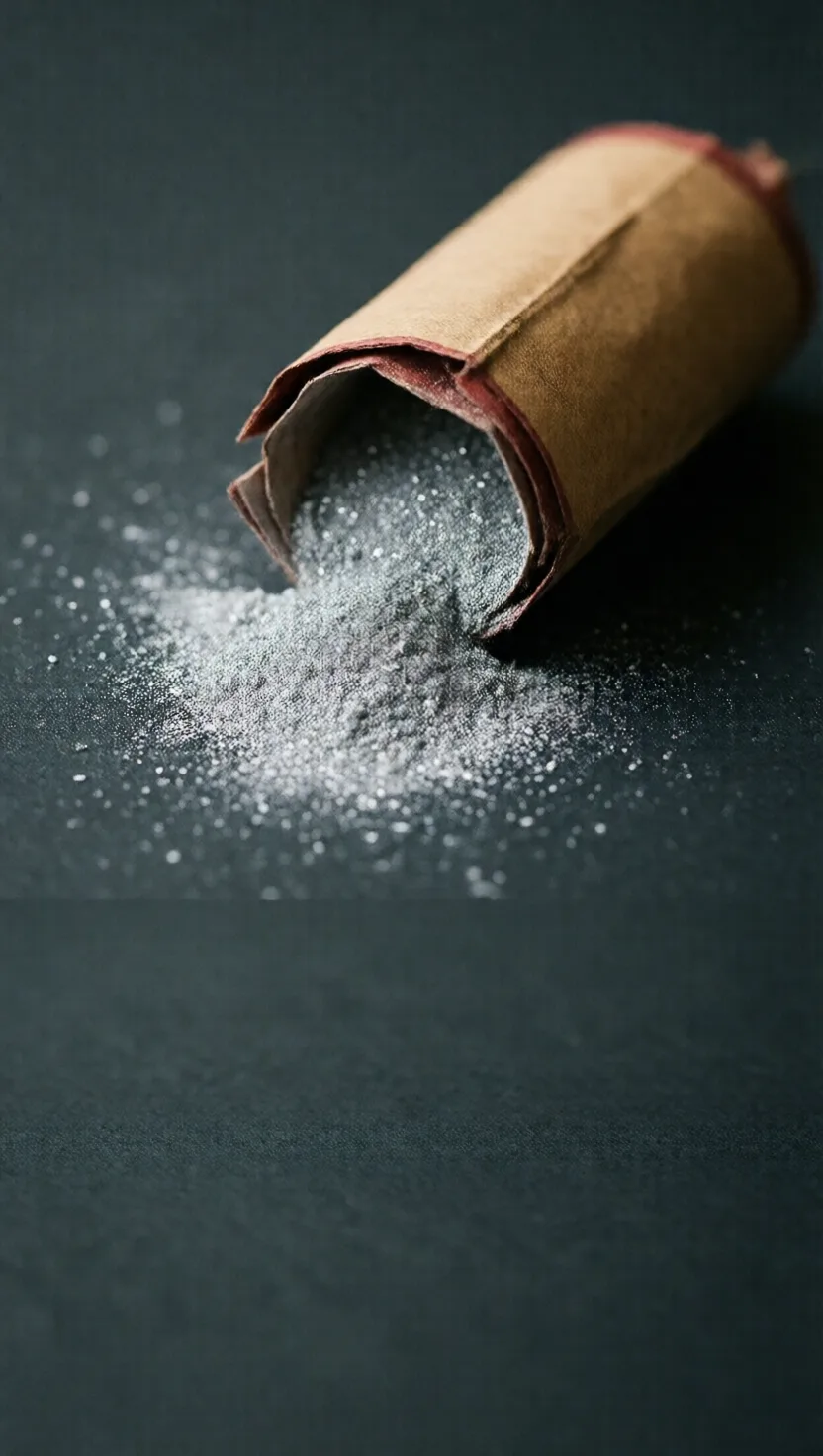
The ear-splitting crack of a 'salute' shell is not from a big charge of explosive — it is flash powder, just two ingredients. The standard mix is about 65.8% potassium perchlorate and 34.2% aluminium by mass, which deflagrates almost instantly. The pressure spike inside the casing makes the bang; the shell itself is mostly empty. A tiny amount is deafening.
A firework leaves the tube faster than an F1 car

A firework leaves the tube faster than an F1 car

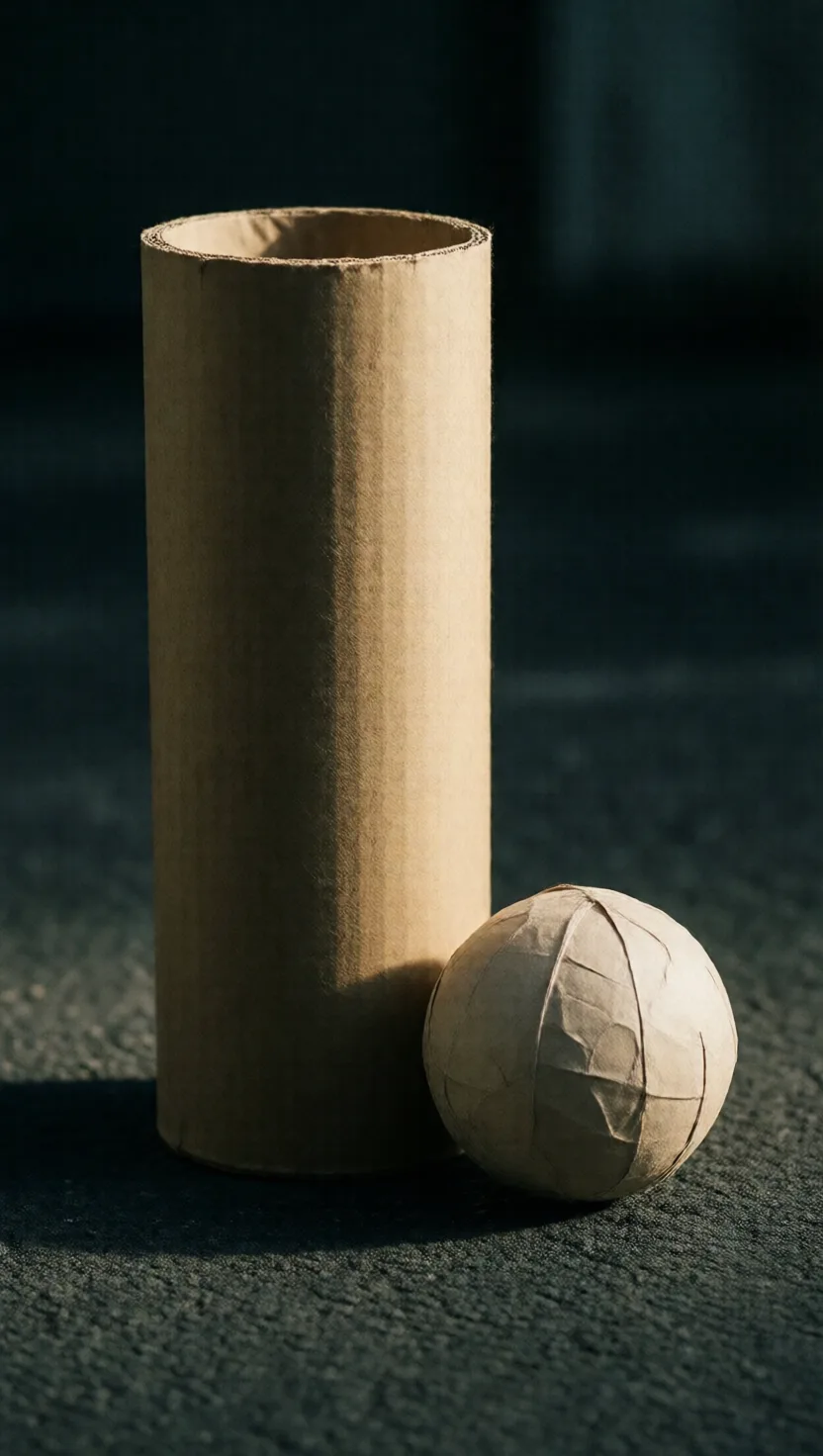
A firework shell is fired in two stages. A 'lift charge' under the shell flings it out of its mortar tube at over 100 metres per second — about 360 km/h, quicker than a Formula 1 car off the line. A separate time-delay fuse, lit on the way up, then bursts the shell near the top of its climb, typically 50 to 200 metres above the ground.
The cleanest blue swaps chlorine for iodine

The cleanest blue swaps chlorine for iodine

Traditional blue fireworks rely on chlorine, and burning them can create dioxins and related compounds — among the most toxic chemicals known. In 2014 chemists in Munich unveiled a blue made with copper(I) iodide instead, giving a clean, deep blue with no chlorine and none of those poisonous byproducts. The colour even held up better than the old recipe.
A dropped road flare can start a wildfire

A dropped road flare can start a wildfire

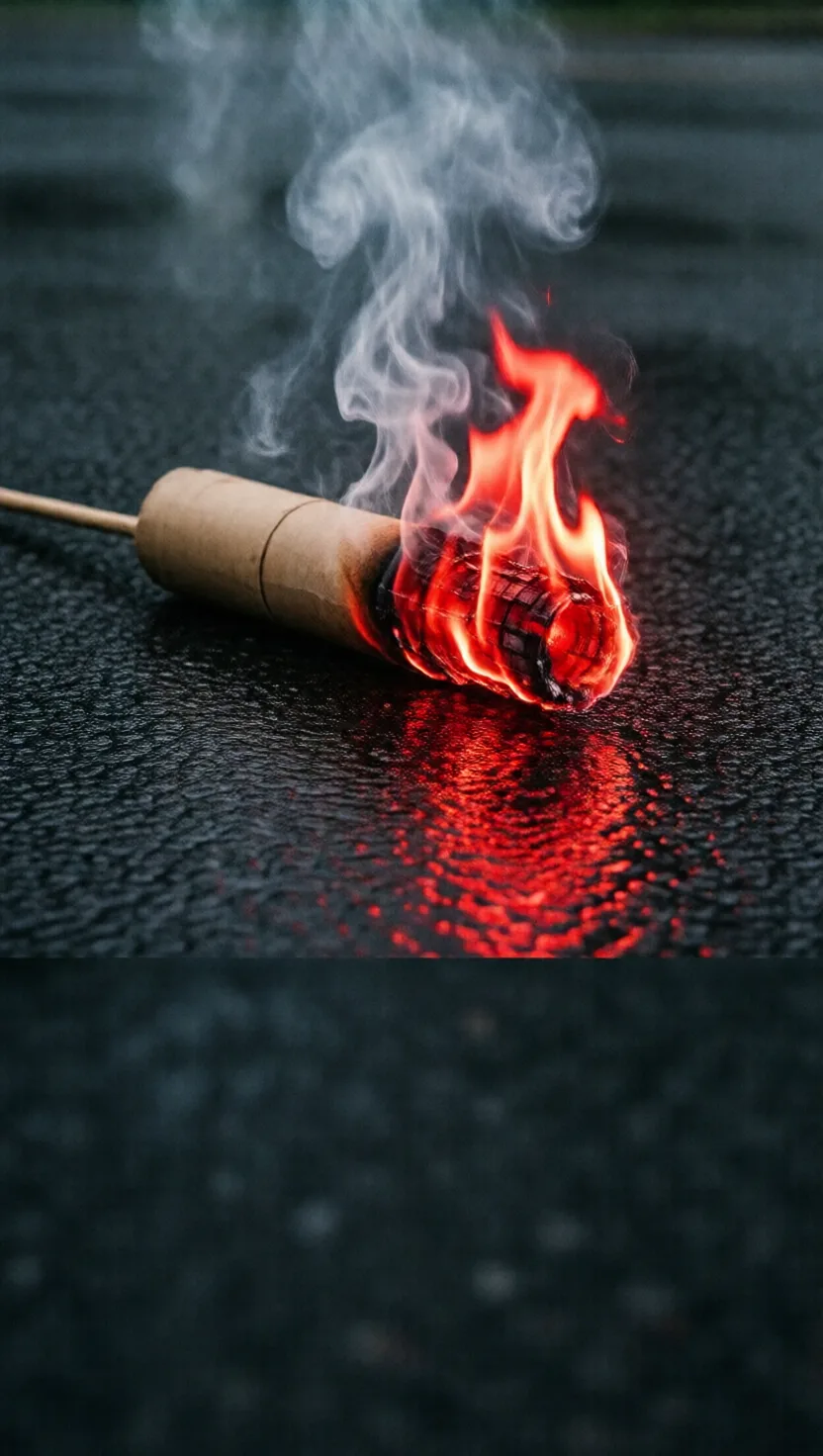
A red road flare is pure pyrotechnics. It ignites at around 191°C and then burns as hot as 1,600°C for fifteen to thirty minutes, its red glow coming from strontium salts — the same chemistry that paints fireworks red. That heat is why a flare dropped in dry grass can start a wildfire: it is a controlled fire stick, not just a light.
tap →swipe ↑ for depthswipe ↓ to exit