Eight things hidden in the glass and metal that watch the stars.

DC·53 Deep Cuts
Lenses can't grow past this telescope's size

Lenses can't grow past this telescope's size

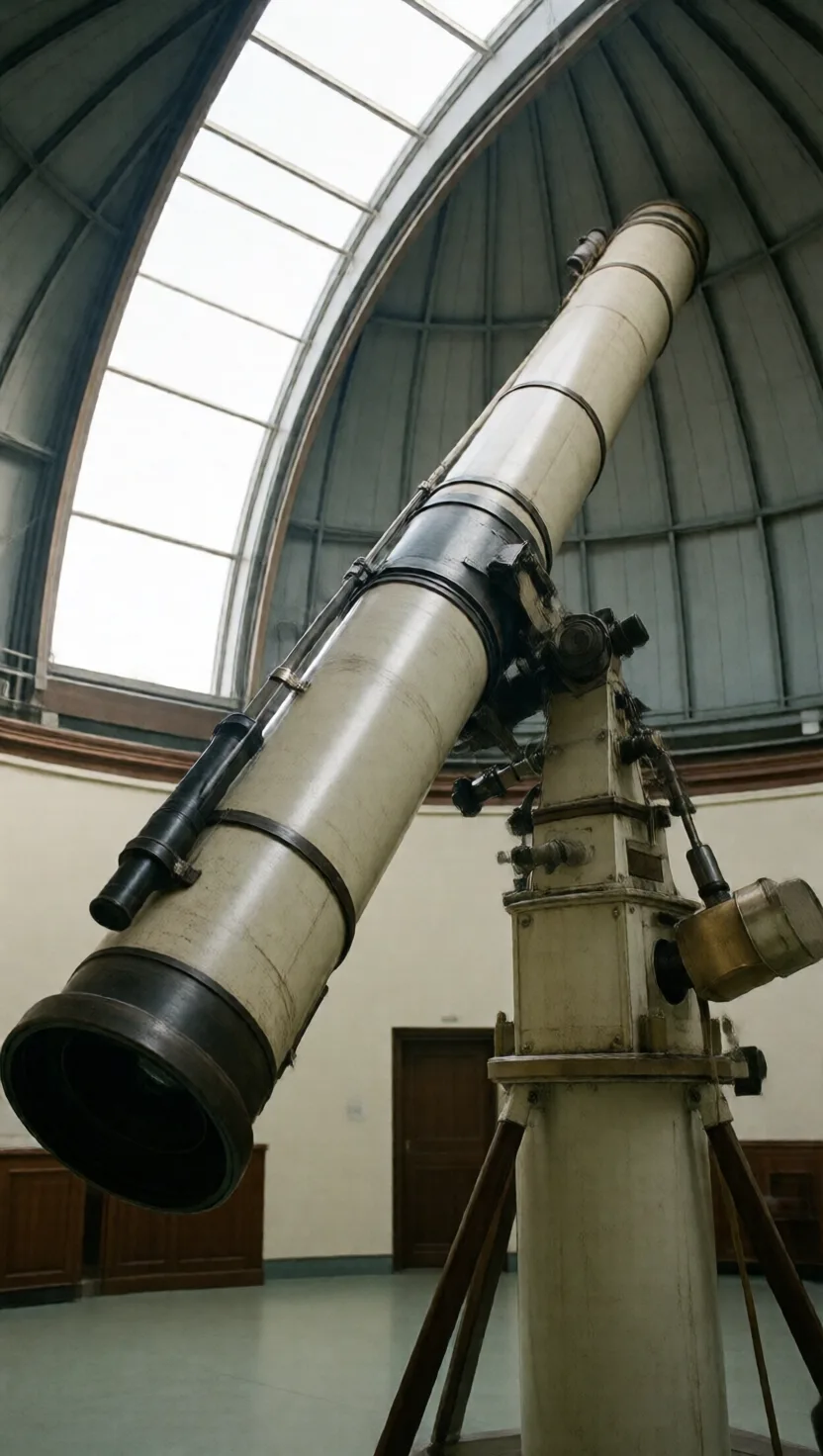
The largest refracting telescope ever built for research, finished in 1897, has a lens about one meter (40 inches) across — and no bigger one was ever made. A lens can only be held at its rim, so beyond this size it sags under its own weight and smears the image, and making it thick enough to resist would just soak up the light. Mirrors, supported across their whole back, took over, and giant lens telescopes hit a permanent ceiling.
A spinning pool of mercury makes a perfect mirror

A spinning pool of mercury makes a perfect mirror

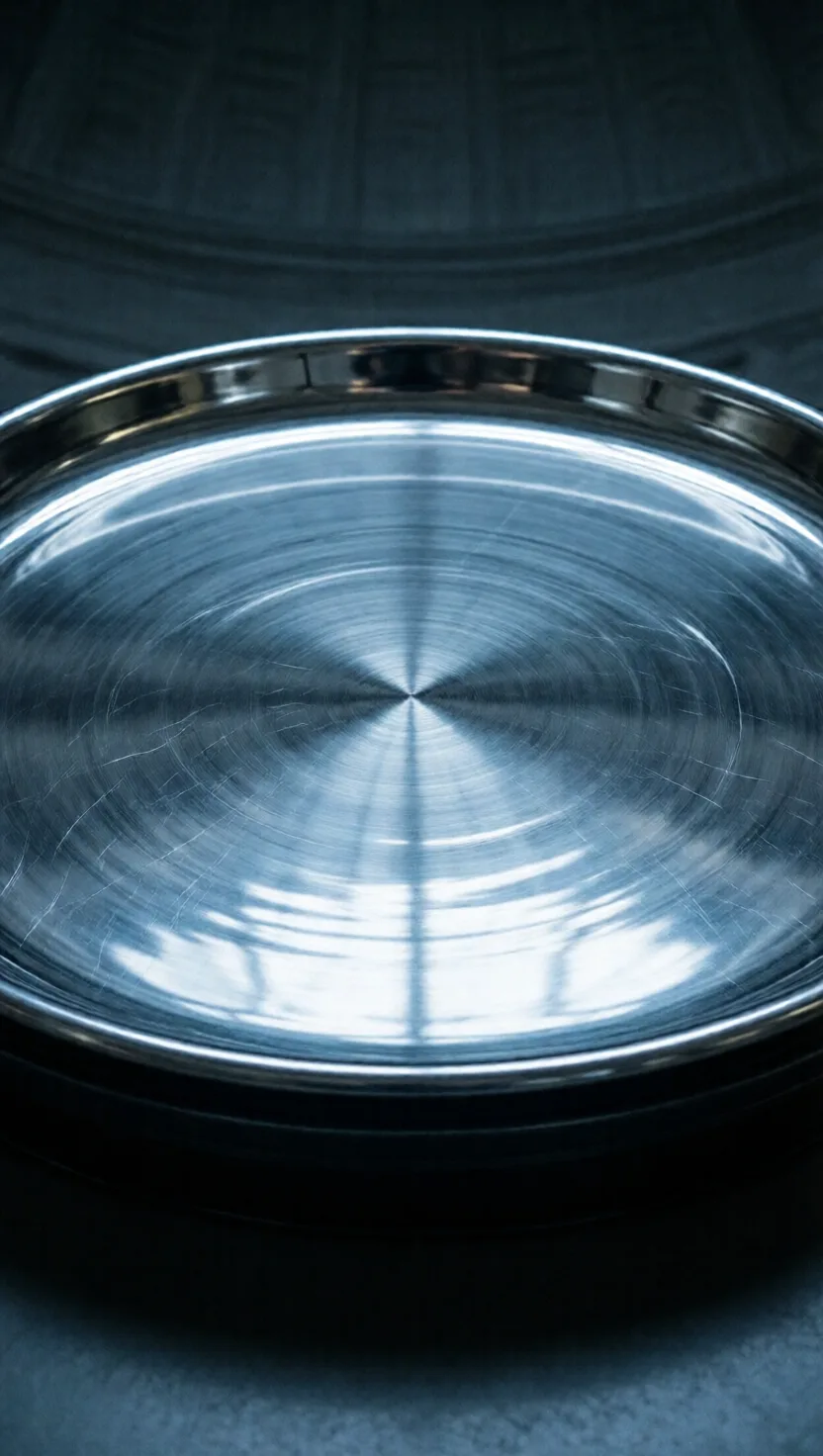
Some telescopes skip the ground-glass mirror entirely and spin a shallow dish of liquid mercury. Rotation plus gravity pulls the metal's surface into a flawless parabola — the exact shape a mirror needs — for a tiny fraction of the cost of casting and polishing glass. The catch: the dish must stay perfectly level and can only ever stare straight up, so it watches whatever strip of sky drifts overhead. One built high in the Himalayas is four meters wide.
An Irish lord's giant saw galaxies were spirals

An Irish lord's giant saw galaxies were spirals

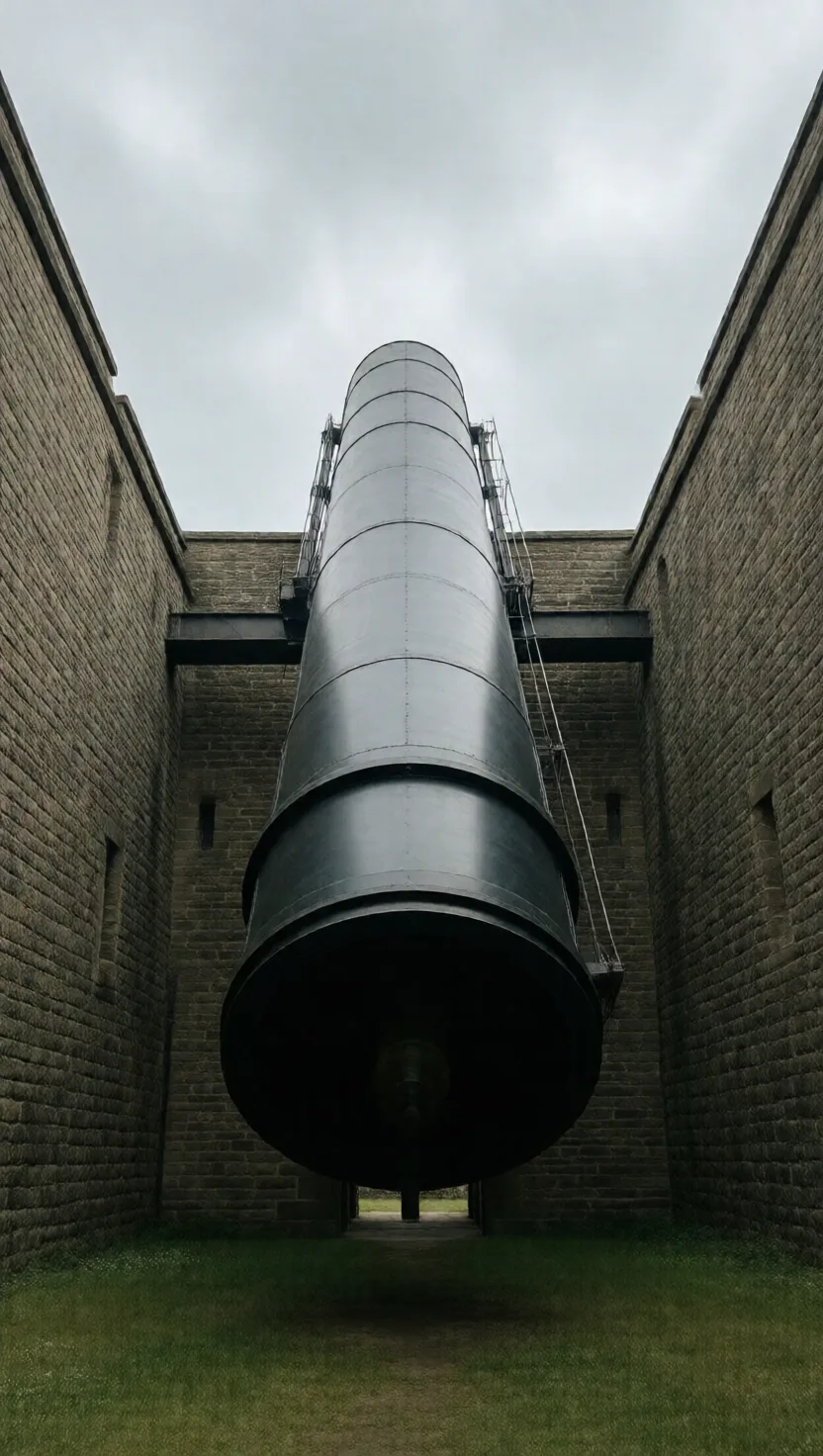
In 1845 the Earl of Rosse finished a monster telescope at his castle, its tube slung between two stone walls. Its mirror — a 72-inch disc of speculum, a copper-tin alloy weighing three to four tons — was cast on site and tarnished so fast it had to be repolished constantly. Yet through it he became the first to see that some faint nebulae had a spiral shape. It stayed the largest telescope on Earth for over seventy years.
Galileo didn't invent the telescope

Galileo didn't invent the telescope

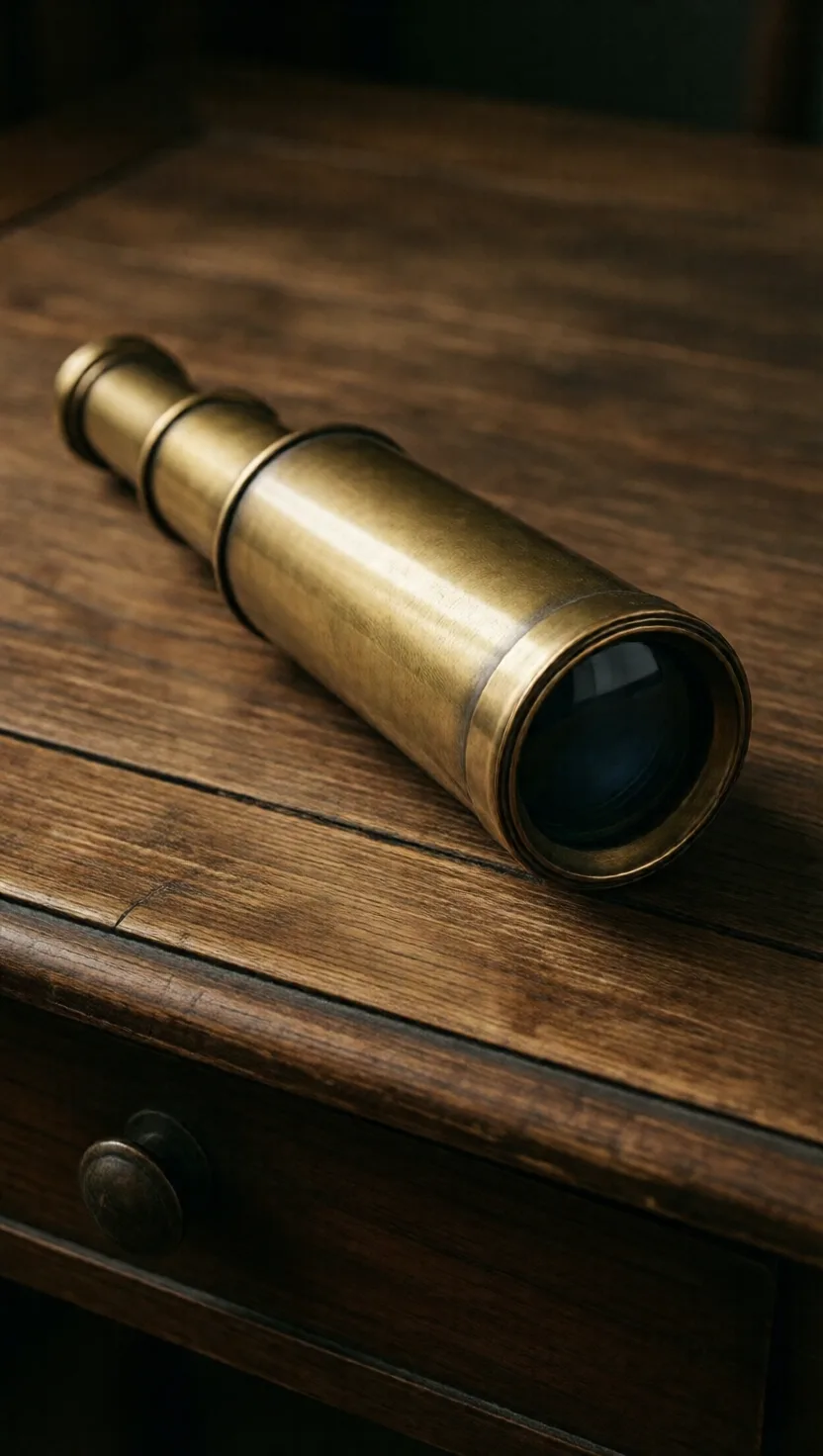
The telescope's paper trail starts in 1608, when a Dutch spectacle-maker, Hans Lippershey, applied to patent a device for seeing far-off things as if they were nearby. He was refused an exclusive patent because others could already build one. Galileo only heard of the Dutch spyglass the next year — he built his own, improved it, and was the first to turn it on the night sky, but the instrument itself was not his invention.
Telescopes fire a laser to paint a fake star

Telescopes fire a laser to paint a fake star

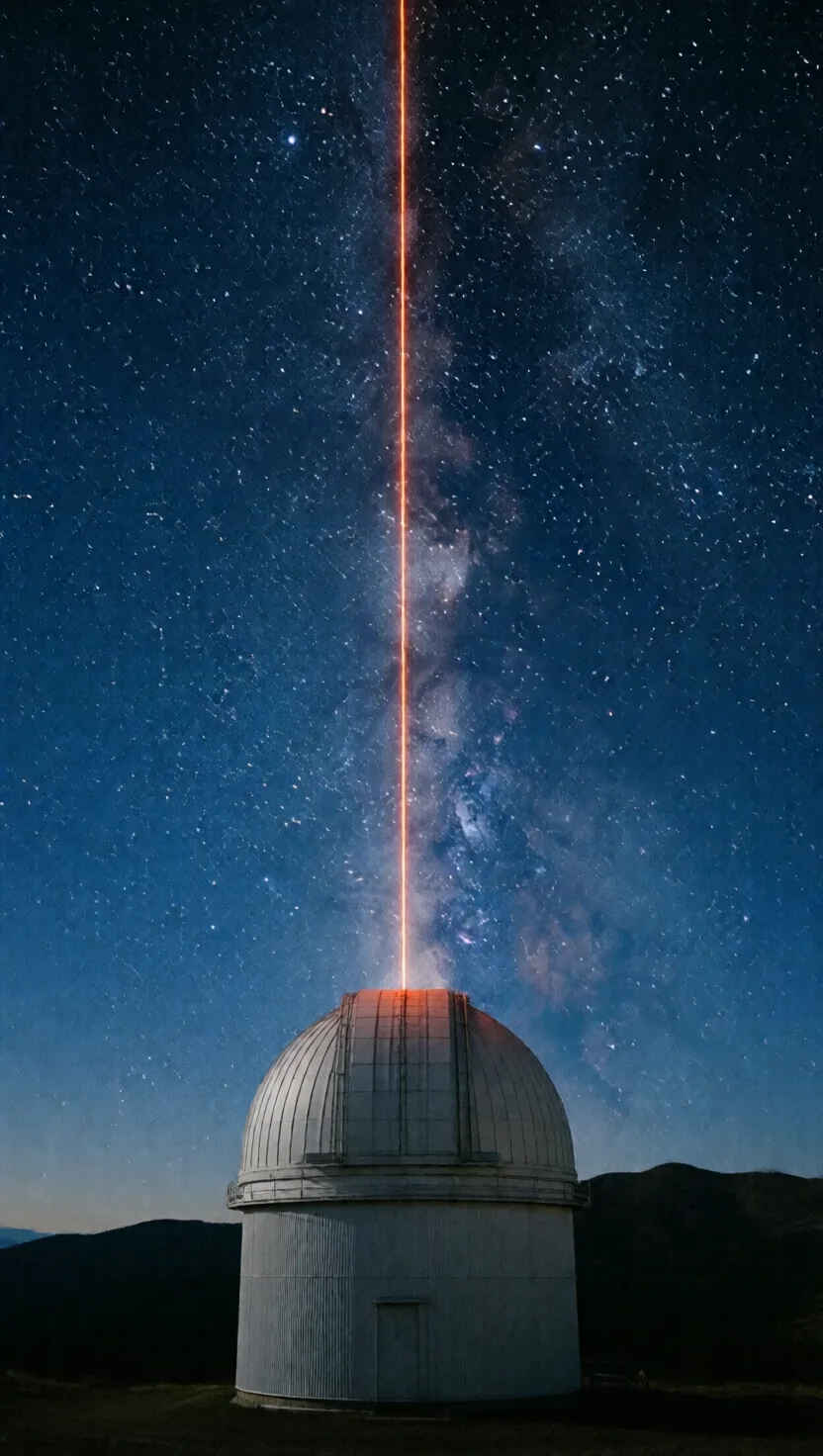
Air turbulence is what makes stars twinkle and blurs big telescopes. To beat it, observatories shoot a powerful yellow laser into the sky, exciting a layer of sodium atoms about 90 kilometers up until it glows like an artificial star. Sensors read how that point is smeared by the atmosphere, and a flexible mirror behind the telescope reshapes itself to cancel the blur — adjusting its surface around a thousand times every second.
This gold mirror folded up like a table to launch

This gold mirror folded up like a table to launch

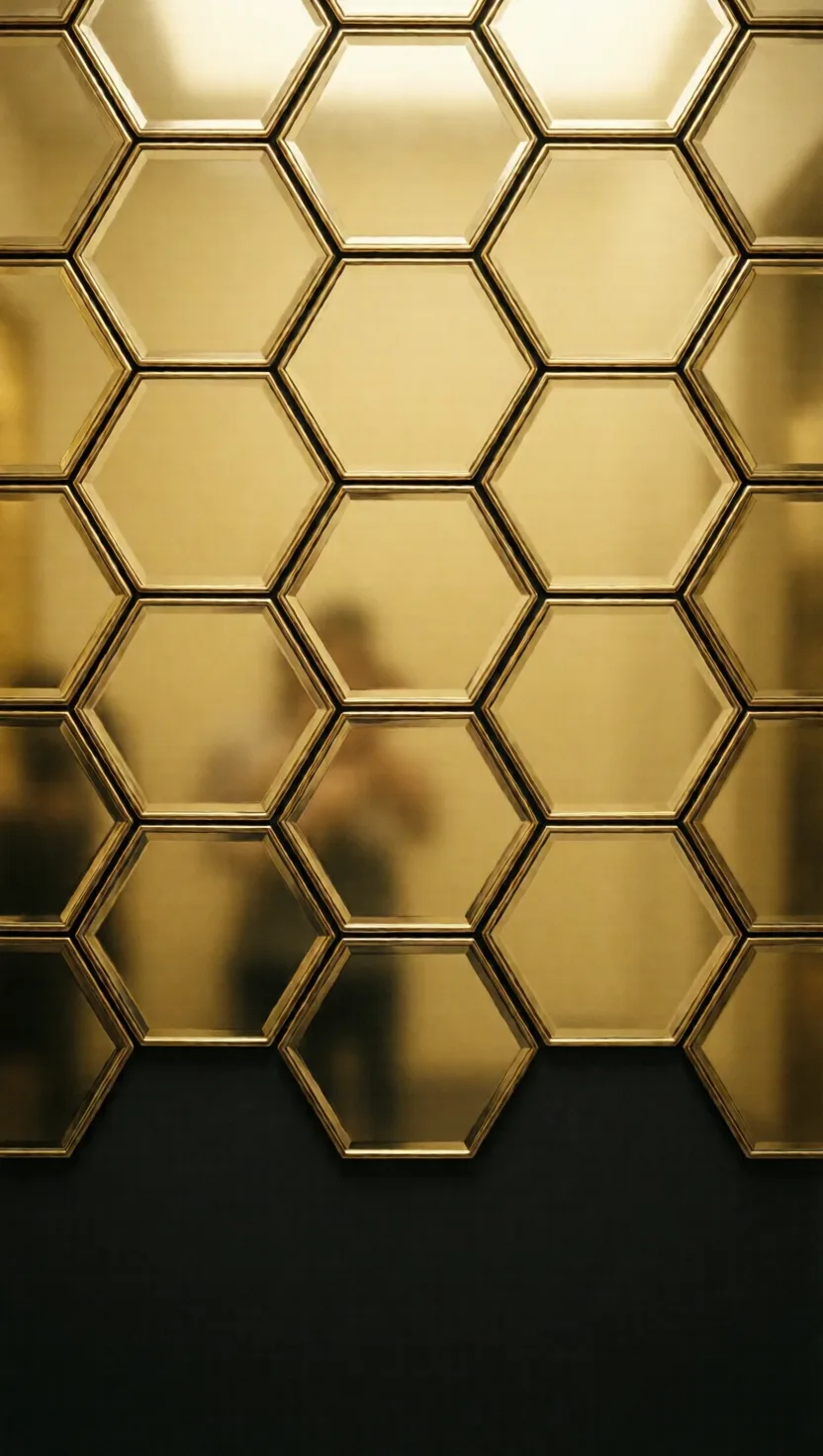
The great infrared space telescope's mirror is 6.5 meters of 18 hexagonal segments, each a slab of lightweight beryllium under a coat of gold barely 100 nanometers thick — about a thousandth of a sheet of paper — because gold reflects infrared light superbly. The whole array was too wide for any rocket, so it was hinged to fold like the leaves of a drop-leaf table, then unfold once out in space.
This mirror took years just to cool down

This mirror took years just to cool down

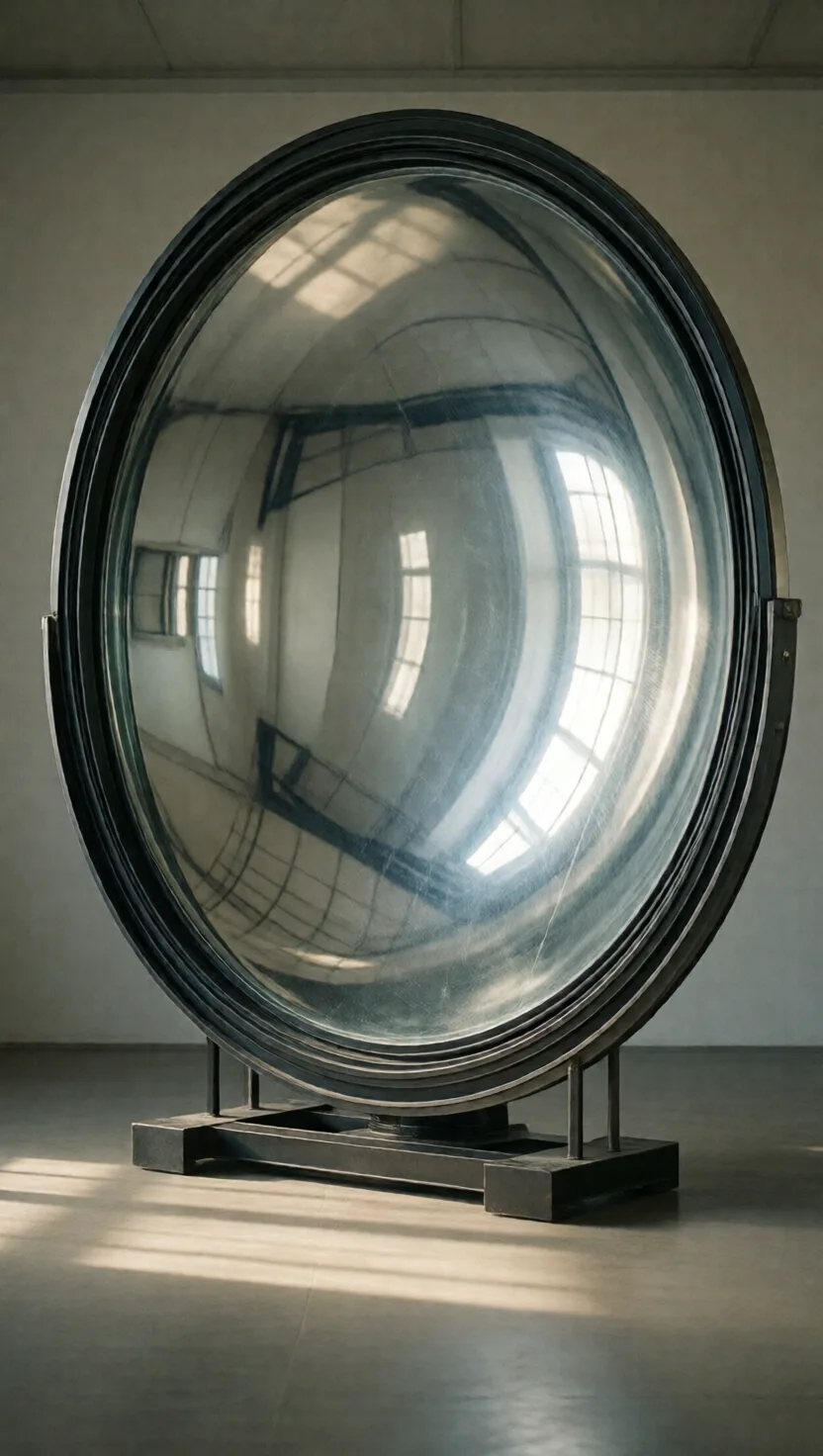
The 200-inch mirror of the Palomar telescope was cast in 1934 from a low-expansion borosilicate glass with a honeycomb of ribs on its back — a trick that roughly halved its weight and helped it hold its shape. The molten disc then had to cool so gradually that it sat annealing for the better part of a year. Grinding the perfect curve removed thousands of kilograms of glass, and final polishing on the mountain took about two more years.
A thin glass wafer fixed the blurry-edge problem

A thin glass wafer fixed the blurry-edge problem

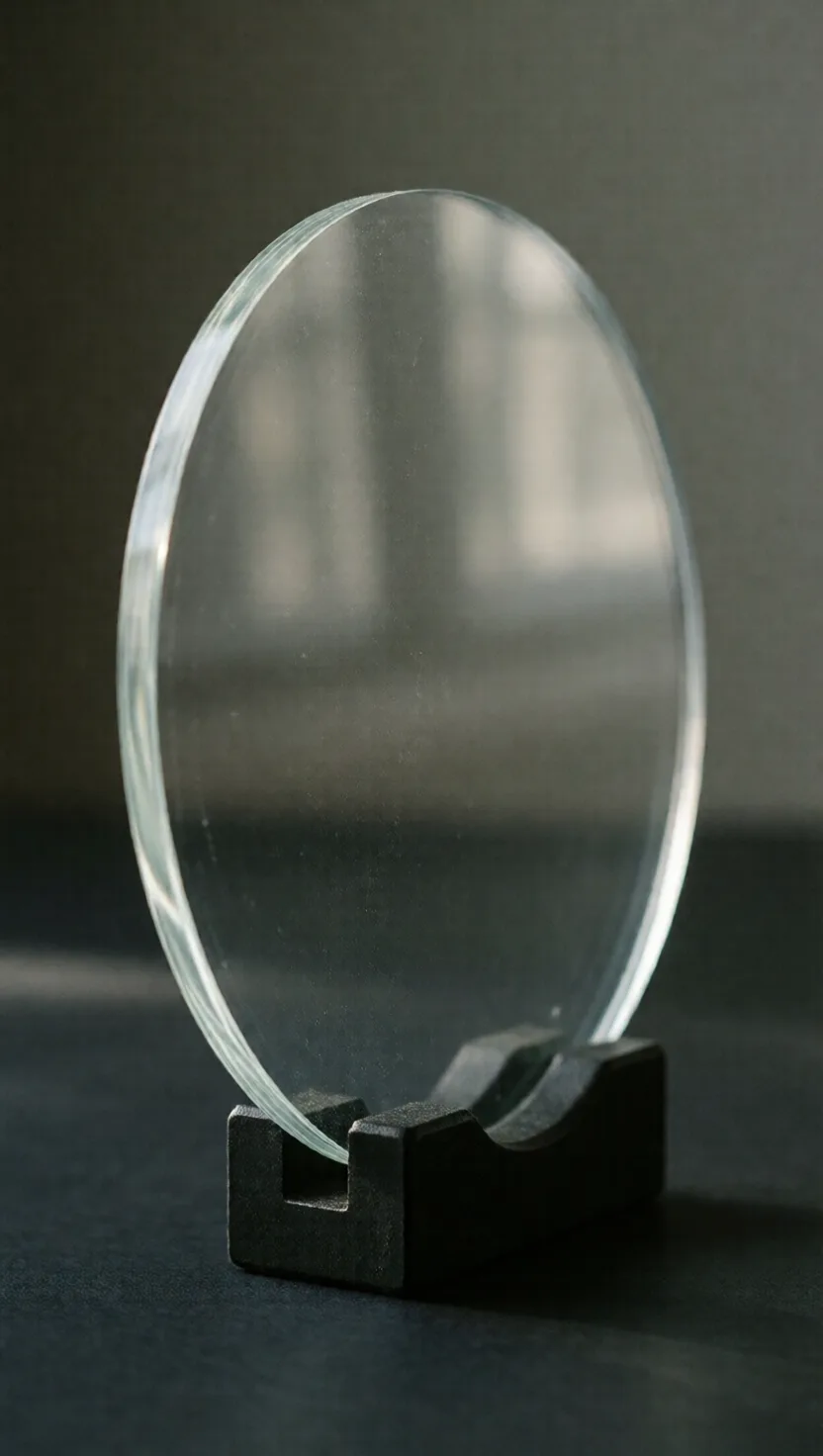
A simple curved mirror brings the center of an image to focus but smears everything off to the side, so early wide-field photos blurred at the edges. In 1930 the optician Bernhard Schmidt solved it with a thin, subtly warped glass plate placed at the front: it bends incoming light by exactly the opposite amount the mirror gets wrong, sharpening a huge swath of sky at once. His corrector plate let telescopes photograph whole constellations in one crisp frame.
tap →swipe ↑ for depthswipe ↓ to exit