Eight things sealed inside an eggshell

DC·47 Deep Cuts
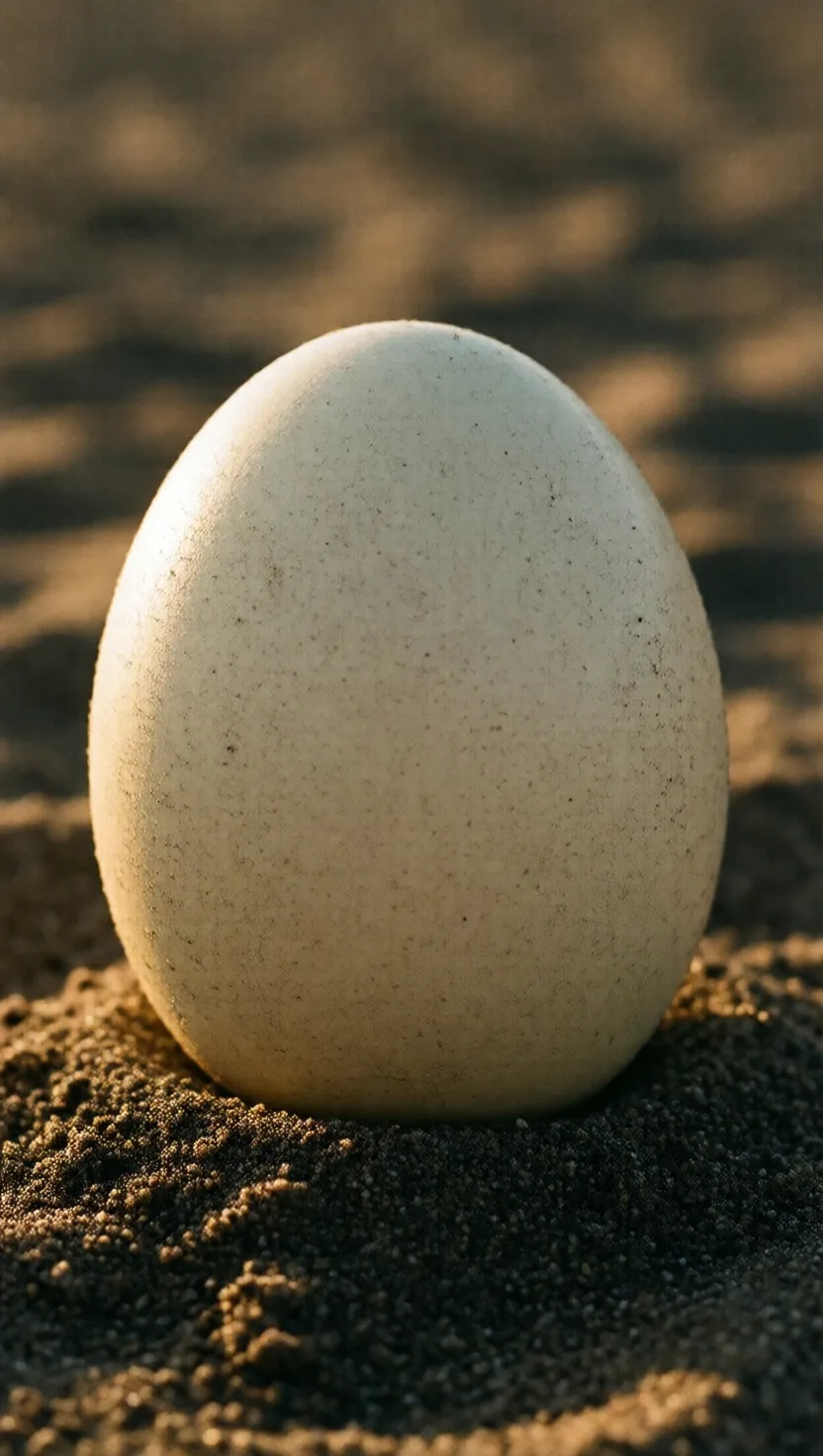
An eggshell breathes through 7,000 tiny holes

An eggshell breathes through 7,000 tiny holes

An eggshell looks sealed but it is riddled with pores — around 7,000 in a hen's egg — each a microscopic chimney through the chalk. Oxygen diffuses inward to the growing chick while carbon dioxide and water vapour seep out, so the shell works as a lung with no moving parts. As the chick develops it draws on an air pocket at the blunt end, fed steadily through those same invisible holes until the day it breaks free.
Every egg color comes from just two pigments

Every egg color comes from just two pigments

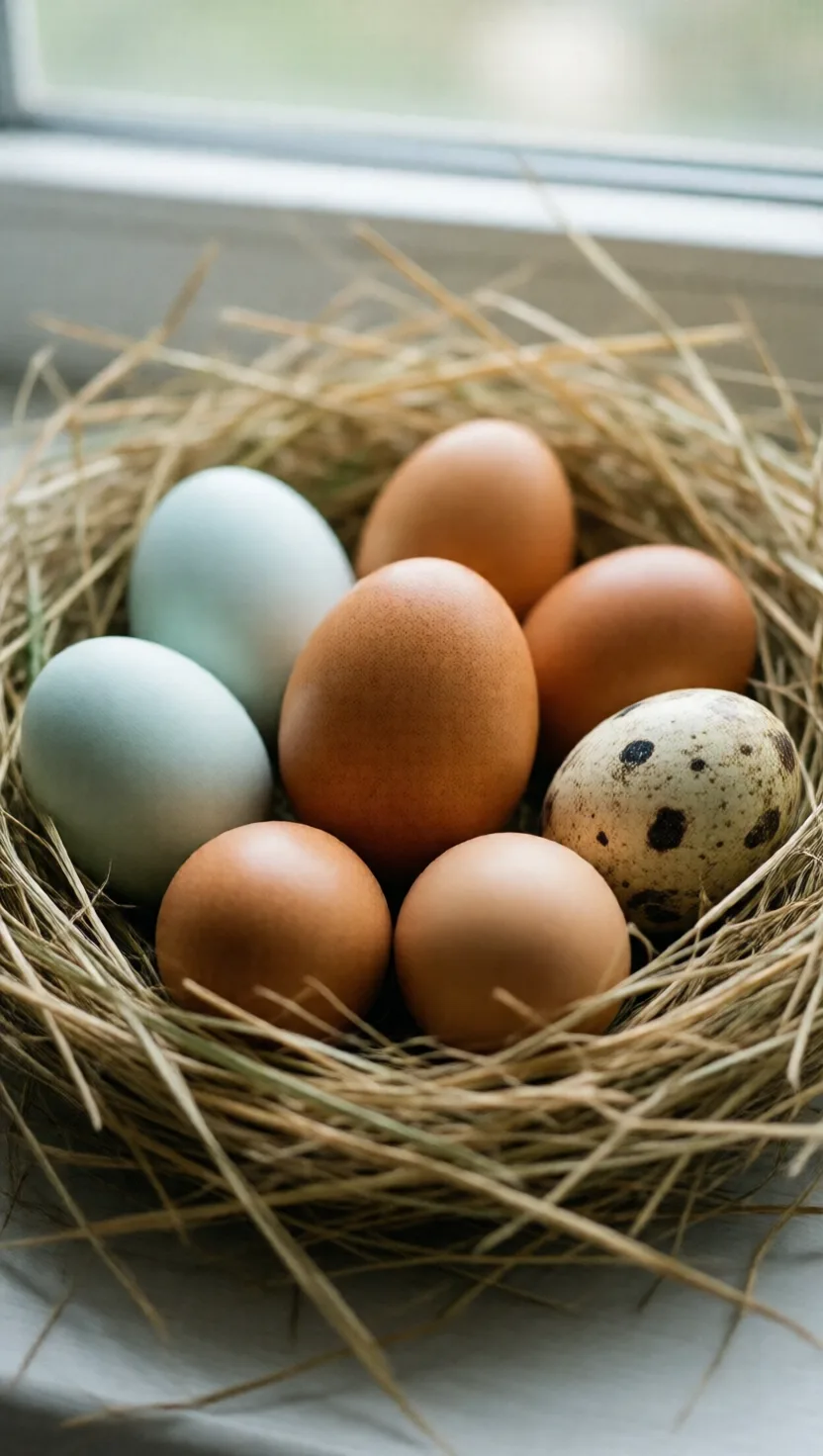
From sky-blue robins' eggs to deep brown and freckled olive, every shell colour in the bird world is mixed from only two pigments. Biliverdin, a green-blue left over from broken-down blood, washes a shell blue; protoporphyrin, a rust-red haem precursor, paints it brown and dots the speckles. A hen lays them down in her shell gland in the final hours before laying. Different amounts of just these two build the entire palette of eggs.
An ostrich egg is the biggest single cell alive

An ostrich egg is the biggest single cell alive

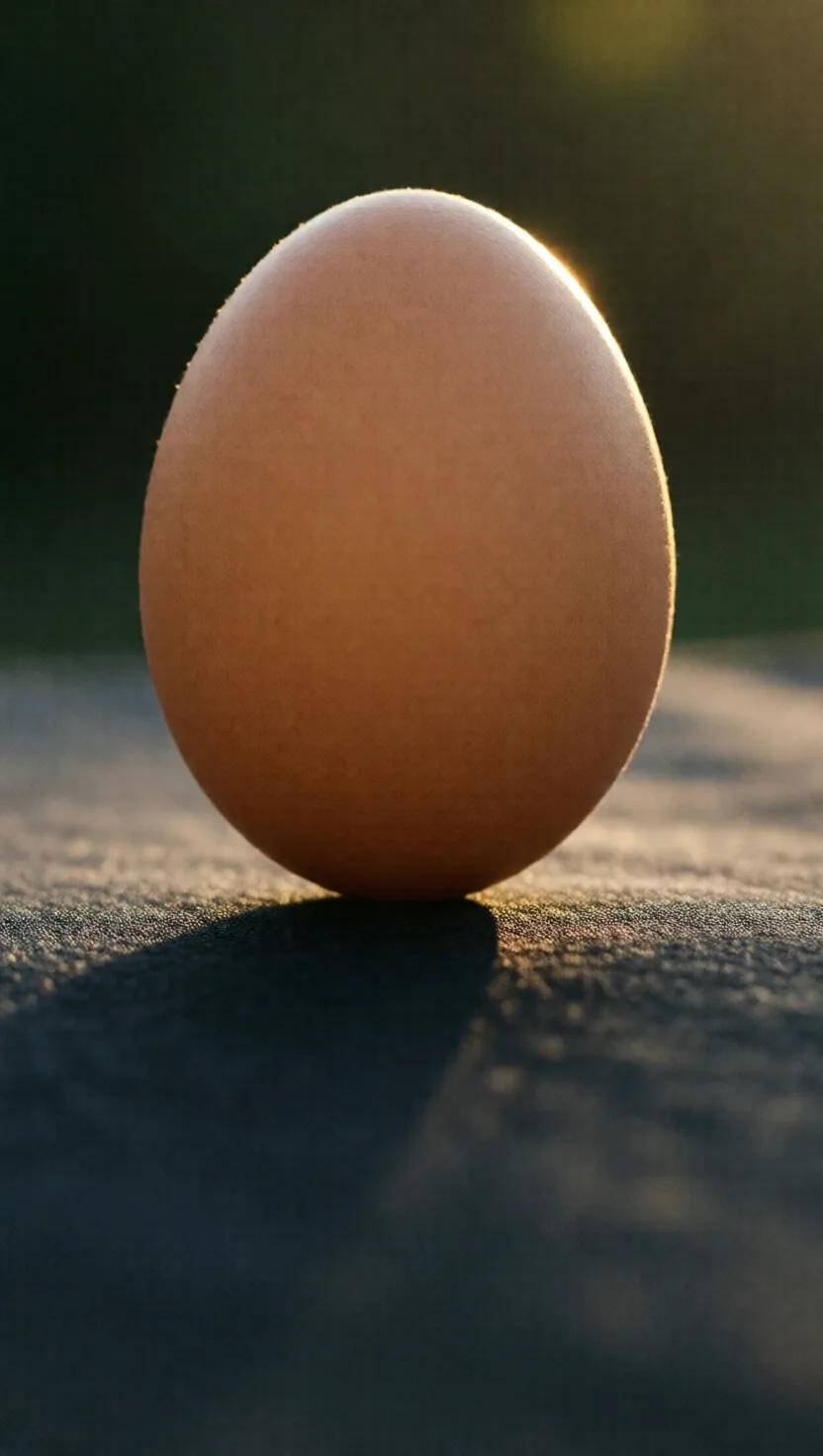
Before it is fertilised, the yolk of an ostrich egg is one single cell — the largest made by any living animal, the size of a grapefruit and weighing over a kilogram. Around it the white and the thick shell are built as packaging. That shell is formidable too: it can bear well over 100 kilograms, enough that a grown adult can stand on a level egg without cracking it, the load spread evenly around the dome.
The chick eats its own shell from the inside

The chick eats its own shell from the inside

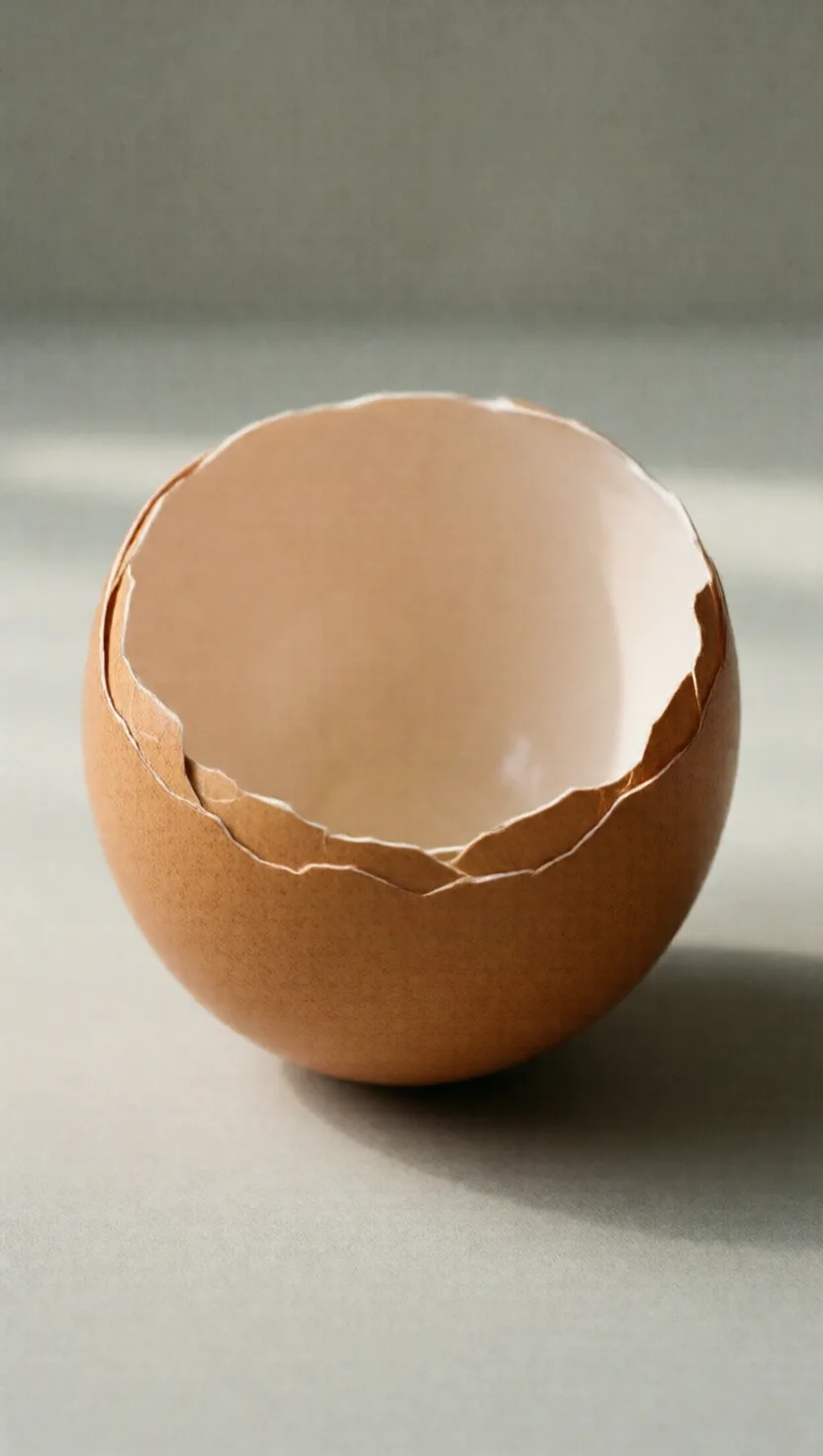
An eggshell faces an impossible job: stay strong enough to protect the chick, yet weak enough for the chick to smash out. The answer is self-demolition. As the embryo's bones form, it pulls calcium from the inner layer of its own shell, dissolving the wall from within. Researchers traced the shell's strength to a protein, osteopontin, woven through its nanostructure; thinning that inner mineral both feeds the skeleton and leaves the shell brittle enough to break on hatching day.
Two white ropes keep the yolk dead center

Two white ropes keep the yolk dead center

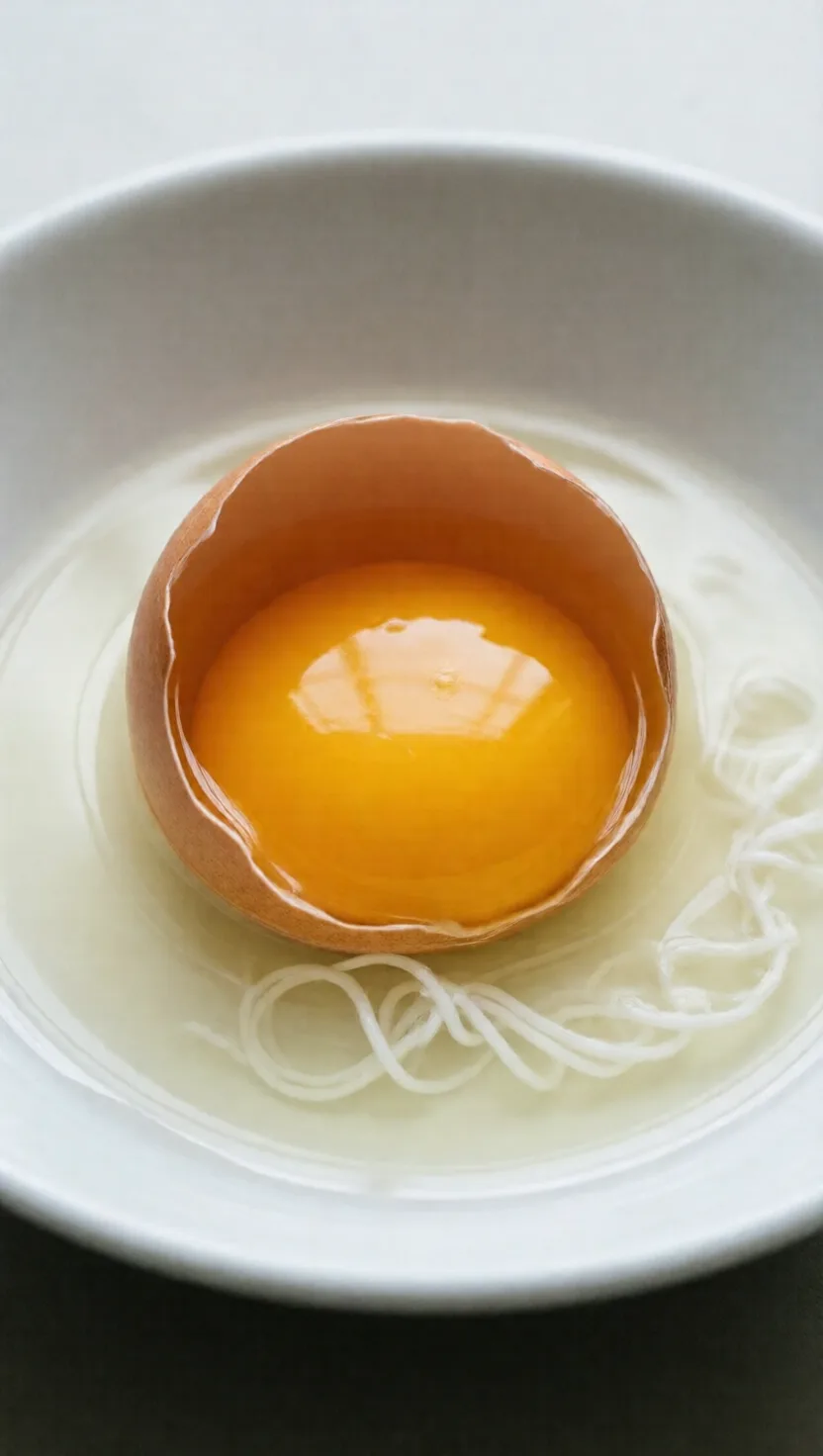
Crack an egg and you may spot a pale twist of white clinging to the yolk — the chalazae. They are two spiral cords of twisted protein fibres anchored to opposite ends of the shell, suspending the yolk in the middle of the white like a hammock. They let the yolk turn freely yet always pull it back to centre, keeping the embryo's germ spot floating upward, away from the shell, however the egg is rolled. The brighter the cords, the fresher the egg.
This bird incubates eggs in a compost heap

This bird incubates eggs in a compost heap

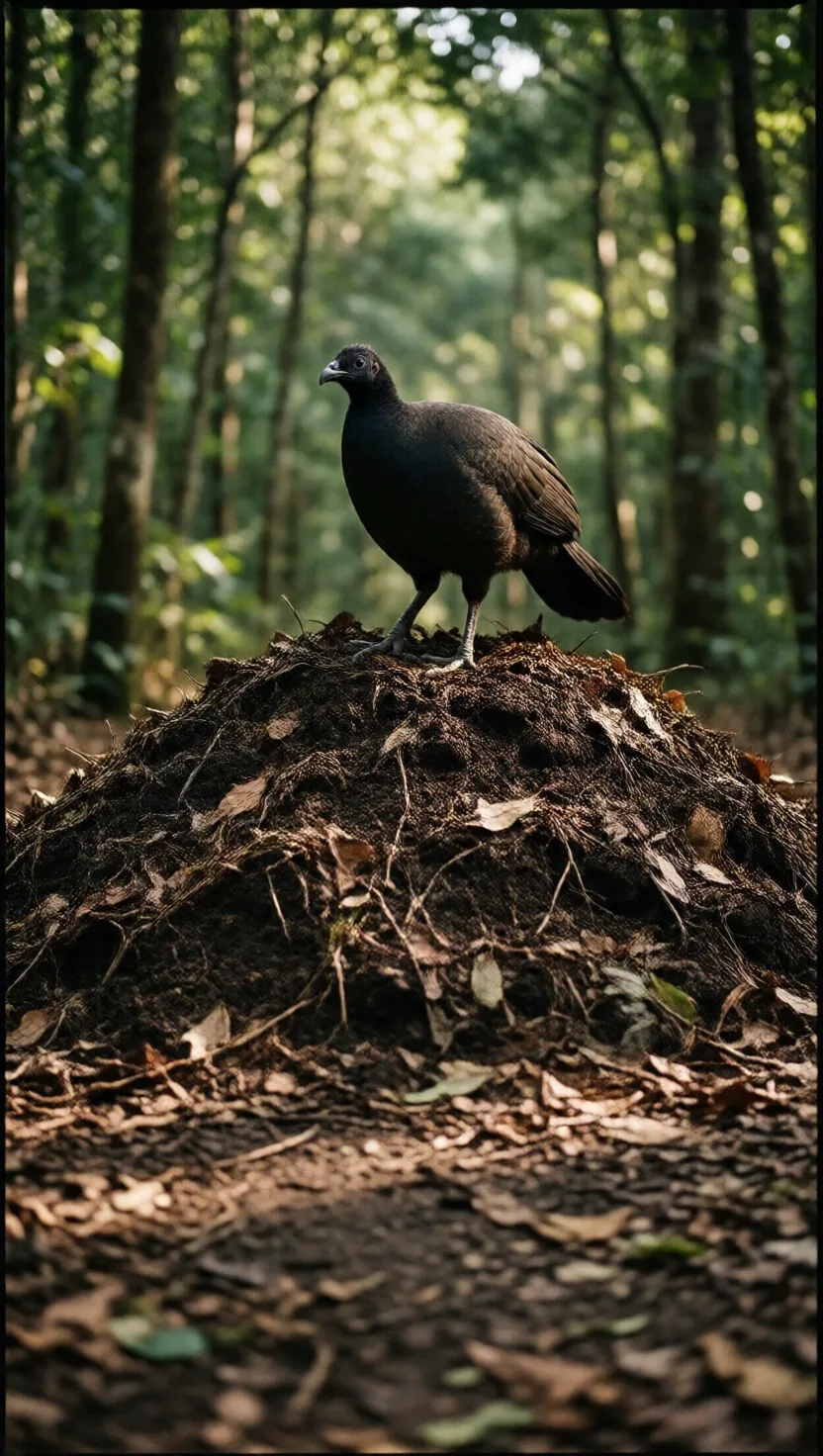
The Australian brush-turkey never sits on its eggs. The male rakes together a vast mound of leaves and soil — sometimes four metres across — and buries the clutch inside, letting the rotting vegetation generate heat like a garden compost pile. He tends it like a thermostat, plunging his beak in to read the temperature and adding or scraping away material to hold it near 34°C. The chicks hatch underground, dig themselves out alone, and can fly within hours.
A hen builds her shell from her own skeleton

A hen builds her shell from her own skeleton

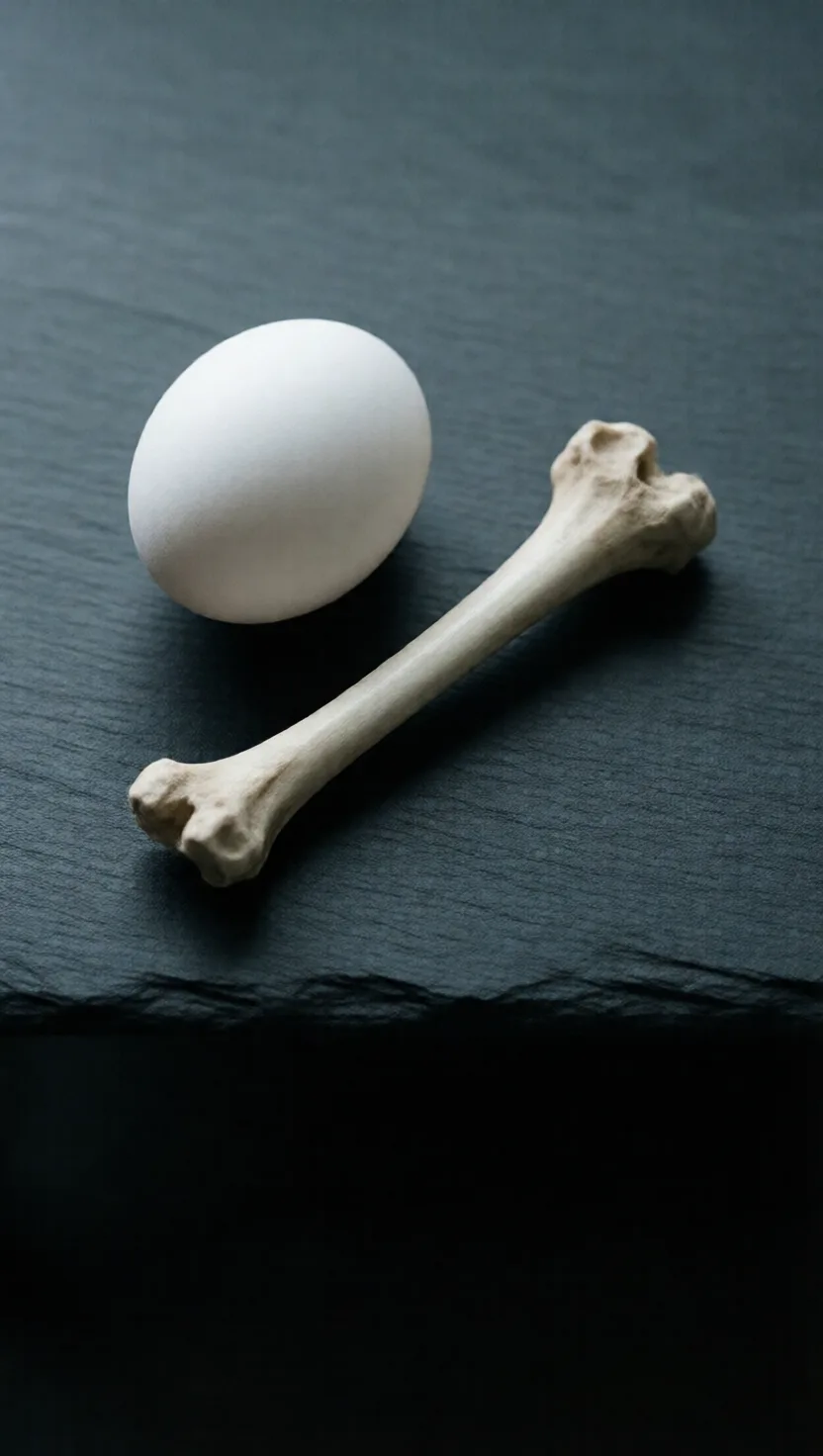
Most of an eggshell is laid down in darkness, when a hen isn't eating and dietary calcium runs short. To finish the shell she mines her own bones. Laying hens grow a special spongy 'medullary' bone inside their legs and other bones — a calcium savings account that can be dissolved and rebuilt every single day. Overnight she pulls roughly 20–40% of the shell's calcium straight from this reserve, then refills it from food the next morning.
These eggs shine like glazed porcelain

These eggs shine like glazed porcelain

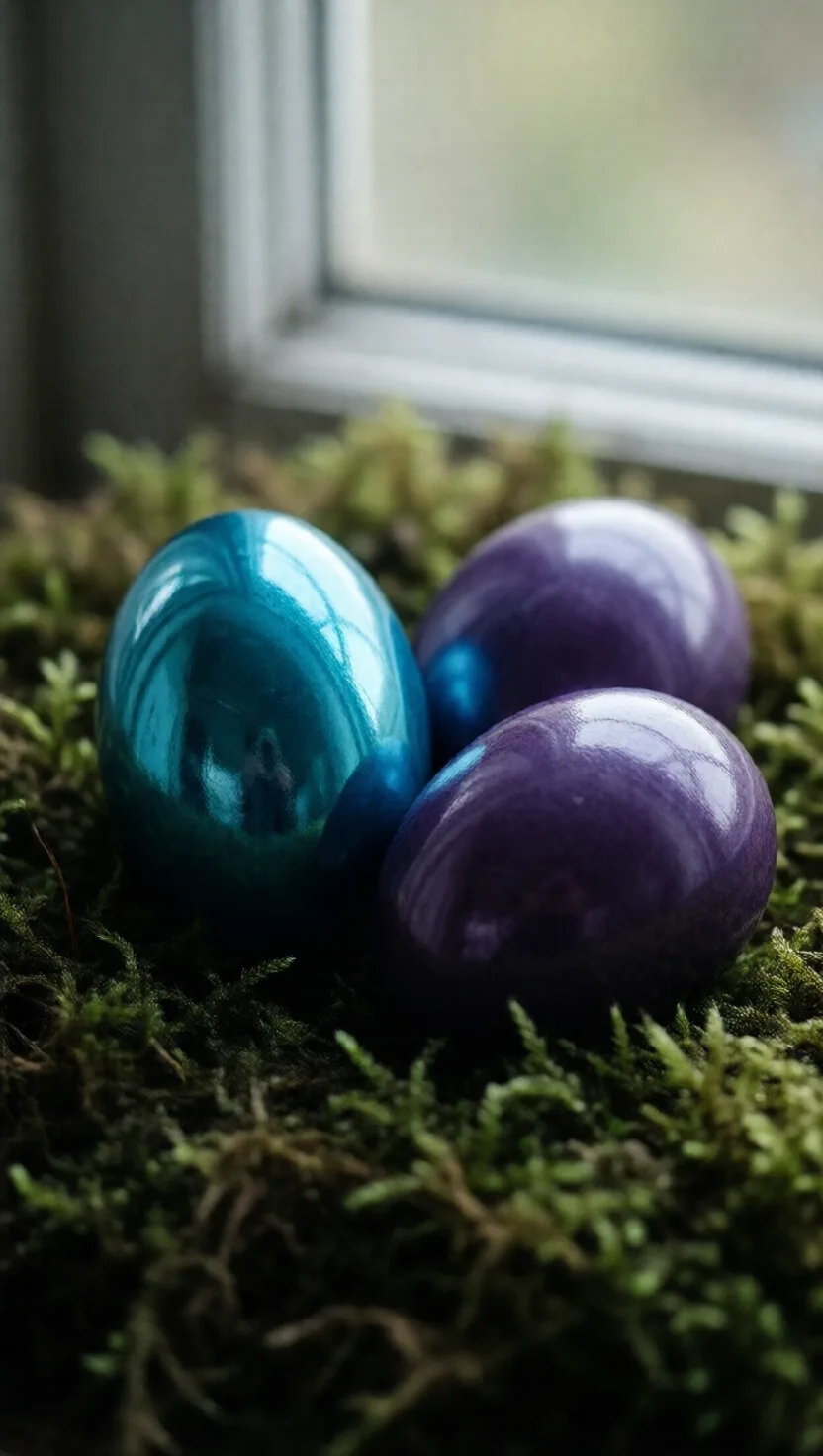
The tinamou, a partridge-like bird of Central and South American forests, lays eggs that look enamelled — turquoise, wine-purple, lemon and chocolate, with a mirror gloss up to 14 times shinier than a chicken's egg. There is no varnish: the shell's outermost cuticle is laid down nano-smooth, so light bounces off it cleanly like a still lake instead of scattering off the usual chalky bumps. The shine fades within days of laying.
tap →swipe ↑ for depthswipe ↓ to exit