Eight things the heaviest everyday metal quietly did

DC·152 Deep Cuts
A shiny grey crystal once caught radio from the air

A shiny grey crystal once caught radio from the air

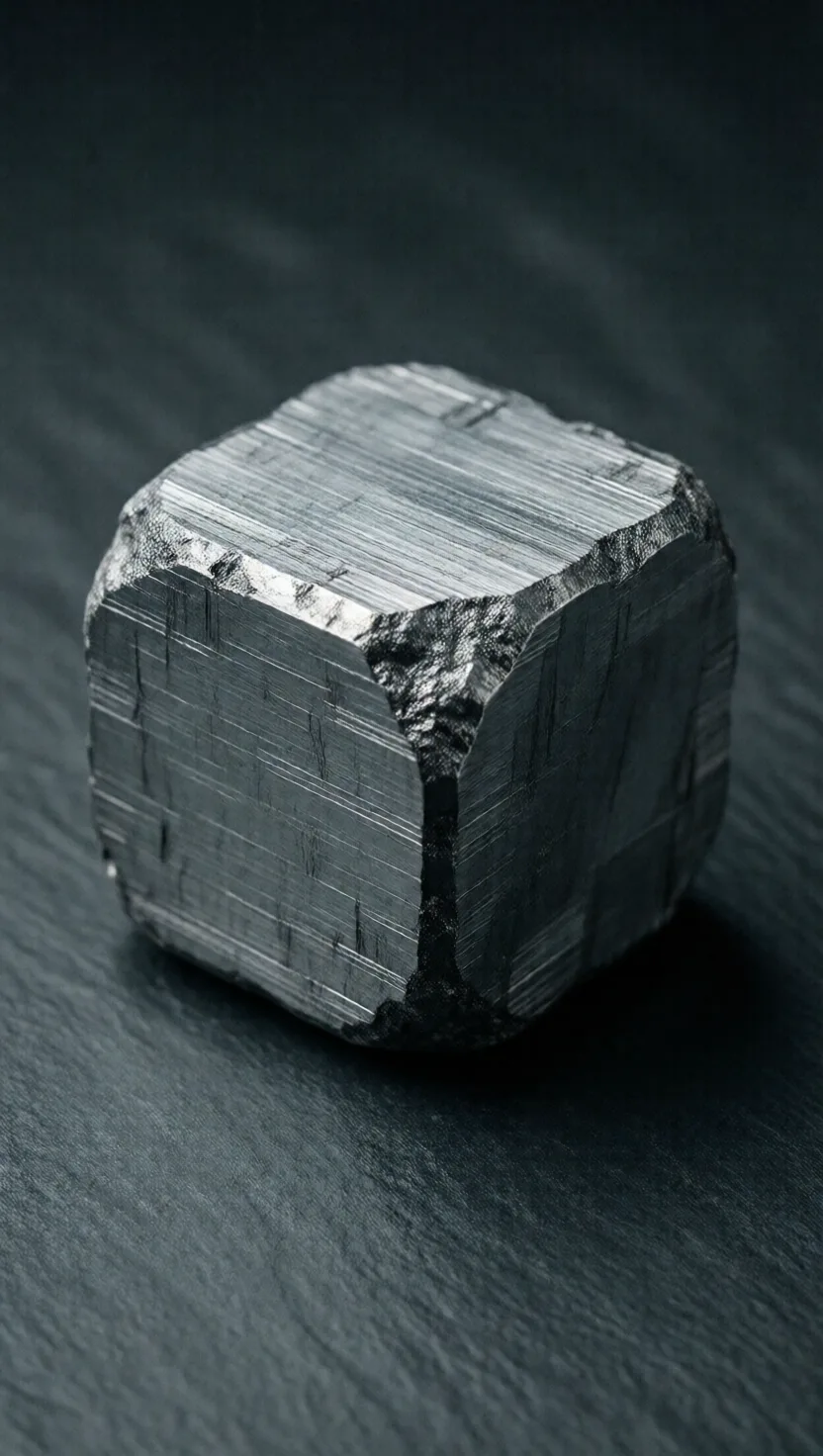
Galena is lead's ore, growing as silvery cubes with mirror-flat faces. In the earliest radios it did the work a battery and tube would later do: a fine springy wire, the cat's whisker, was touched onto the crystal, and that point of contact behaved as a natural semiconductor, letting current flow one way and pulling a voice out of the airwaves. The effect was first shown in 1874.
Lead atoms told us the Earth is 4.55 billion years old

Lead atoms told us the Earth is 4.55 billion years old

Uranium decays into lead at a steady, known pace, so the mix of lead isotopes in a rock is a clock. In 1956 a chemist measured that mix in metal from a meteorite and read off the age of the Earth: about 4.55 billion years, a figure that still holds. Cleaning his samples free of stray lead, he also realised how thoroughly industry had spread the metal across the modern world.
Round lead shot was made by letting drops fall and freeze

Round lead shot was made by letting drops fall and freeze

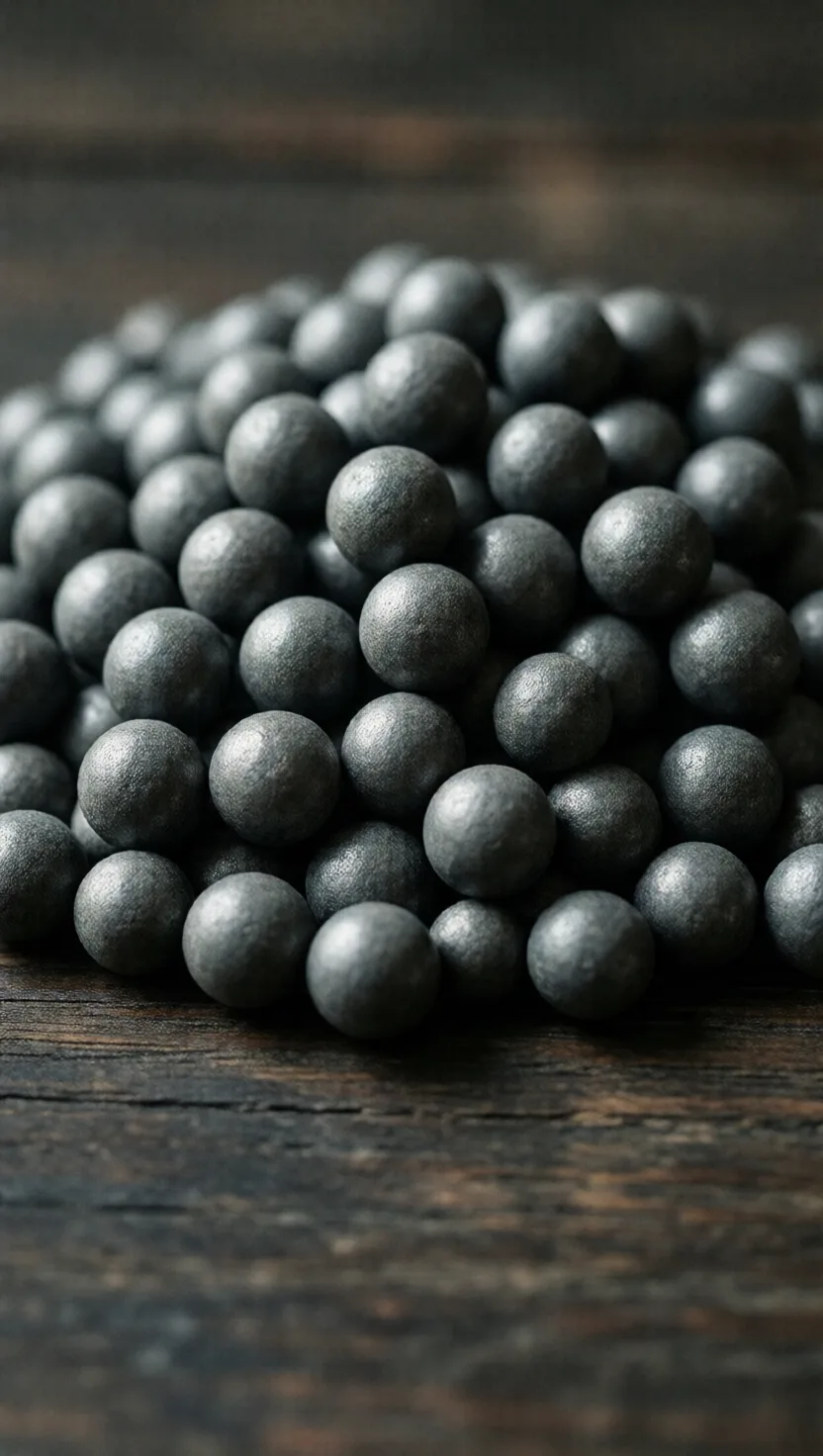
How do you make thousands of identical lead spheres? In 1782 the answer became a tower. Molten lead was poured through a sieve at the top; each droplet, falling through the air, was pulled by surface tension into a near-perfect sphere and hardened on the way down before splashing into a basin of water at the bottom. Gravity and physics did the rounding for free.
The car battery is the most recycled thing you own

The car battery is the most recycled thing you own

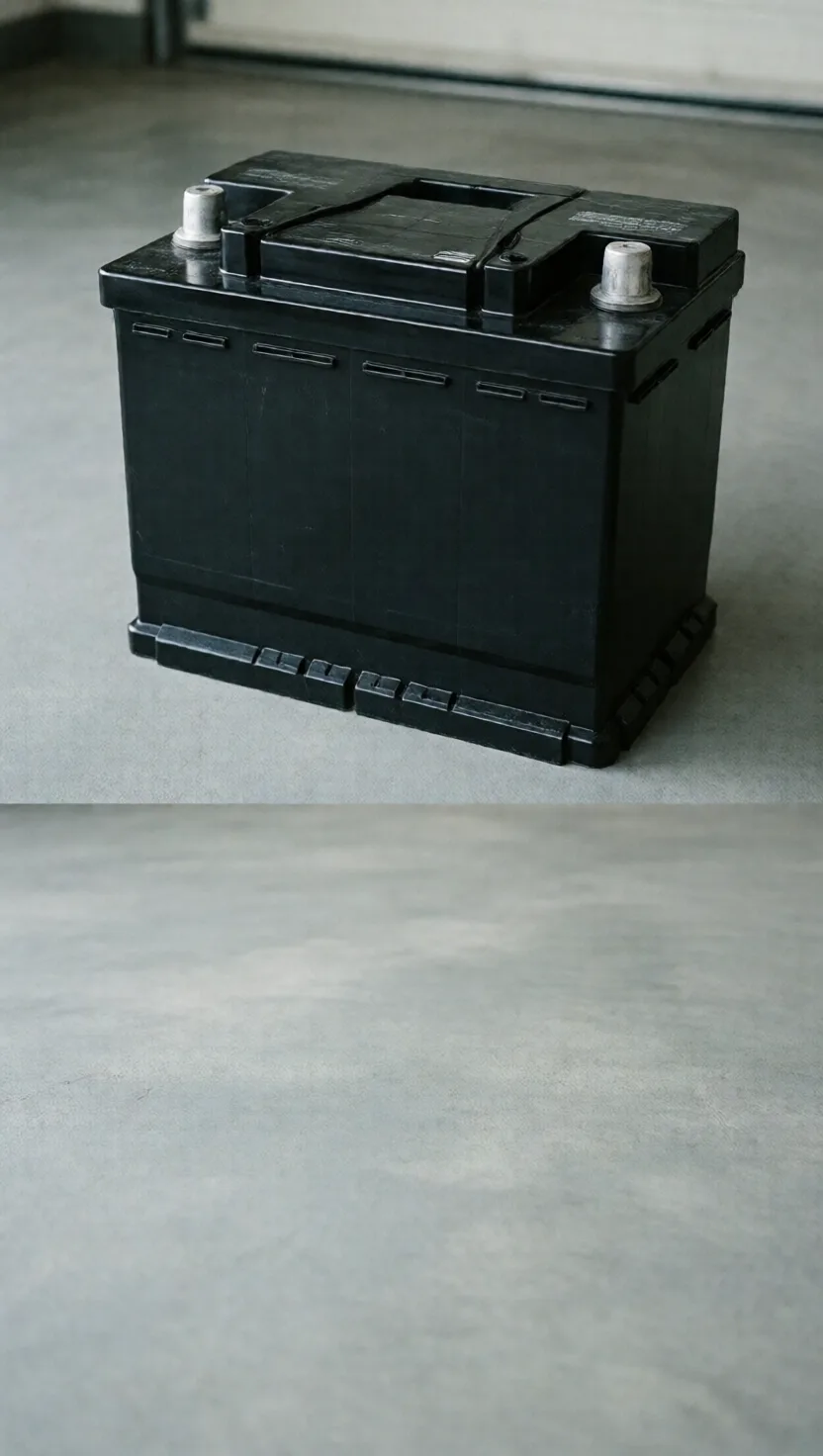
The lead-acid battery was invented in 1859 and still sits under the hood of nearly every car, stacks of lead plates soaking in acid. It is also the most recycled product around: in the United States about 99 percent of these batteries are collected at the end of their life, their lead melted down and poured straight into new ones, the same metal cycling for over a century.
A brick of this metal stops X-rays cold

A brick of this metal stops X-rays cold

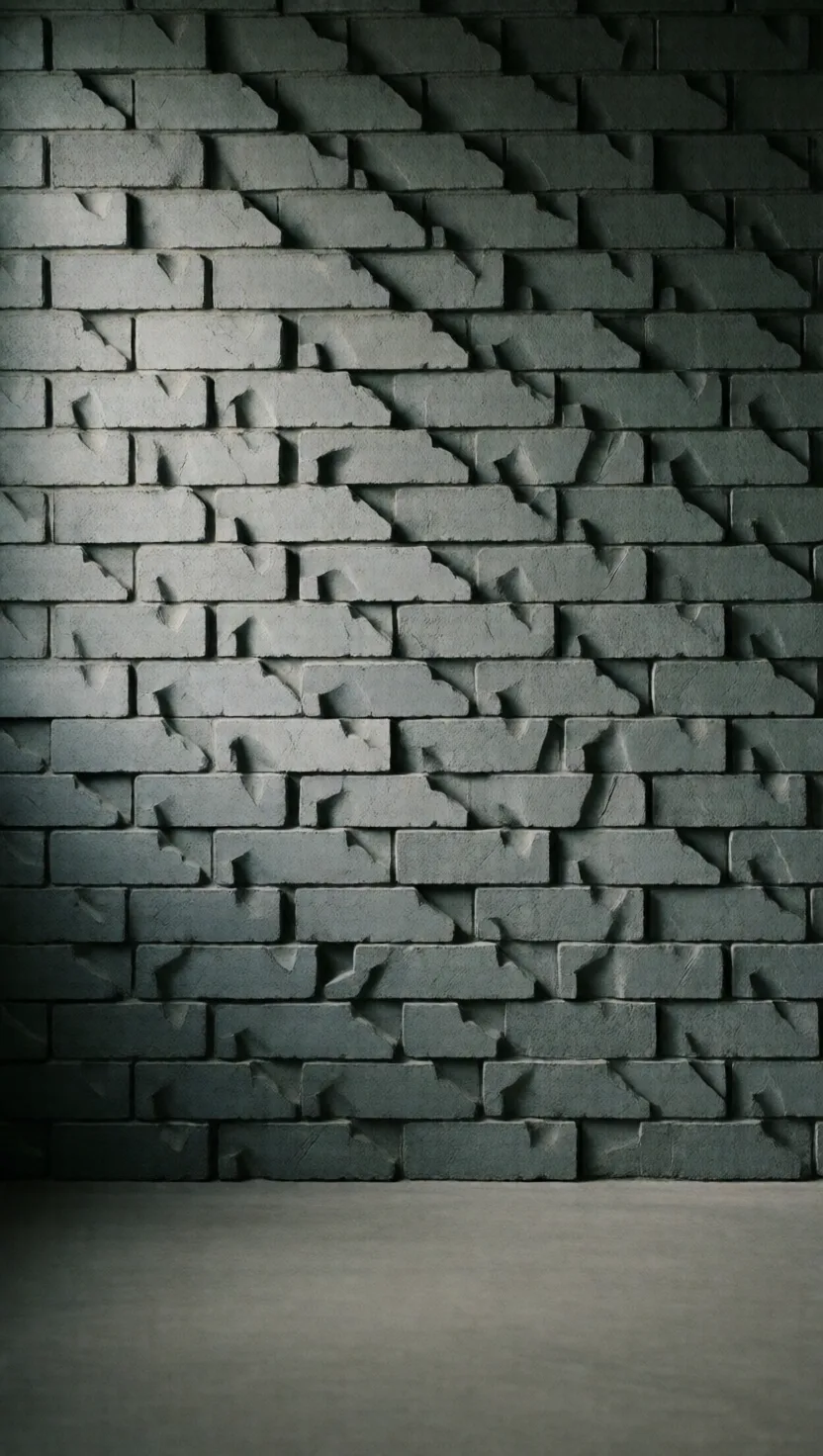
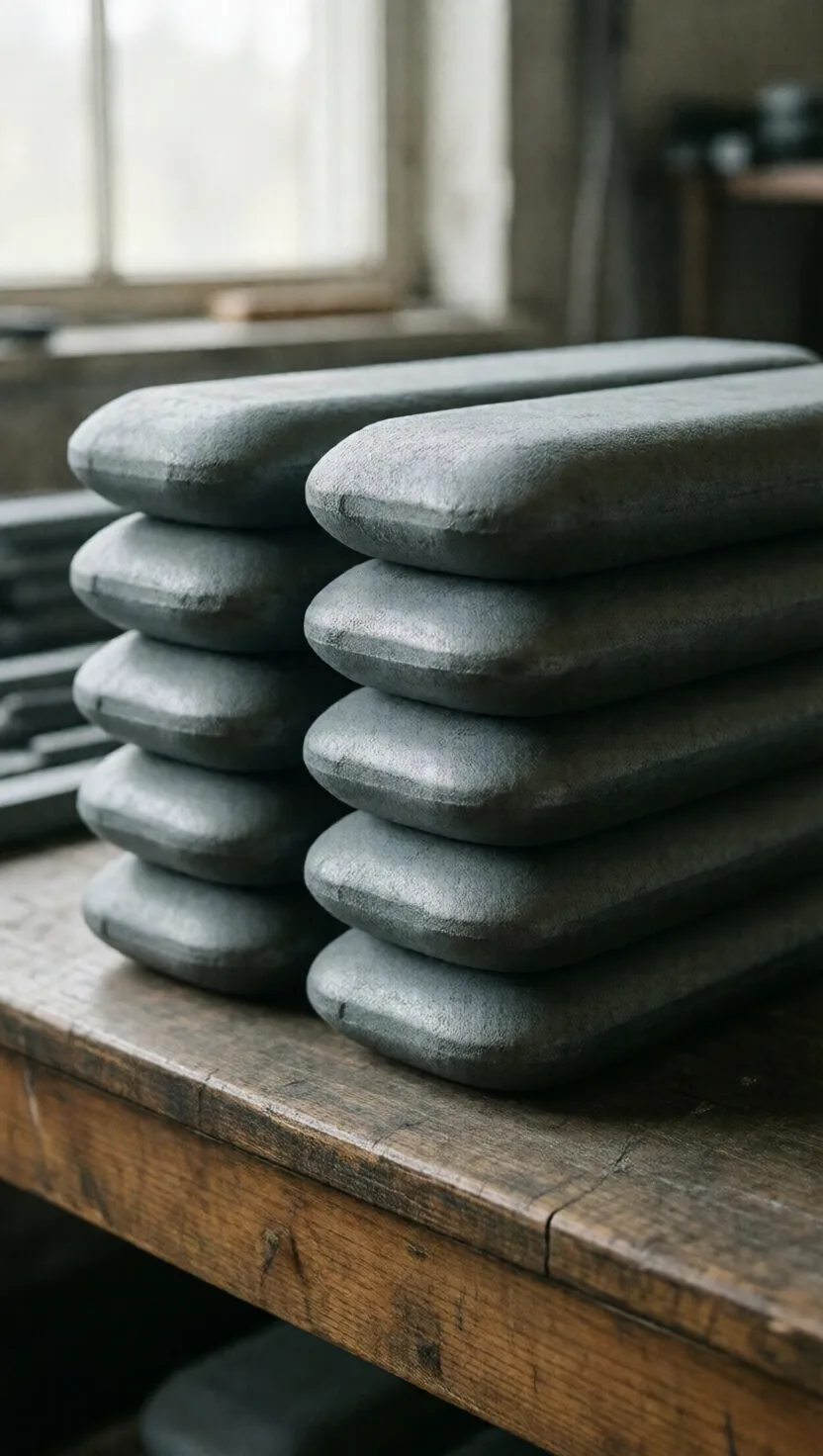
Lead is astonishingly heavy for its size, about 11.34 grams per cubic centimetre, packed with big, dense atoms. Those crowded atoms are very good at soaking up X-rays and gamma rays, absorbing the radiation before it can pass through. That is why a thin lead apron drapes over you for a dental scan, and why stacks of grey lead bricks wall off the rooms where radiation is used.
This metal melts at a temperature your oven can reach

This metal melts at a temperature your oven can reach

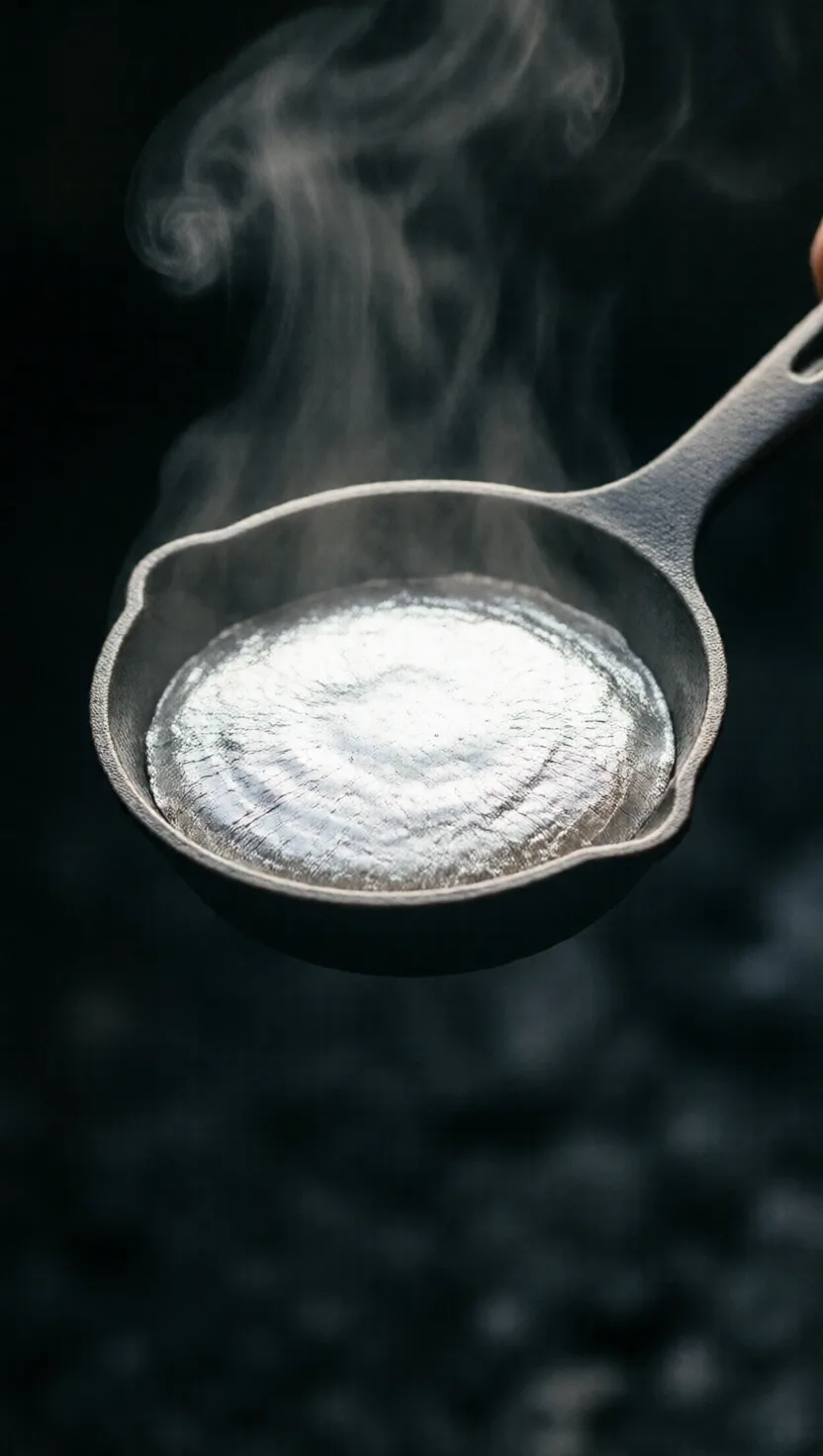
Most metals need a roaring furnace, but lead turns to liquid at just 327.5 degrees Celsius, low enough that a simple flame will pour it. That easy melting is why lead has always been the metal you cast and join: blended with tin it becomes soft solder, the silvery bead that has fused wires, pipes and stained glass for centuries with nothing more than a hot iron.
Rome ran its water through stamped lead pipes

Rome ran its water through stamped lead pipes

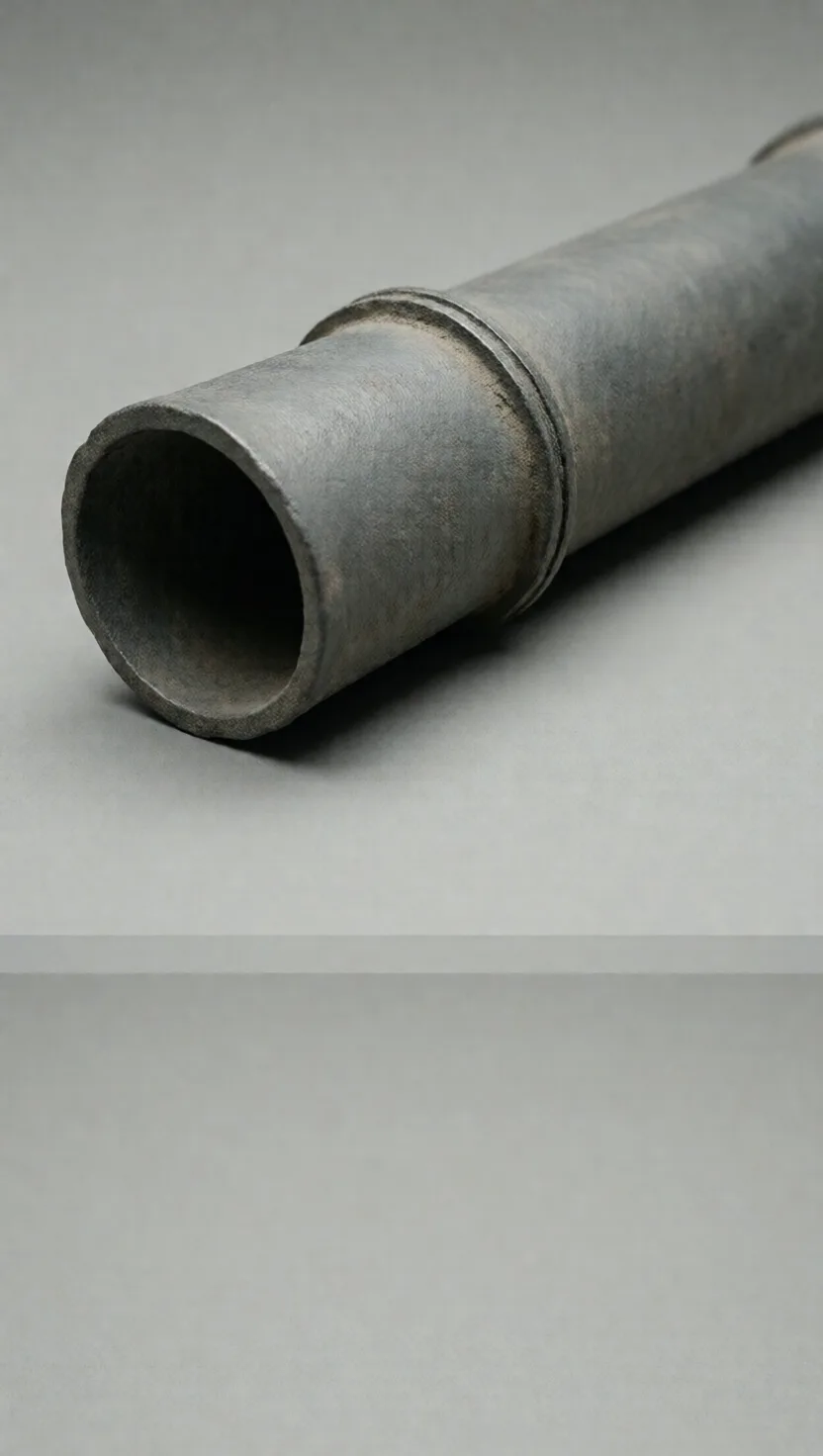
Roman plumbers cast water mains from flat sheets of lead, folding them into long pipes called fistulae and soldering the seam. Many were stamped along their length with the name of the maker or the owner who paid for the water. The Latin word for lead, plumbum, never left us: it is still hiding inside the words plumber and plumbing every time a pipe is fixed today.
Lead tastes sweet — and Rome used it to sweeten wine

Lead tastes sweet — and Rome used it to sweeten wine

One of lead's strangest traits is its flavour: lead acetate, once called sugar of lead, tastes genuinely sweet on the tongue. Romans took advantage of it without knowing the cost, simmering grape juice down in lead pots to make a sweet syrup they stirred into wine and food. The sweetness was real, and so was the slow poisoning that came with every sip they couldn't taste.
tap →swipe ↑ for depthswipe ↓ to exit