Eight things buried in a green beryl crystal

DC·120 Deep Cuts
Emerald and aquamarine are the same mineral

Emerald and aquamarine are the same mineral

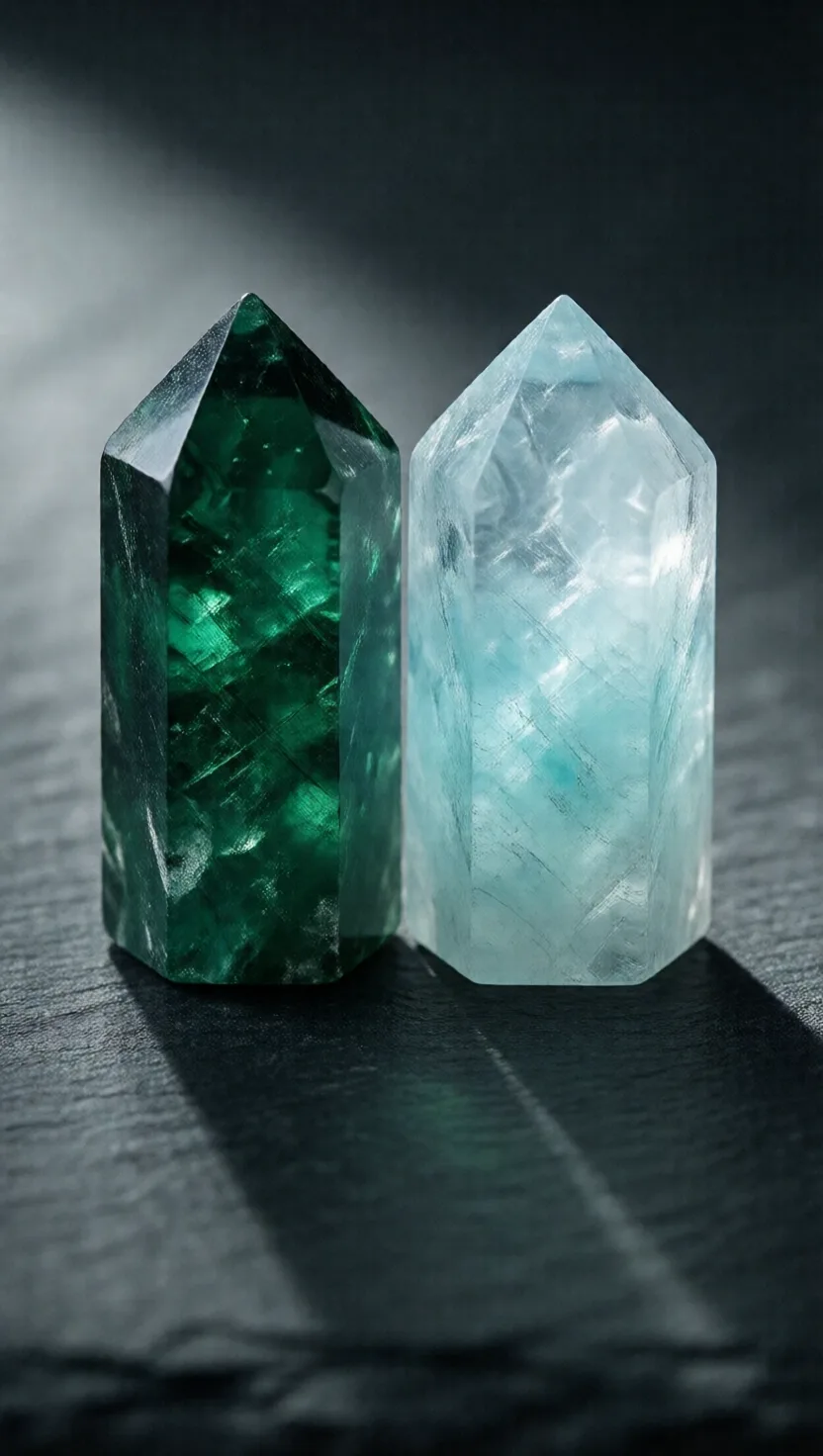
Emerald, aquamarine, pink morganite and golden heliodor are all one mineral: beryl, a beryllium aluminium silicate. Their wildly different colours come from trace impurities present at well under one percent. Chromium and vanadium tint the crystal the deep green of emerald, while iron tints it the blue of aquamarine. Strip the impurities away and pure beryl is colourless.
A wheel of six dark spokes inside one emerald

A wheel of six dark spokes inside one emerald

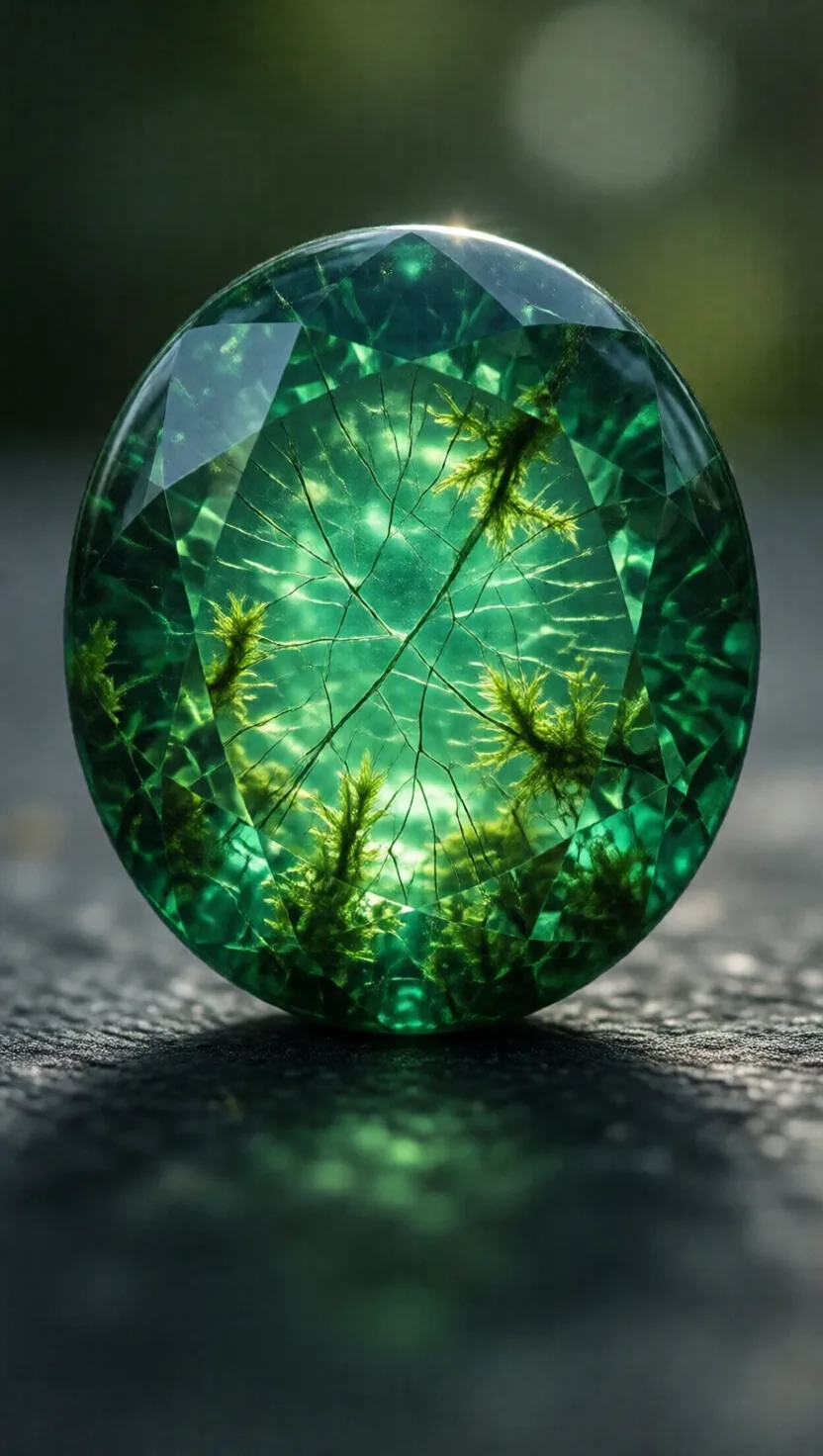
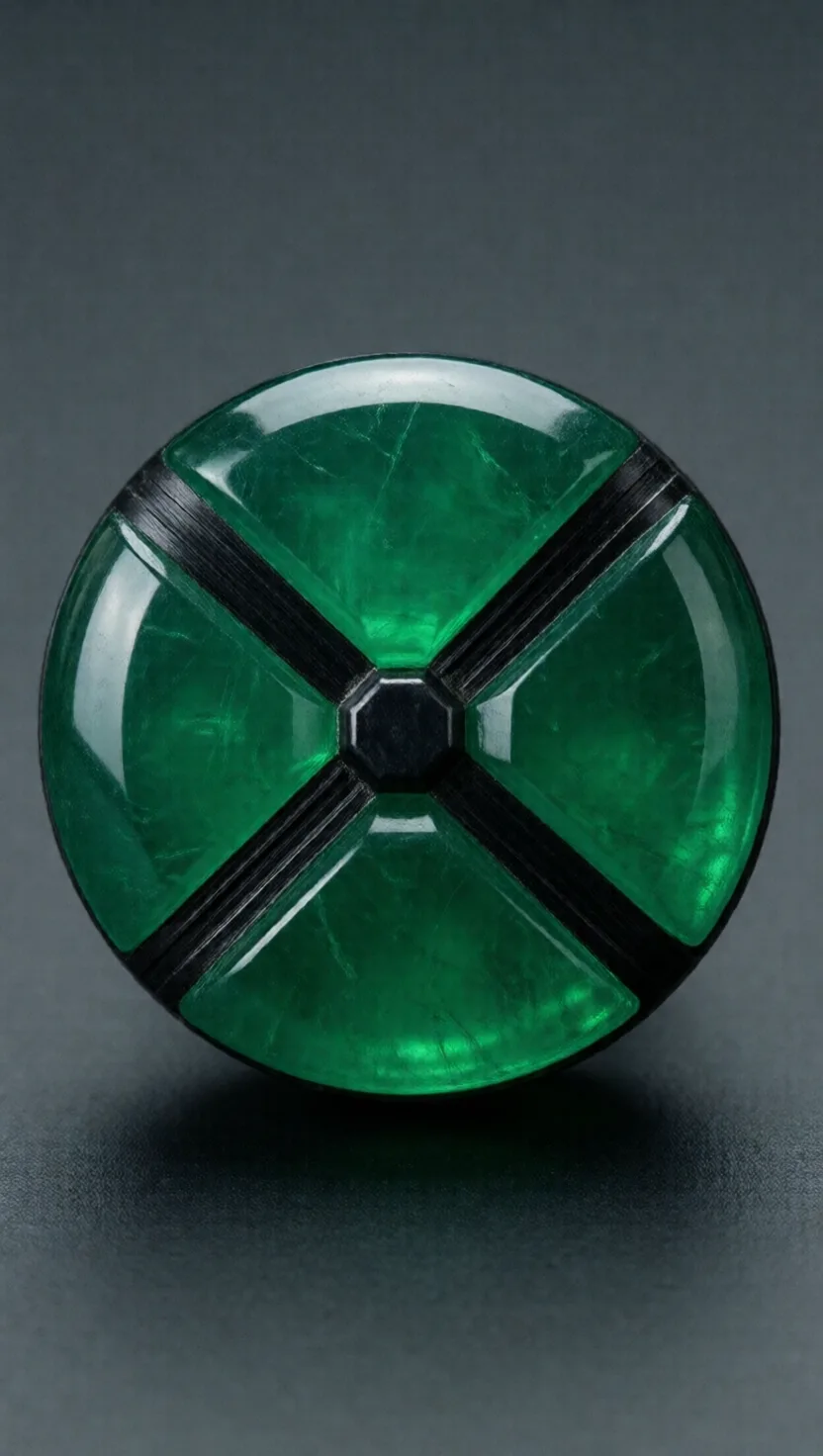
A trapiche emerald carries a six-spoke wheel of dark carbon and mineral inclusions radiating from its centre, splitting the green into six neat segments. The pattern forms as the crystal grows outward in six directions and traps impurities along the seams between them. Found almost only in Colombia, fewer than 2 percent of its emeralds grow this way. The name comes from a spoked sugar-mill wheel.
A spotless emerald is rarer than a spotless diamond

A spotless emerald is rarer than a spotless diamond

Almost every natural emerald is laced with cracks and tiny crystal inclusions that gem traders fondly call the jardin, French for garden. They are so expected that a truly flawless emerald is rarer than a flawless diamond and instantly raises suspicion of being synthetic. Tellingly, emeralds are graded for clarity by the naked eye, while diamonds are judged under 10x magnification.
Nearly every emerald you see has been oiled

Nearly every emerald you see has been oiled

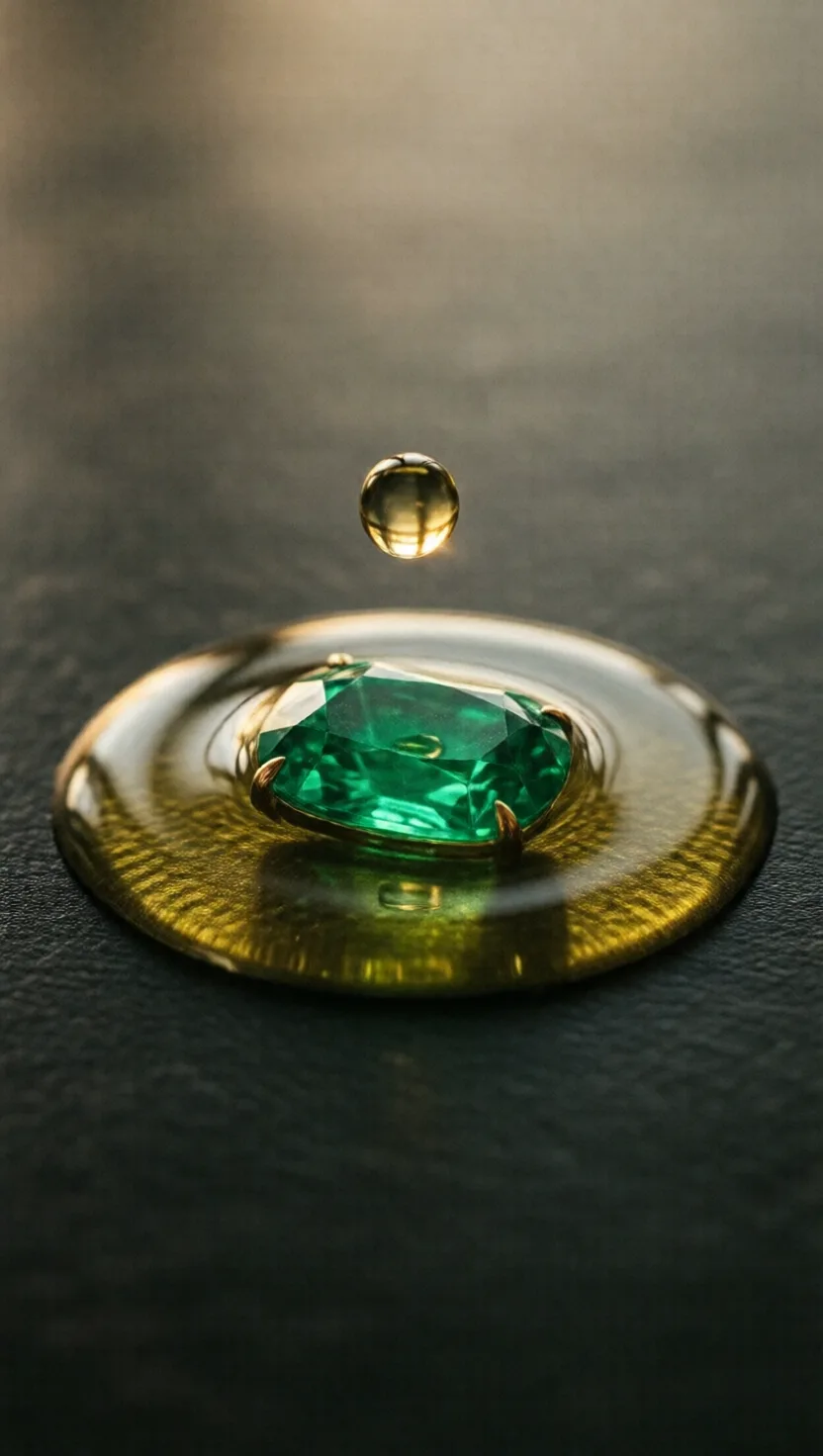
More than 95 percent of emeralds on the market have been soaked in oil, usually clear cedar oil whose refractive index is close to beryl's. It seeps into the stone's surface-reaching fractures and makes them nearly vanish, lifting the apparent clarity. The treatment is ancient and accepted in the trade, but it is not permanent: the oil can dry out over the years and the cloudiness slowly creeps back.
The largest crystal on Earth is a beryl

The largest crystal on Earth is a beryl

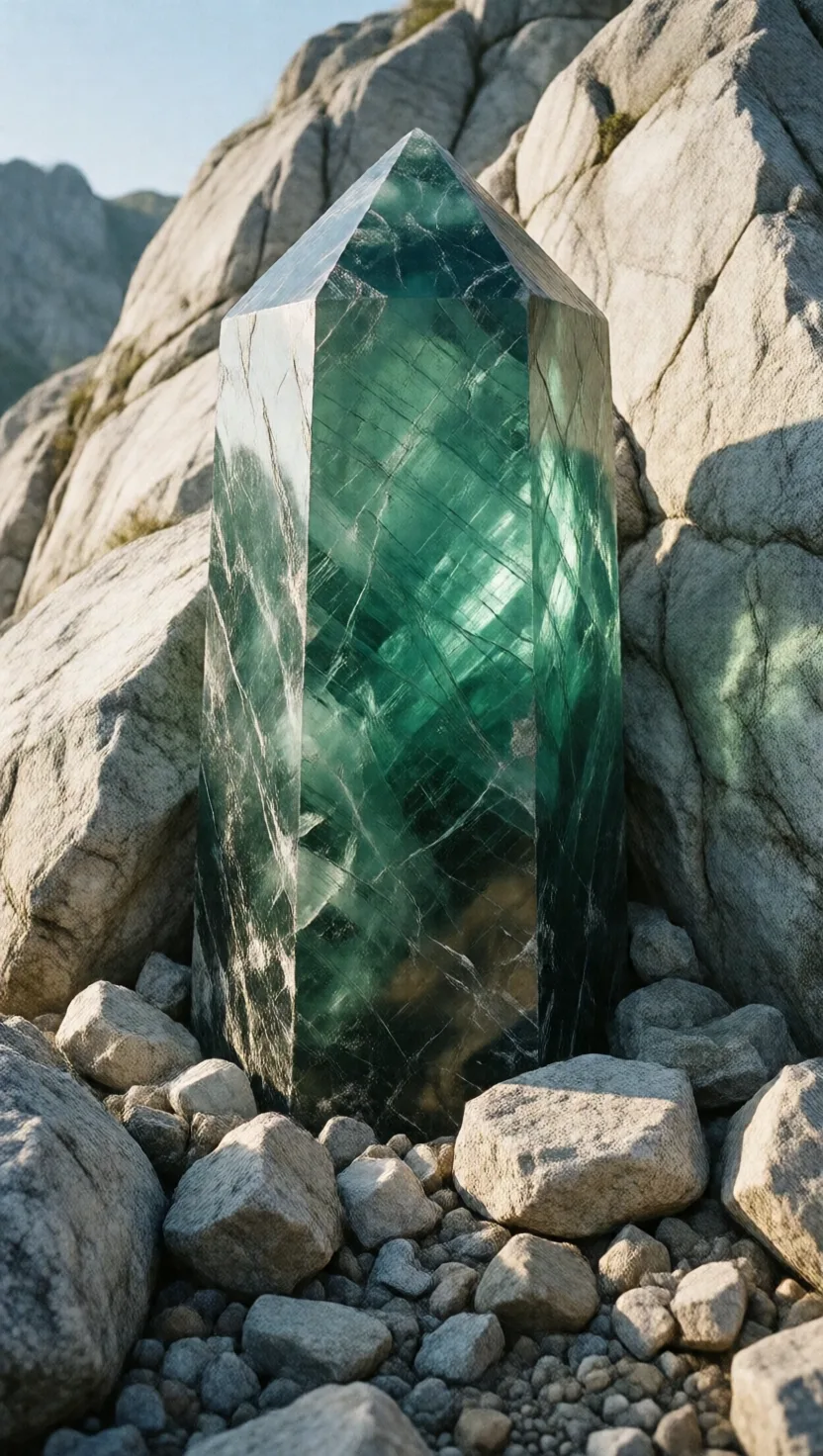
The biggest single crystal ever recorded is a beryl from Malakialina, Madagascar: about 18 metres long, 3.5 metres across, and an estimated 380,000 kilograms, roughly the weight of a loaded jumbo jet. Beryl reaches such giant sizes inside pegmatites, pockets of slow-cooling, water-rich magma where atoms have the room and the time to stack into one enormous, unbroken crystal.
This red gem comes from one mountain range

This red gem comes from one mountain range

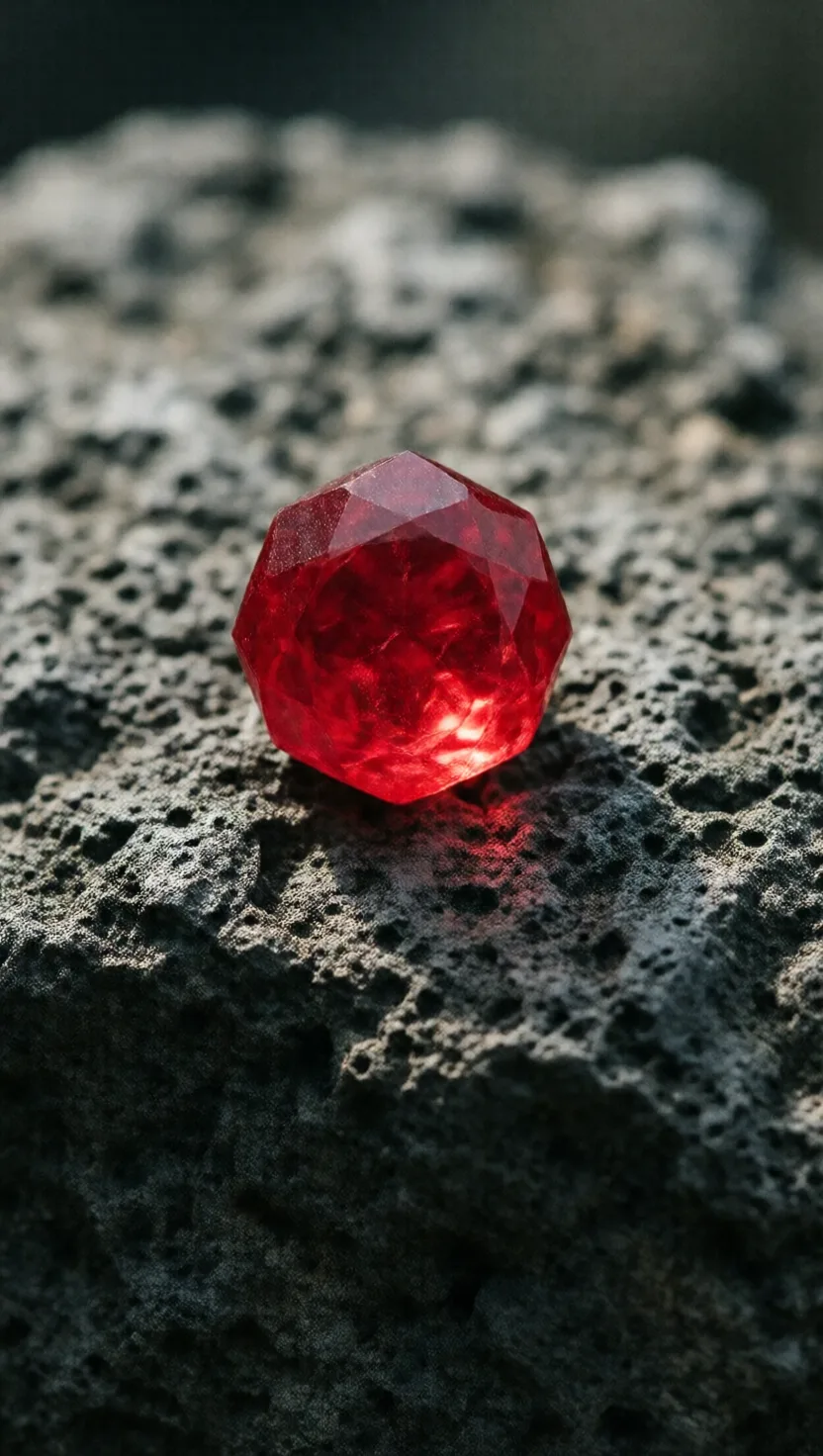
Gem-quality red beryl, coloured by manganese, is so scarce that the only known source on the planet is the Wah Wah Mountains of Utah. Estimates put it at roughly one red beryl crystal for every 150,000 gem diamonds, which makes it well over a thousand times rarer than diamond. The crystals big enough to cut are tiny, rarely more than a few centimetres long, and command thousands per carat.
Beryl ground the first reading lenses in Europe

Beryl ground the first reading lenses in Europe

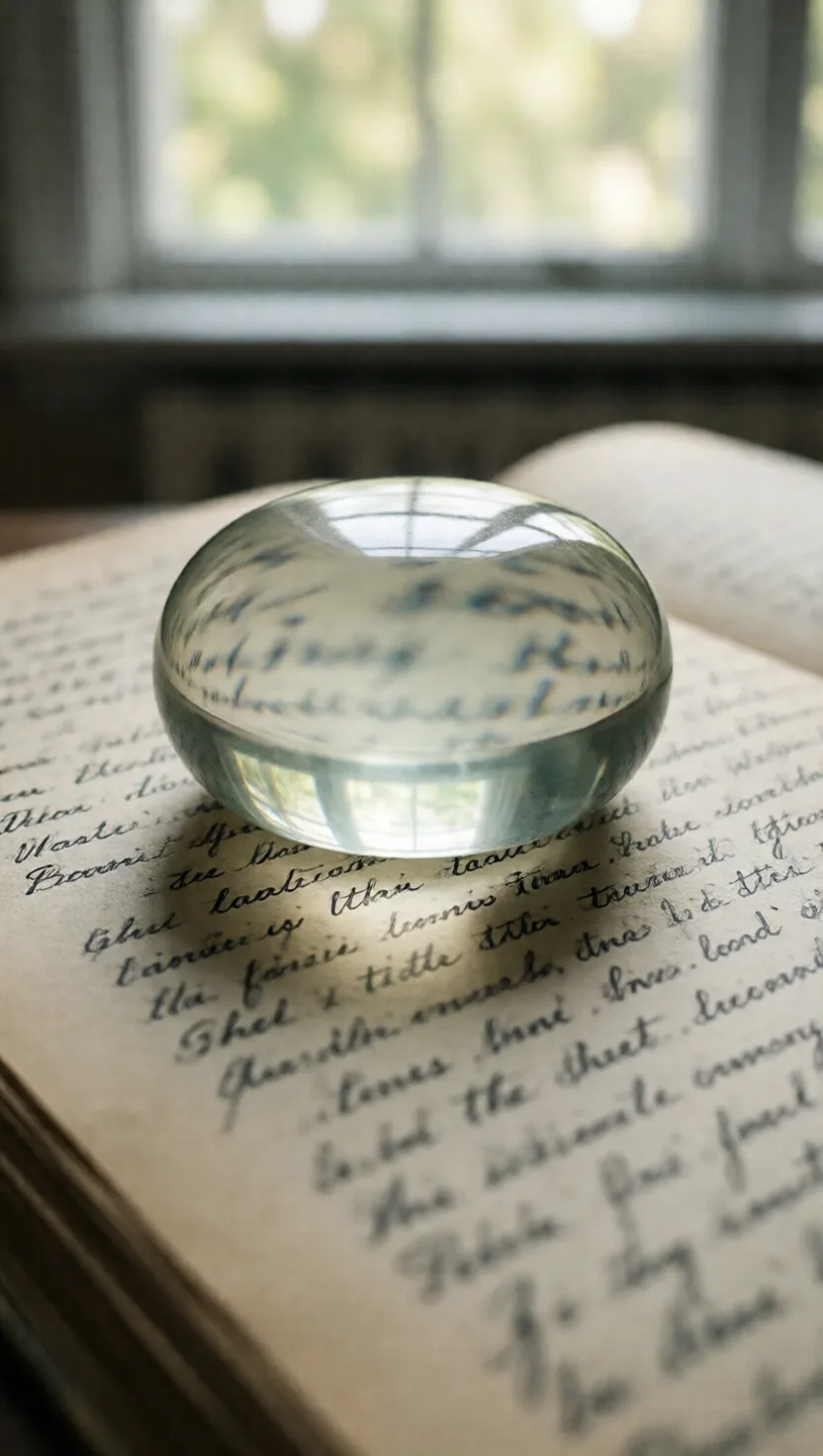
Before clear glass could be made, the first European reading lenses were ground from polished beryl and rock crystal. Laid flat on a page, these plano-convex slabs magnified the letters beneath, and monks called them reading stones. When spectacles appeared in 13th-century Italy, the link stuck so firmly that the German word for glasses, Brille, descends straight from the word beryl.
Most aquamarine started out green or yellow

Most aquamarine started out green or yellow

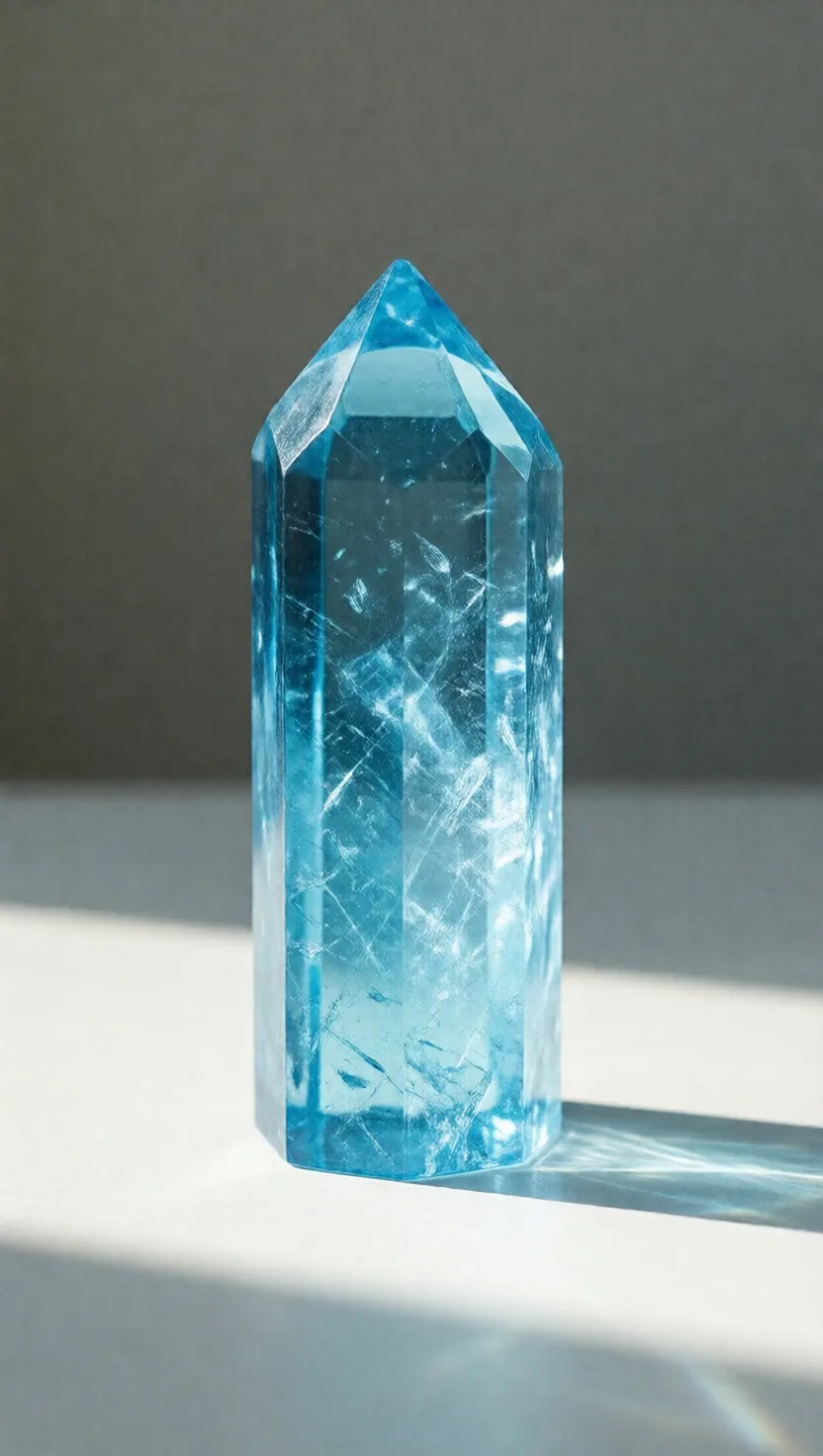
Most aquamarine on the market began as a duller green or yellow-green stone. Gentle heating to around 400 degrees Celsius converts part of its iron content and drives off the yellow tone, leaving the prized pure blue. The change is permanent and accepted in the trade. The blue of aquamarine and the green of emerald are simply two moods of one mineral, set by which metals slipped into the crystal.
tap →swipe ↑ for depthswipe ↓ to exit