Eight things animals know through their whiskers

DC·102 Deep Cuts
A blind seal can follow a fish that left 30 seconds ago

A blind seal can follow a fish that left 30 seconds ago

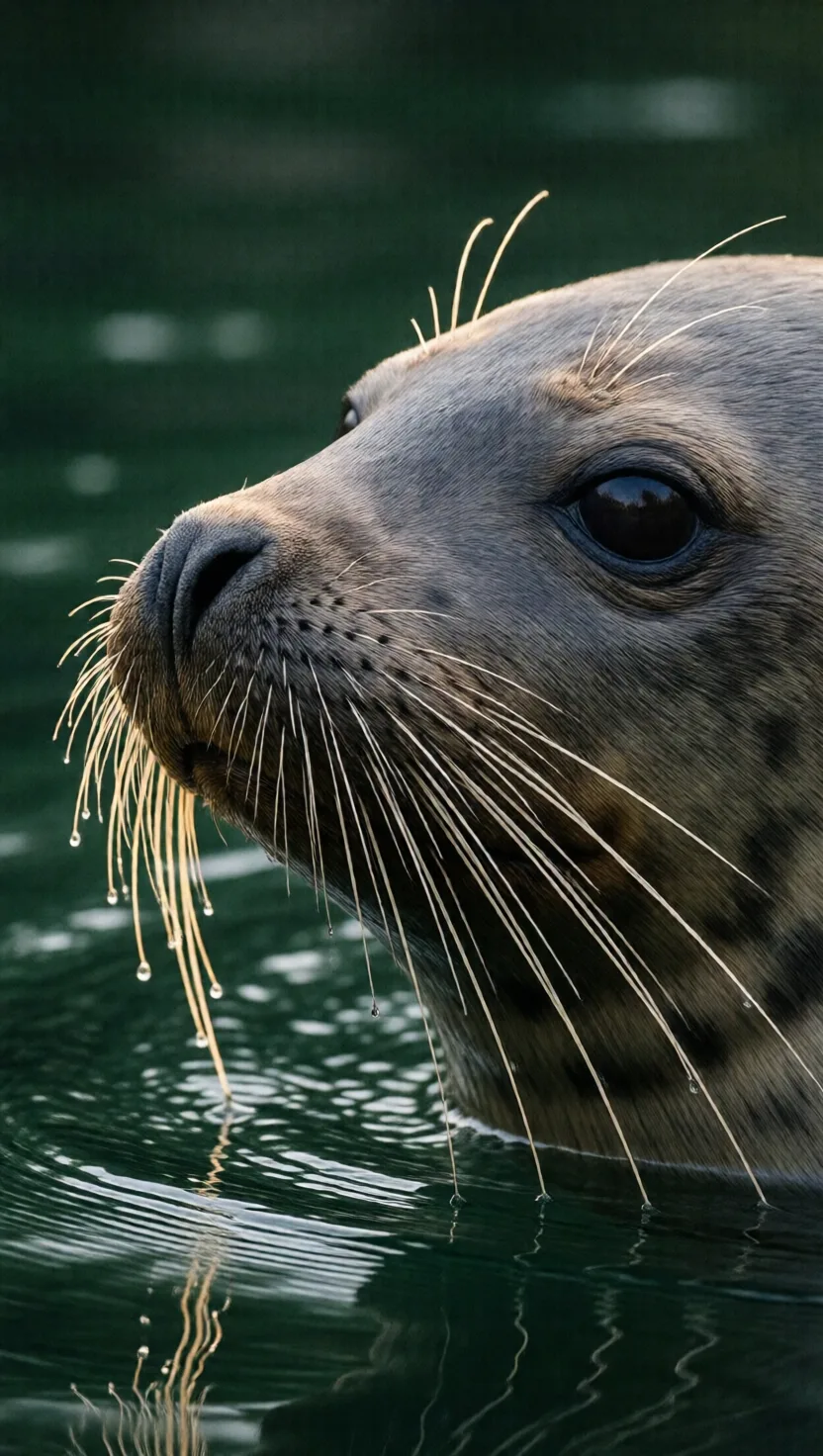
A harbour seal's whiskers aren't simple feelers — they read the swirling wake a fish leaves behind. Blindfolded, with its ears covered, a seal can lock onto that hydrodynamic trail and follow it for up to 40 metres, even half a minute after the fish has passed. The whisker's wavy, undulated surface cancels the buzz of the seal's own swimming, so only the prey's turbulence comes through.
Each whisker has its own dedicated spot in the brain

Each whisker has its own dedicated spot in the brain

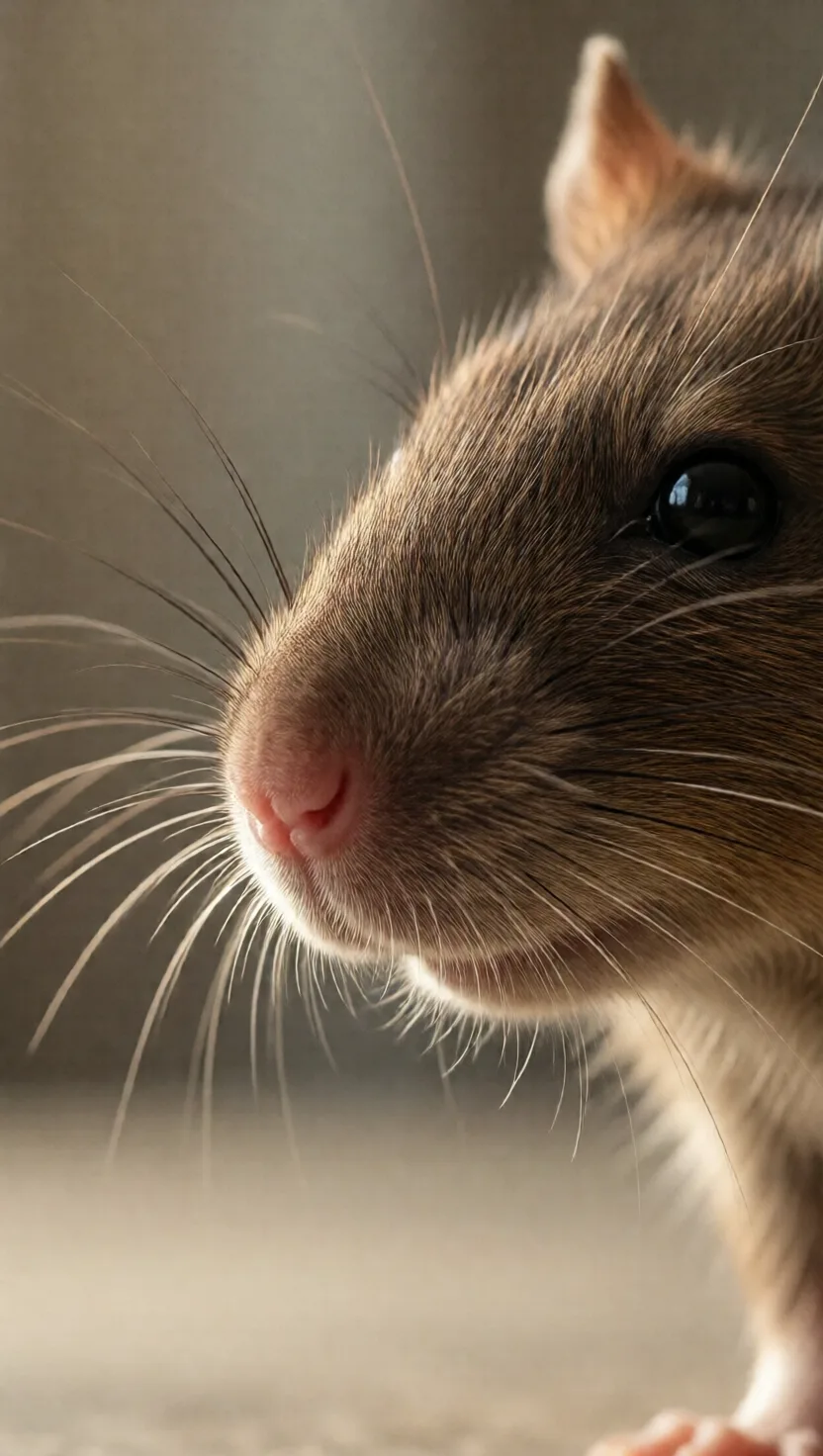
A rat 'whisks' — sweeping its whiskers back and forth 5 to 25 times a second to feel the world the way we glance with our eyes. The map is astonishingly precise: in the brain's touch cortex, every single whisker has its own discrete cluster of cells, a 'barrel.' Remove one whisker in a young rat and its barrel shrinks. The grid of barrels copies the snout exactly, one barrel per hair.
A manatee feels with its whole body, not just its face

A manatee feels with its whole body, not just its face

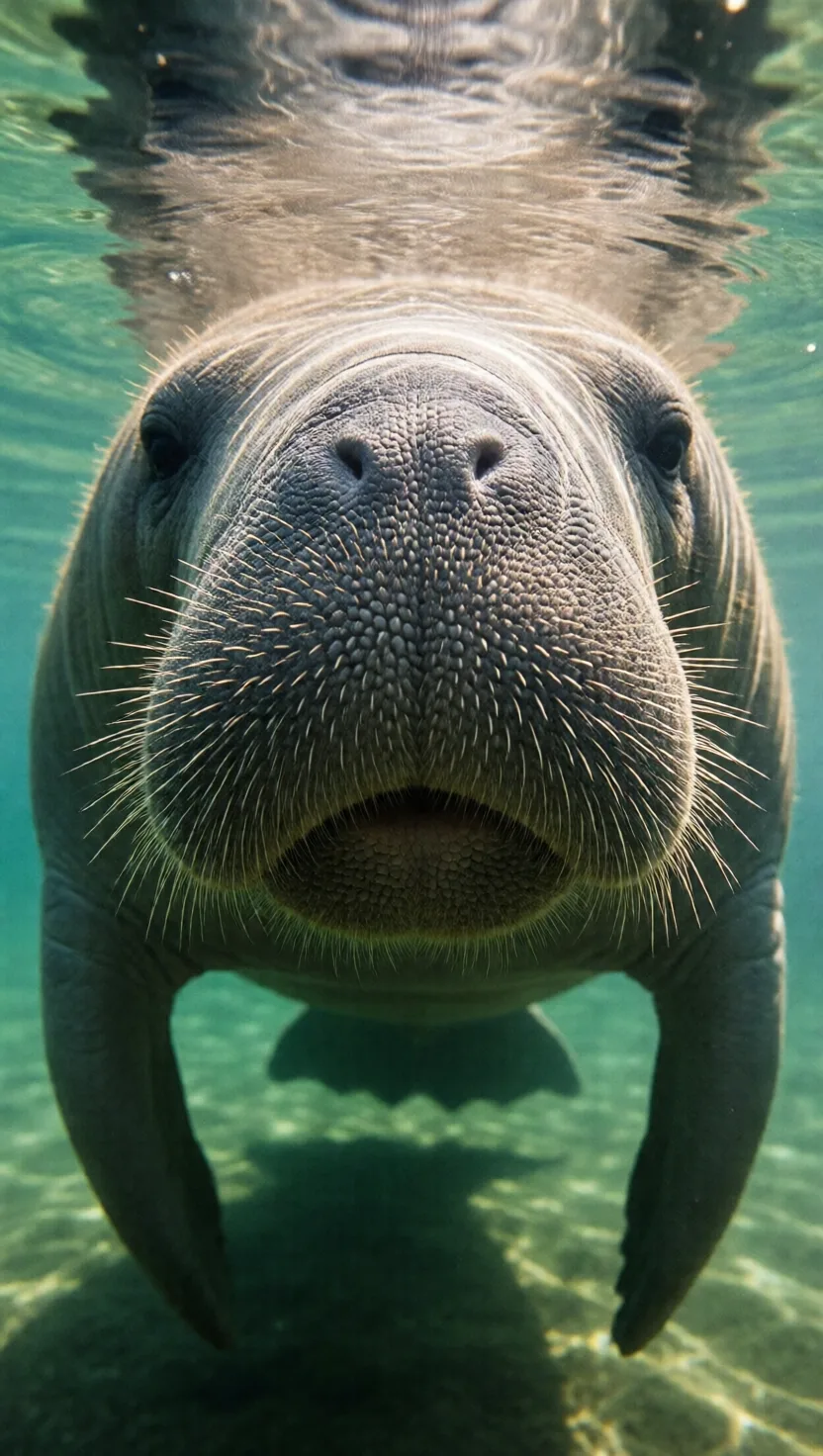
Manatees are nearly hairless, yet they're studded with thousands of sensory bristles — about 2,000 around the face alone and roughly 1,500 more per side along the body. The thick facial bristles work like fingers: a manatee can flare them out to grip and explore a plant, a trick biologists call oripulation. Around 110,000 nerve fibres feed this body-wide sense of touch.
Whiskers are dead — the feeling happens at the root

Whiskers are dead — the feeling happens at the root

Trimming a whisker doesn't hurt, because the long shaft is inert keratin, the same dead protein as hair, with no nerves of its own. It works as a lever. At its base sits the follicle-sinus complex, a blood-filled capsule packed with mechanoreceptors — a single whisker root can carry well over a hundred nerve fibres that fire at the faintest bend or twist of the shaft above.
A walrus finds clams in the dark with 700 whiskers

A walrus finds clams in the dark with 700 whiskers

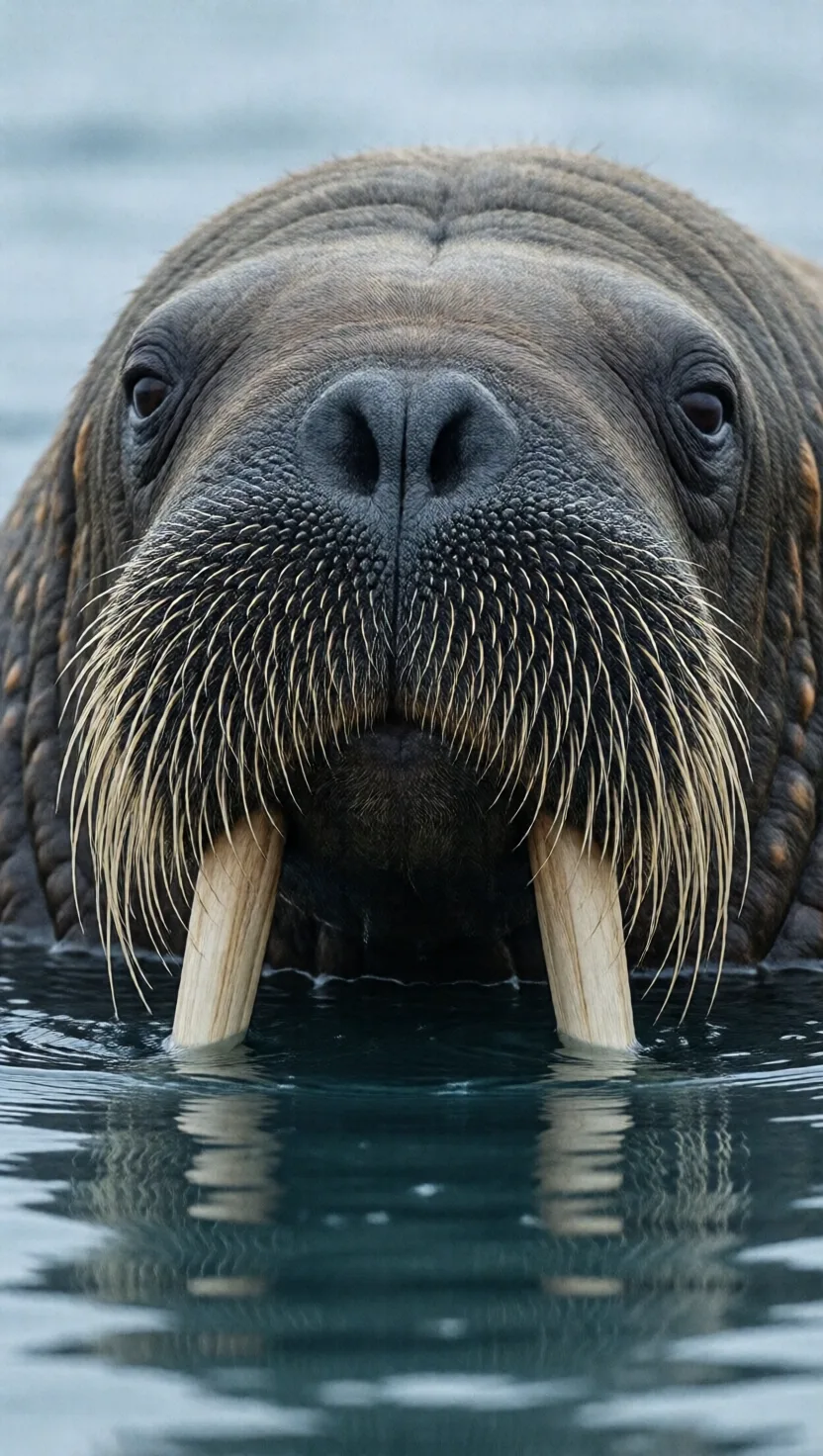
On the lightless Arctic seabed a walrus hunts by touch. Its moustache carries 400 to 700 stiff whiskers, each wired to a dense bundle of nerves, sweeping the mud to tell a buried clam from a pebble. It doesn't dig with its tusks — it seals its lips to the shell and sucks the animal out with a vacuum so strong that captive walruses have stripped paint from walls.
Mole-rats steer through tunnels using body whiskers

Mole-rats steer through tunnels using body whiskers

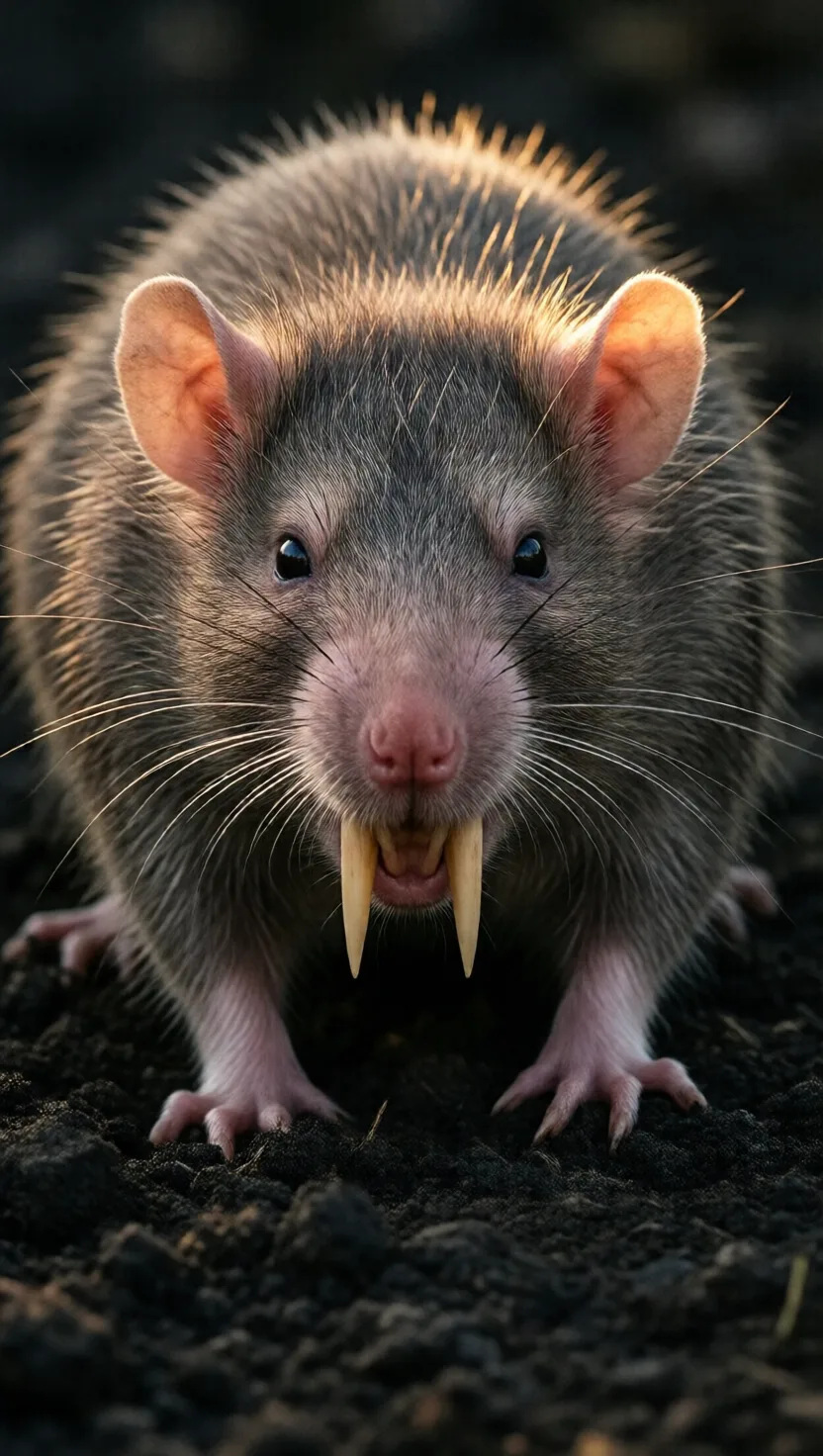
Almost blind, the naked mole-rat reads its pitch-black burrow with whiskers scattered along its whole body — about 40 down each side, set in a grid. Brush just one and the animal instantly swings its snout to that exact spot, a built-in touch map of its tunnel walls. These body hairs are wired more like facial whiskers than ordinary fur.
The smallest mammal kills by touch in 1/30th of a second

The smallest mammal kills by touch in 1/30th of a second

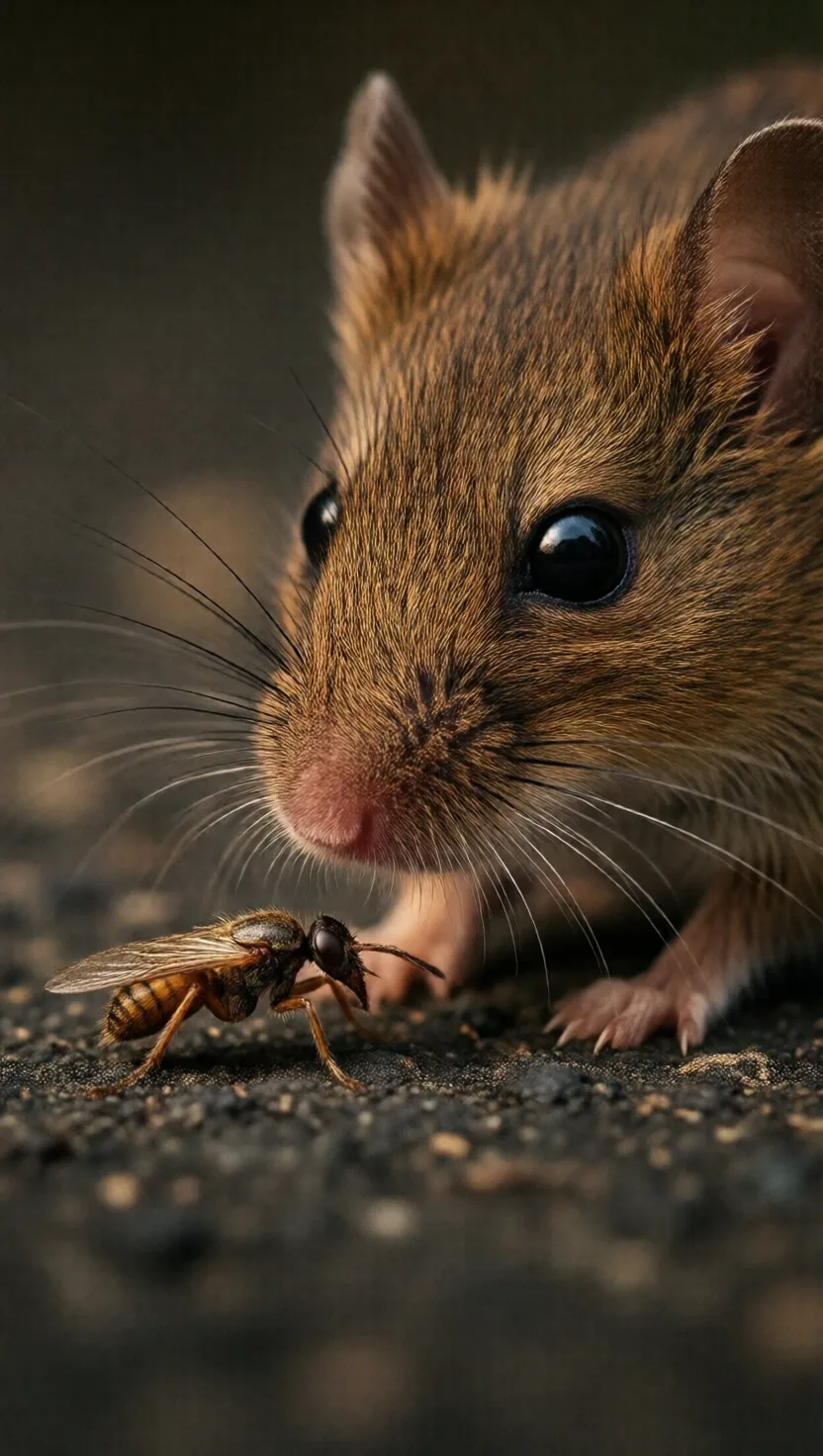
The Etruscan shrew weighs less than a coin, yet it's one of the fastest hunters known. In darkness it whisks at about 14 sweeps a second, and when a whisker grazes prey it strikes in just 25 to 30 milliseconds — faster than you can blink — recognising the shape of an insect from a single touch, all in a brain some 20,000 times smaller than ours.
Your cat has hidden whiskers on the backs of its legs

Your cat has hidden whiskers on the backs of its legs

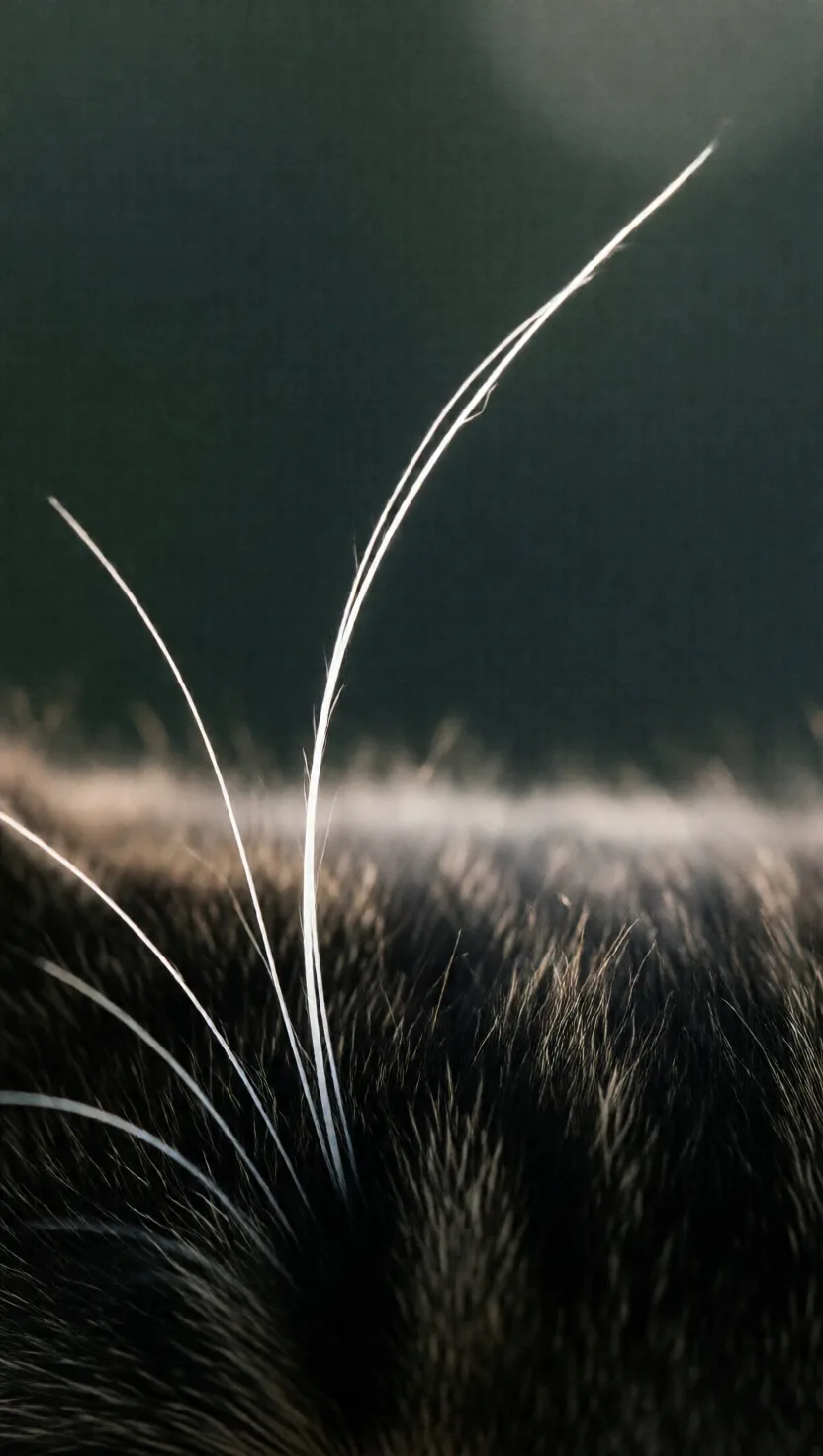
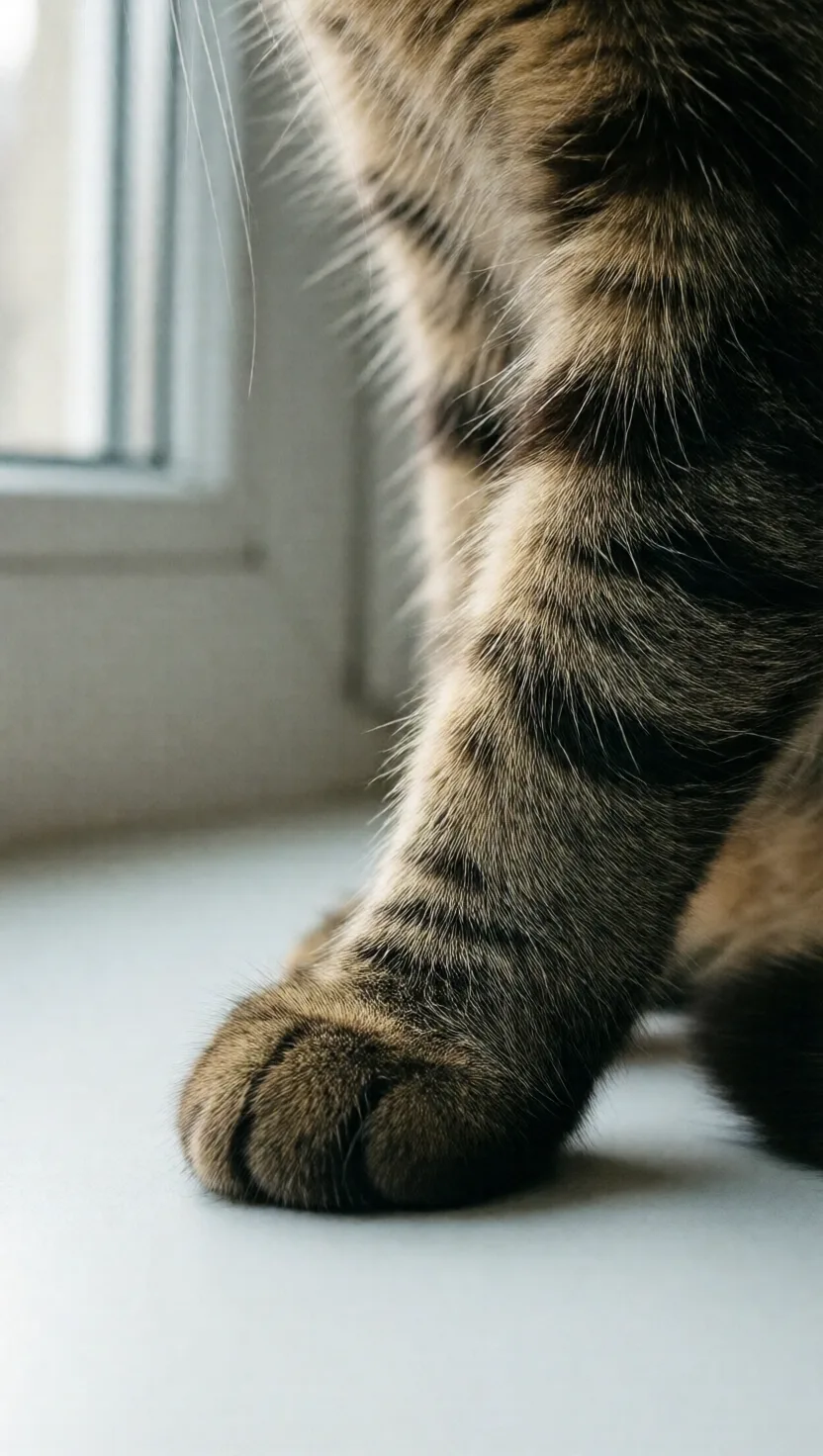
Look at the back of a cat's front leg, just above the paw, and you'll find a small tuft of stiff hairs: the carpal whiskers. Cats are far-sighted and can't focus on what's right under their nose, so these leg whiskers feel the prey trapped in their paws — sensing whether it's still struggling and exactly where to bite, even when the cat can't see it.
tap →swipe ↑ for depthswipe ↓ to exit