Eight things animals do that you don't expect

DC·03 Deep Cuts
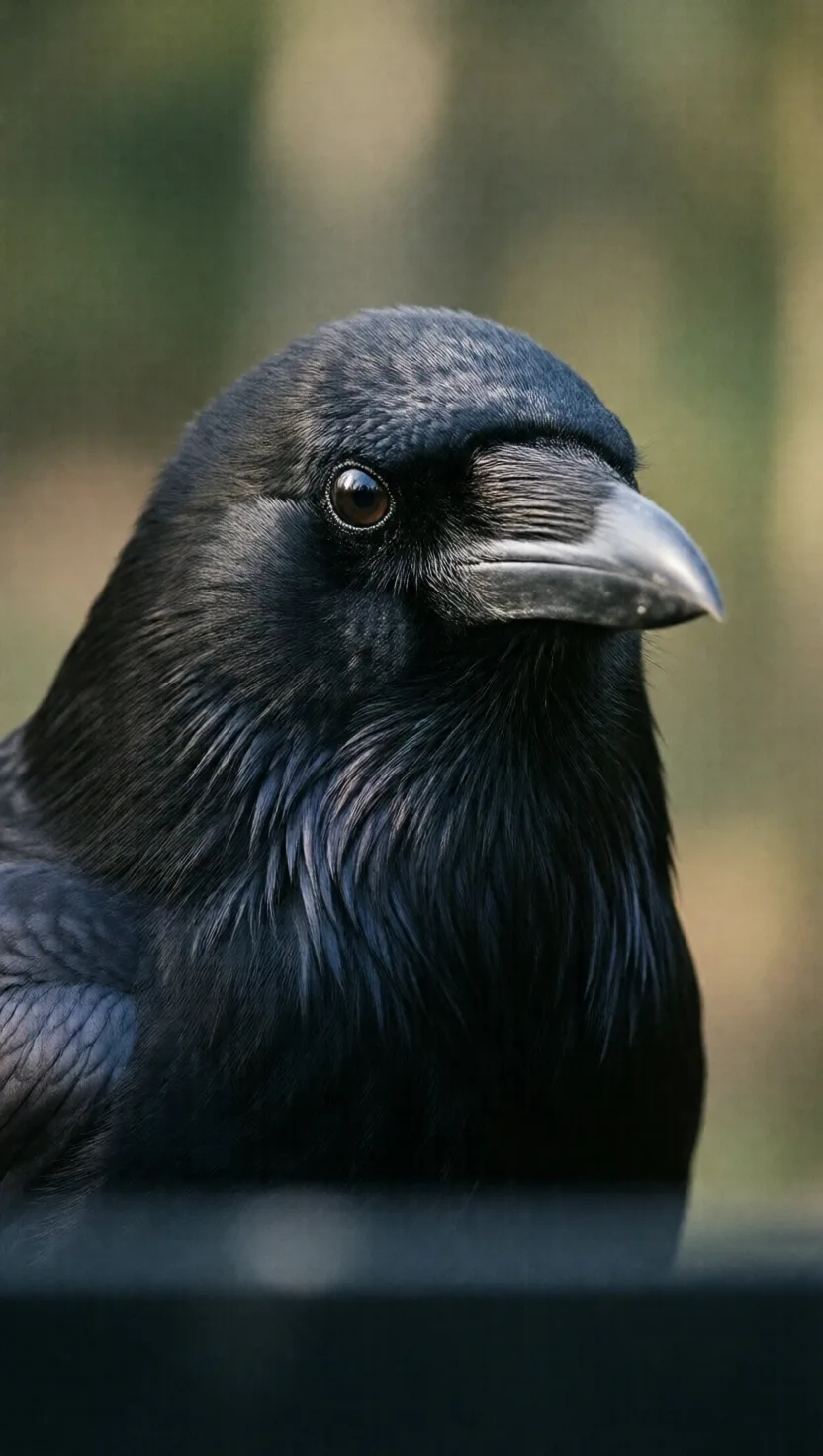
Crows remember a face that wronged them — for years

Crows remember a face that wronged them — for years

Researchers who trapped crows while wearing a mask were scolded by those same crows years later — and even by crows that never witnessed it. They recognise individual faces, hold the grudge, and teach it to their flock and their chicks.
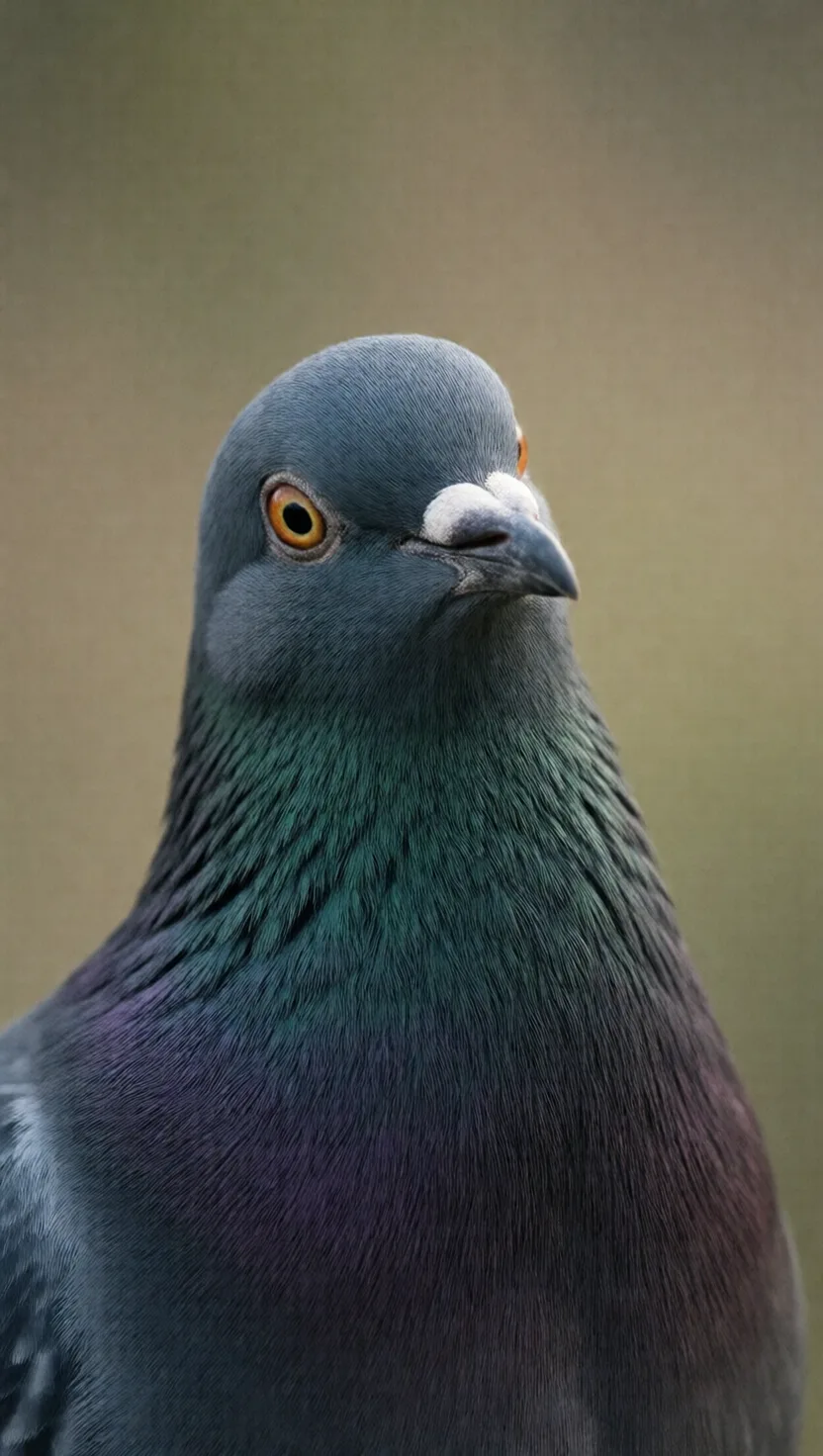
Pigeons can tell a Monet from a Picasso

Pigeons can tell a Monet from a Picasso

Trained pigeons sorted paintings by Monet versus Picasso with over 90% accuracy — then correctly classified artists they'd never seen, generalising Monet to other Impressionists and Picasso to other Cubists.
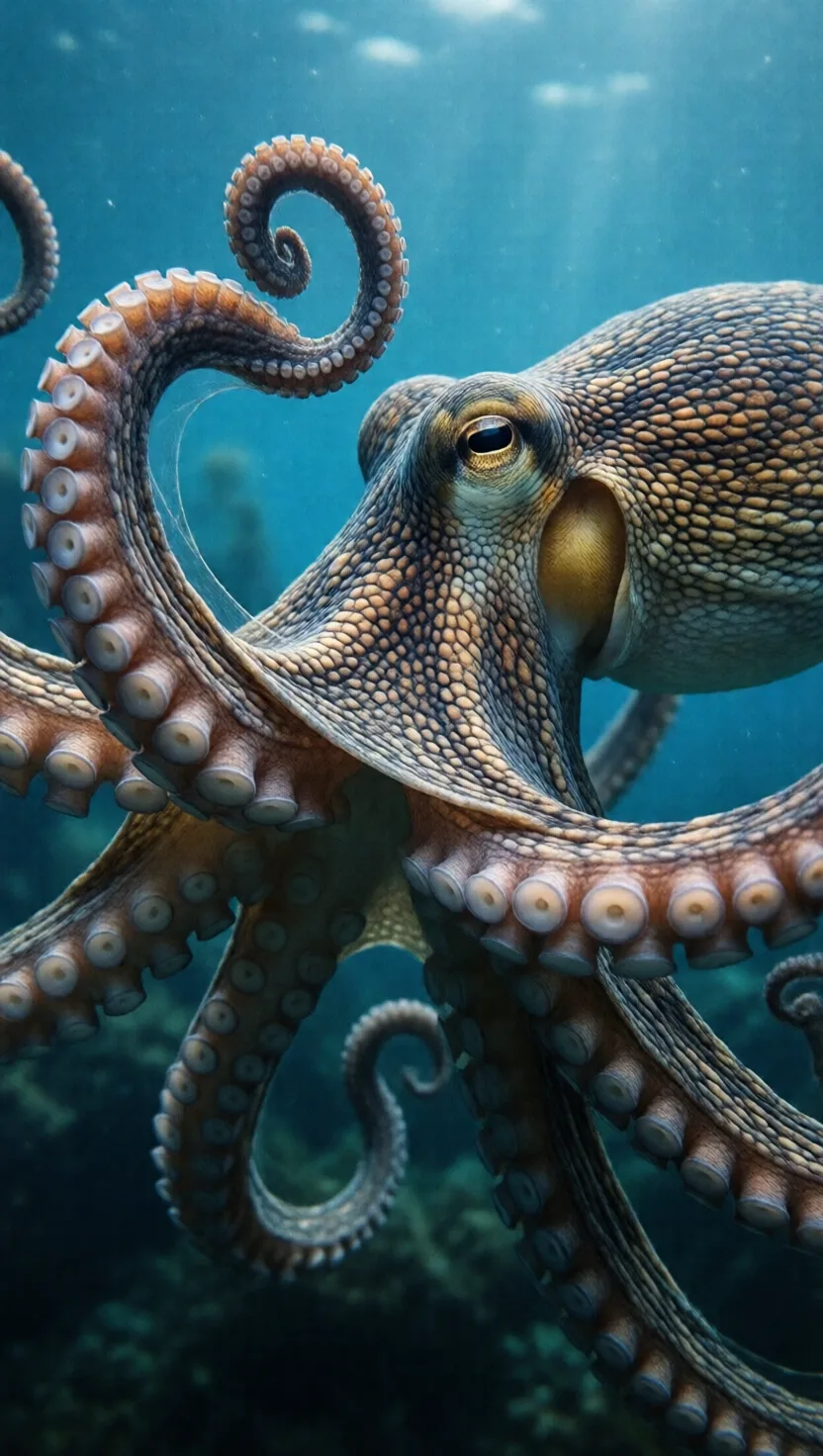
An octopus has three hearts and blue blood

An octopus has three hearts and blue blood

Two hearts pump blood through the gills and one to the body. The blood is blue because it carries oxygen on copper instead of iron — and the main heart stops when it swims, which is part of why octopuses prefer to crawl.
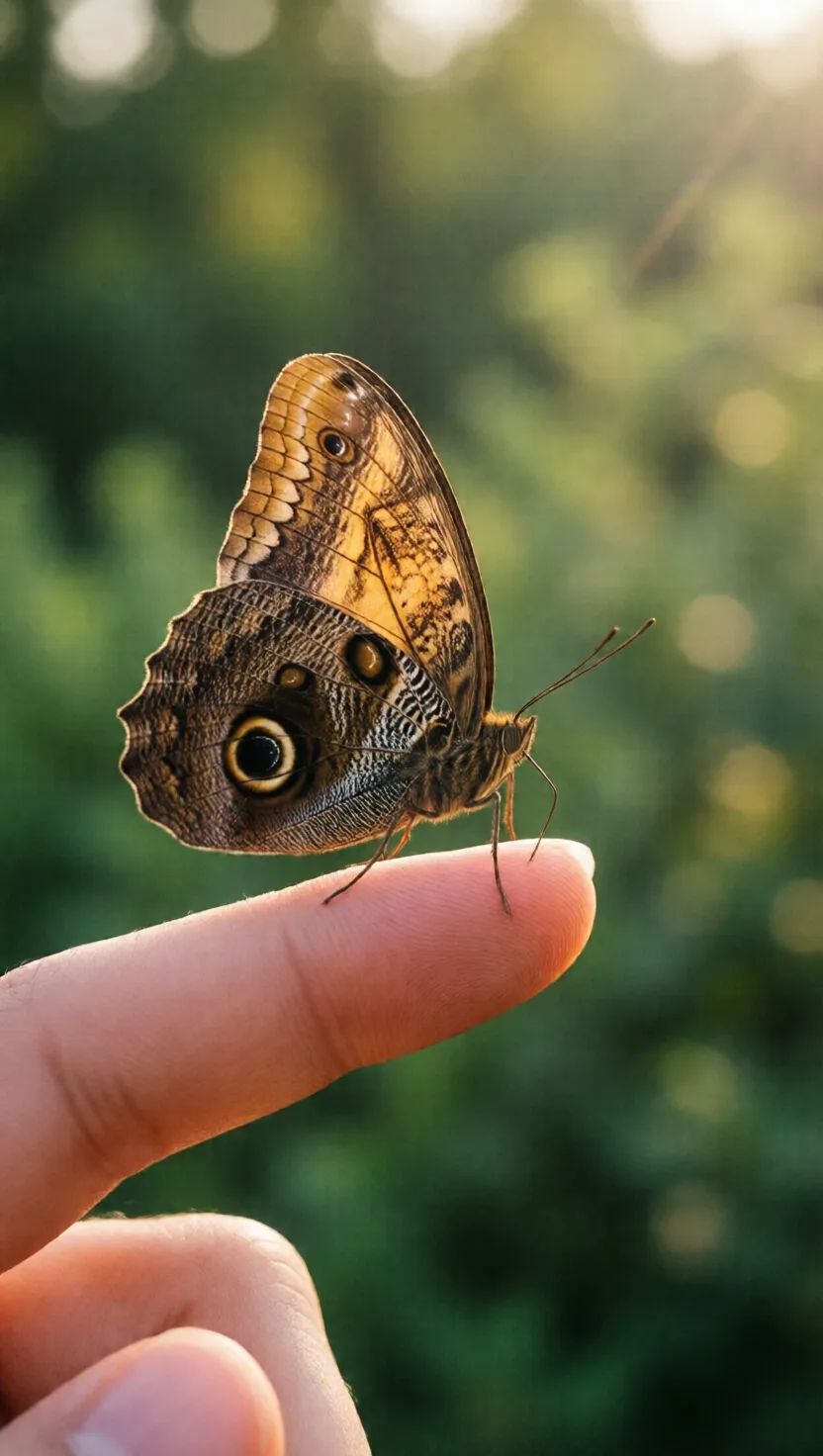
Butterflies taste with their feet

Butterflies taste with their feet

Taste sensors sit on their feet, so a butterfly 'tastes' a leaf just by landing on it — that's how a female checks she's found the right plant to lay her eggs on.
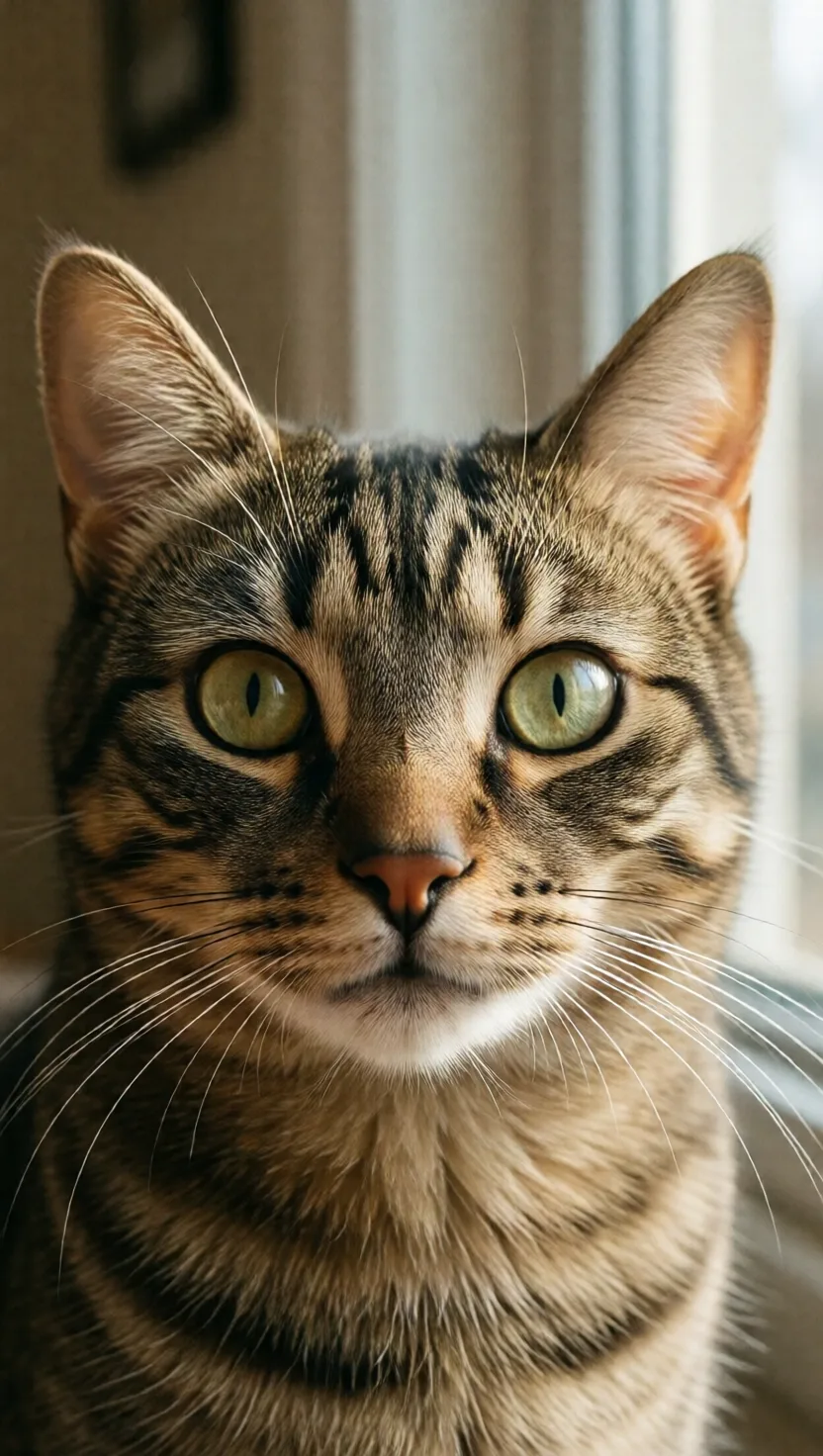
Cats can't taste sweetness

Cats can't taste sweetness

House cats and big cats are all missing a working copy of the gene for the sweet receptor. As strict carnivores they never needed it — your cat is genuinely indifferent to sugar.
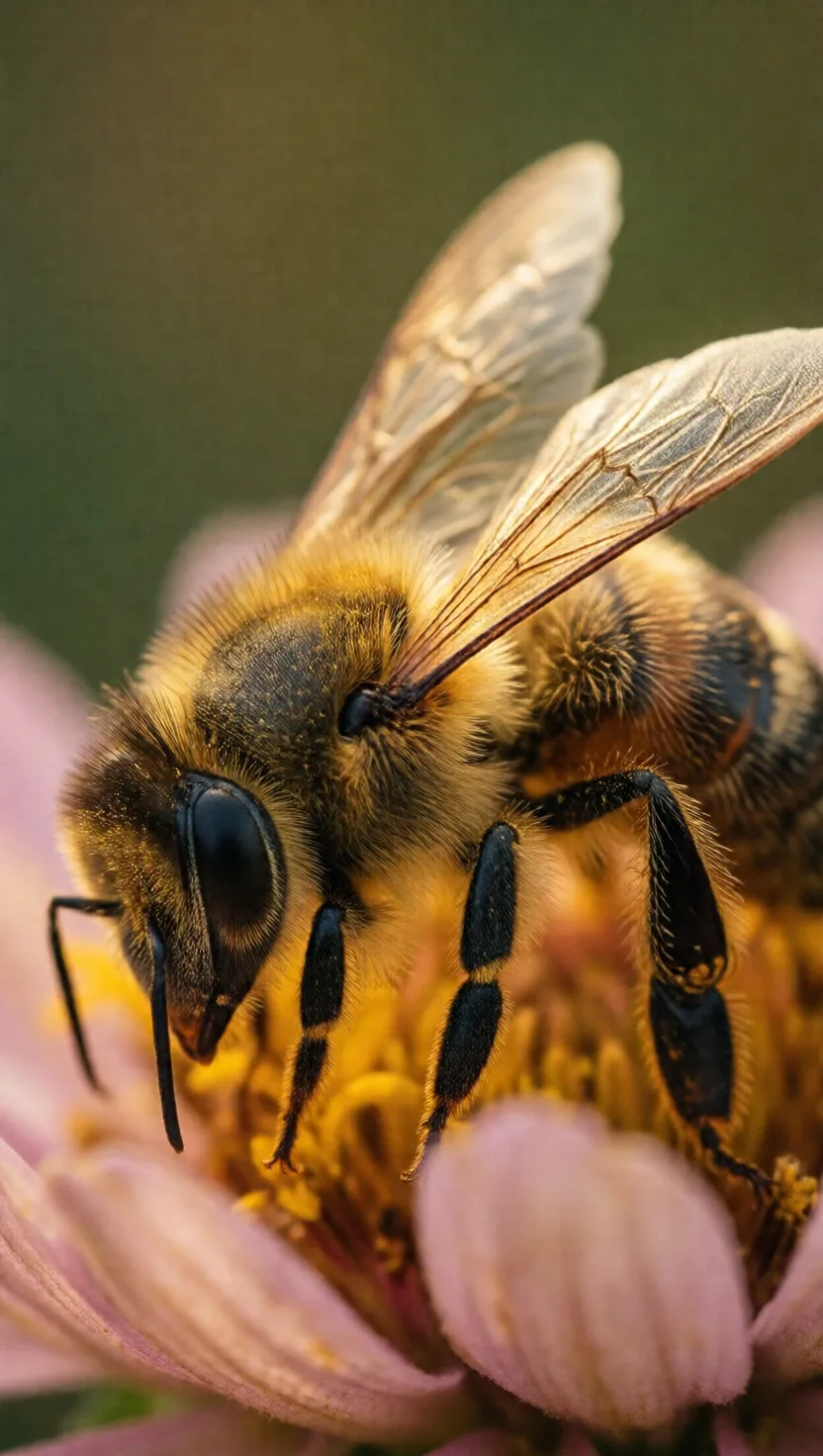
Honeybees can recognise human faces

Honeybees can recognise human faces

With about a million neurons, bees learned to single out specific human faces using the same 'configural' processing we do — fitting eyes, nose and mouth into a whole — and still remembered them days later.
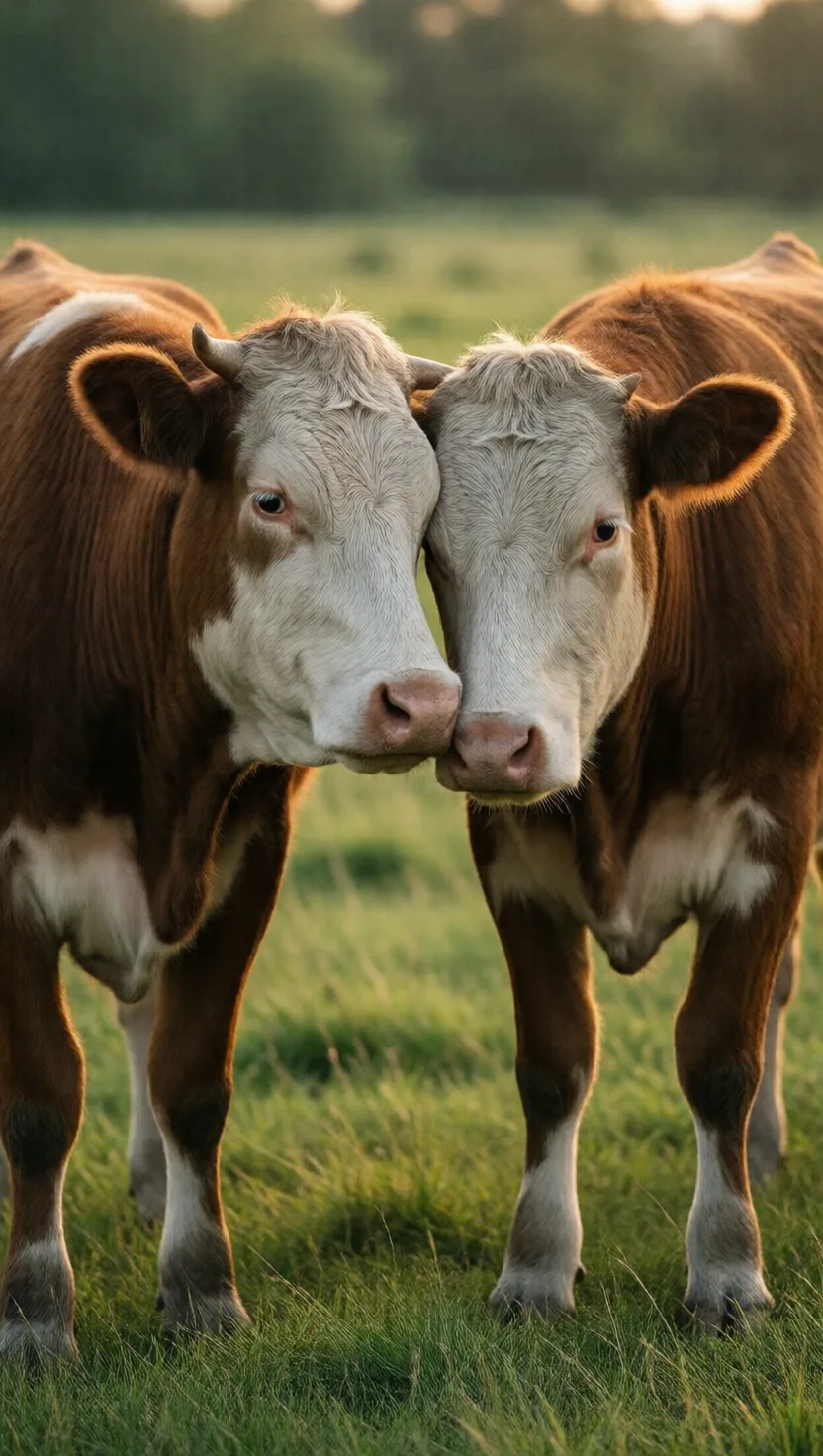
Cows have best friends

Cows have best friends

Studies show cattle form close bonds with particular companions; their heart rate and stress hormones climb when they're separated from a preferred friend, and they stay noticeably calmer penned beside their buddy.
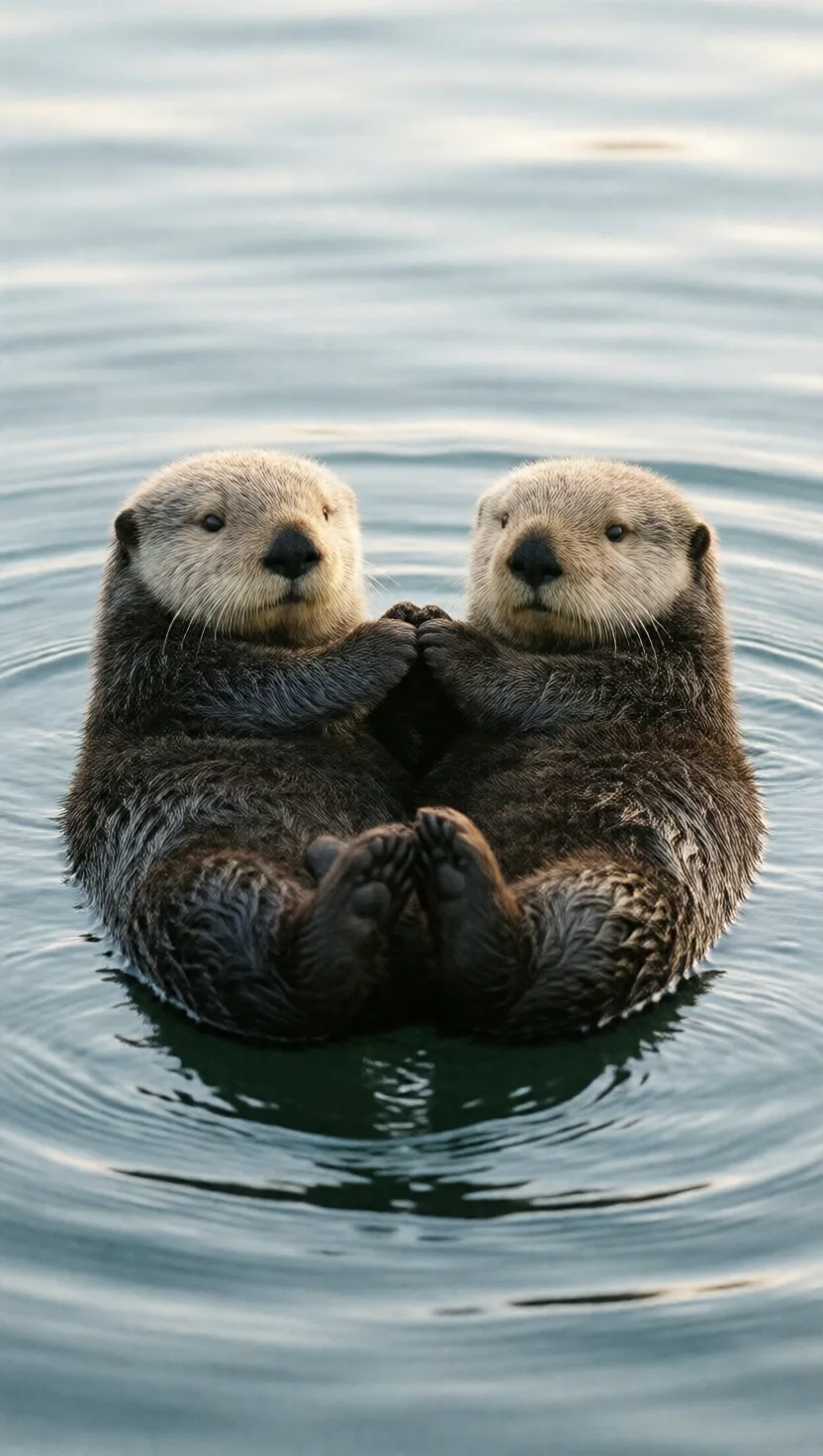
Sea otters hold hands so they don't drift apart

Sea otters hold hands so they don't drift apart

Sleeping on their backs, otters grip paws — and wrap up in kelp — so the current can't carry them off from the group. Mothers and pups hold on to each other, too.
tap →swipe ↑ for depthswipe ↓ to exit