How a model actually trains — one pace per knob, and a memory.

SRC·45 Source
Plain descent takes one step size for a billion knobs.

Plain descent takes one step size for a billion knobs.

Gradient descent has one knob you set by hand: the step size. It uses that same number to move every weight in the model — all billion of them, identically. But the slopes they sit on are wildly different. The good optimizers fix this by giving every weight its own pace — and a short memory of where it has been heading.
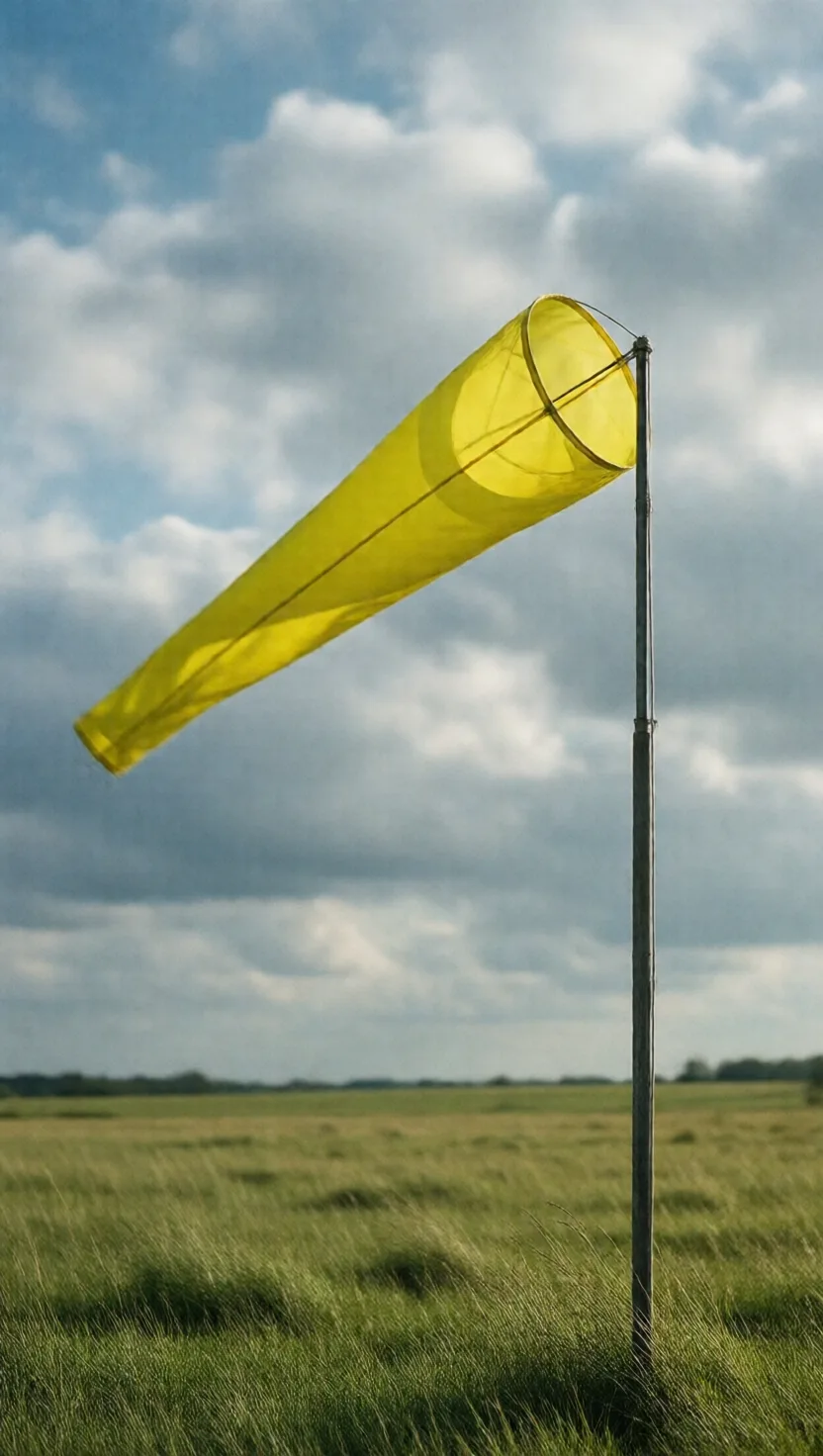
The slope you measure jitters — follow it raw and you stagger.

The slope you measure jitters — follow it raw and you stagger.

Each step's slope is read from just a handful of examples, so it jitters — pointing a little wrong every single time. Follow it raw and you stagger downhill. Like a windsock in a gusty crosswind: it snaps to a new angle with every gust, and no single flick tells you the steady wind behind them.
Don't chase each slope. Follow their running average.

Don't chase each slope. Follow their running average.

mt=β1mt1+(1β1)gtm_t = \beta_1\, m_{t-1} + (1-\beta_1)\, g_t
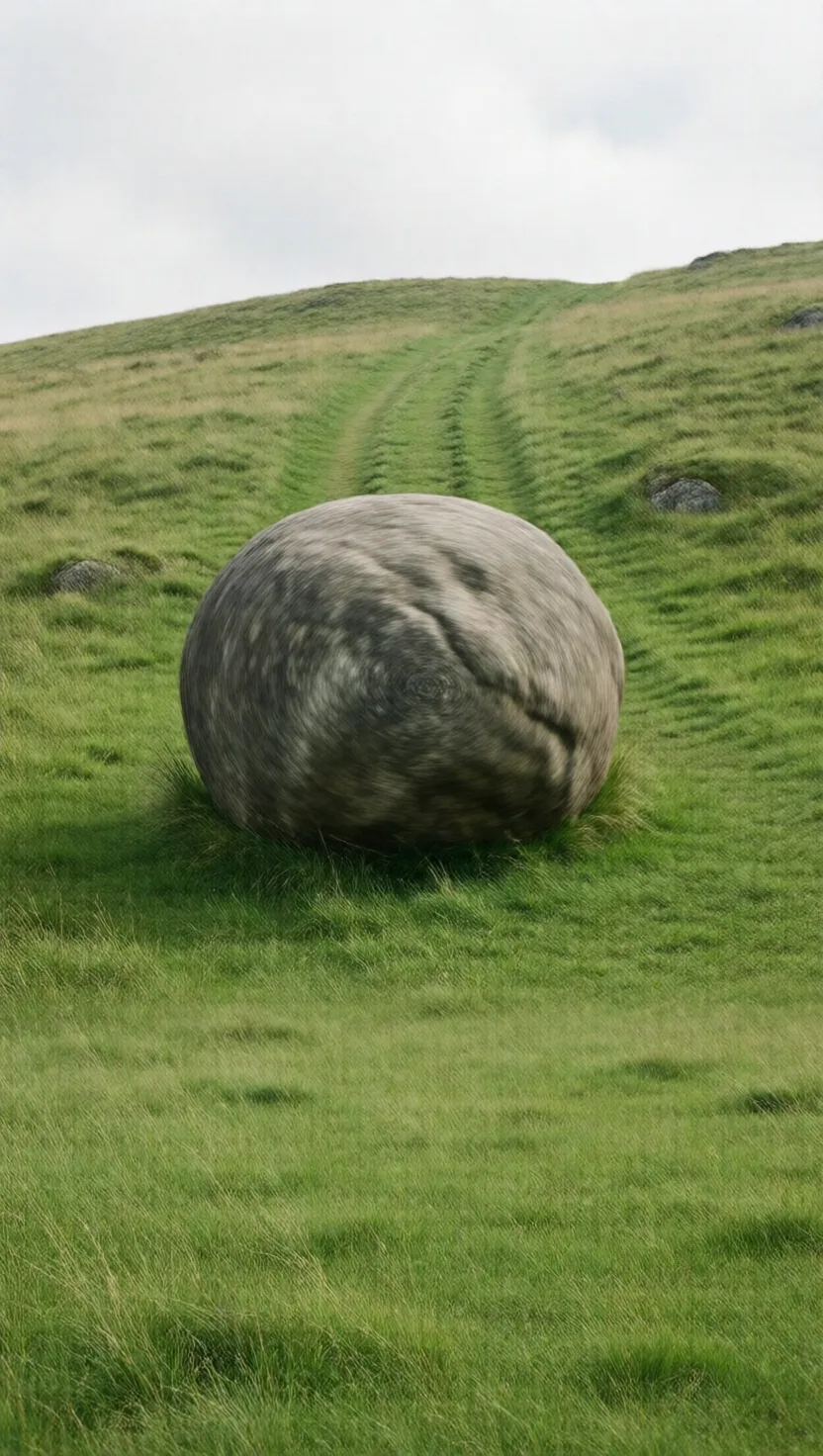
Don't chase each twitchy slope. Keep a running blend — mostly your old heading, nudged by the newest reading. The jitter cancels; the true direction builds. Like a heavy boulder rolling downhill: it smooths over every little bump and holds its line. That blend is momentum: the next heading is mostly where you were going, tilted a little toward the latest slope.
One step size can't fit a billion different knobs.

One step size can't fit a billion different knobs.

θt+1=θtηgt\theta_{t+1} = \theta_t - \eta\, g_t
Here's the catch plain descent never fixes. That single step size η multiplies every knob's slope the same way. But some knobs sit on steep, violent slopes that need tiny, careful steps; others sit on flat, quiet ones and could stride. Like one bike gear for every hill: fine on the flat, brutal on the climb, lazy on the descent. One ratio — one shared η — can't suit them all.
So give every knob its own pace — set by its own roughness.

So give every knob its own pace — set by its own roughness.

vt=β2vt1+(1β2)gt2,η~t=ηvt+ϵv_t = \beta_2\, v_{t-1} + (1-\beta_2)\, g_t^{2}, \qquad \tilde{\eta}_t = \dfrac{\eta}{\sqrt{v_t}+\epsilon}
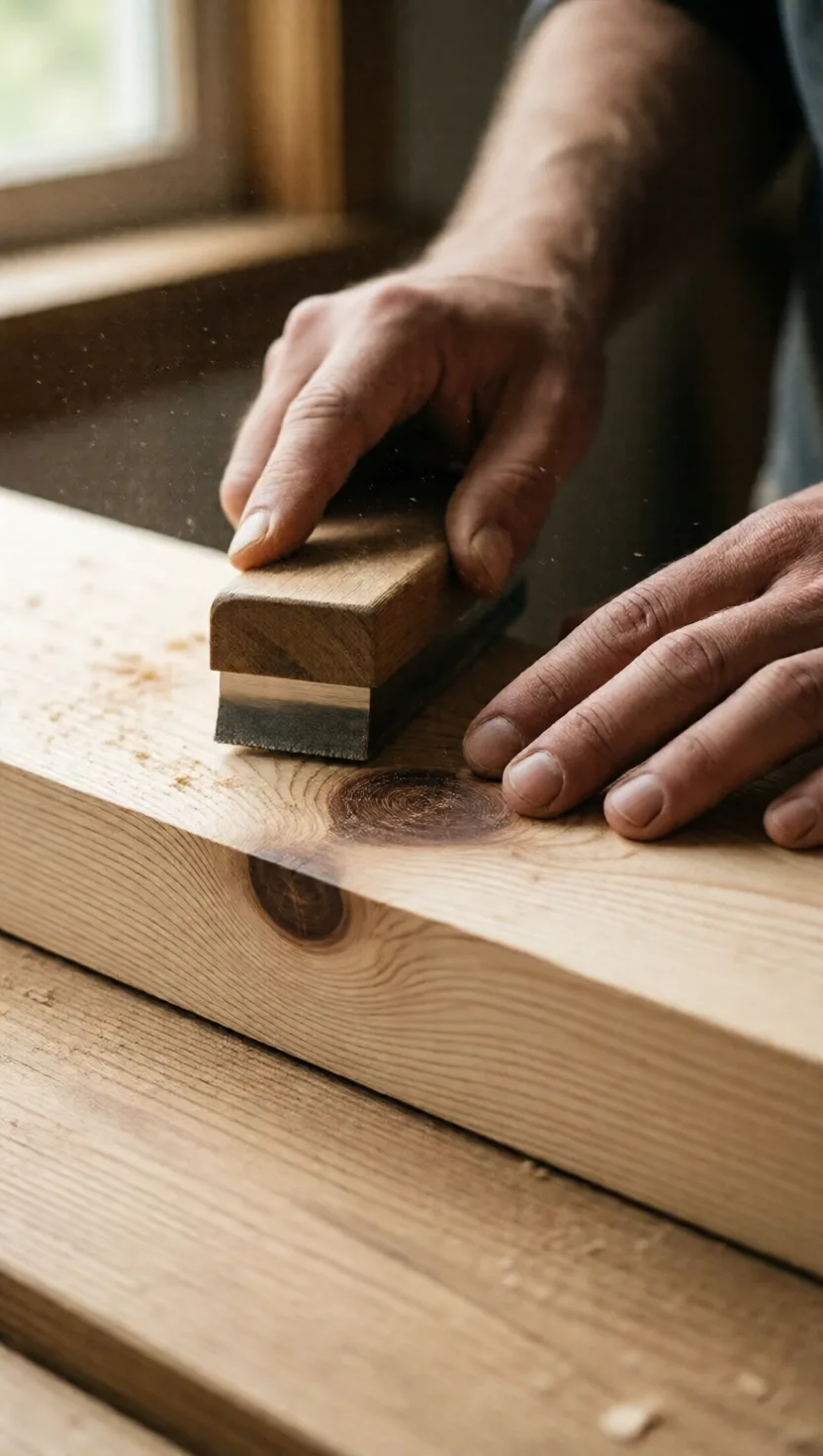
So give each knob its own pace. Track how rough its slope has been — a running average of its squared gradient — and divide that knob's step by it. Knobs whose slopes thrash get reined in; quiet ones get freed to move. Like sanding around a knot: ease off and crawl where the grain fights you, glide fast where it's smooth. In plain words: a big recent slope shrinks the step there; a small one lets it grow.
Both averages start at zero, so the first steps read too small.

Both averages start at zero, so the first steps read too small.

m^t=mt1β1t,v^t=vt1β2t\hat{m}_t = \dfrac{m_t}{1-\beta_1^{\,t}}, \qquad \hat{v}_t = \dfrac{v_t}{1-\beta_2^{\,t}}
One snag. Both running averages start at zero, so for the first steps they read far too small — not because the slopes are small, but because the tally just began. Like a coin jar started empty this week: the running total looks tiny only because it began at nothing. The fix divides that head-start out, scaling each average up while it is young — a correction that fades to nothing as the tally fills.
Steady heading, knob-by-knob stride — that's the whole optimizer.

Steady heading, knob-by-knob stride — that's the whole optimizer.

θt=θt1ηm^tv^t+ϵ\theta_t = \theta_{t-1} - \eta\, \dfrac{\hat{m}_t}{\sqrt{\hat{v}_t}+\epsilon}
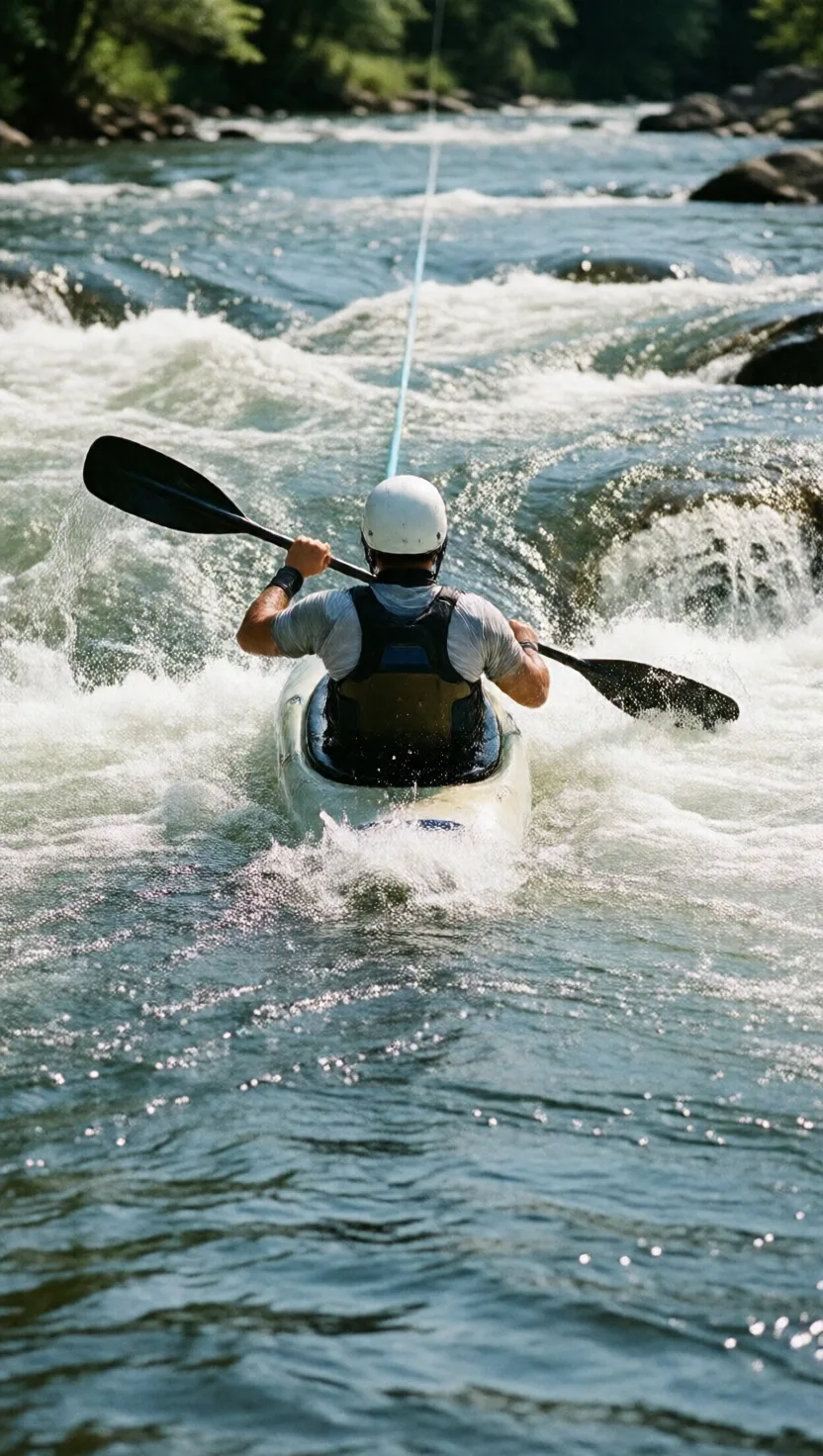
Put it together. Momentum picks the direction — the smoothed, jitter-free heading. The per-knob rate picks each stride — long where the slope is calm, short where it thrashes. One line does both. Like a kayaker reading a rapid: hold the line of the main current, but meter each stroke — gentle in the smooth water, firm where it churns. That's Adam, the optimizer that trains almost everything (typically β₁=0.9, β₂=0.999).
🌱 Same hill, same start — but the optimizer chose the valley.

🌱 Same hill, same start — but the optimizer chose the valley.

Momentum and the per-knob pace mean the path downhill is no longer the landscape's — it is the optimizer's. Start two of them at the very same spot on the very same hill, and a heavier memory or a bolder pace can carry each into a different valley. So when training stops, did we find the bottom — or just the one our momentum happened to roll us toward?
tap →swipe ↑ for depthswipe ↓ to exit