Why a model gets smarter the longer it thinks.

SRC·40 Source
Its smarts aren't fixed at training. Let it think longer.

Its smarts aren't fixed at training. Let it think longer.

Same weights, same model — but spend more effort the moment it answers, and it gets more right. Thinking is a dial all its own, separate from size. Like a long exposure: a quick snap of the night sky shows a few stars; hold the lens open longer and thousands bloom from the very same dark. Nothing changed but the time you gave it.

By default, every question gets the same split-second.

By default, every question gets the same split-second.

Ask it anything — a riddle or a sum — and it answers in one pass, the same fixed effort for the trivial and the fiendish alike. No question gets a second thought. Like a call bell on a counter: one slap and an answer springs out, instantly, whether the order is a glass of water or a five-course meal. Quick, but never deeper when it needs to be.
So don't ask once. Ask a hundred times.

So don't ask once. Ask a hundred times.

P(success)=1(1p)NP(\text{success}) = 1 - (1-p)^{N}
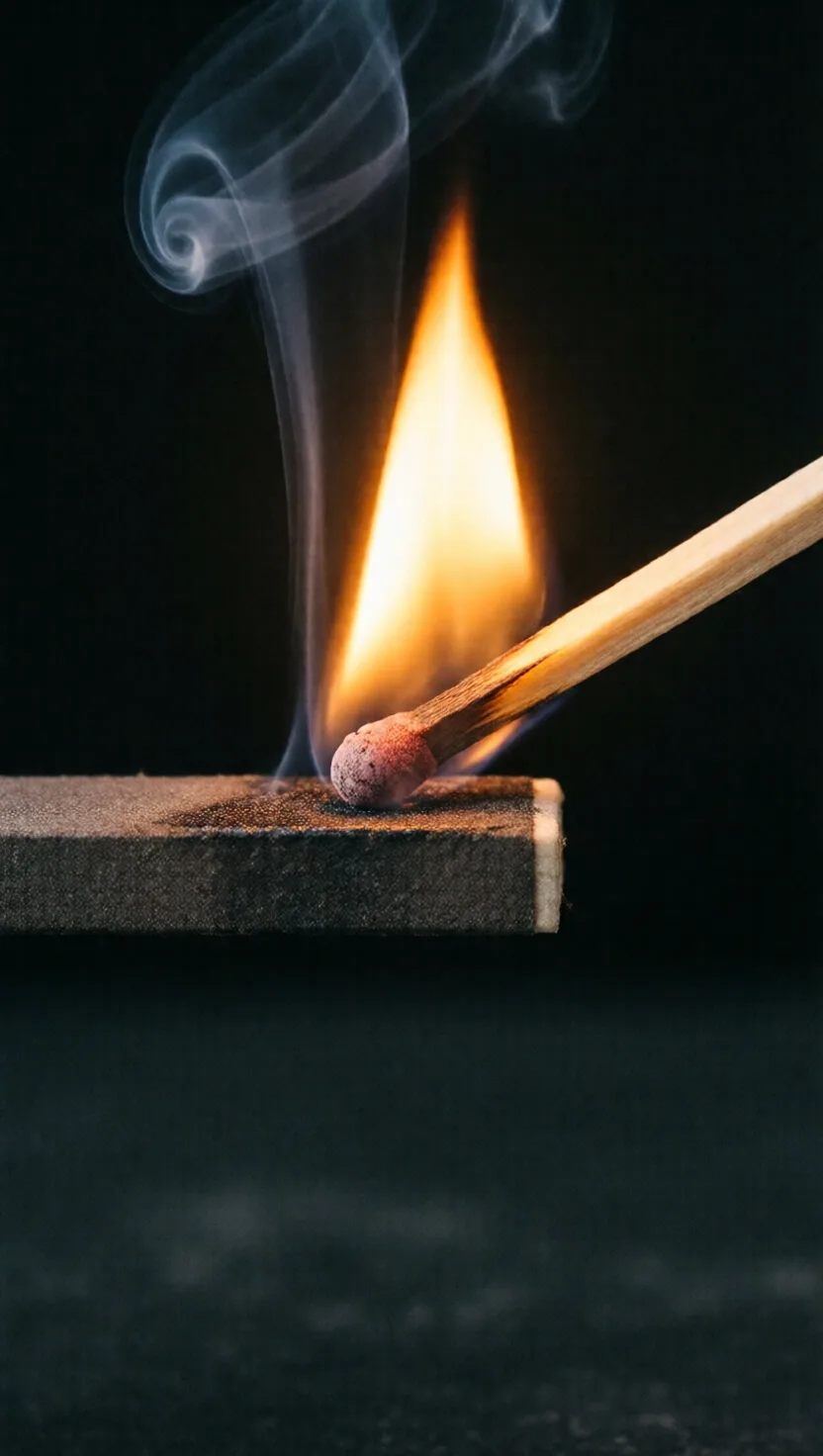
The simplest lever: let it attempt the same question again and again, each independent try landing a little differently. One shot might miss; a spread of shots rarely all miss. Like striking a damp match: a single strike may not catch, but keep striking and the odds that none flares shrink fast. If one try is right with chance p, the chance all N miss is just (1−p)ᴺ.
But more tries only help if you can spot the winner.

But more tries only help if you can spot the winner.

A hundred answers are worthless unless something can tell which one is right. That judge is the catch — a verifier that scores each attempt. Like a metal detector over the sand: you can dig a thousand holes, but you only strike the ring if something tells you where. With no detector, you fall back to a show of hands — and a crowd's favorite answer can be confidently, unanimously wrong.
Each extra try buys less than the one before.

Each extra try buys less than the one before.

ΔPN=p(1p)N1\Delta P_N = p\,(1-p)^{N-1}
The gains don't keep coming for free. The first few attempts do most of the work; after that, each new try nudges the odds a sliver less than the last. Like squeezing a lemon: the first press gives a gush, the next a trickle, and you're soon grinding hard for a single drop. The N-th try adds only p(1−p)ᴺ⁻¹ — real, but shrinking geometrically. Thinking longer always costs; it doesn't always pay.
A small mind, thinking long, can match a big one that blurts.

A small mind, thinking long, can match a big one that blurts.

Ctest2NparamsTtokensC_{\text{test}} \approx 2\,N_{\text{params}}\,T_{\text{tokens}}
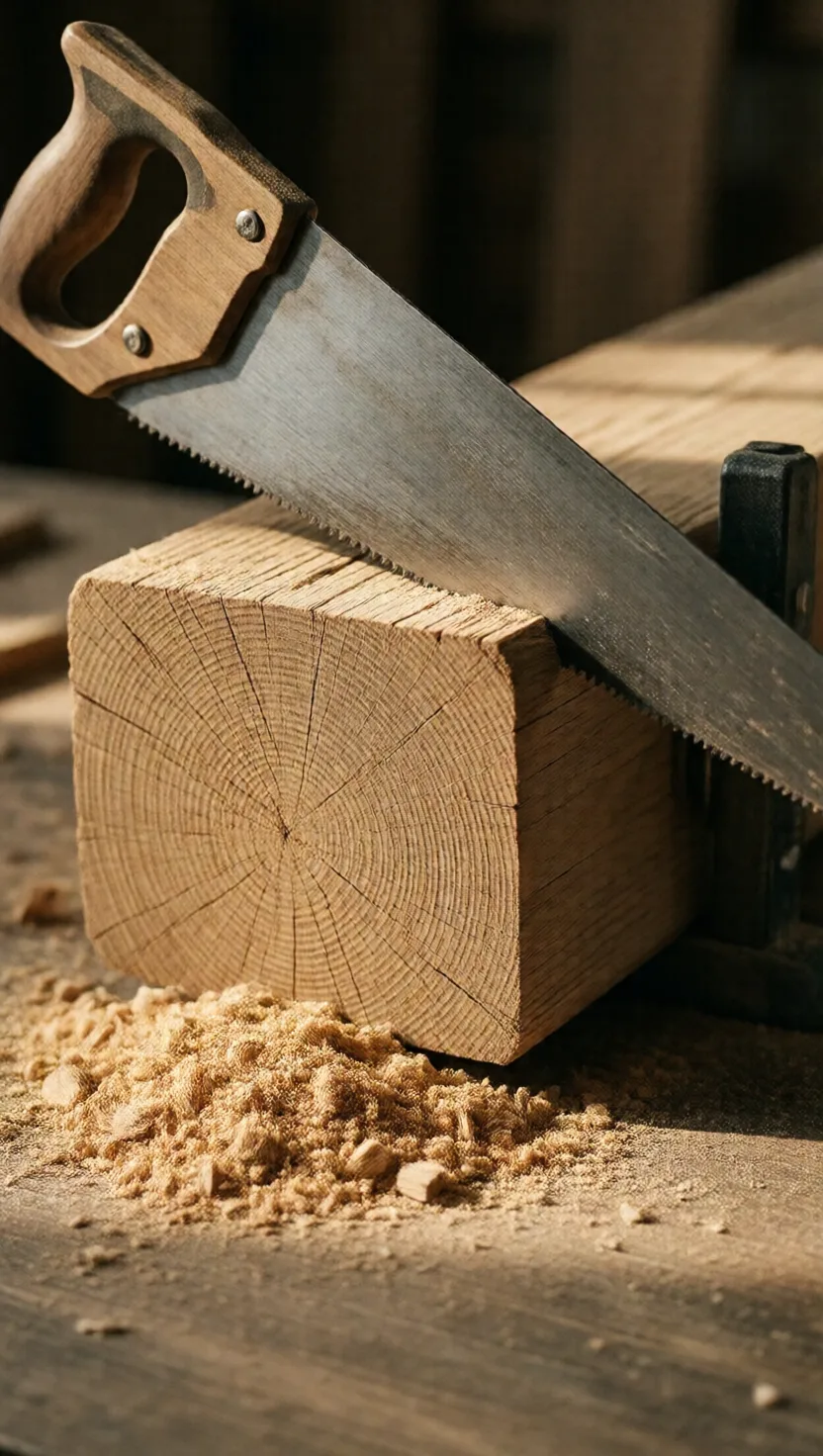
This buys a second way to grow smarter. The compute you spend answering is just the model's size times how much it generates — so letting a model think K× longer costs the same as building one K× larger. Like a handsaw through a beam: a small blade, given enough patient strokes, cuts what a great mill-saw rips in one pass. Trade size for time. Within reason — push too far and the gains flatten.
Two throttles now: how big you build it, how long it thinks.

Two throttles now: how big you build it, how long it thinks.

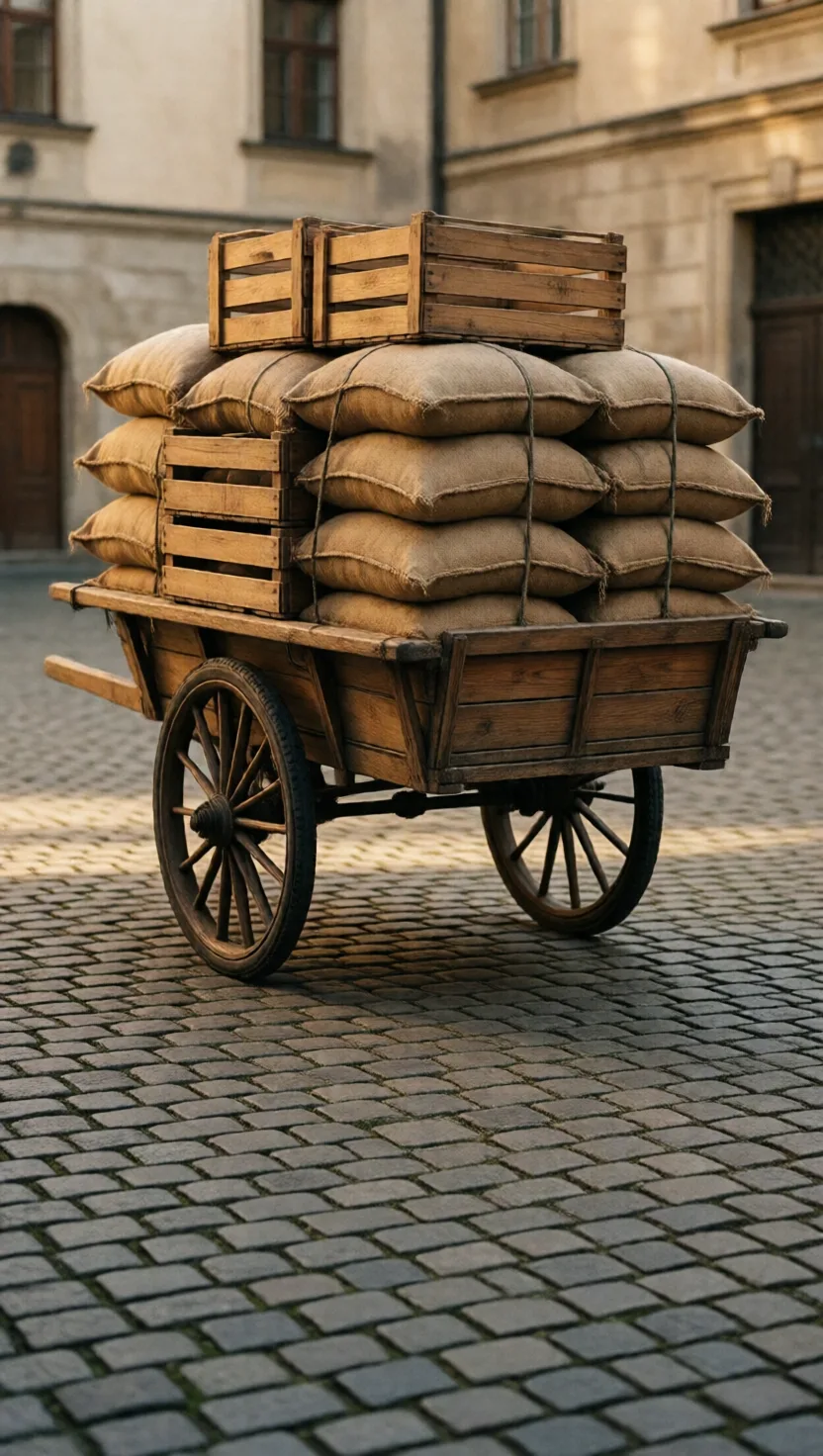
Intelligence stopped being one number you bake in at training. Now there are two throttles — the size you grow the model to, and the thinking time you grant it when it answers — and both buy accuracy along a smooth, climbable curve. Like a handcart: a modest one, run trip after trip, hauls what a great wagon carries in a single load. Brawn or patience — the work still gets there.
Not one weight changed. Yet given time, it knew more.

Not one weight changed. Yet given time, it knew more.

Nothing in the model moved. No new fact was learned. And still — handed more time to think, it reaches answers it couldn't before. So where did that knowing live while it sat unthought? Perhaps thinking longer doesn't create the answer at all, only walks far enough to find one that was always within reach. 🌱
tap →swipe ↑ for depthswipe ↓ to exit