The translator who never reads a page twice.

SRC·133 Source
Two desks, one treaty, and only one of them drowning

Two desks, one treaty, and only one of them drowning

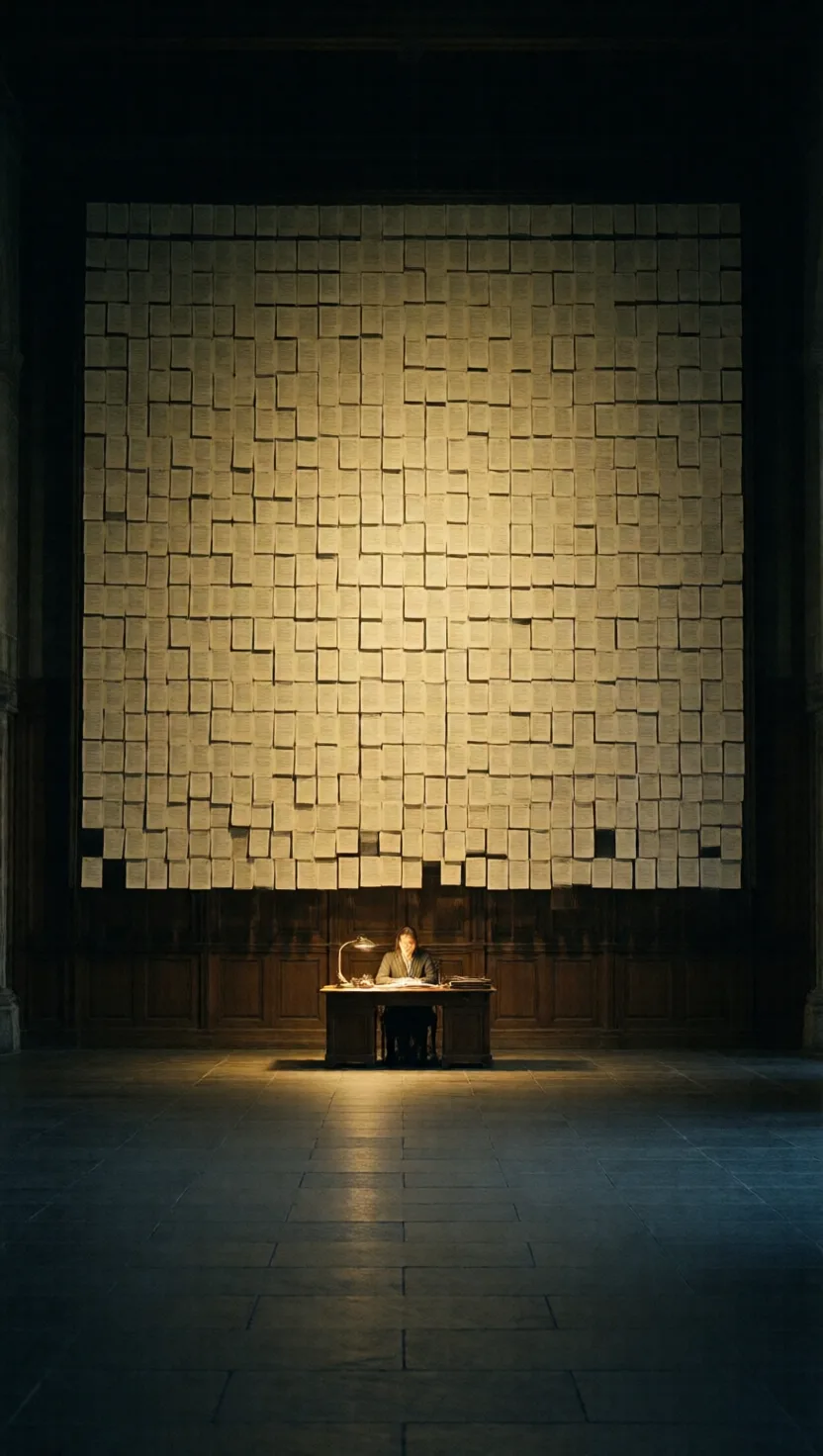
Two translators share the river treaty. Marek is quick-handed, and by nine bells he leads. By noon he is drowning: every time a new sentence arrives, he goes back and rereads every page he has already finished, to be sure the new line agrees with them all. Nera, at the next desk, answers each new sentence in one calm breath — and she hasn't reread a single page all morning. Her secret isn't on her desk. It hangs on the wall above it.

Every new sentence costs him the whole treaty again

Every new sentence costs him the whole treaty again

Marek's diligence hides a price in its very shape. His tenth sentence sends him back through nine finished pages; his hundredth, through ninety-nine. Each new line costs everything that came before, again — so the treaty doesn't just grow, it grows heavier per step, and by afternoon a single sentence swallows an hour. He is not slow; the method is. Nera worked this way once too — until she noticed the one thing a finished page never does…
A finished page never changes its mind

A finished page never changes its mind

Nera's discovery: a finished page never changes its mind. What page twelve means — its tone, its promises, what a future line must agree with — was fixed the moment it was done. No later sentence can reach back and alter it. A hundredth rereading would yield the same impression again. Anything that never changes can be distilled once and kept: each finished page gets its essence pinned to the board above her desk. Then a new sentence arrives…
One fresh question, one glance along the pins

One fresh question, one glance along the pins

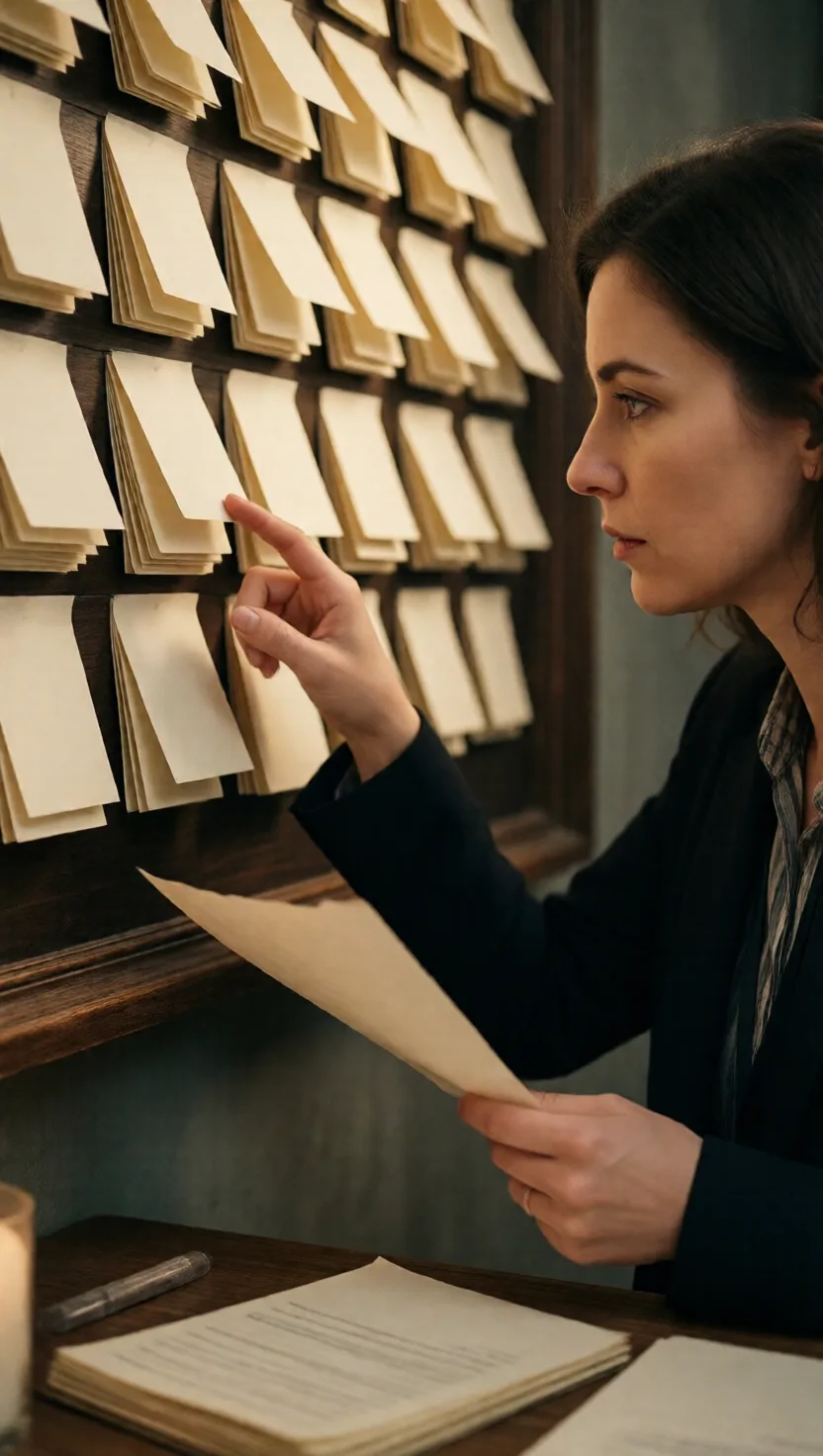
A new sentence lands. Nera forms one fresh question for it — what must this line agree with? — and runs her eyes once along the board: a glance per pinned slip, not a rereading per page. The question is used once and discarded; the slips will be consulted by every sentence to come. Her rendering matches Marek's exactly — each slip holds just what its page would say. She pays a glance where he pays a morning. One problem remains: the board.
The board grows with the treaty — and slows with it

The board grows with the treaty — and slows with it

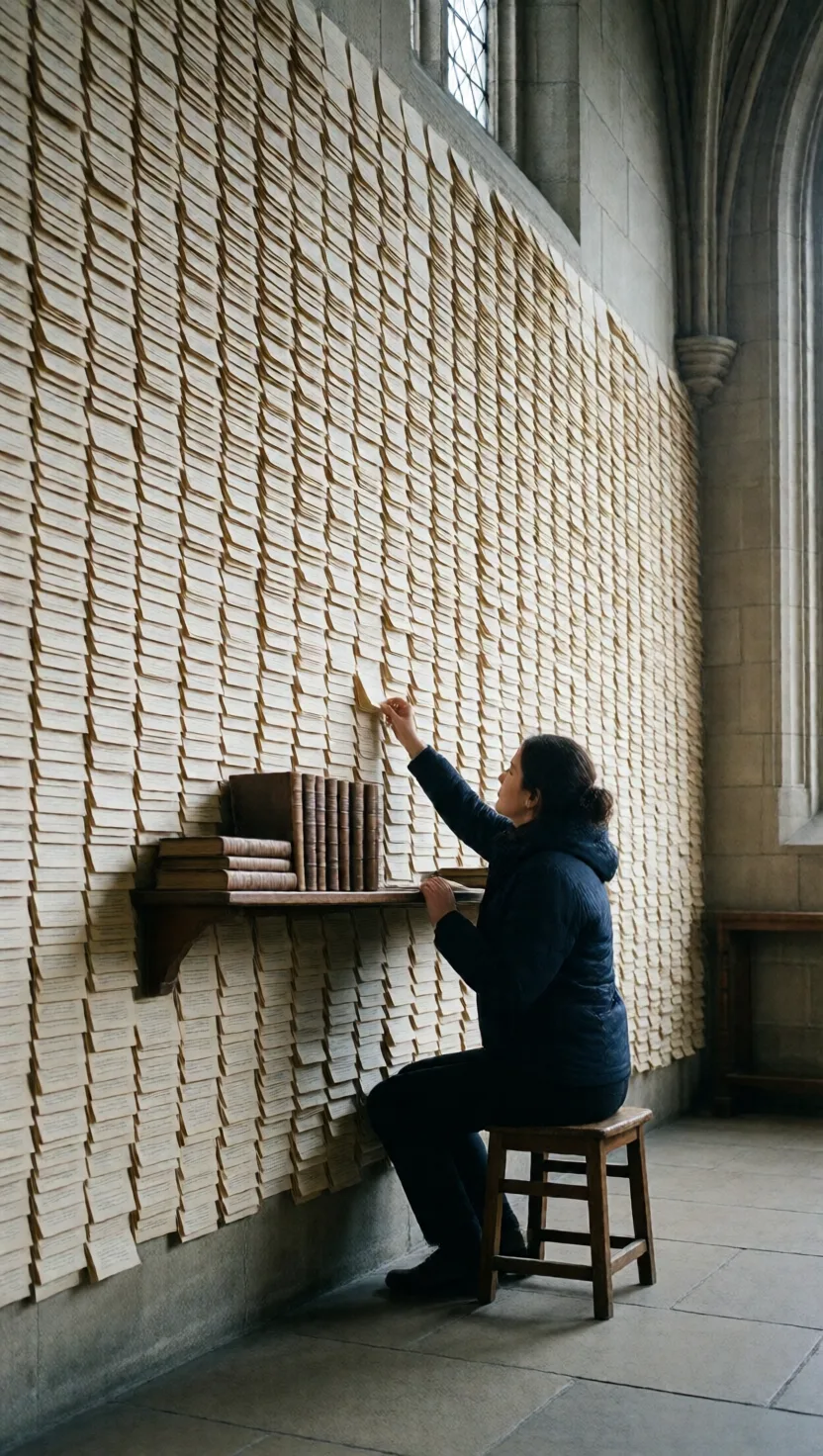
One pin per page, forever. By midwinter the slips have crept across the wall, and Nera notices a strange fact: the board now holds more paper than the shelf of grammars she learned her craft from. And every new sentence still sweeps the whole board once, so each answer comes slower than the last. The clerks suggest tinier handwriting, or unpinning the oldest pages. But her eye keeps catching on the very first pins, sentence after sentence…
The board above the desk is the KV cache

The board above the desk is the KV cache

A language model mid-reply is Nera mid-treaty. Every word it takes in is distilled once — and pinned. That board is the KV cache. Each new word asks one fresh question, glances across the pins, never retranslates the past: the reply is identical to redoing it all, just far cheaper. Her prices are its prices — in long conversations the pins outweigh the model itself, and each extra word slows the next. That night, one old pin catches her eye…
🌱 Which pin deserves a fresh reading?

🌱 Which pin deserves a fresh reading?

Her trick works because pages never change once finished. But at the board's far corner hangs her oldest pin — an impression of an envoy she distilled years ago, consulted a thousand times since, reread never. People are not pages; they change after we file them. You keep a board too: first impressions, pinned once, consulted for years. Which pin are you still trusting — and which person deserves to be read again?
tap →swipe ↑ for depthswipe ↓ to exit