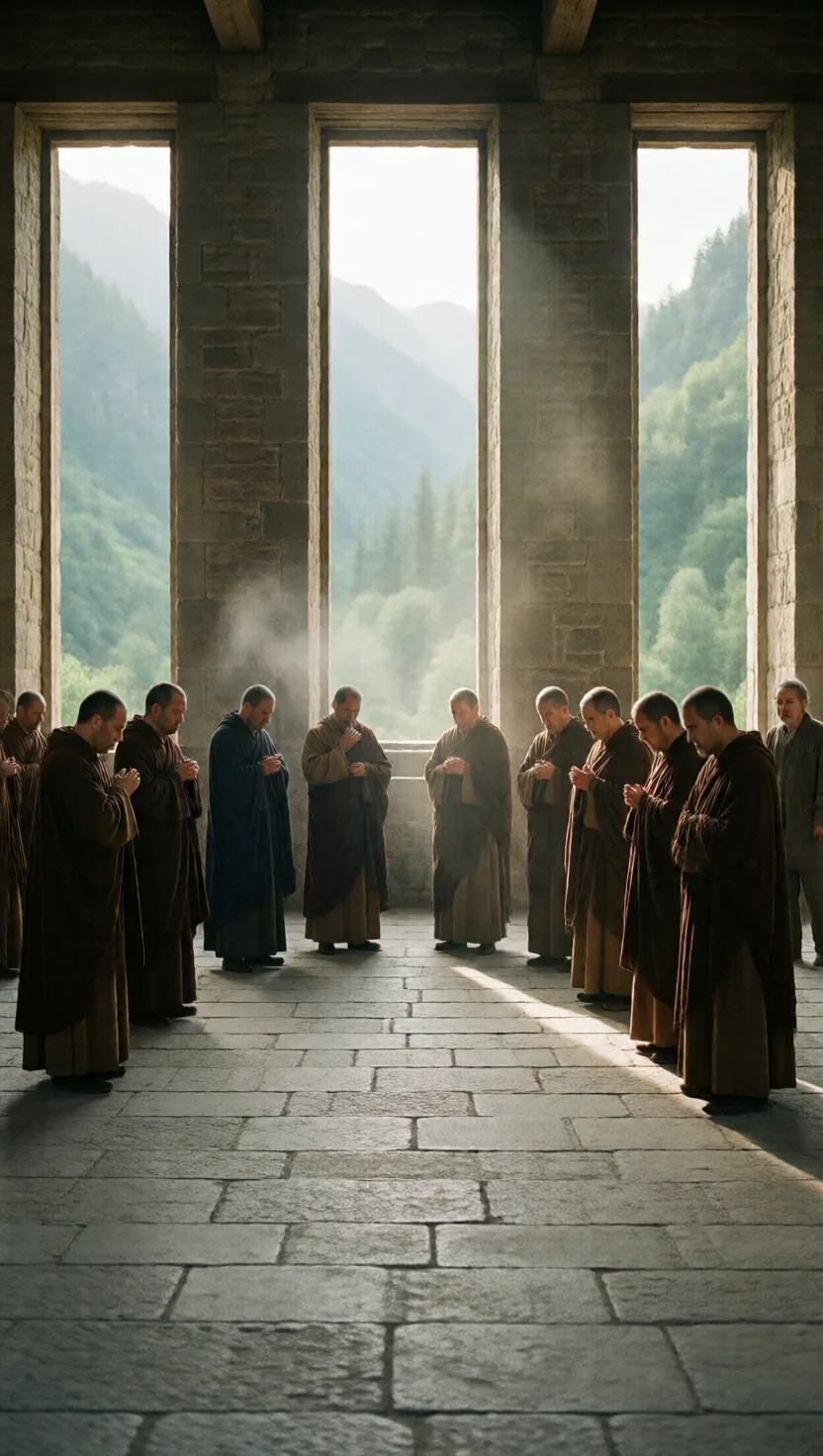
The council where everyone must hear everyone.

SRC·128 Source
One new member, and the clerk goes pale

One new member, and the clerk goes pale

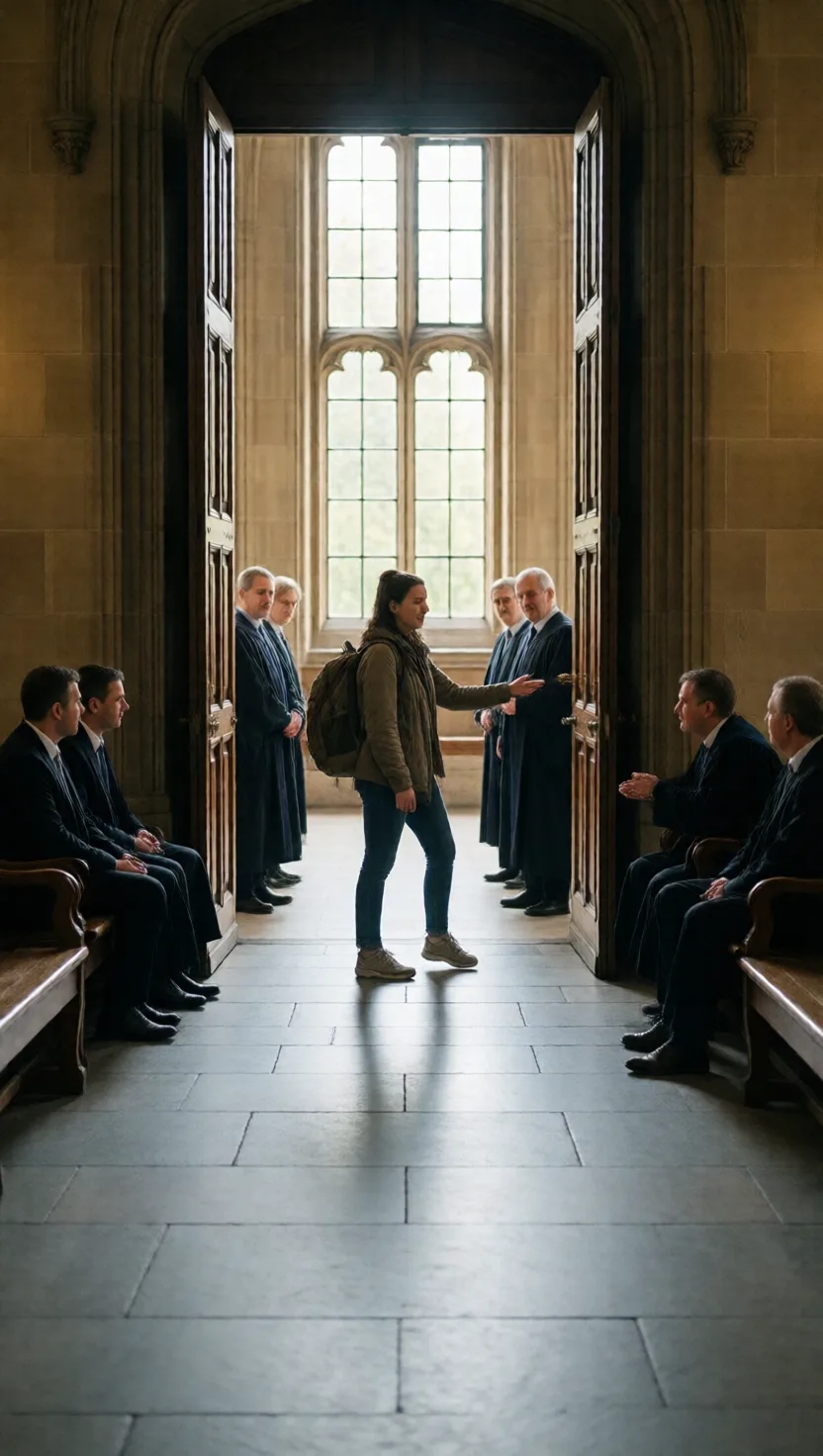
The valley council keeps one sacred rule: before anyone may speak, they must privately hear every other member. Twelve members, mornings of murmuring pairs, decisions the whole valley trusts. Then a thirteenth village asks to join — one more voice among twelve — and the old clerk who schedules the hearings goes pale. Why would a single newcomer frighten anyone?

Why the murmuring made them wise

Why the murmuring made them wise

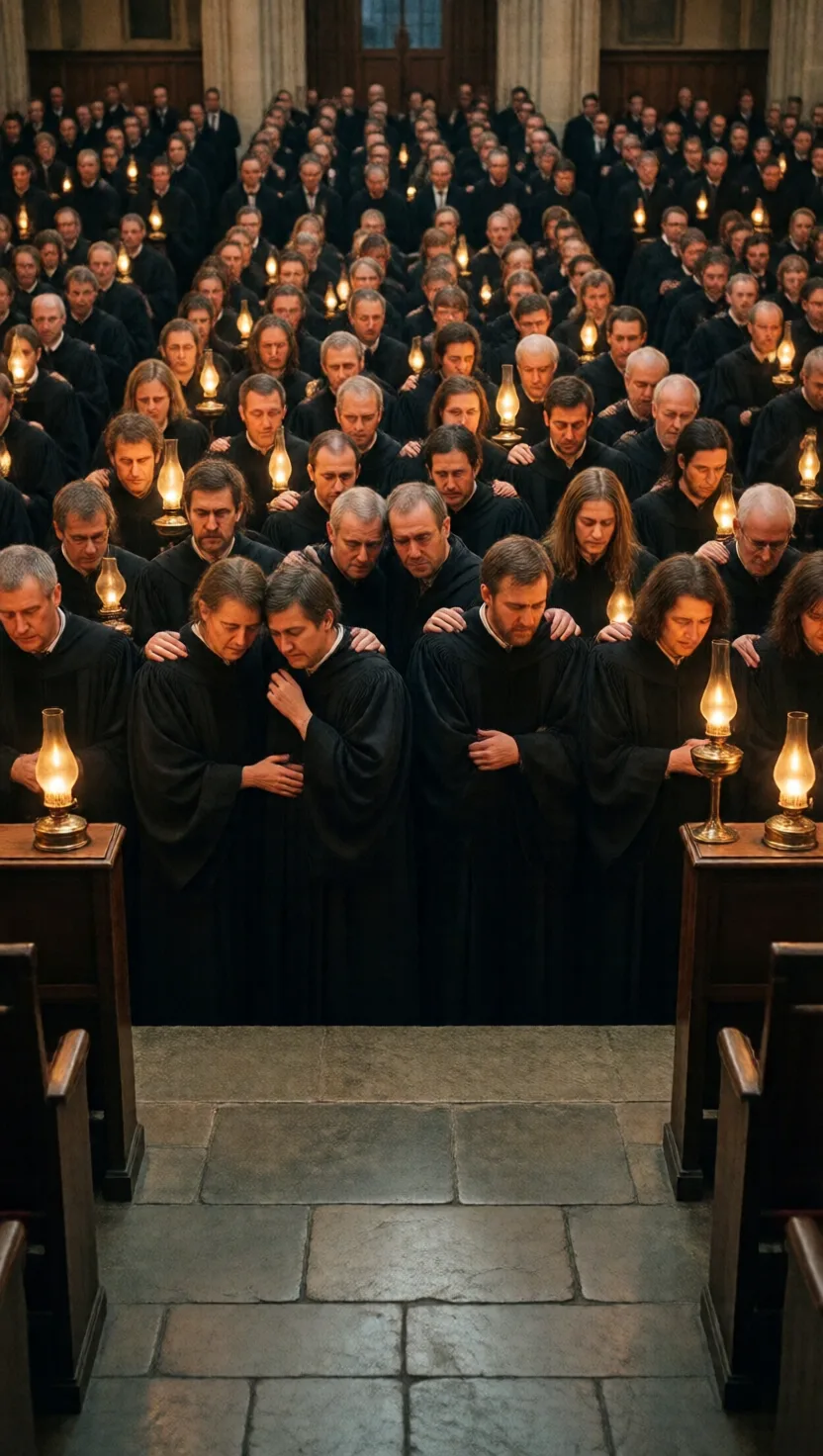
Before the rule, word crawled from mouth to mouth down the valley, and the far shepherd's complaint reached the fisherfolk remade by every teller between. The rule ended that: every member hears every other directly — one step, however far apart they live, nothing worn thin on the way. Distance stopped mattering, and that is what made the council wise. But the clerk counts what the rule costs…
A new member taxes every old one

A new member taxes every old one

Twelve members means each must hear eleven others: 132 private hearings before a single word is spoken aloud. The thirteenth member does not just bring her own twelve hearings — every old member's morning grows longer by one, because there is now one more voice each must hear. Joining is never only the newcomer's cost. And the valley keeps growing…
Double the council, four times the murmuring

Double the council, four times the murmuring

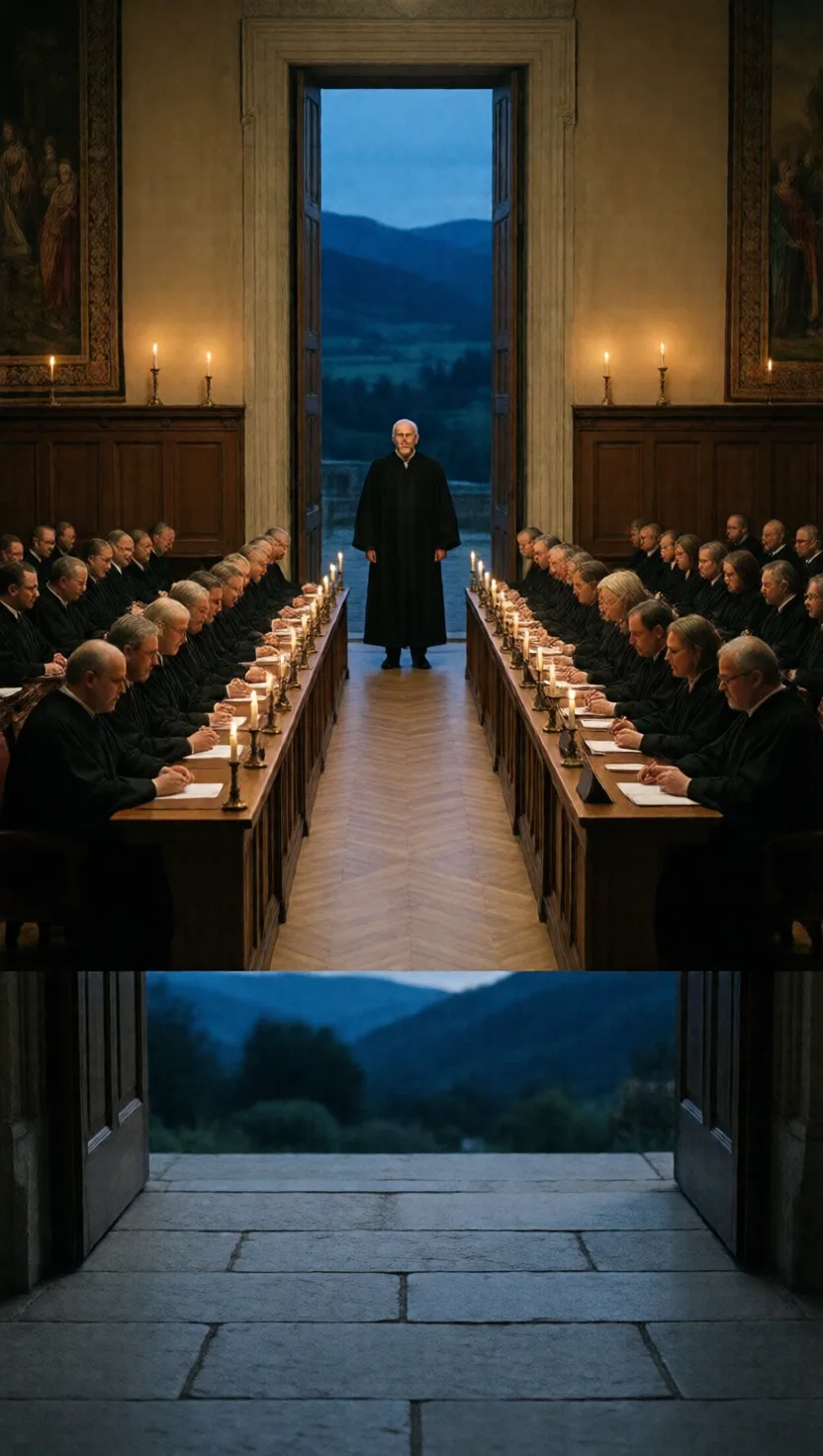
When the council doubles to twenty-four, the murmuring does not double — it quadruples: twice as many listeners, each hearing twice as many voices. Double again: four times again. At a hundred members there are 9,900 hearings; the hall murmurs from dawn to dusk and decides in the last ten minutes. The rule that made them wise is devouring the day it was meant to serve…
Most hearings are empty — and none can be skipped

Most hearings are empty — and none can be skipped

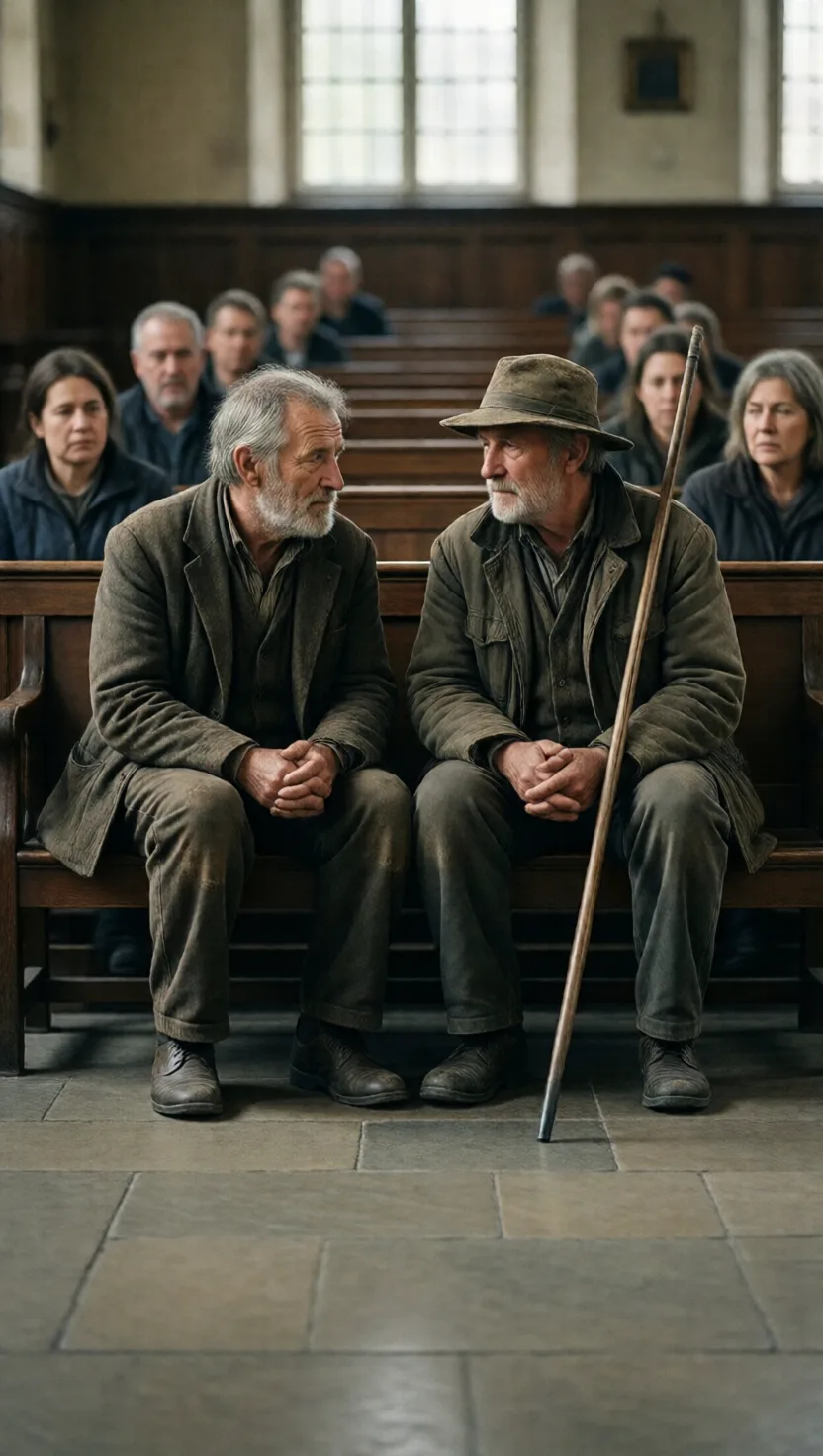
The bitter part, says the clerk: most pairings exchange nothing. The high shepherd and the eel-fisher rarely share business, yet the rule spends the same minutes on them as on quarreling neighbors. Still nobody dares cut a single pairing — for on the morning the river floods, no one can say in advance which two members will suddenly need each other. So the price gets a name…
A hundred voices, ten thousand hearings: the quadratic tax

A hundred voices, ten thousand hearings: the quadratic tax

T×(T1)    T2T \times (T - 1) \;\approx\; T^{2}
Language models pay this exact price. Before each new word, attention lets every word of the text consult every other — any two, however far apart, in one step; that is its wisdom. The bill is the quadratic tax: T voices each hearing the other T − 1 makes about T² hearings, so doubling the text quadruples the work. It is why long conversations grow slow and costly — and why engineers now stand where the elders stand.
🌱 Who really needs to hear whom?

🌱 Who really needs to hear whom?

At dusk the elders linger on the council steps with a dangerous question: could the valley keep its wisdom while hearing only some pairs — neighbors, old allies, a few trusted go-betweens for the rest? The machine builders are asking the same thing. Before you know the day's crisis, which conversations would you dare to skip?
tap →swipe ↑ for depthswipe ↓ to exit