The coach who kept a second clock.

SRC·122 Source
Her fastest month yet — and the coach won't smile

Her fastest month yet — and the coach won't smile

Every added week of training makes race pace feel easier. Maya's log proves it: the river-road loop she runs each day keeps giving back faster times. Yet her coach barely glances at that log. Once a month she drives Maya to a hill course Maya never trains on, and times her there in silence. Why keep a second clock — isn't improvement just improvement?

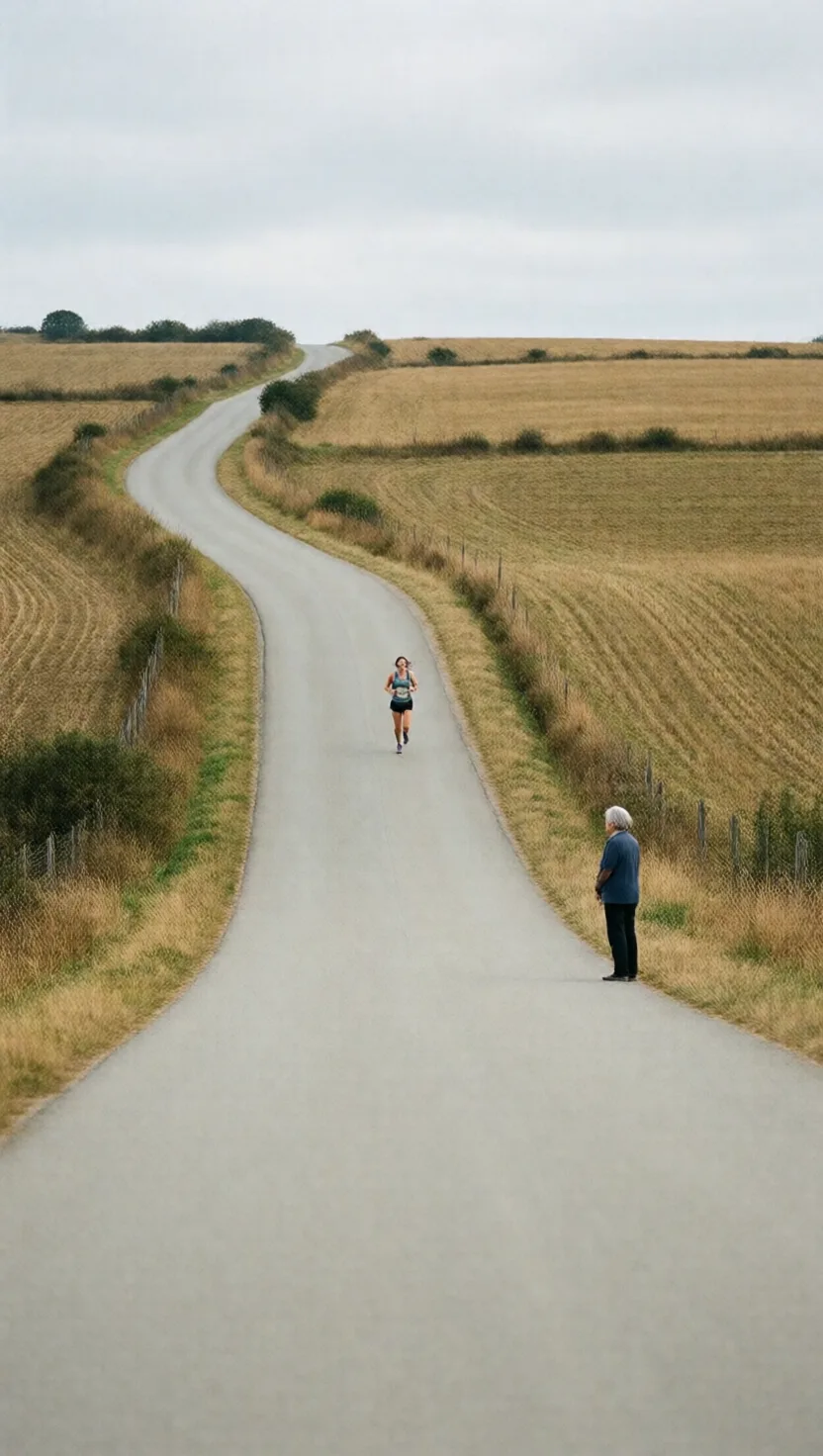
The loop she could run blind

The loop she could run blind

Maya knows the river loop by heart — where the gravel runs loose, which bend hides the wind, where to steal a breath before the rise. So when her loop times drop, two things are improving at once: her body, and her memory of this one road. From the clock alone, no one can tell how much is which. The coach knows a way to separate them…
Once a month, a road her legs have never learned

Once a month, a road her legs have never learned

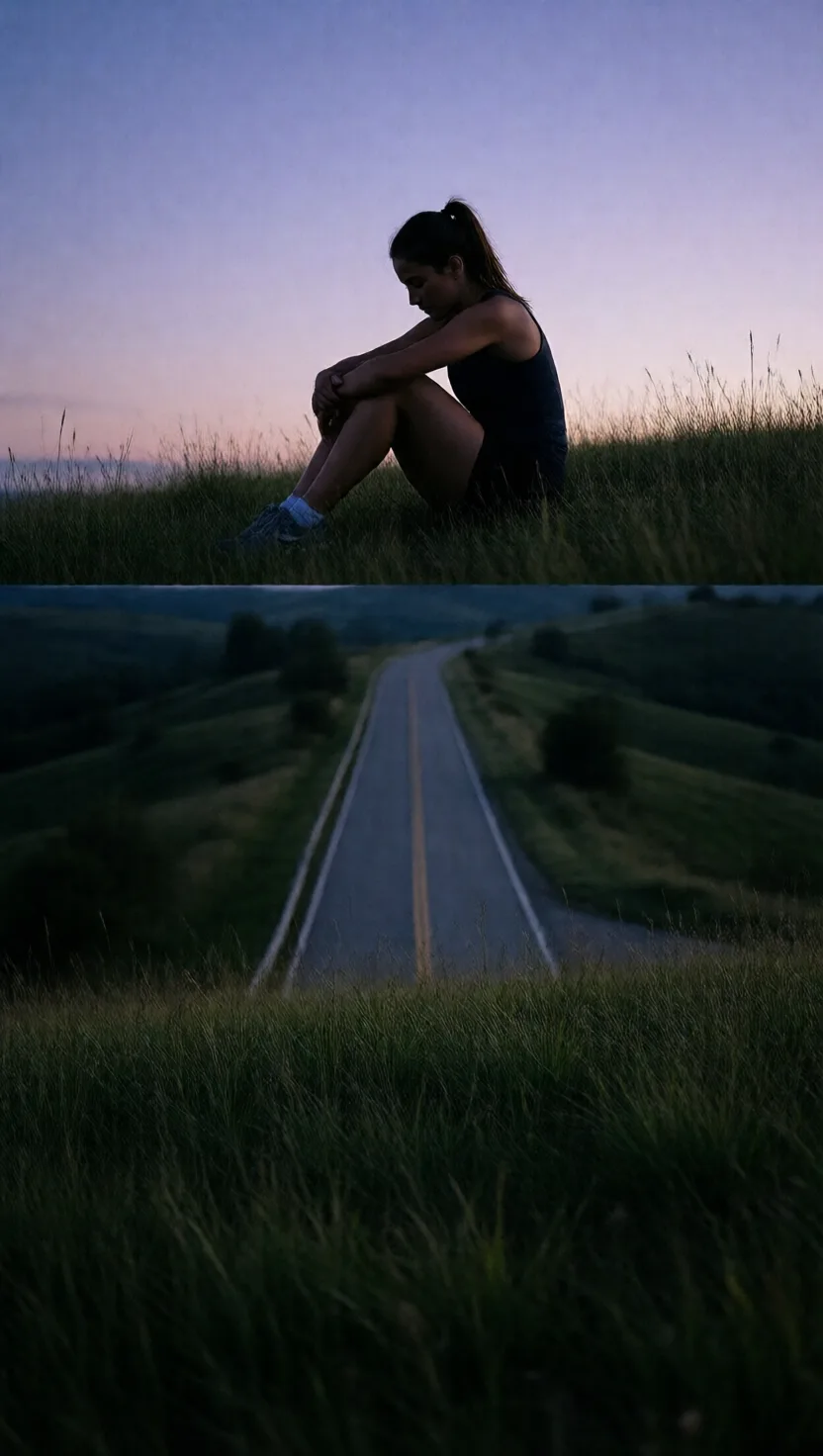
That is the hill course's whole job. Maya never trains there; between tests she never even sees it. No memorized stones, no rehearsed breathing — whatever the clock says on that road measures the runner, not her knowledge of a route. Month after month the two clocks agree: loop faster, hills faster. Until the month they split.
Training says stronger. The hill says slower.

Training says stronger. The hill says slower.

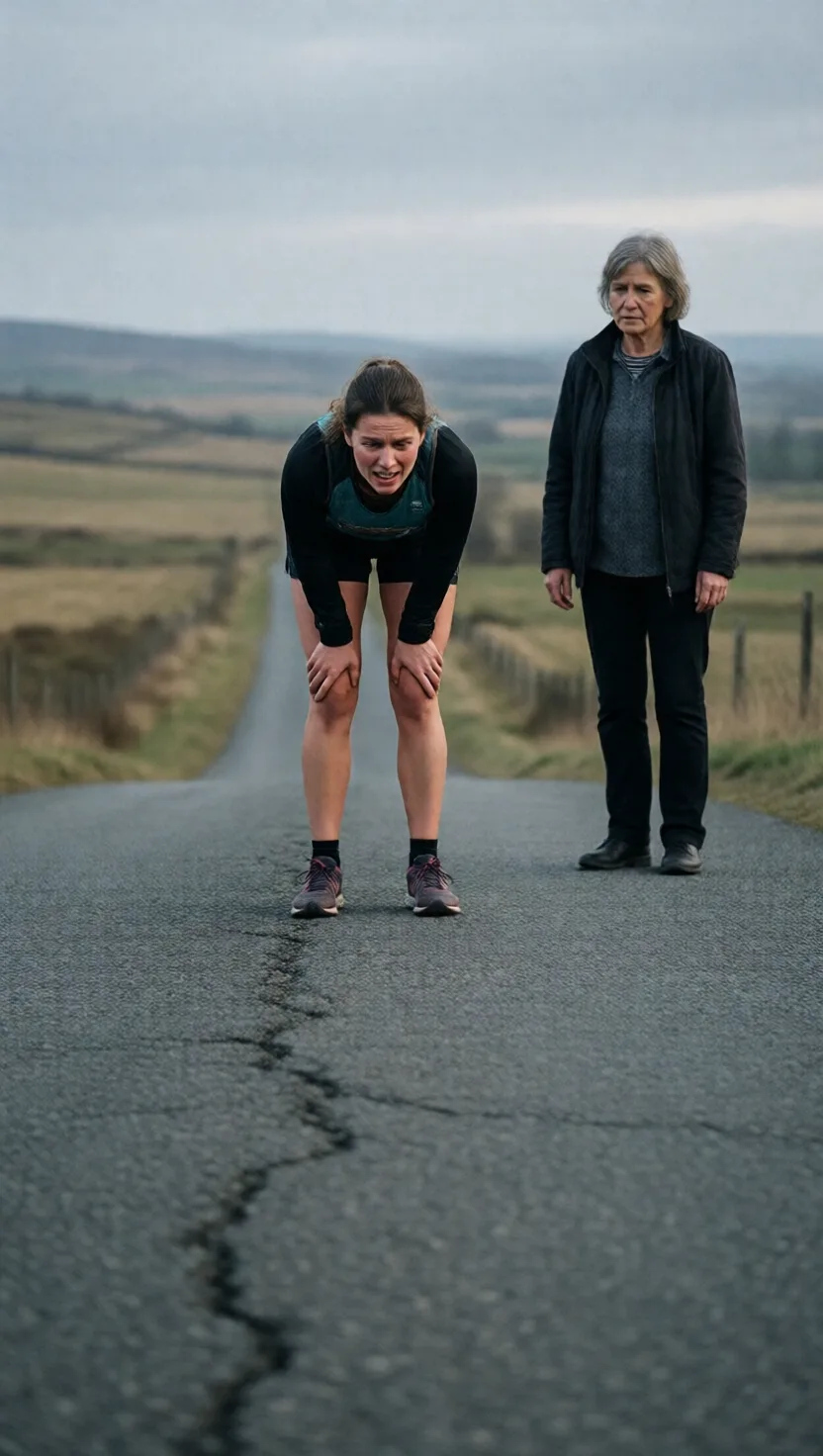
Loop times: still falling, the best of her life. Hill time: worse than last month. Maya blames the wind, her sleep, the shoes. The coach has seen this split before. The extra weeks are still teaching something — just not fitness anymore. They are teaching the loop itself: its stones, its rhythm, its shortcuts. Knowledge worth nothing on any other road.
The day the honest clock turns, she calls the taper

The day the honest clock turns, she calls the taper

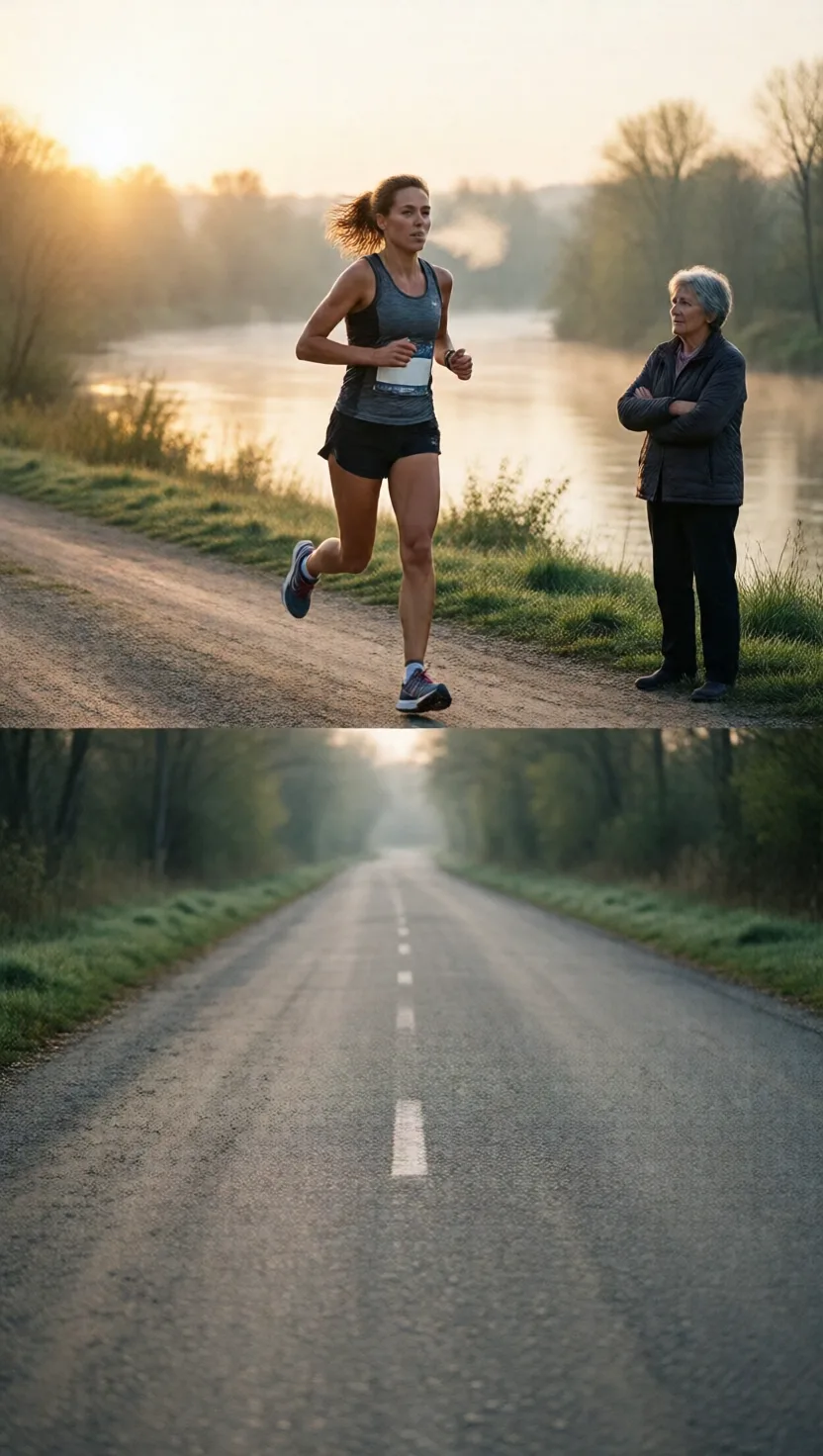
The coach doesn't wait for a second bad hill. That evening she cuts the plan: no more building, ease off, race soon. Not because training stopped working — because past this point it works on the wrong thing, and every added week makes Maya more a specialist of one river road. Stop while the runner is still general. Machines, it turns out, need the same coach.
Machines keep two clocks too: early stopping

Machines keep two clocks too: early stopping

A learning machine drills on its training examples, and its score there improves almost without end — loop times. So trainers hold out examples it never trains on and check them on schedule — the hill course. The day the held-out score turns worse while the training score still climbs, they stop: early stopping. Halting early also limits how far training can carry the machine — exactly what keeps one road's quirks from carving in.
🌱 Which of your clocks is the hill course?

🌱 Which of your clocks is the hill course?

Race run, season over, Maya keeps one habit: a measure she never practices for. Most of what we grade ourselves on is a loop we've memorized — the rehearsed talk, the familiar audience, the same route every day. Where in your life does practice keep feeling better after the real thing has quietly stopped improving? And what would you refuse to train on, so it could still tell you the truth?
tap →swipe ↑ for depthswipe ↓ to exit