The mapmaker who never left blank space.

SRC·120 Source
The wrecks happen where the map is most beautiful

The wrecks happen where the map is most beautiful

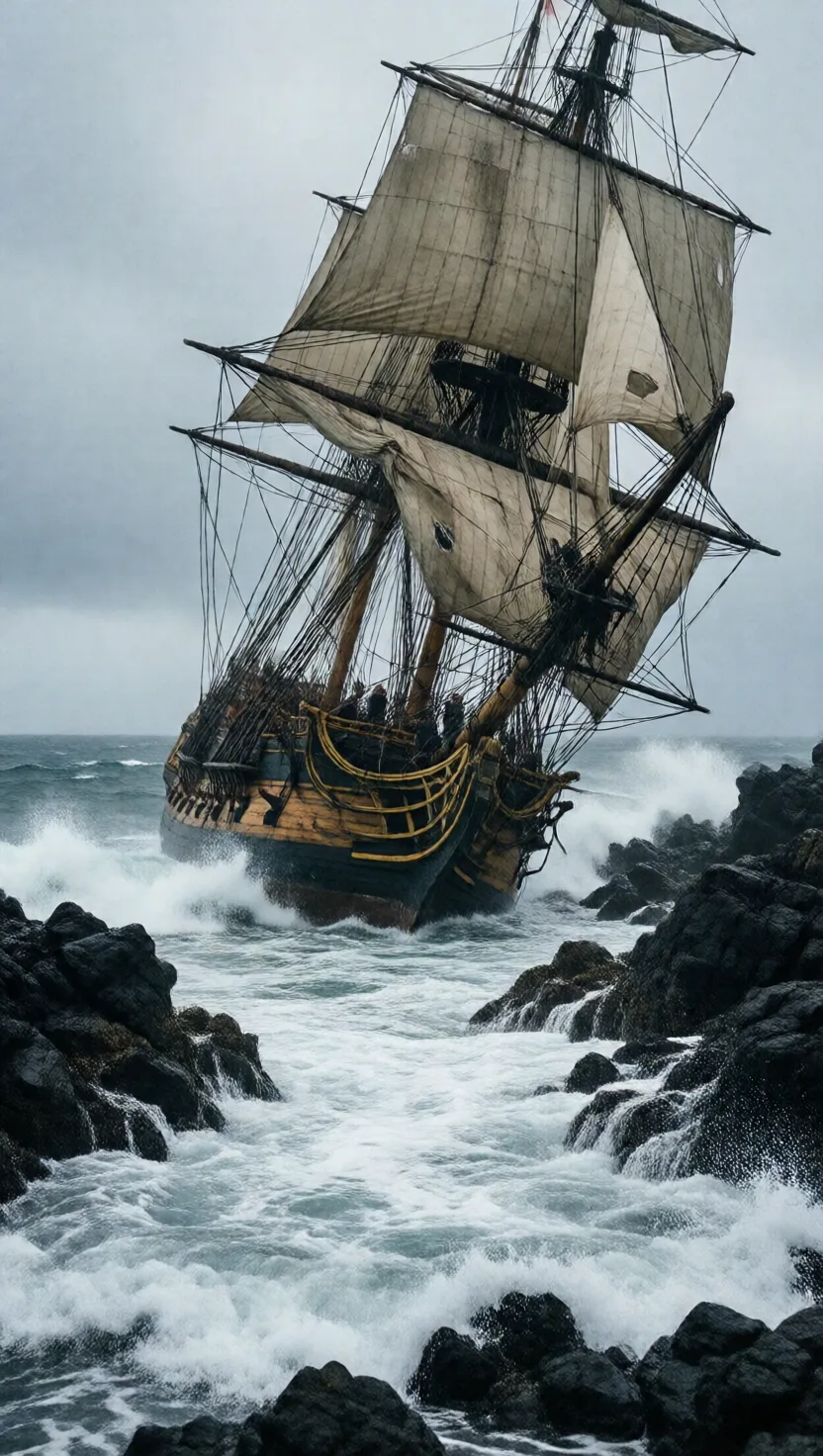
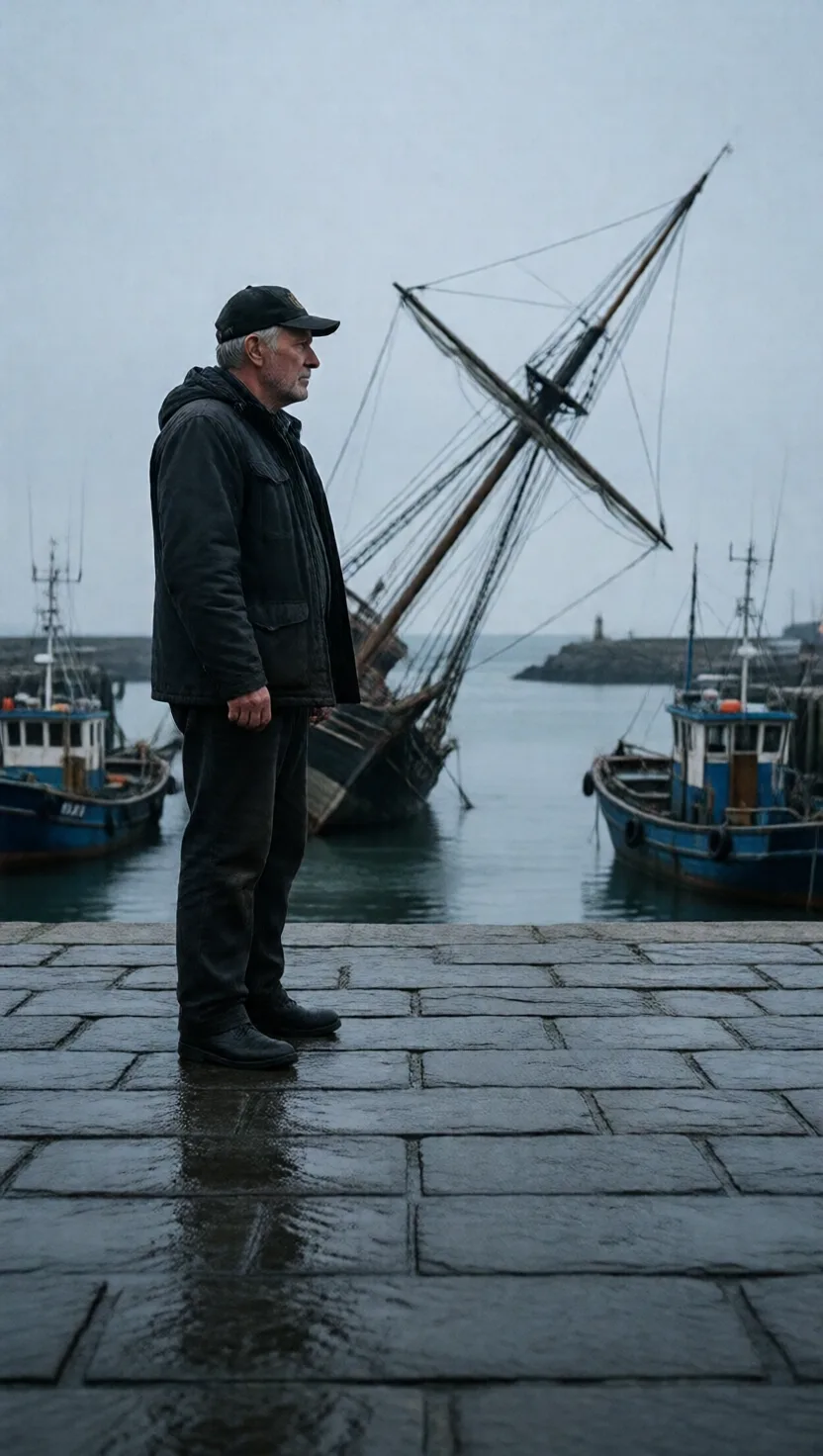
Every captain in the harbor wants his charts — no blank corners, every coastline complete, every bay resolved in the same confident ink. Yet the old harbormaster has noticed something he can't explain: the wrecks cluster exactly where the charts are most beautiful. The mapmaker's most graceful waters are his deadliest. Why would beauty mark the danger?
Where the soundings stop, his pen does not

Where the soundings stop, his pen does not

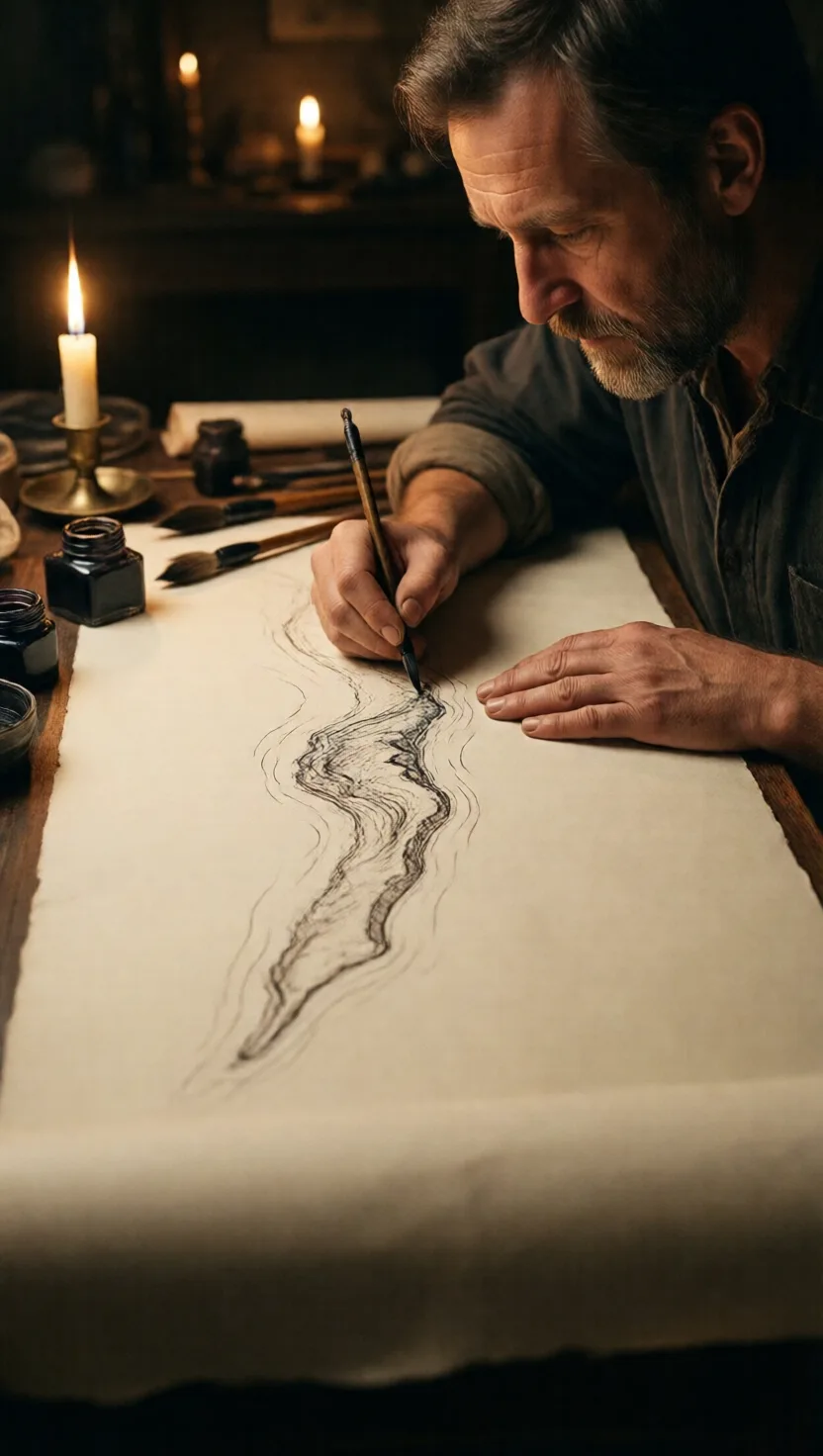
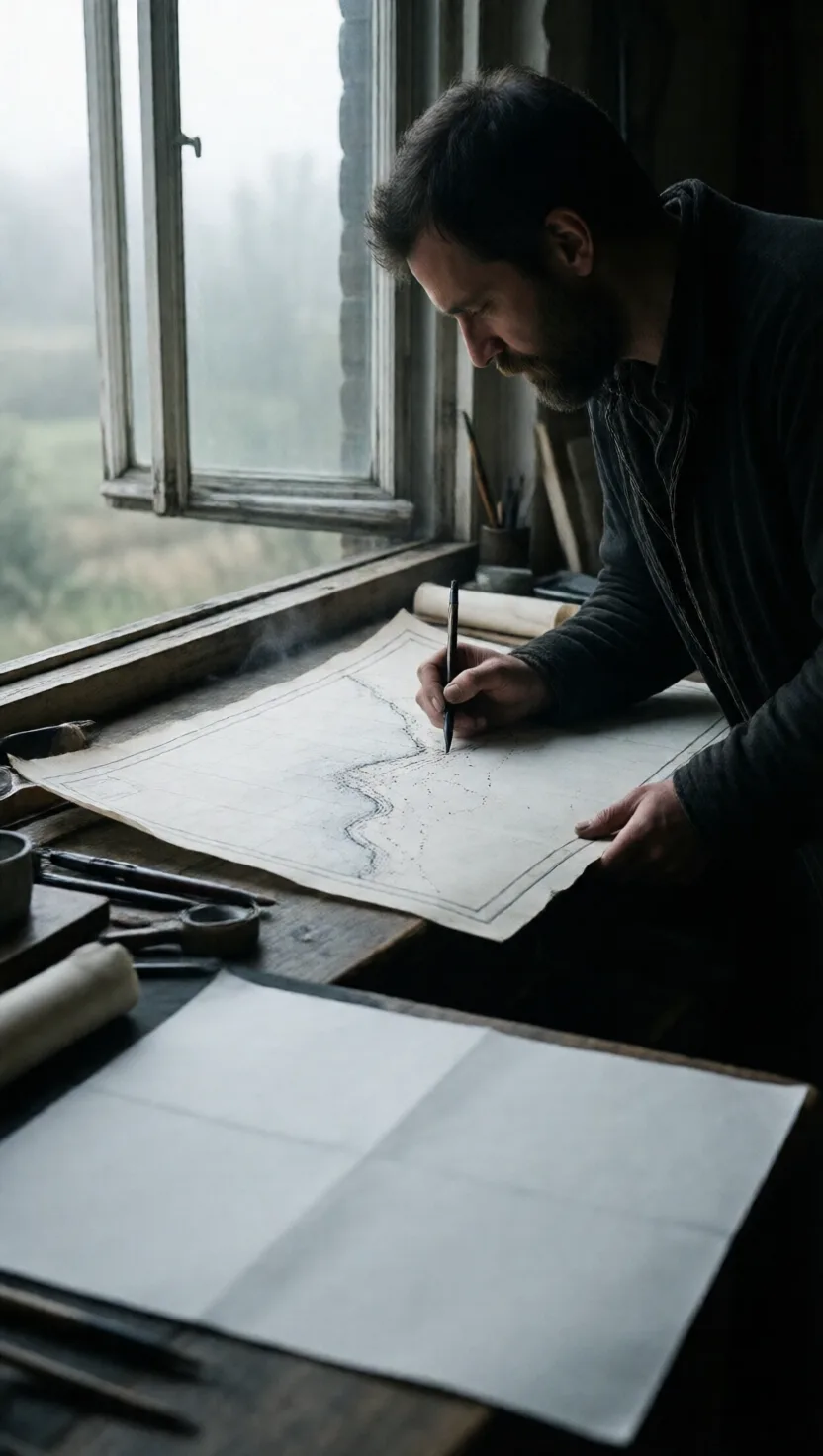
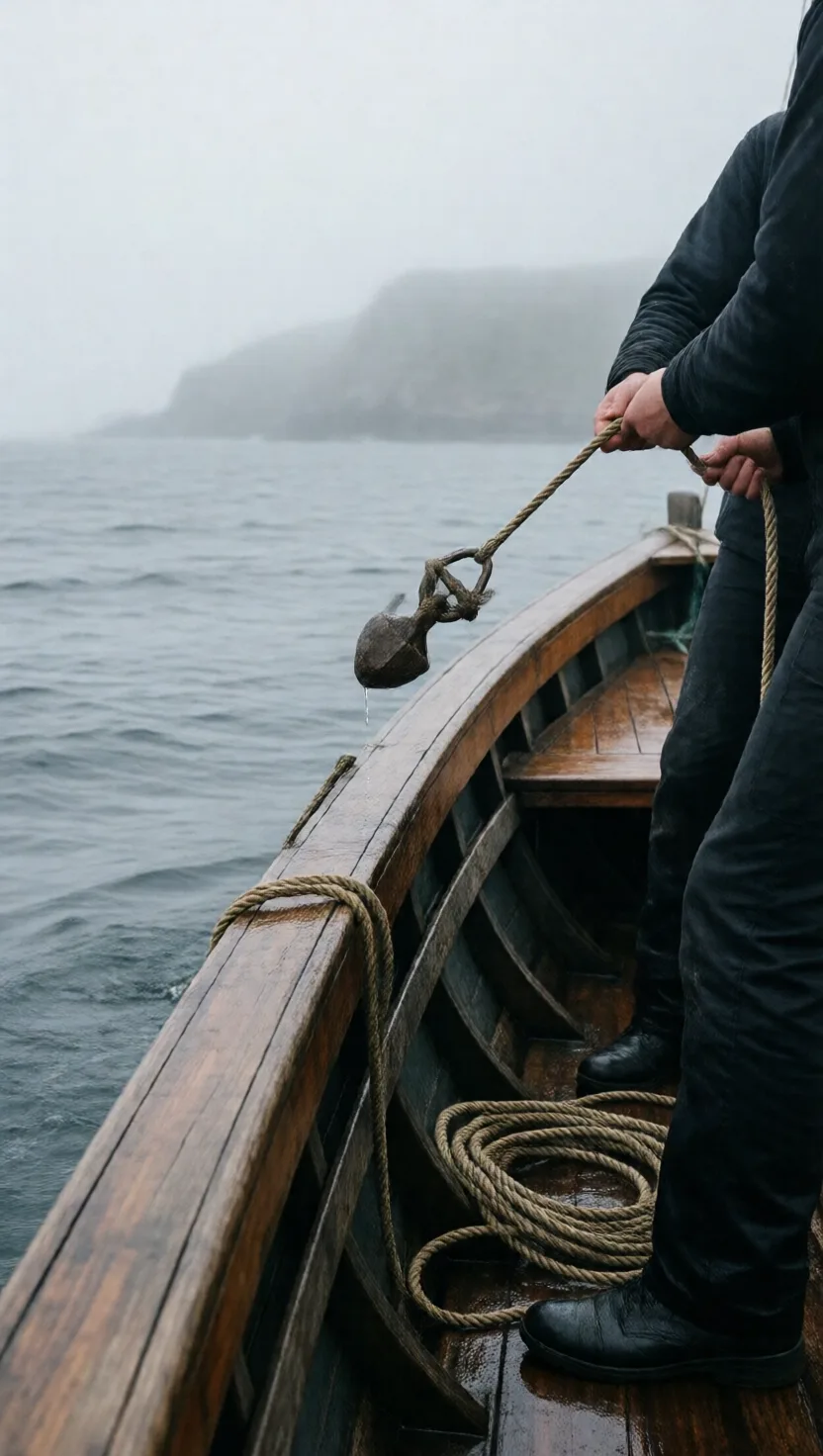
In his workshop the method looks honest. Survey boats bring back soundings — depth after depth, mile after measured mile — and where the measurements run dense, his coastlines are faithful to the rock. But every survey ends somewhere: a fog bank, a storm, a crew that turned for home. His patrons hate blank parchment. So where the soundings stop… the pen keeps moving.
He draws coast the way coast has always behaved

He draws coast the way coast has always behaved

And the pen is good — that's the trouble. He has traced ten thousand miles of real shoreline. He knows how headlands taper, how rivers braid their deltas, how islands trail off in shoals. What he draws past the last sounding is stitched from true coast-shapes, so it looks exactly like knowledge. He isn't lying, exactly. He is continuing
Surveyed and invented, in the same confident ink

Surveyed and invented, in the same confident ink

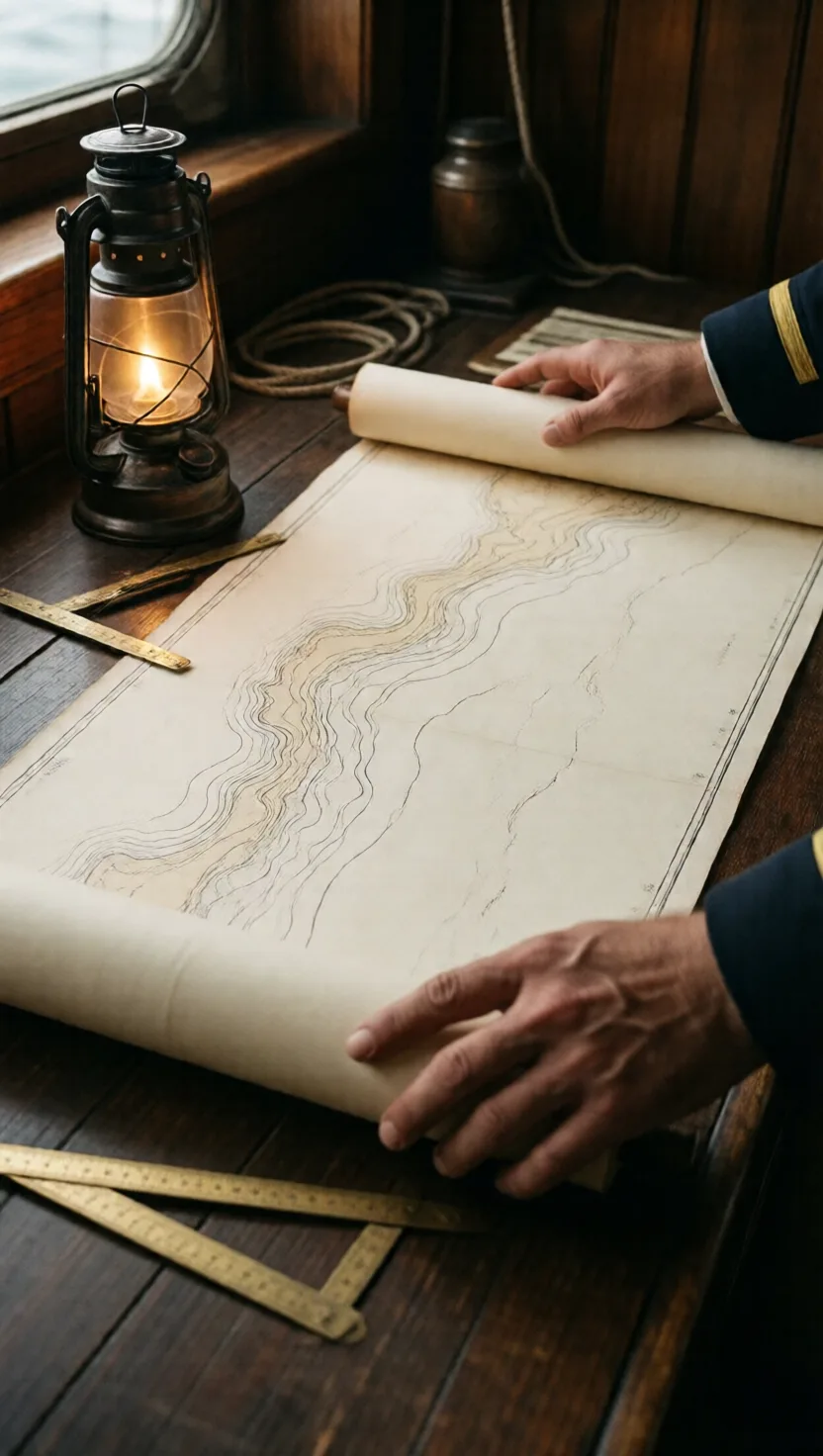
Here is the killer detail: the ink never changes. Surveyed shore and conjured shore flow from the same nib, in the same sure line — no dotted stretch for here I stopped knowing. A captain reading the chart cannot tell where measurement ends and fluency begins. And the most plausible invention is precisely the one no one thinks to doubt…
Style is smooth; the ocean is not

Style is smooth; the ocean is not

So the ships steer by his fluency. And they founder exactly where the chart is most graceful — because graceful is what his hand produces when nothing constrains it. Real coasts are awkward: a reef where no reef should be, a channel that bends wrong. Where truth runs out, style takes over, and style is smooth. The rocks the ocean actually put there never are…
Fluent past the edge of knowledge: hallucination

Fluent past the edge of knowledge: hallucination

A machine that writes is this mapmaker. It is trained on oceans of text to do one thing: continue whatever it is given as plausibly as possible. Where its reading is dense, plausible tracks true. Where knowledge thins, the pen keeps moving — fluent, confident, coast-shaped — in the same ink as fact. That is a hallucination: not a glitch, but the training goal working past the edge of what it knows.
🌱 Would you buy the honest map?

🌱 Would you buy the honest map?

At dawn the mapmaker tries something radical: a chart with pale dotted stretches wherever the soundings gave out — beautiful, and full of visible holes. He wonders whether any captain will pay for confessed ignorance when the shop next door sells certainty. Would you? Or do we keep rewarding the confident ink — in our maps, and in our answer machines?
tap →swipe ↑ for depthswipe ↓ to exit