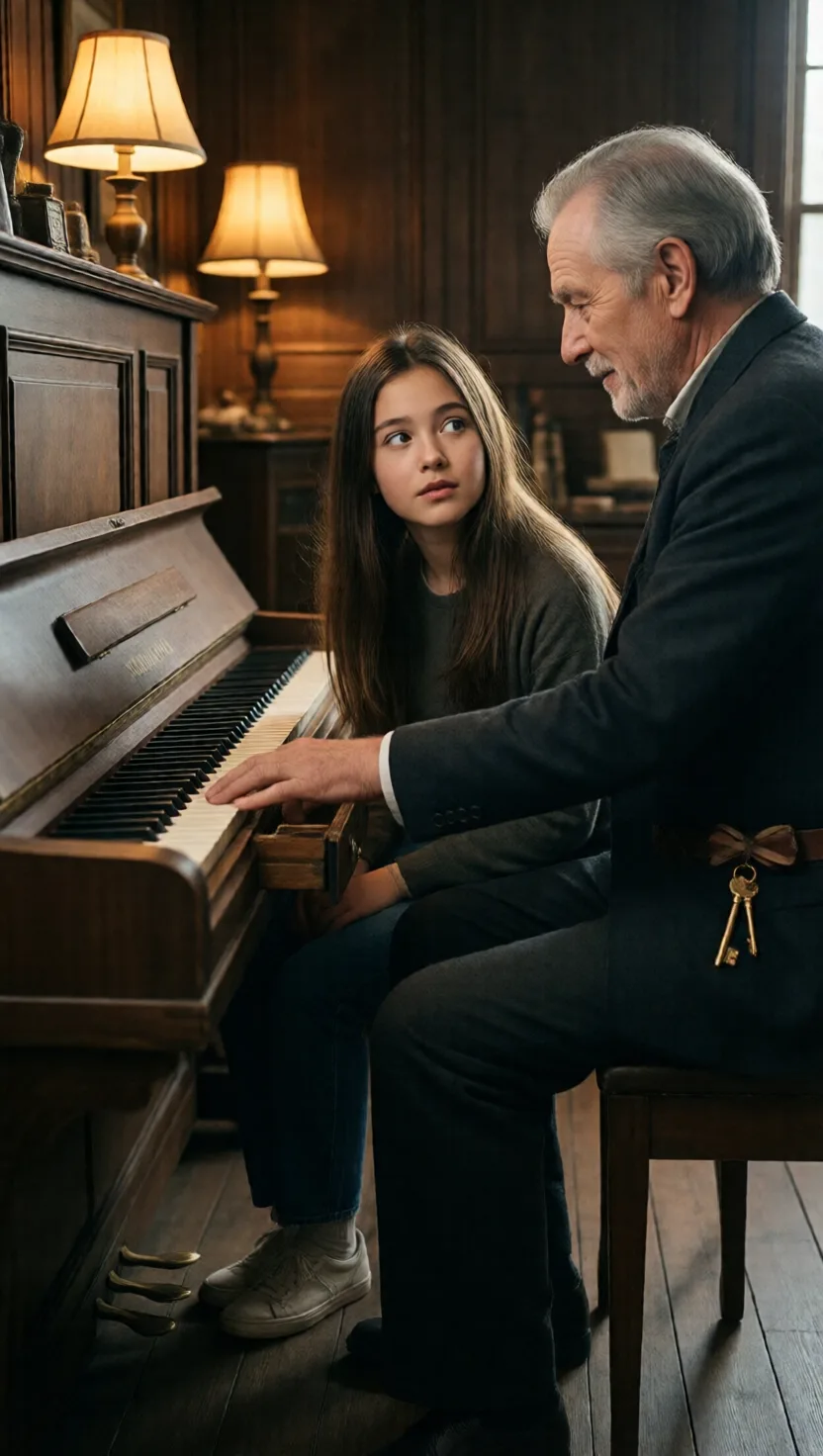
The teacher who locks the recital piece away.

SRC·111 Source
The one piece you may never practice

The one piece you may never practice

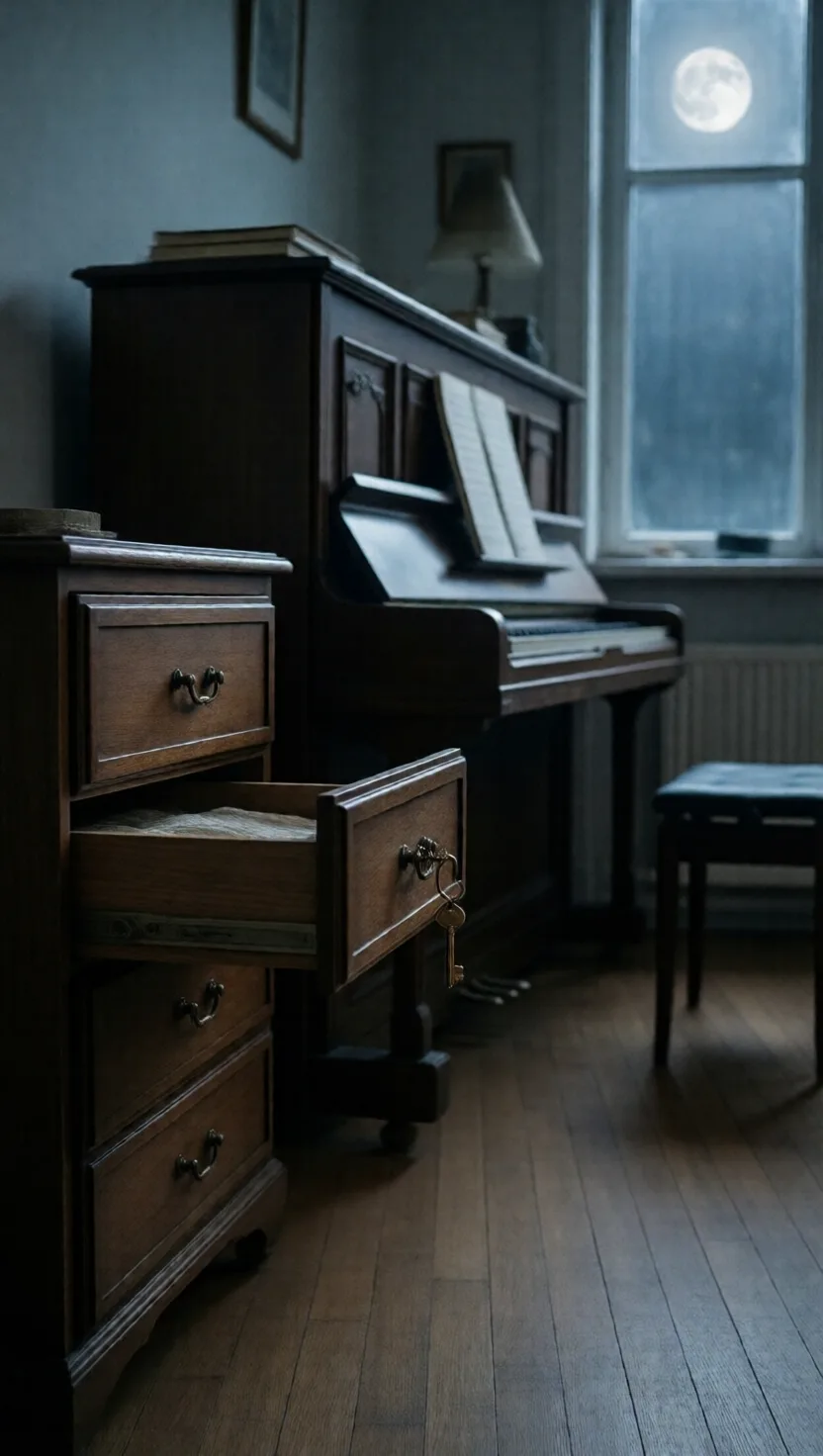
Madame Iris teaches piano with a locked drawer. Inside it waits the recital piece — the one the judges will hear. Her students never see it before the night. Across town, the rival academy has been polishing its exact recital piece since autumn, note by note. Lena, her newest student, finally asks: why hide the only piece that will ever be graded?

One stack to learn from, one stack under key

One stack to learn from, one stack under key

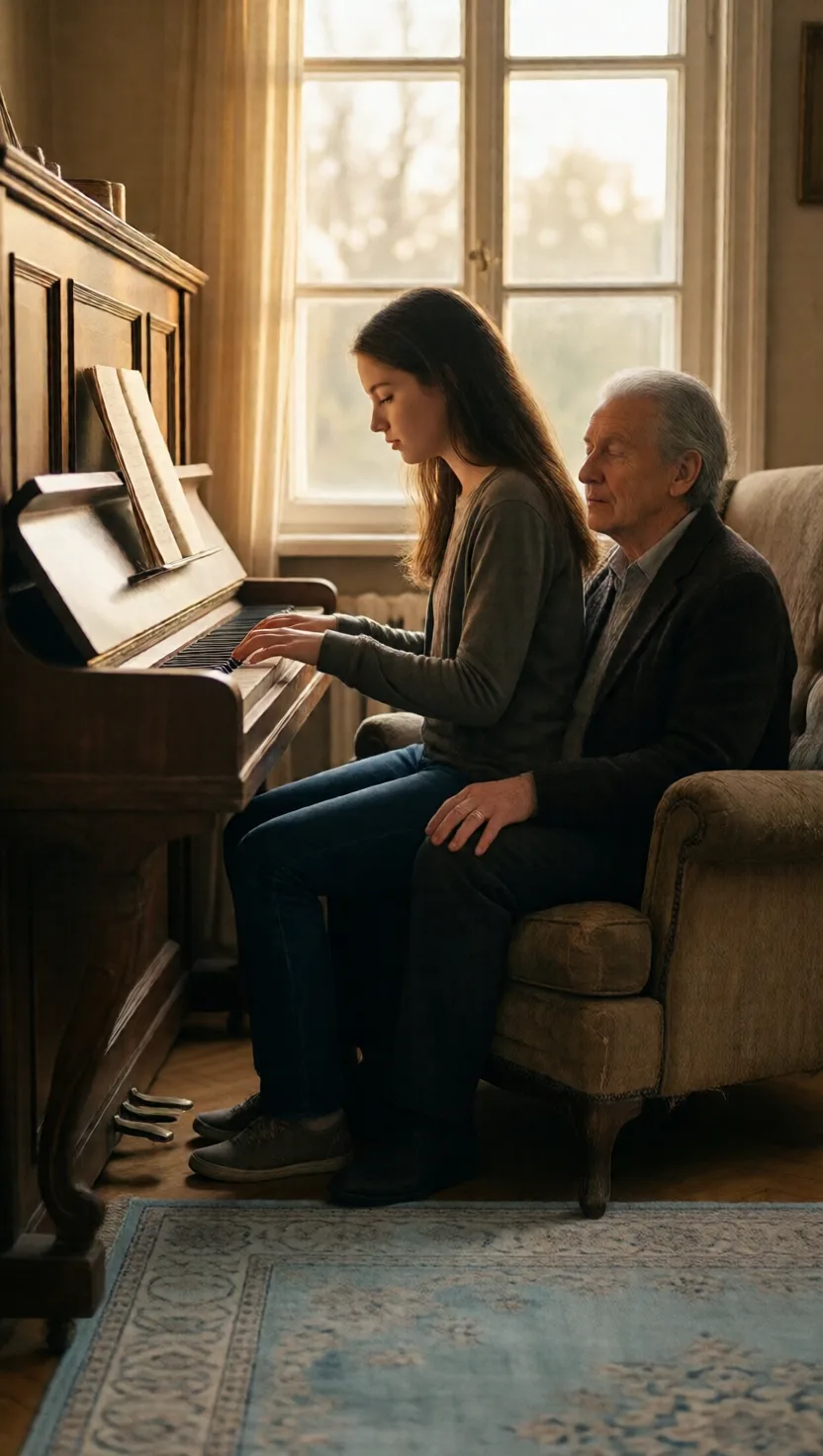
Her answer is the two stacks. From the open stack — folk tunes, minuets, études — Lena may drill anything, repeat anything, wear the pages soft. The locked stack she will meet exactly once, on stage, sight unseen. 'The open stack trains your fingers,' says Madame Iris. 'The locked one is the only thing left that can measure them.' Lena does not believe her yet…
The rival academy is note-perfect

The rival academy is note-perfect

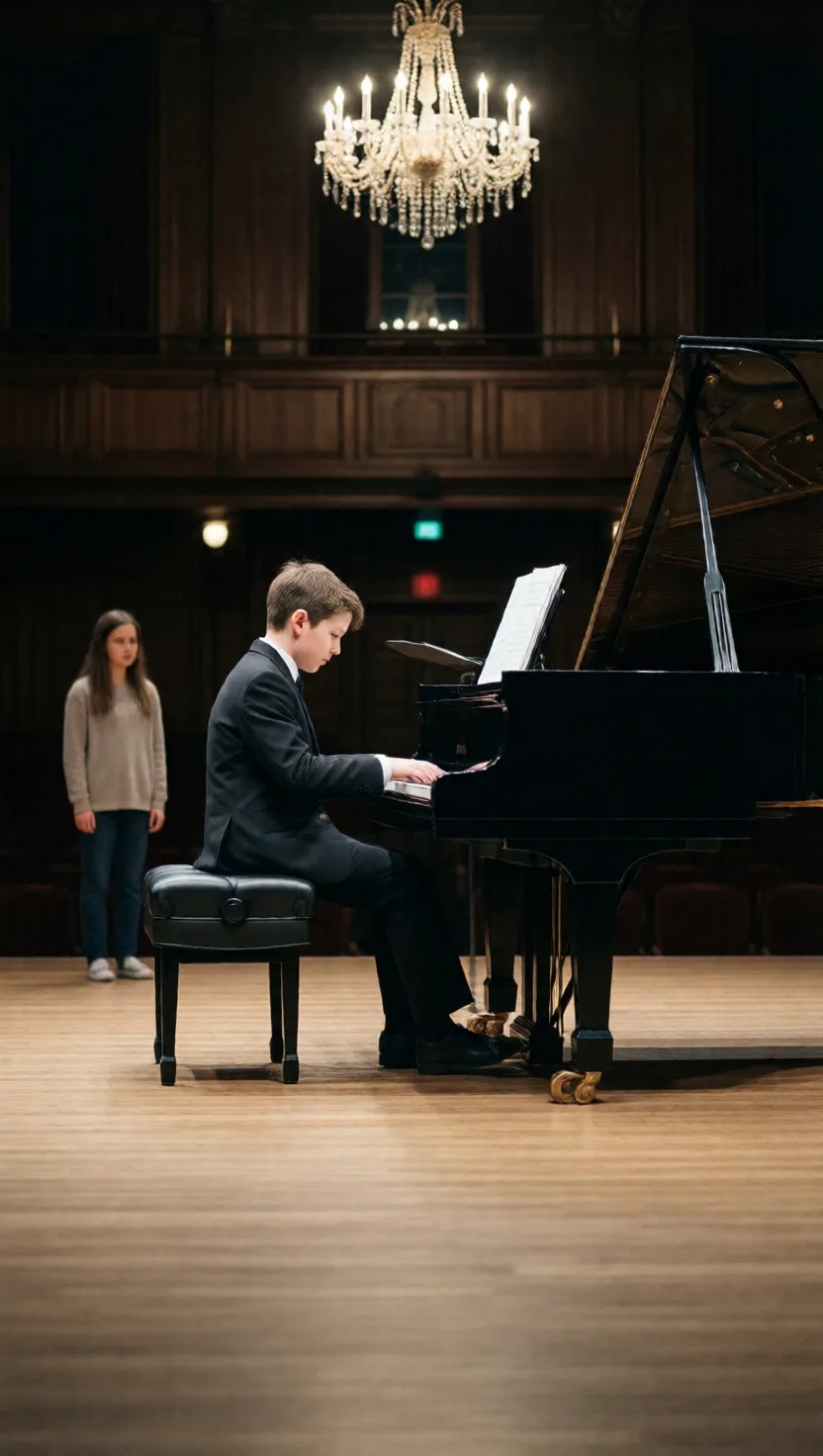
At the winter concert the rival students dazzle — pieces polished for a year, every trill machined. Lena plays a piece she met that morning: clean, plain, unremarkable. Second place. The town shrugs; the drilling school must simply be better. Then spring brings a wedding, and a guest calls out for a tune nobody planned…
A request nobody rehearsed

A request nobody rehearsed

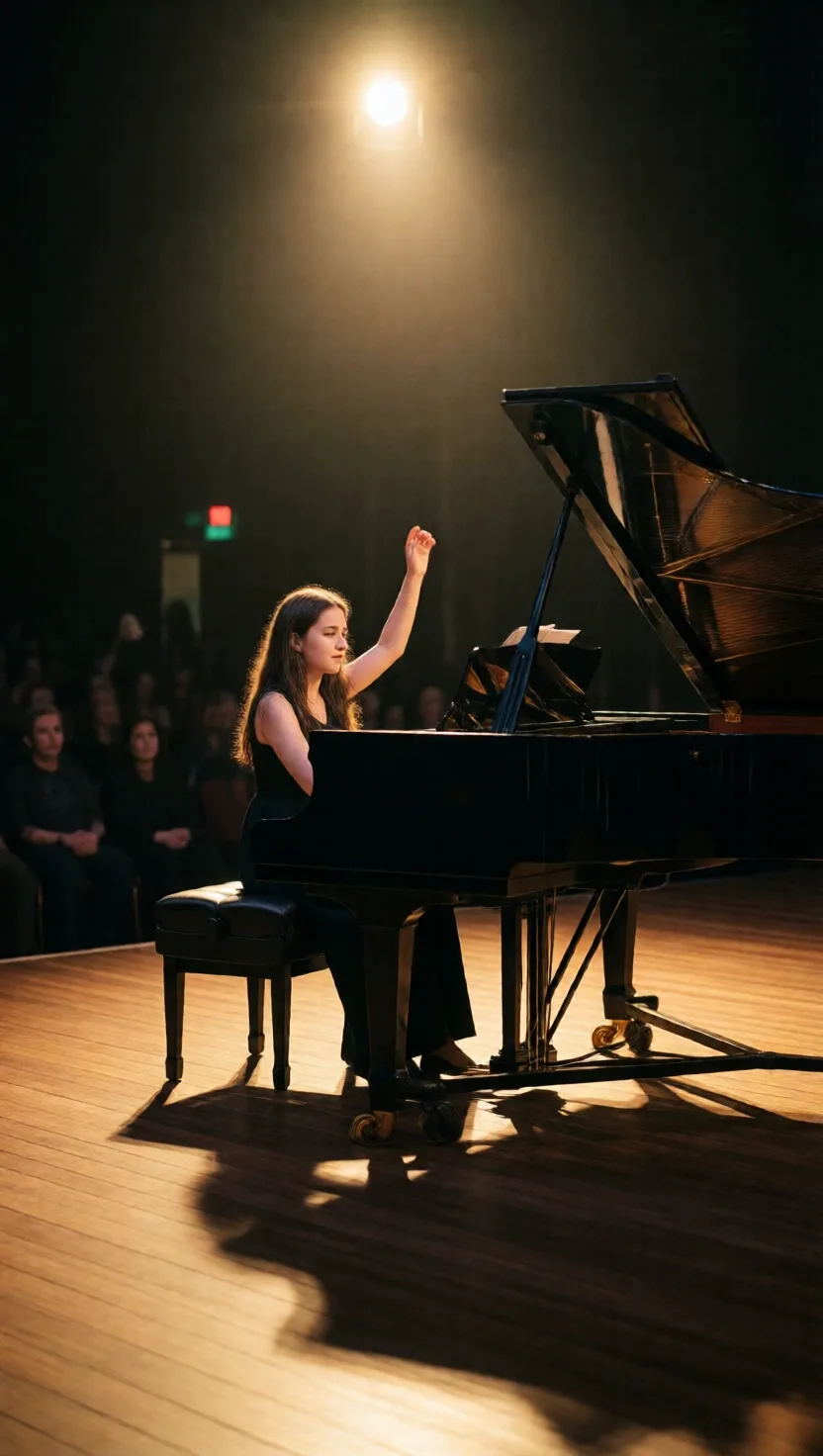
The rival's star is at the bench when the request comes. He freezes. A year of practice lives in his hands, and none of it answers a tune he never drilled. Lena takes the bench and plays it — imperfect, a little rough, unmistakably real. The same skill the concert could not see is suddenly obvious to the whole room. So what, exactly, had the concert been measuring?
A rehearsed piece can no longer measure you

A rehearsed piece can no longer measure you

Madame Iris's secret is almost cruel in its simplicity. Playing a rehearsed piece well proves memory of that piece. Playing an unseen piece well proves the patterns moved into you — that you learned music, not answers. And the moment a piece enters the practice pile, it is spent as a measure, forever. That is why the drawer stays locked. And it is why learning machines get a drawer too…
Grade the machine on songs it never saw

Grade the machine on songs it never saw

Learning machines are graded by Madame Iris's rule: the train/test split. Fit the model on one pile of examples; lock a second pile away before training starts; grade on the locked pile, exactly once. Scores on rehearsed data flatter — a machine can memorize its whole practice pile and have learned nothing. Only unrehearsed examples measure learning. One worry remains, though, and it keeps teachers up at night…
🌱 Every secret song eventually leaks

🌱 Every secret song eventually leaks

After the recital, the secret piece is secret no more — the whole town has heard it, and next autumn's students could hunt it down and drill it. So the drawer must be refilled with ever-fresh songs, forever. Machines that read nearly everything face the same quiet crisis: what happens to grading when every exam, eventually, leaks into the practice pile?
tap →swipe ↑ for depthswipe ↓ to exit