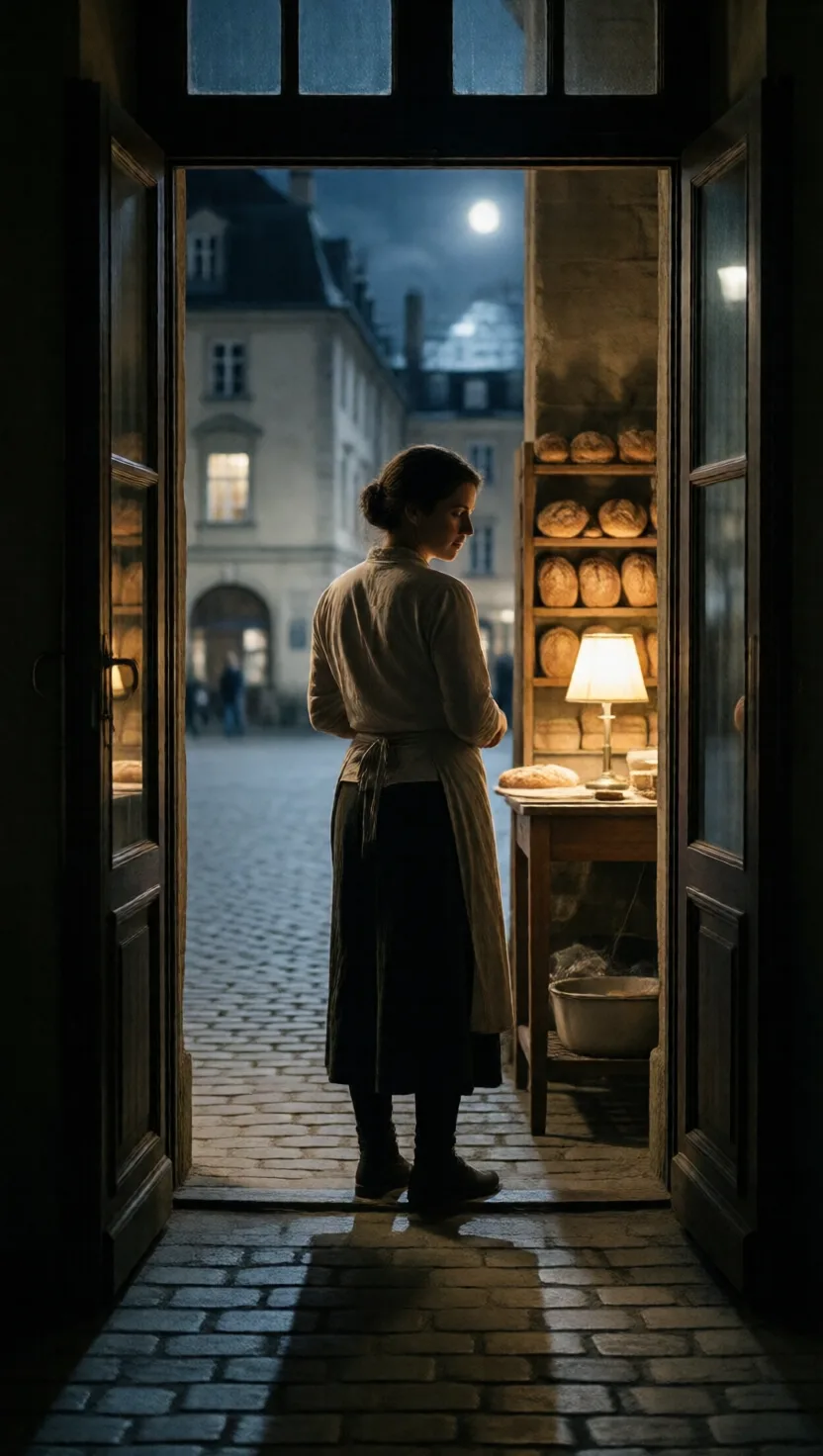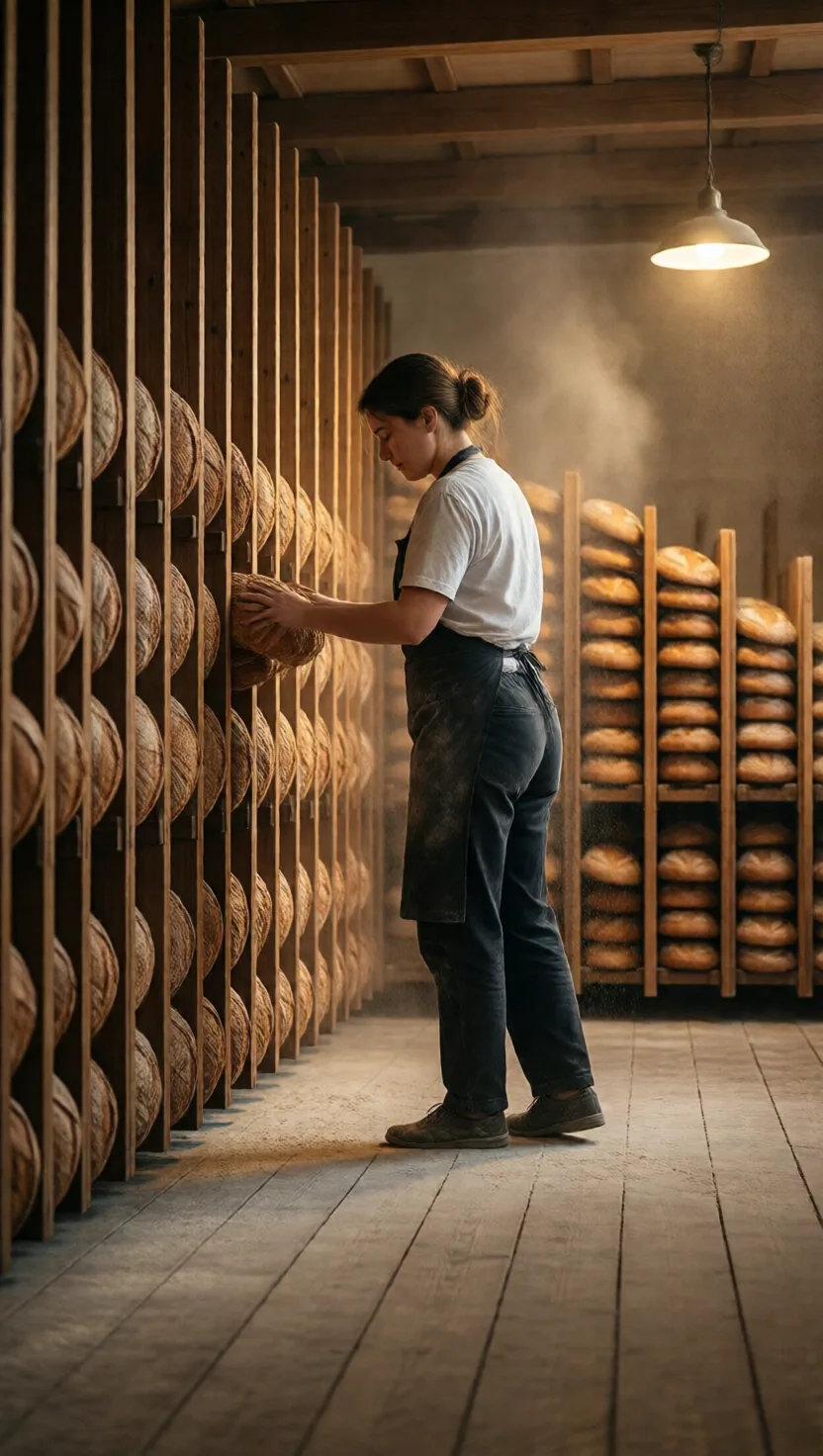
The wall of loaves that draws the same hill every night.

SRC·110 Source
Nobody plans the hill, and the hill comes anyway

Nobody plans the hill, and the hill comes anyway

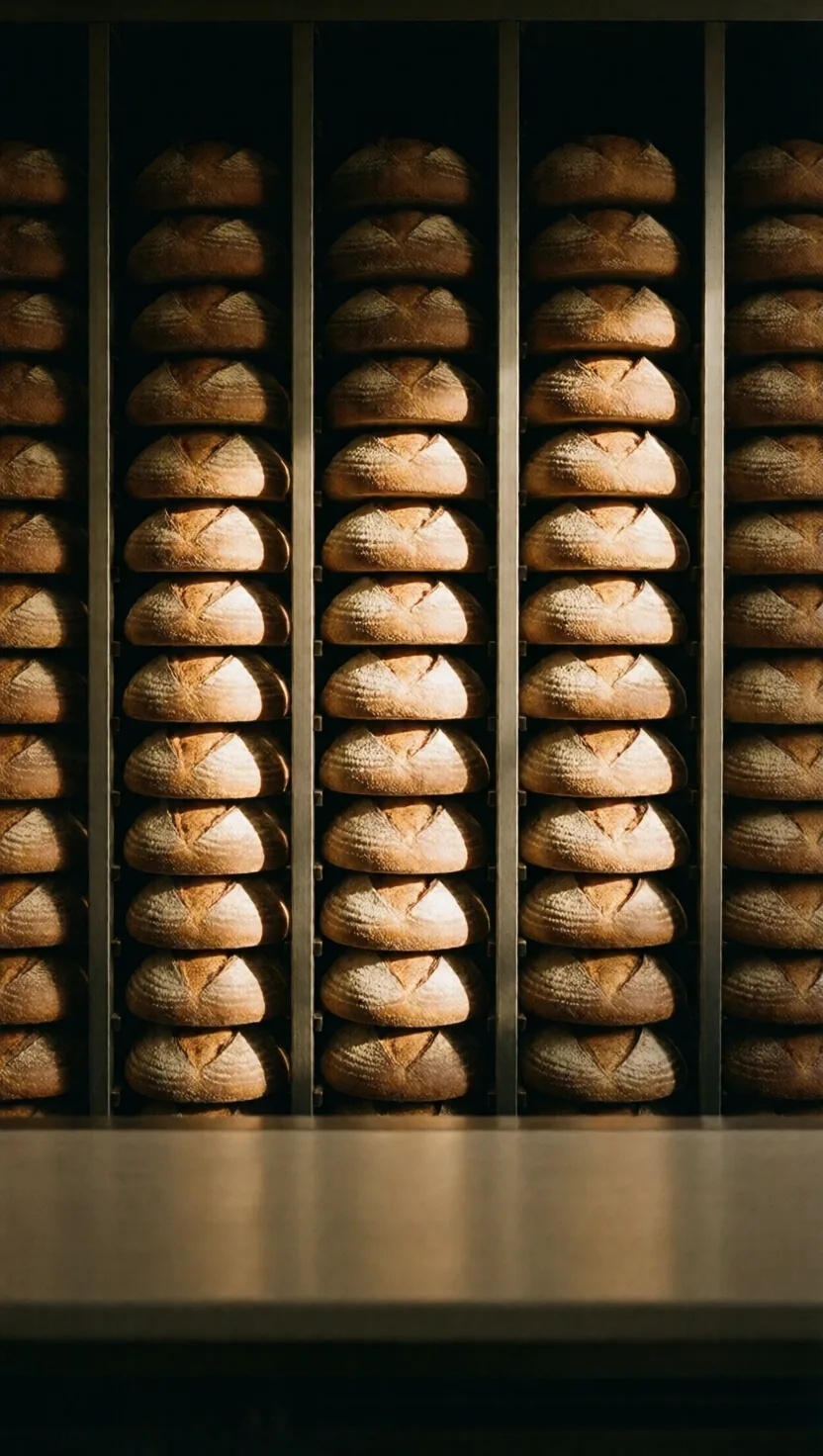
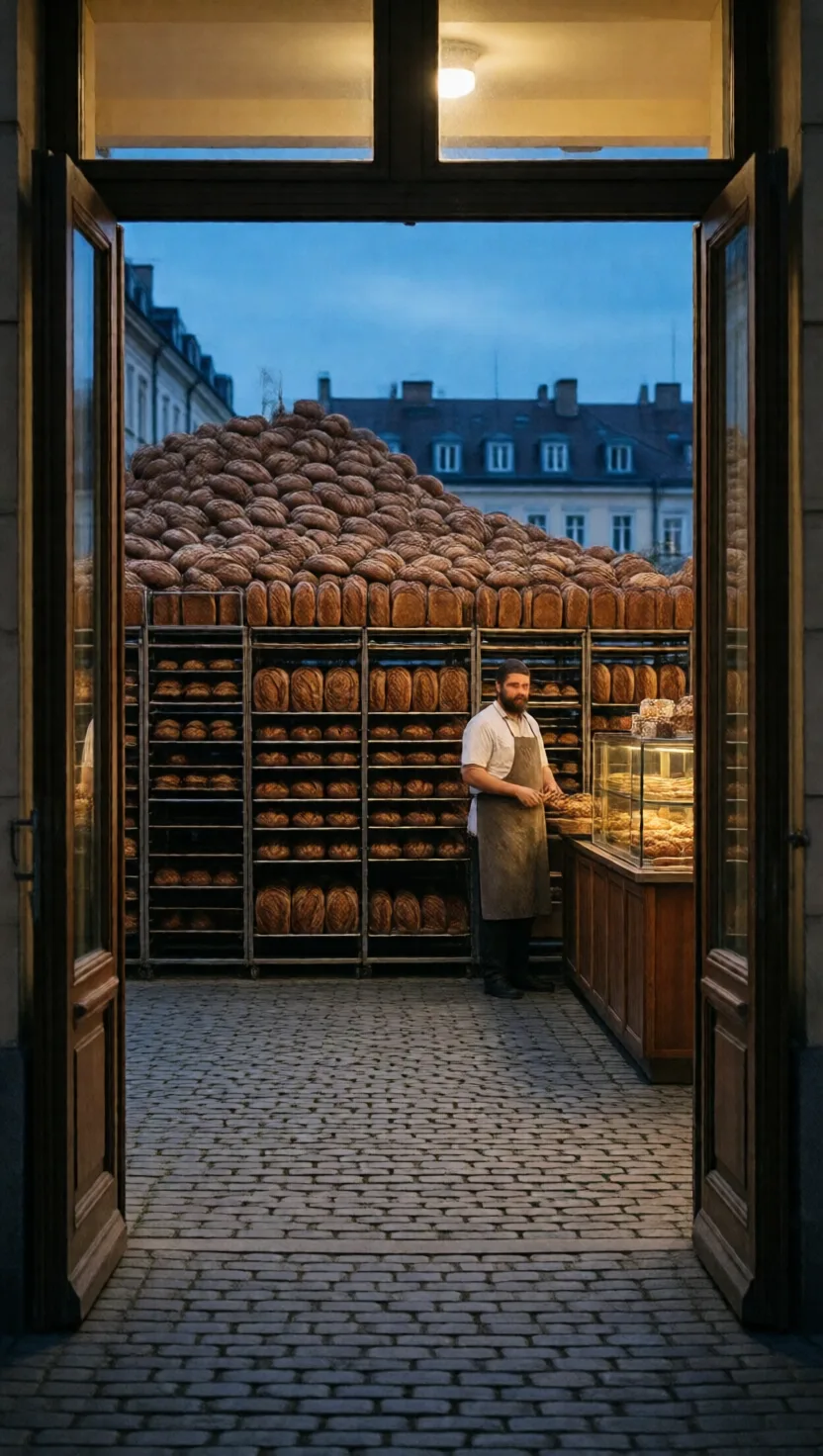
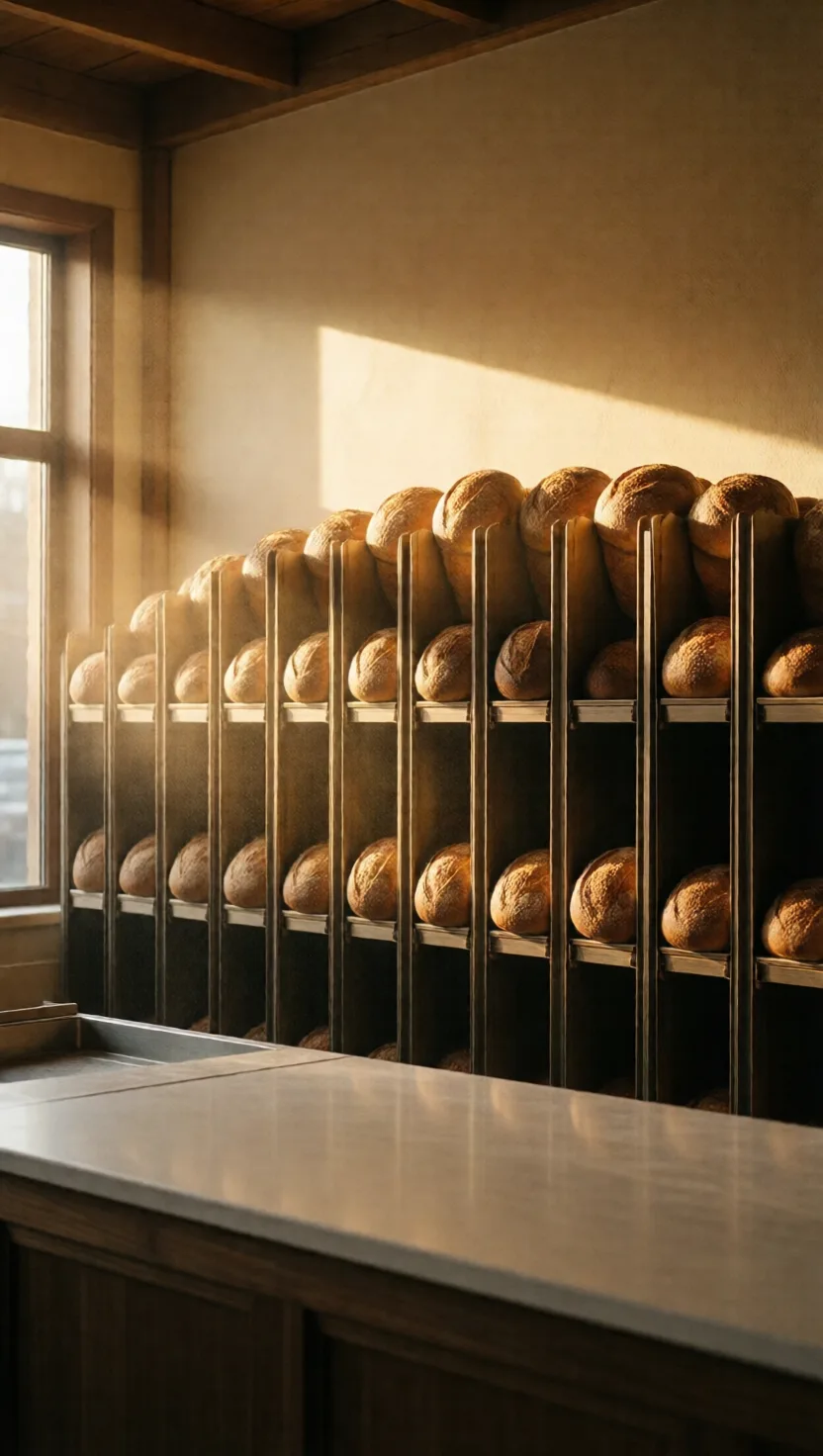
At closing time Rosa slides the day's loaves into a wall of narrow slots — lightest to the left, heaviest to the right, one slot per weight. She steps back. The loaves silhouette a gentle hill: fat in the middle, thin at the edges. The same hill as yesterday. The same as last winter. Nobody weighs dough to a plan. So who keeps drawing it?
Every loaf is a hundred tiny accidents

Every loaf is a hundred tiny accidents

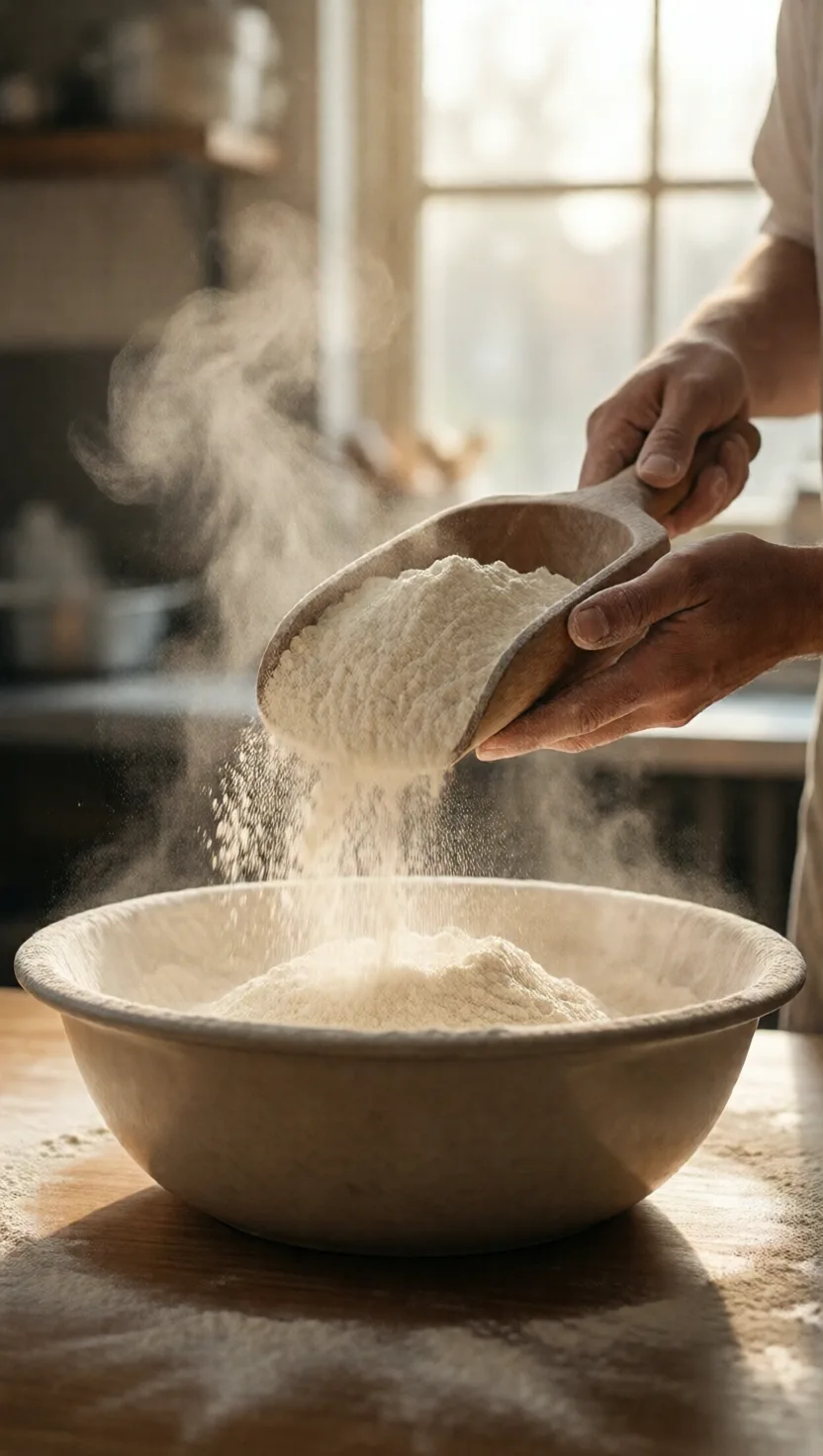
She hunts for the artist and finds only accidents. A heaped scoop here, a shy one there. A humid morning that drinks into the flour. The oven's one hot corner. A hurried knead. Each nudge pushes a loaf a whisker heavier or lighter, and no single nudge matters at all. But every loaf carries all of them at once — the accidents add. And adding, it turns out, has a shape…
Middles are easy. Edges take a conspiracy.

Middles are easy. Edges take a conspiracy.

For a loaf to land mid-wall, its hundred accidents only have to roughly cancel out — heavy scoop, dry corner, cool morning — and there are countless ways to cancel. For a loaf to land at the far edge, nearly every accident must push the same way, and there is almost no way to arrange that. Middles are easy; edges need conspiracies. That explains the hill's shape. It does not explain the strangest part…
A different recipe closes to the same hill

A different recipe closes to the same hill

A new baker opens across the square. Rye instead of wheat, a wood-fired oven, water from another well — different accidents entirely. At closing time Rosa walks over and stares: his slots hold the same gentle hill. Shifted a little, wider a little, but the shape is unmistakable. The hill does not remember the recipe. It only remembers the adding — until one evening, the adding breaks…
The night the wall grew two humps

The night the wall grew two humps

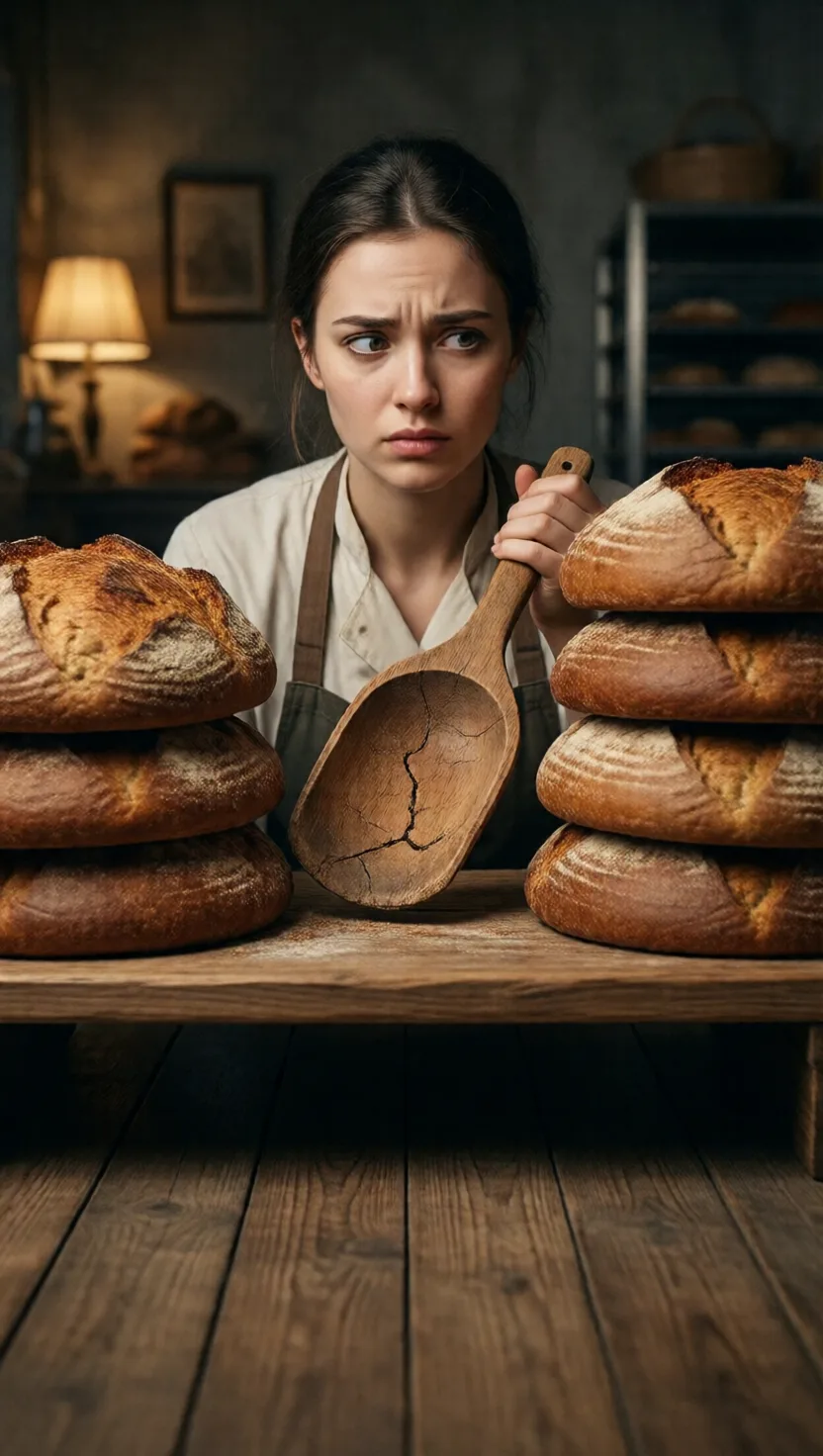
The evening her scoop cracks mid-shift, Rosa borrows a deeper one, and half the batch runs heavy. At closing, the wall shows two humps — a camel where the hill should be. One accident grew too big to hide among the others, and the shape shattered. The spell holds only while every accident stays small, and none of them rules the rest. Which tells her, at last, what the hill really is…
The hill is the shape of adding itself

The hill is the shape of adding itself

The hill has a name: the bell curve. Whenever a quantity is the sum of many small, independent accidents, its pile takes this one shape — whatever the source. Loaf weights, human heights, the errors in a careful measurement. Mathematicians call the guarantee the central limit theorem: sums launder their ingredients. The bell was never in the bread. It is in the adding.
🌱 What about the things that multiply?

🌱 What about the things that multiply?

Locking up, Rosa thinks of what never makes a hill. Fortunes. City sizes. The famous getting more famous. There, each gain multiplies what is already there instead of adding one more small accident — and their piles come out lopsided, with long greedy tails. What shape is waiting, then, wherever life compounds instead of adds?
tap →swipe ↑ for depthswipe ↓ to exit