A whole night, tied into one short cord.

SRC·101 Source
One short cord to remember five miles of night

One short cord to remember five miles of night

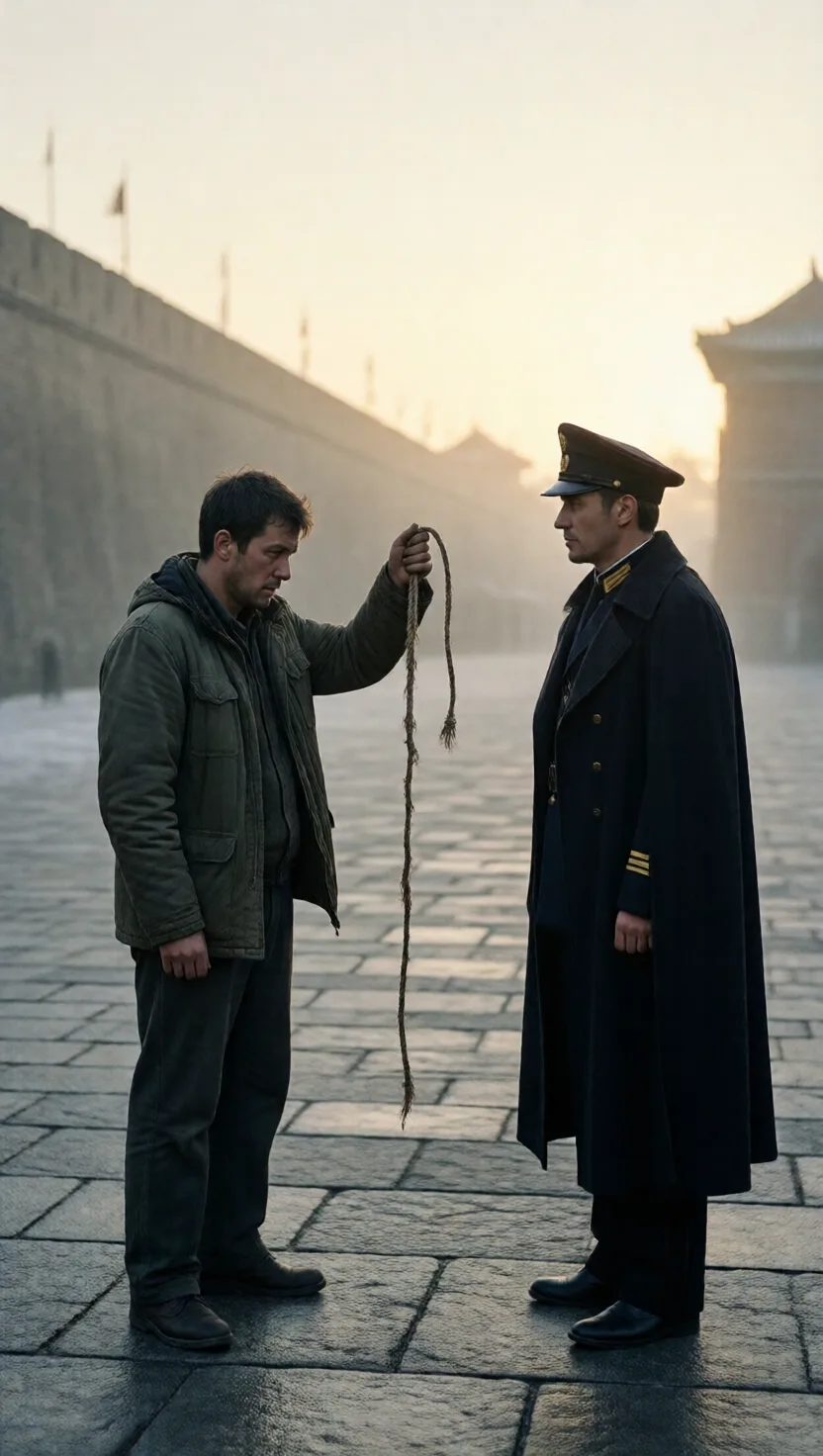
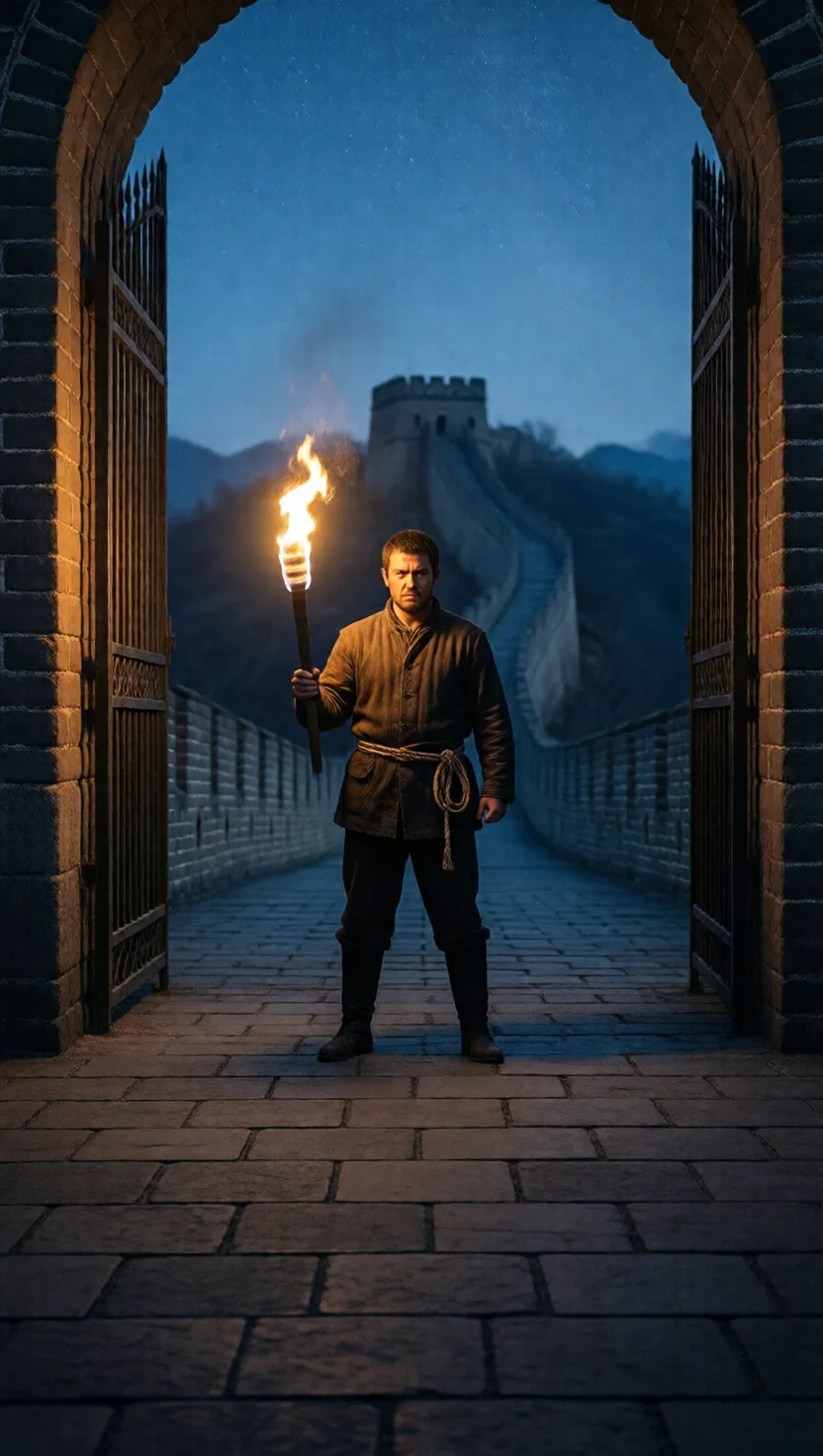
Teodor walks the city wall from the dusk gate to the dawn gate — five miles, two hundred watch posts — and at sunrise the captain will ask him for the state of all of it. He may carry nothing his hands cannot tend in the dark: one short knotted cord at his belt, and no more. Two hundred posts. One small cord. How can that possibly be enough?

At every post, the same ritual: re-tie the cord

At every post, the same ritual: re-tie the cord

At each post he pauses under the torch and re-ties. Whatever the last stretch held — a calm parapet, a cracked stone, voices below the wall — he folds it into the knots. And because the cord is short, to tie the new he must loosen something old. One ritual, identical at every post, all night long. At first it feels like a trick that cannot fail…
The night grows. The cord never does

The night grows. The cord never does

By midnight he has folded in a hundred posts, and the cord still weighs nothing and fits his fist. That is the wonder: his memory does not grow with the miles. A wall twice as long would meet the same small cord — an unbounded night pressed, step by step, into the same few knots. Then, near the far end, he reaches back for the first hour…
The first hour has worn thin under the knots

The first hour has worn thin under the knots

The loose stone by the third post — he tied it in, he is sure. But two hundred re-ties have each pressed it a little thinner, newer news settling over older, and now his fingers find only a ghost of it. The cord holds the recent night sharply and the early night hardly at all. What survives is whatever the ritual, re-tie after re-tie, chose to keep…
At the dawn gate, the cord speaks for the wall

At the dawn gate, the cord speaks for the wall

At the far gatehouse the captain asks, and Teodor answers for the whole wall out of one handful of knots: the breach they watch, the calm stretches, the turn of the night's weather. From so little, so much — the cord's quiet glory. But ask about the wall's far beginning and he goes vague; the little memory has already spent it. His trick, it turns out, has a name — and a family…
The trick is called recurrence

The trick is called recurrence

ht=f(ht1,  xt)h_t = f(h_{t-1},\; x_t)
A machine can read this way too: take the sequence one step at a time and carry a small fixed memory, re-written at every step by one same rule — the new memory is simply a function of the old memory and the newest thing seen. That loop is recurrence. It reads text of any length with a memory that never grows, and pays Teodor's price: the far past thins with every overwrite. For decades, machines that read carried exactly this cord…
🌱 What does your re-tying rule keep?

🌱 What does your re-tying rule keep?

Off duty at last, Teodor watches the sun climb and wonders which nights his cord has kept truly and which it has quietly smoothed away. You carry one too: each evening folds the day into whatever you already hold, and something old gives a little every time. Of everything that has happened to you this year — what has your rule kept tight, and what has it already let slip?
tap →swipe ↑ for depthswipe ↓ to exit