Eight things that spin in defiance of common sense

DC·98 Deep Cuts
This stone refuses to spin the wrong way

This stone refuses to spin the wrong way

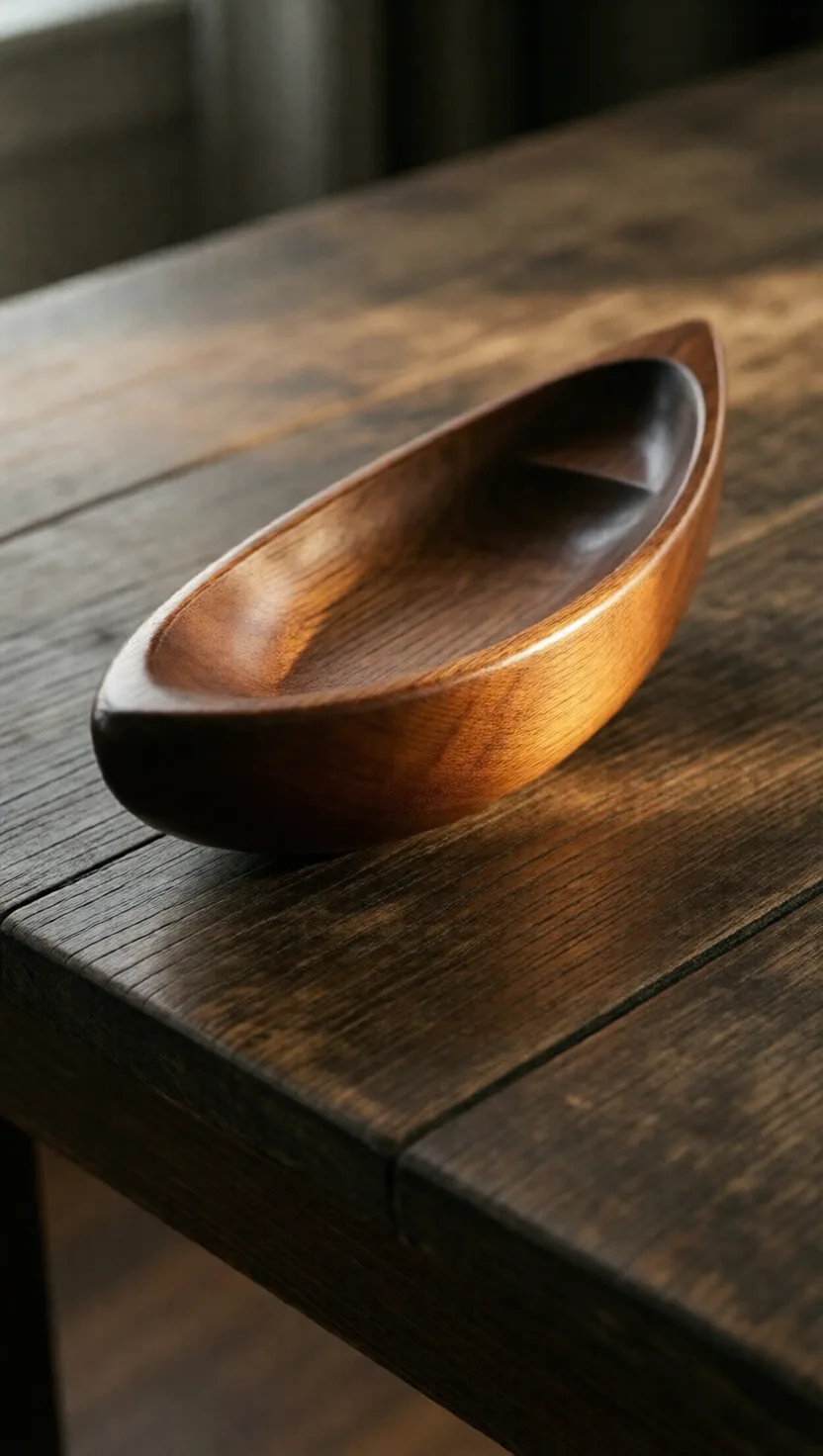
A rattleback is a smooth, boat-shaped lump of wood or stone with a will of its own. Spin it one way and it turns happily. Spin it the other way and it slows, starts to rock and rattle, then stops and spins back in its preferred direction — no motor, no trick. The secret is that its curved underside is subtly twisted relative to its weight, so spinning the 'wrong' way feeds energy into a wobble that reverses it.
In space, a spinning bolt flips itself over

In space, a spinning bolt flips itself over

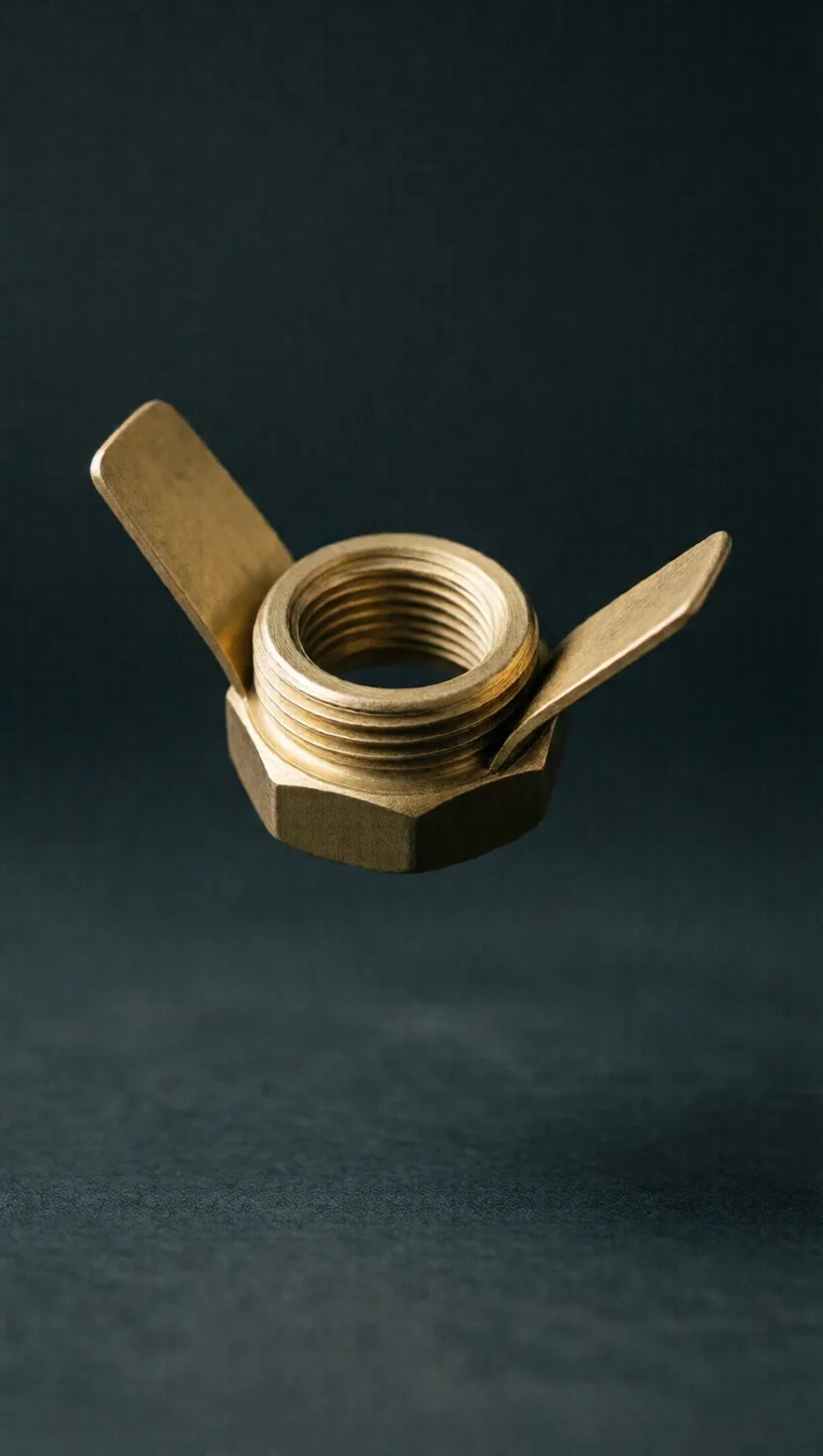
Spin a lopsided object about its middle axis and it will not spin cleanly — it periodically flips end over end, then flips back, again and again. In 1985 a cosmonaut on a space station set a wing-nut spinning in weightlessness and watched it tumble over on a steady beat. The physics is firm enough to have a name, the intermediate-axis theorem, yet the flip still looks as if the object has changed its mind.
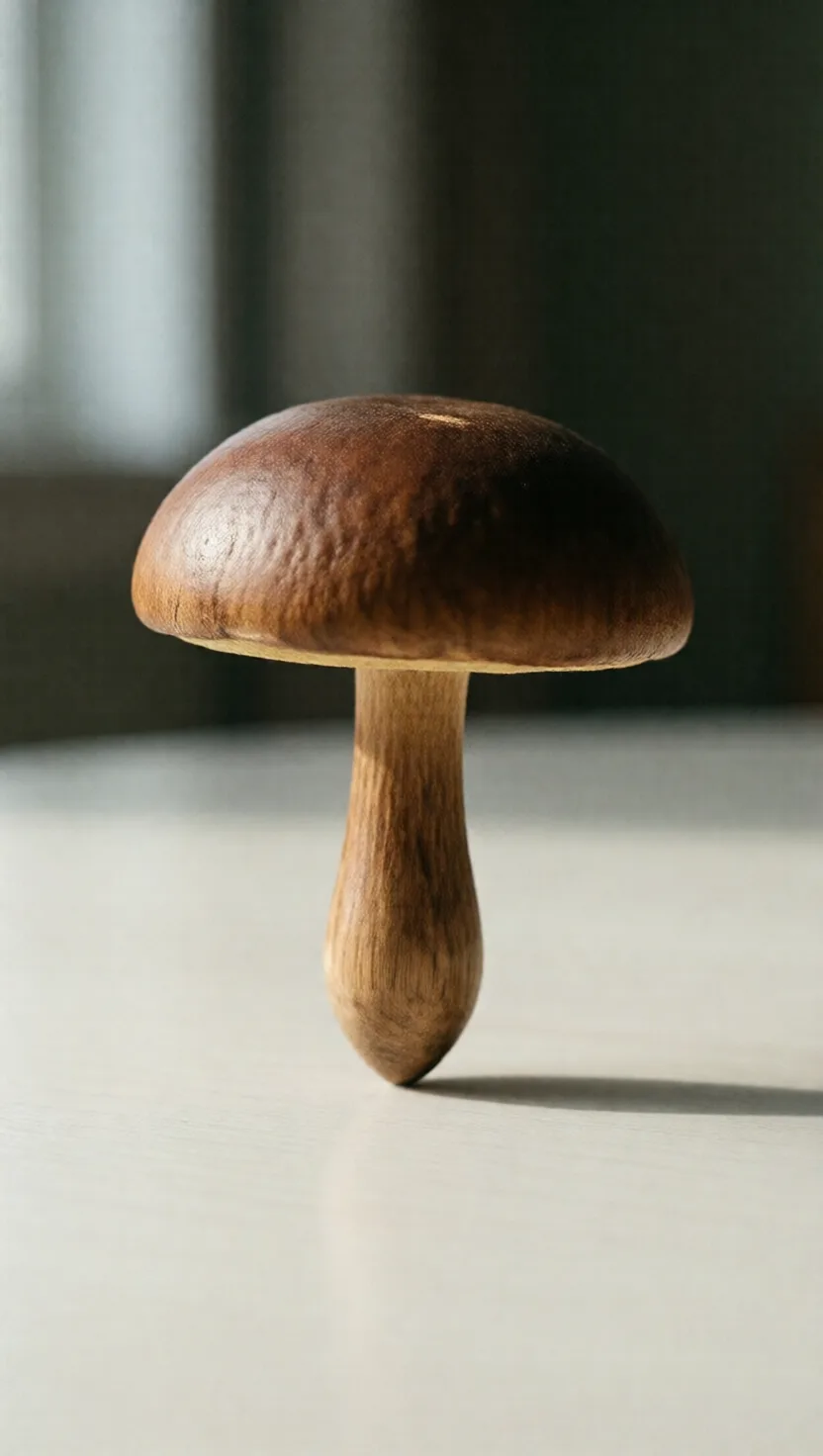
A top that flips upside down to spin

A top that flips upside down to spin

A tippe top is a fat, mushroom-shaped top that does something absurd: spin it fast and it suddenly turns over and balances spinning on its thin stem, lifting its own centre of gravity as it goes. The cause is friction with the table, quietly twisting it upright. The very same effect makes a hard-boiled egg rise from lying down to spinning on one end — and a raw egg, with its sloshing insides, never can.
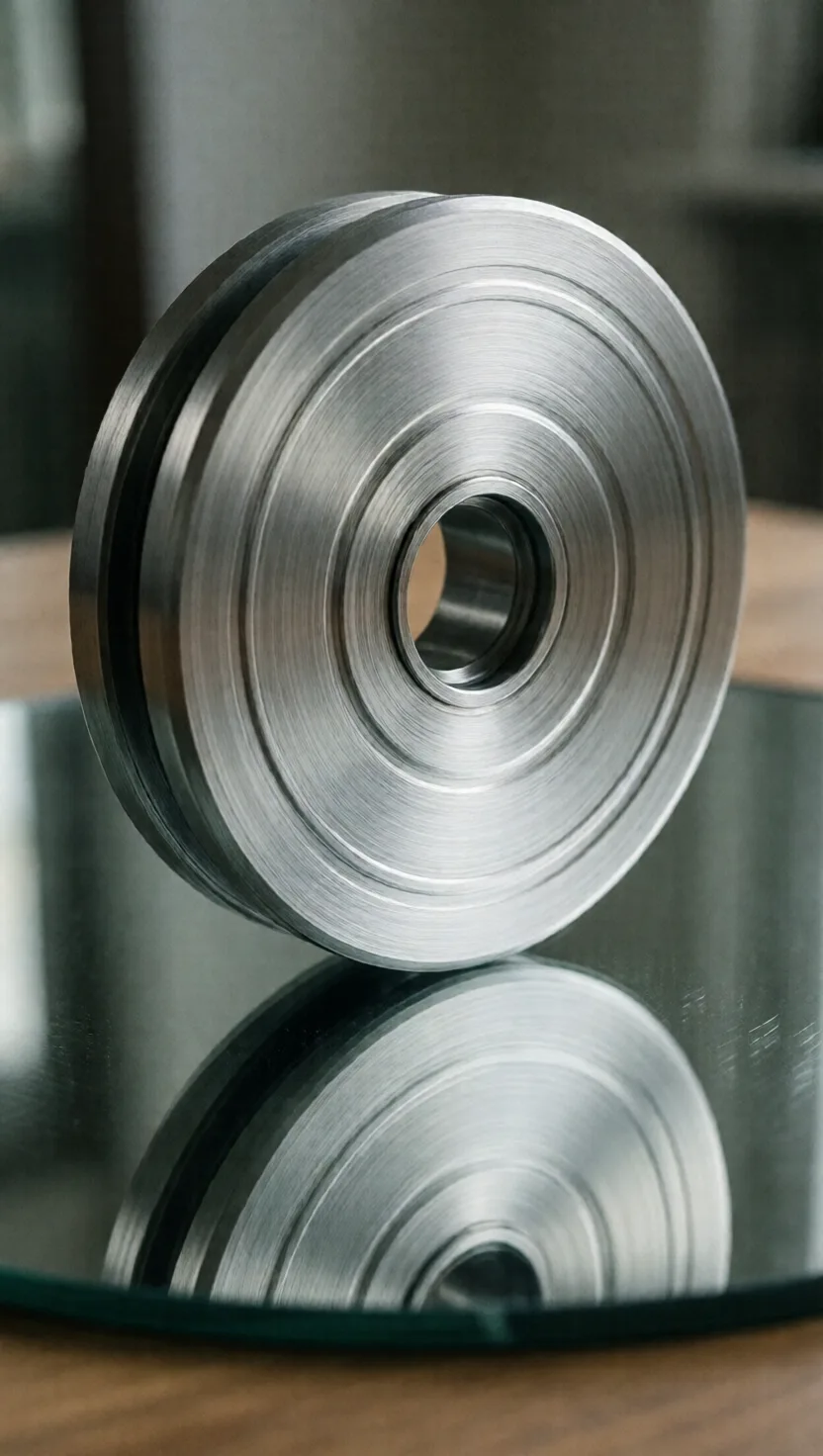
A spinning coin's rattle ends all at once

A spinning coin's rattle ends all at once

Spin a coin or a heavy disk on a table and listen: as it settles, the rattling hum rises higher and faster, then stops with startling suddenness. As the disk flattens toward the table, its point of contact races around the rim faster and faster, in theory reaching infinite speed in a finite time. A study in 2000 showed this 'finite-time singularity' is why the spin seems to die in an instant rather than fade away.
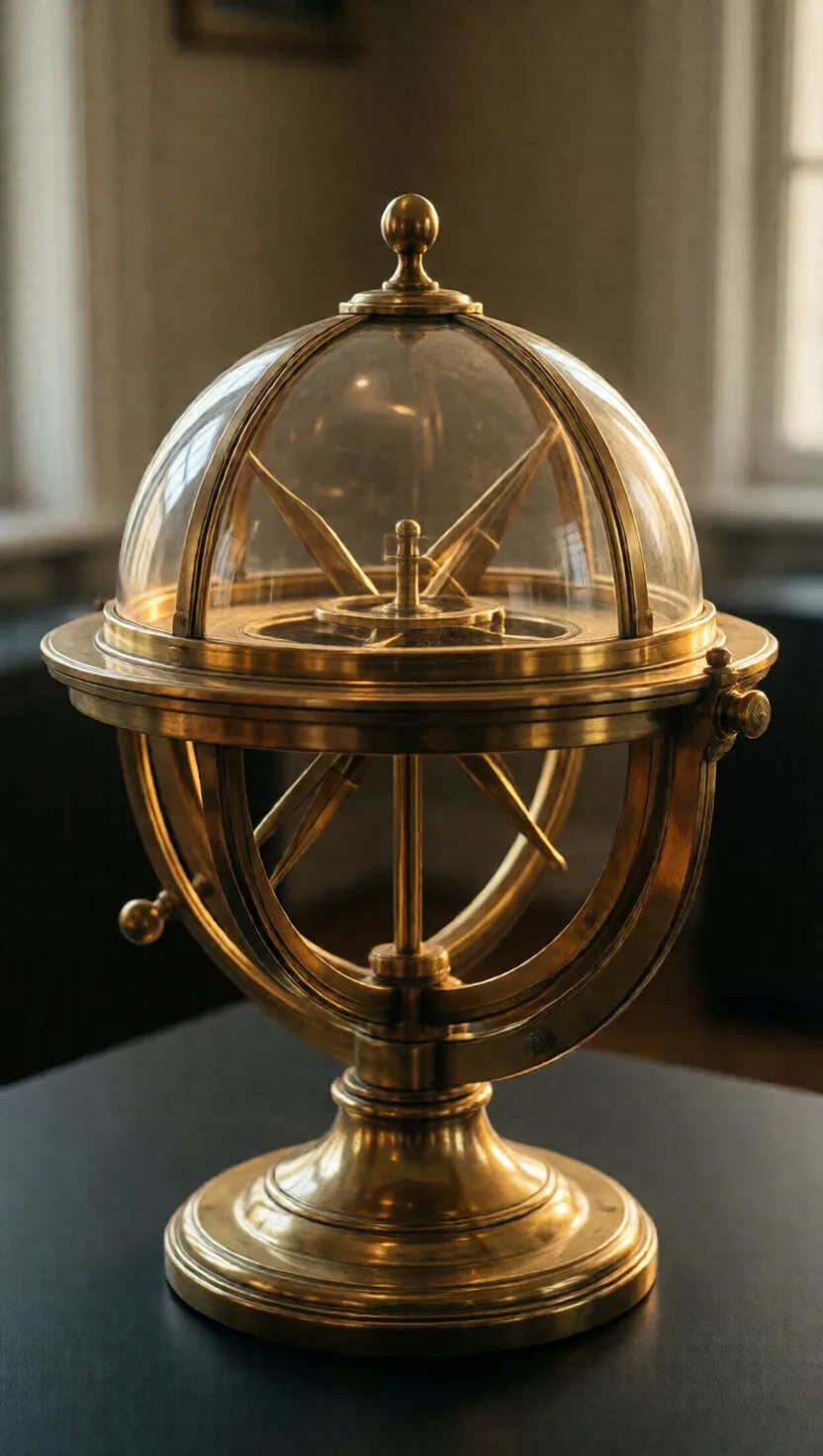
This compass finds true north with no magnet

This compass finds true north with no magnet

A magnetic compass points to the magnetic pole and is fooled by a ship's steel hull. A gyrocompass ignores magnetism entirely. A heavy wheel spun at high speed and left free to swing slowly lines its axis up with the Earth's own spin and settles pointing at true geographic north. The first practical versions appeared around 1908, and steel warships have steered by them ever since.
Spin a top fast enough and it stands frozen

Spin a top fast enough and it stands frozen

A top spun fast enough enters a state called 'sleeping': it stands perfectly upright and looks utterly still, as if frozen in place. Only as friction bleeds away its speed does it begin to lean and trace slow circles — and stranger still, it circles faster the slower it spins, since that wobbling drift speeds up exactly as the spin dies down, ending in the familiar clatter.
A train that balanced on a single rail

A train that balanced on a single rail

Over a century ago, engineers built full-size vehicles that balanced on one rail like a tightrope walker, kept upright by a giant spinning gyroscope hidden inside. One inventor's two-wheeled gyro-car, demonstrated around 1910, stayed level even when men climbed onto one side. The same trick steadied ships against rolling waves. None of them caught on — everyone feared what would happen if the wheel ever stopped.
A bike isn't held up by its spinning wheels

A bike isn't held up by its spinning wheels

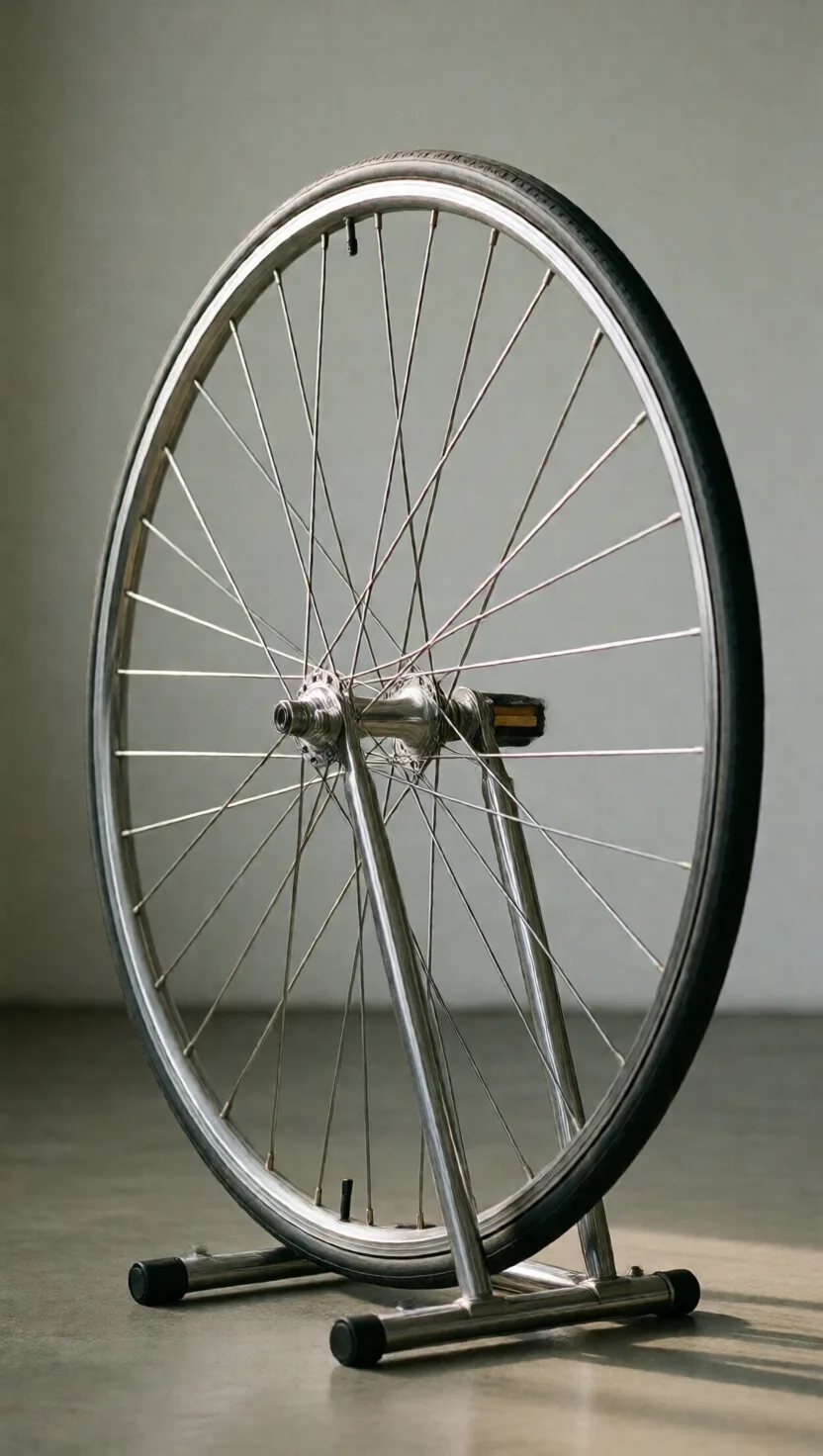
Everyone is told a bicycle balances because its spinning wheels act like gyroscopes. It isn't true. In 2011 researchers built a bicycle fitted with extra wheels spinning backwards, cancelling any gyroscopic effect — and it still balanced itself and rolled upright with no rider. A bicycle's stability comes mostly from how its steering and weight are arranged, not from the wheels' spin.
tap →swipe ↑ for depthswipe ↓ to exit