Eight things steam taught the machine age

DC·61 Deep Cuts
He kept the cylinder hot by cooling it elsewhere

He kept the cylinder hot by cooling it elsewhere

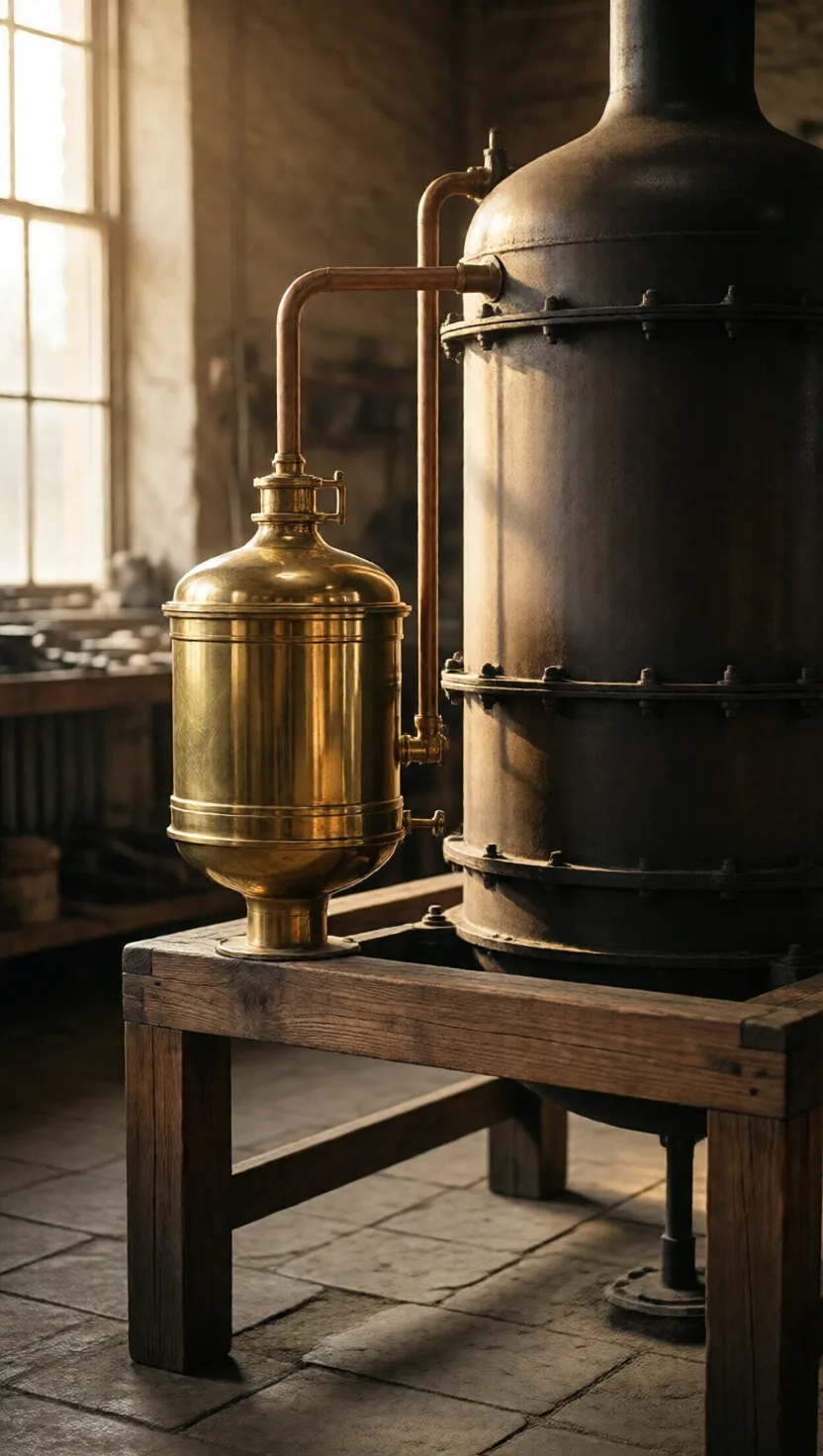
Early engines wasted heat by spraying cold water straight into the working cylinder, so every stroke had to reheat the metal. Watt's 1765 fix was a separate chamber kept permanently cold, where the steam was condensed instead, letting the cylinder stay hot the whole time. Engines fitted with this separate condenser burned about two-thirds less coal for the same work.
Two spinning brass balls became the first thinking machine

Two spinning brass balls became the first thinking machine

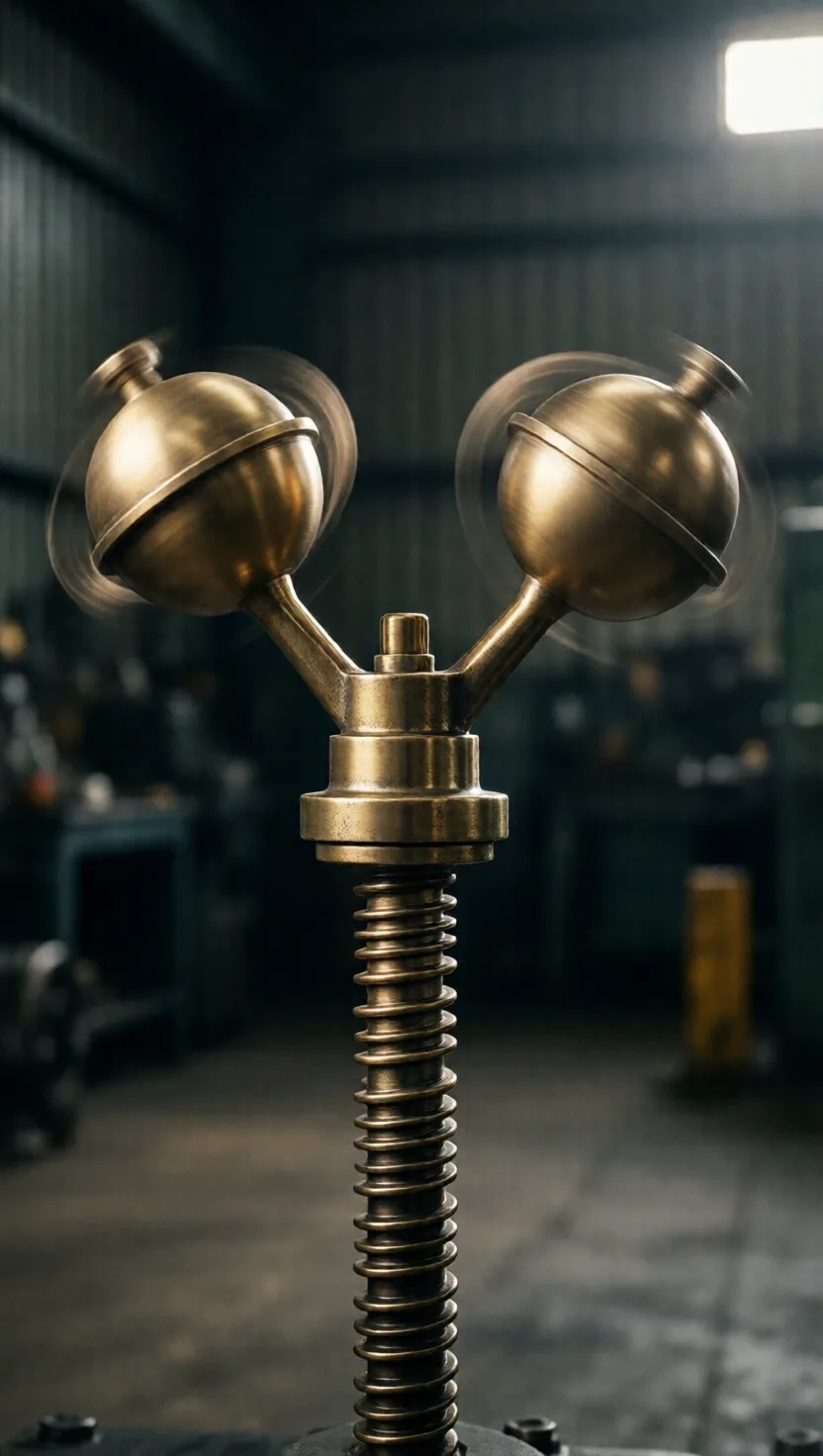
A pair of weighted balls on hinged arms spins with the engine; as it speeds up they fly outward and lift a sleeve that closes the steam throttle, so the engine slows itself with no human watching. Adapted to steam in 1788, this centrifugal governor was an early automatic feedback control. Maxwell's 1868 paper analysing its stability is regarded as a founding work of modern control theory.
The first engines were pushed by air, not steam

The first engines were pushed by air, not steam

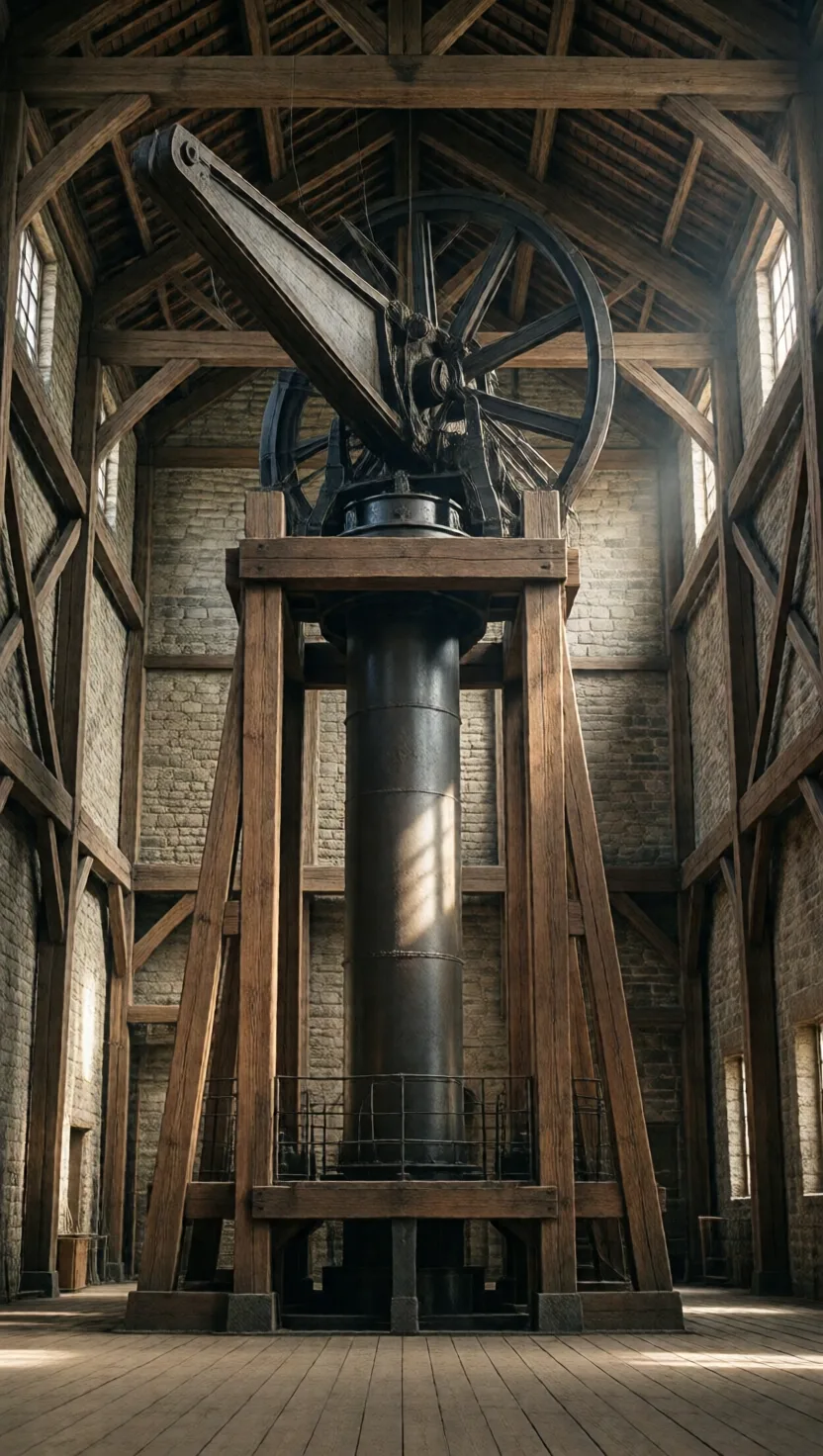
In the earliest practical engine, dated 1712, steam barely above atmospheric pressure filled the cylinder, then a jet of cold water condensed it into a partial vacuum. It was the ordinary air outside, near 15 pounds per square inch, that shoved the piston down into that empty space and did the work. Steam only made the vacuum; the atmosphere was the muscle.
The safety valve was born on a bone-softening cooker

The safety valve was born on a bone-softening cooker

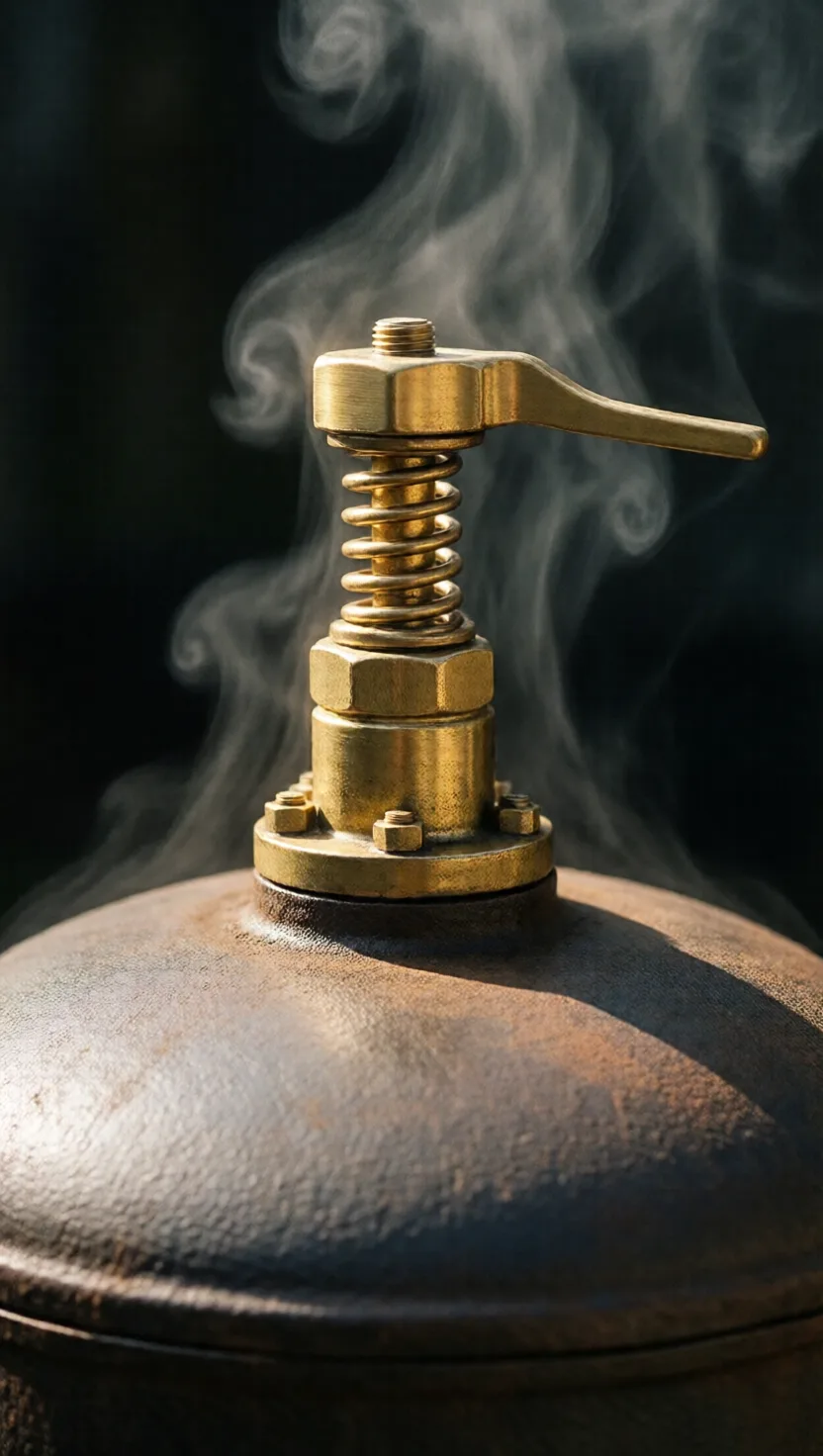
In 1679 a sealed cooking vessel was built to soften bones with high-pressure steam, raising the boiling point far above normal. To stop it bursting, its maker added a small weighted lever over a hole that lifted and vented when pressure climbed too high, resetting itself afterward. That weighted lever was the first safety valve, the ancestor of the one on every boiler since.
The whistle started life as a lifesaving water alarm

The whistle started life as a lifesaving water alarm

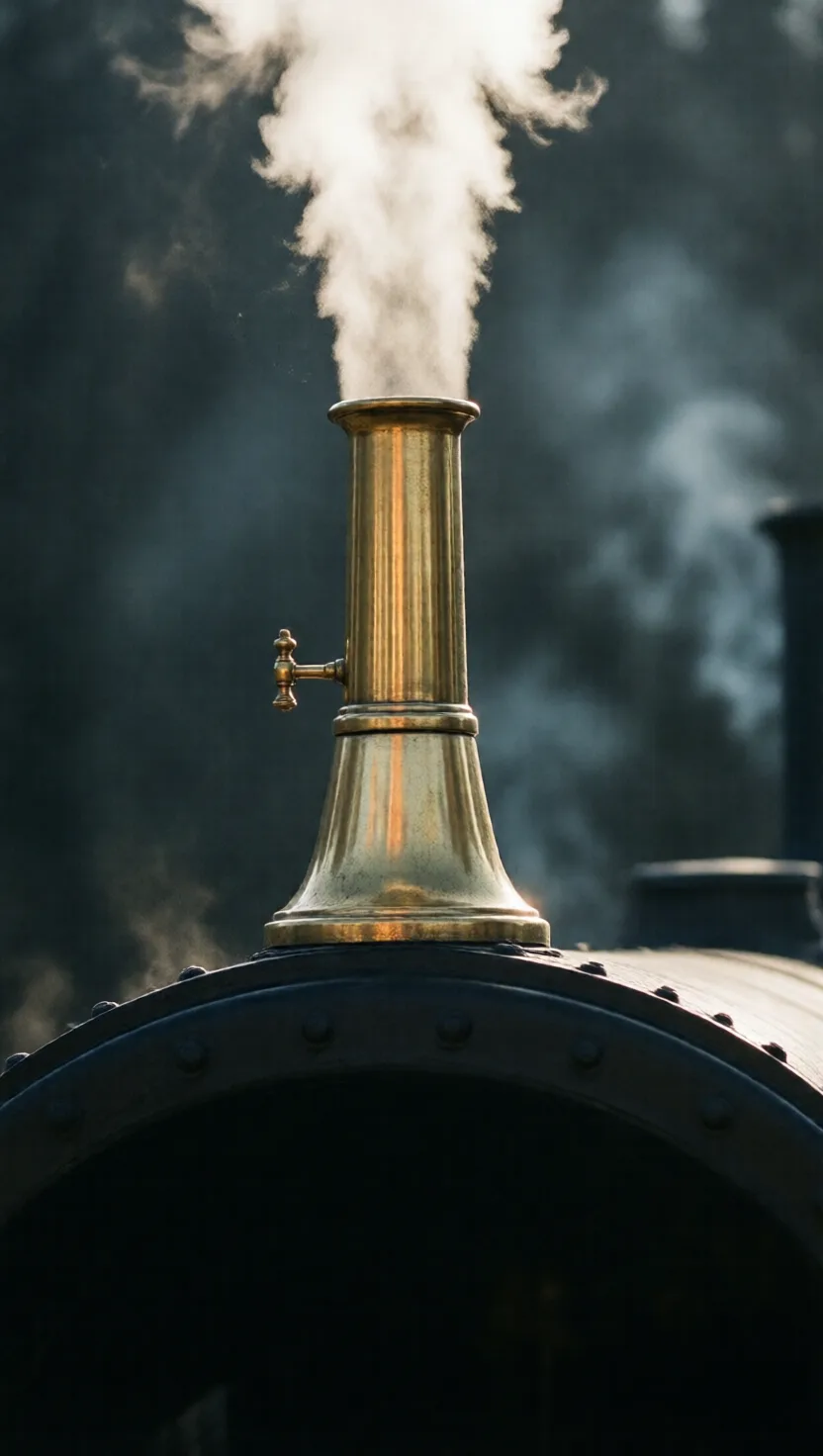
Before it announced trains, the steam whistle was a survival device. A boiler with too little water can overheat and explode, so a pipe was set at the safe water line; once the level dropped below it, steam rushed up the pipe and screamed through the whistle to warn the crew. This boiler low-water alarm came first; railways and steamships only adopted the sound in the 1830s.
One horsepower is a number he picked to sell engines

One horsepower is a number he picked to sell engines

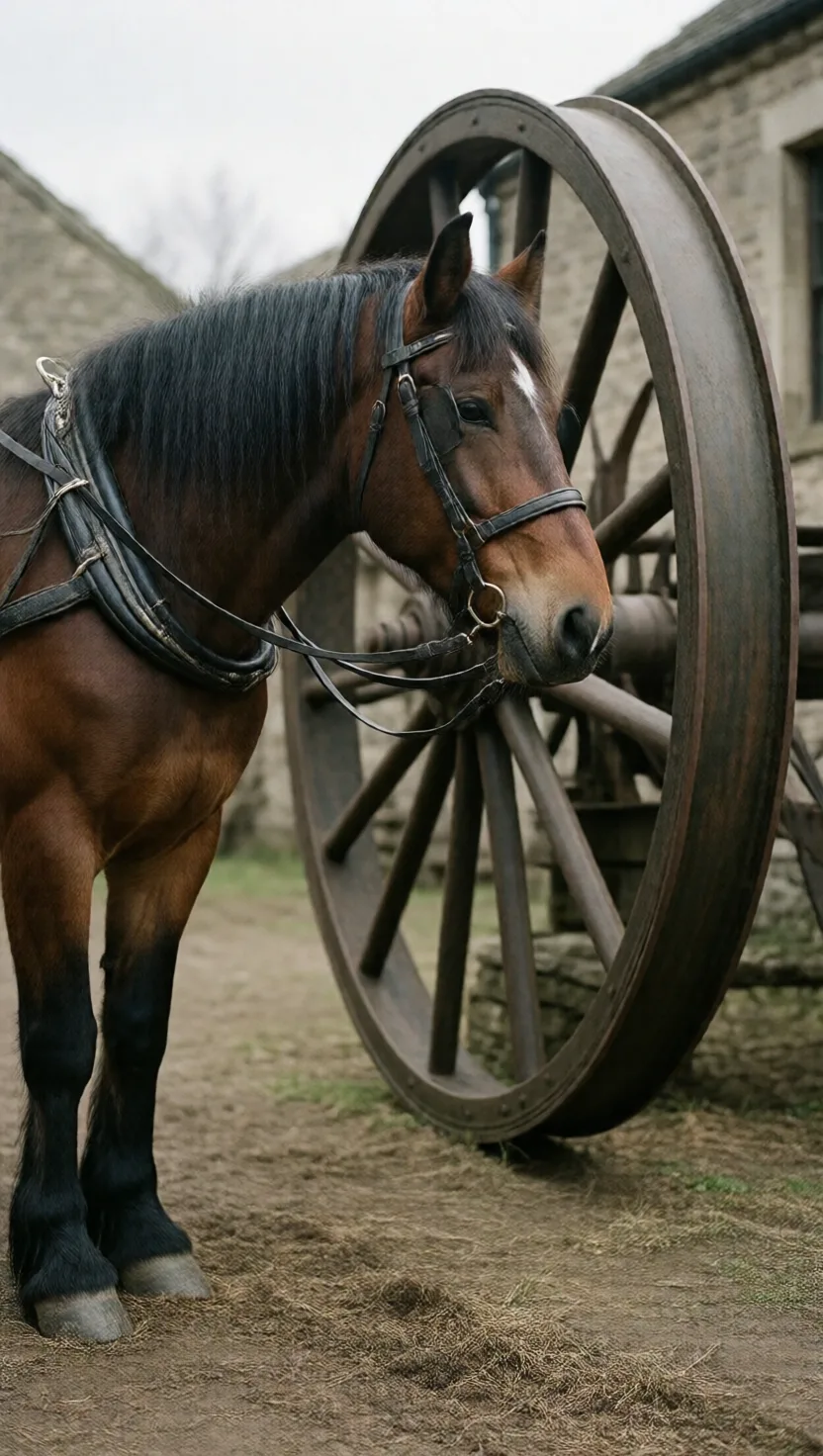
To convince mill owners to swap horses for machines, an engineer needed a fair way to rate his engines against animals. After watching strong dray horses work, he set one horsepower at 33,000 foot-pounds of work per minute, lifting that many pounds one foot in a minute. It is roughly 50 percent more than a real horse can sustain all day, so the unit flatters the animal it is named for.
The hammer that forged anchors could crack an eggshell

The hammer that forged anchors could crack an eggshell

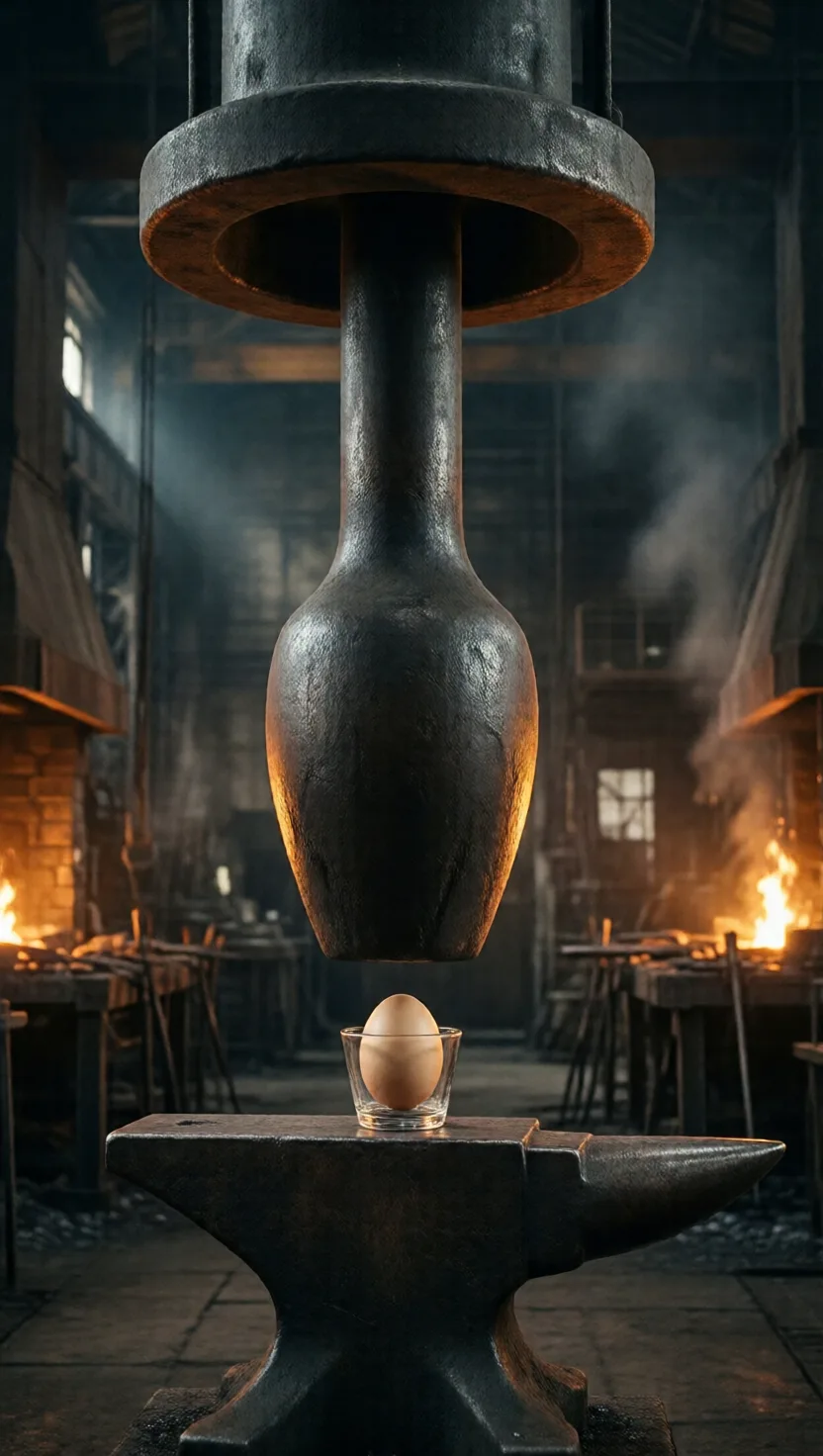
Designed in 1839 to forge iron too big for hand hammers, the steam hammer raised a massive iron block on a piston and dropped it under steam control. The same machine that pounded huge forgings could be feathered so finely it would crack an egg in a wineglass without shattering the glass. The falling block on early machines weighed around 2,500 kilograms, yet stopped within a fraction of an inch.
He dodged a rival's patent with orbiting gears

He dodged a rival's patent with orbiting gears

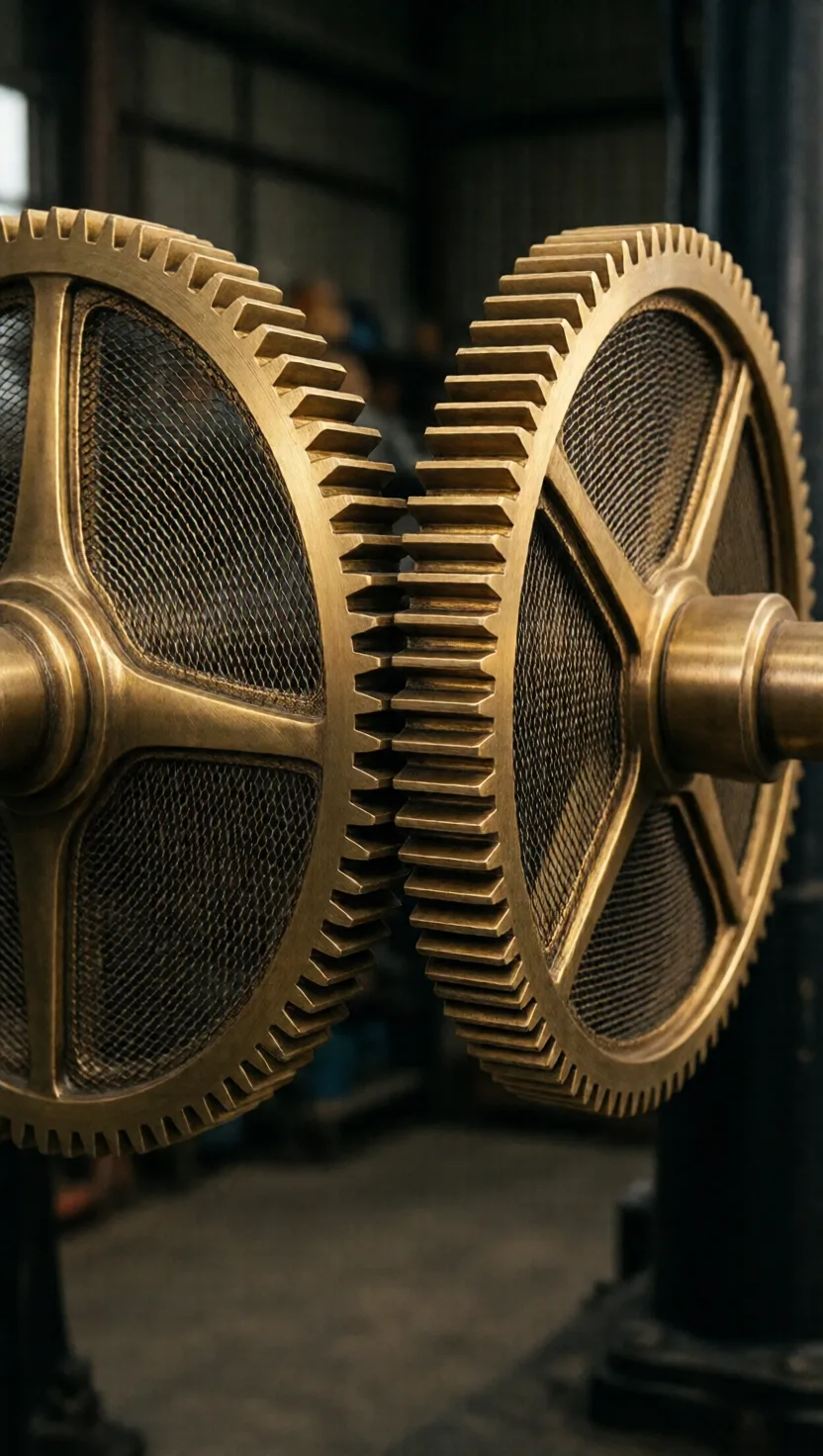
Turning a piston's up-and-down motion into a spinning shaft normally needs a crank, but a rival held that patent. So in 1781 a workaround was patented instead: a gear fixed to the connecting rod orbits around a second gear on the drive shaft, like a planet circling a sun. It gave rotary power without a crank, and with equal-sized gears the shaft turned twice for every single engine stroke.
tap →swipe ↑ for depthswipe ↓ to exit