Eight things hiding in the grey stuff underfoot

DC·57 Deep Cuts
Roman concrete heals its own cracks

Roman concrete heals its own cracks

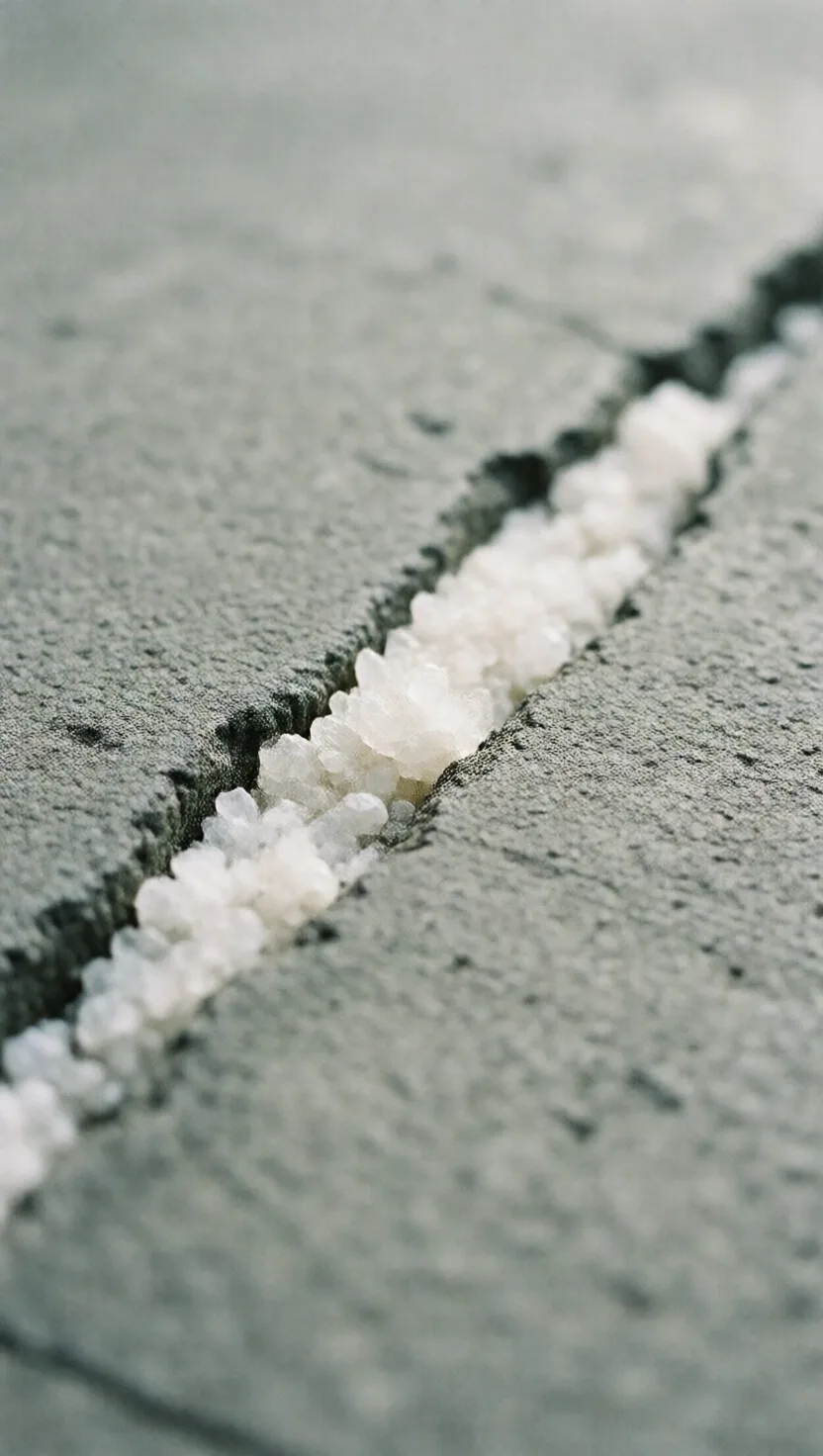
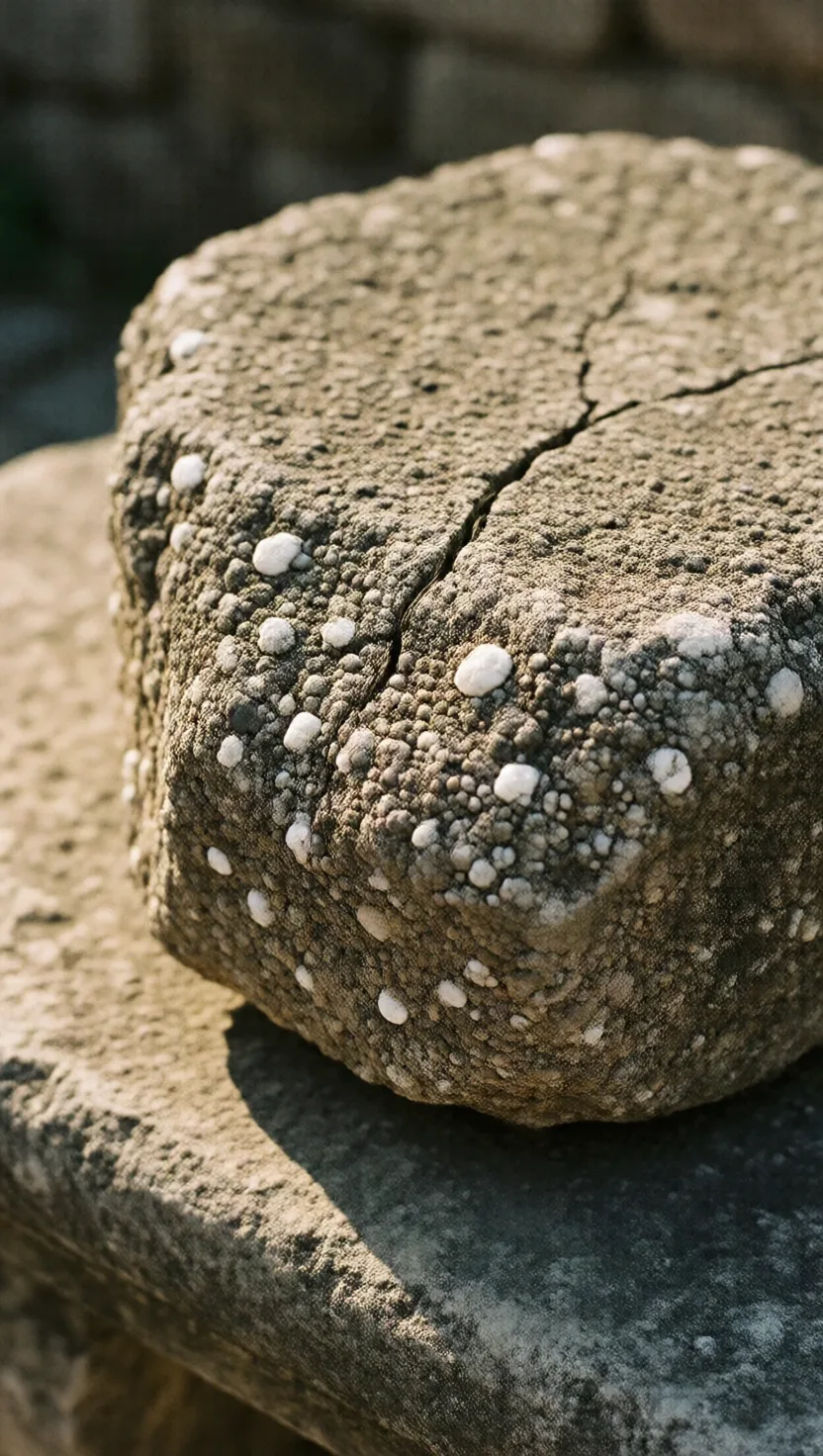
Those little white lumps in 2,000-year-old Roman concrete were long dismissed as sloppy mixing. In 2023 researchers showed they are the opposite: reactive lime clasts left behind by 'hot mixing' with quicklime. When a crack forms and water seeps in, the lime dissolves and recrystallizes as calcium carbonate, gluing the gap shut. It is a built-in repair system that ordinary modern concrete simply does not have.
Seawater makes Roman piers stronger

Seawater makes Roman piers stronger

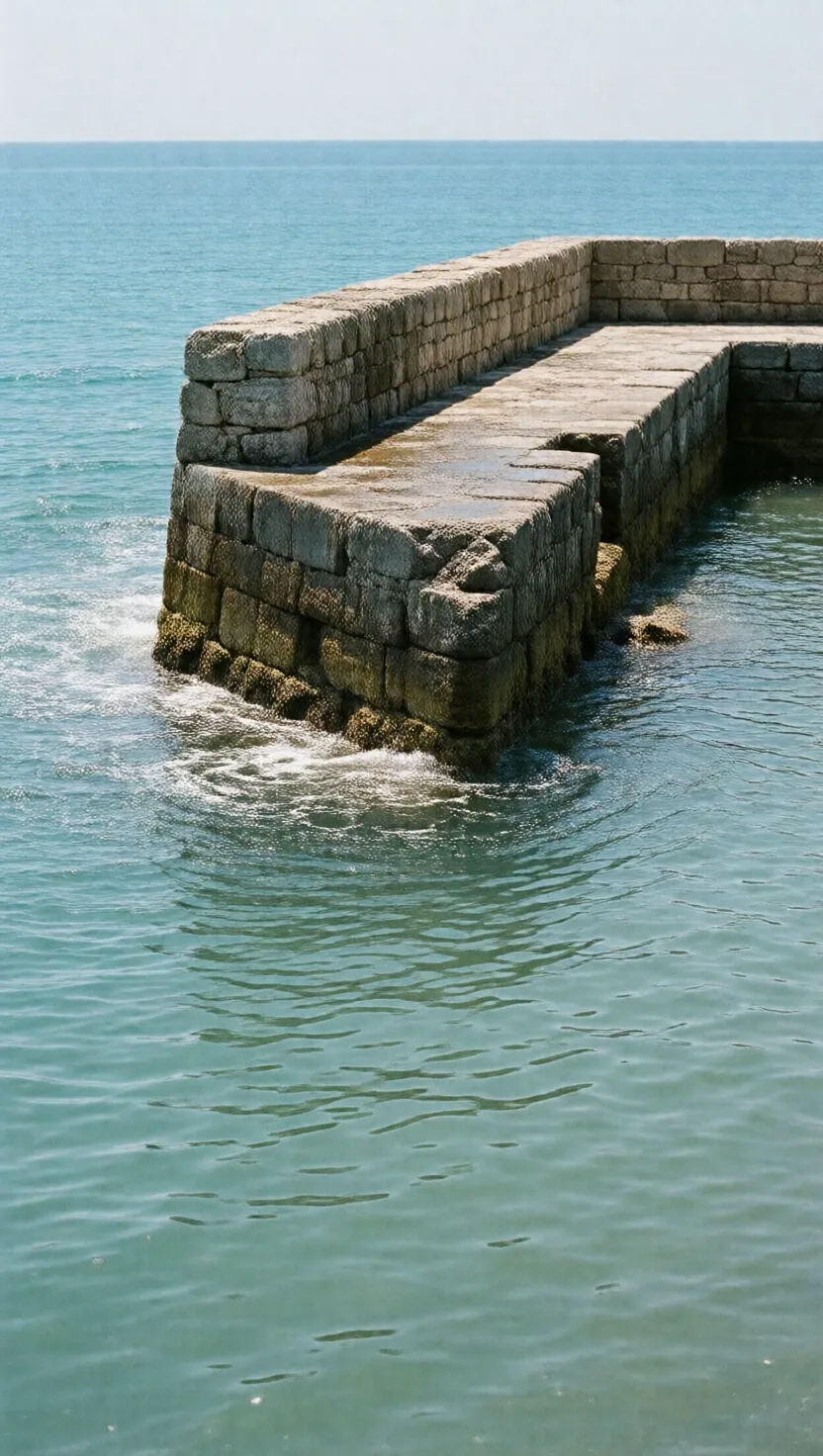
Modern marine concrete crumbles in seawater within decades. Roman harbour structures do the reverse: they have grown tougher for 2,000 years. Studying cores from ancient piers, geologists found that seawater percolating through the volcanic-ash mix keeps growing rare interlocking minerals, aluminous tobermorite and phillipsite. These platy crystals knit the matrix together over centuries, so the sea that destroys our concrete was quietly reinforcing theirs.
The biggest unreinforced dome is 2,000 years old

The biggest unreinforced dome is 2,000 years old

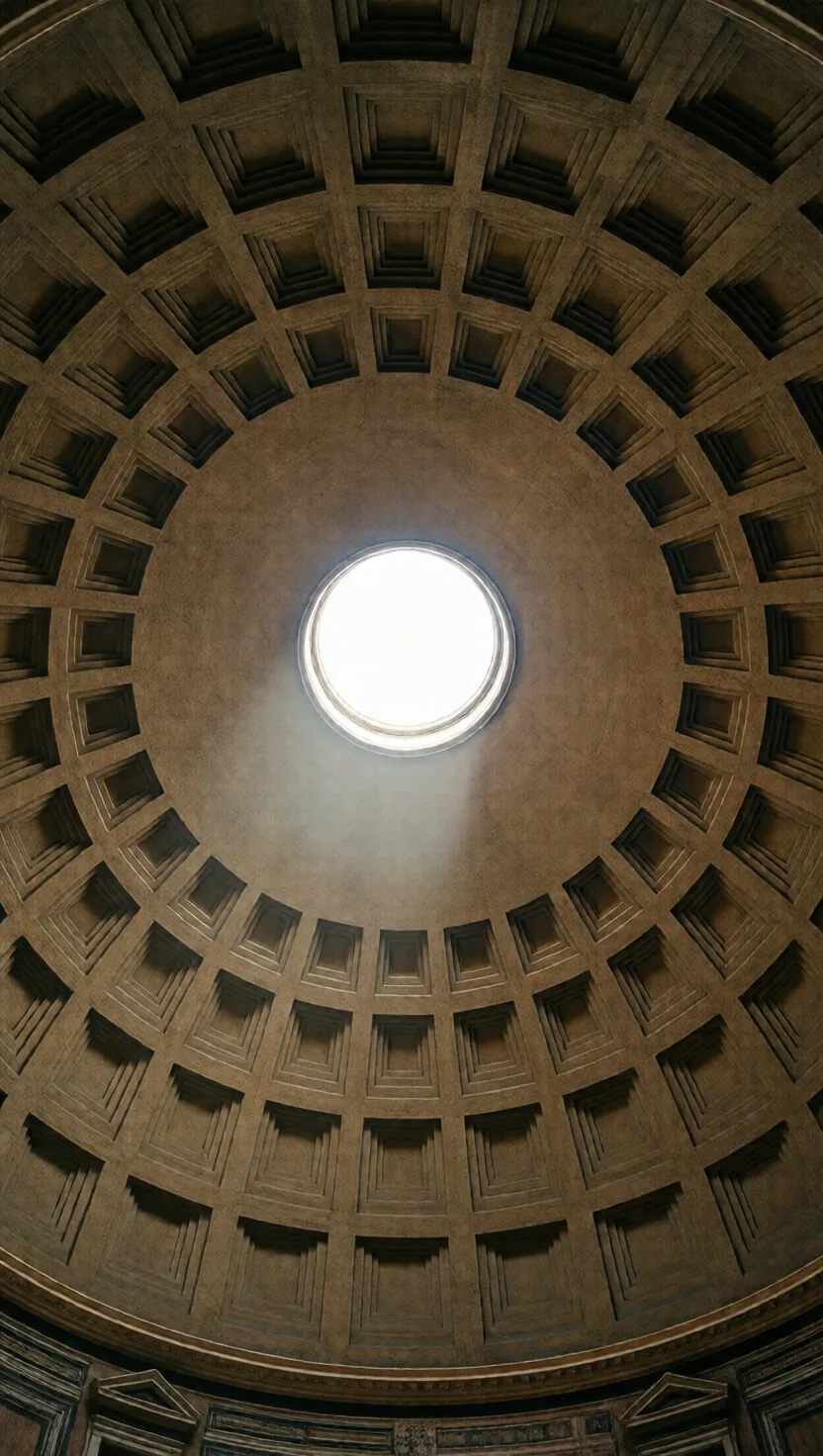
Rome's Pantheon still holds the record for the largest unreinforced concrete dome on Earth, spanning 43.3 metres with no steel inside it. The Romans cheated gravity by grading their concrete: dense travertine aggregate at the base, about 2,200 kg per cubic metre, shading up to light volcanic pumice at the crown, about 1,350 kg per cubic metre. Lightening the top cut the stresses dramatically and let it stand for nearly two millennia.
Concrete doesn't dry, it drinks

Concrete doesn't dry, it drinks

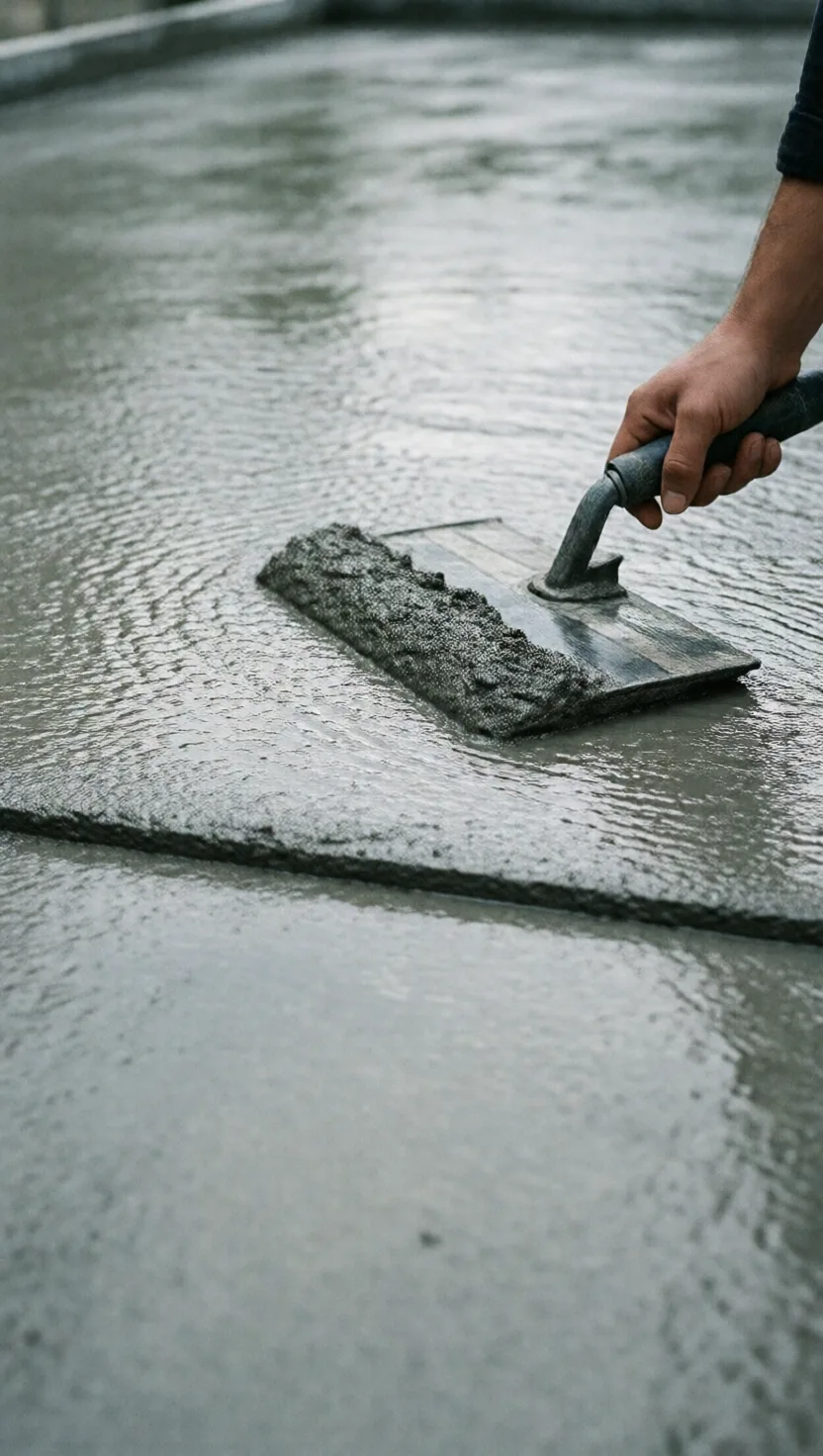
Concrete hardening is not water leaving, it is water locking in. Cement grains react chemically with water in a process called hydration, growing interlocking calcium-silicate-hydrate crystals that bind the sand and stone. That is why concrete can set and cure perfectly well underwater, and why builders keep slabs damp for days. Let it dry out too soon and the reaction stalls; air-dried concrete reaches only about half the strength of concrete kept continuously moist.
Rebar only works by a lucky coincidence

Rebar only works by a lucky coincidence

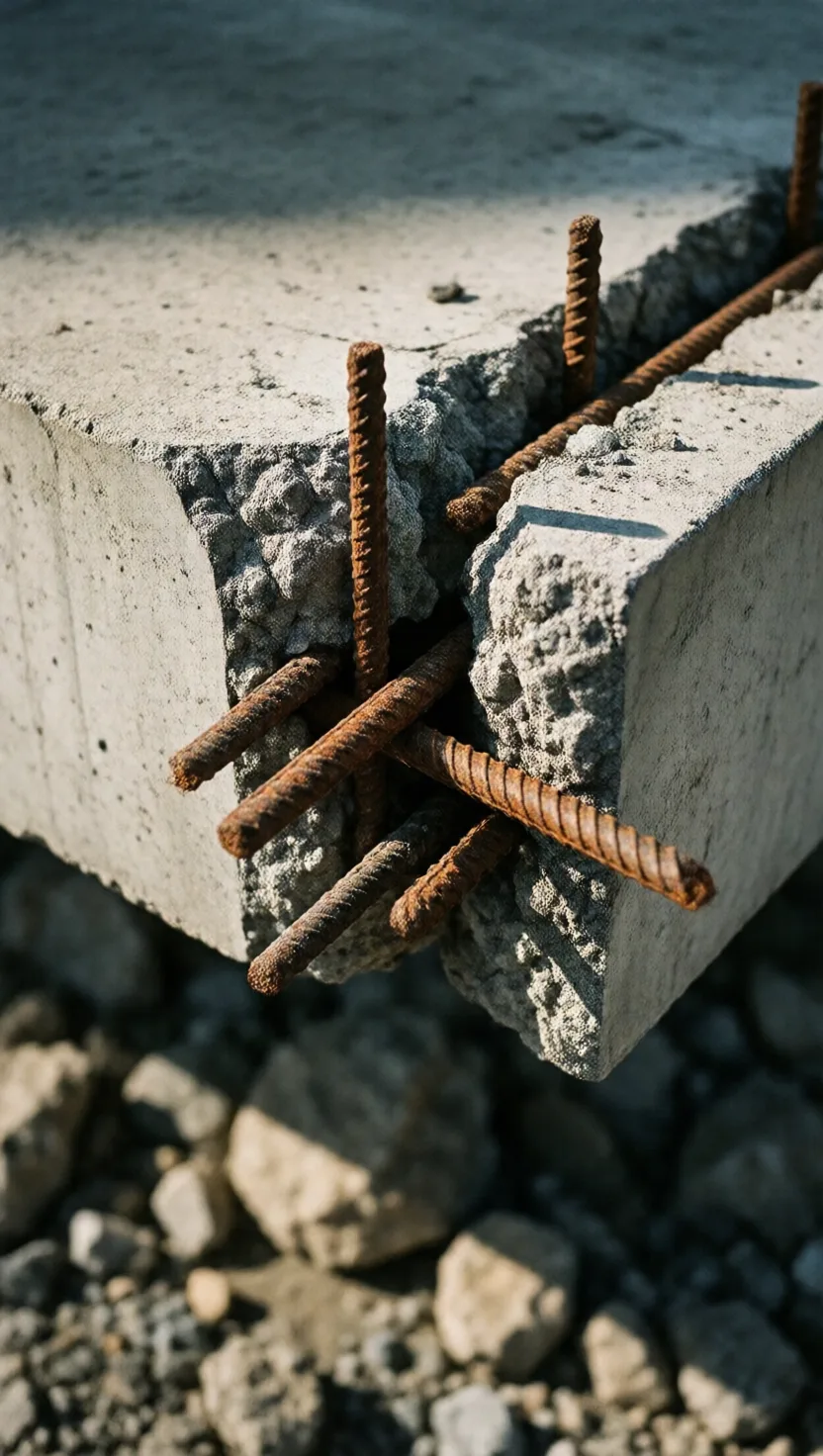
Reinforced concrete depends on a quiet stroke of luck: steel and concrete expand and contract at almost exactly the same rate, both around 10 to 12 millionths per degree Celsius. As the seasons swing hot and cold, the two materials move together instead of tearing apart, so the bond between them survives. Pair concrete with a metal that crept at a different rate and the reinforcement would slowly debond, and the whole composite idea would collapse.
We use more of this than anything but water

We use more of this than anything but water

Concrete is the most consumed material on Earth after water. Humanity pours roughly 30 billion tonnes of it every year, bound together by more than 4 billion tonnes of cement. Making that cement means roasting limestone in kilns and is responsible for more than 7 percent of all human carbon dioxide emissions. The grey stuff underfoot is, by sheer mass, one of the largest things our species makes.
Some concrete repairs itself with sleeping bacteria

Some concrete repairs itself with sleeping bacteria

Engineers can give concrete a living repair kit. Dormant Bacillus spores are mixed into the wet concrete along with a food source and sealed inside. They can survive in that bone-dry, strongly alkaline stone for decades. When a crack opens and lets in water, the spores wake, feed and excrete calcium carbonate, the same limestone that fills cracks naturally, sealing the gap before water can reach and corrode the steel inside.
Cement is born in a 1,450 C kiln

Cement is born in a 1,450 C kiln

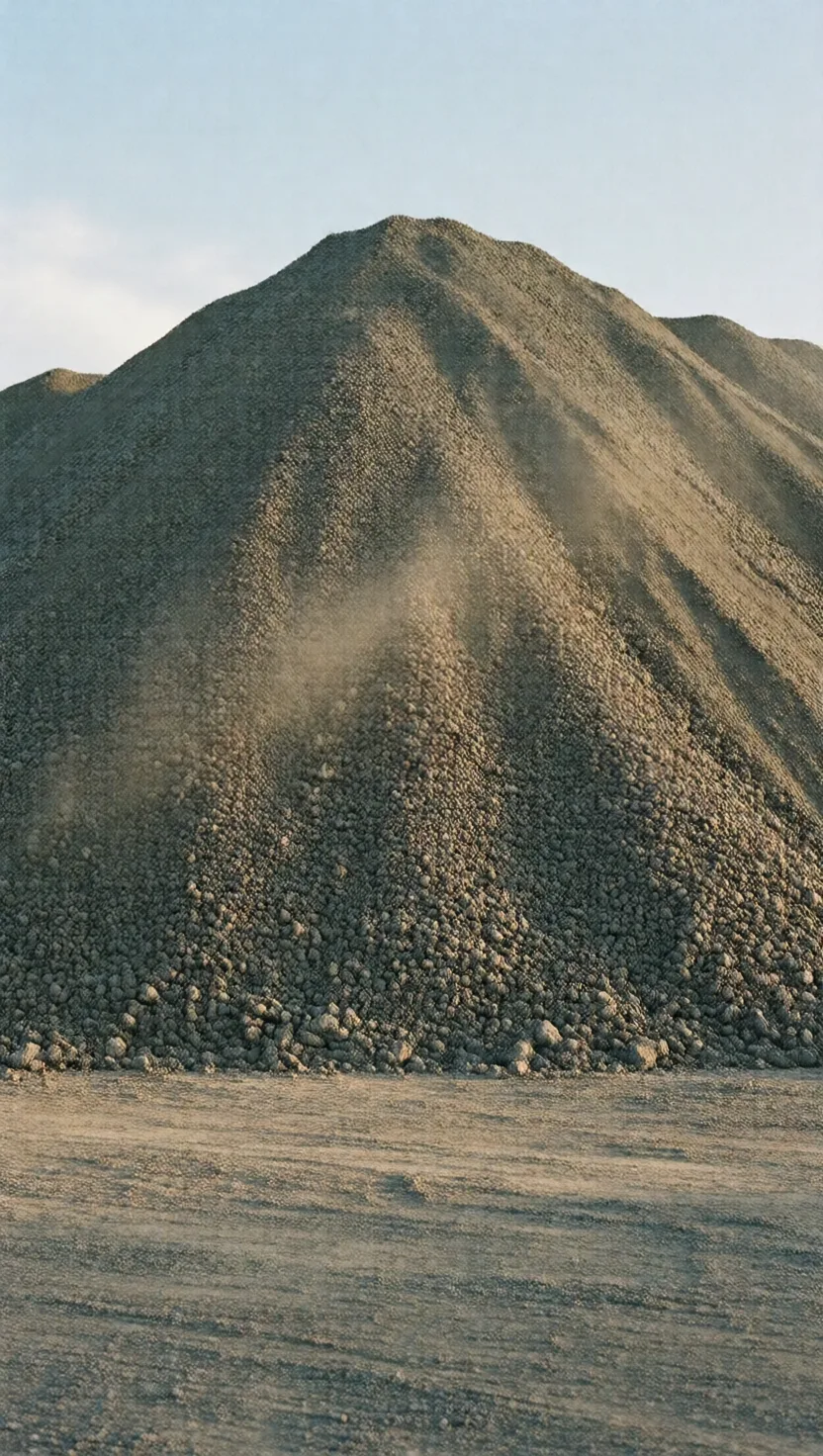
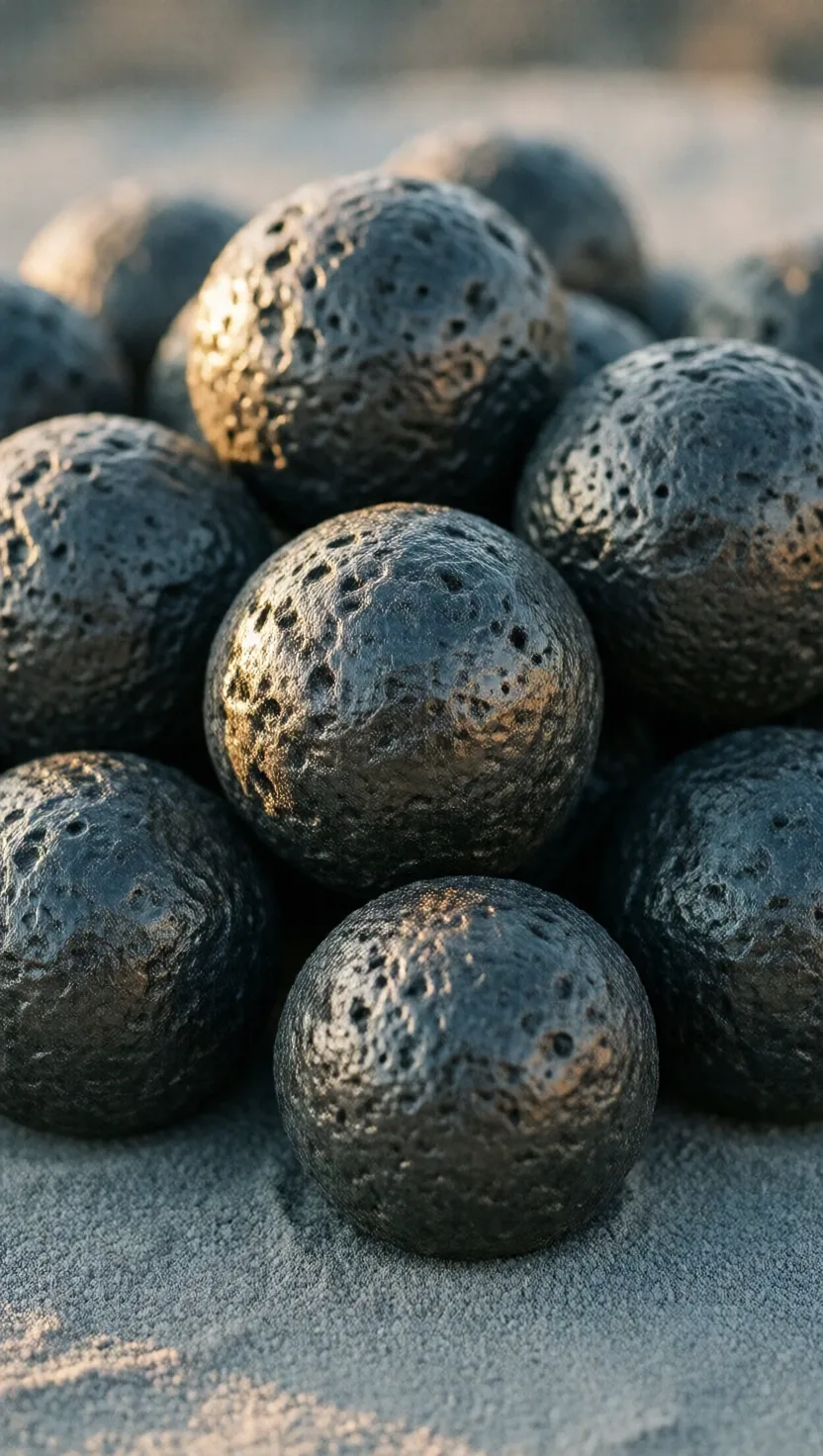
Before concrete can be soft and grey, its binder is forged in fire. Crushed limestone and clay tumble through a rotating kiln heated to about 1,450 degrees Celsius, hot enough that a fraction of the mix actually melts. In that heat new minerals crystallize, chiefly alite and belite, and emerge as hard grey-black nodules called clinker. Ground to a fine powder, that clinker becomes the cement that, mixed with water, sets stone-hard.
tap →swipe ↑ for depthswipe ↓ to exit