Eight things hidden inside a single drop of scent.

DC·51 Deep Cuts
Freshly dug, this root has no scent at all

Freshly dug, this root has no scent at all

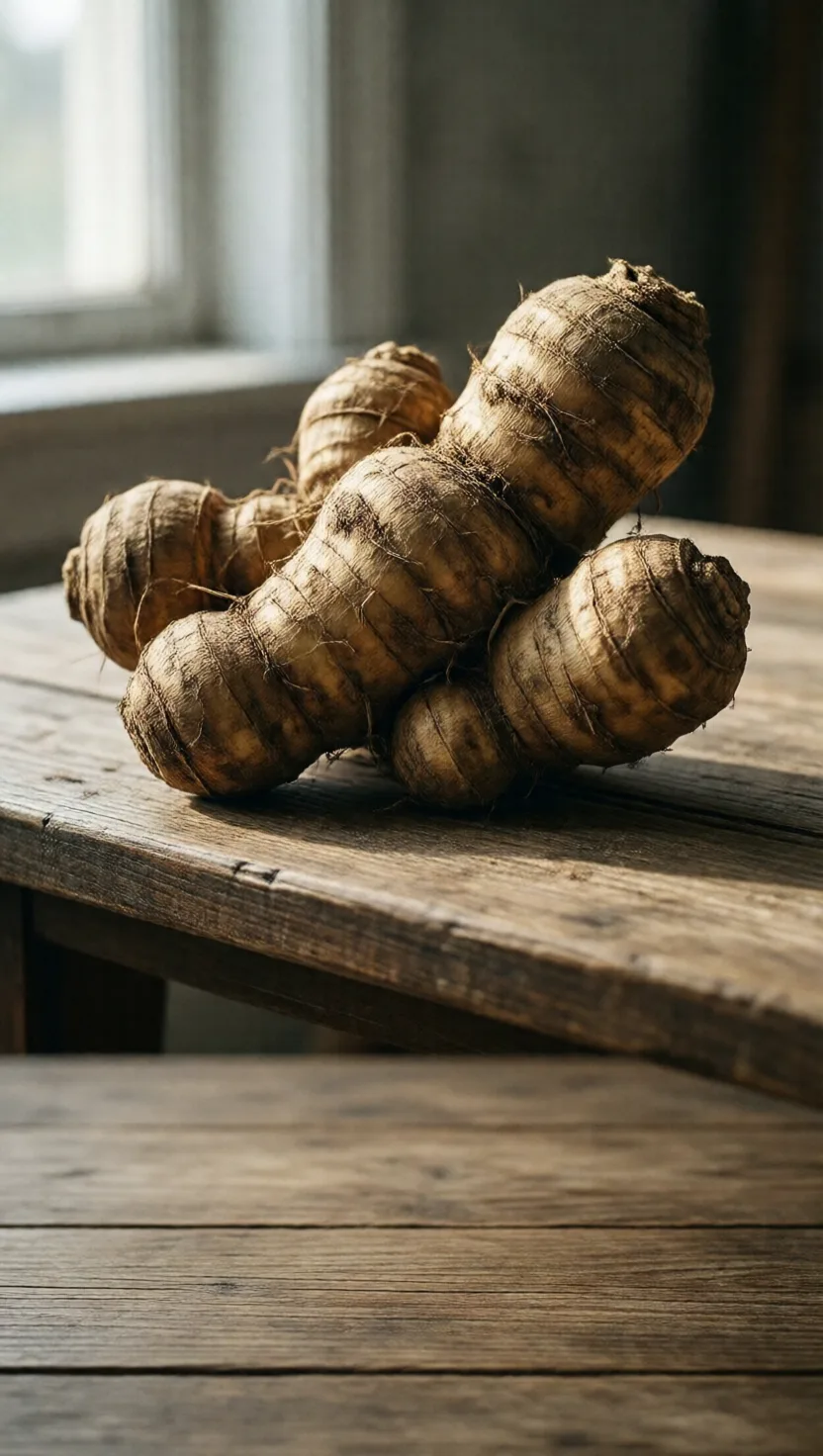
Orris is the rhizome of the pale iris, and the scent perfumers prize isn't there when it's pulled from the ground — it is completely odorless. The smell only appears as the root is dried and aged, often for around six years, while slow oxidation builds molecules called irones. They give a powdery, violet-and-suede note so costly that good orris butter can outprice many essential oils gram for gram.
The priciest wood on Earth is a tree's infection

The priciest wood on Earth is a tree's infection

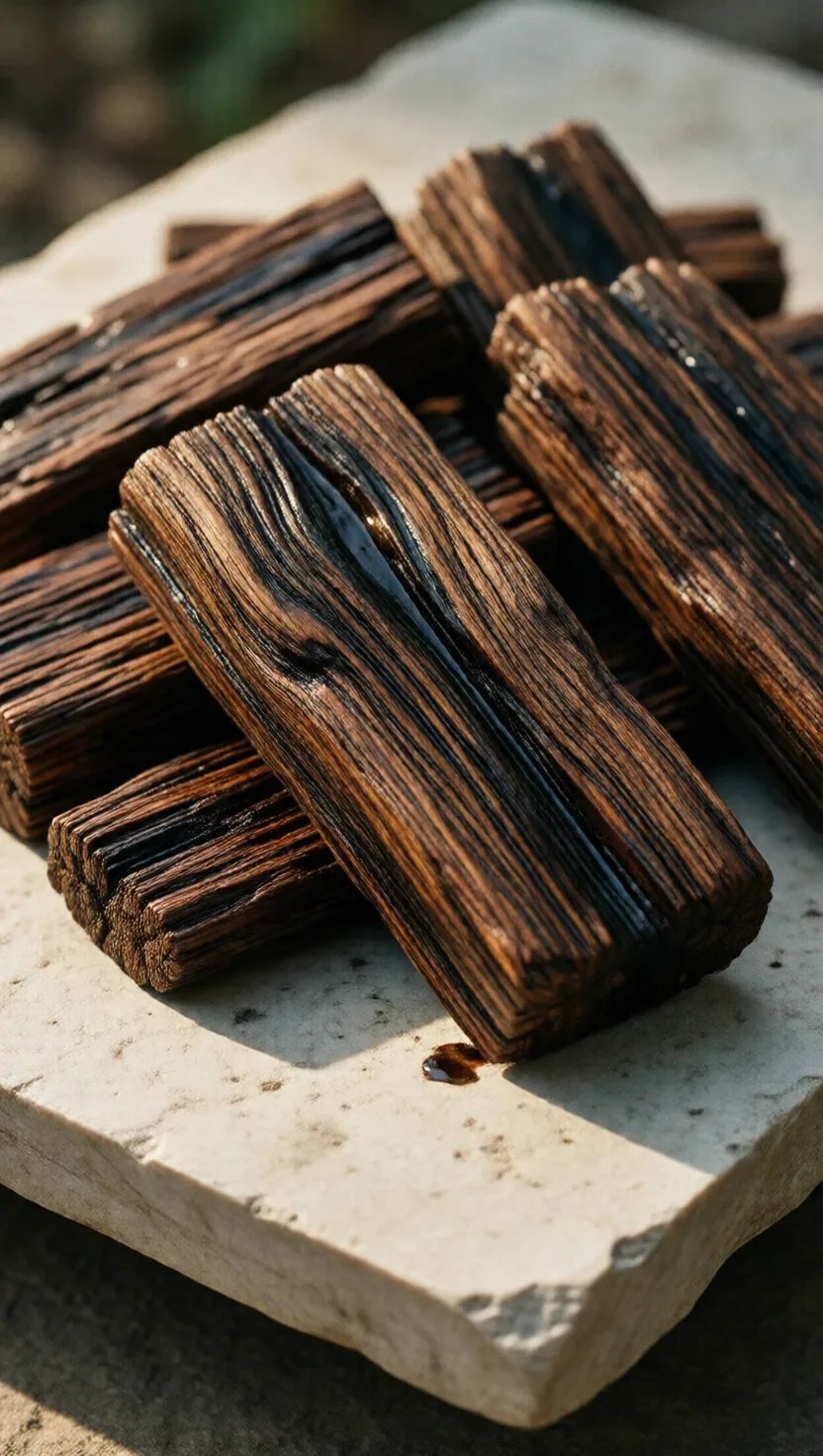
An Aquilaria tree's heartwood is normally pale, light and almost scentless. Only when the wood is wounded and invaded by mold does the tree flood the area with a dark, dense resin to defend itself — and that resin-soaked wood is agarwood, or oud. The infected wood can grow so saturated it sinks in water, and the top grades rank among the most expensive raw materials in the world, worth more by weight than gold.
These golden 'tears' are a tree's dried wounds

These golden 'tears' are a tree's dried wounds

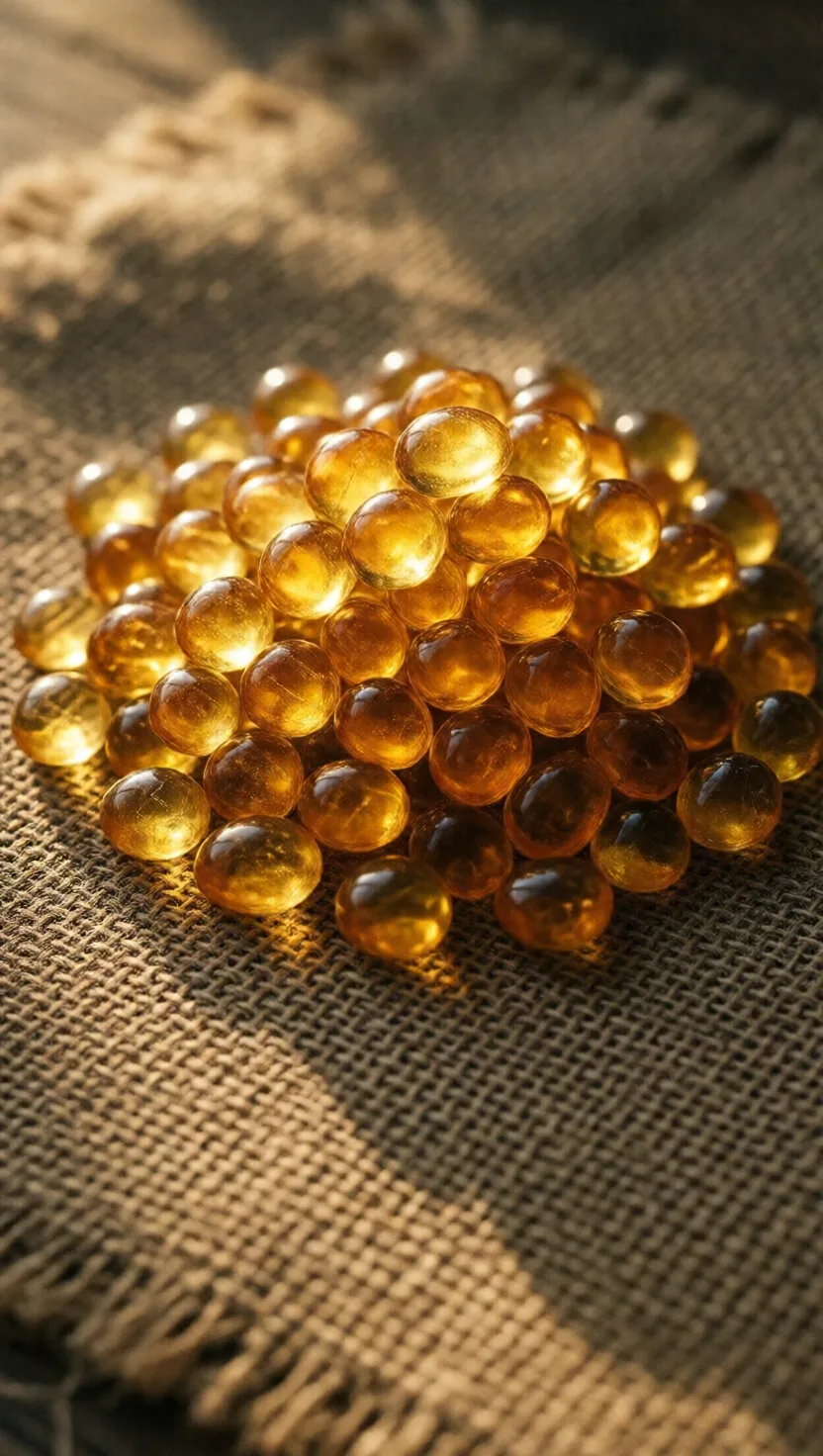
Frankincense is harvested by scoring the bark of a Boswellia tree with a blade. The tree bleeds a milky sap that hardens in the dry air into amber droplets called tears, collected about a week later. The same cut is reopened several times across a season, and the resin from the latest, cleanest tappings is graded highest — a single tree yields only a few kilograms of usable tears a year.
Jasmine's heavenly scent hides a fecal molecule

Jasmine's heavenly scent hides a fecal molecule

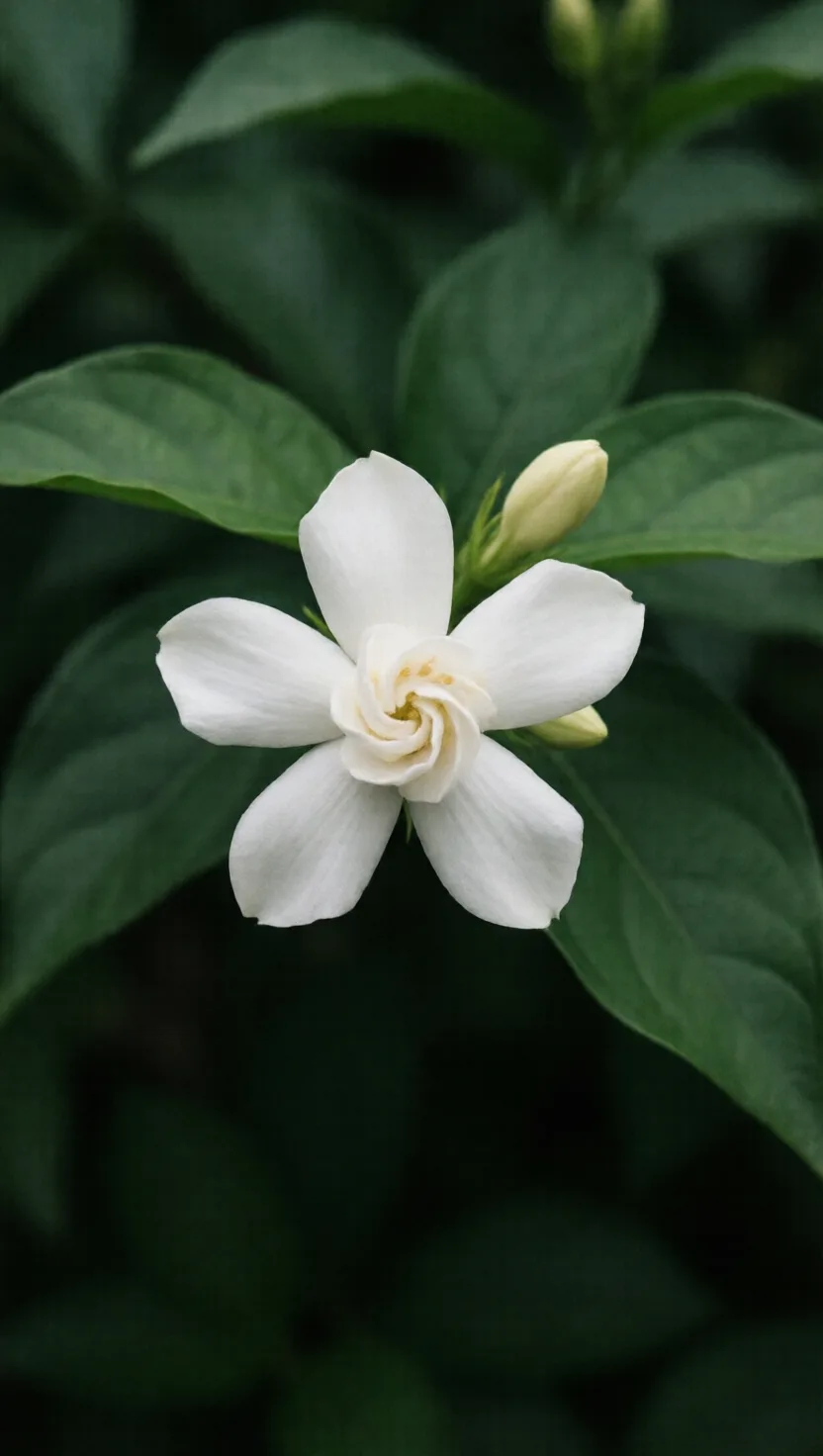
Inside jasmine, tuberose and orange blossom sits a molecule called indole. On its own, concentrated, indole smells aggressively of dung — it is one of the compounds that gives feces its odor. But spread thin among a flower's other volatiles, the same molecule turns warm, narcotic and seductive. Perfumers add a touch of indole to white-flower blends precisely because that whisper of filth is what makes them smell alive.
A small field of roses goes into one vial of oil

A small field of roses goes into one vial of oil

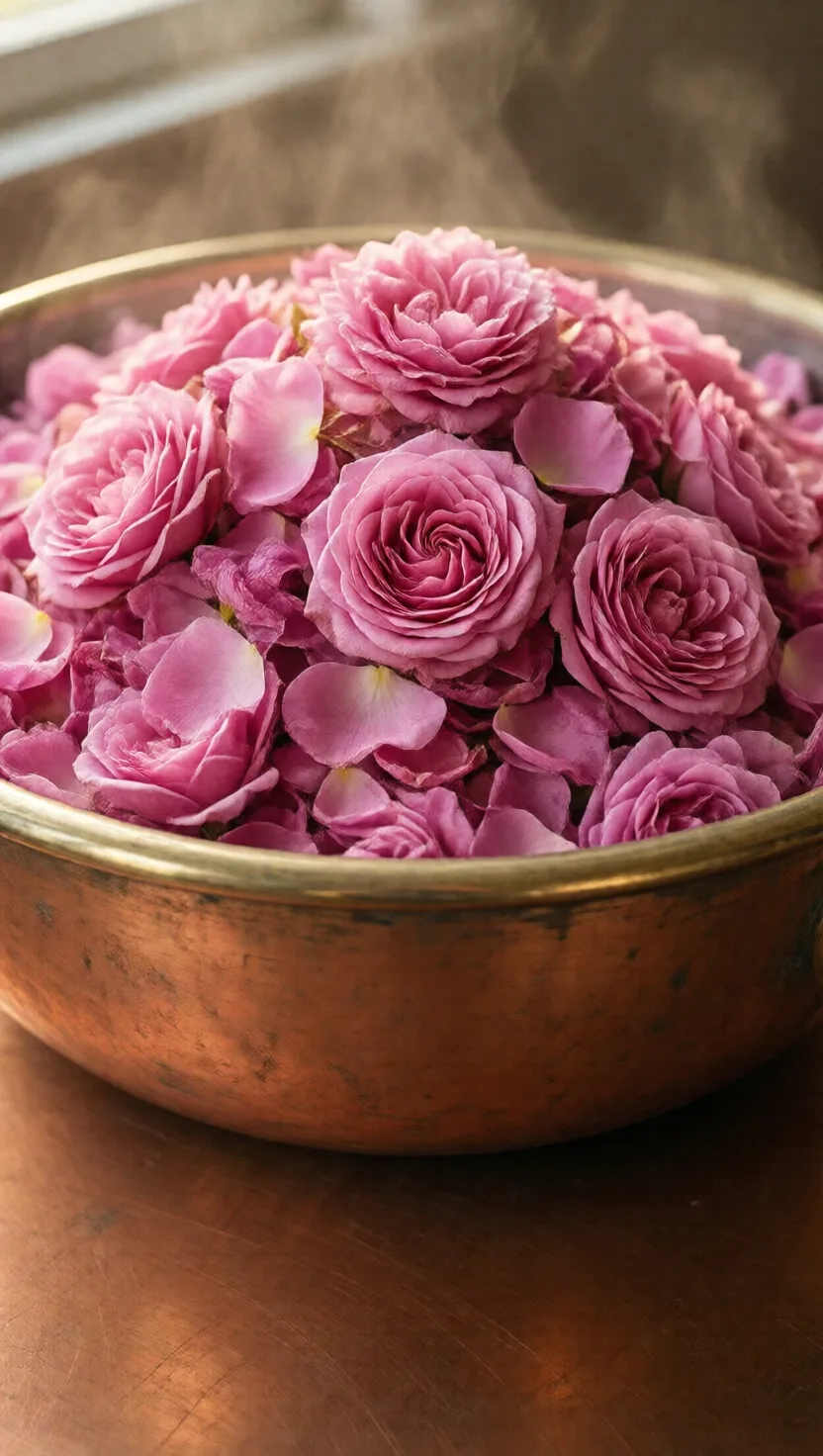
Rose otto is distilled from fresh Damask rose petals, and the yield is brutally small: roughly 3,000 to 4,000 kilograms of hand-picked petals to make a single kilogram of oil. The flowers must be gathered at dawn before the sun drives off their volatile oils, so a few grams of true rose oil can represent tens of thousands of blooms — which is why it stays one of the most expensive oils in perfumery.
This lump bobbed at sea for decades to ripen

This lump bobbed at sea for decades to ripen

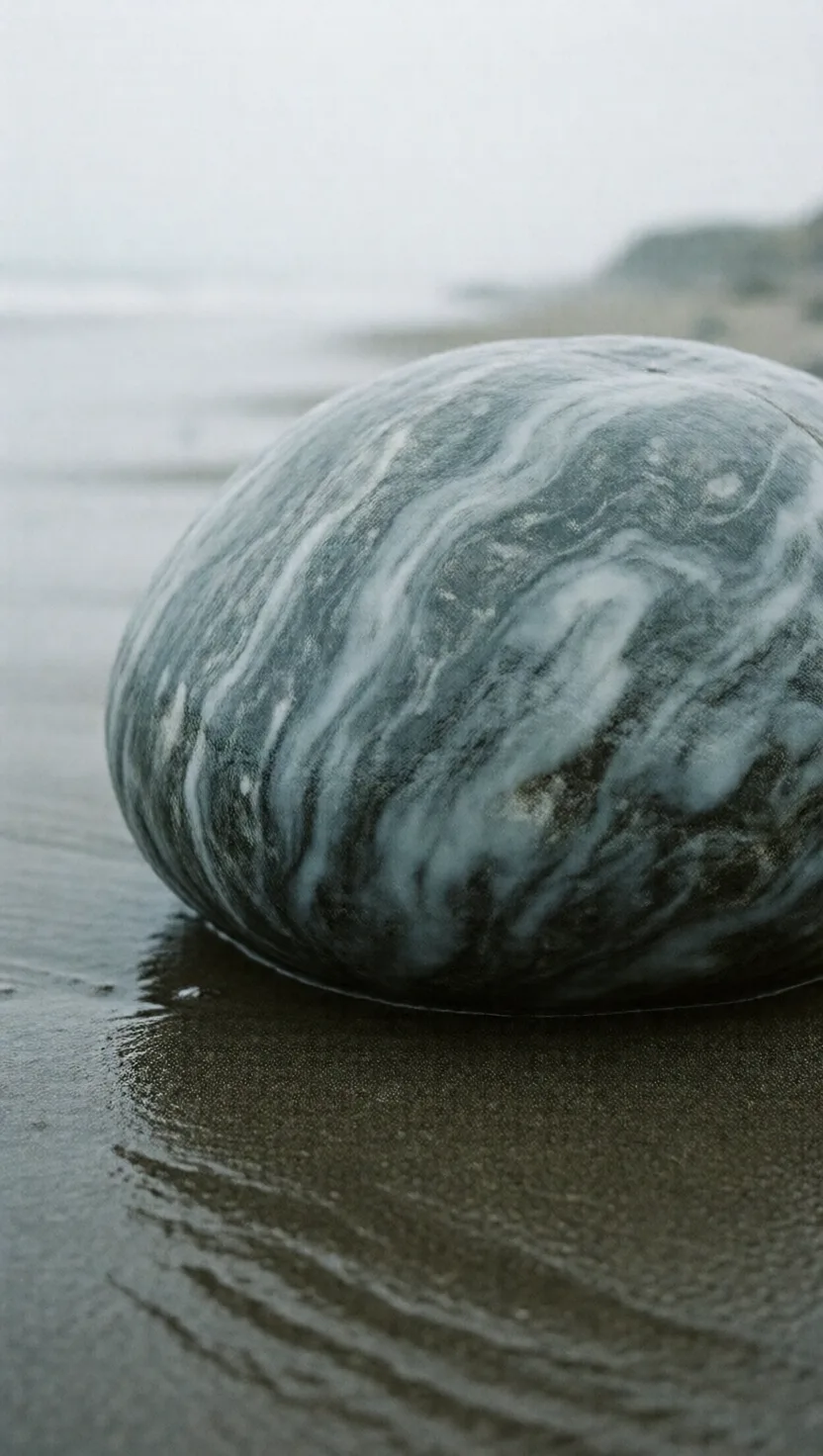
Ambergris begins as a waxy mass in a sperm whale's gut, thought to cushion the sharp beaks of swallowed squid. Once expelled into the sea it can drift for years, even decades, while sun, salt and air slowly transform a foul black lump into a sweet, marine-scented grey stone. Aged ambergris is a legendary perfume fixative: its ambrein oxidizes into fragrant molecules that make delicate scents cling to skin for hours longer.
The sandalwood tree steals from its neighbors

The sandalwood tree steals from its neighbors

Sandalwood looks like an ordinary tree but it is a hemiparasite: its roots grow bell-shaped grafts called haustoria that latch onto the roots of host plants and siphon off their water and nutrients. It still photosynthesizes, but it can't truly thrive alone. And the prized fragrant heartwood forms agonizingly slowly — it only becomes commercially scented after roughly 20 to 30 years of growth.
These little seeds smell like animal musk

These little seeds smell like animal musk

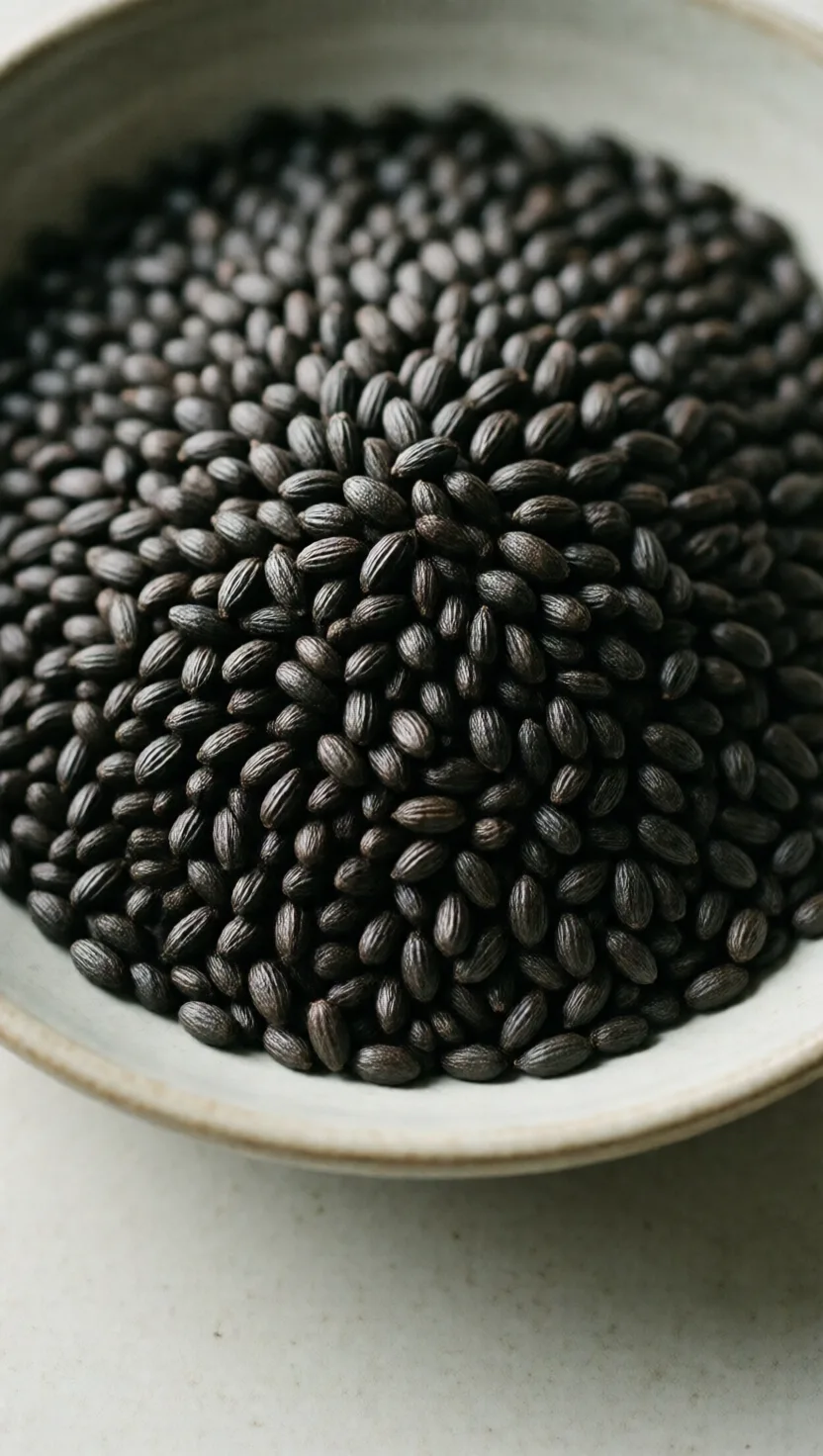
True musk once came from a gland of the musk deer. Ambrette offers a plant version: the small kidney-shaped seeds of a hibiscus relative carry a molecule, ambrettolide, chemically close to the musk of deer and civet. It smells warm, skin-like and faintly sweet, and because the seeds yield well under one percent of their weight in oil, this vegetable musk is one of the costliest botanical materials a perfumer can reach for.
tap →swipe ↑ for depthswipe ↓ to exit