Eight things hiding in the world's salt

DC·27 Deep Cuts
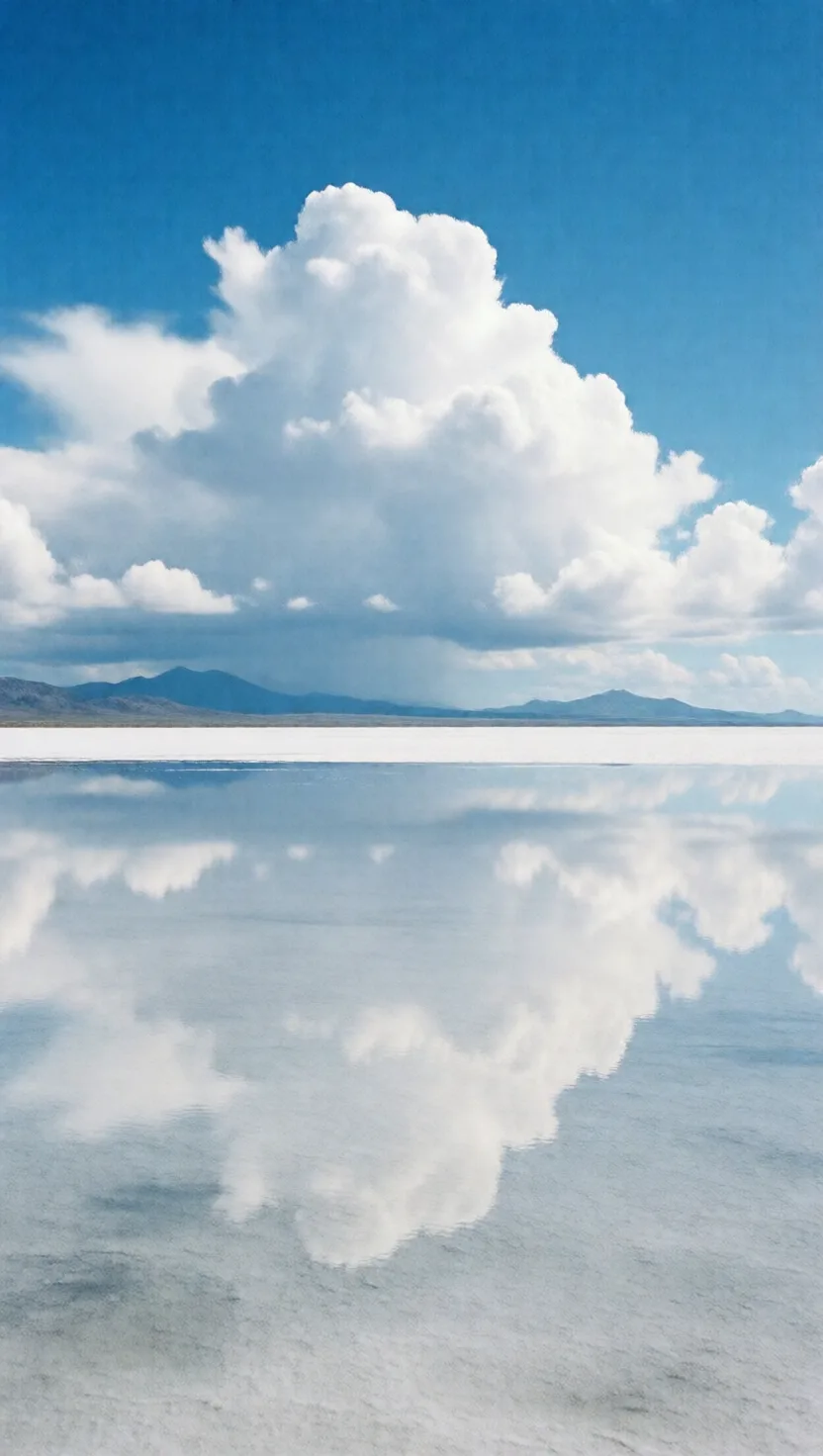
Satellites aim themselves using this salt mirror

Satellites aim themselves using this salt mirror

Across roughly 10,000 square kilometres the ground here rises and falls by less than a single metre, making it the flattest place on Earth. After rain, a skin of dead-calm water turns it into a mirror up to 129 km wide. That smooth, bright, perfectly level surface is so dependable that space agencies use it to calibrate the altimeters on Earth-watching satellites — about five times better than aiming at the open ocean.
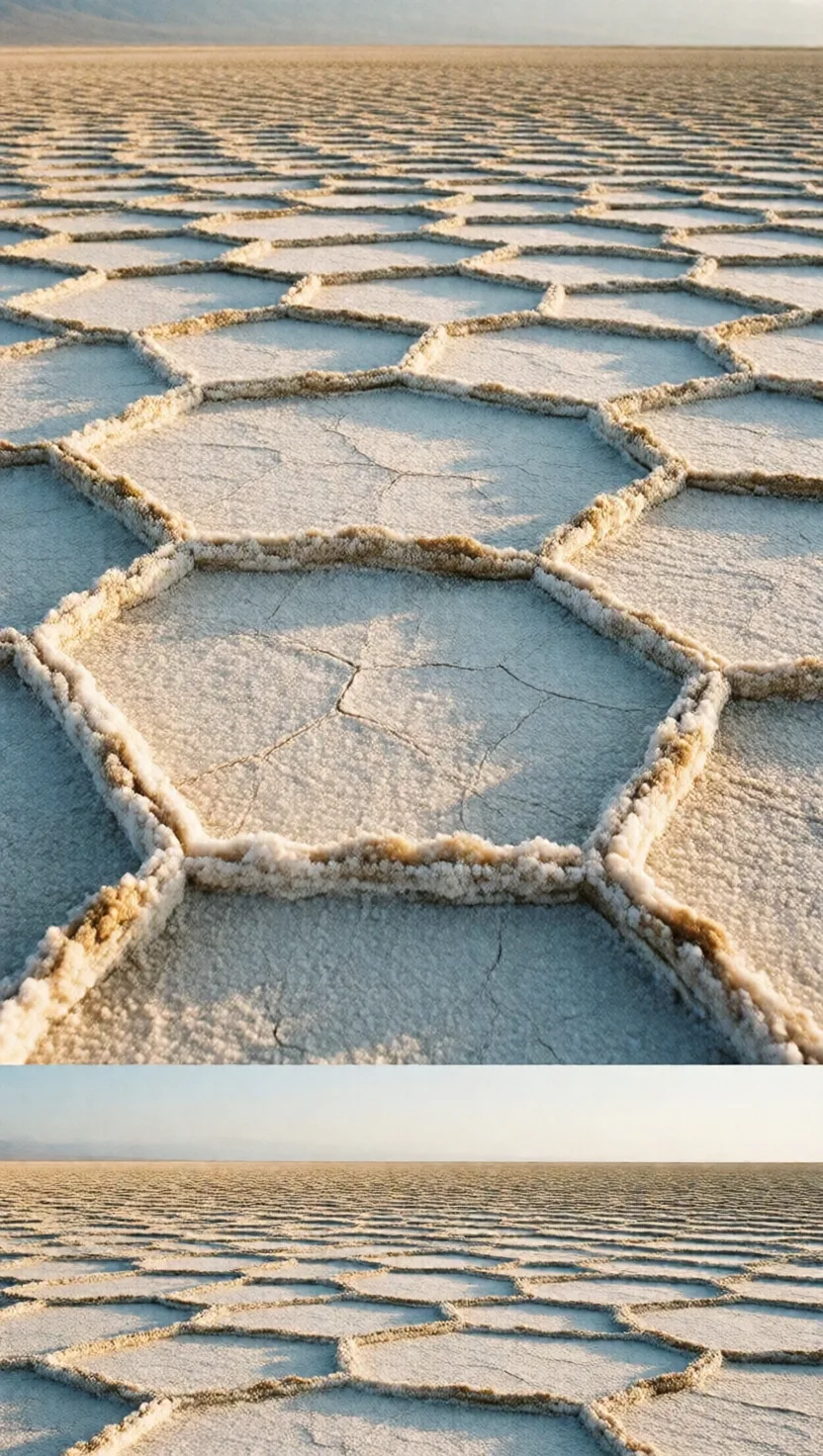
Salt deserts tile themselves into neat polygons

Salt deserts tile themselves into neat polygons

On dry salt flats the crust splits into tidy shapes a metre or two across, each ringed by a raised ridge. They aren't random. Just below the surface, dense salty water sinks while fresher water rises in slow loops, like the convection in a radiator. Where the saltiest water plunges back down it pulls the ridges into a honeycomb. In 2023 researchers dug beneath the pattern and found the underground salt matched those loops exactly.
Earth's hottest place glows acid-yellow and green

Earth's hottest place glows acid-yellow and green

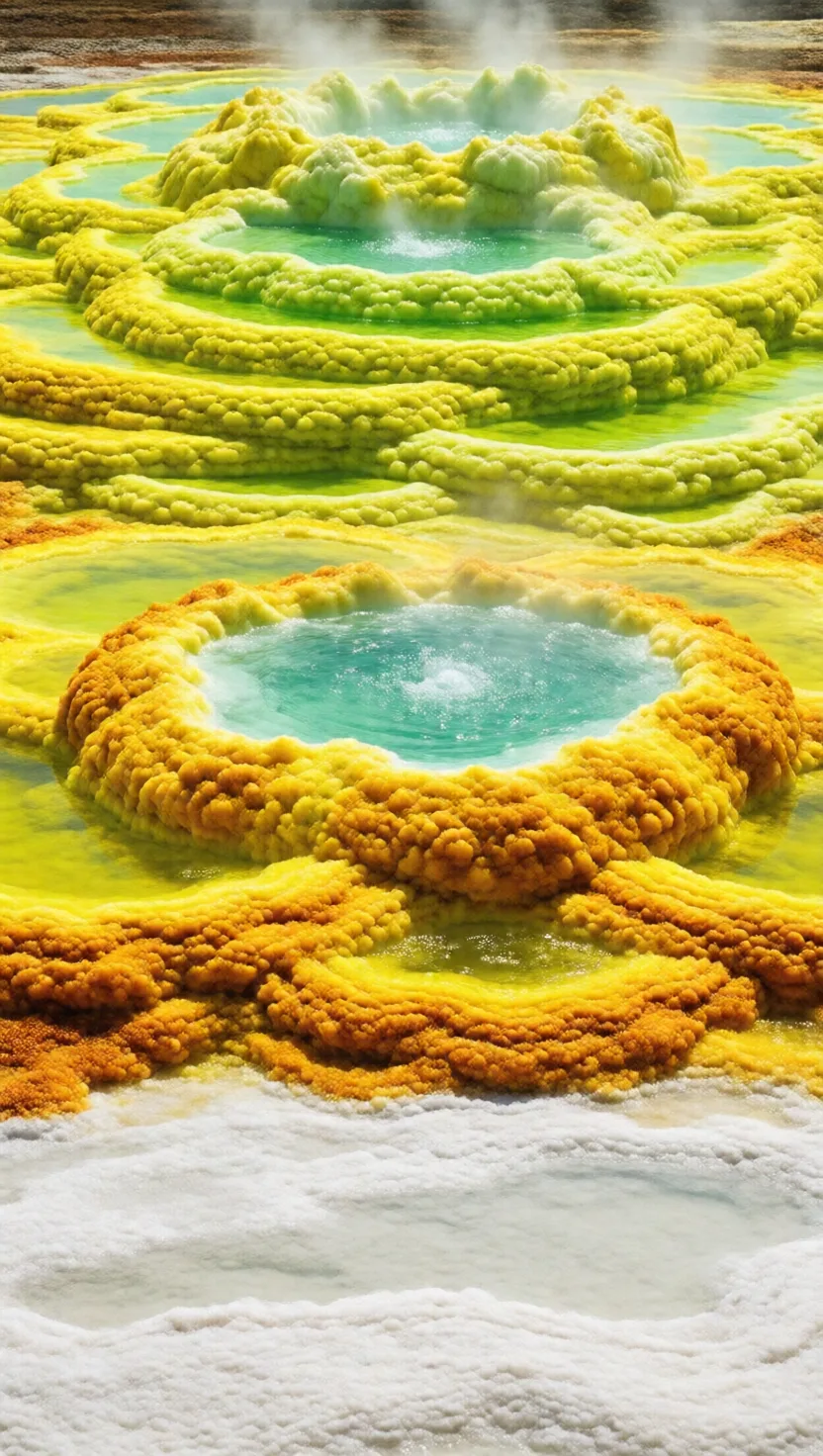
Sitting about 125 m below sea level, this is the hottest inhabited place on the planet, baking year-round. Springs bubble up brine that is nearly ten times saltier than the sea, hotter than 100°C, and so acidic its pH drops below zero, loaded with dissolved iron. As different minerals crystallize the ground turns neon green, yellow and rust-red — and the colours can shift within days as old springs die and new ones break through.
This glacier is made of solid salt, and it flows

This glacier is made of solid salt, and it flows

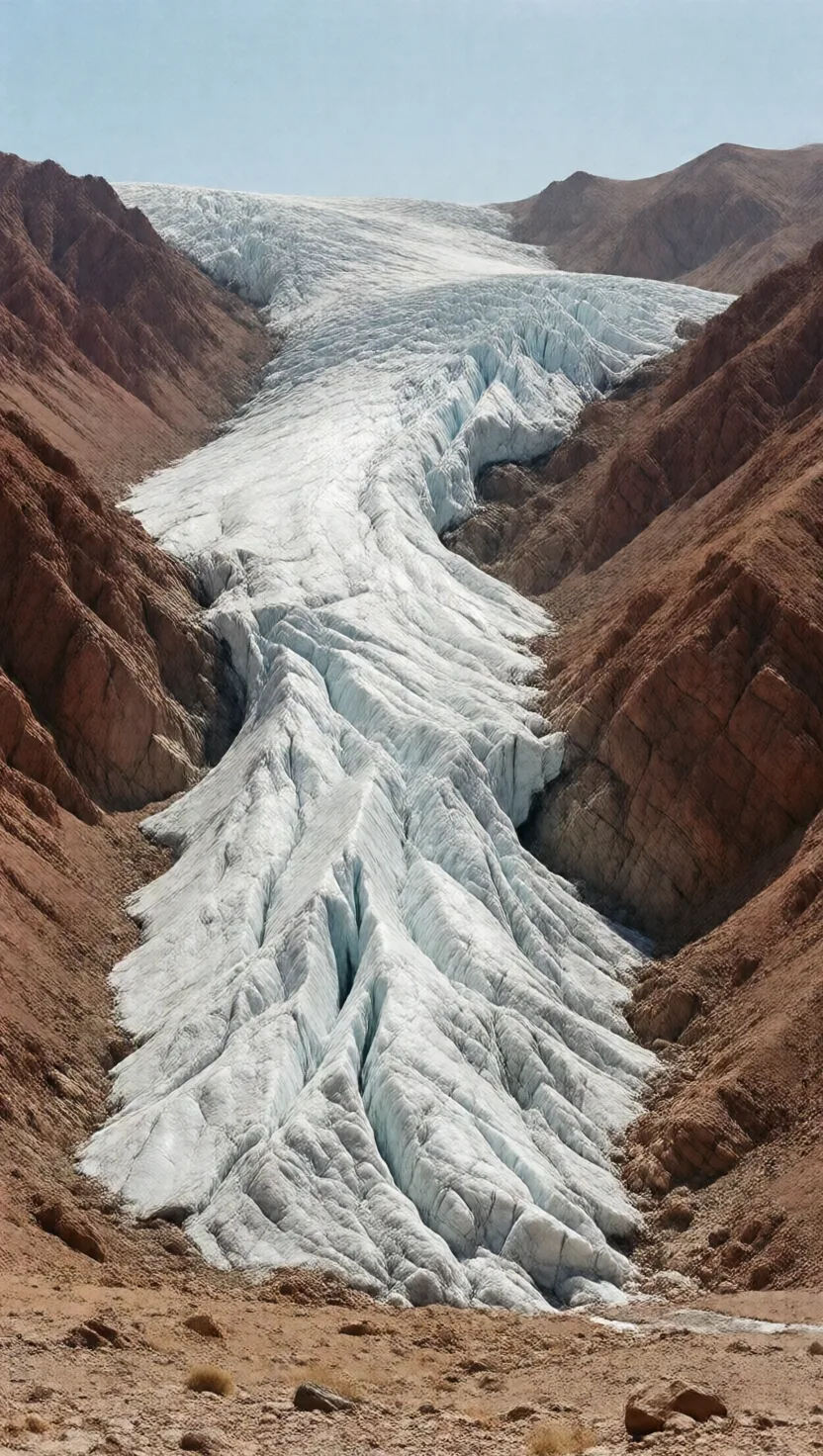
Buried salt is lighter than the rock around it, so over ages it squeezes upward like a bubble until it breaks the surface. Once exposed on a slope, the solid salt slowly flows downhill under its own weight, just as ice does, creeping a few metres a year. In the dry mountains of southern Iran these salt glaciers spill for kilometres — rivers of rock salt caught mid-pour and preserved only because the climate is so dry.
An entire cathedral carved from solid rock salt

An entire cathedral carved from solid rock salt

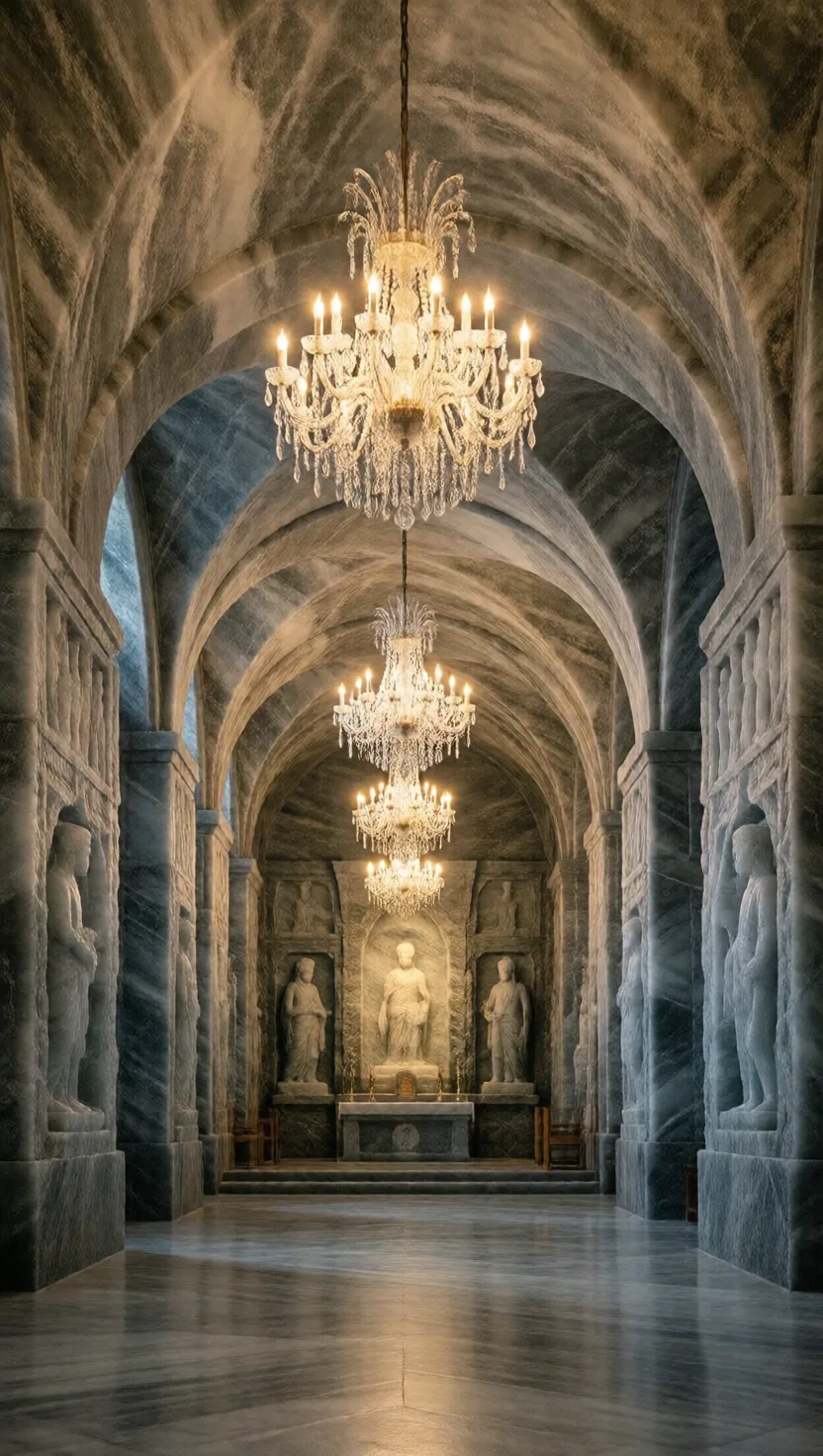
More than 100 m underground, miners spent generations carving a full chapel out of the rock salt itself — floor, altar, wall reliefs and statues, all salt. Even the chandeliers are salt: crystals dissolved and regrown into clear, glassy beads so they sparkle like cut glass. The hall runs over 50 m long, and it is still a working church, holding services and concerts in the deep quiet of the mine.
Salt can grow hollow cubes with staircase walls

Salt can grow hollow cubes with staircase walls

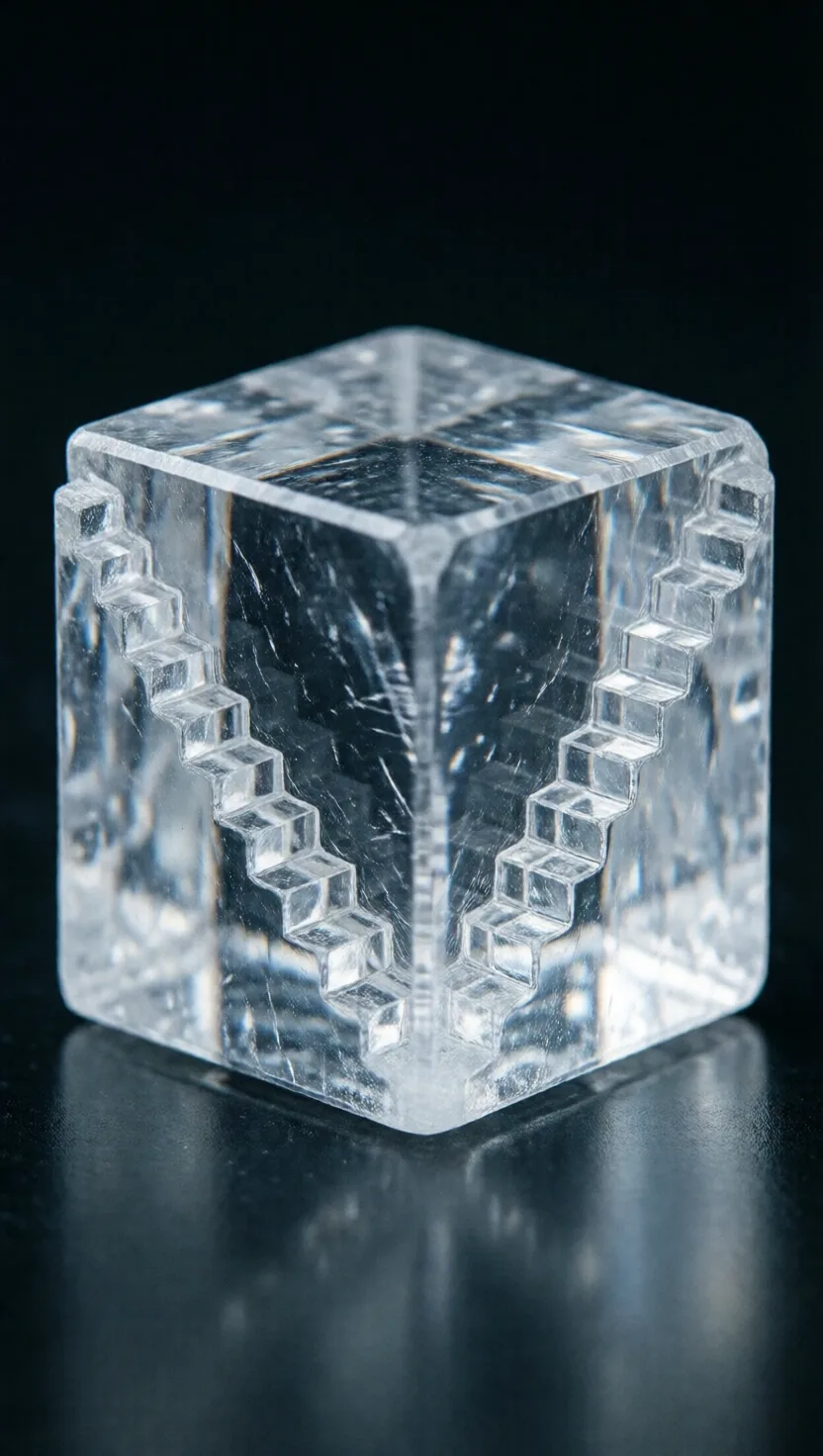
When salt water evaporates quickly, a growing crystal can't keep up with itself. Its edges draw in new salt faster than the flat faces do, so the rims race ahead while the centres lag behind. The result is a skeletal cube with stepped, hollowed-in faces — a tiny staircase pyramid carved inward, called a hopper crystal. Slow the evaporation down and the very same salt fills in as an ordinary solid cube instead.
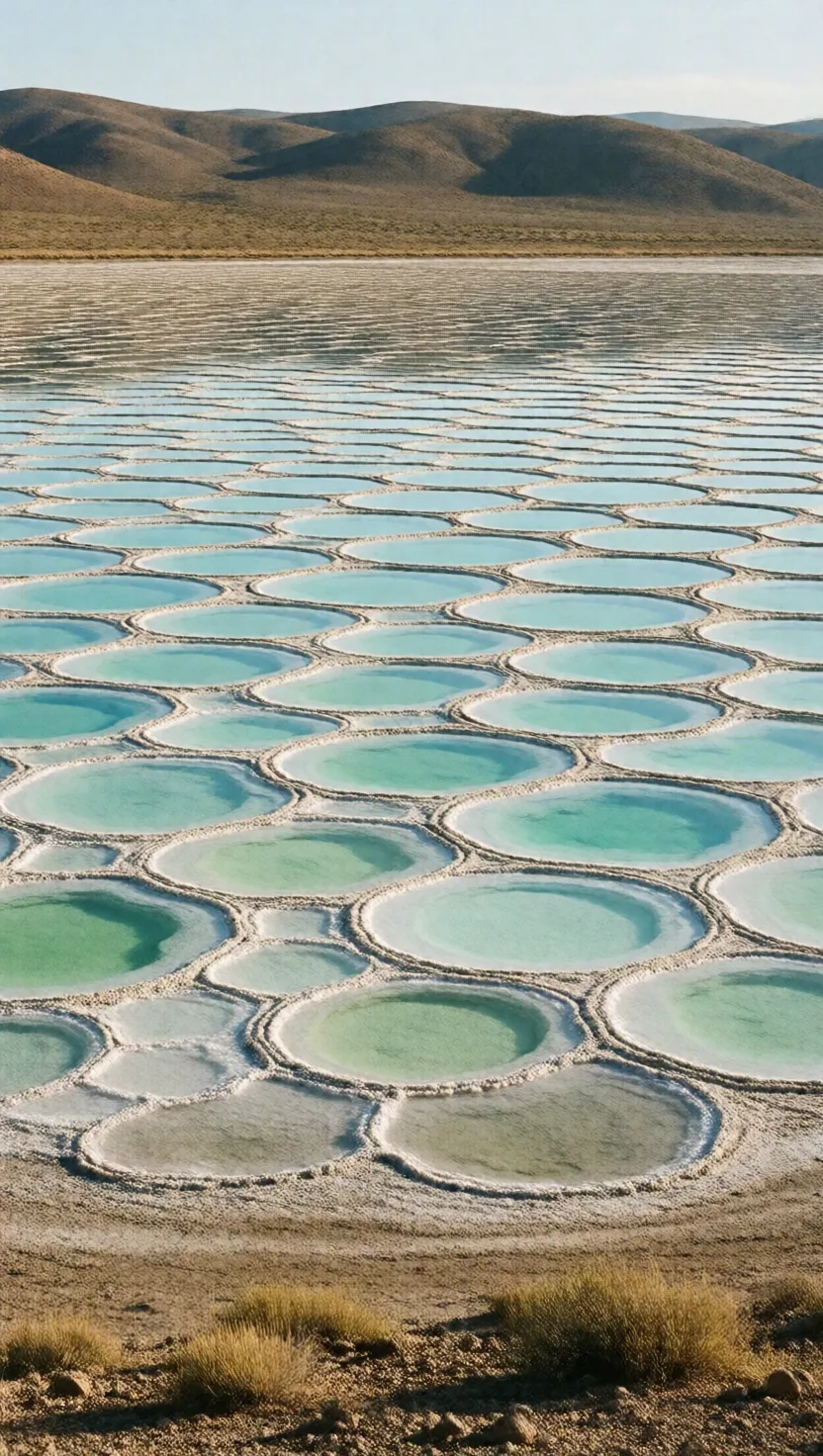
Each summer this lake breaks into hundreds of spots

Each summer this lake breaks into hundreds of spots

This shallow lake holds one of the richest loads of dissolved minerals on Earth — mostly magnesium and sodium salts. Through the cool months it looks like ordinary water. But as the summer sun boils it down, the water retreats into hundreds of separate pools, each rimmed by hardened salt. The colours of the spots — green, blue, pale white — depend on which mineral is most concentrated in each one.
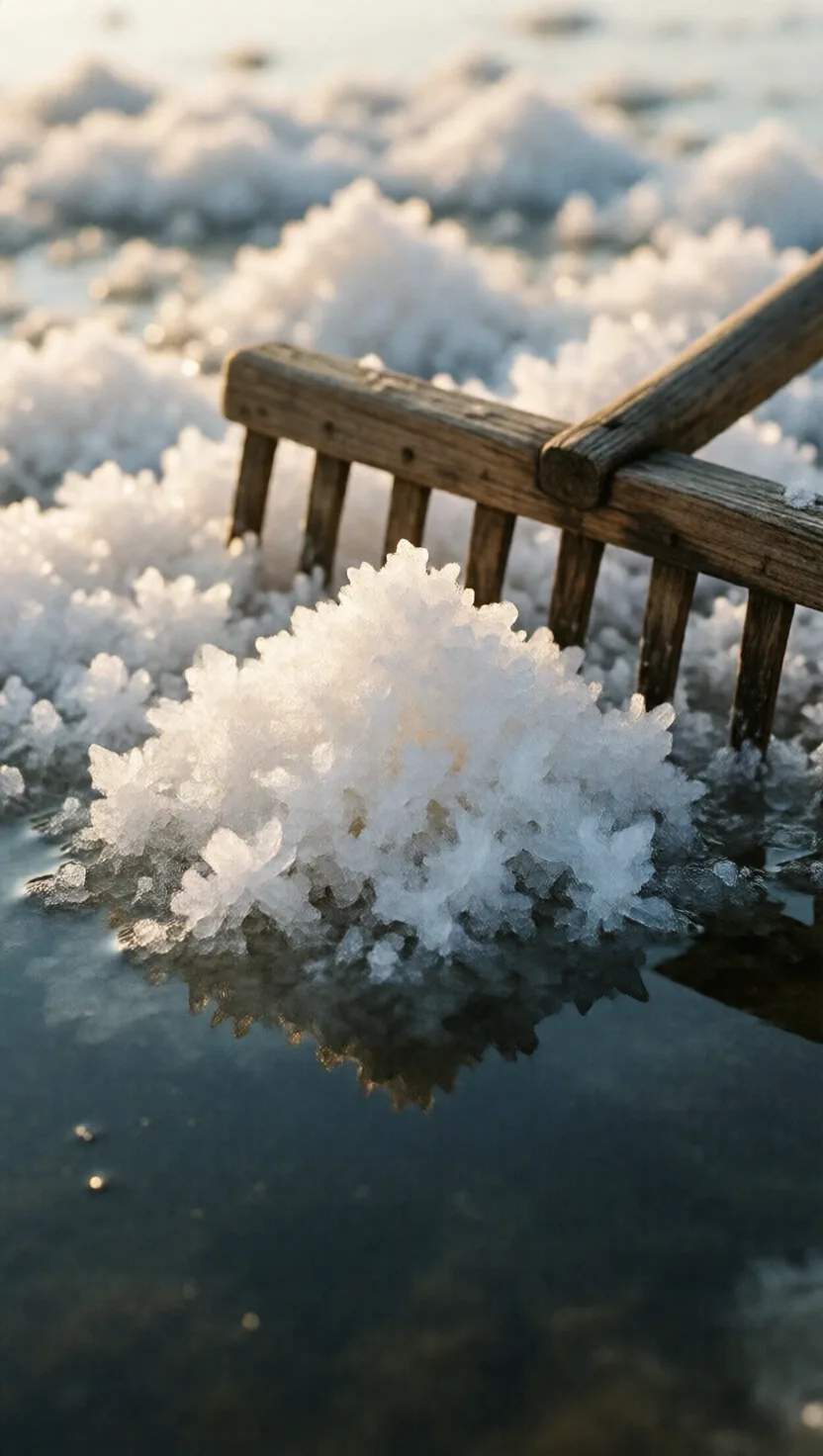
The rarest salt is skimmed off the water's skin

The rarest salt is skimmed off the water's skin

In shallow seaside ponds the very first salt to appear doesn't sink — a fragile lace of pyramid-shaped crystals floats on the surface like frost. It forms only on warm, dry days with a slow, steady breeze; a single rain shower or a strong gust ruins it. Workers skim it off the water by hand with a wooden rake, and one pond yields only about a kilogram a day, which is why it is the priciest salt of all.
tap →swipe ↑ for depthswipe ↓ to exit