Eight things about the fruit we carved into tools

DC·227 Deep Cuts
The bottle gourd was a canteen before pottery existed

The bottle gourd was a canteen before pottery existed

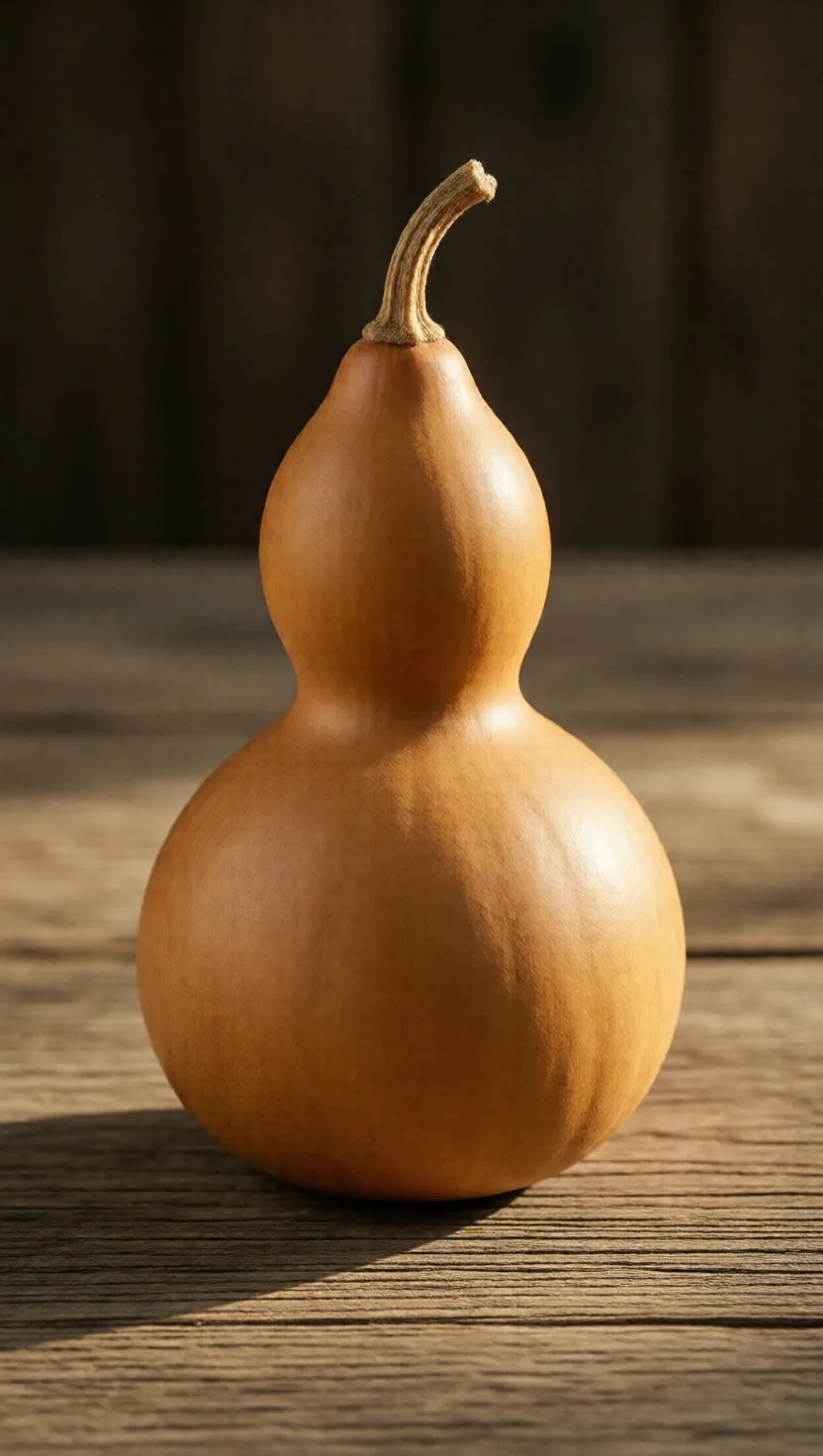
Humanity's first portable container may not have been clay but a gourd. The bottle gourd was domesticated around 10,000 years ago, among the earliest of all cultivated plants, and dried into watertight flasks, bowls and floats long before pottery was invented. Stranger still, it is the one crop found growing on both sides of the Atlantic in pre-Columbian times.
Bottle gourds sailed the oceans on their own seeds

Bottle gourds sailed the oceans on their own seeds

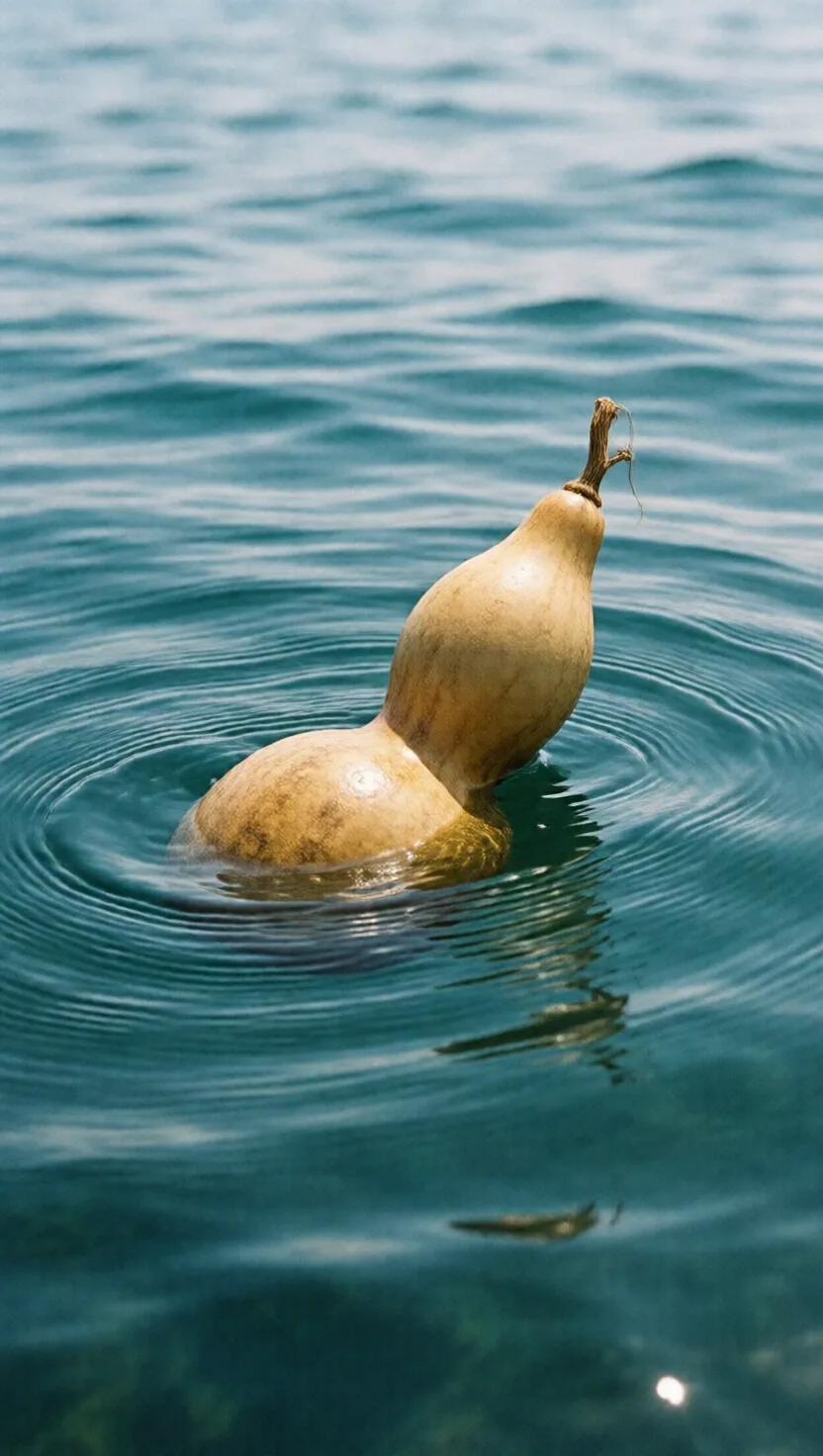
How did one plant end up in Africa, Asia and the Americas before ships connected them? It floated. A dried bottle gourd is buoyant and watertight, and its seeds stay alive after more than 200 days bobbing in seawater, long enough to ride ocean currents to a distant shore and sprout when they land. The gourd colonised the world as its own little boat.
A giant pumpkin is the heaviest fruit ever grown

A giant pumpkin is the heaviest fruit ever grown

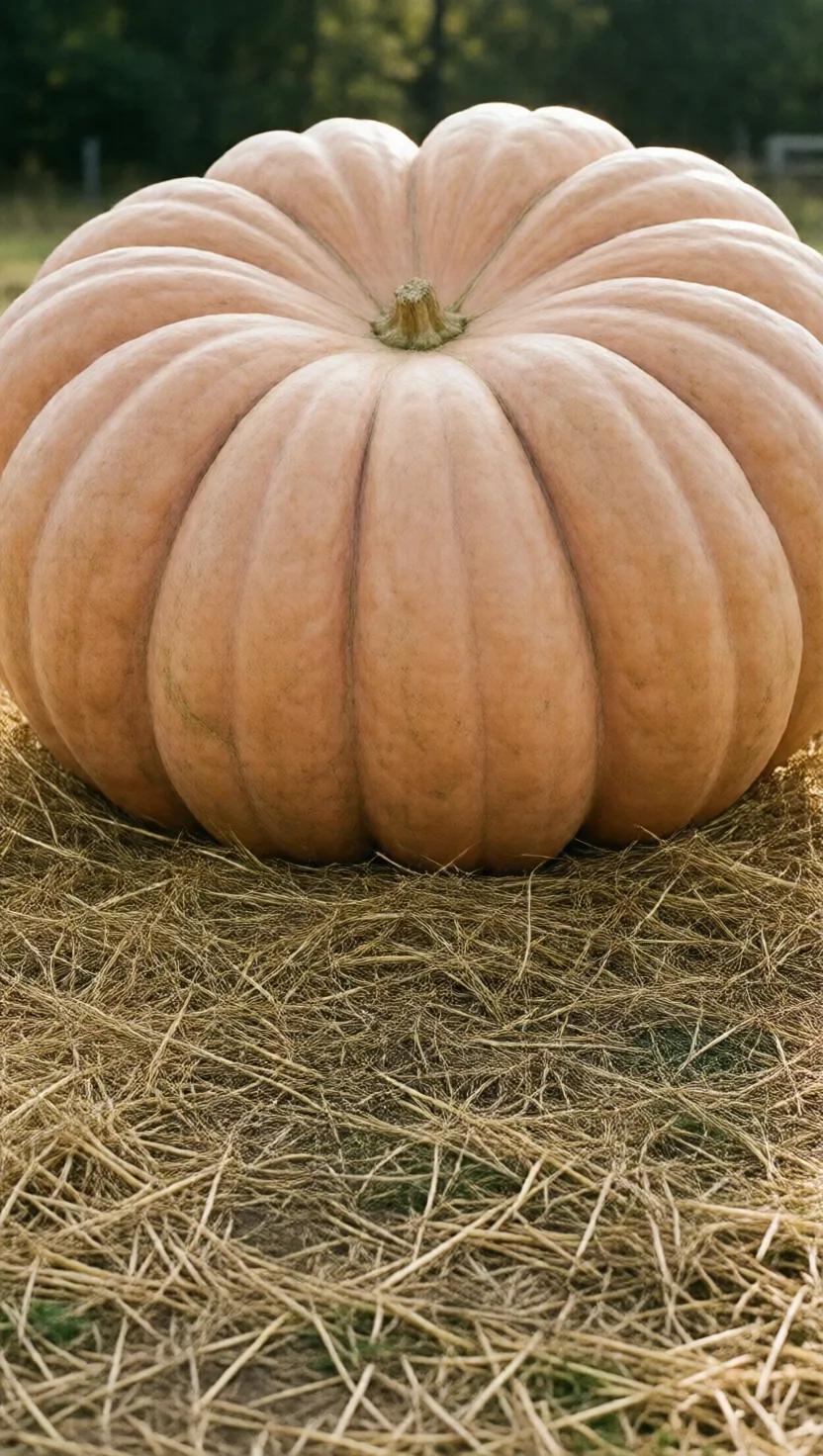
The biggest fruit any human has ever grown is a pumpkin. The 2023 world-record giant tipped the scales at 1,247 kilograms, about the weight of a small car. At its peak a champion pumpkin can pack on roughly 15 kilograms every single day, all of it funnelled through one fist-thick stem, and they swell so fast they often split under their own ballooning weight.
Every champion pumpkin descends from one 1979 seed line

Every champion pumpkin descends from one 1979 seed line

Behind every record-smashing giant pumpkin stands a single Nova Scotia farmer. In 1979 Howard Dill patented his Atlantic Giant strain, and essentially every world champion grown since traces back to that one bloodline. Growers hand-pollinate their plants and guard each seed's pedigree like a racehorse stud book, a multi-tonne fruit resting on one man's life's work.
A bitter squash can poison you and shed your hair

A bitter squash can poison you and shed your hair

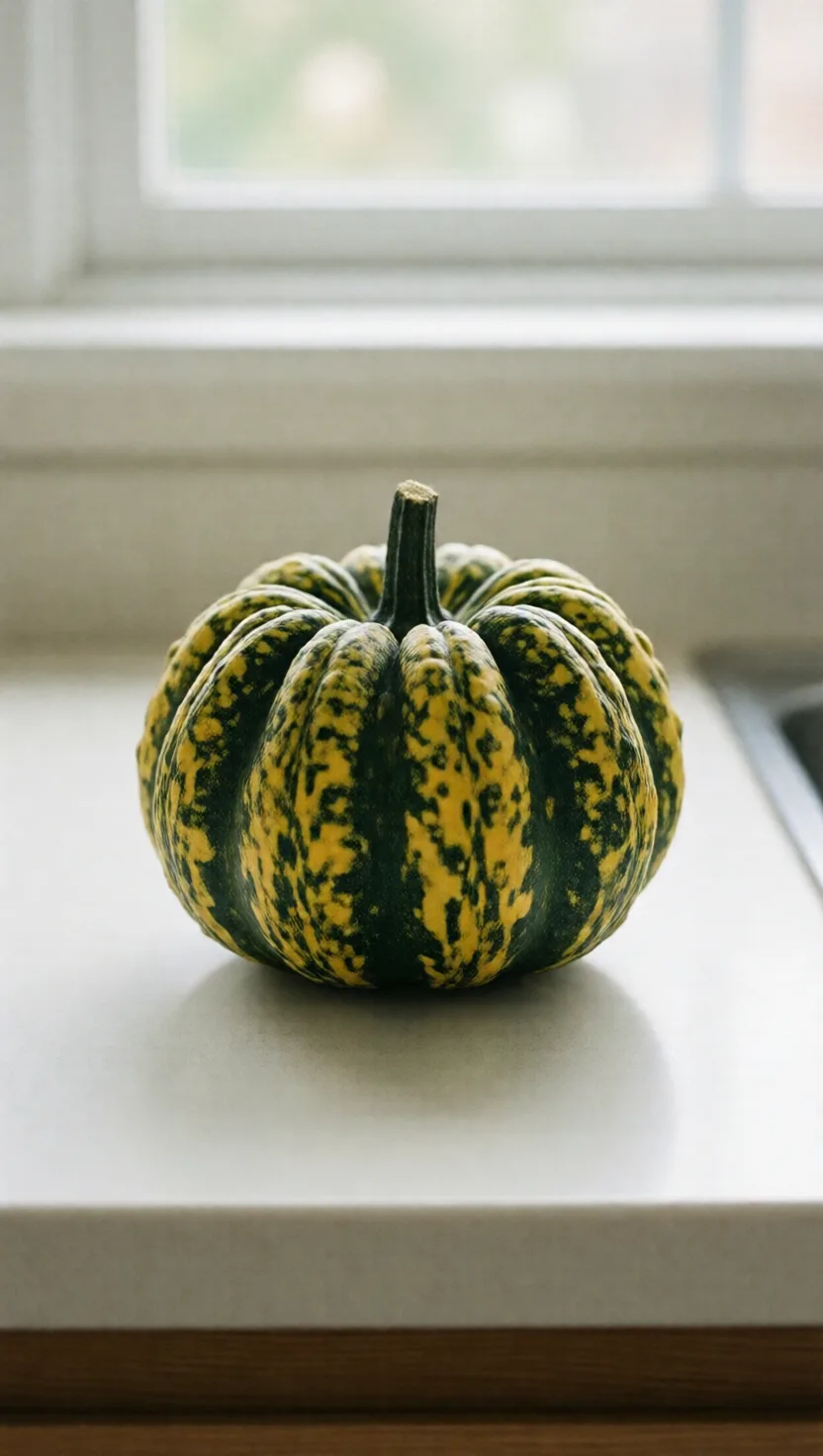
Squash usually tastes sweet because breeders bred out its natural defence chemicals, the cucurbitacins. Occasionally a plant reverts and turns intensely bitter, and eating it brings on toxic squash syndrome: violent stomach illness, and in the worst documented cases, hair falling out in clumps weeks later. French poison centres logged 353 such cases in just four years. The warning is simple: if a squash tastes bitter, spit it out.
A pumpkin flower opens for a single morning only

A pumpkin flower opens for a single morning only

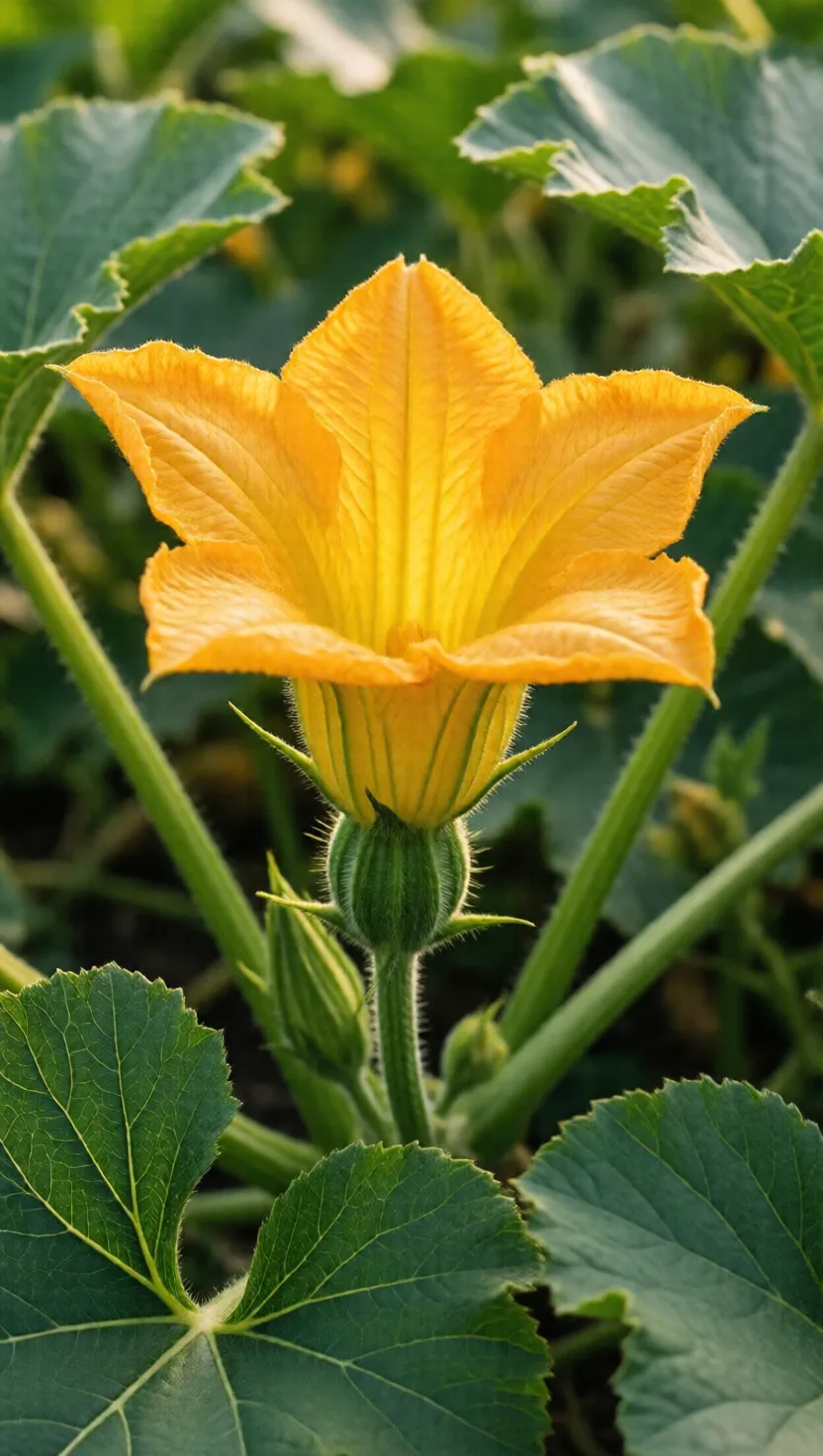
A pumpkin plant throws out dozens of big golden blooms, but each female flower, the one with a tiny fruit already swelling at its base, opens for just one morning before closing for good, often by mid-morning. Miss that brief window and it goes unpollinated, yellows and drops. Every pumpkin you have ever seen was made in that one-day pollination sprint.
Squash bees eat only pumpkin pollen and sleep in the bloom

Squash bees eat only pumpkin pollen and sleep in the bloom

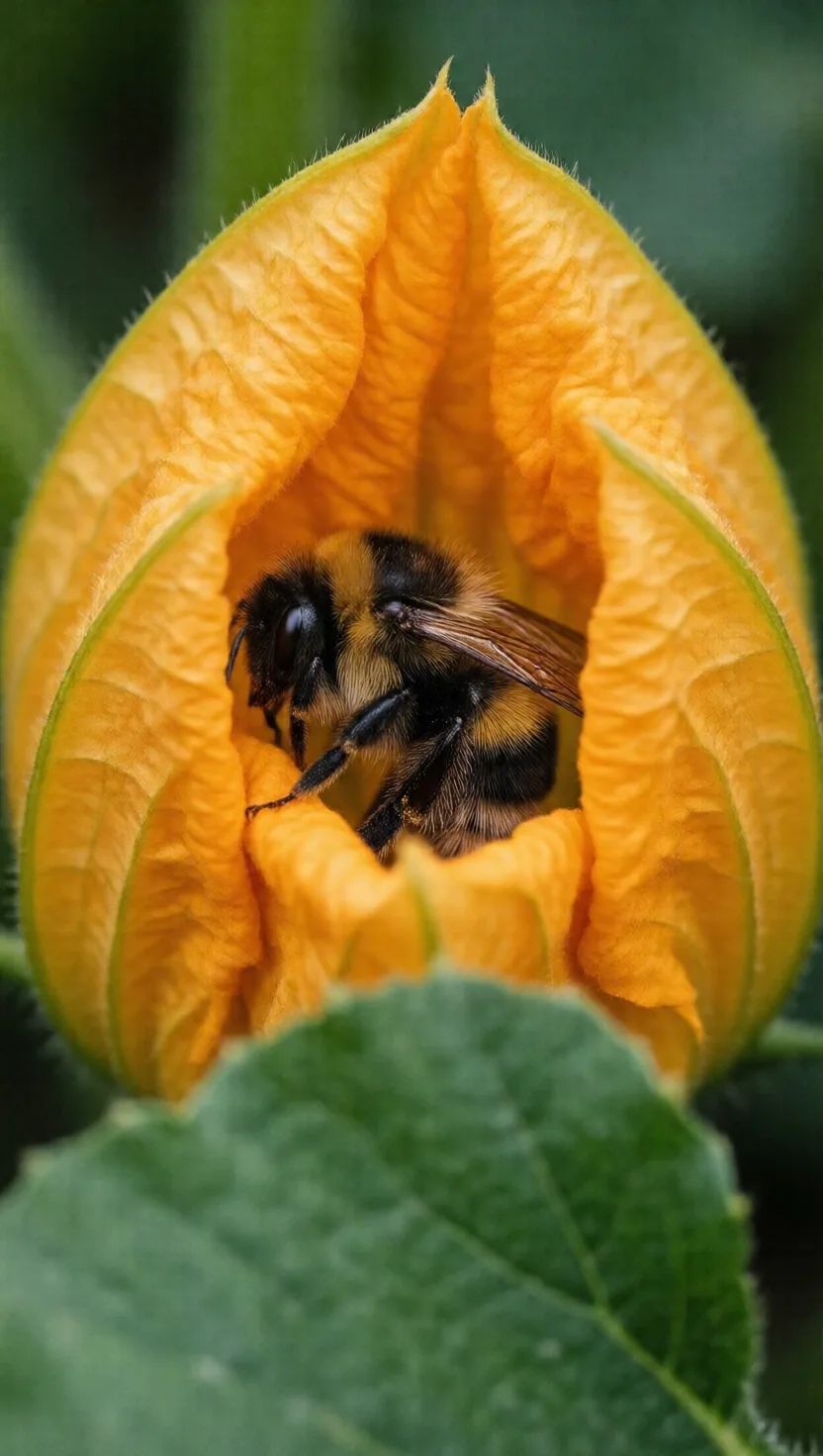
One bee has bet everything on the pumpkin. The squash bee gathers pollen from just one plant group, the squashes and gourds, and nothing else, timing its whole life to their flowers. When the blossoms slam shut around midday the males simply stay inside, dozing in the closed petals until the flowers open again, turning each bloom into a one-night bee hotel.
Hollow gourds became America's first birdhouses

Hollow gourds became America's first birdhouses

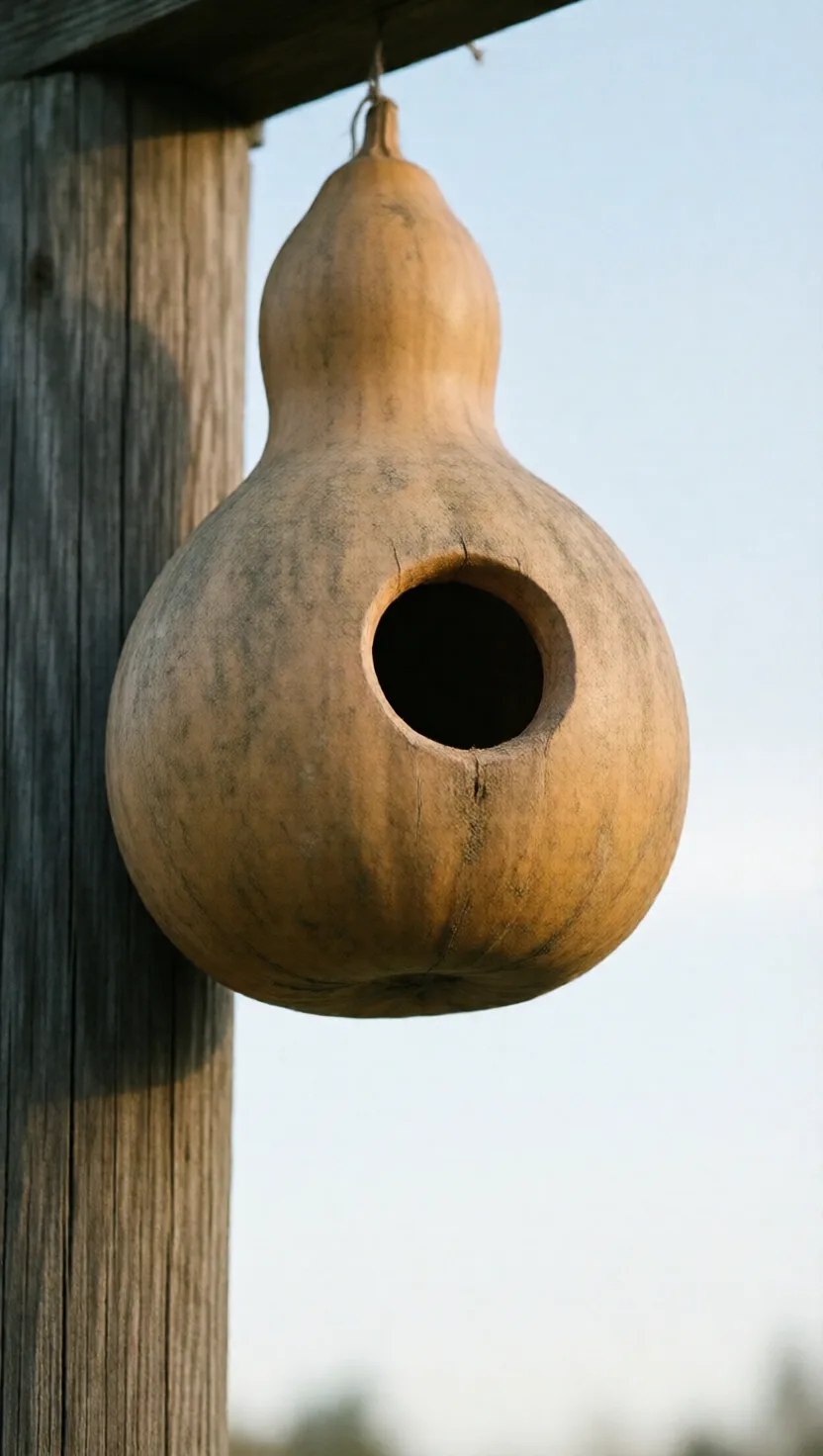
Long before European contact, peoples of the American Southeast hung hollowed-out bottle gourds on poles as nest boxes for purple martins, which ate crop pests in return. The birds took to them so completely that eastern purple martins now nest almost 100% in human-supplied gourds and boxes, a centuries-old habit that quietly rewired a wild bird's biology.
tap →swipe ↑ for depthswipe ↓ to exit