Eight things a humble crystal remembers

DC·202 Deep Cuts
The oldest thing on Earth is a speck of crystal

The oldest thing on Earth is a speck of crystal

The most ancient scrap of our planet ever found is not a rock but a microscopic grain of zircon from the Jack Hills of Western Australia, dated to about 4.4 billion years. That is older than any surviving rock, formed only a few hundred million years after Earth itself. Zircon is so tough it outlasts the rocks that made it, surviving cycle after cycle of erosion to carry that date all the way to us.
Every zircon is born as a tiny ticking clock

Every zircon is born as a tiny ticking clock

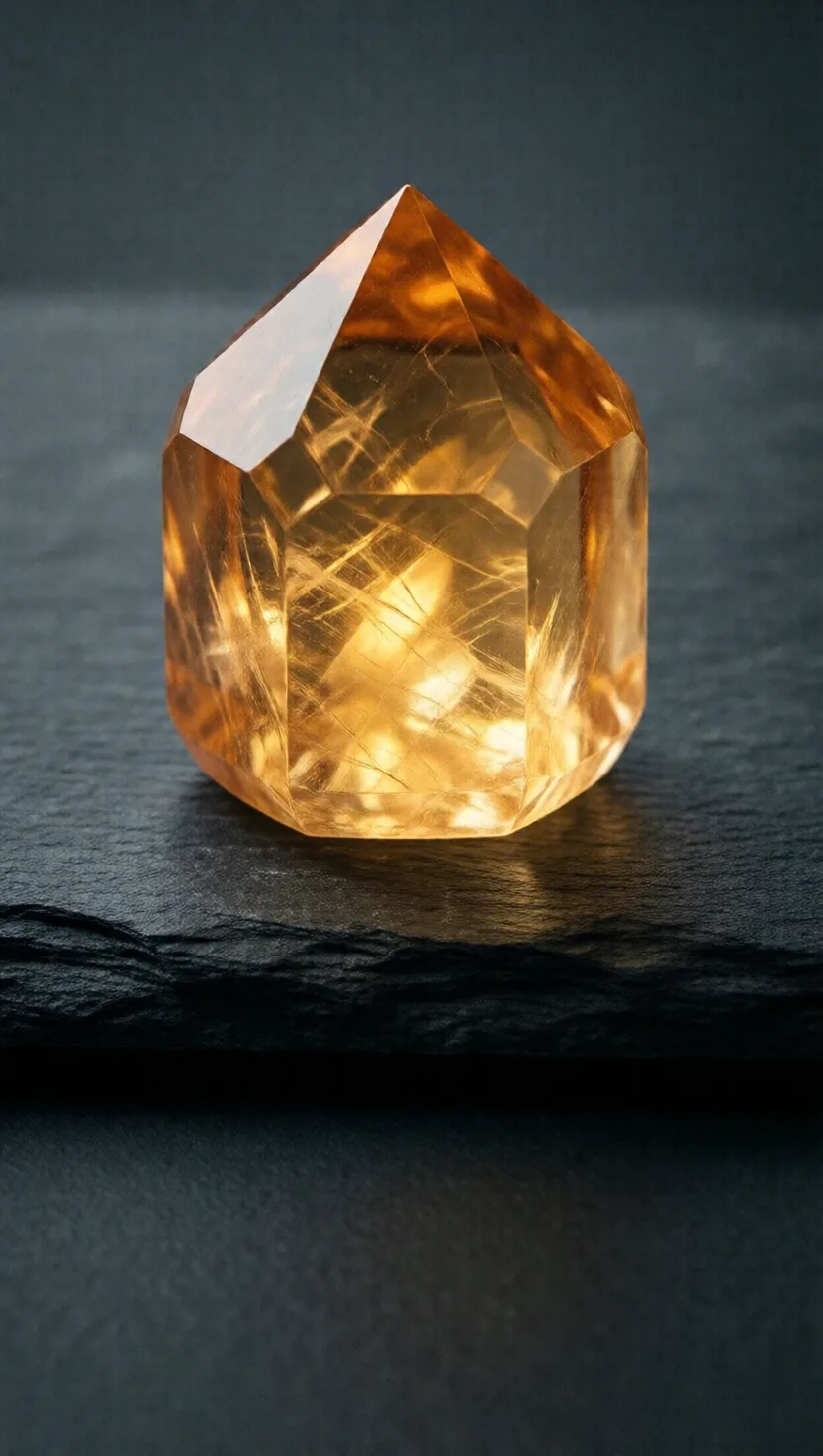
When zircon crystallises it readily takes uranium into its lattice but almost violently refuses lead. So a fresh crystal starts with uranium and zero lead, and any lead found in it later can only have come from that uranium decaying, atom by atom, at a known rate. Measure the ratio and you read the crystal's age directly. The method works from about a million years out to over 4.5 billion, often to better than one percent.
Zircon and cubic zirconia are not the same thing

Zircon and cubic zirconia are not the same thing

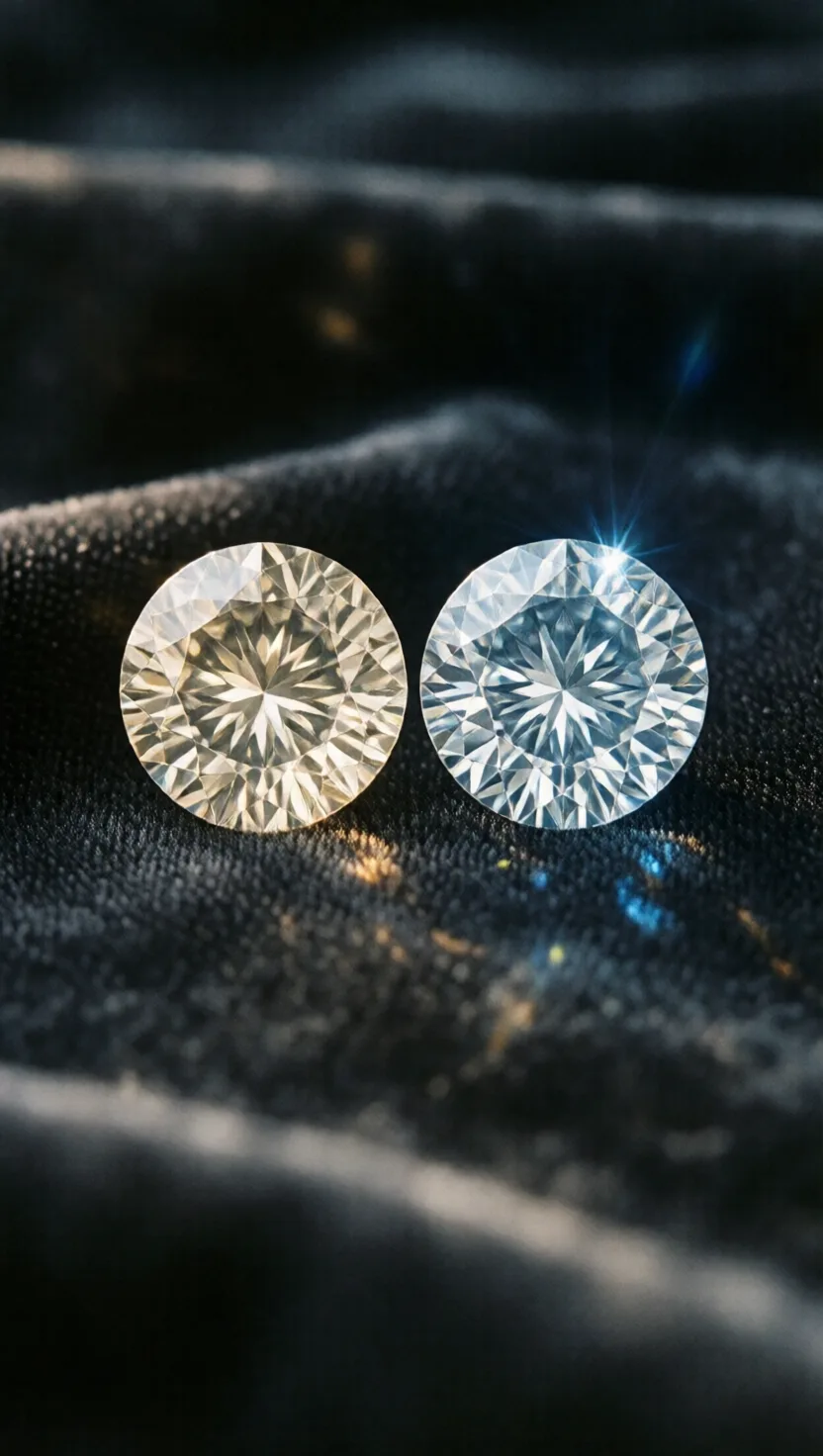
They sound like twins and both stand in for diamond, but they are unrelated. Zircon is a natural mineral, zirconium silicate, grown underground over ages. Cubic zirconia is a lab-made crystal of zirconium dioxide, invented to mimic diamond cheaply. The natural stone is softer, about 6 to 7.5 on the hardness scale, and comes in earth-made colours; the synthetic one is harder and usually flawlessly clear.
Some zircons slowly destroy themselves

Some zircons slowly destroy themselves

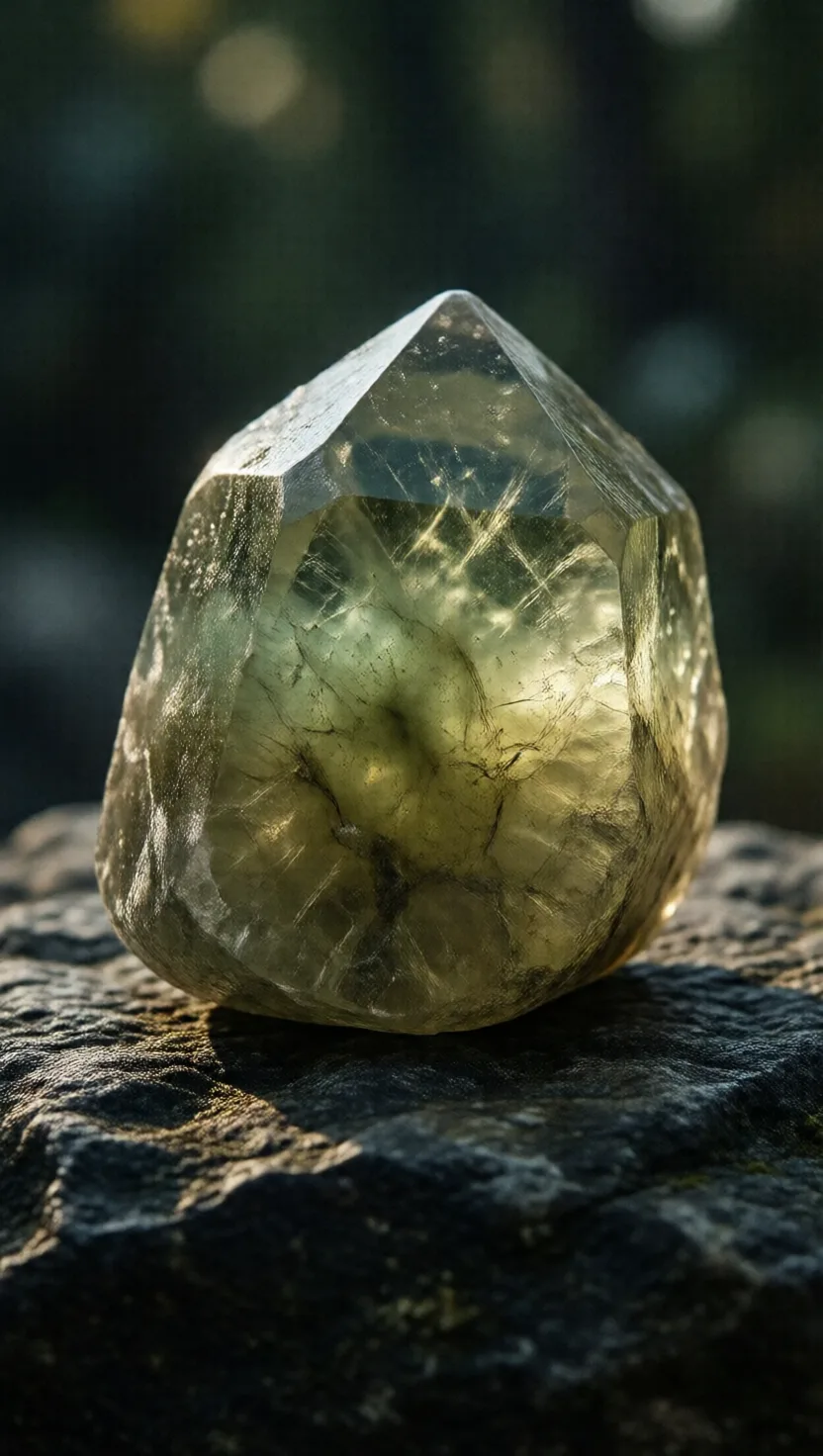
The same uranium that makes zircon a clock can also wreck it. As those atoms decay, each tiny recoil knocks the crystal lattice further out of order. Over hundreds of millions of years the damage piles up until the once-ordered crystal becomes a swollen, glass-like jumble, a state called metamict, often stained green or brown. The mineral that records deep time is quietly taken apart by its own radioactivity.
Before fake diamonds, jewellers used this

Before fake diamonds, jewellers used this

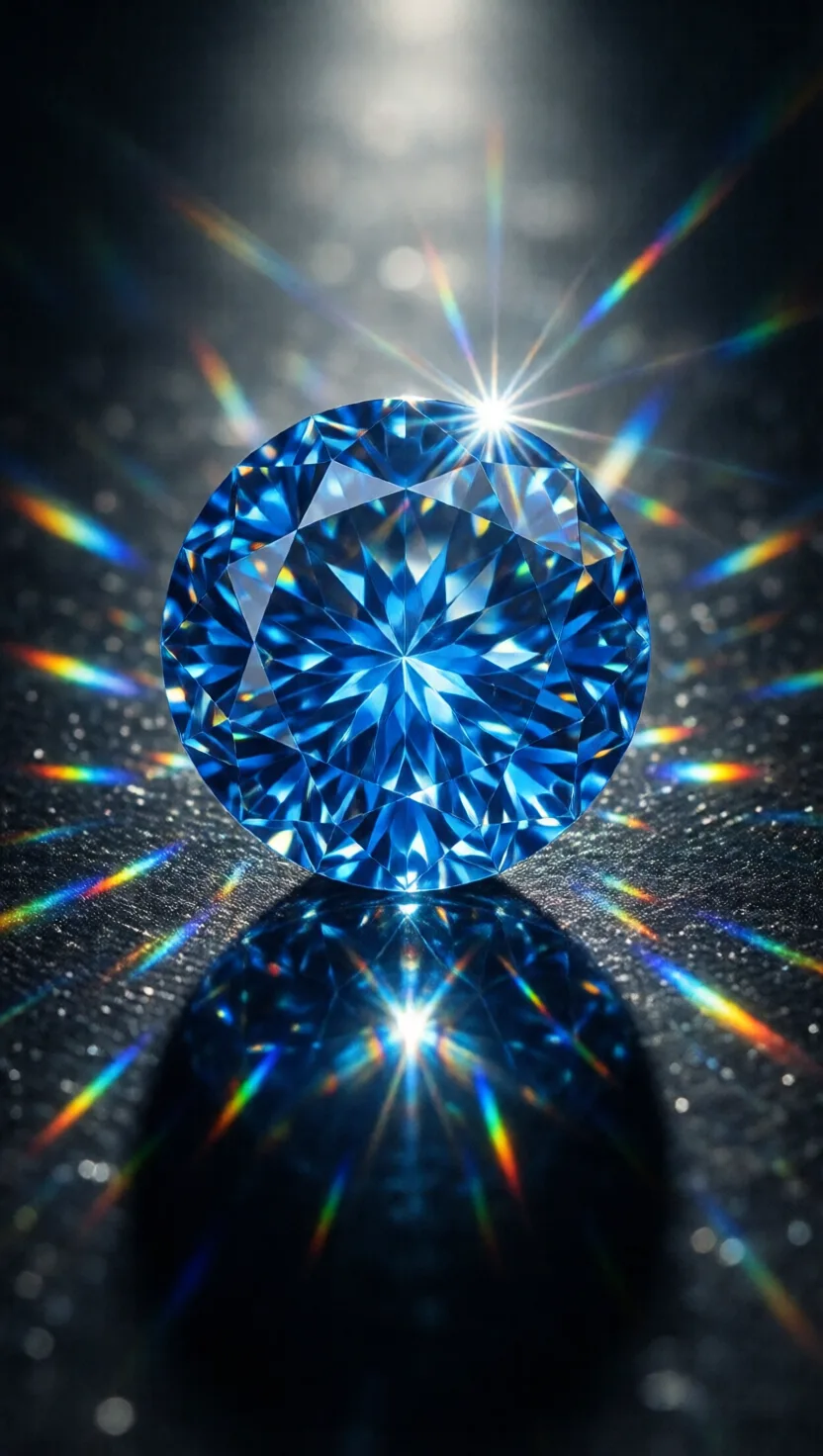
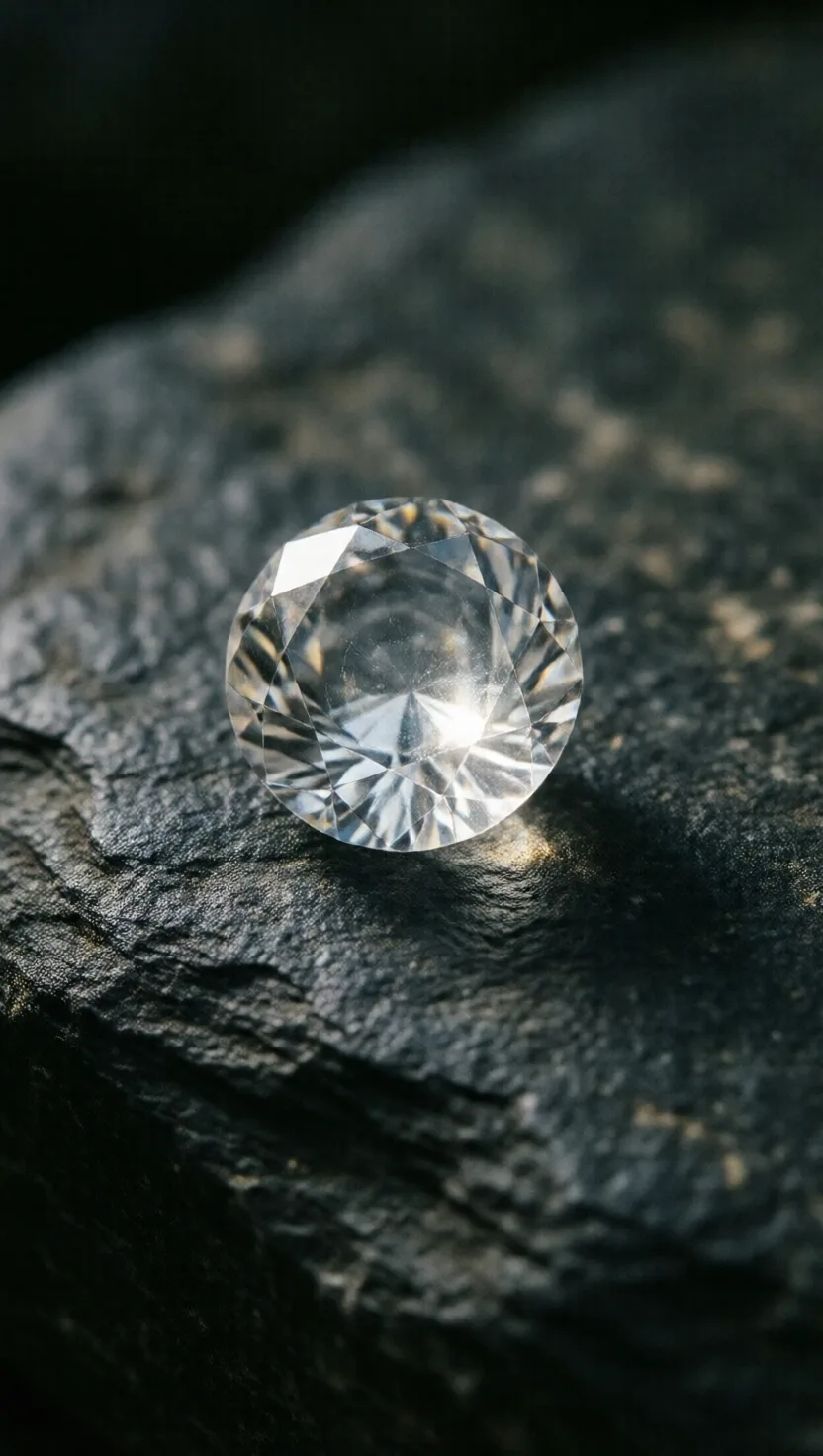
Colourless zircon throws off so much brilliance and fire, splitting white light into spectral colours, that for centuries it was the go-to diamond stand-in, long before cubic zirconia existed. Its showiest form is a vivid blue, heat-treated from brown stones, and it is the modern birthstone for December. A high refractive index, near 1.95, is what gives the stone its diamond-like flash.
Look through it and the edges appear doubled

Look through it and the edges appear doubled

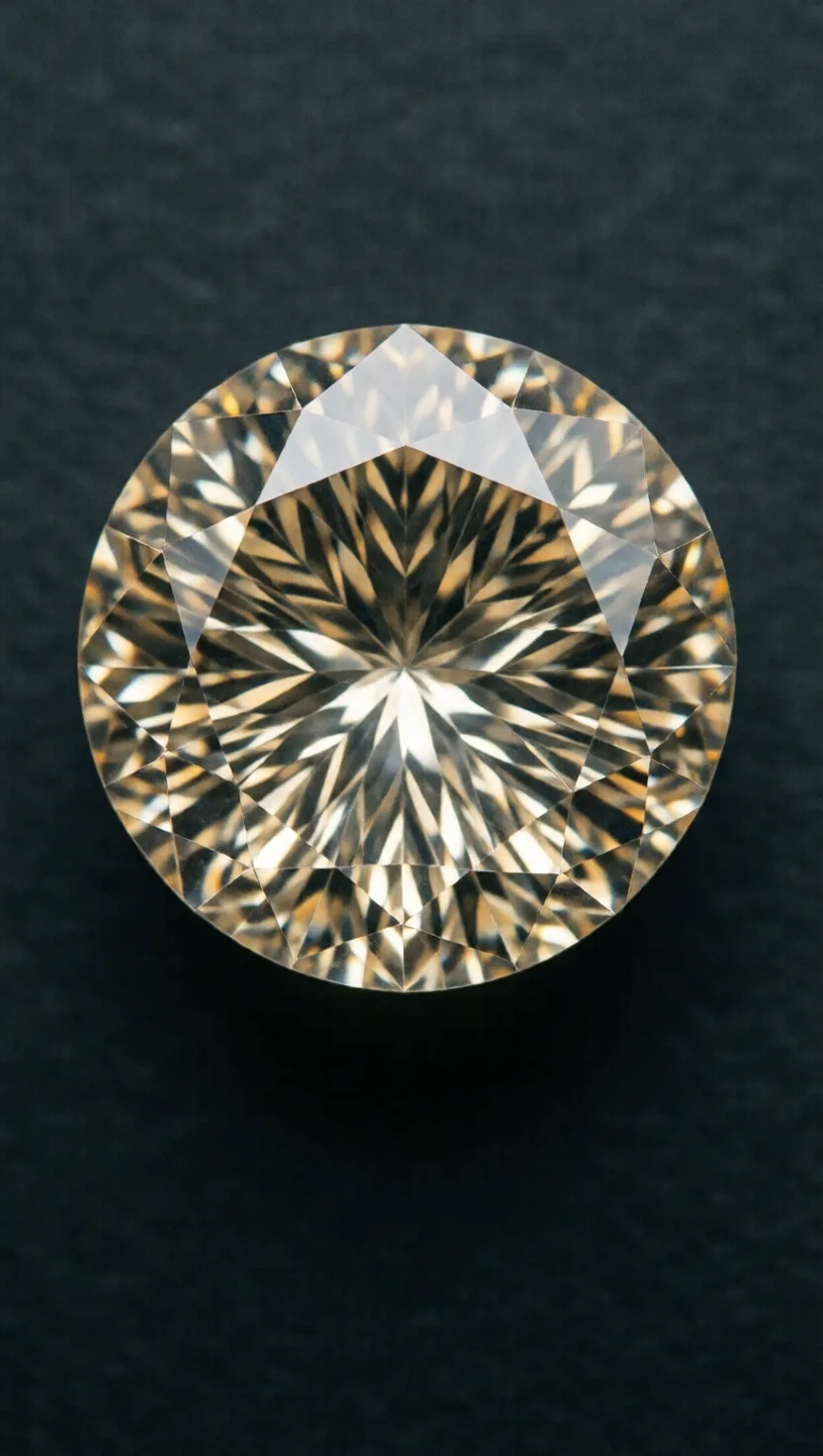
Zircon splits a passing light ray into two so strongly that the effect is visible to the naked eye. Peer down through the top of a cut stone and the far facet edges look doubled, slightly blurred, as if printed twice. This double refraction is a giveaway gemmologists use to tell zircon apart, and it forces cutters to orient the stone carefully, or its whole interior looks fuzzy.
Grains of it in beach sand map lost mountains

Grains of it in beach sand map lost mountains

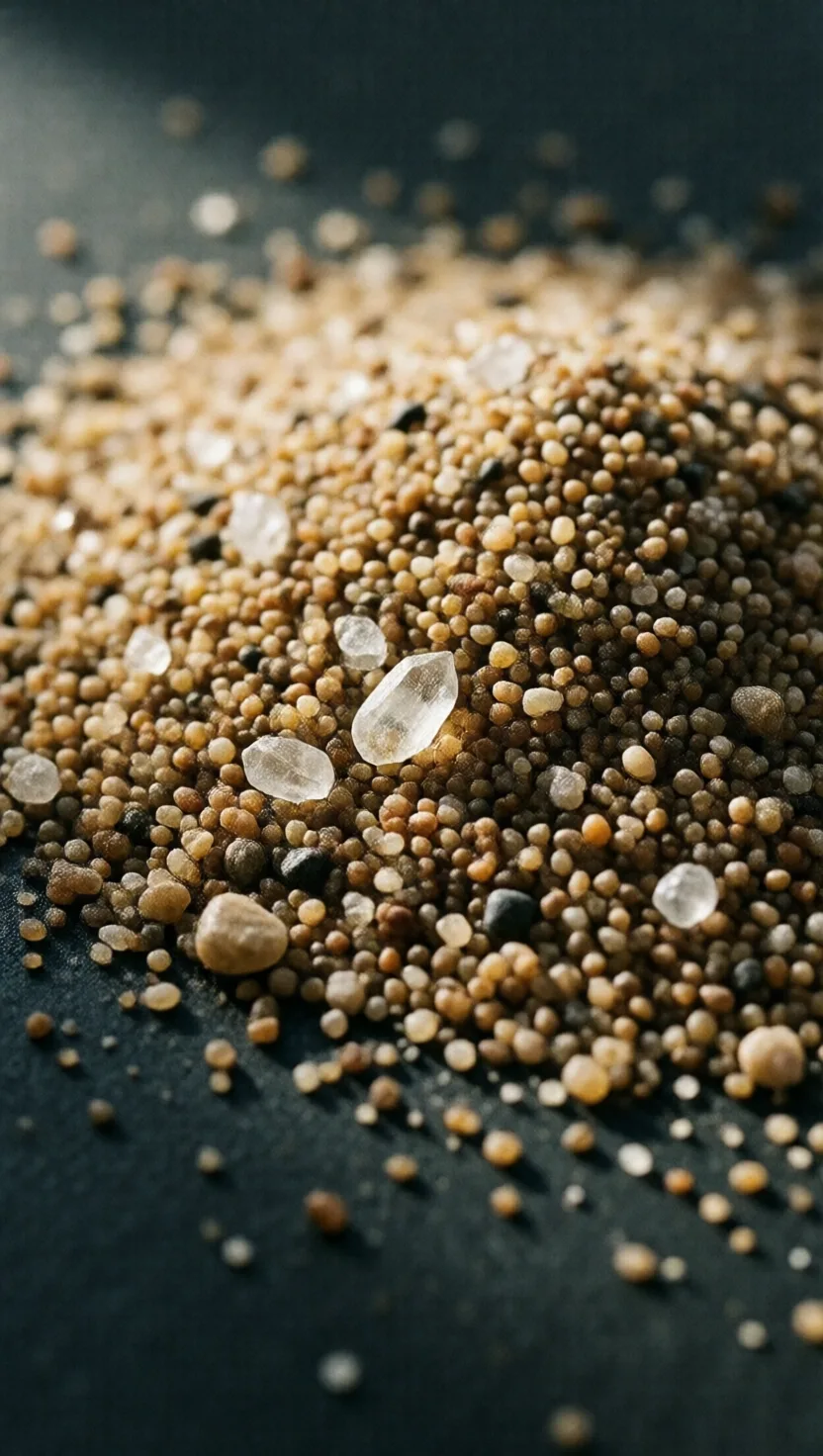
Because zircon shrugs off weathering, tiny grains of it survive long after their parent mountains have worn down to sand. Those grains end up in nearly every sandstone, each still carrying the age of the rock it crystallised in. Geologists sieve them out and date them one by one, and the spread of ages reveals where the sand came from, tracing ancient rivers and even whole vanished mountain ranges across deep time.
A crystal says oceans came shockingly early

A crystal says oceans came shockingly early

Locked inside the oldest zircons is a chemical memory of their birth. The balance of heavy and light oxygen atoms trapped in them only forms when crystals interact with liquid water near the surface. Finding that signature in grains about 4.3 to 4.4 billion years old means Earth had cooled enough for liquid water, and possibly oceans, within a few hundred million years of forming, far sooner than scientists once believed.
tap →swipe ↑ for depthswipe ↓ to exit