Eight things the coconut is hiding inside its husk

DC·197 Deep Cuts
It can sail the open ocean for months and still grow

It can sail the open ocean for months and still grow

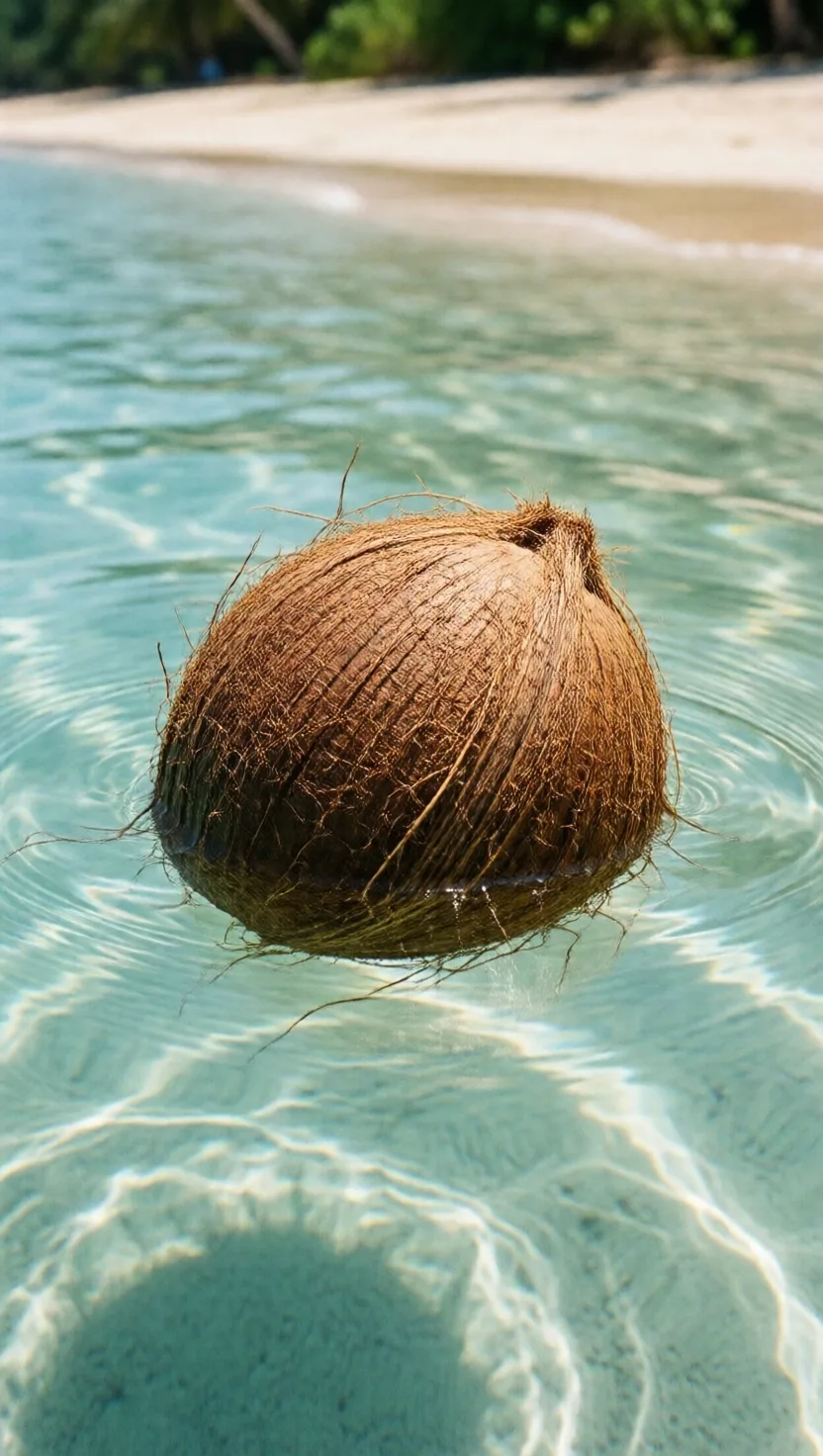
A coconut is built like a life raft. Its thick fibrous husk is packed with air pockets, and a hollow inside the nut adds buoyancy, so a fallen coconut can bob across open ocean for months — sometimes a year or more — without sinking. The husk fends off saltwater, and delayed germination keeps the seed alive until it washes onto a far beach and sprouts. That is how coconuts colonised remote islands.
Despite the name, it's no nut, it's a stone fruit

Despite the name, it's no nut, it's a stone fruit

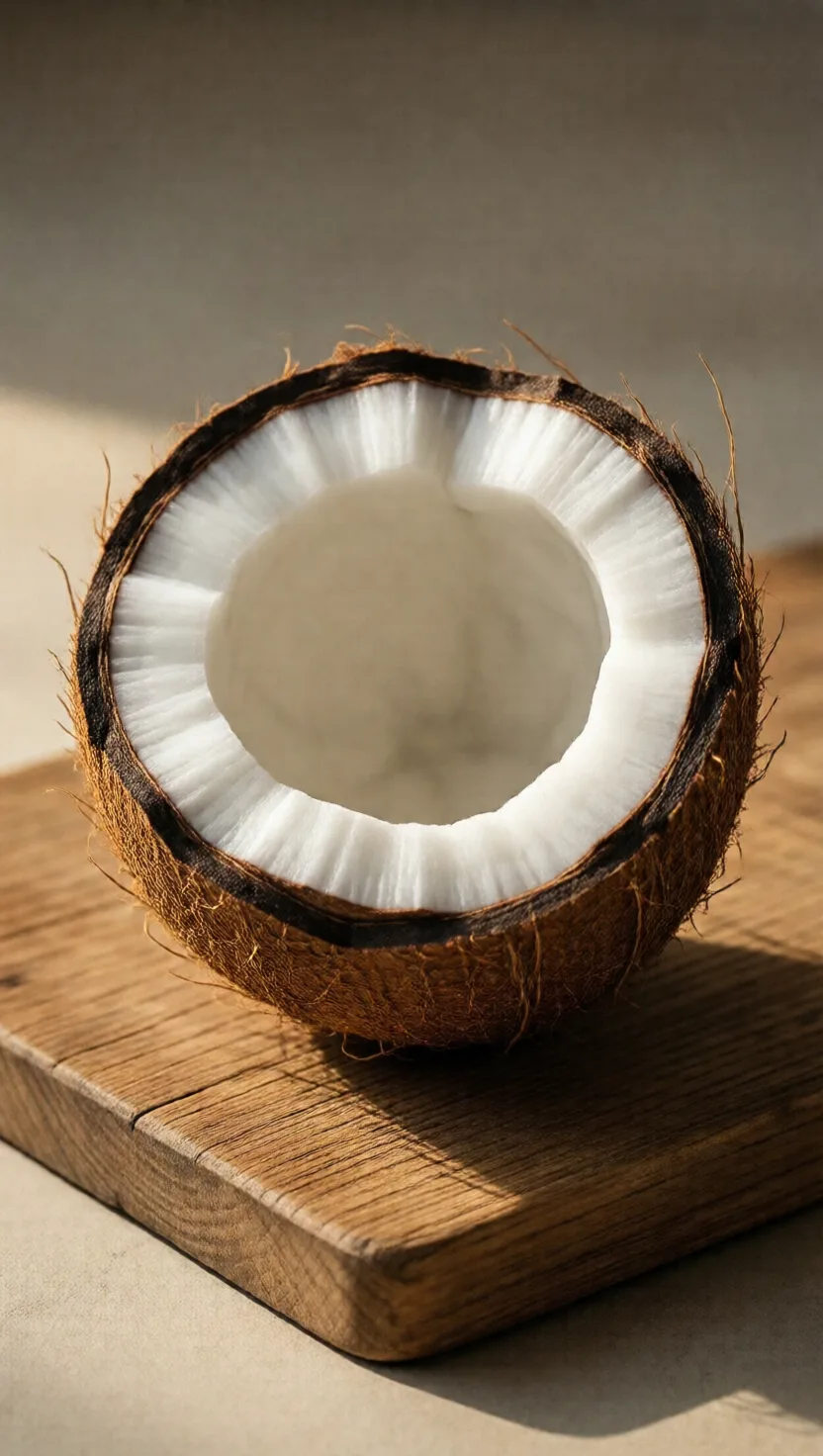
Botanically a coconut isn't a nut at all. It's a drupe — the same class of fruit as a peach, cherry or olive — with three layers: a thin skin, a fibrous husk, and a hard inner shell guarding a single seed. A peach's 'stone' is that hard inner shell; in a coconut the shell is the part we crack open. So the thing we treat as a nut is really an enormous tropical relative of the peach.
Of its three 'eyes', only one ever opens

Of its three 'eyes', only one ever opens

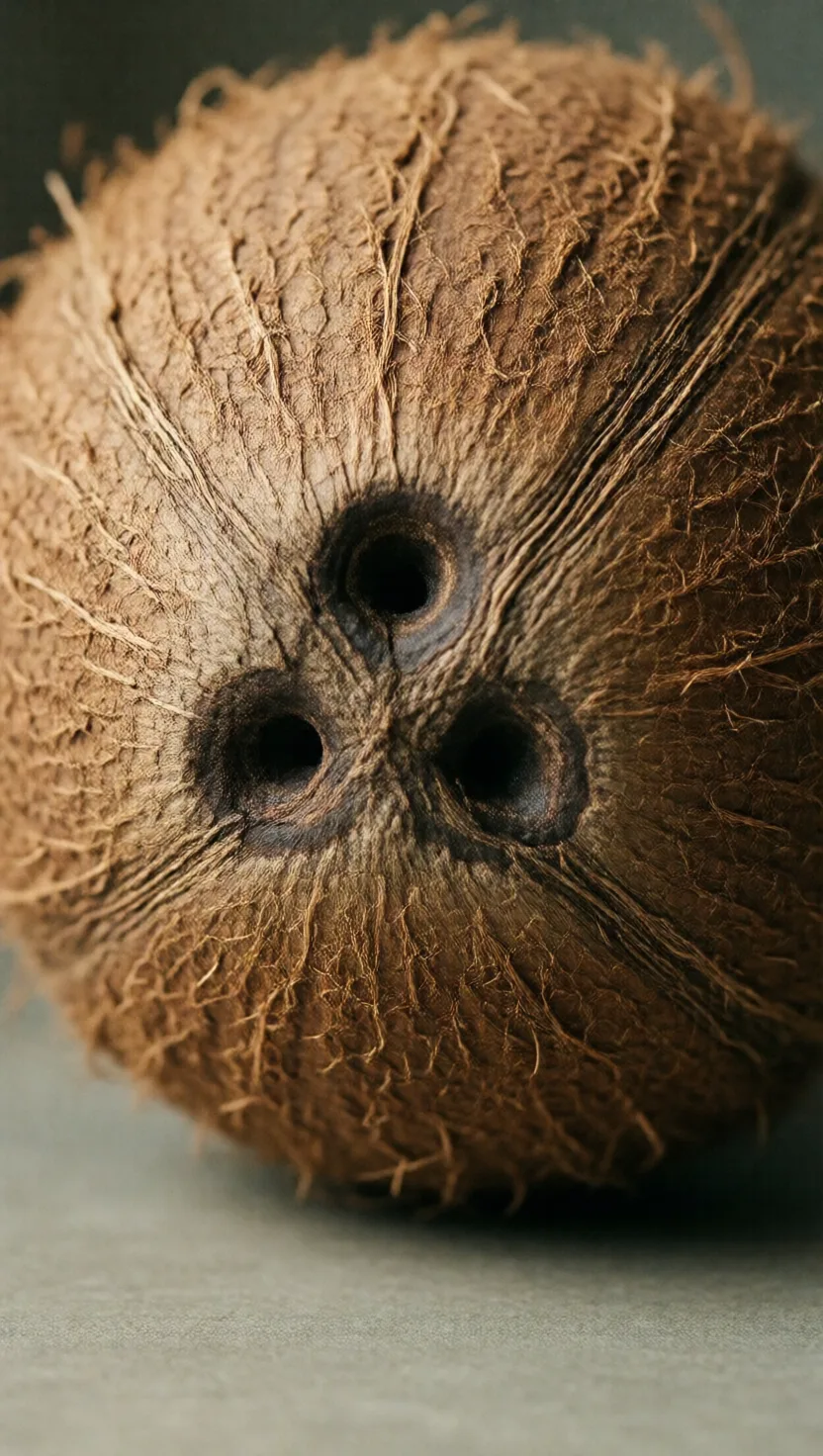
The three round marks on the end of a coconut — the 'face' — are germination pores, one for each segment of the flower that formed it. But only one of the three actually works: it sits over the single embryo and is softer than the others, so when the coconut sprouts, the shoot pushes out through that one functional eye. The other two stay sealed shut for the life of the nut.
Its husk fibre is the rope that won't rot at sea

Its husk fibre is the rope that won't rot at sea

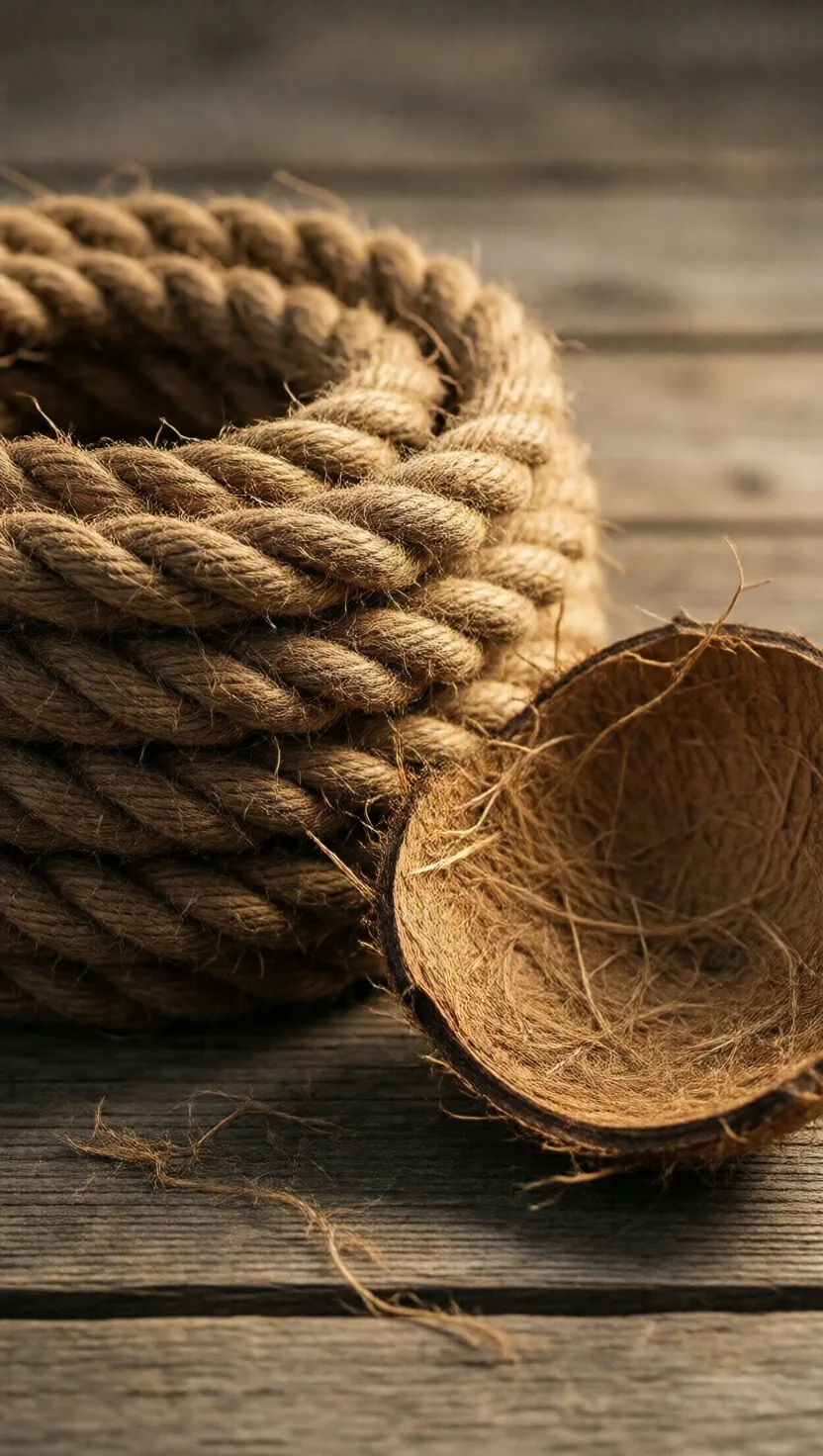
The brown fibre combed from a coconut's husk — coir — is one of the very few natural fibres that shrugs off saltwater. Where hemp or cotton rope rots within weeks in the sea, coir resists both salt and microbes and can last for months submerged, which is why island cultures twisted it into fishing nets, mats and ship's cordage. It is also unusually springy and resistant to abrasion.
Doctors have dripped this straight into a vein

Doctors have dripped this straight into a vein

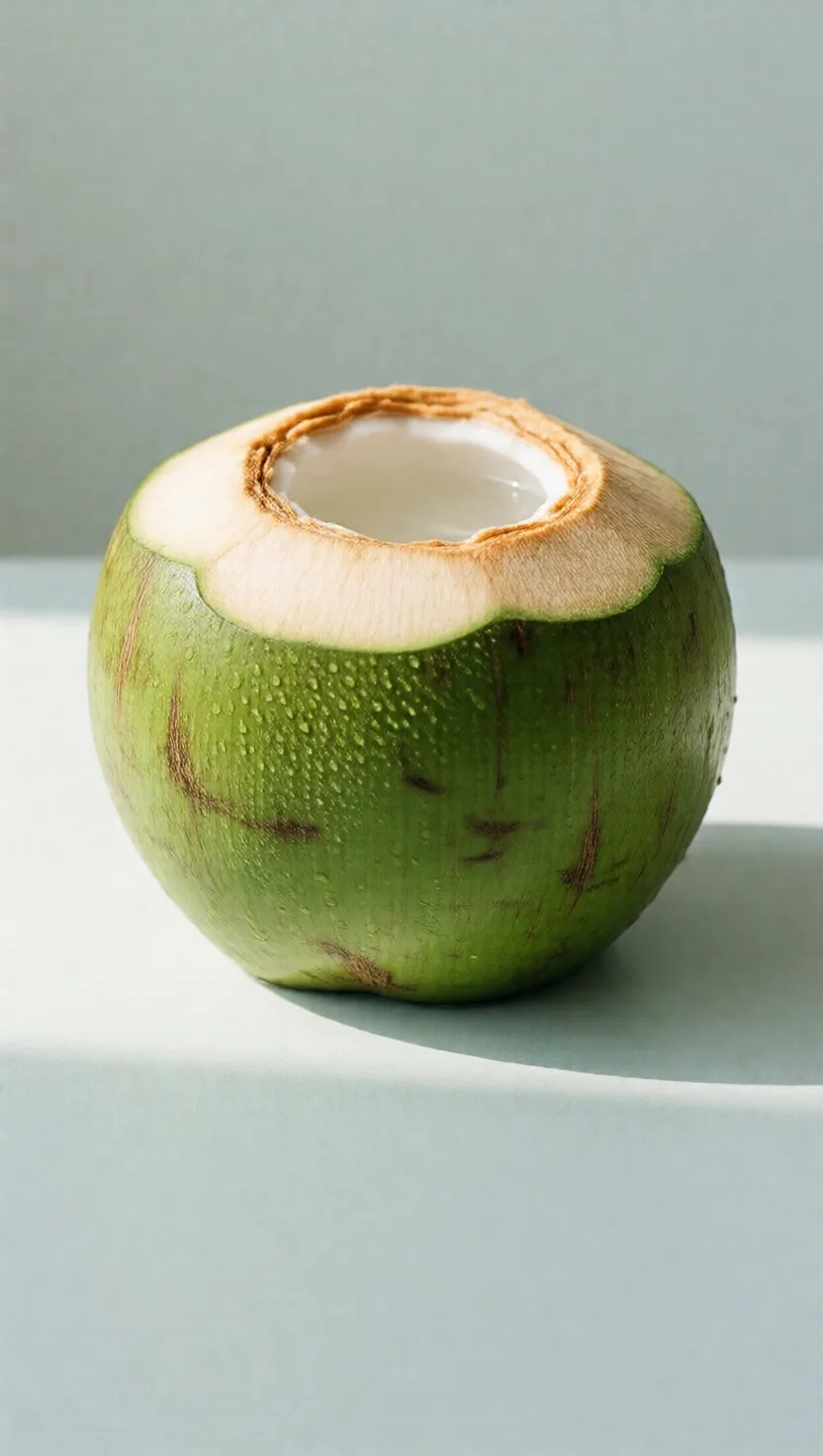
The water inside an unopened green coconut is nearly sterile and roughly matches the body's own salt balance. When sterile saline ran out in remote places — Pacific field hospitals in the Second World War, and a documented 2000 case in the Solomon Islands — doctors have run coconut water straight into a patient's vein as an emergency drip. It is a true last resort, not a substitute: it is low in sodium and very high in potassium.
The heaviest seed on Earth weighs as much as a child

The heaviest seed on Earth weighs as much as a child

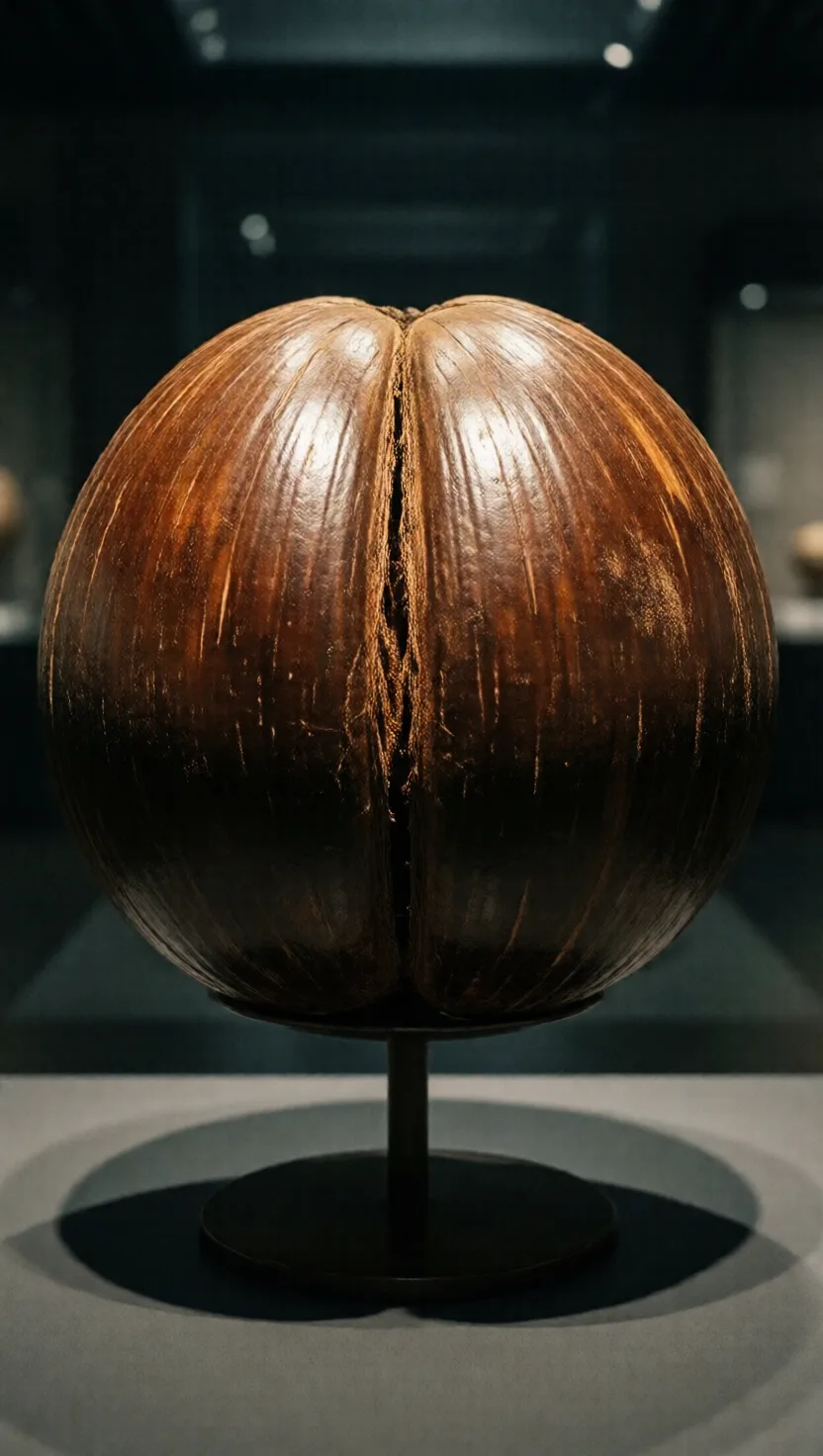
A cousin of the coconut, the coco de mer palm of the Seychelles, grows the largest and heaviest seed in the entire plant kingdom. A single seed can weigh up to about 18 kg (40 lb) — as much as a small child — inside a double-lobed husk that can top 25 kg. The palm is in no hurry: a seed takes years to ripen, and the trees grow wild on just two small islands, where around 8,000 remain.
This oil is solid in your kitchen, liquid in the tropics

This oil is solid in your kitchen, liquid in the tropics

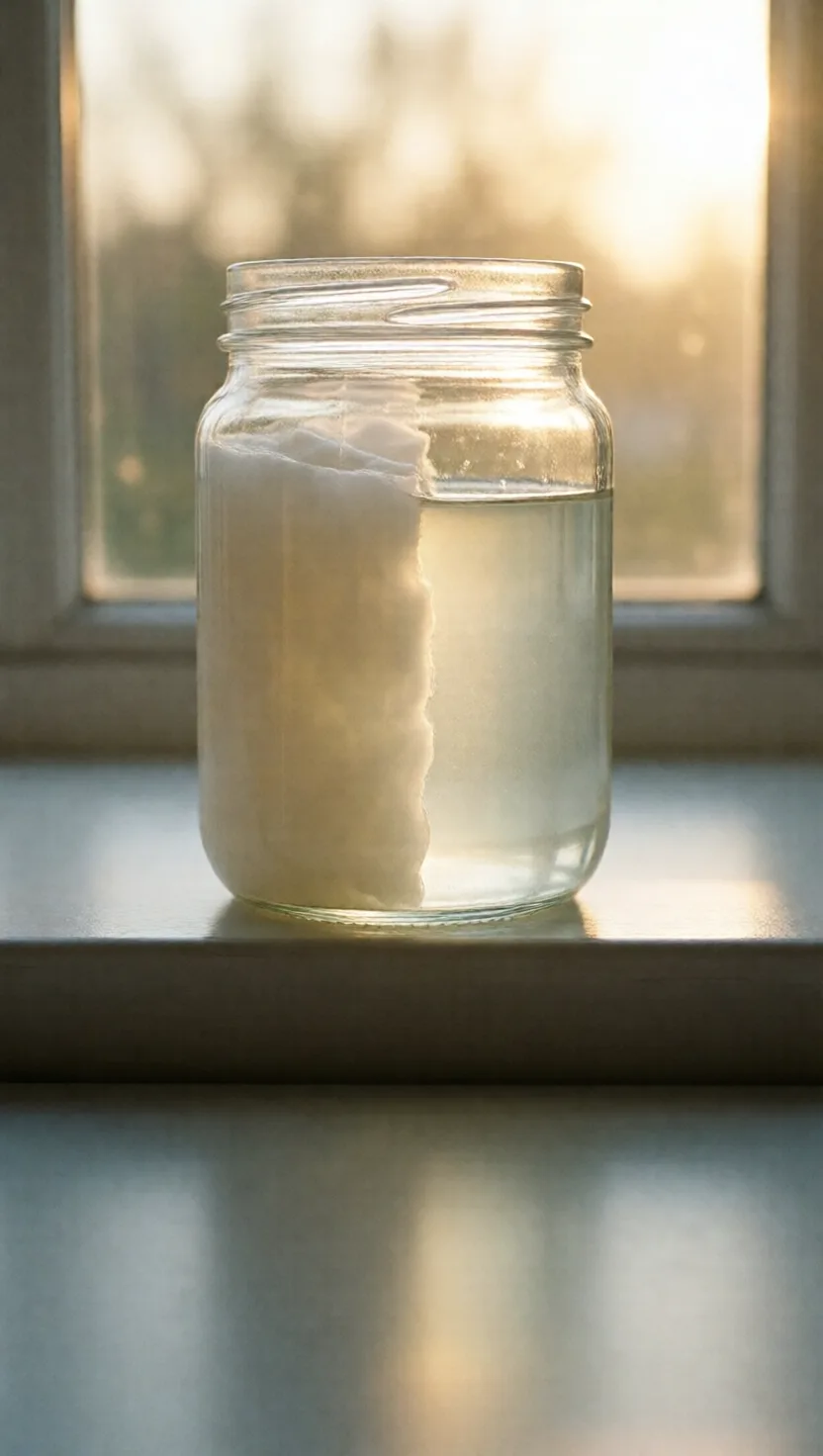
Coconut oil sits right at the edge of melting at room temperature. It is so rich in lauric acid — a saturated fat that turns to liquid around 24°C (76°F) — that the very same jar is a firm white solid in a cool kitchen and a clear thin liquid on a warm tropical day. Nudge the temperature a few degrees either side of 24°C and you can watch it change state.
One palm feeds a family for most of a century

One palm feeds a family for most of a century

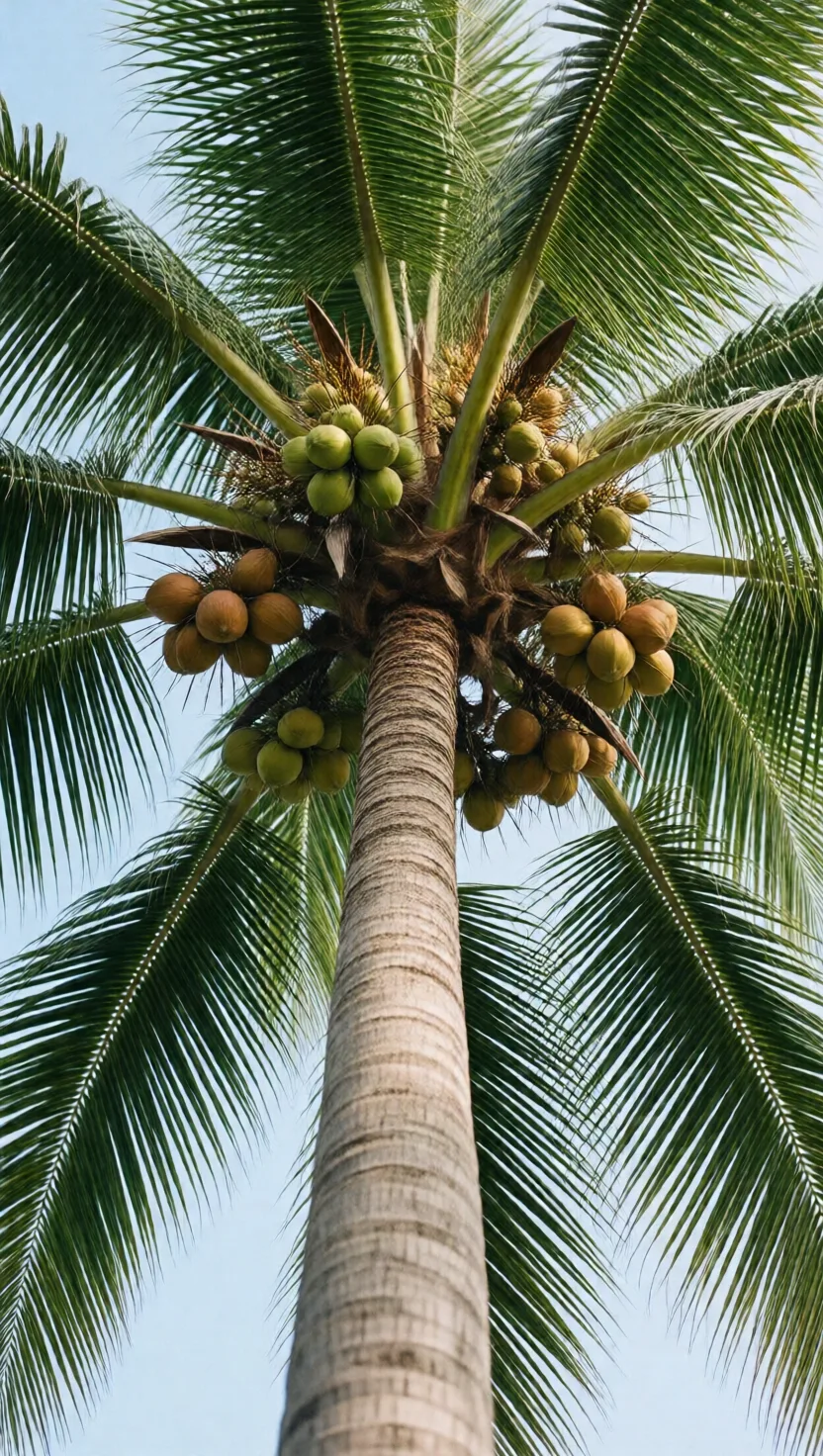
A single coconut palm is a remarkably patient provider. It takes 5 to 10 years to begin bearing, but a healthy mature tree then yields roughly 50 to 75 coconuts a year — and keeps fruiting for decades. Many palms stay productive past 50 years and live 60 to 100 years in all, so one tree can drop tens of thousands of nuts across its lifetime.
tap →swipe ↑ for depthswipe ↓ to exit