Eight things hiding in a wooden pencil.

DC·139 Deep Cuts
A Nobel Prize, won with sticky tape

A Nobel Prize, won with sticky tape

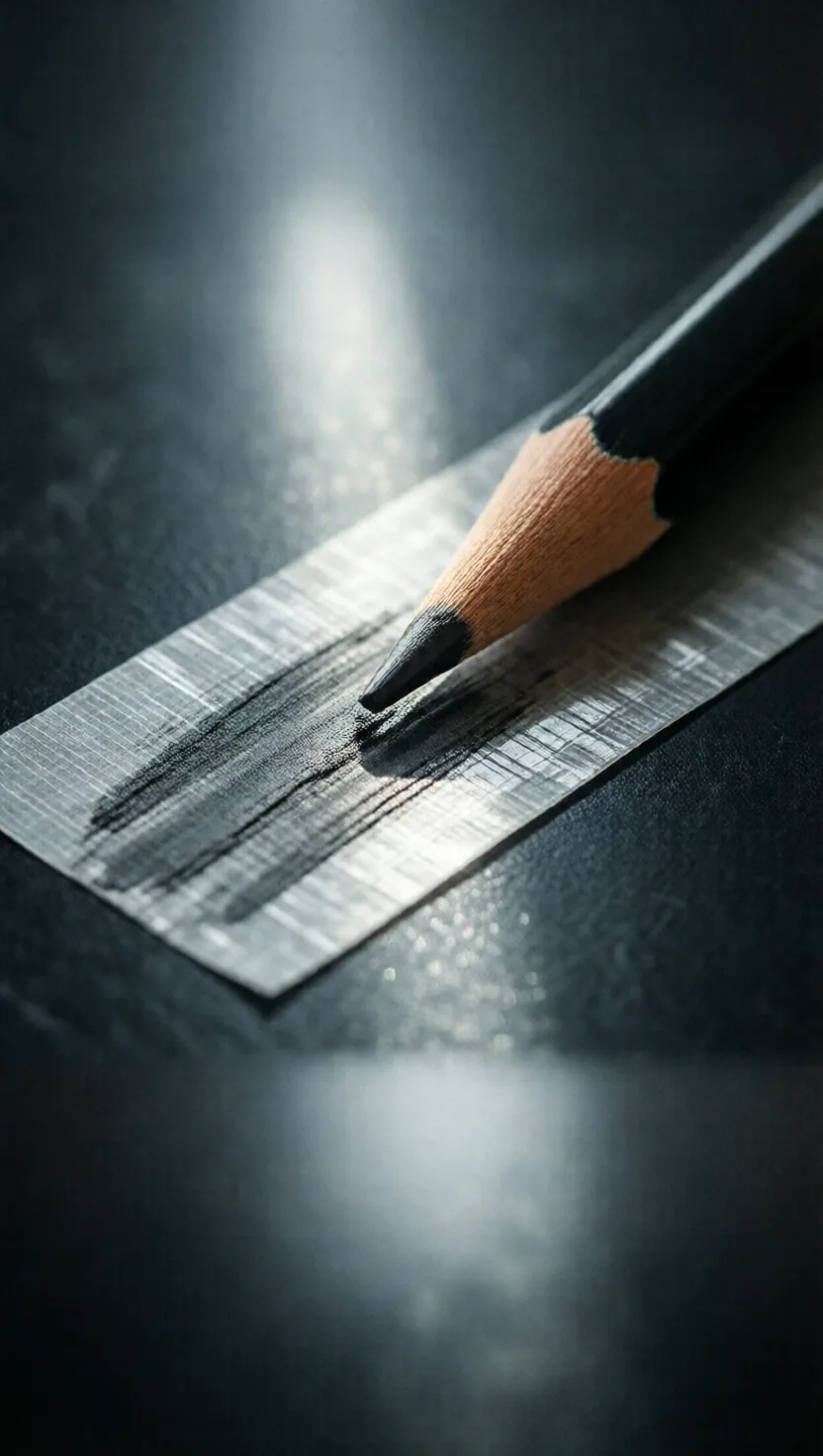
Every time you write, your pencil sheds flakes of graphite — sheets of carbon one atom thick stacked like pages. For decades nobody could isolate a single sheet. In 2004 two physicists in Manchester did it almost playfully: they pressed ordinary adhesive tape onto graphite, peeled it, folded it, peeled again, until a fleck just one atom thick remained. That material, graphene, is stronger than steel and a superb conductor. It won them the 2010 Nobel Prize in Physics.
The first reactor was a stack of graphite

The first reactor was a stack of graphite

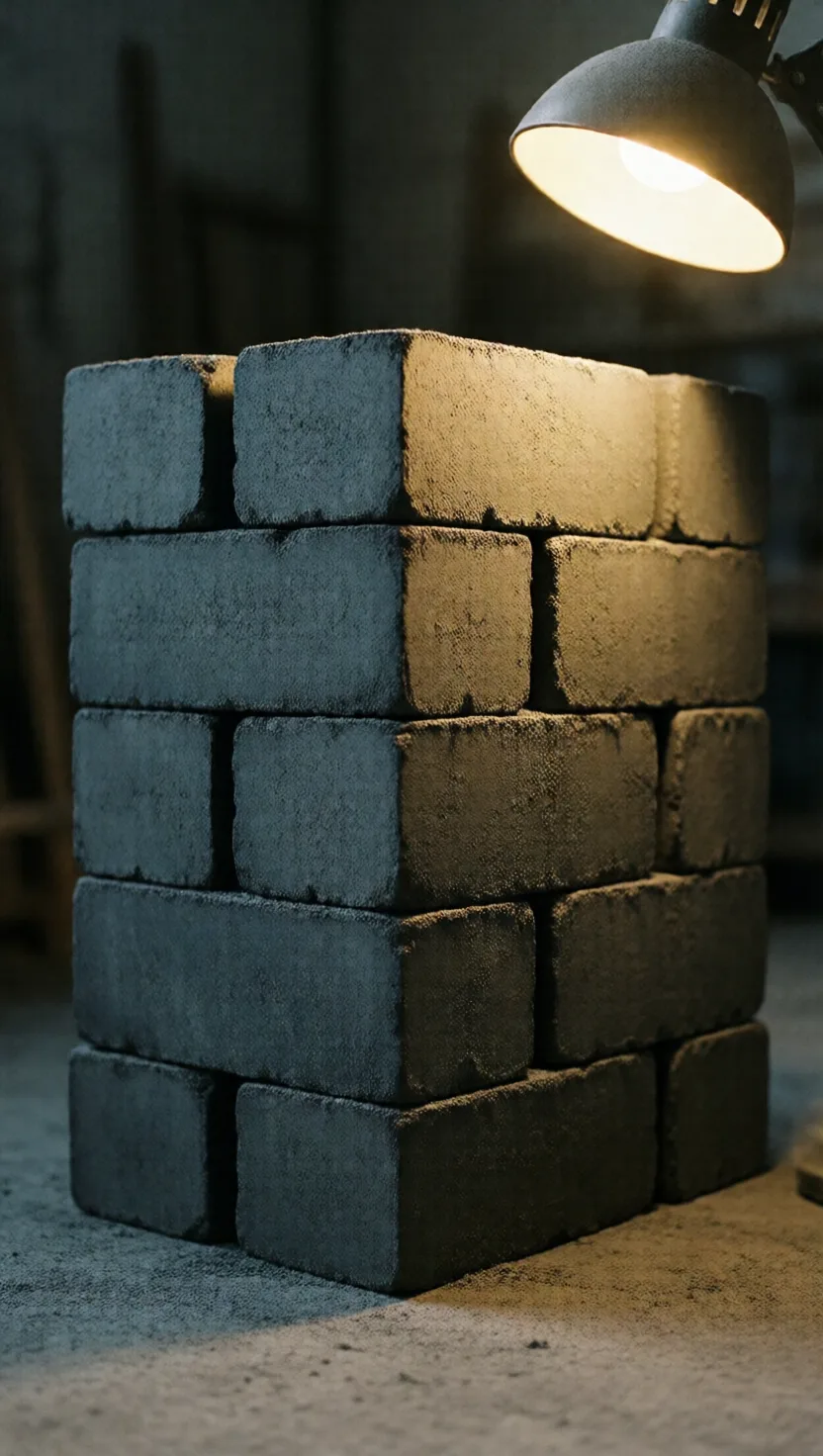
The same graphite that fills a pencil ran the world's first nuclear reactor. Beneath a Chicago football stadium in 1942, physicists stacked about 45,000 machined blocks of ultra-pure graphite — some 360 tons — laced with uranium. The graphite slowed the neutrons just enough to keep a chain reaction going, and on 2 December the pile went critical: the first self-sustaining nuclear reaction. The atomic age began inside a heap of the stuff in your pencil.
Your pencil's core is fired like pottery

Your pencil's core is fired like pottery

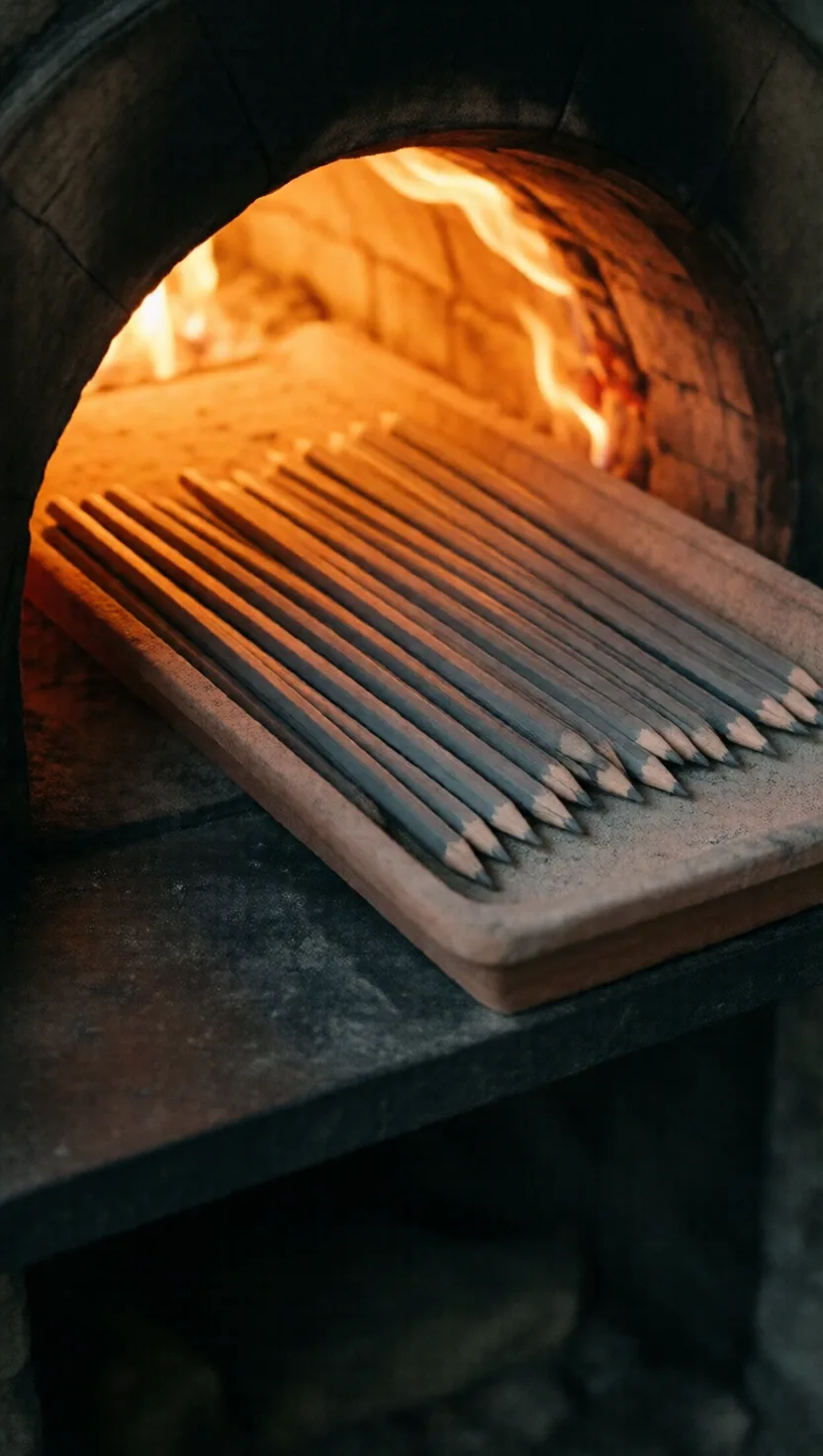
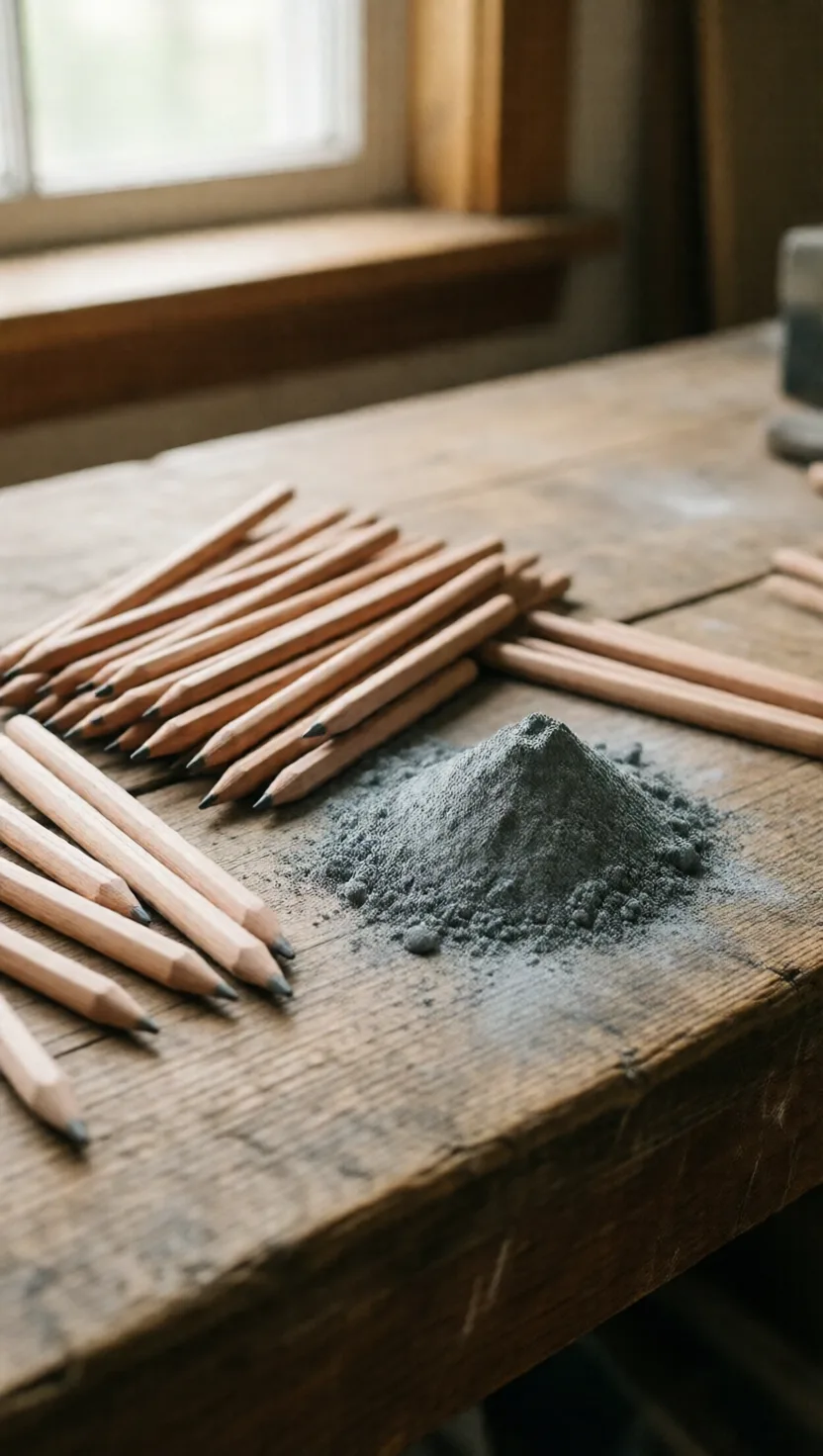
Pure graphite is too soft and too rare to make good pencils. In 1795 a French inventor solved it during a wartime blockade that cut off British graphite: he ground graphite to powder, mixed it with clay, shaped it into thin rods and baked them in a kiln like pottery. The genius detail — the more clay in the mix, the harder and paler the line. That single trick is why pencils come graded from soft and dark to hard and faint to this day.
The Walden author was a pencil maker

The Walden author was a pencil maker

Before the cabin and the book, there was the family pencil works. The author of Walden spent years in his father's pencil business, founded in 1823, and quietly transformed it — working out that clay was the best binder and building a mill that ground graphite into an ultra-fine dust, yielding leads to rival Europe's best. The pencils sold so well they helped fund the very writing he is remembered for. The philosopher of simple living was, first, an industrial chemist.
The same stuff frees a stuck lock

The same stuff frees a stuck lock

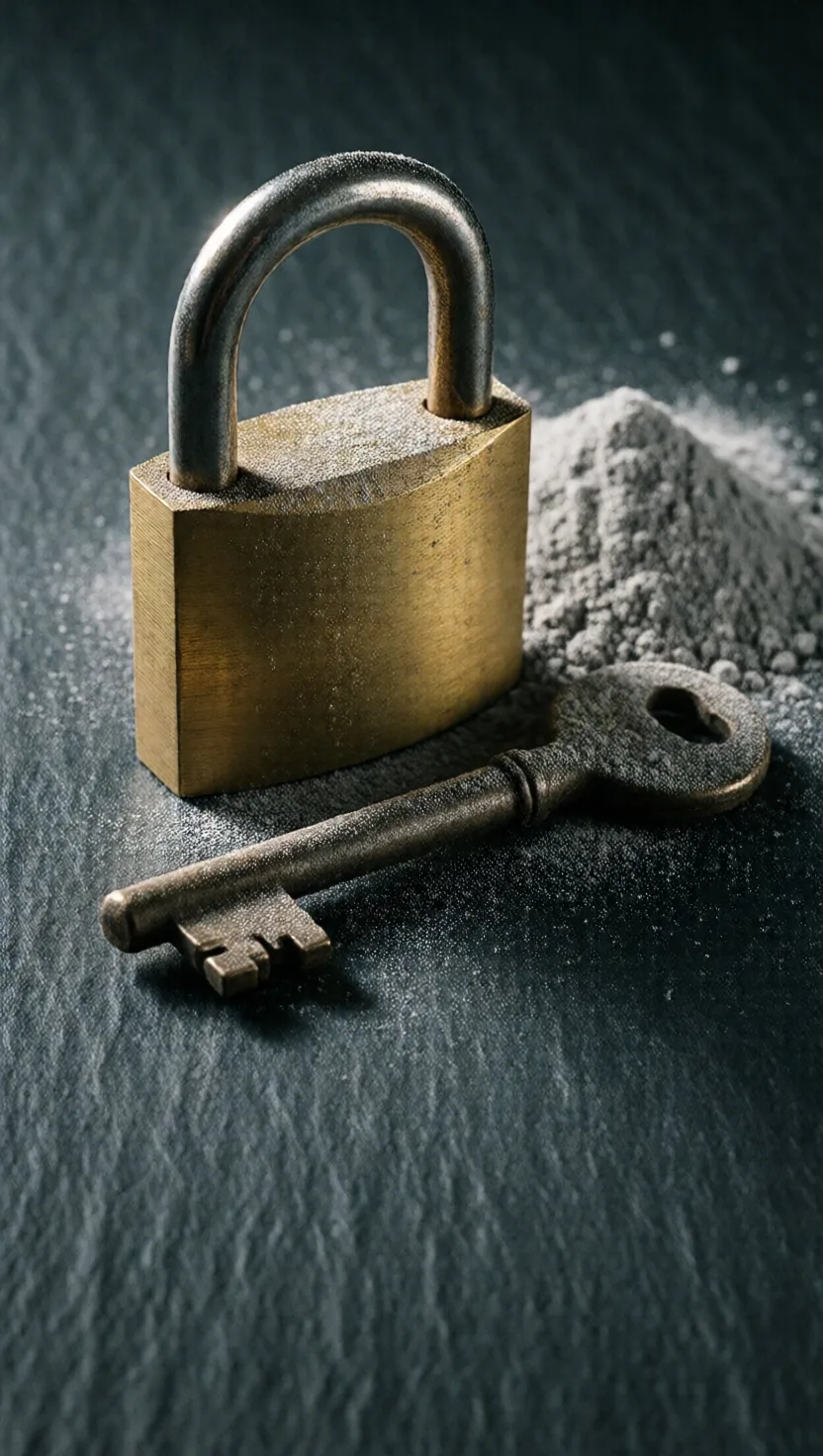
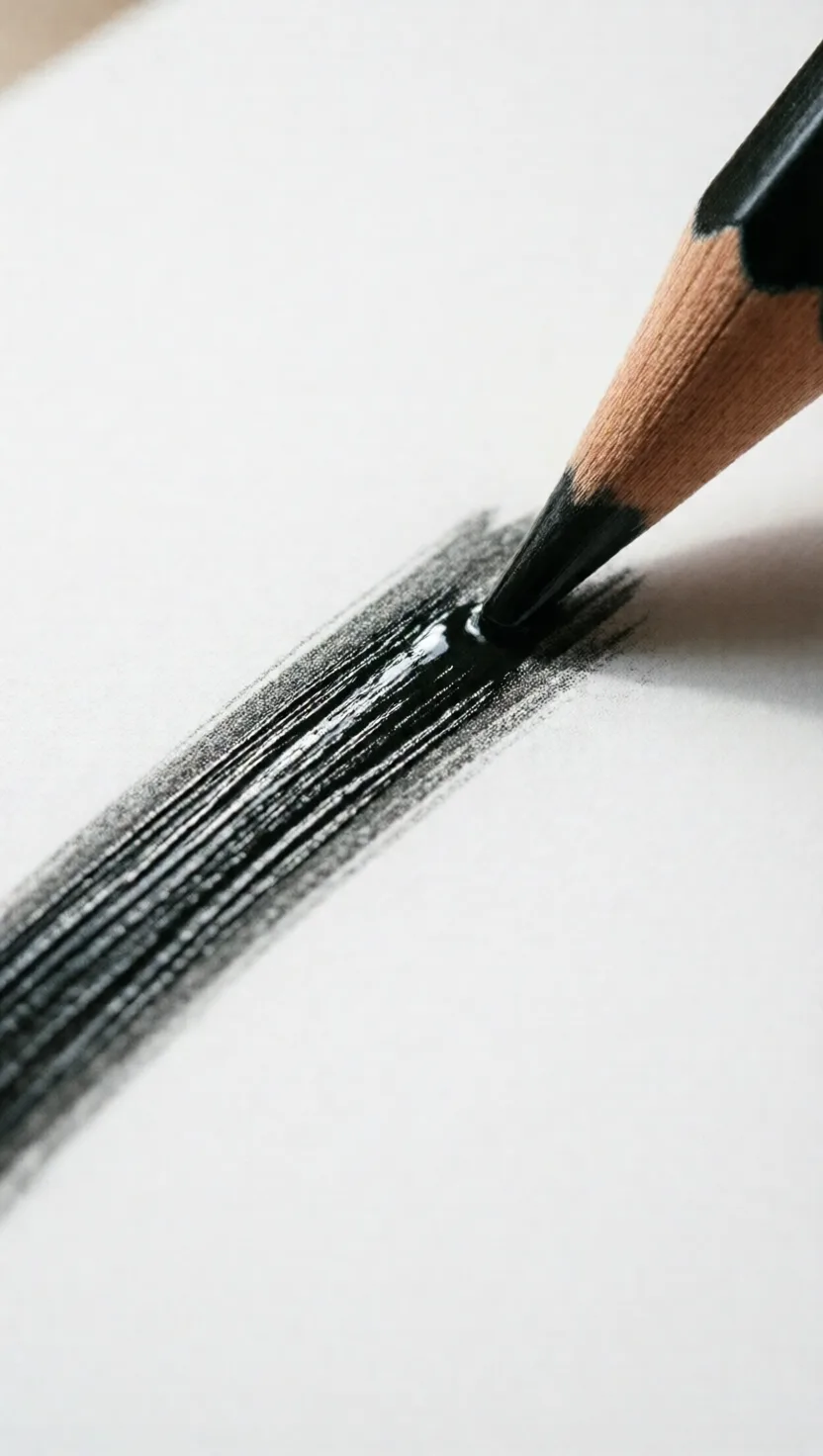
Graphite writes because its carbon atoms lock into flat sheets — spaced about 0.34 nanometres apart — that grip tightly side-to-side but slide freely over one another. Drag a pencil across paper and those slippery layers shear off as your line. The same slip makes graphite a fine dry lubricant: locksmiths puff graphite powder into a stiff lock instead of oil, which gums up and traps grit. A pencil rubbed on a sticking key or zip can free it on the spot.
Why pencils are almost always yellow

Why pencils are almost always yellow

Pencils did not have to be yellow. At the 1889 Paris World's Fair, an Austro-Hungarian maker launched a luxury pencil packed with prized graphite from Siberia, and painted it brilliant yellow — a colour long tied to emperors and the East — to signal its quality without a word. It was coated in fourteen layers of yellow and tipped with gold. Buyers came to link yellow with the best pencils, rivals copied it, and to this day most pencils on Earth are painted yellow.
A pencil scribble can carry current

A pencil scribble can carry current

Graphite is that rare thing — a non-metal that conducts electricity. Within each atomic sheet, loose electrons drift freely, just as in a metal wire. So a thick, dark line drawn on paper is a real electrical conductor, measuring a few thousand ohms end to end. Bridge a gap in a simple circuit with a heavy pencil mark and you can dim or brighten a small bulb by drawing the line longer or shorter — a homemade resistor in graphite. Your pencil is quietly electronic.
This pencil core refuses to melt

This pencil core refuses to melt

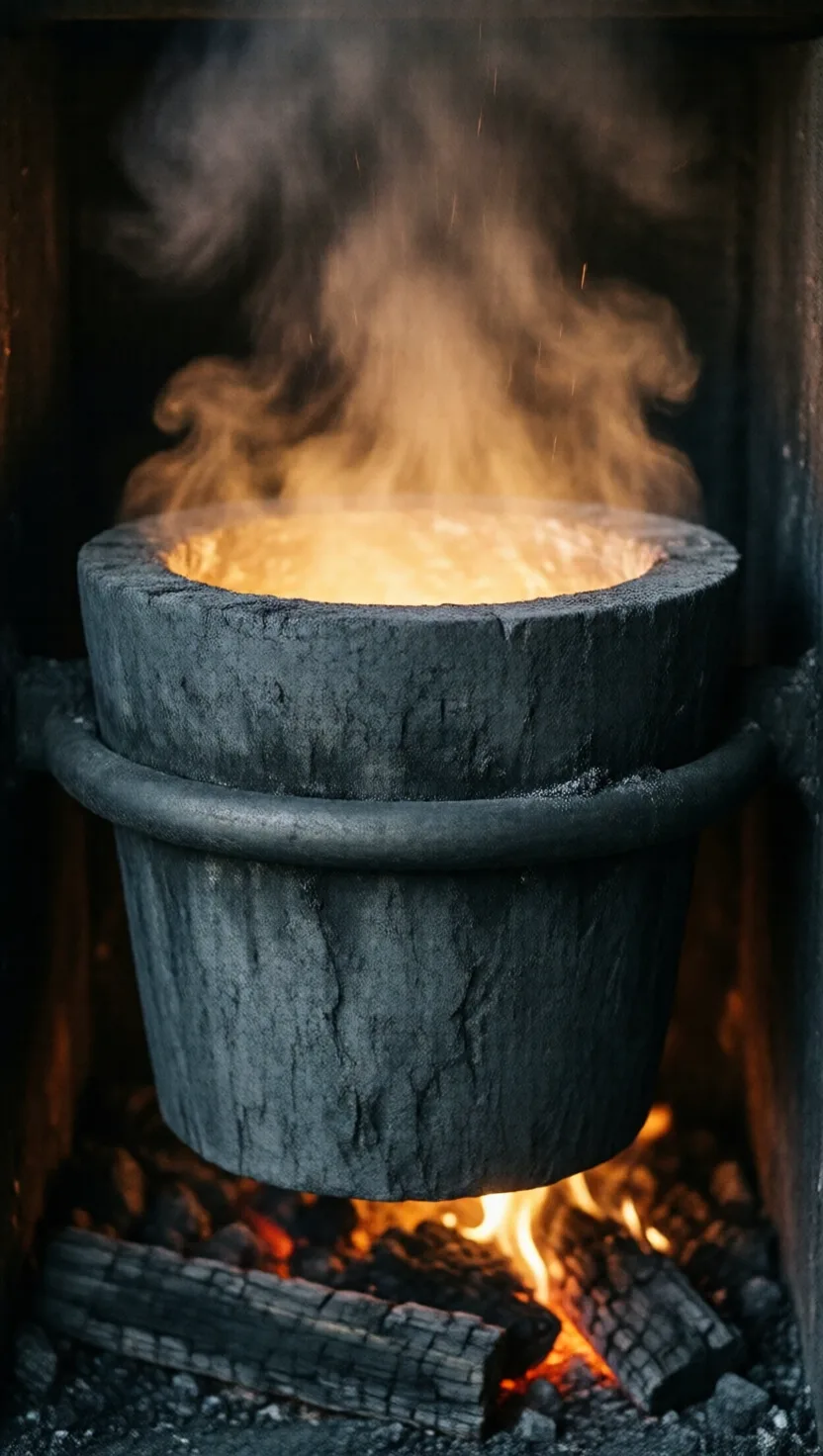
Heat almost any solid enough and it melts. Graphite will not. At ordinary pressure it never becomes a liquid — heated past about 3,600°C it skips straight to vapour, the highest such point of any element. That stubborn heat resistance is why graphite is shaped into crucibles for molten metal and into rocket-nozzle linings that survive the blast. The humble grey core of a pencil is, by this measure, the most heat-proof writing material ever made.
tap →swipe ↑ for depthswipe ↓ to exit