Eight things hiding in the speckled stone.

DC·138 Deep Cuts
Granite may be a one-planet rock

Granite may be a one-planet rock

Mars, Venus and the Moon are paved in basalt, the dark lava that comes straight from a planet's interior. Granite is made the hard way: magma melted, cooled and re-melted over and over, a cycle that needs liquid water to keep crustal plates sliding. Earth has both, so it built continents — rafts of granite that run 35 to 70 km deep. No other world in the Solar System is known to make the stuff. The commonest rock underfoot may be unique to this planet.
Granite domes peel like an onion

Granite domes peel like an onion

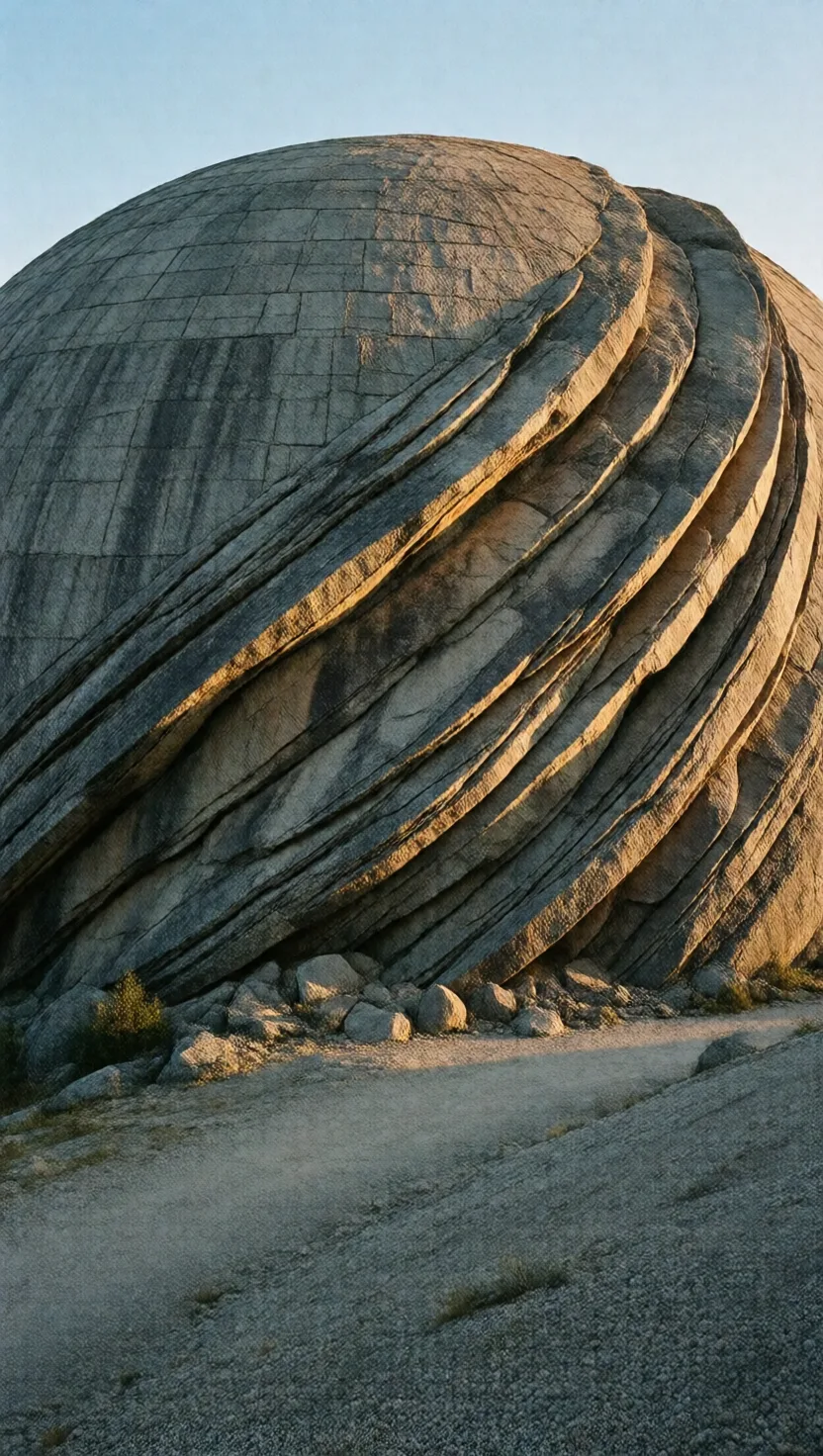
Granite forms kilometres underground, squeezed by the immense weight of rock above. When erosion strips that overburden away, the pressure releases and the dome expands — cracking into curved shells that slide off like the layers of an onion. Geologists call them sheeting joints. Whole mountainsides shed in slabs this way: a single exfoliating sheet can be over 30 metres across, and the process is what rounded the great granite domes climbers love to scale.
A single crystal longer than a bus

A single crystal longer than a bus

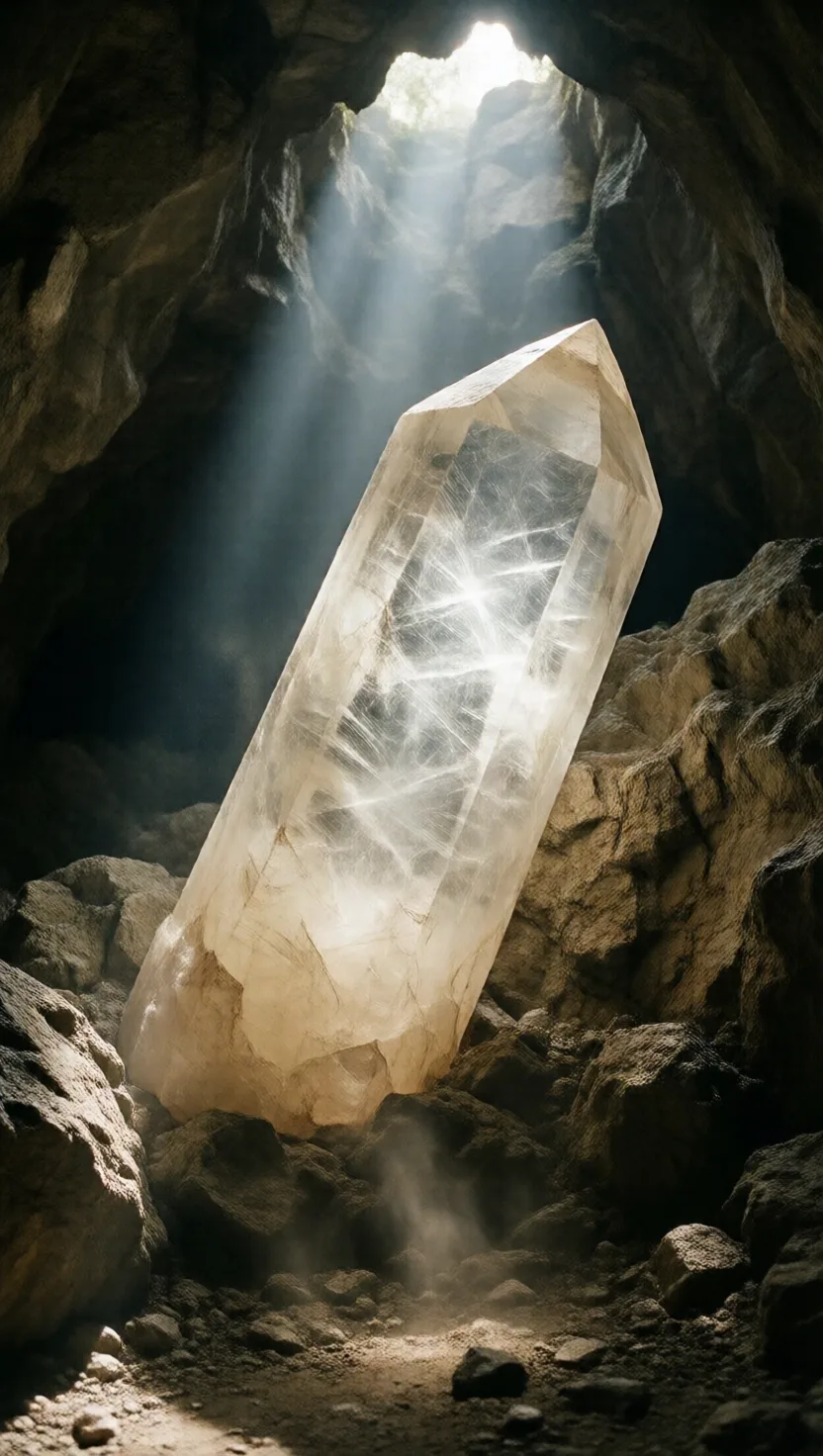
In rare granite veins called pegmatites, the last drops of water-rich magma cool so slowly that individual crystals grow to monstrous size. In 1904 a mine in the Black Hills of South Dakota uncovered a spodumene crystal about 12.8 metres long — over 42 feet — weighing roughly 90 tons. Most mineral crystals you will ever see are fingernail-sized; this one was longer than a city bus, a frozen record of magma that took its time.
Your kitchen counter quietly breathes

Your kitchen counter quietly breathes

Granite carries trace uranium and thorium — usually just a few parts per million — locked into its crystals when it cooled. As those atoms slowly decay, one step in the chain produces radon, a colourless, odourless radioactive gas that seeps out of the stone. In most homes the amount is tiny, well below the radon rising from the soil. But it is real: a polished granite slab is faintly, perpetually radioactive, and granite country is some of the most naturally radioactive ground on Earth.
When granite rots, you get porcelain

When granite rots, you get porcelain

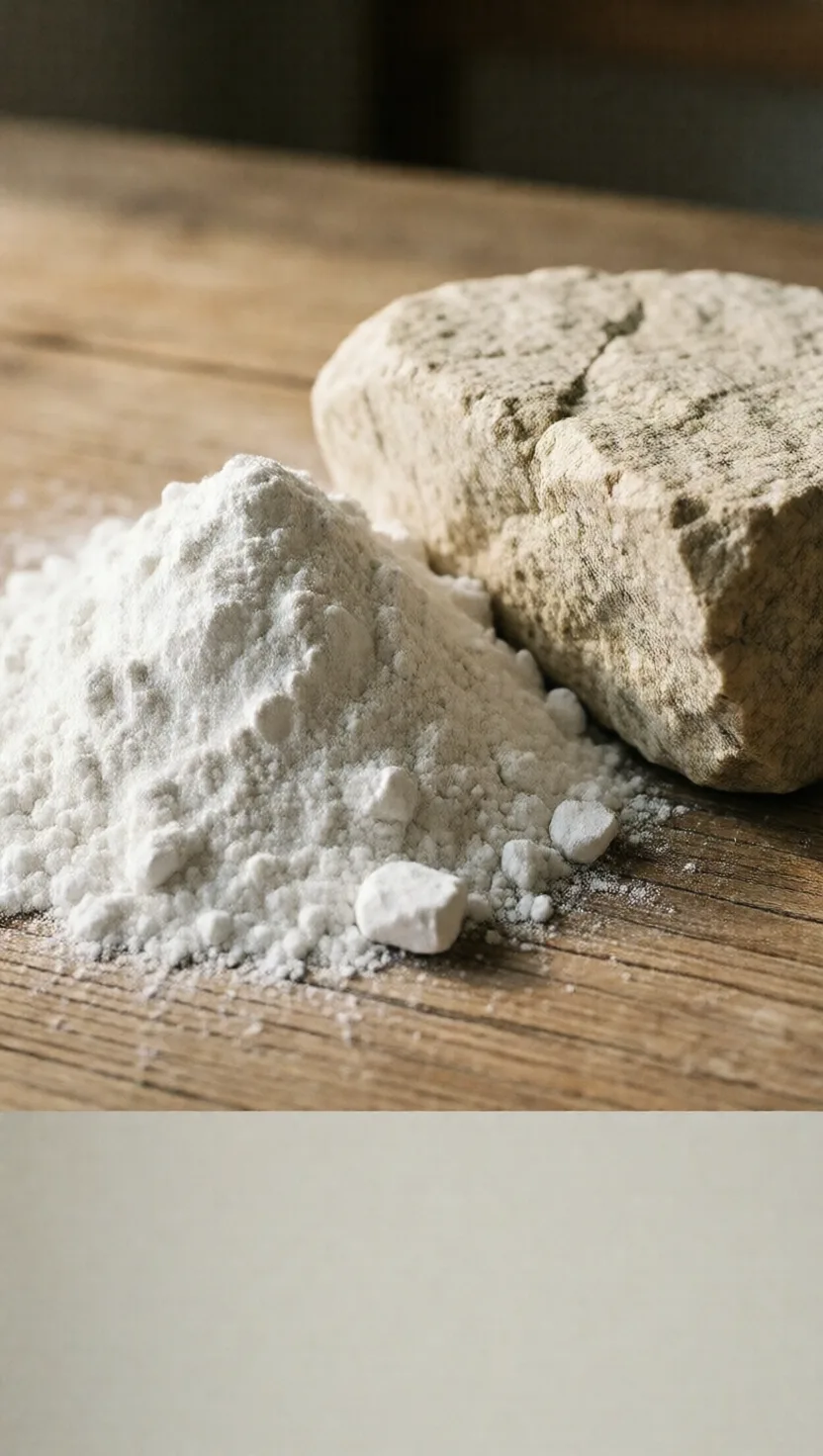
Granite is mostly feldspar, quartz and mica. Where hot fluids and weathering attack it over millions of years, the feldspar breaks down into a soft white clay: kaolin, or china clay — the key ingredient of porcelain. In 1746 a Cornish apothecary spotted miners patching furnaces with this white earth and traced it to decomposed granite, founding an industry. The hardest, most enduring rock slowly crumbles into the clay we fire into the most delicate teacups.
Rain erases marble but spares granite

Rain erases marble but spares granite

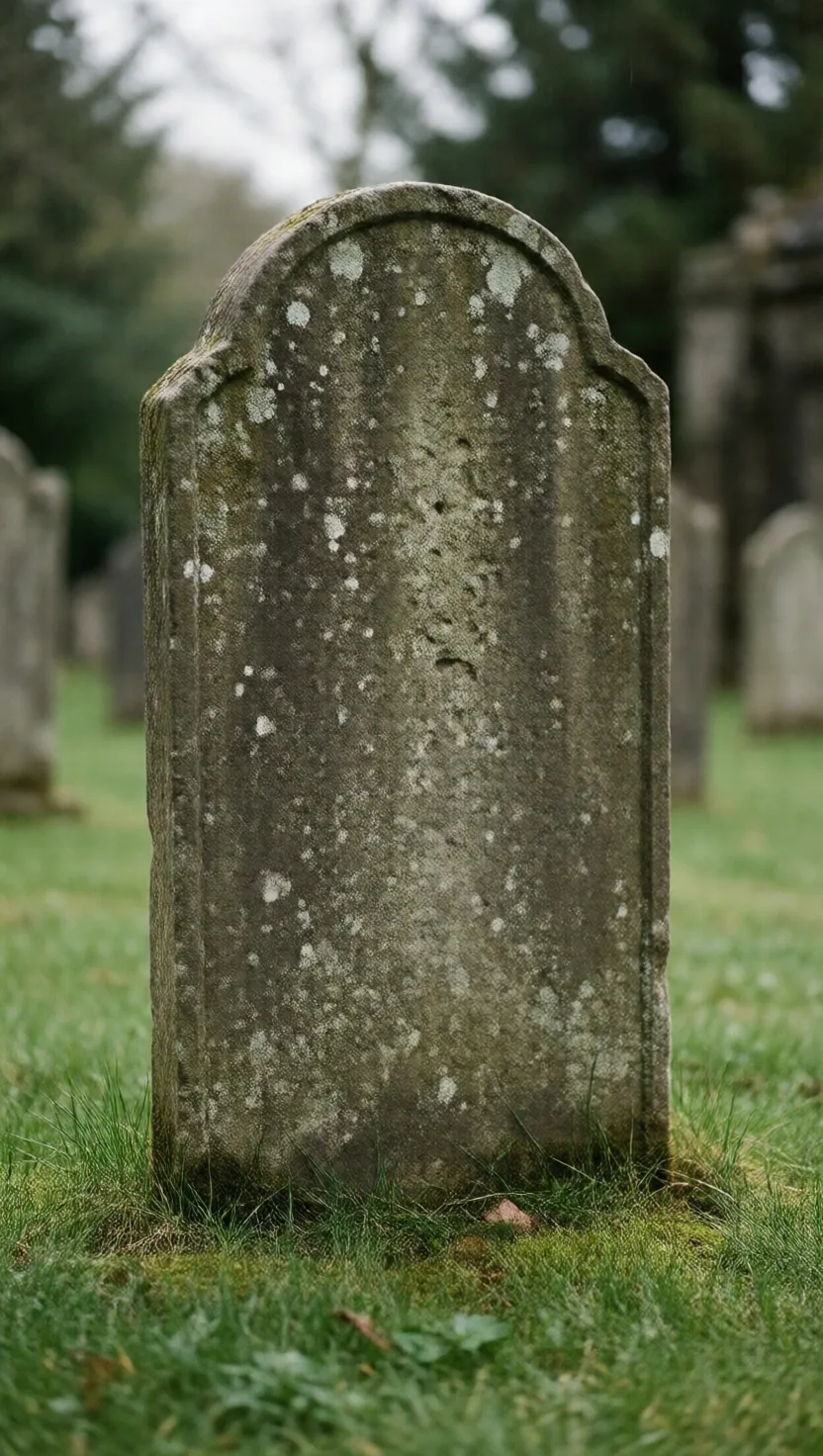
Marble is calcite, calcium carbonate, and it dissolves in even slightly acidic rain — which is why old marble headstones go blurry, their carved names melting away in as little as 100 to 150 years in polluted air. Granite is built from silicate minerals that shrug off acid, so granite graves stay crisp for many centuries. Walk an old churchyard and you read the air's history in the stones: the smudged ones are marble, the sharp ones granite.
Those speckles took ages to grow

Those speckles took ages to grow

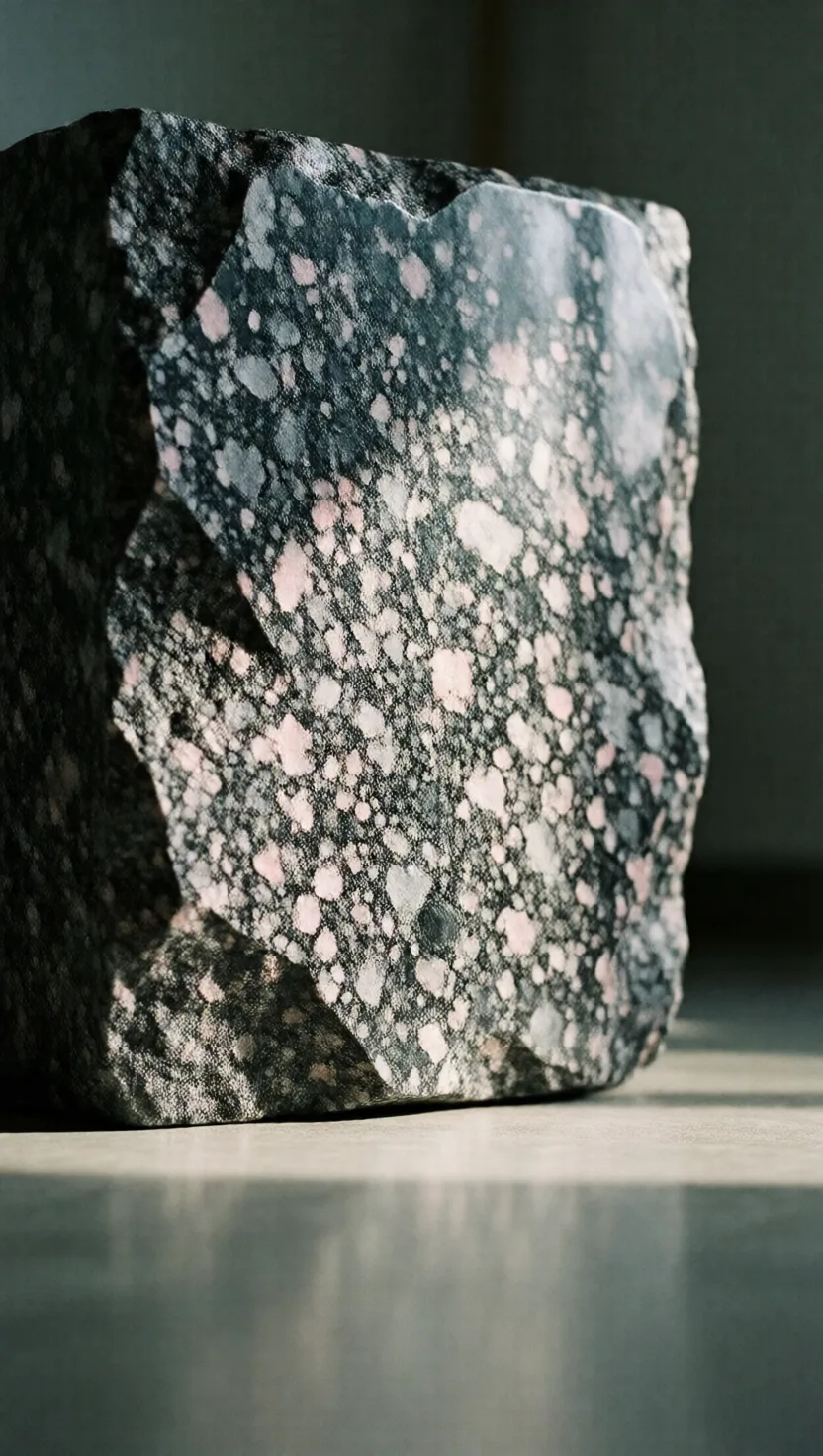
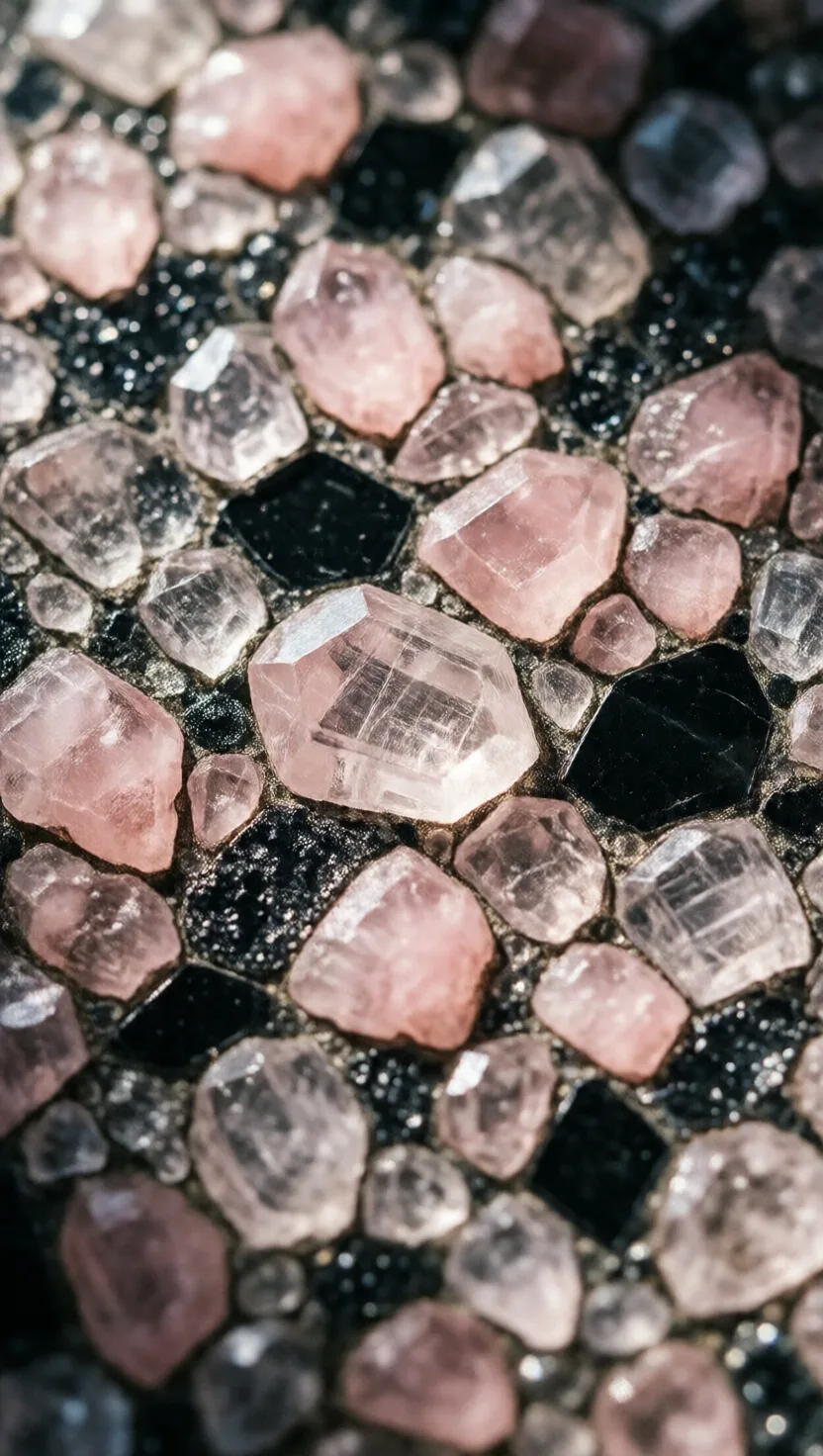
Granite's salt-and-pepper speckle is not decoration — it is a clock. Each visible grain of glassy quartz, pink or white feldspar and black mica is a separate crystal, and crystals only grow that large when magma cools extremely slowly, insulated kilometres underground. Lava that chills fast at the surface makes basalt, whose crystals are too small to see. So whenever you can pick out individual sparkling grains with the naked eye, you are looking at rock that took tens of thousands of years to freeze.
The biggest obelisk that never stood

The biggest obelisk that never stood

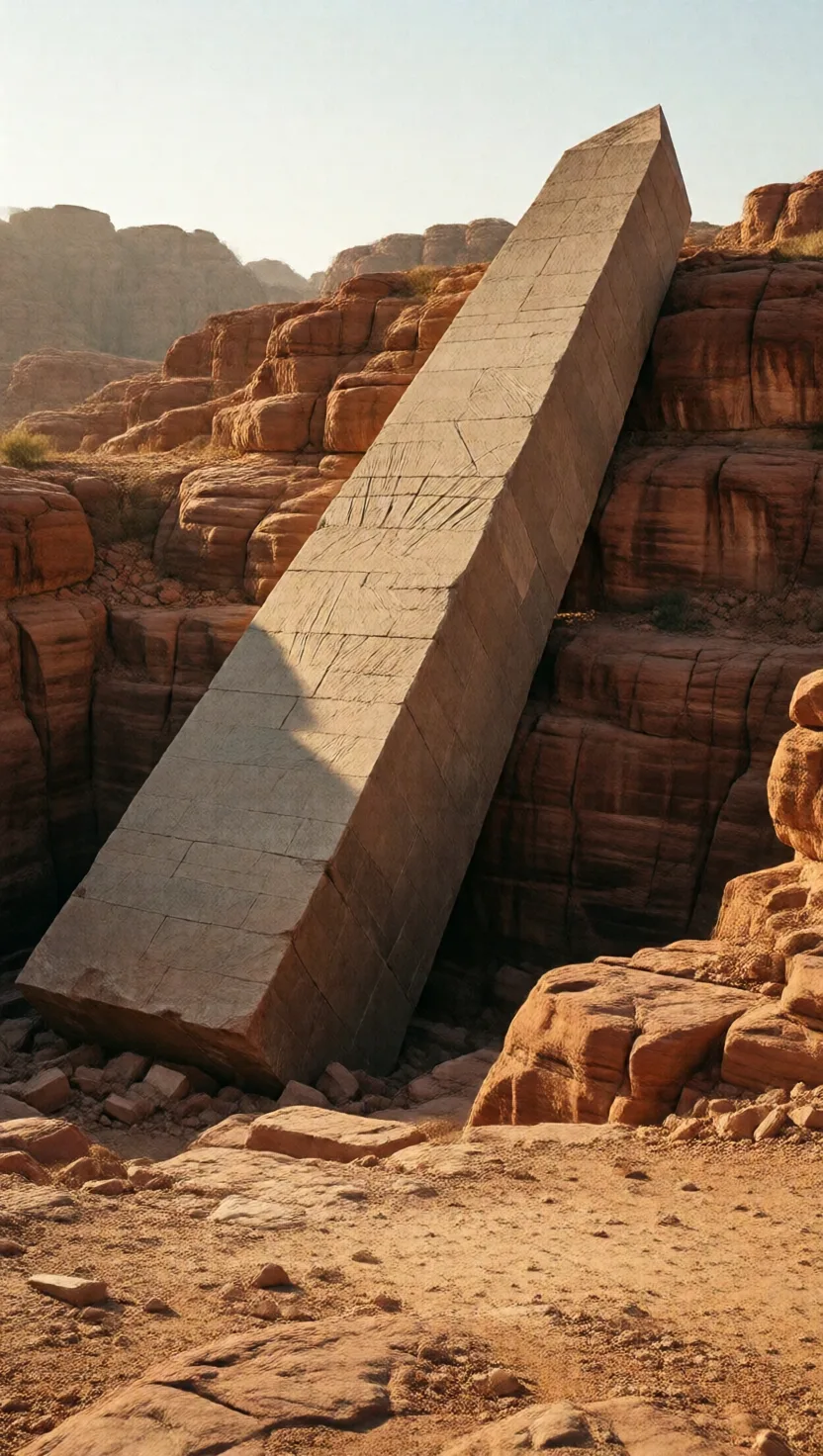
In a quarry in southern Egypt lies an obelisk the ancient carvers never freed from the bedrock. Had it been finished, it would have stood about 42 metres tall and weighed nearly 1,090 tonnes — a single block of red granite, larger than any obelisk ever raised. As workers chiselled it from the living rock, a crack split the stone, and the whole monument was abandoned where it lay. It still rests there, half-carved, recording exactly how the job was done.
tap →swipe ↑ for depthswipe ↓ to exit