Eight ways a small force moves a great load

DC·100 Deep Cuts
Three turns of rope hold a ship by itself

Three turns of rope hold a ship by itself

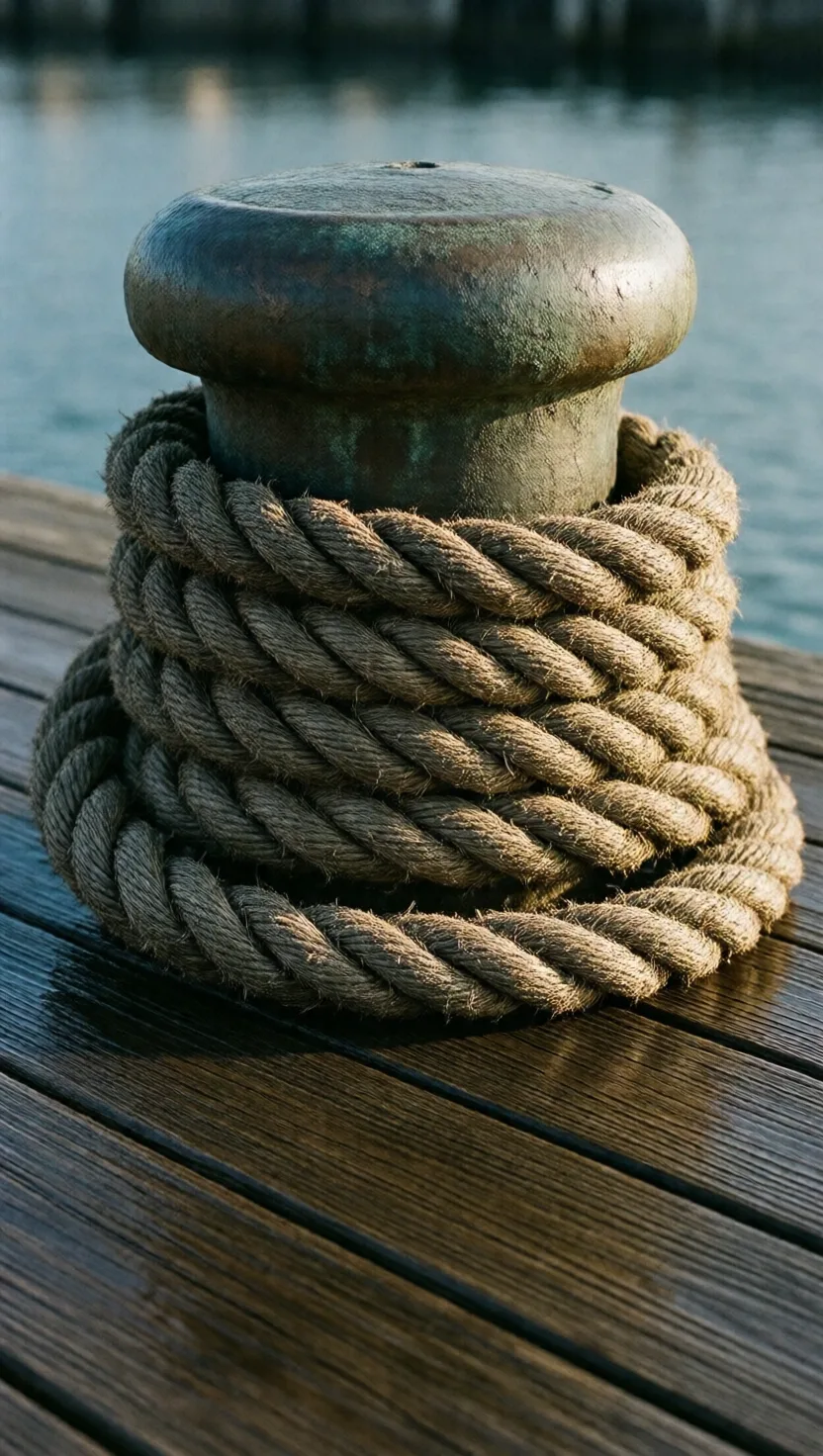
Wrap a rope a few times around a post and friction does the heavy work. Each wrap multiplies your grip, because the holding force climbs exponentially with the angle of contact, so a sailor's light pull can restrain a load thousands of times greater. It is why one deckhand can check a ship against a bollard, and why a winch needs only a few turns.
The screw that lifts water now makes power too

The screw that lifts water now makes power too

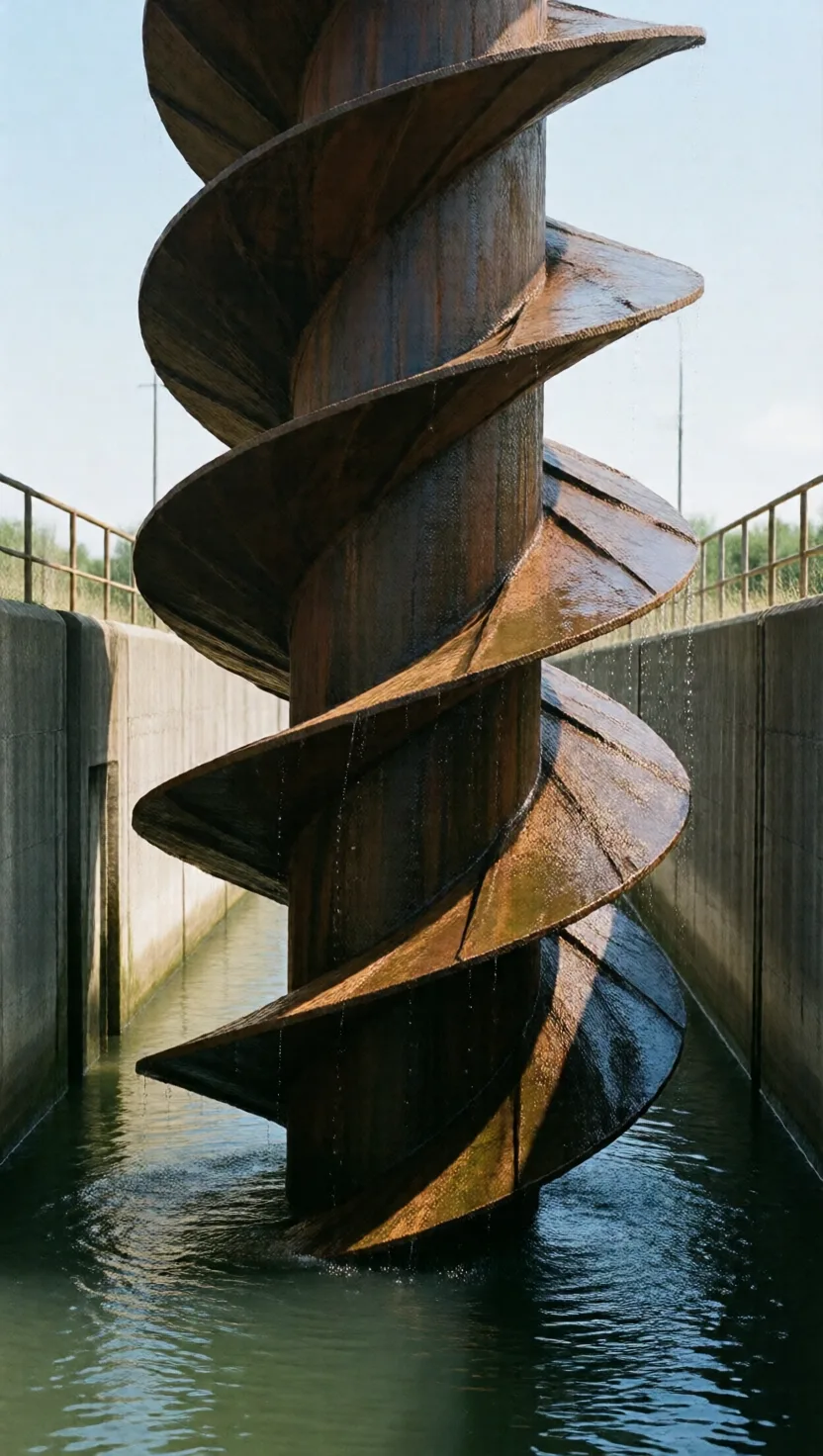
Turn a giant helical screw and it scoops water uphill, a design about 2,000 years old that still drains fields and lifts sewage. Run it backwards, with falling water turning the screw instead, and the same machine becomes an electricity generator. Because the flow stays in open pockets, fish slide through unhurt, which is why old screws are being rebuilt on rivers.
This gear drives one way and locks the other

This gear drives one way and locks the other

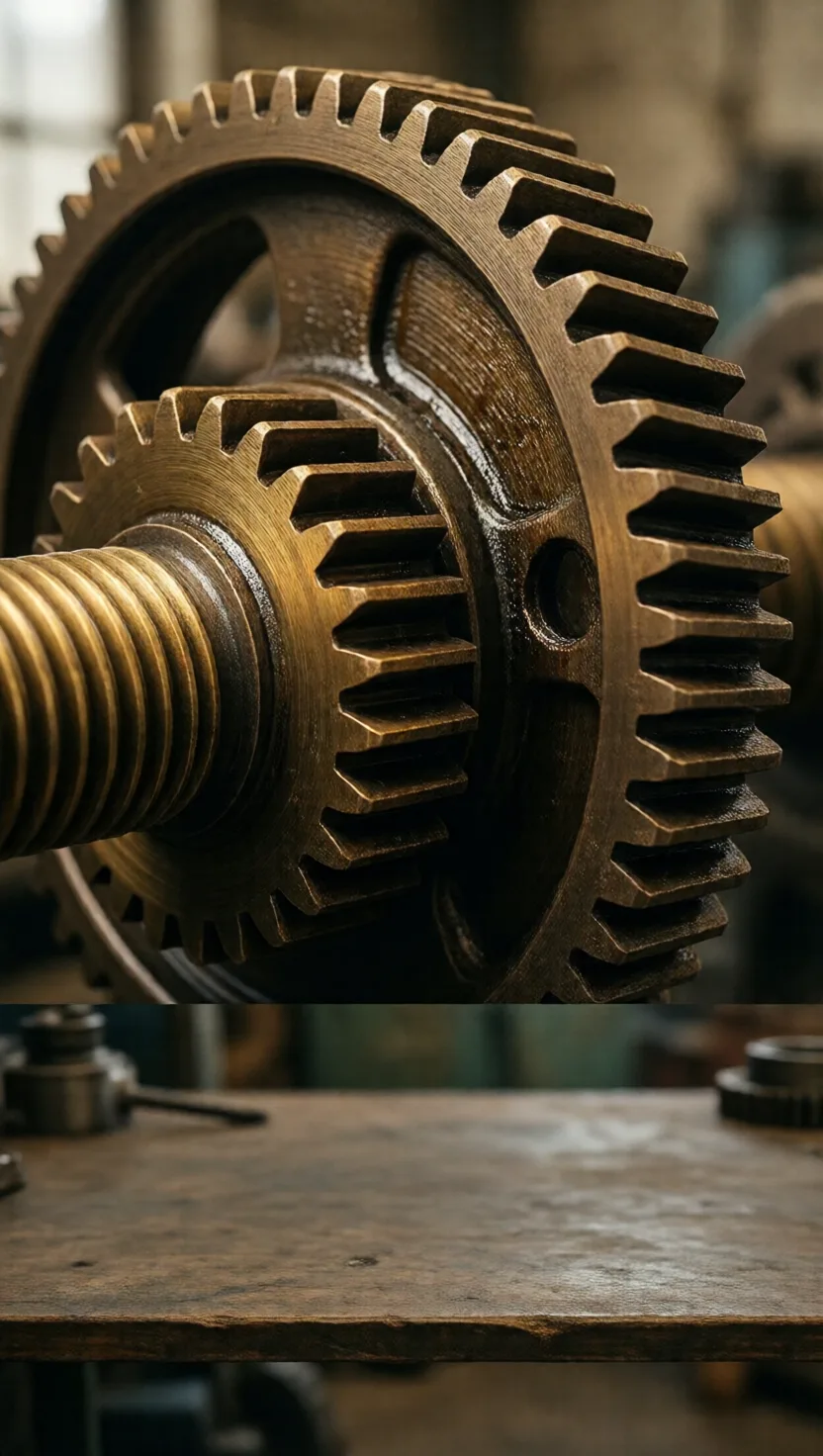
A worm gear pairs a screw-like worm with a toothed wheel. Spin the worm and the wheel turns slowly with huge force, but push back on the wheel and nothing moves: the shallow thread angle jams it solid. That one-way self-locking is why it holds tuning pegs, gates and hoists in place with no brake, refusing to unwind under load.
A falling weight throws stones farther than a spring

A falling weight throws stones farther than a spring

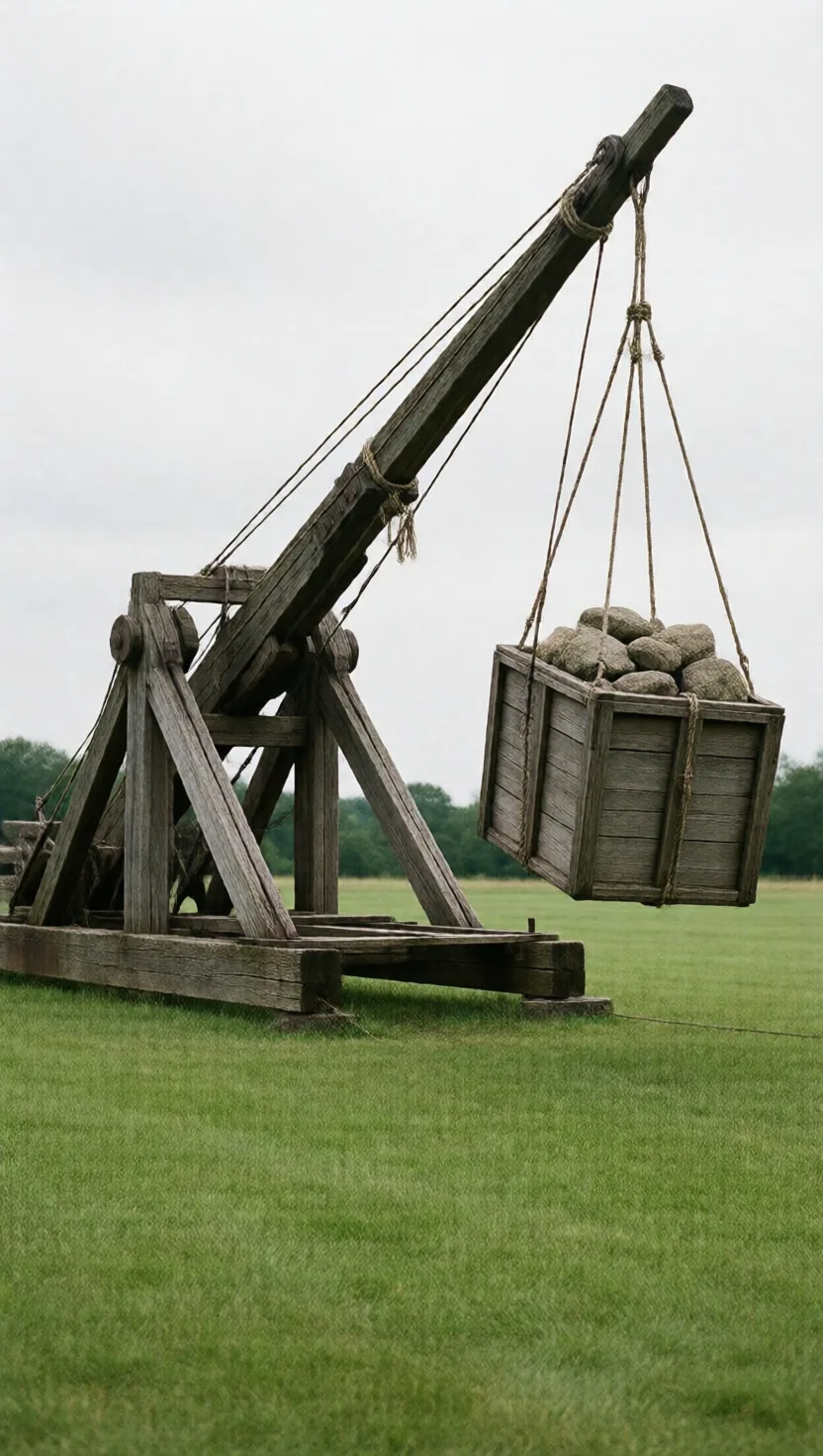
Earlier catapults stored energy in twisted rope or bent wood. The counterweight trebuchet just drops a massive load of stone on the short end of a long arm; a sling on the far end whips the projectile loose at the top of the swing. The sling acts as a second lever, and the biggest machines could fling heavy stones a few hundred metres.
One man walking in a wheel raised cathedrals

One man walking in a wheel raised cathedrals

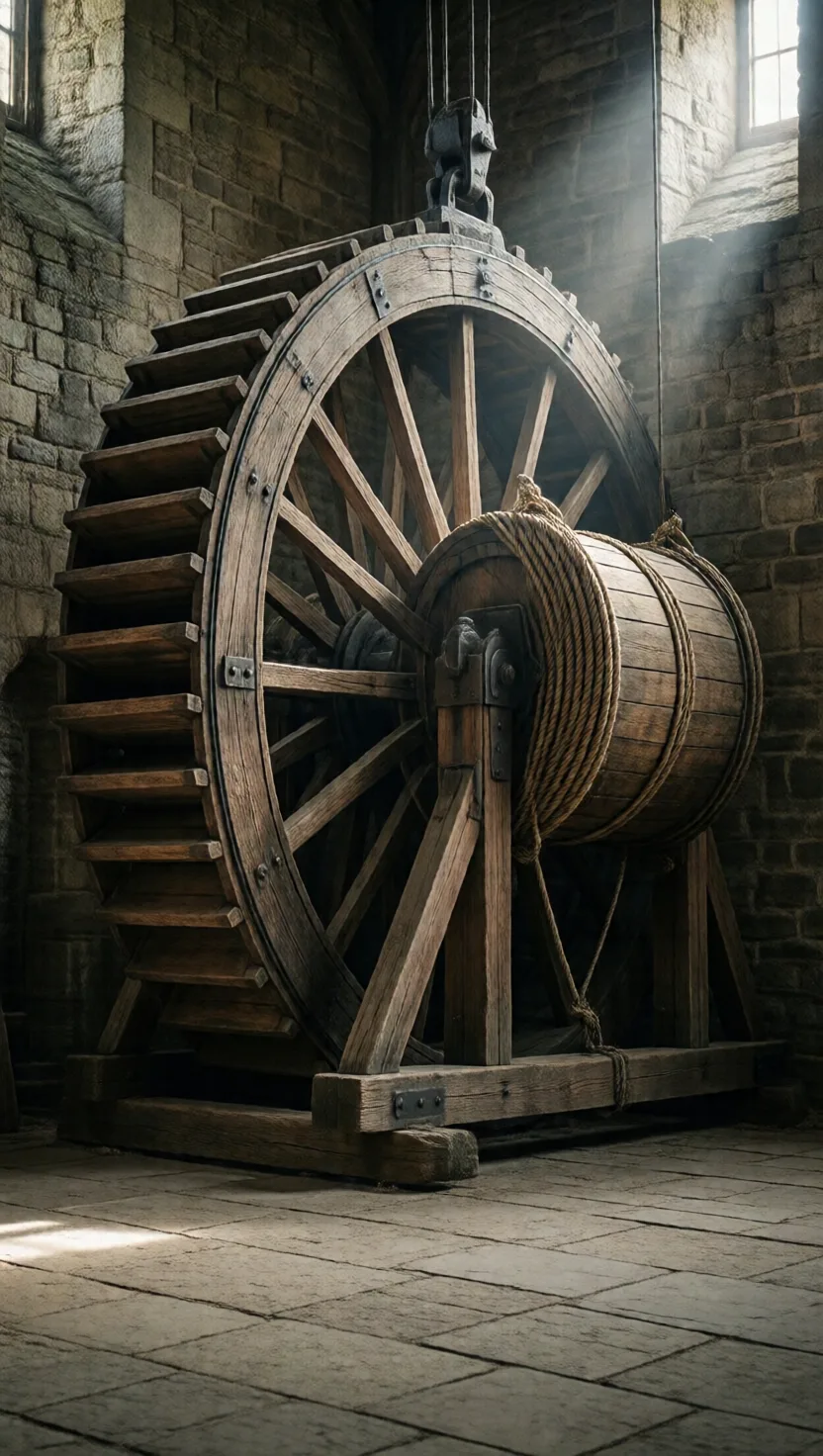
Medieval builders lifted tonnes of stone with a human treadwheel. A worker walked inside a great wooden drum, and because the wheel's rim is far wider than the axle it winds, his bodyweight on the rim became an enormous pull on the rope. One or two people could hoist loads of around two tonnes, and many of these cranes sat in church towers for centuries.
Pull the chain, let go, and the load just hangs

Pull the chain, let go, and the load just hangs

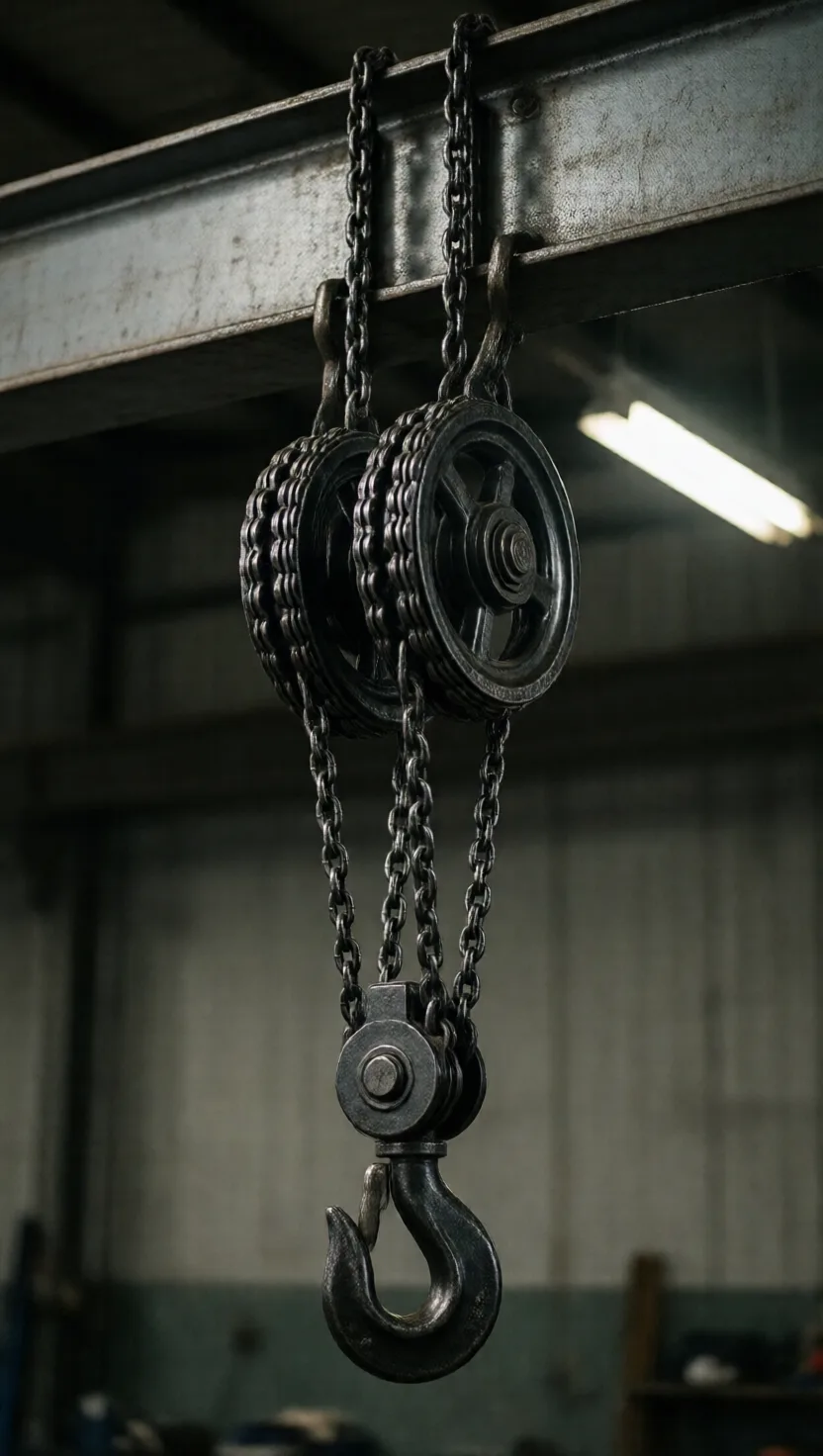
A differential hoist uses two linked pulleys of almost the same size at the top. Because they differ by only a tooth or two, each pull of the hand-chain raises the load a tiny amount with a big force advantage. The same near-match makes friction win whenever you stop, so the weight stays put in mid-air without any ratchet or lock.
A screw is a ramp wound around a pole

A screw is a ramp wound around a pole

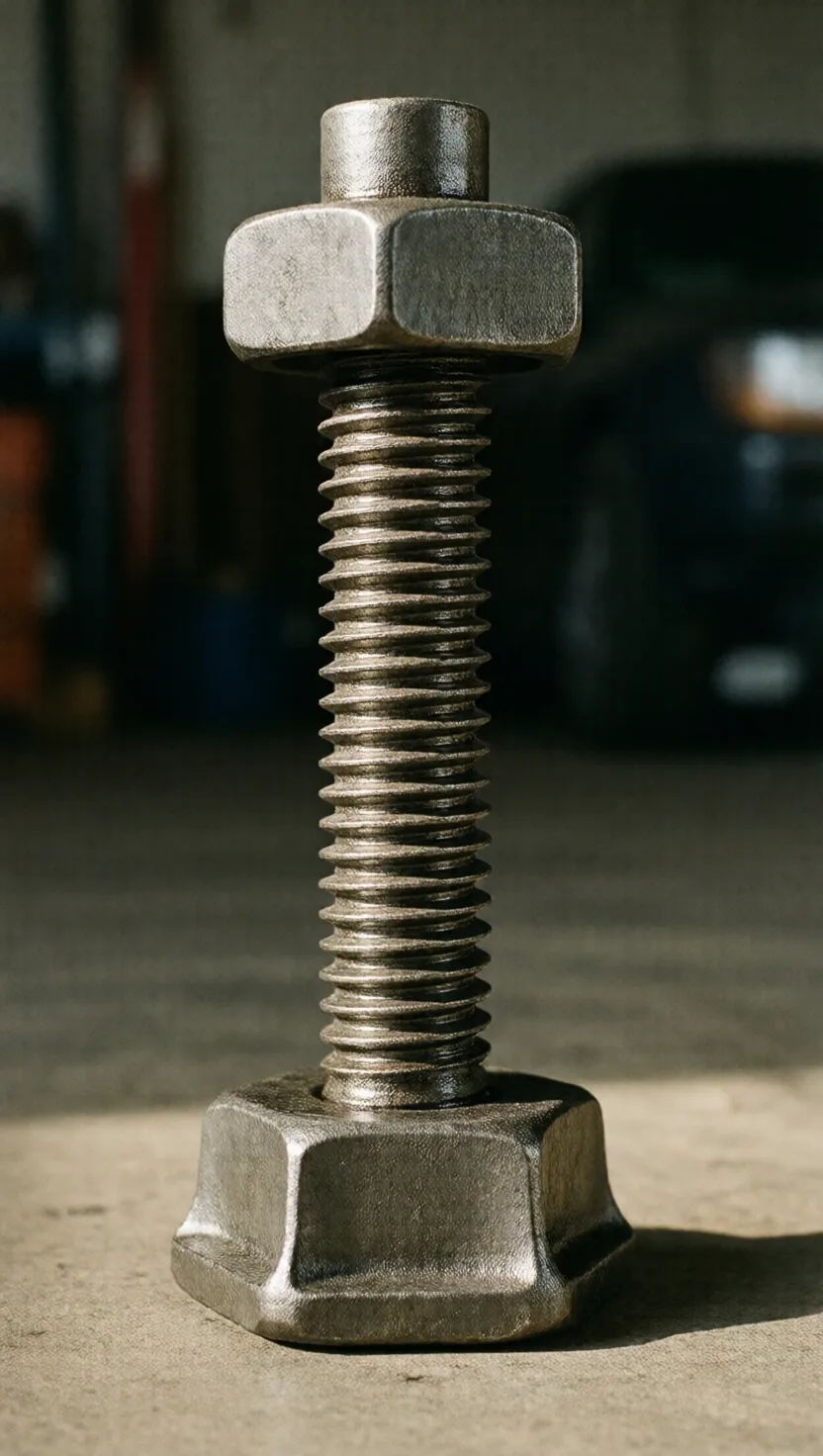
Unroll the thread of a screw and it is just a long, gentle ramp. That is why a small turn of a jack's handle, travelling the long way around, lifts a car the short way up, trading lots of turning distance for enormous lifting force. The same shallow incline that makes it strong also makes it self-holding, so the load does not sink back down.
Near straight, a small push becomes a giant grip

Near straight, a small push becomes a giant grip

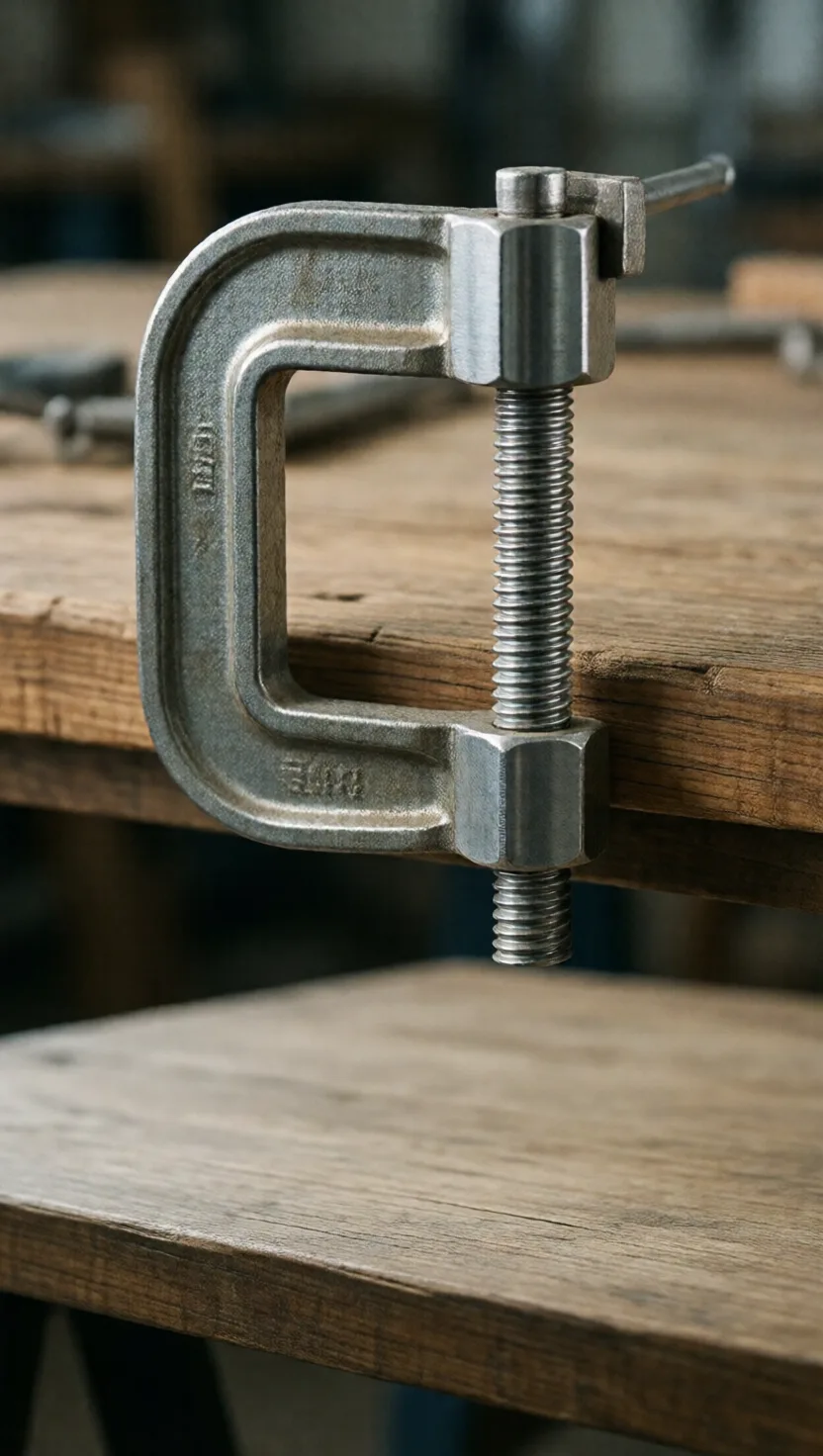
Line up two links almost straight and something strange happens: a gentle push at the joint turns into a crushing force at the ends, because the closer the links get to a straight line, the more the leverage multiplies. This over-center trick clamps workpieces, latches hoods and locks pliers shut, and it stays shut, since the load cannot push the joint back.
tap →swipe ↑ for depthswipe ↓ to exit