Eight things your mind does behind your back

DC·02 Deep Cuts
Smell is the only sense that skips the brain's filter

Smell is the only sense that skips the brain's filter

Sight, sound, taste and touch all route through a relay station first. Smell doesn't — it wires straight into the brain's memory and emotion centres, which is why a scent can drop you into a memory before you've even named it.

Your brain is busiest when you're doing nothing

Your brain is busiest when you're doing nothing

Stop focusing and the 'default mode network' lights up — burning around a fifth of your energy to wander, replay memories, and imagine the future. Rest isn't idle; it's when the brain does its housekeeping.
Magenta isn't in the rainbow — your brain invents it

Magenta isn't in the rainbow — your brain invents it

There's no single wavelength for magenta. When your eyes catch red and blue at once with no green between, the brain fabricates a colour to bridge the gap. It exists only in your head.
What you see can override what you hear

What you see can override what you hear

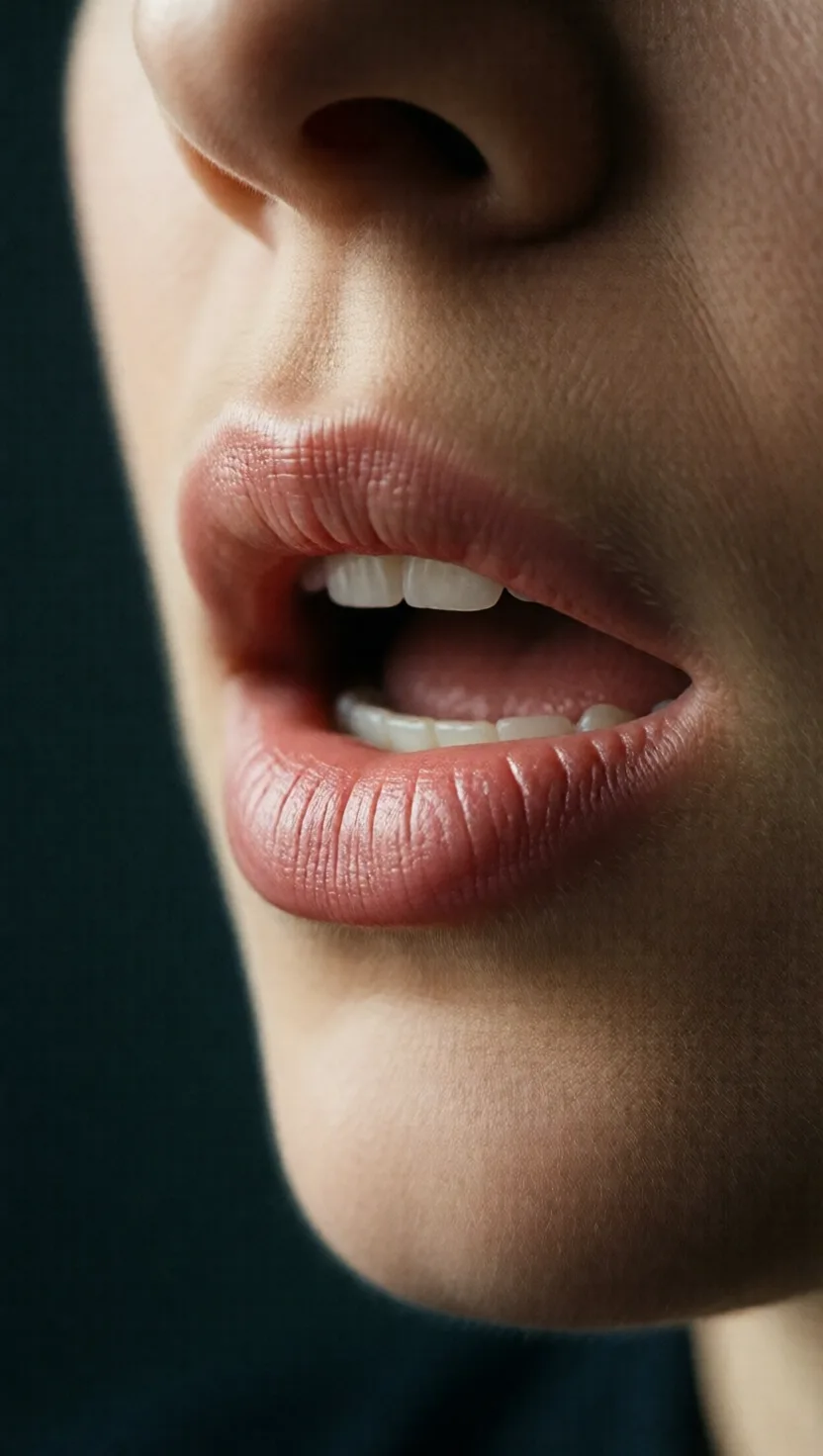
Watch a mouth say 'ga' while the audio plays 'ba' and you'll hear 'da' — a blend of both. Your brain trusts your eyes enough to rewrite the sound. It's called the McGurk effect.
Time speeds up as you get older

Time speeds up as you get older

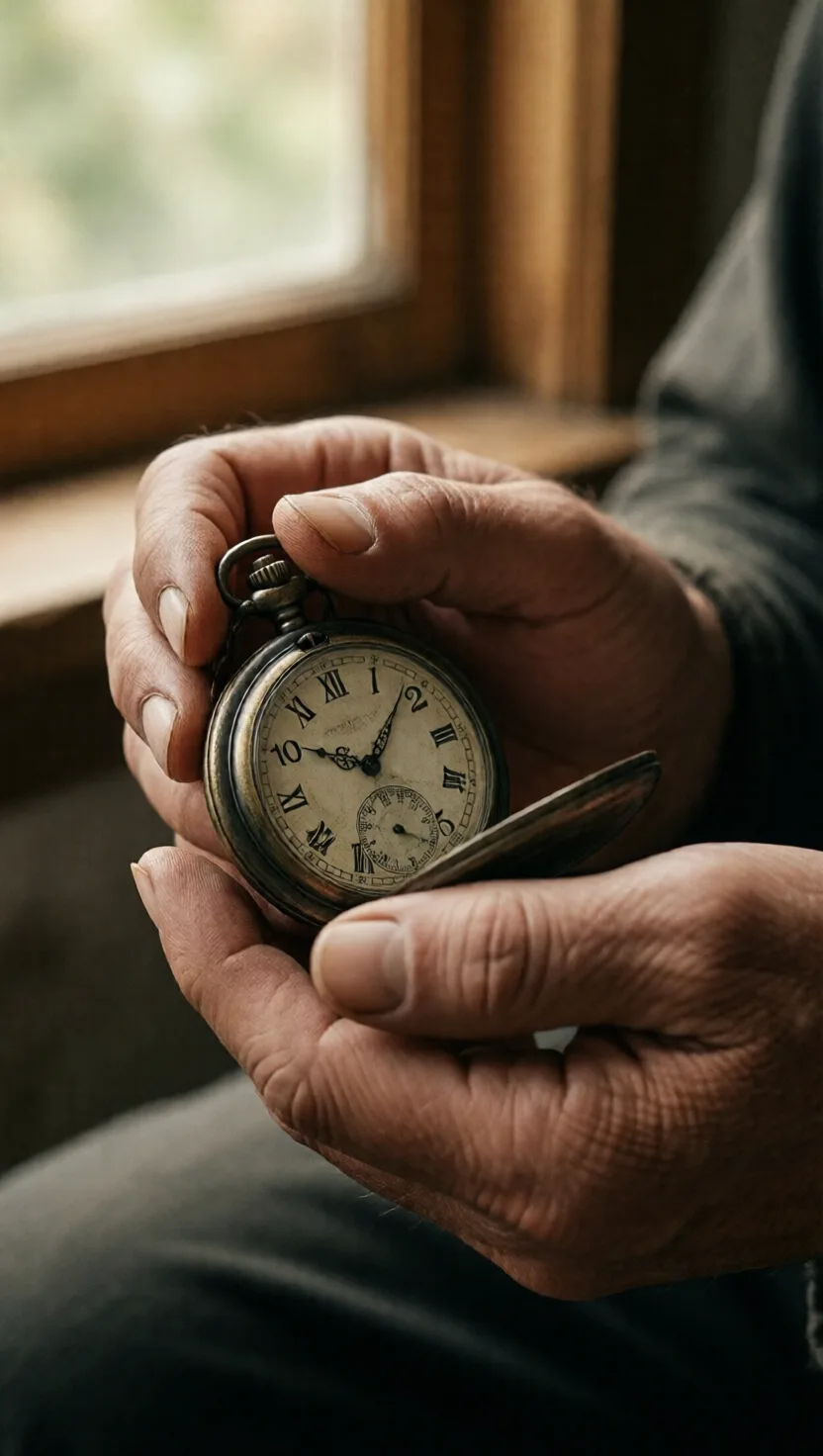
At 5, a year is a fifth of your whole life; at 50, a fiftieth. One theory: we feel time in proportion to how much we've already lived, so each passing year feels shorter than the last.
That phantom phone buzz? Your brain invented it

That phantom phone buzz? Your brain invented it

Phantom vibration syndrome: primed to expect a buzz, your brain misreads ordinary signals from clothing or muscle as your phone going off. Most heavy phone users have felt it.
You go briefly blind every time your eyes move

You go briefly blind every time your eyes move

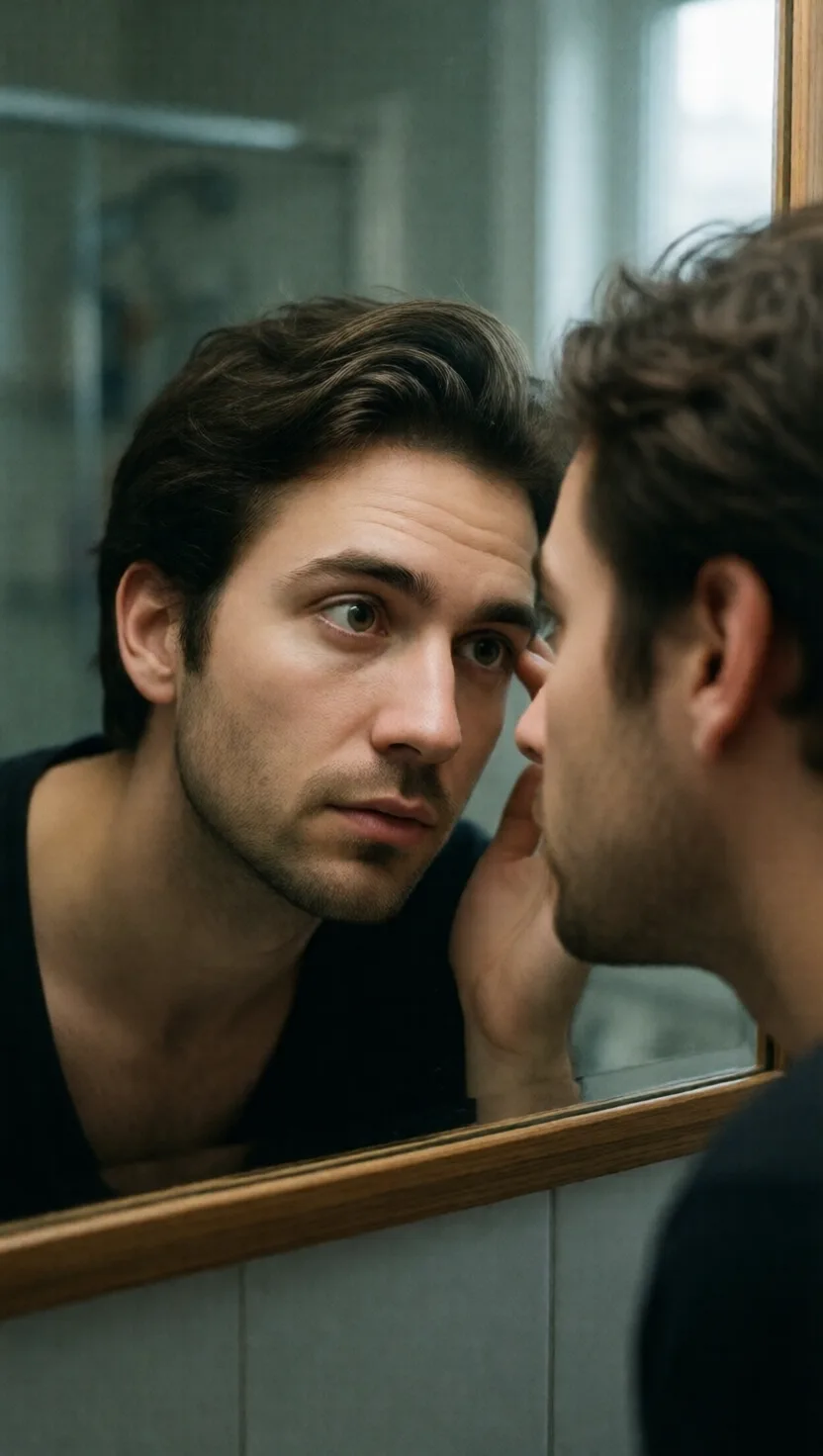
During each rapid eye dart (a 'saccade') your brain switches vision off so you don't see a smear — adding up to roughly 40 minutes of blindness a day. Watch your own eyes flick in a mirror: you'll never catch them moving.
Déjà vu may be your brain checking its own memory

Déjà vu may be your brain checking its own memory

One leading idea: déjà vu is the sensation of your memory system running a self-test — catching a small mismatch between what feels familiar and what you actually recall, and flagging it for a second look.
tap →swipe ↑ for depthswipe ↓ to exit