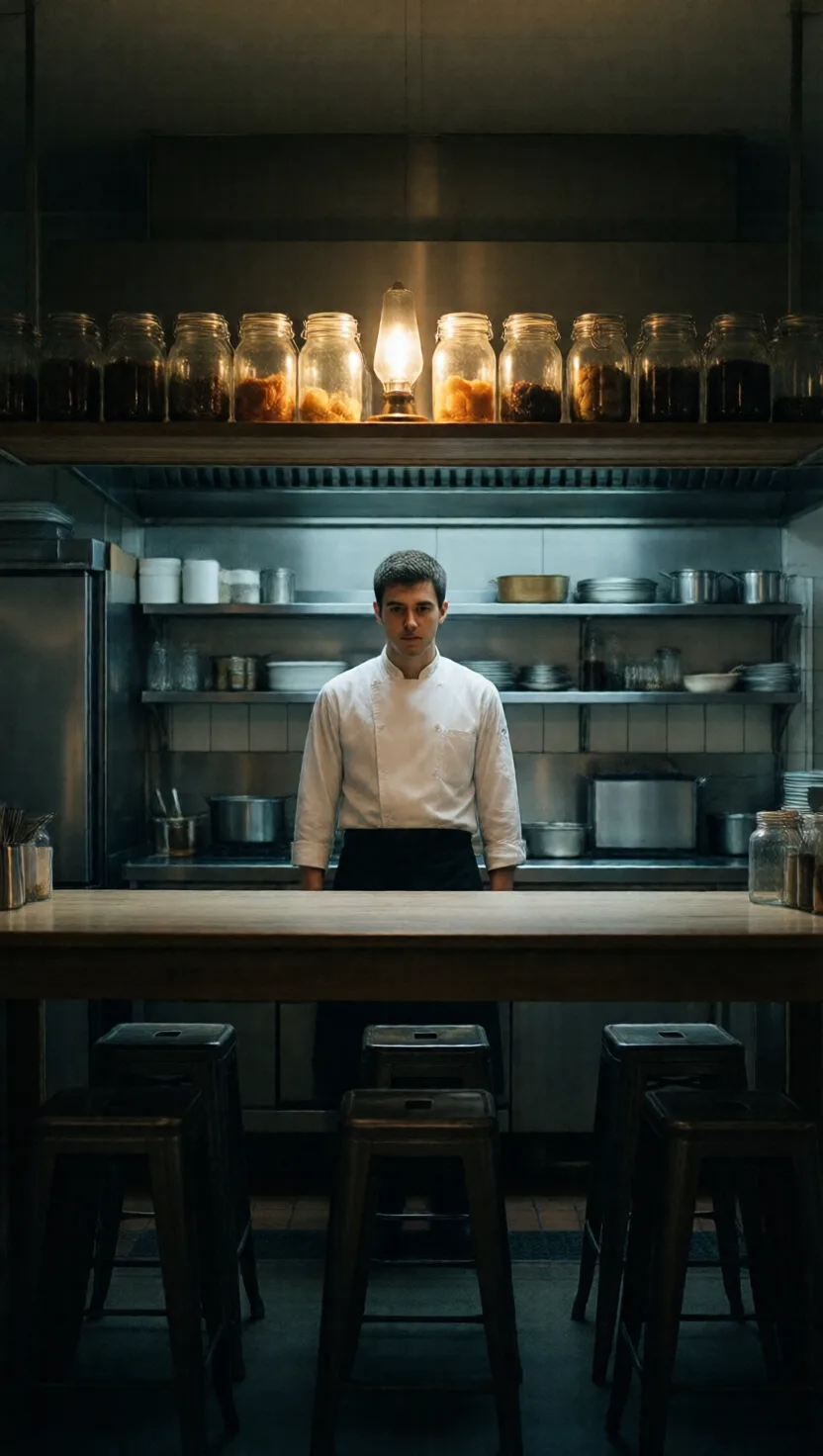
The kitchen where busy pairs earn their own jar.

SRC·97 Source
Every dish from scratch, and the orders keep coming

Every dish from scratch, and the orders keep coming

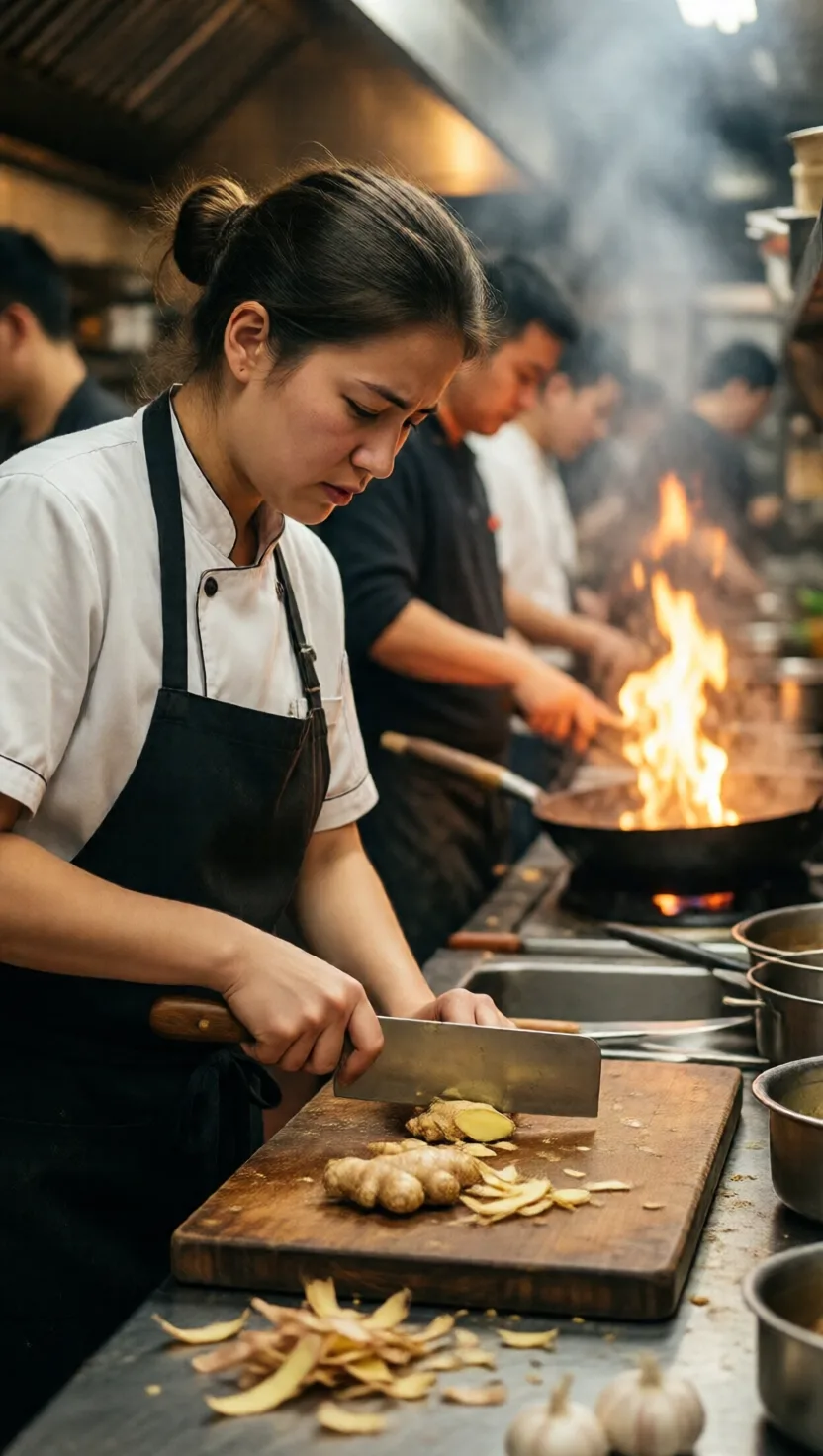
Renu's first dinner service at the old canal-side kitchen. She builds every order from raw pieces — peel the ginger, crush the garlic, dice the onion — and by the eighth dish she is drowning while the cooks beside her are somehow already plating. Same stove, same ingredients, same two hands. Whatever they know, it isn't a secret recipe. It's sitting on the shelf above the counter…
From raw pieces you can build anything — slowly

From raw pieces you can build anything — slowly

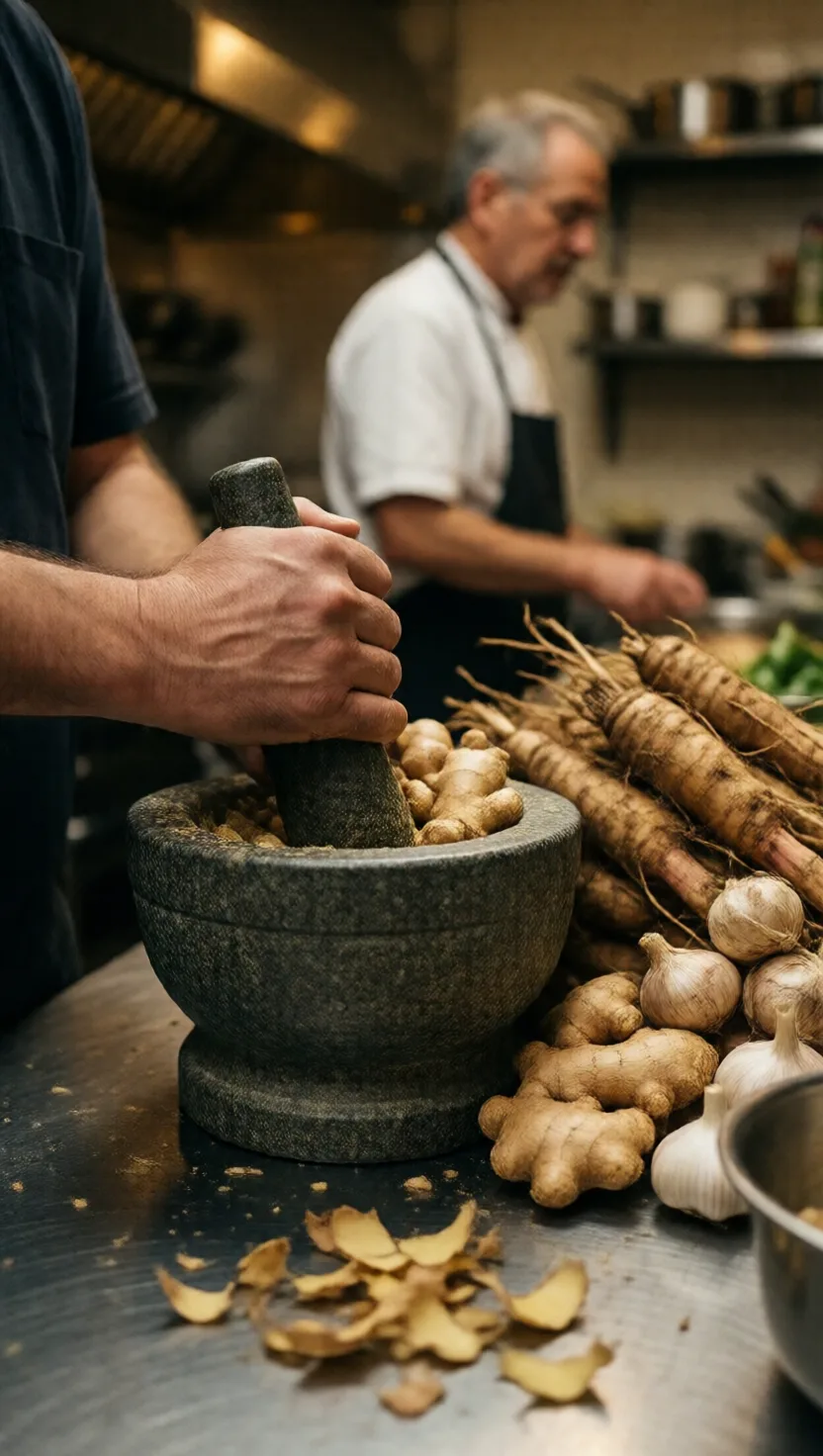
There is a stubborn honor in raw pieces: from them, any dish on earth can be made — nothing is ever impossible. But the night is not infinite. Renu makes ginger-garlic paste forty times before midnight, the same ten minutes, the same motion, again and again, as if the kitchen had never learned it before. The old cook watches her, says nothing, and taps the shelf twice…
The palace preps whole dishes — until a stranger orders

The palace preps whole dishes — until a stranger orders

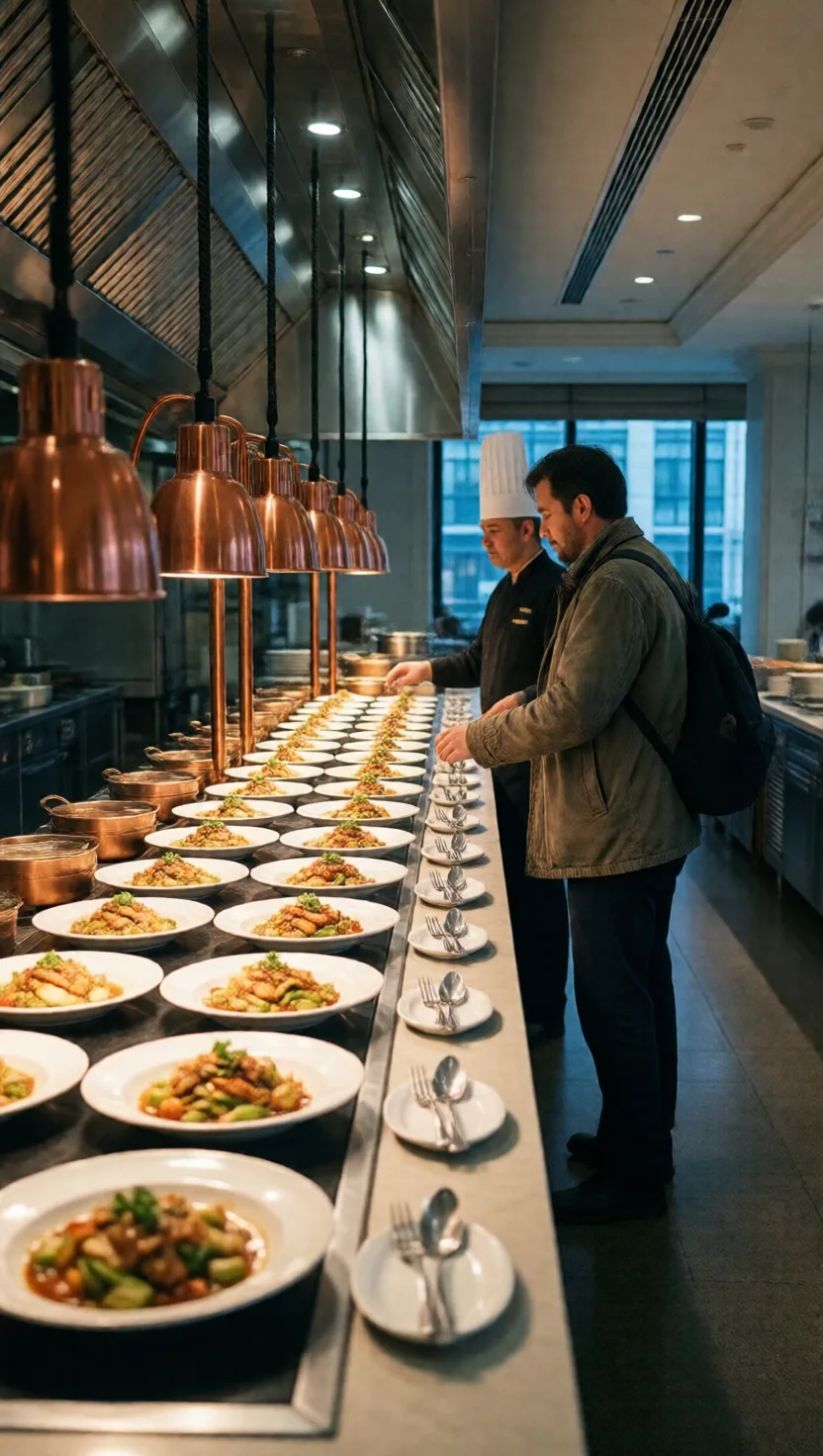
Across the canal, the grand hotel does the opposite: whole dishes prepped ahead, tray upon tray, so the usual menu flies out in minutes. Then one evening a traveler asks for his grandmother's mountain stew. No tray holds it. No pieces exist to build it from. That kitchen — the fast one — turns him away hungry. A shelf of finished dishes can serve only the futures someone predicted…
The rule of the shelf: the busiest pair earns a jar

The rule of the shelf: the busiest pair earns a jar

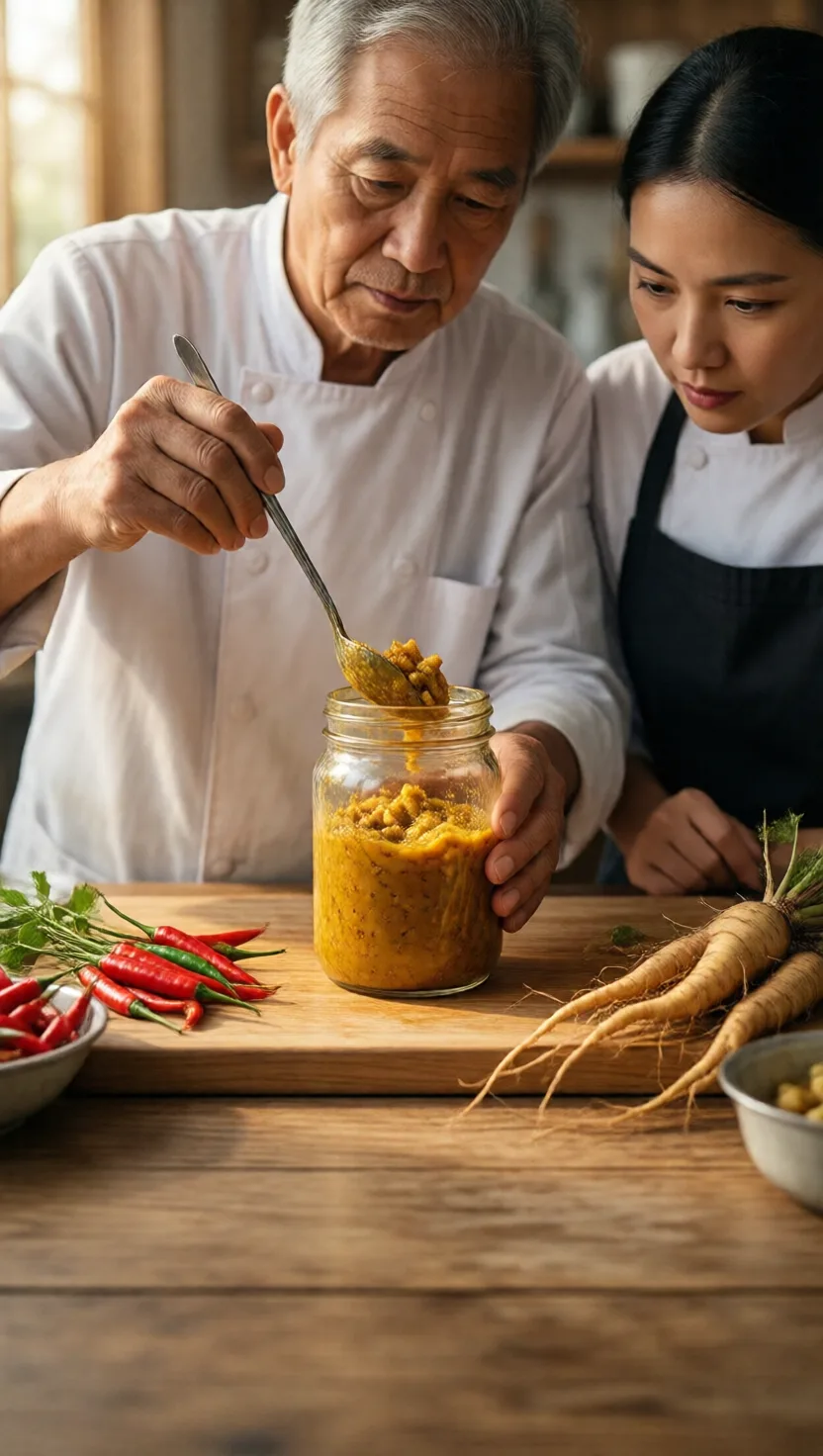
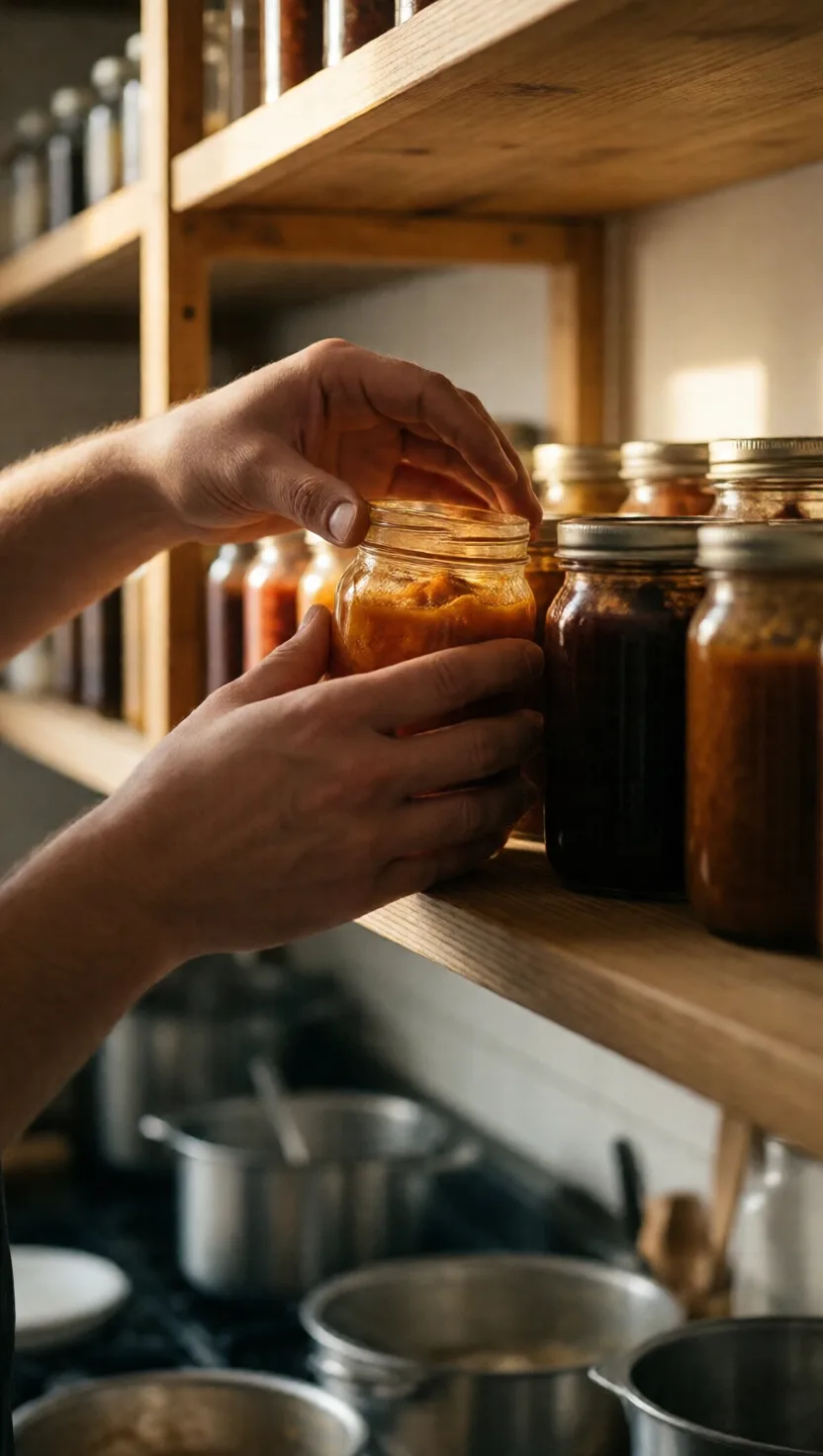
The old cook finally speaks: watch your hands for a week. Whichever two things they reach for together most often — here, ginger and garlic, every curry, every night — mix that one pair ahead, and give it its own jar. Only the single busiest pair. Then watch again: jars can pair too, and when ginger-garlic keeps meeting chili, the three become one deeper jar. Repeat, and repeat, and repeat…
A hundred jars later, no dish is impossible

A hundred jars later, no dish is impossible

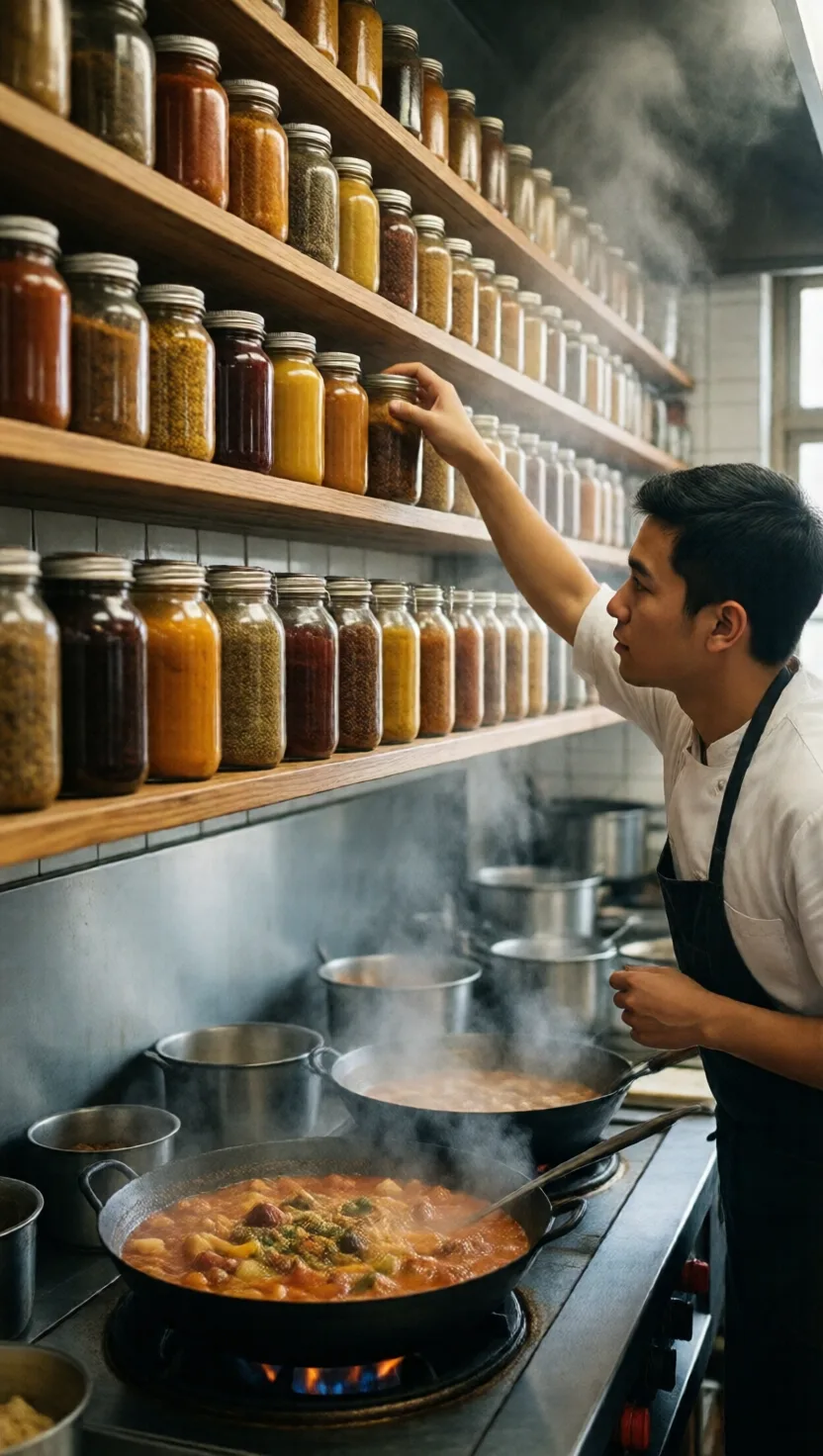
A season later the shelf holds a hundred jars, ranked by the order they earned their place, and service flies: the usual dishes are three jars and a flame. Then the traveler finds this kitchen and asks for the stew of his grandmother. No single jar holds it — so Renu builds it from smaller jars, and where no jar fits, from raw roots. Slower, but never impossible. The shelf, she realizes, has become the kitchen's own language…
Machines chop language the same way: tokenization

Machines chop language the same way: tokenization

A reading machine faces Renu's problem: endless sentences, built at speed. Chopping language into reusable pieces is tokenization. The classic recipe, byte-pair encoding, is the shelf's rule made exact: count which adjacent pair appears most, merge it into one new piece, repeat thousands of times. Common words end up whole jars; a strange new word is built from smaller pieces — single letters if it must be. Never impossible, only longer.
🌱 What has your mind pre-mixed?

🌱 What has your mind pre-mixed?

Closing time. Renu wipes the counter and reads the shelf like a diary: the whole history of this kitchen, told in which pairs earned jars. Your mind keeps such a shelf — greetings, sayings, whole phrases you grab as one finished piece. What sits in your most-used jars? And when did you last meet a word so new that you had to go back to the raw ingredients?
tap →swipe ↑ for depthswipe ↓ to exit