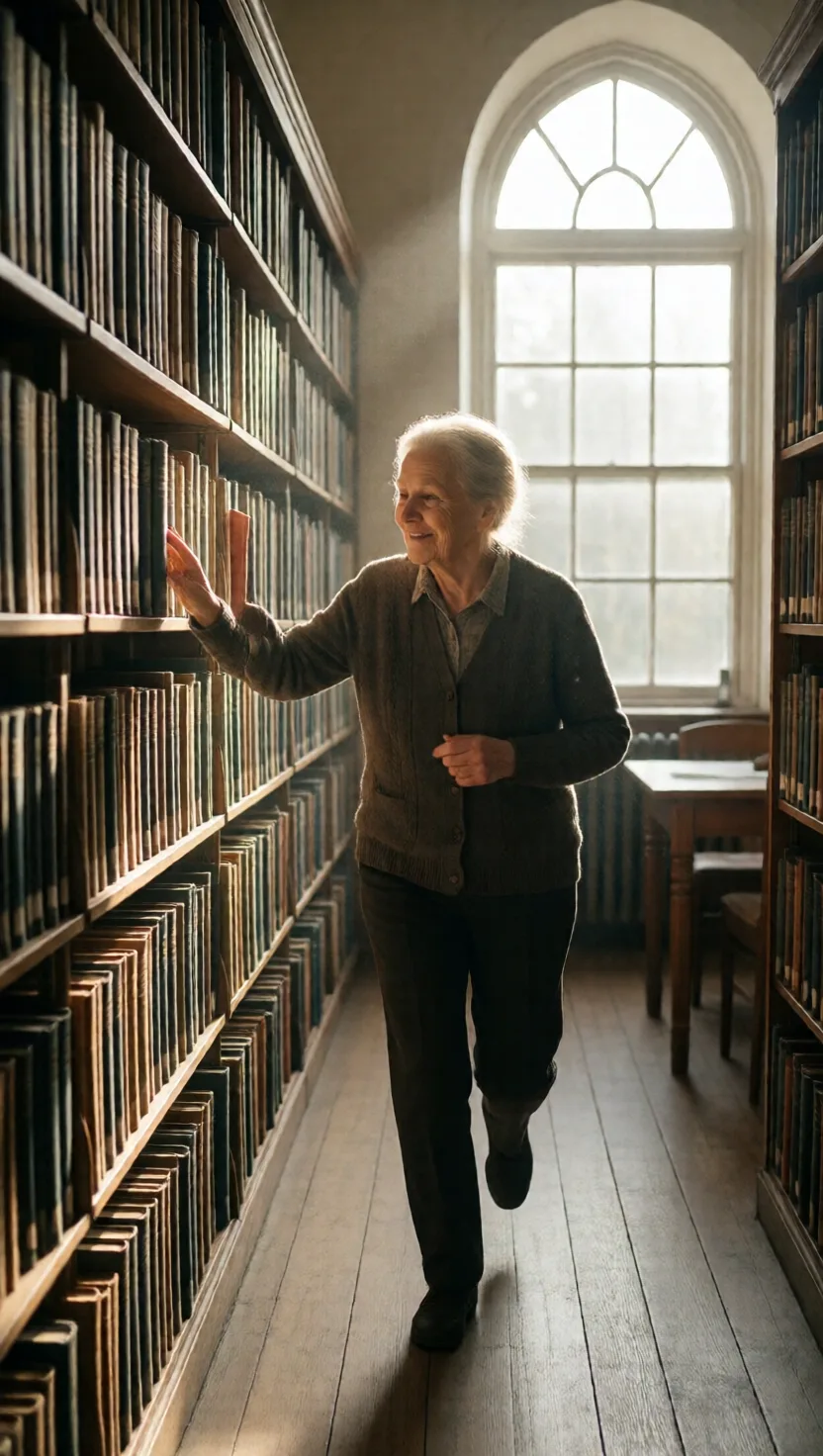
The librarian who abandoned the alphabet.

SRC·94 Source
Shelf neighbors, strangers in every way but one

Shelf neighbors, strangers in every way but one

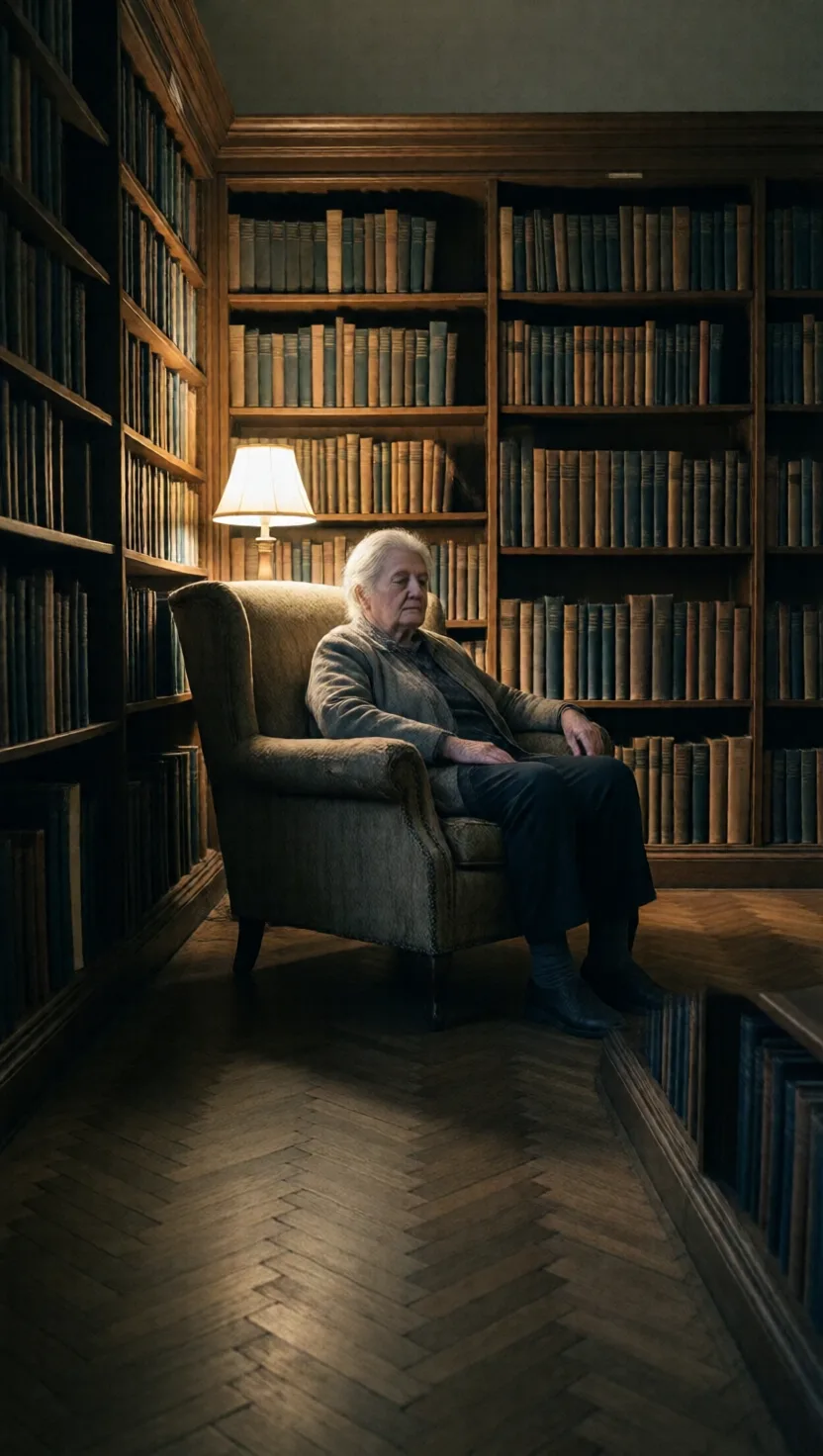
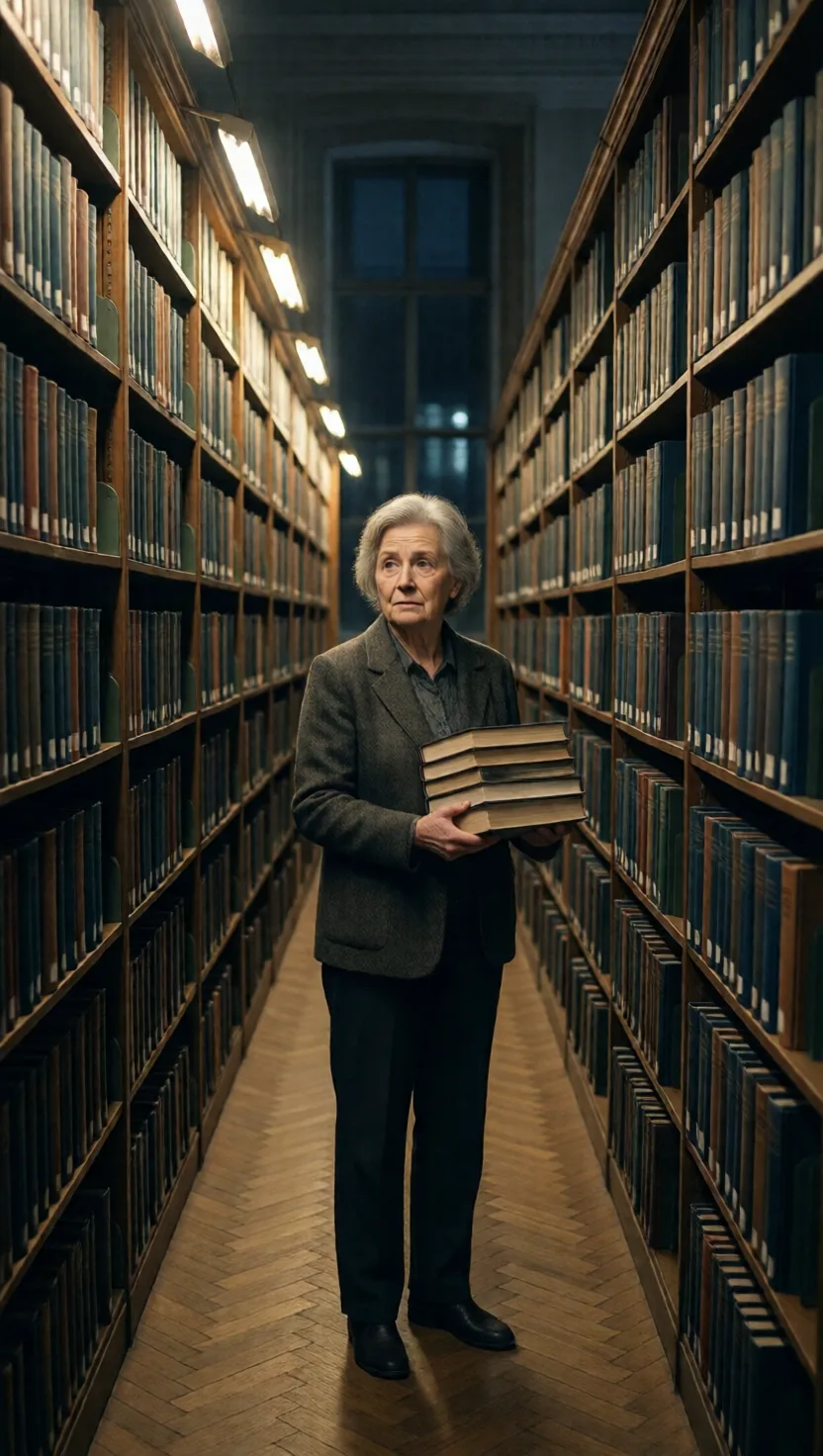
In the great hall, order means the alphabet — and the alphabet lies. A novel about the sea stands glued to a manual on seed drills because their opening letters happen to match. Every evening a reader holds up a book and asks Mira, the librarian, for another like this one, and the catalog, in all its perfect order, has no answer. So one night, Mira stops trusting the alphabet…
Don't read the books — watch the company they keep

Don't read the books — watch the company they keep

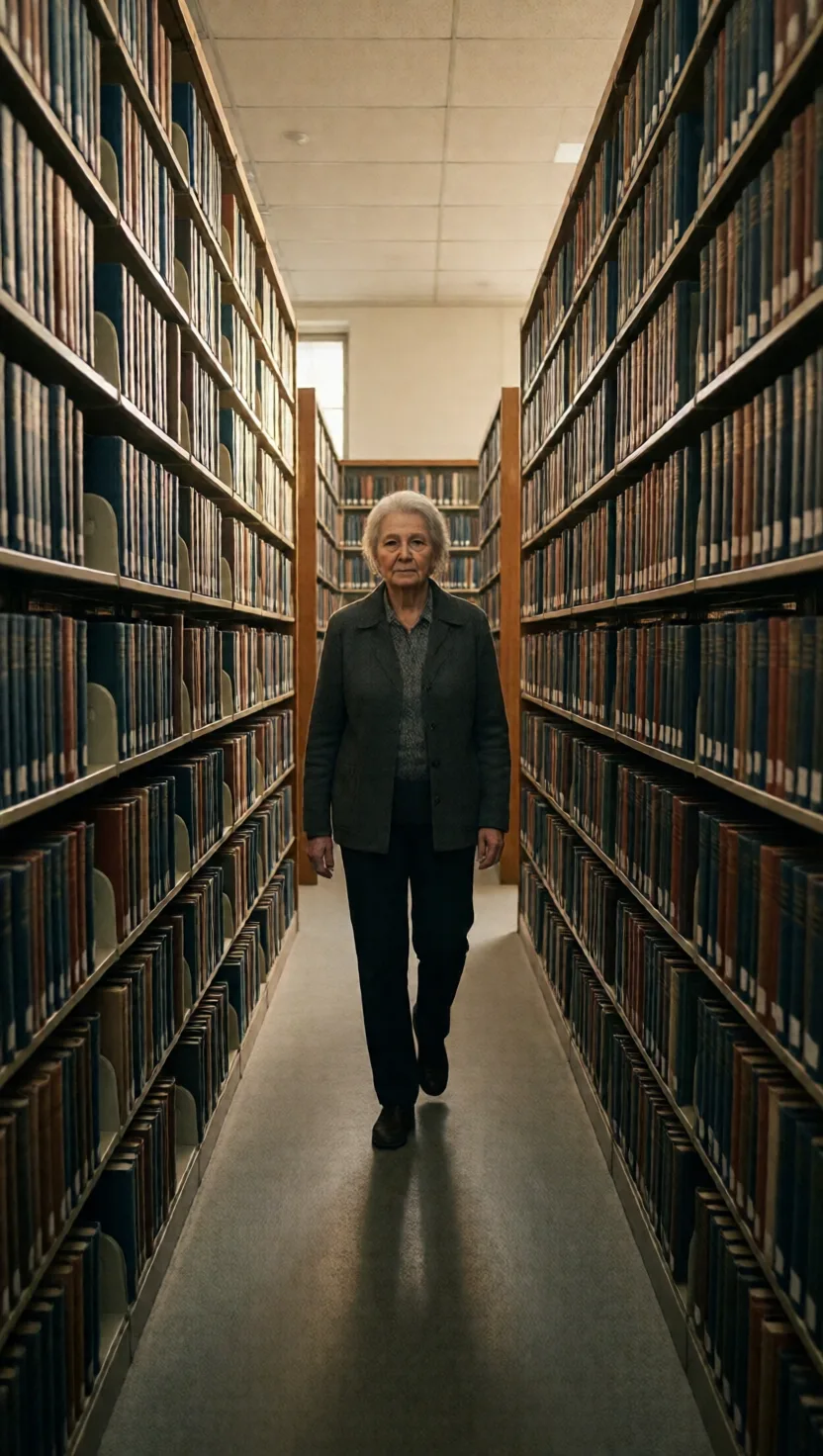
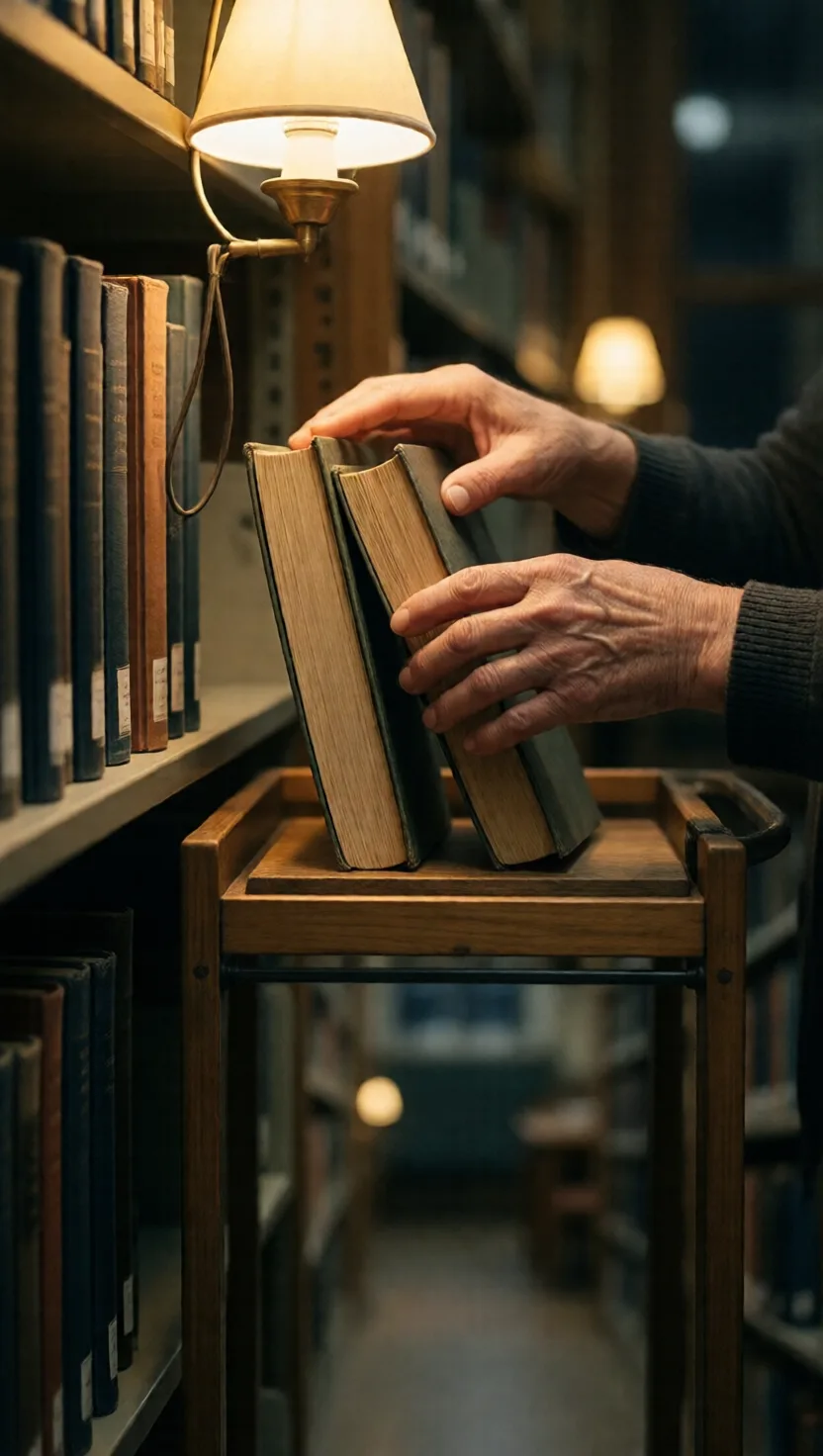
Mira's new rule has nothing to do with what is in the books. She watches the tables instead: which volumes get borrowed together, returned together, left side by side at closing time. Night after night she nudges the shelves — books that keep the same company inch closer, books that never meet drift apart. She has no plan for the hall. She lets the borrowing draw the map…
Neighborhoods appear that nobody ever defined

Neighborhoods appear that nobody ever defined

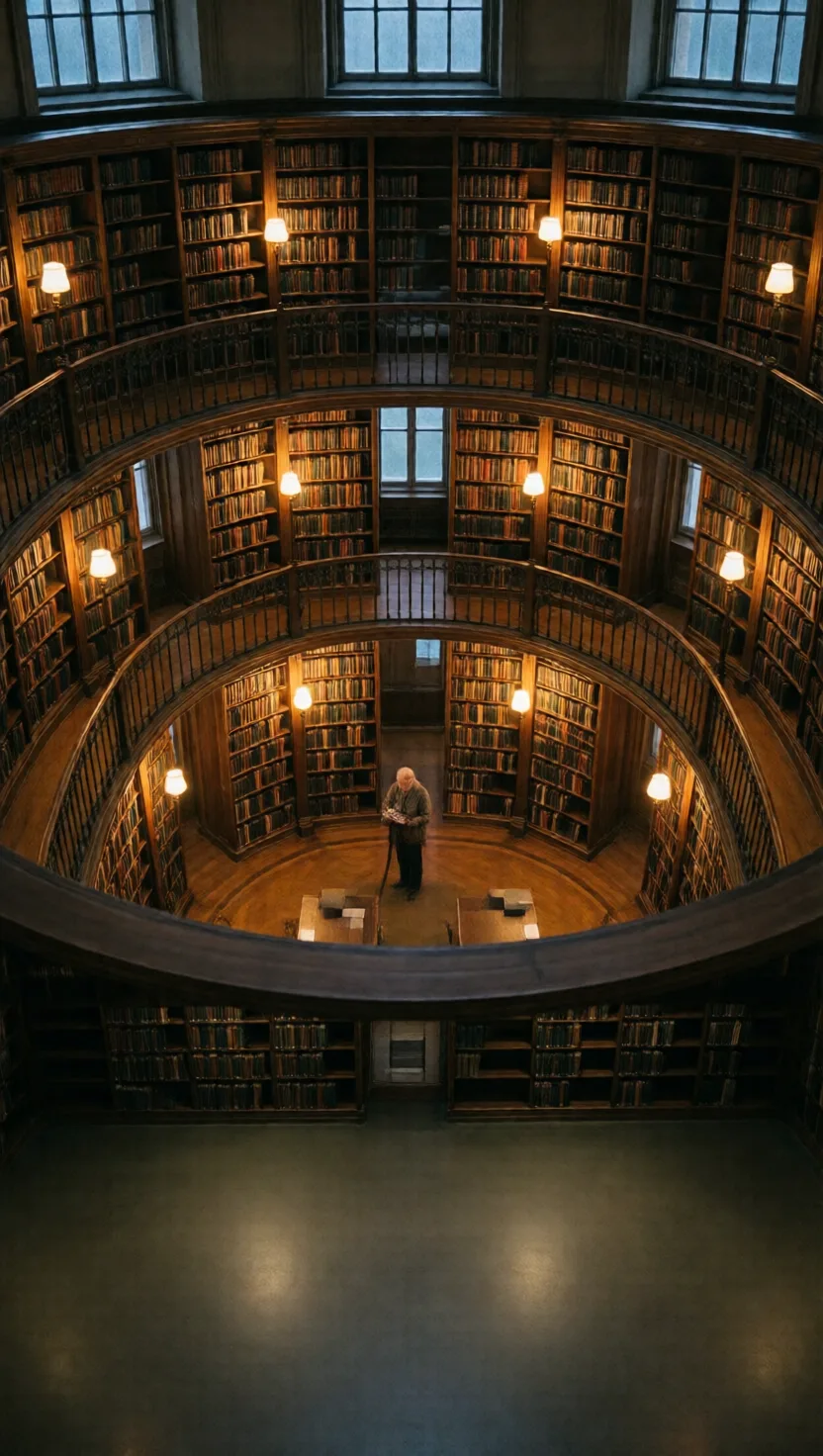
Months pass, and the hall grows strange and wonderful. Sea stories have pooled into one bay; grief poems huddle three shelves down; cookbooks warm a corner. Mira never defined a single category — the clusters precipitated out of company, the way frost finds a windowpane. And distance speaks now: one step away sits a close cousin, the far wall holds another world. Then she notices something stranger than nearness…
Walk one fixed heading, and it means the same thing everywhere

Walk one fixed heading, and it means the same thing everywhere

vkingvman+vwomanvqueenv_{\text{king}} - v_{\text{man}} + v_{\text{woman}} \approx v_{\text{queen}}
One heading makes every book give way to a gentler version of itself; another walks stories back in time. And the same stride works anywhere: start at the king's tale, take the step that separates a man's story from a woman's, and you arrive — roughly, near rather than on — at the queen's. In this hall, a direction is a relation. What kind of place has she built?
The hall has a name: embedding space

The hall has a name: embedding space

This is how machines hold words. Each word becomes a point — a list of coordinates — in a hall of hundreds of directions, and nobody assigns the positions: they are learned from company, from which words keep turning up together. Such a hall is an embedding space: nearness is meaning, directions are relations, and the space itself is the catalog. But granting every book exactly one spot hides a problem…
One book, one spot — and some books are two things at once

One book, one spot — and some books are two things at once

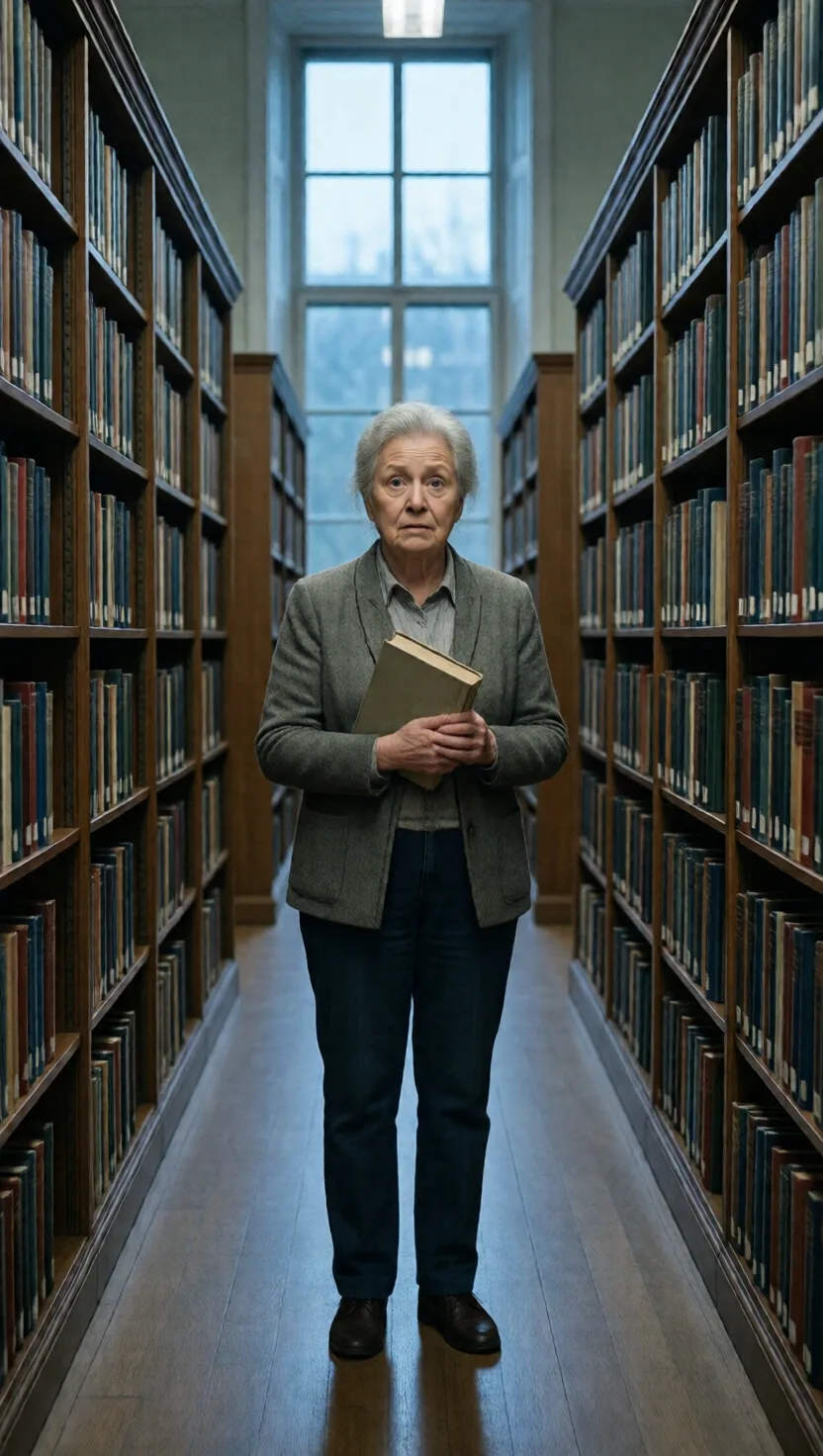
A reader hands Mira a travel diary that is equally a cookbook, and she freezes: her hall grants every book exactly one position. Machines feel the same pinch — the word bank gets a single point, though rivers and money both claim it. So this shelving is only the ground floor: the doorway where every word first becomes geometry, before subtler machinery reads it in context…
🌱 A map of the books, or a map of us?

🌱 A map of the books, or a map of us?

At closing time, Mira walks her hall and wonders what she has really drawn. The shelves learned from borrowers, so every habit of the town — wise or unfair — is now geometry: whatever people kept together, the hall keeps together. If meaning is learned from the company words keep, the map quietly inherits our company. What stands side by side in the hall your words have built?
tap →swipe ↑ for depthswipe ↓ to exit