A clue never points. It weighs.

SRC·90 Source
The spyglass is gone, and the island is sealed

The spyglass is gone, and the island is sealed

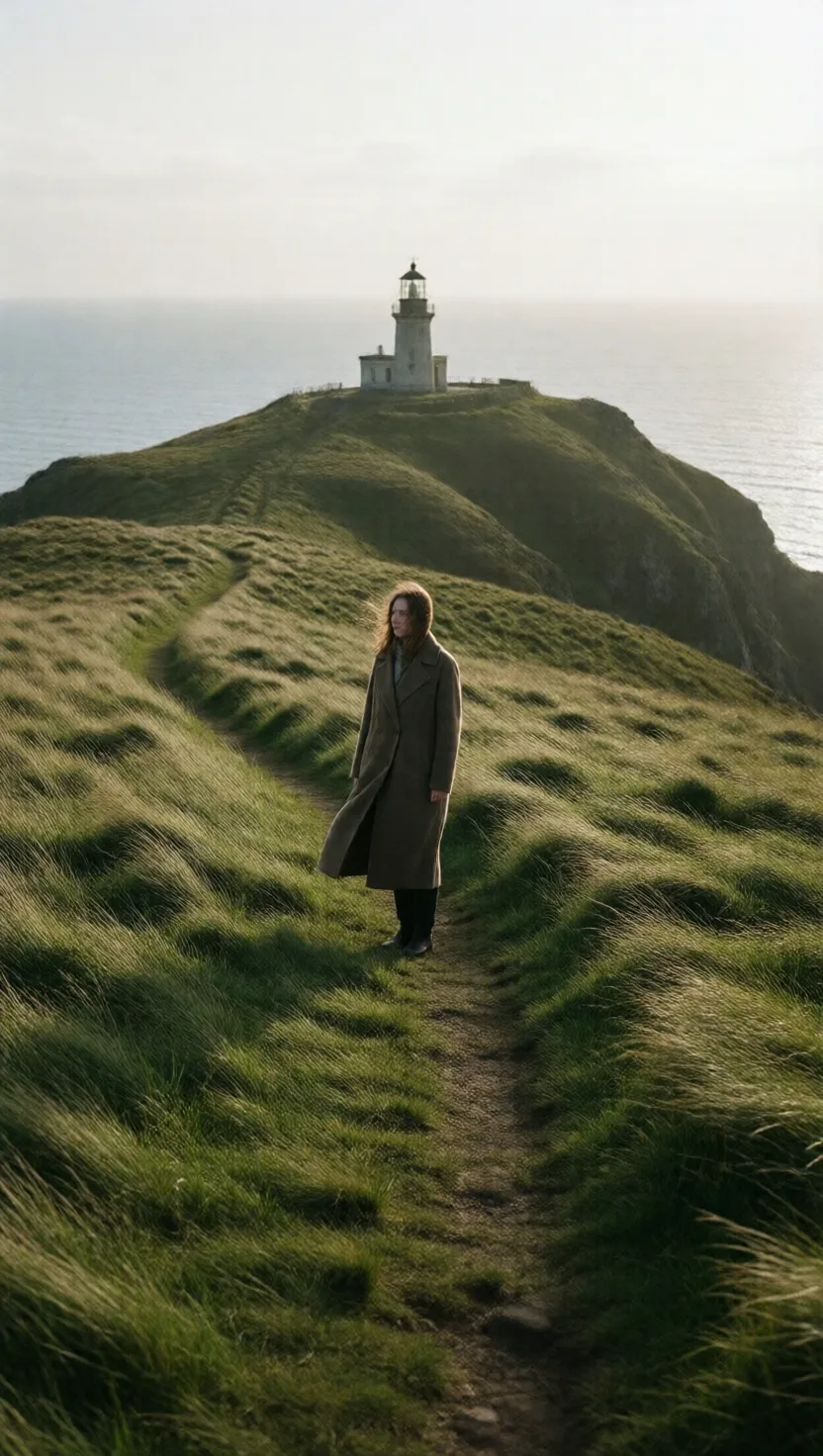
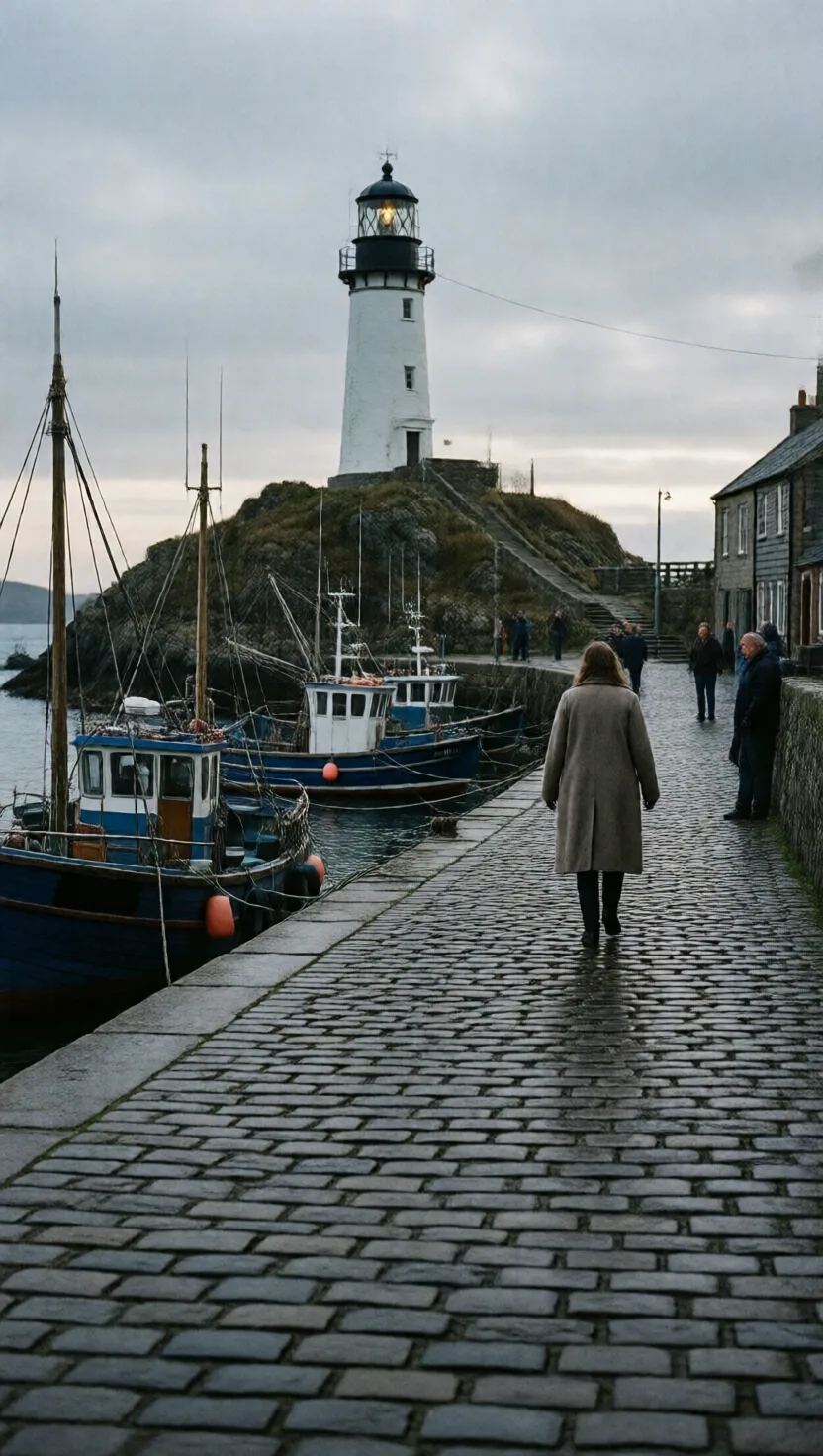
On the island of Verre, the lighthouse keeper's brass spyglass vanishes in the night. No boat has left; the thief is one of forty islanders. Detective Salma is expected to find the clue — the one that points at the thief like a finger. She already knows no such clue exists. Because clues, she says, don't point. So what on earth do they do?
Before any clue, the scales are already set

Before any clue, the scales are already set

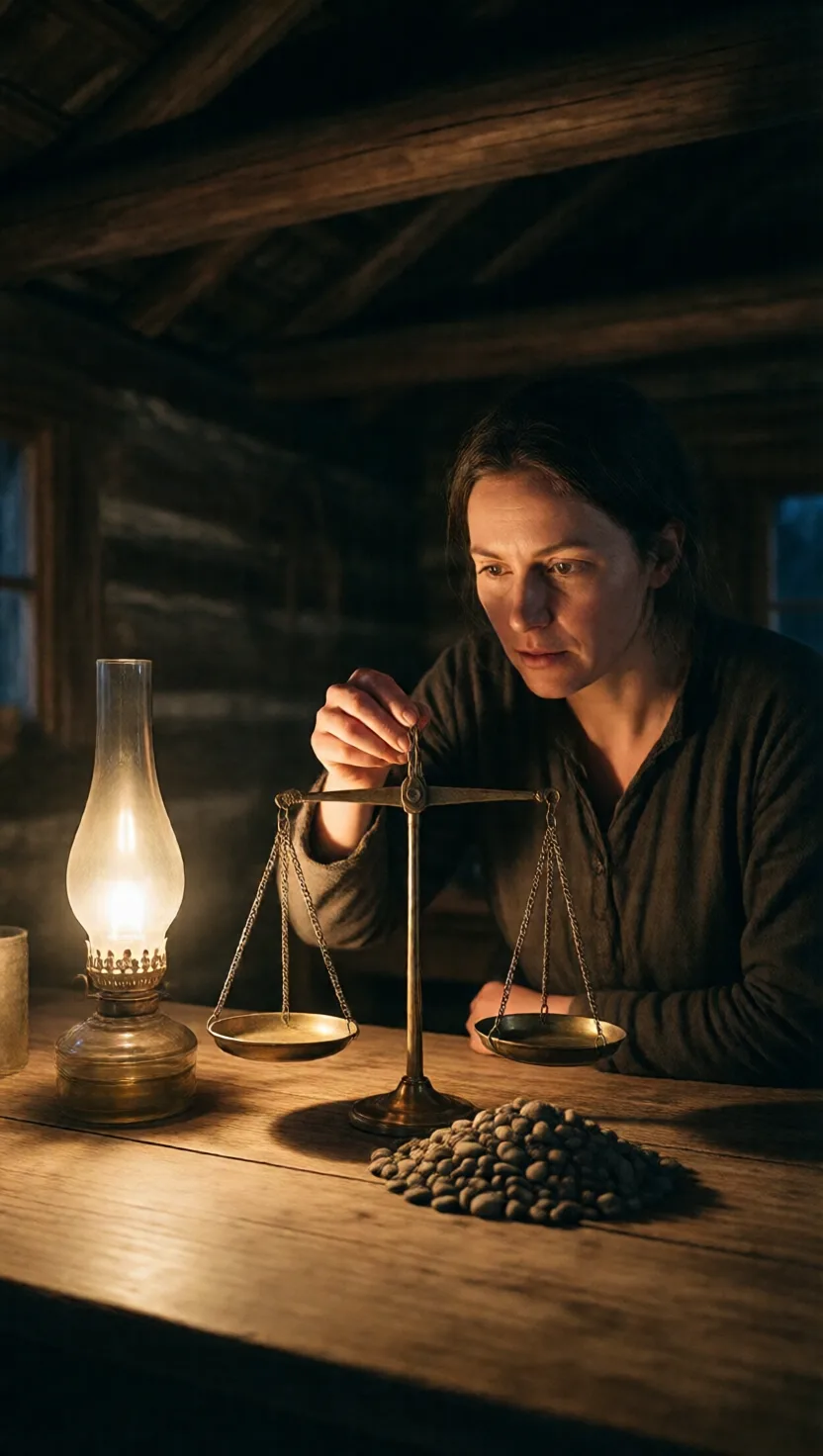
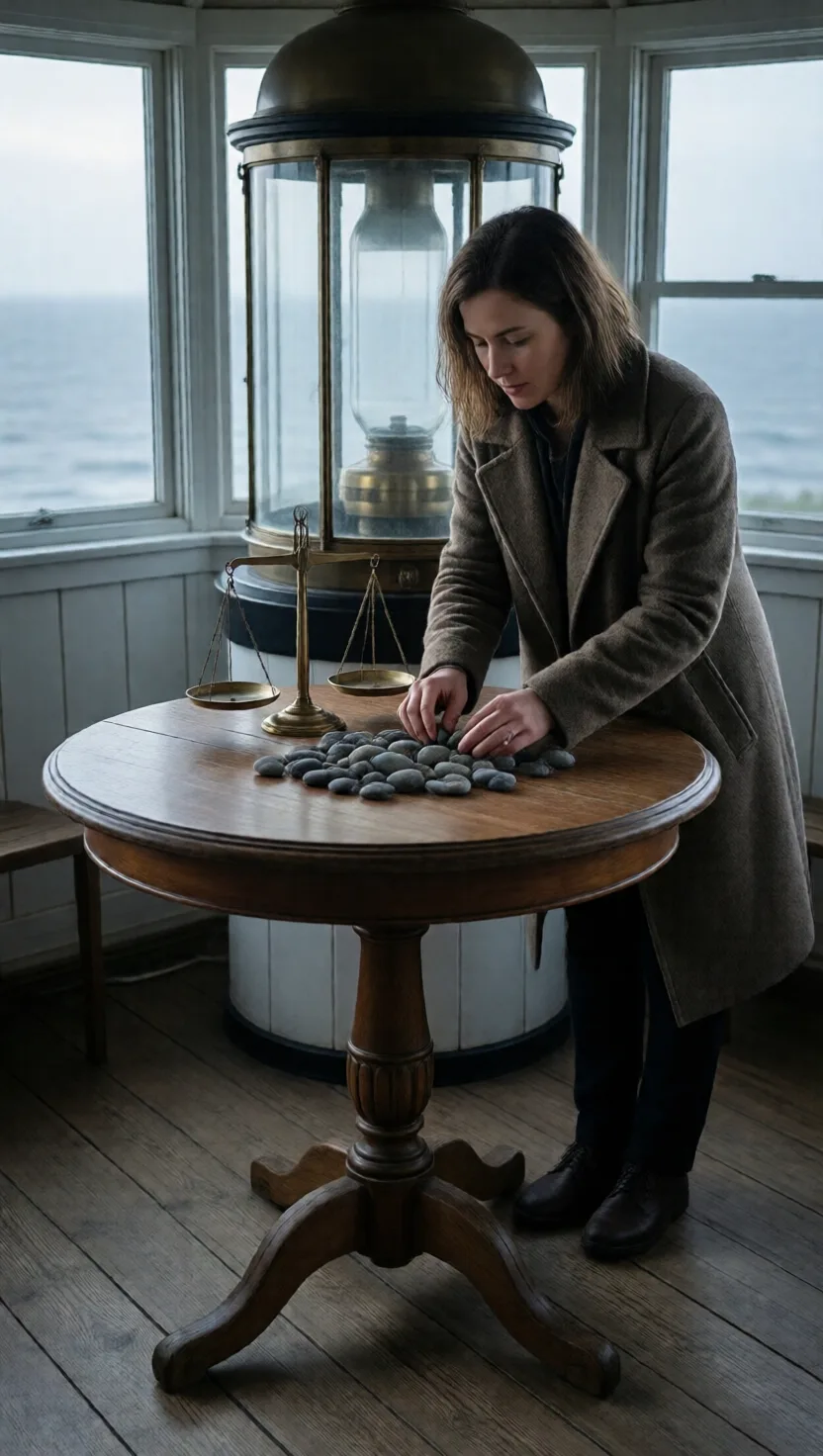
In the lamp room, Salma sets out a small brass balance and a pouch of pebbles — one for each islander. She doesn't deal them evenly. The harbor crew, at sea all night, get grains. The keeper's neighbors get heavier stones. Before a single clue arrives, there is already a map of who was likely. A clue's job is only to re-weigh that map. The first one comes in with the tide…
A clue that fits twenty people barely moves the scales

A clue that fits twenty people barely moves the scales

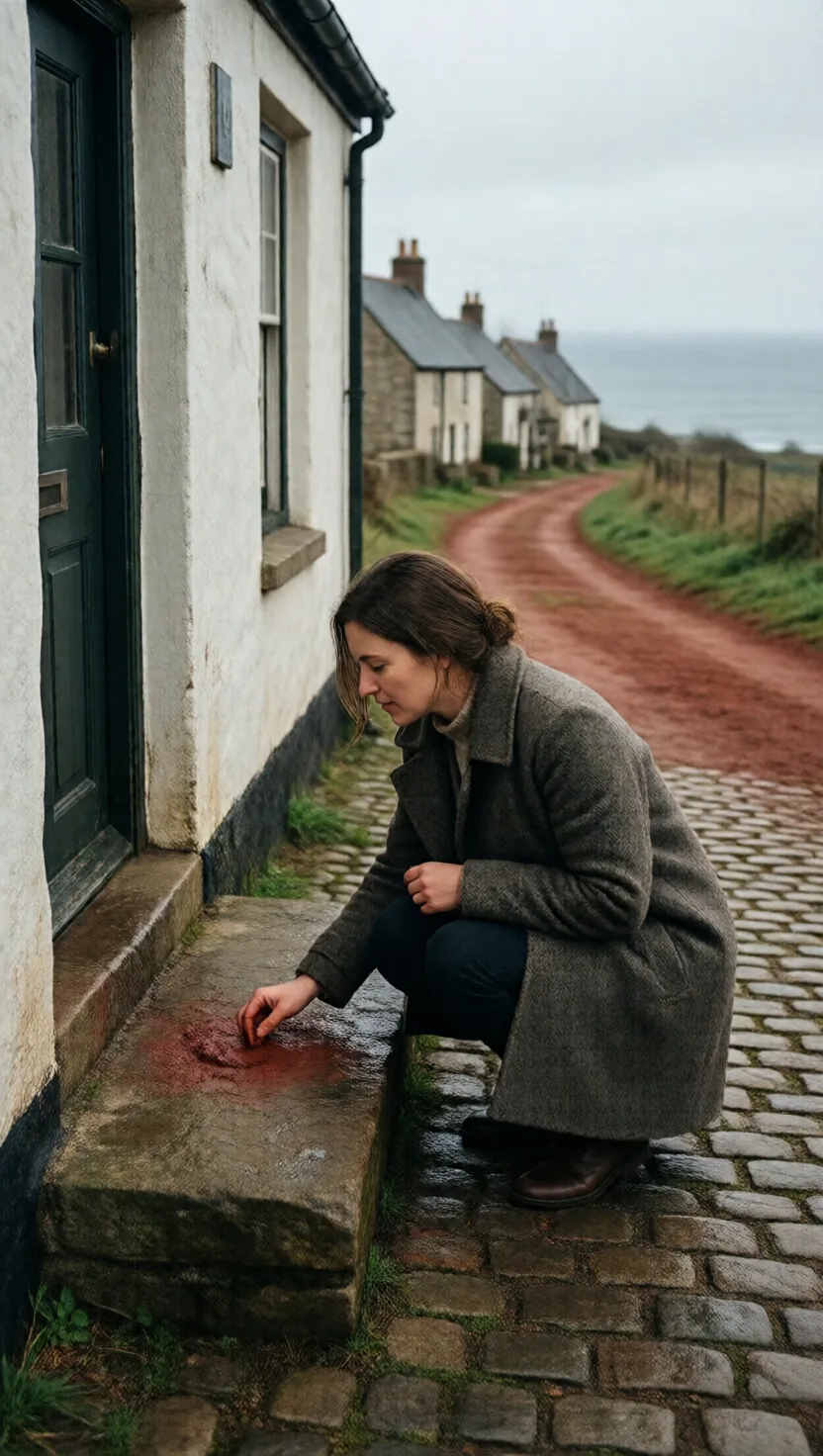
Red clay, tracked to the lighthouse door. A villager gasps: the potter walks in red clay! But so do the twenty islanders who live along the clay path. Salma nudges twenty pebbles — each a little heavier, none ahead of the rest. A clue that fits many people spreads its push across all of them. The crowd deflates. Then the second clue turns up, and it is nothing like the first…
A clue that fits almost no one moves them enormously

A clue that fits almost no one moves them enormously

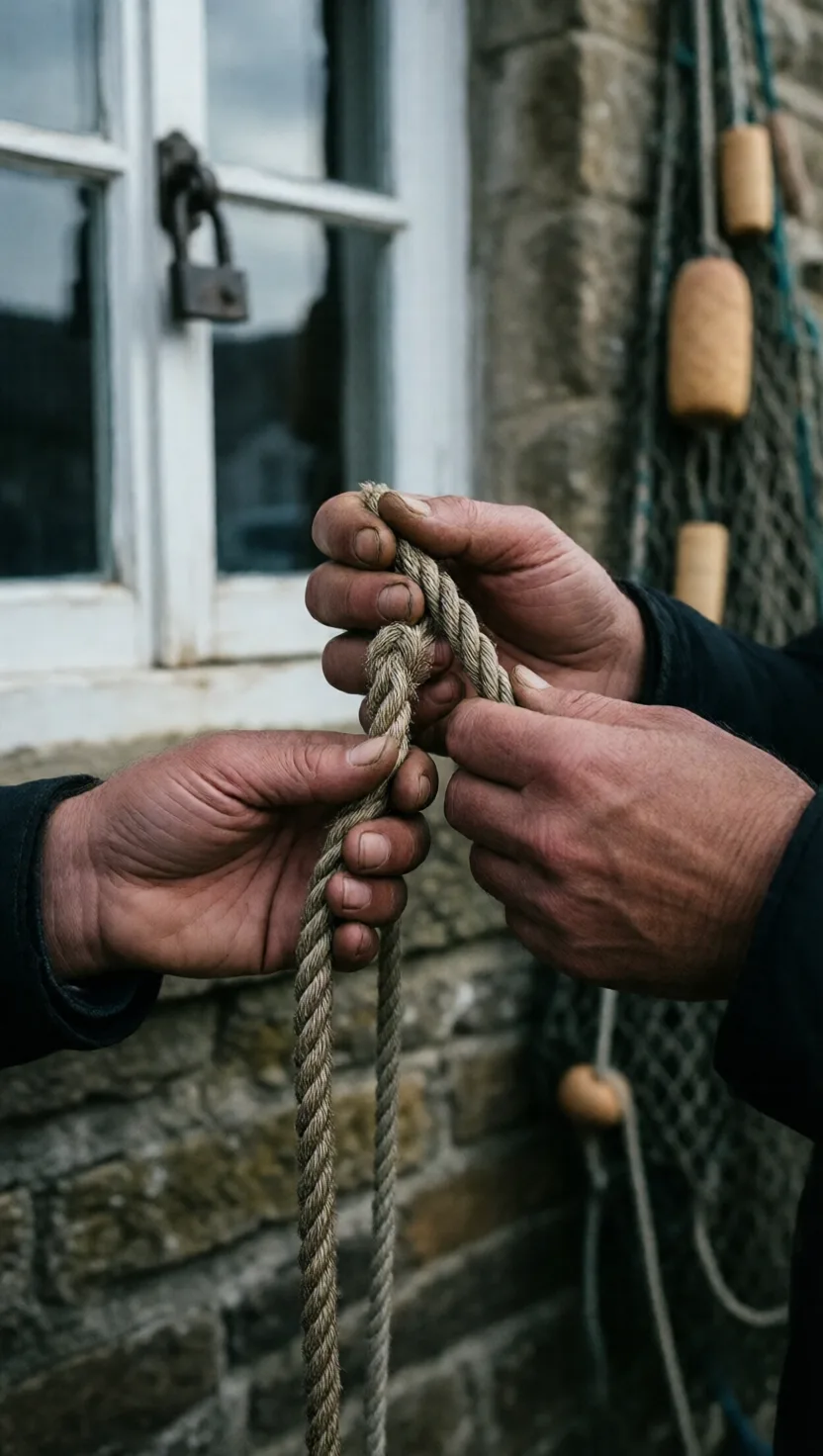
Caught on the window latch: a scrap of rope tied in a mariner's splice so old-fashioned that only two islanders still tie it. Same kind of evidence, wildly different force. Salma piles weight onto two pebbles and the scales lurch. A clue's power isn't drama — it's how much better it fits some people than everyone else. But one of her two riggers was asleep at the tavern… wasn't he?
New belief = how well it fits × how likely before

New belief = how well it fits × how likely before

P(AB)=P(BA)P(A)P(B)P(A \mid B) = \frac{P(B \mid A)\, P(A)}{P(B)}
She makes the rule exact. For each islander: how likely they already were, times how likely this clue would be if they were the thief — then rescale so all the weights total one. That's the whole machine. It's why the splice can't crown the tavern sleeper: a perfect fit times a tiny 'already likely' stays small. The scales tip toward the other rigger — and a door she must knock on at dawn…
The whole method has a name: Bayes' rule

The whole method has a name: Bayes' rule

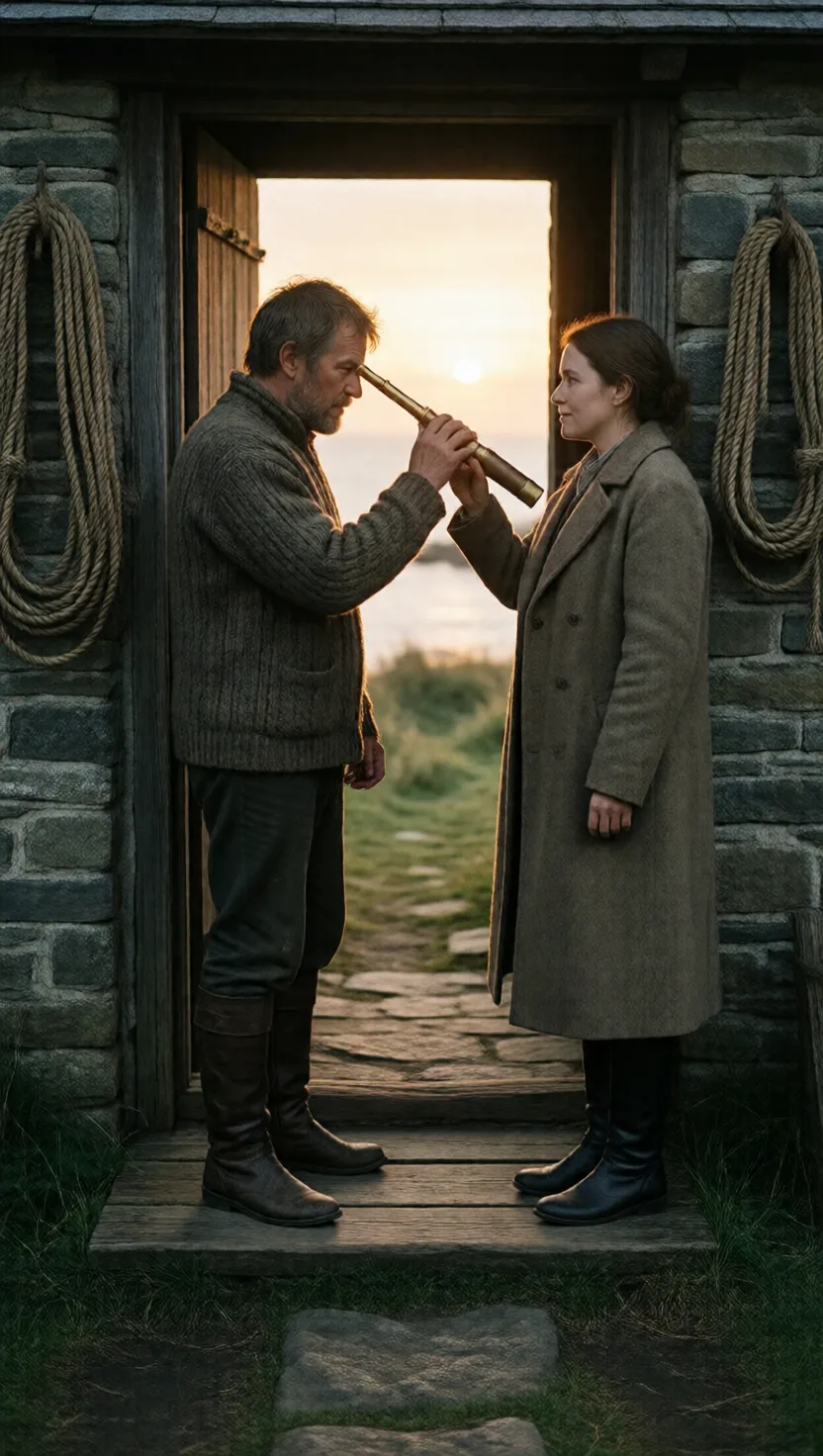
At dawn the rigger opens his door, sees her face, and fetches the spyglass from under a coil of rope. No clue ever named him. Each one re-weighed everyone, and Salma simply let the weights speak. Her method is Bayes' rule: belief after a clue = how well the clue fits × how likely before, rescaled. Evidence doesn't replace belief — it multiplies it. One last question follows her home…
🌱 Which of your scales can still be moved?

🌱 Which of your scales can still be moved?

Walking the cliff path home, Salma thinks about the scales everyone carries — about people, places, remedies, strangers. The pebbles get heavy with the years, and a heavy pebble is hard to move: it takes a clue that fits almost nothing else. So ask yourself what evidence would actually move your heaviest one. If you can't imagine any… is it still a belief, or has it become a stone?
tap →swipe ↑ for depthswipe ↓ to exit