Two rowers, one boat — and where the strength goes.

SRC·86 Source
The strongest pair on the river, and the boat crawls

The strongest pair on the river, and the boat crawls

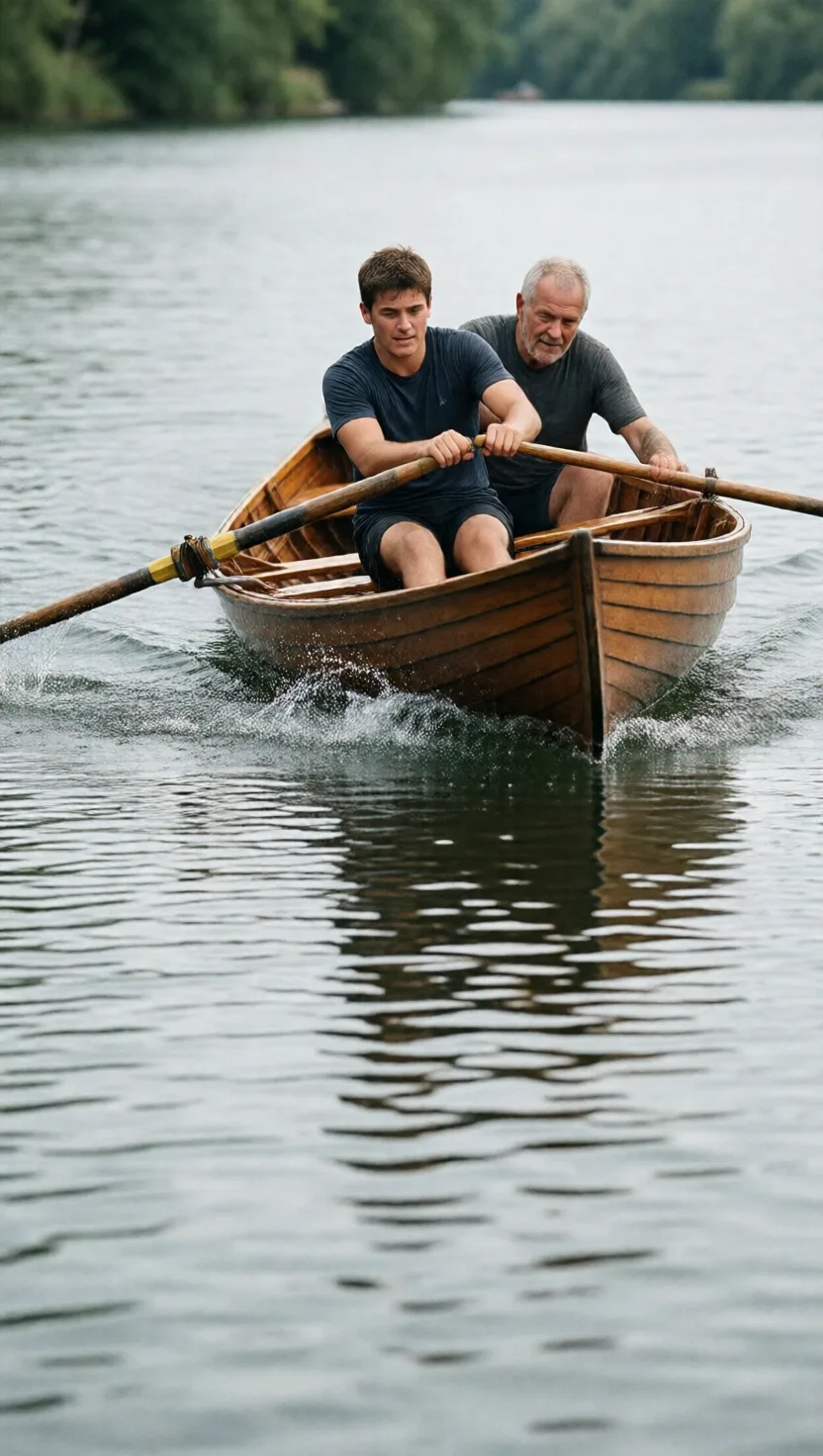
Two brothers row the ferry skiff across the wide morning river. Everyone calls them the strongest pair on the water — yet today the boat crawls, wandering sideways while lighter crews slide past. Their oars bite deep, the water churns white. The strength is real, all of it. So where does it go?
Pull with the heading, and the boat keeps everything

Pull with the heading, and the boat keeps everything

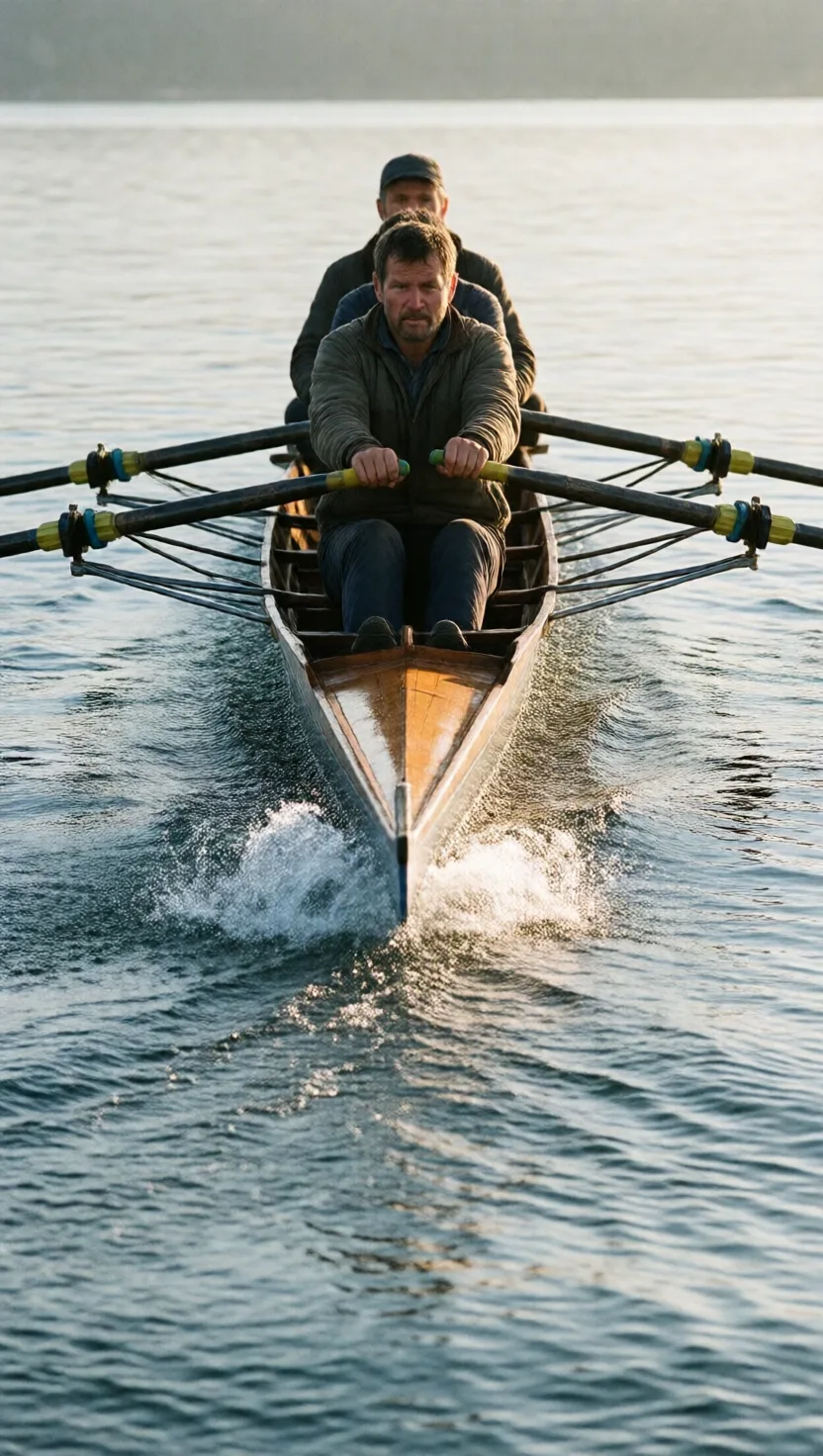
The old ferryman has them try one thing: both oars pulling exactly along the line the bow points. The skiff leaps. Nothing about their muscles changed — only the angle did. A stroke that agrees perfectly with the boat's heading is kept in full, every drop of it. Then he tells the younger brother to turn his oar crosswise…
A crosswise stroke rocks the boat and moves it nowhere

A crosswise stroke rocks the boat and moves it nowhere

The younger brother pulls just as hard — but straight across the heading. The skiff rocks, spray flies, and it gains nothing at all. A stroke at a right angle to the boat's line adds exactly zero to going forward; all that effort spends itself on wobble. And there is something even worse than zero…
Worse than useless: pulling against

Worse than useless: pulling against

Quarreling now, facing opposite ways, the brothers pull against each other — and the skiff slides backward past a willow they had already left behind. Effort against the heading doesn't vanish; it counts as negative, undoing the other rower's work stroke for stroke. The ferryman only nods: now they have felt all three answers…
The river only pays for the part that agrees

The river only pays for the part that agrees

Same way: kept in full. Crosswise: nothing. Against: taken back. The ferryman puts it plainly — the boat feels each stroke's shadow on the keel line: how hard you pulled, times how much your direction agrees. Two pulls can be equally mighty and be worth entirely different amounts. This little trade has a name…
One number that scores agreement: the dot product

One number that scores agreement: the dot product

ab=abcosθa \cdot b = \lVert a \rVert \, \lVert b \rVert \, \cos\theta
Take two pulls — two directions — and multiply how strong each is by how much they agree; the agreement is the cosine of the angle between them: 1 aligned, 0 crosswise, −1 opposed. The one number you get is the dot product. Machines score meaning the same way: every comparison is a stroke measured against a heading.
🌱 How much of your pull lies along your keel?

🌱 How much of your pull lies along your keel?

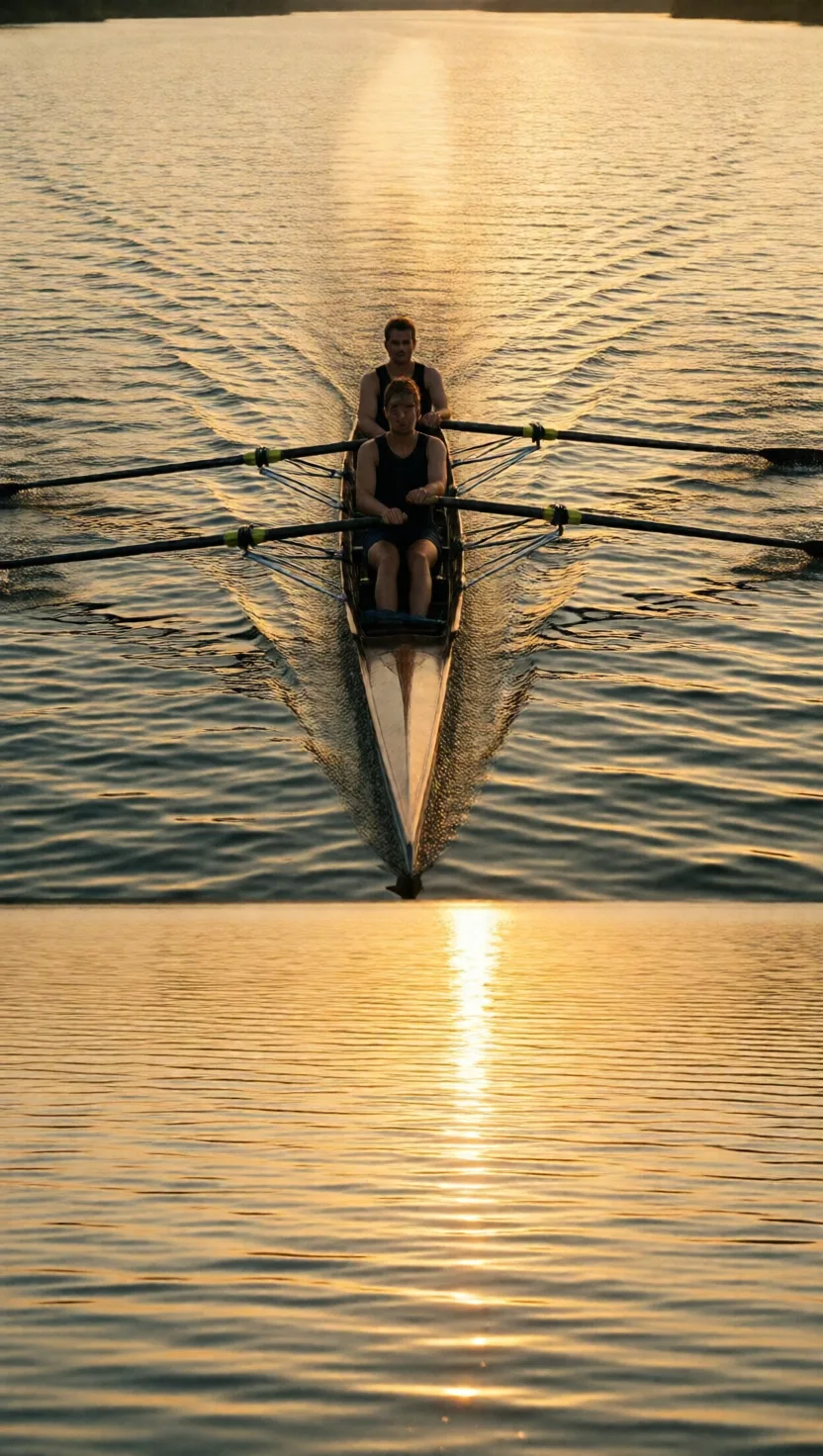
At dusk the brothers row home matched at last, the wake one straight seam behind the boat. The old man's question follows them ashore: strength was never the problem — alignment was. Of all the effort you will spend tomorrow, how much lies along the line you actually mean to travel, and how much is quietly crosswise?
tap →swipe ↑ for depthswipe ↓ to exit