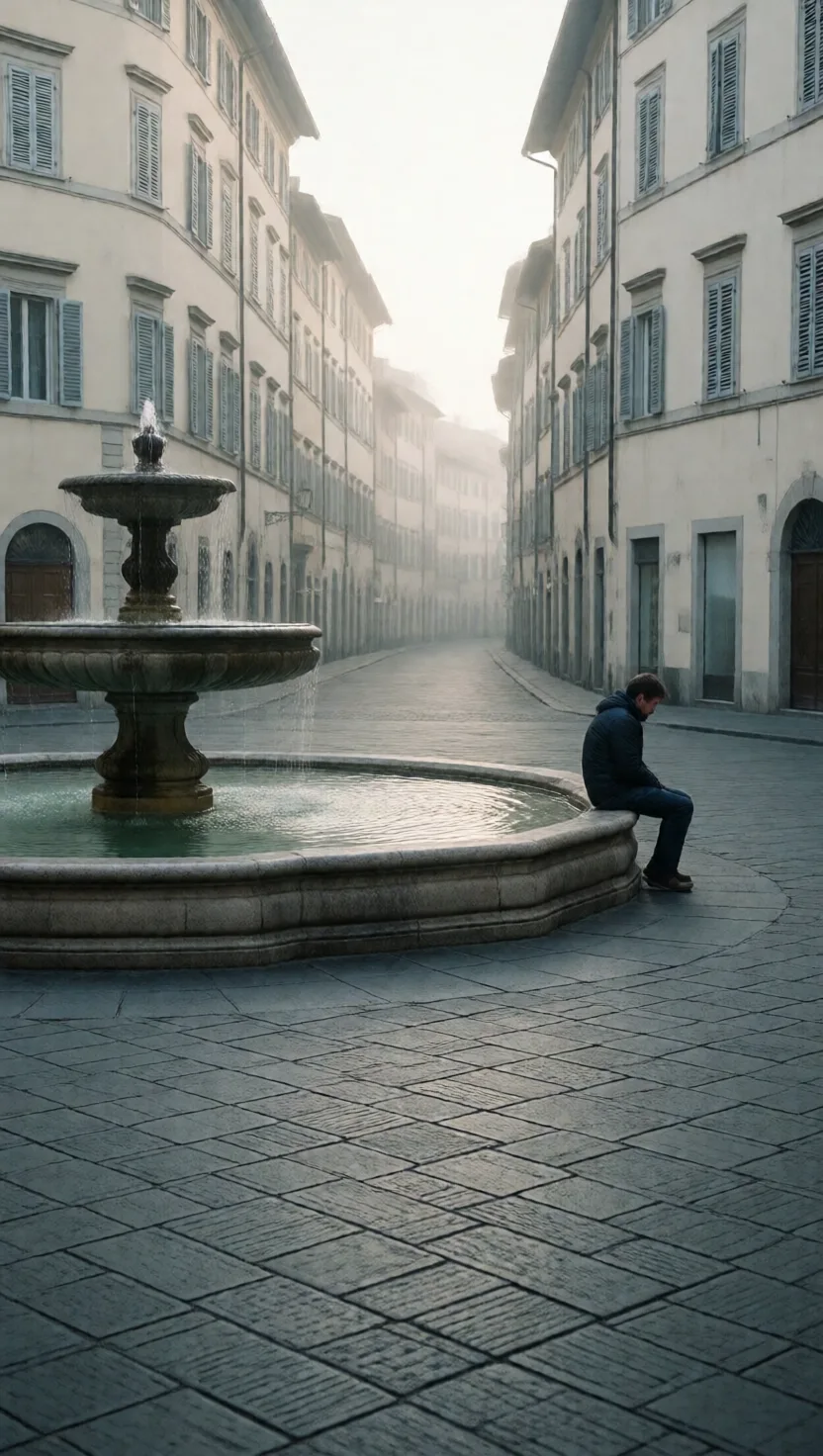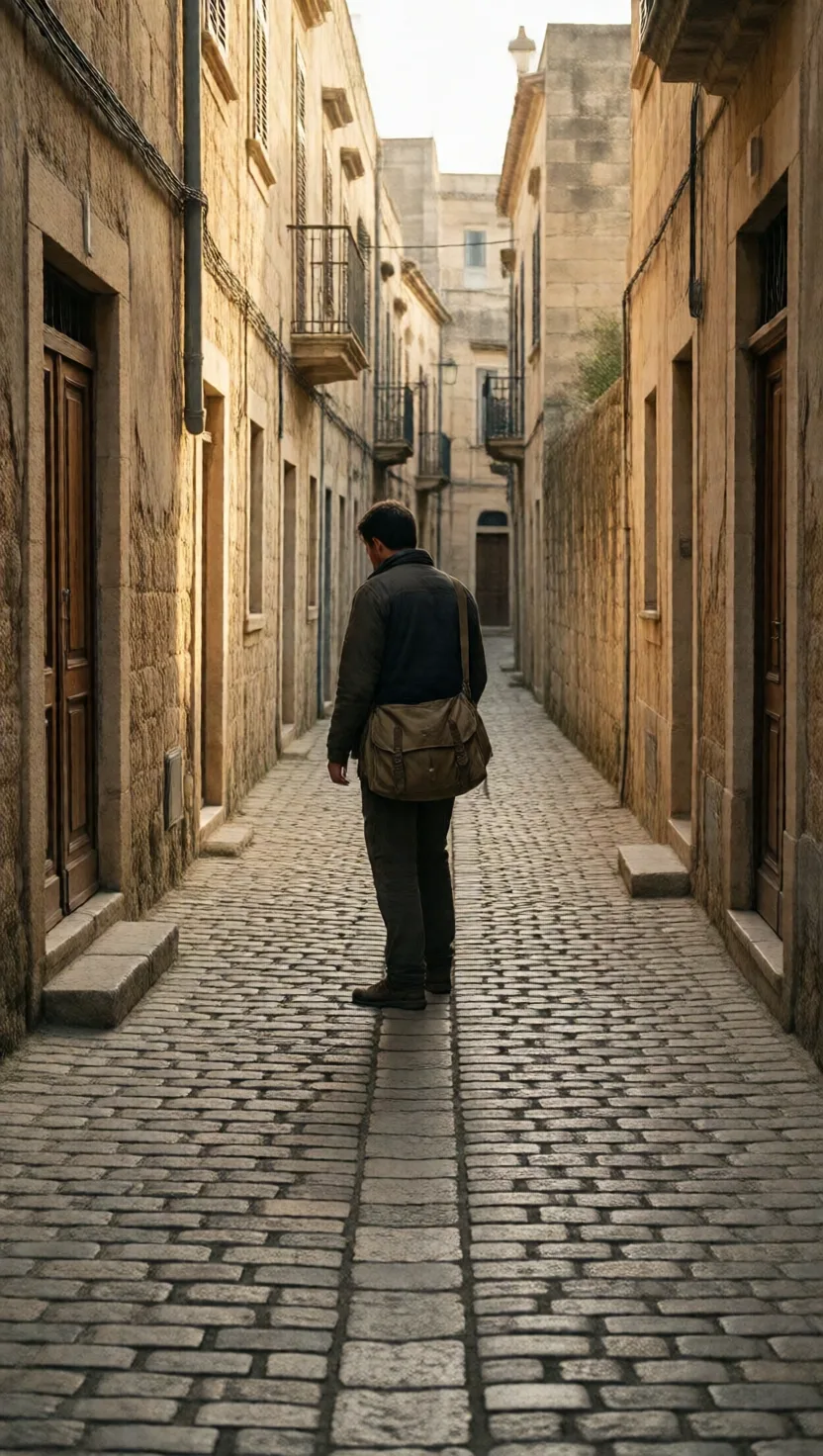
In a city with no street names, direction is meaning.

SRC·76 Source
A city with no street names

A city with no street names

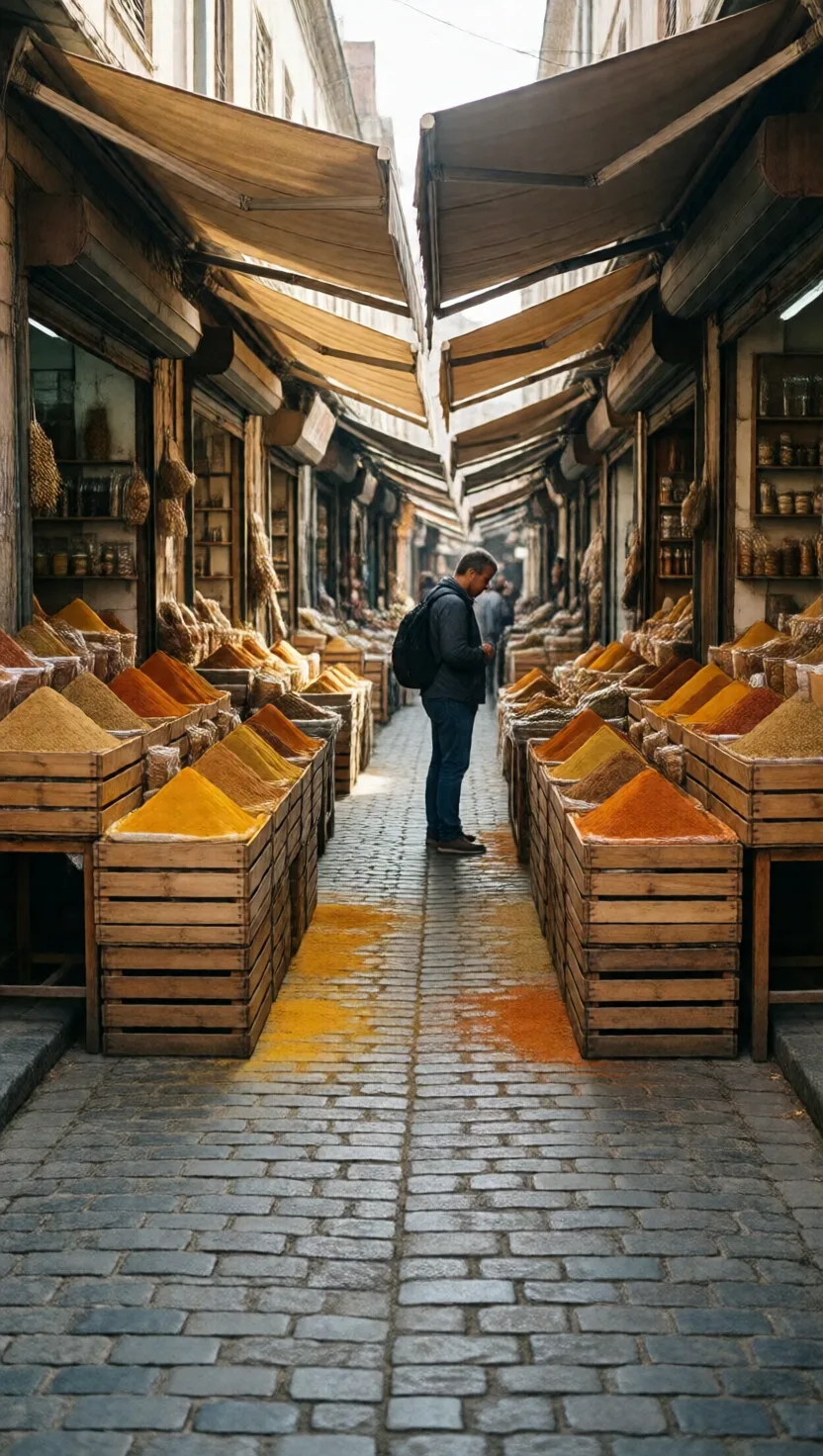
You step off the boat into a city with no street names — no signs, no numbers on the doors. Yet the locals find anything without hesitating. Ask for the spice shop, and an old merchant simply writes two numbers on your palm and walks away. Two numbers — for an entire city?
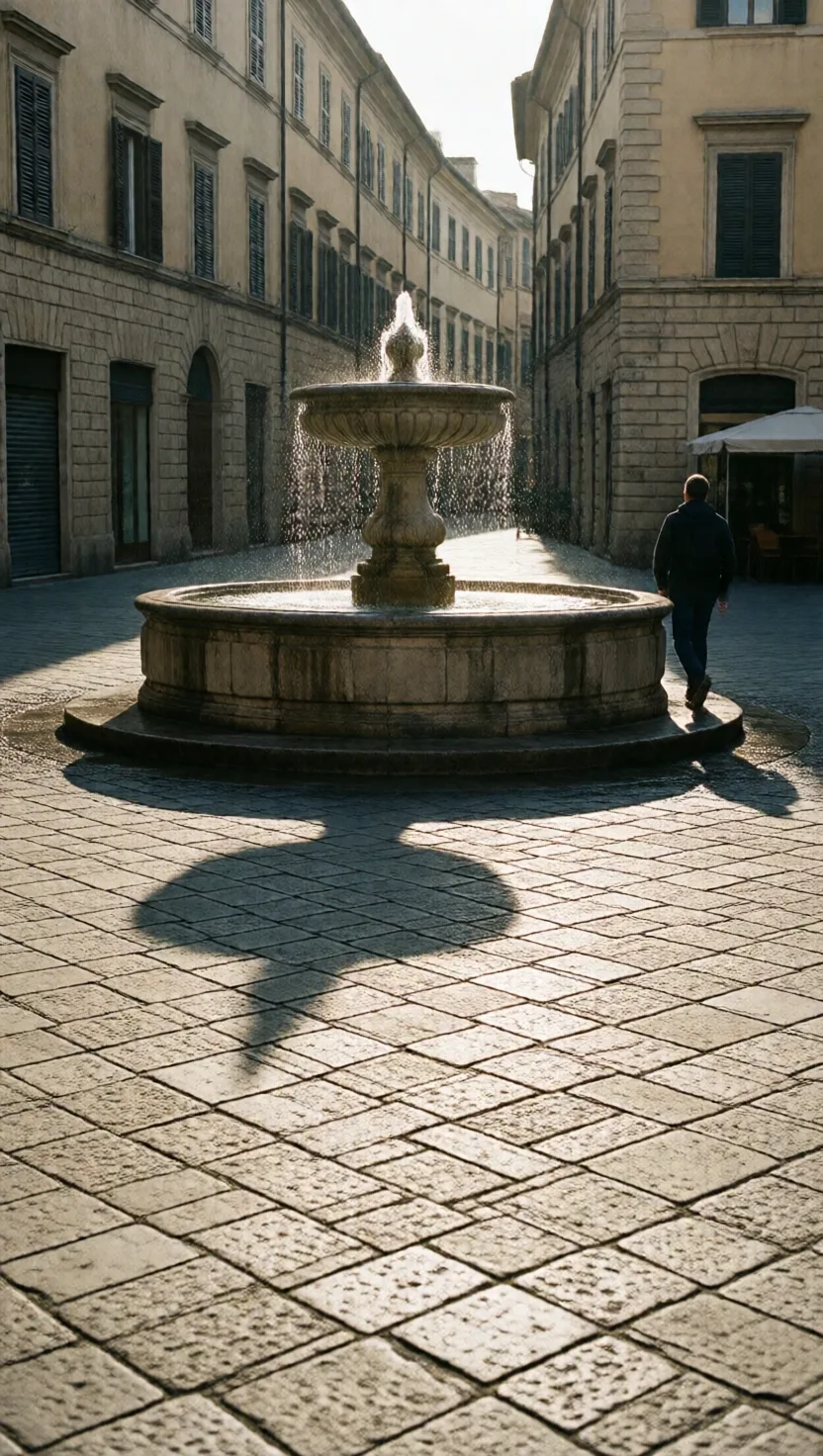
Every address is a walk from the fountain

Every address is a walk from the fountain

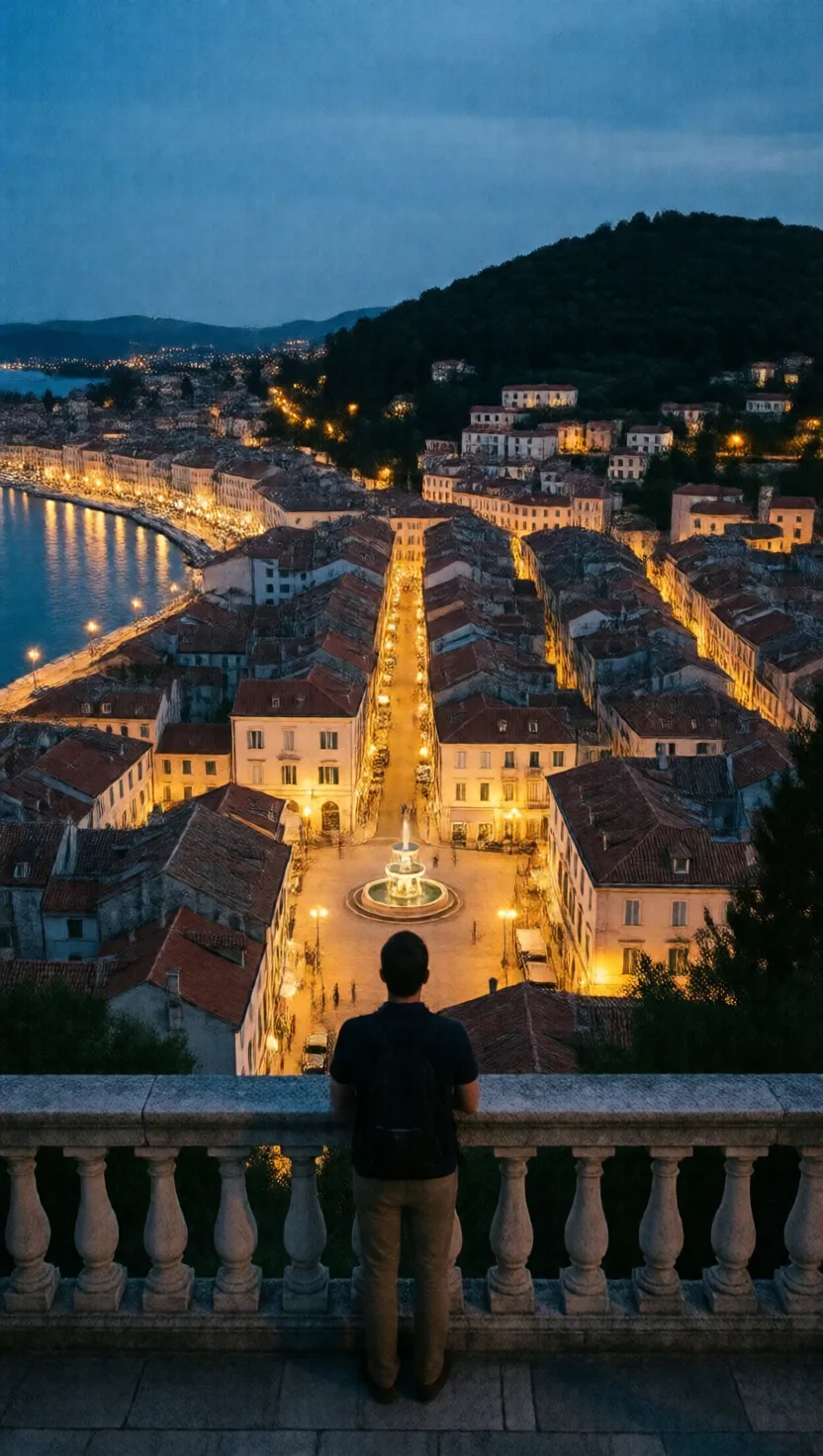
The secret is the fountain in the central square. Every address is a walk that starts there: so many paces north, so many paces east. The merchant's numbers were your walk. Two numbers pin down any door in the city, because every place simply is its walk from the fountain. Then the numbers start doing something stranger than pointing.
Neighbors on foot are neighbors in kind

Neighbors on foot are neighbors in kind

Two shops whose walks almost match stand almost side by side — and sell almost the same things. Your old guidebook listed shops by license number, where shop 7 told you nothing about shop 8. But walks have distance: places whose numbers sit close are genuinely alike. And soon the directions themselves begin to speak.
Toward the harbor, everything gets fishier

Toward the harbor, everything gets fishier

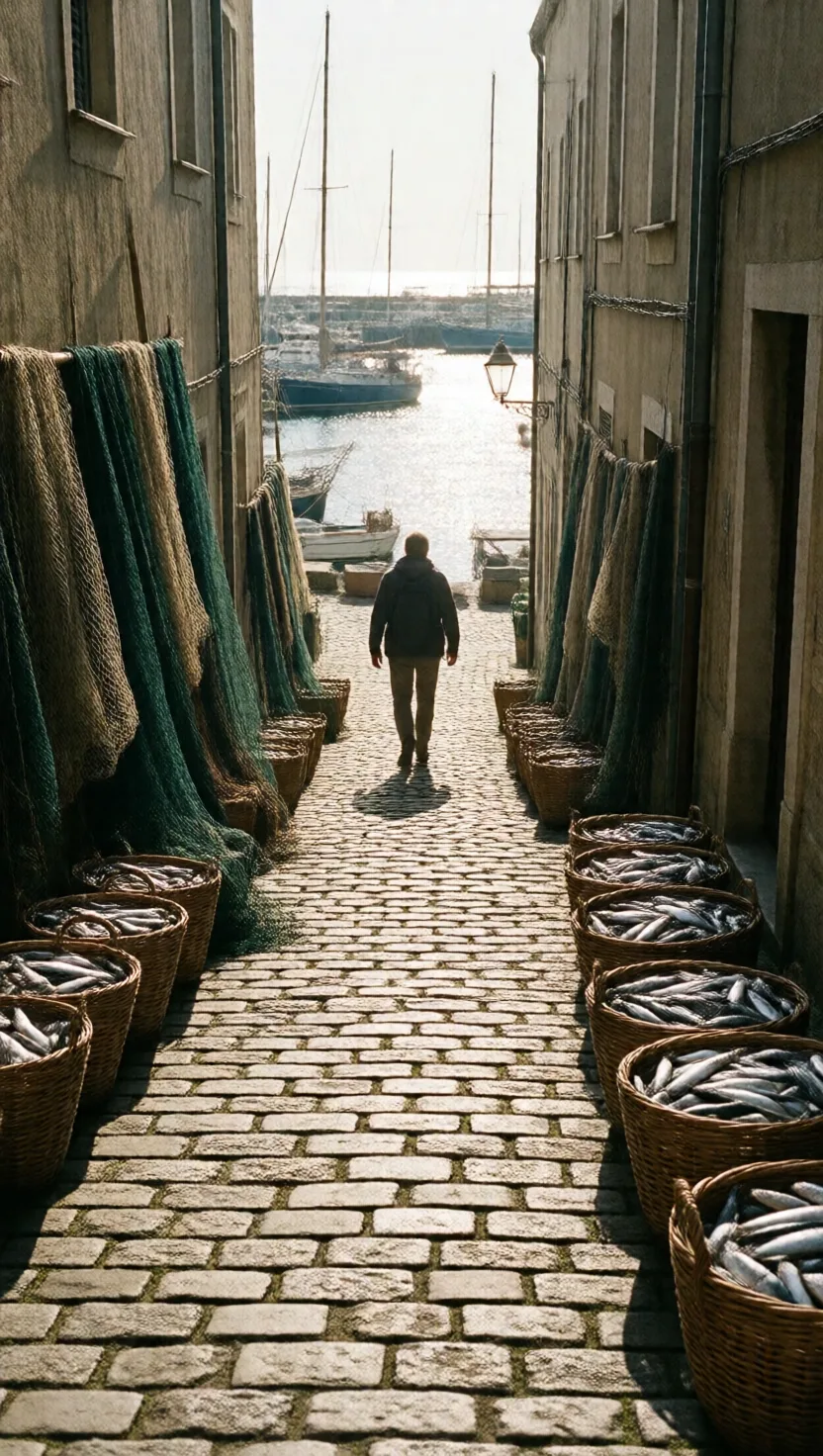
Walk east toward the harbor and each block smells more of salt; the stalls turn to nets and oysters. Climb north toward the hill and the houses grow grander, the courtyards quieter. A direction isn't just a way to go — it's a quality that turns up as you move along it. Which plants a strange urge: to do arithmetic with places.
You can average two places

You can average two places

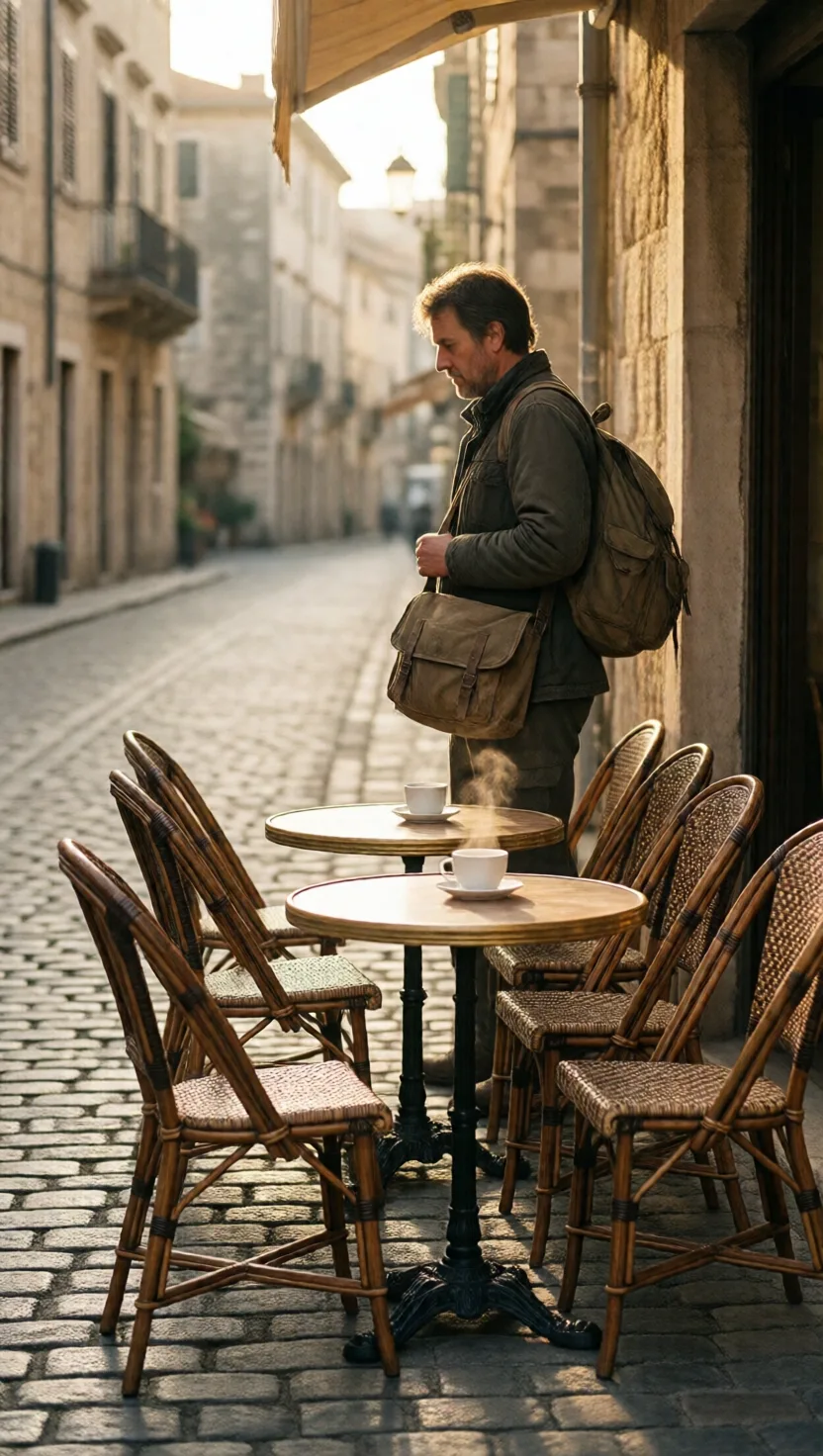
Halfway between the bakery and the tea house? Average the two walks and pace it out — you land at a café, a place that blends both. Scale a walk, add walks: that is the whole game, and every trip in the city is built from those two moves. The locals shrug. But a machine, it turns out, plays exactly this game with words.
Two numbers with a direction: a vector

Two numbers with a direction: a vector

The merchant's pair of numbers is a vector: a point placed by directions that mean something. Machines pull the same trick on words — each word becomes a list of numbers along learned feature directions, so cat lands near dog and far from car. Your city needed two directions. Theirs use thousands, and no one has ever walked them.
🌱 Who names the directions?

🌱 Who names the directions?

In your city, harbor-ward meant fishier because the fish were already there — the meaning came first, the direction after. In a machine's city of words, the directions are learned, and nobody labels them. 🌱 If a direction can mean something no language has a word for, what is that map full of that we have never named?
tap →swipe ↑ for depthswipe ↓ to exit