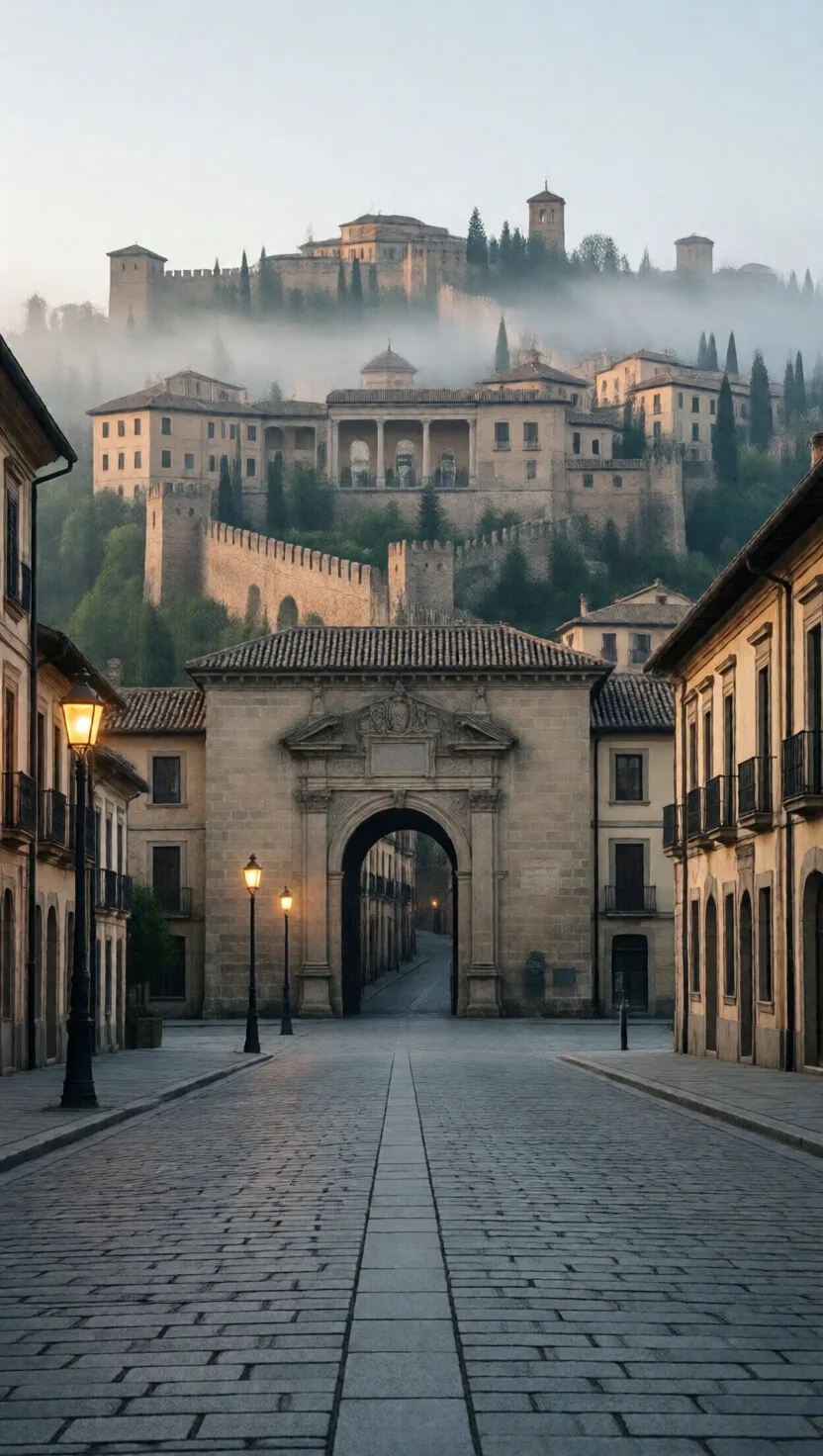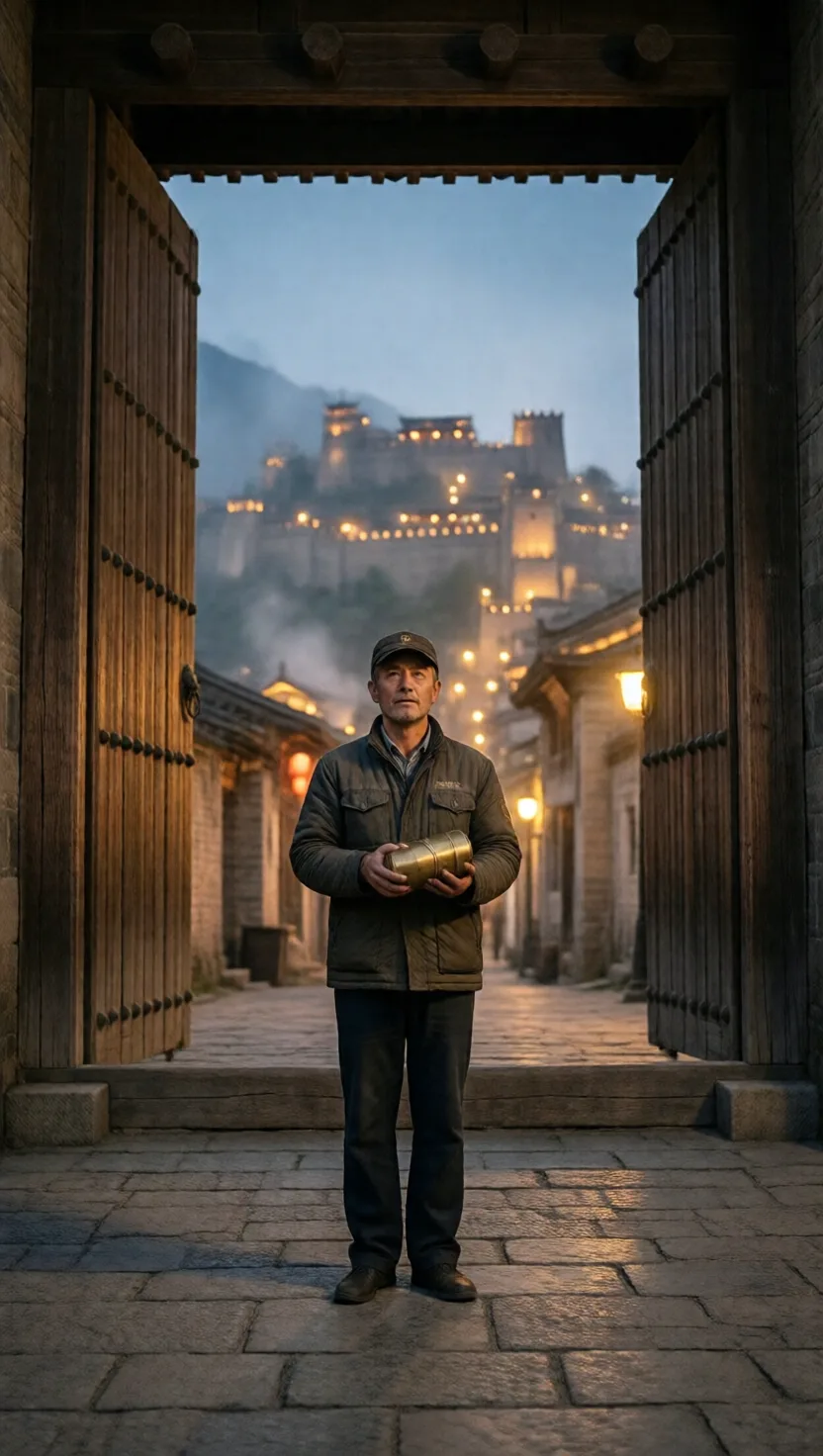
A question's journey through the city that answers one word at a time.

SRC·135 Source
A question enters the gate; one word will leave the tower

A question enters the gate; one word will leave the tower

At dusk a courier reaches a walled city that does one thing: it answers. Hand any question through the gate and, after a while, a single word is called from the high tower — then the city draws breath and produces the next word, and the next, until an answer stands complete. Tonight we slip in behind one question, to see everything that happens between asking and that first word. The gate opens on, of all things, a kitchen…
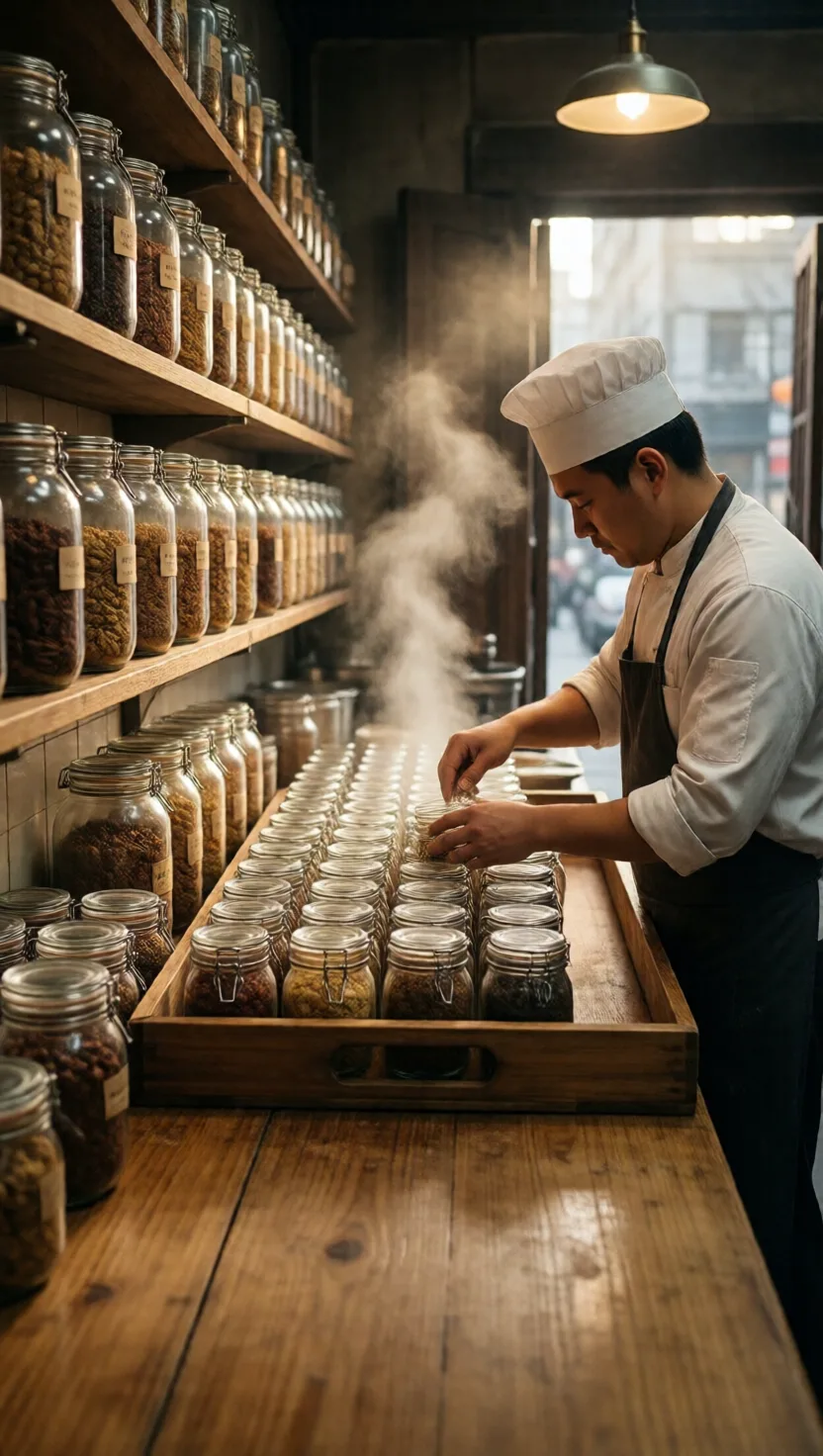
First, the question is chopped to match the kitchen's jars

First, the question is chopped to match the kitchen's jars

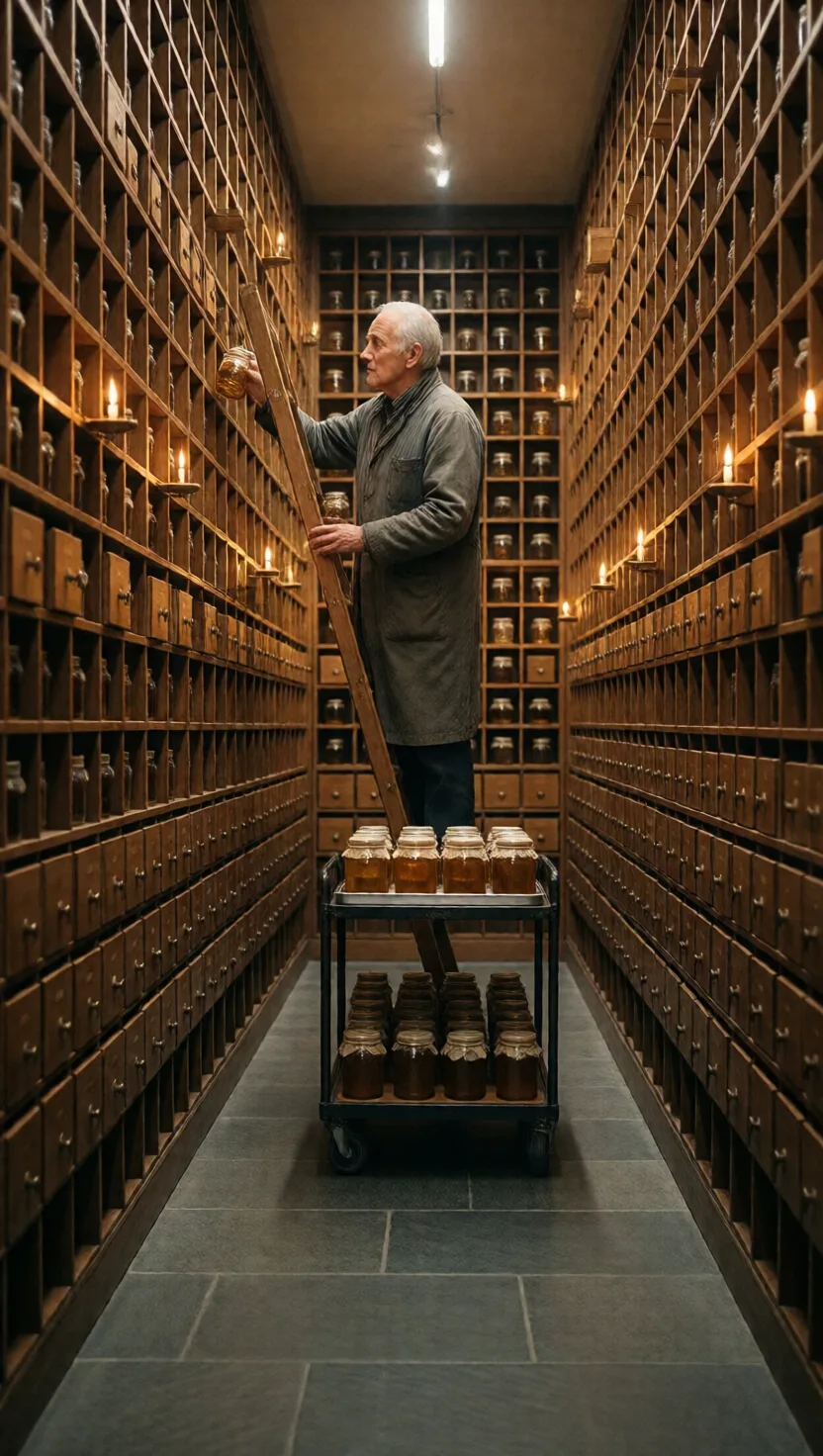
Just inside the gate, shelves of jars — one for every scrap of language the city handles often. Common words own a whole jar; pairs that arrive together often enough have earned a shared one; a rare name is built from several jars of fragments. The question is chopped along those lines and becomes a row of jars on a tray, in order. Nothing is understood yet — a jar is only a jar. For meaning, the tray is carried to the hall of coordinates…
In the librarian's hall, every jar gets a place — and place is meaning

In the librarian's hall, every jar gets a place — and place is meaning

In a vast hall a librarian assigns each jar an address: a long list of coordinates placing it among the city's meanings. Jars for similar things are shelved near one another — salt beside pepper, king near queen — so nearness itself says what a thing is. Each jar now carries a first rough guess at its meaning. Rough, because the one jar for 'bank' gets one address, whether rivers or money wait nearby. Telling those apart is the tower's work…
Floor after floor: smell everything again, add one small correction

Floor after floor: smell everything again, add one small correction

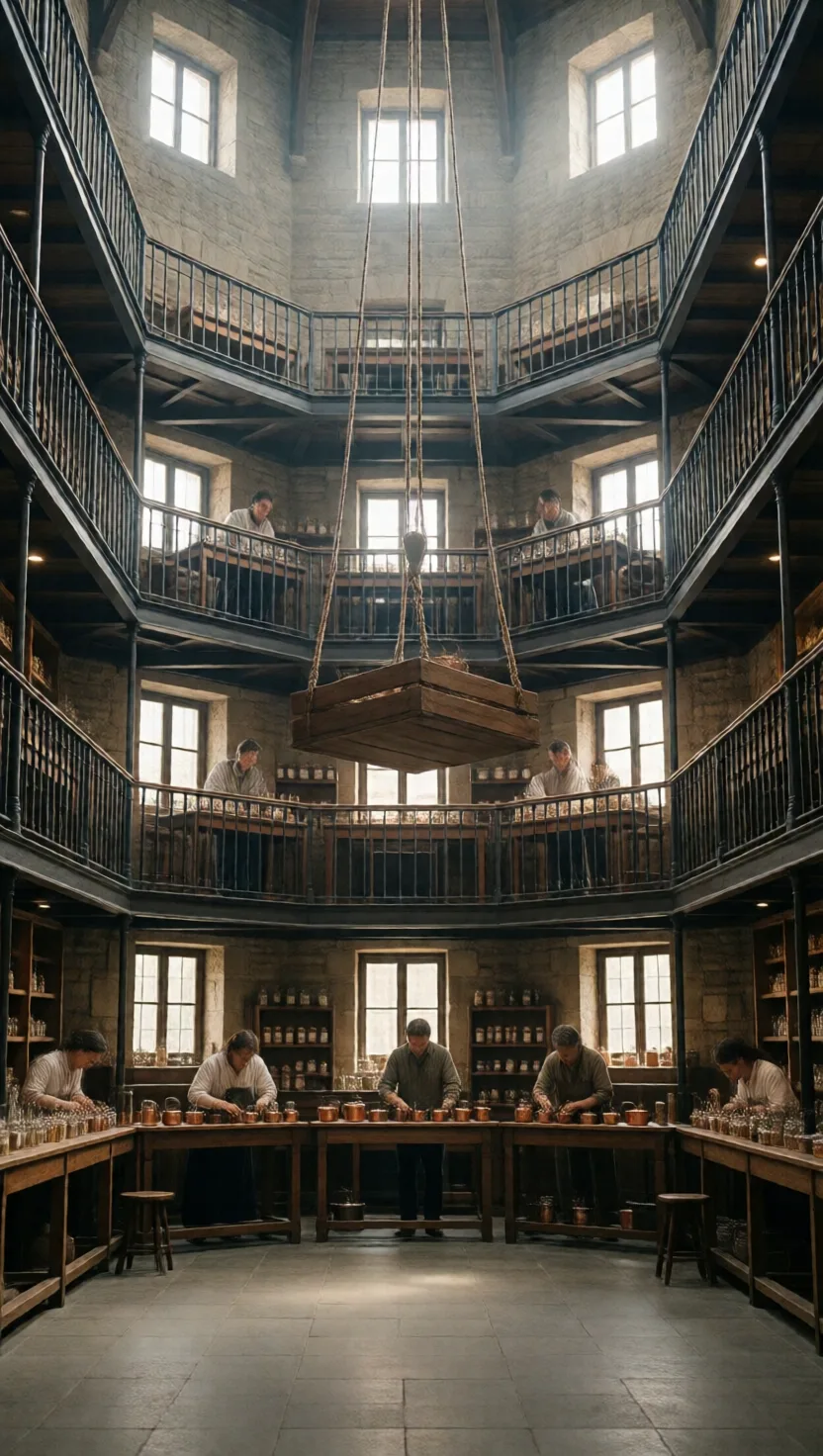
The tray climbs a tower of working galleries. On every floor the same ritual: perfumers smell each jar against every other on the tray — what do my neighbors change about me? is there a river near this bank? — then stir one small correction into the pot riding beside it. The pot is never emptied and always moves forward whole, so each floor only refines what the floors below already built. Dozens of galleries up, the last pot holds a guess…
Every word bids to be next — the pot is split into shares

Every word bids to be next — the pot is split into shares

pi=ezi/Tjezj/Tp_i = \frac{e^{z_i/T}}{\sum_j e^{z_j/T}}
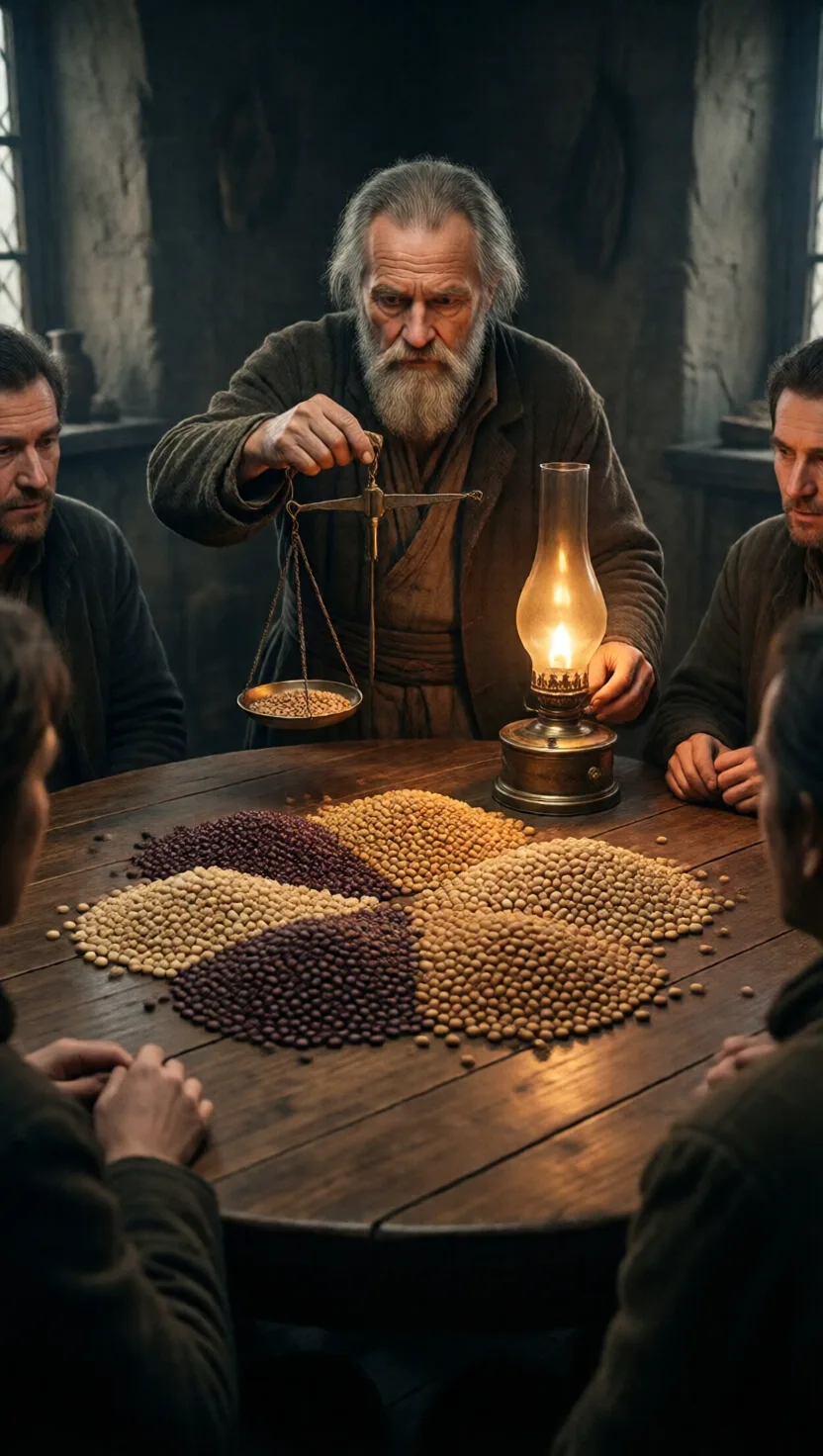
At the top, every word the city knows is scored on its bid to be next. The scores are split like a contest pot into shares of a whole — each raised as a power, divided by the total — the boldest bid takes most; every word keeps a sliver. The storyteller's warming knob is the T dividing every score first: cold, the top share swallows nearly all and the city plays safe; warm, they even out and stranger words get a real chance. One share is drawn…
One word falls from the tower — and the city runs again

One word falls from the tower — and the city runs again

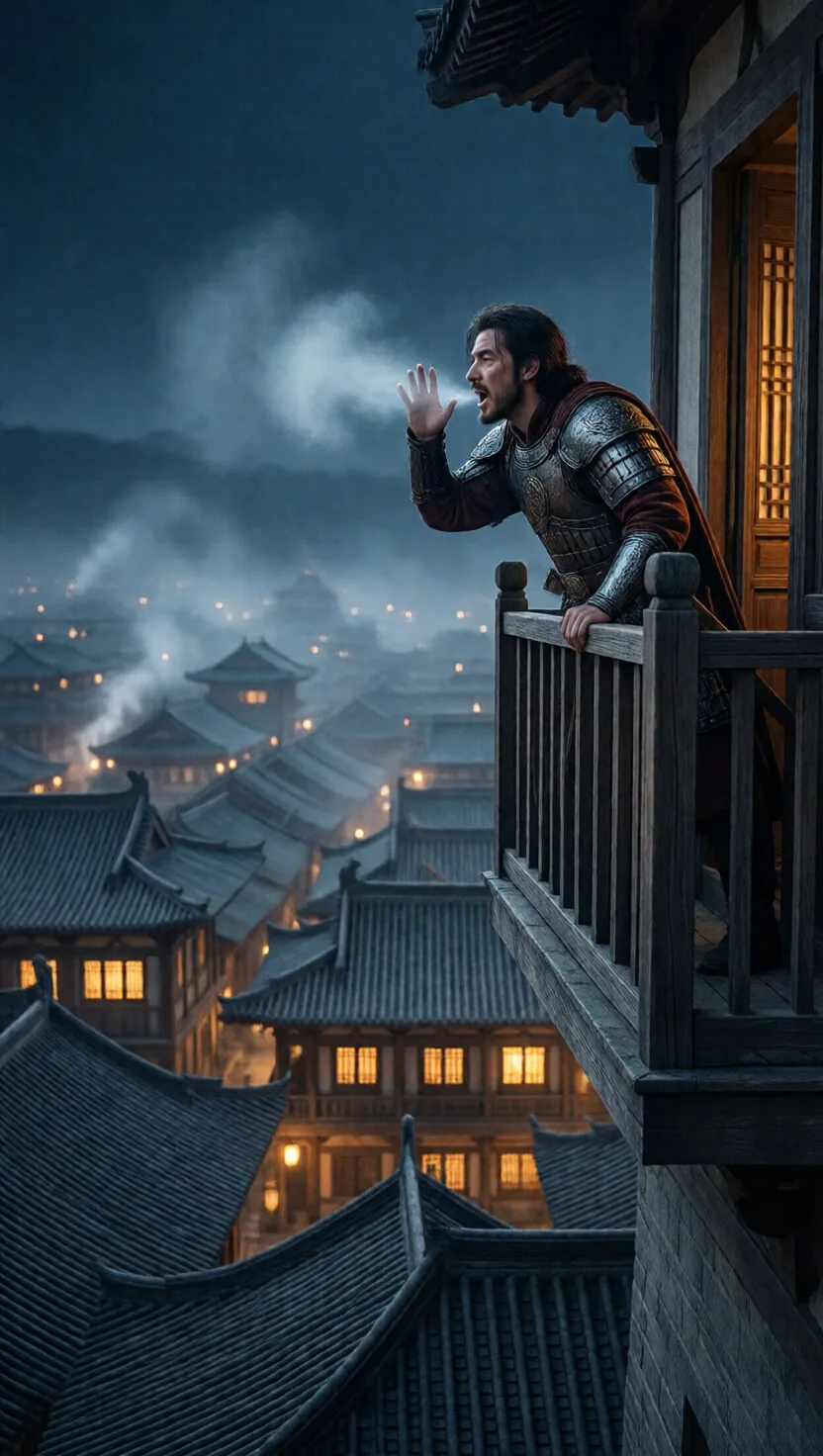
A single word is called into the night — the whole city's whole output. It joins the end of the question, and everything runs again: chop, coordinates, galleries, shares. That one run — pieces in, one word out — is the forward pass; an answer is just this pass repeated, each word feeding the next journey. One mercy: every jar's finished impressions stay pinned where they were made, never redone — each round, the desk grows one page fuller.
🌱 Where does the whole answer live?

🌱 Where does the whole answer live?

At dawn the city rests, having spoken a thousand words, one journey each. Here is the quiet puzzle: no floor ever saw the whole answer. Every gallery added one small correction; every run chose one word. Yet the finished answer reads as if someone had planned it from the first sentence. If every part only does its small next thing, where does the plan live — and how much of what you call your own intentions works the same way?
tap →swipe ↑ for depthswipe ↓ to exit