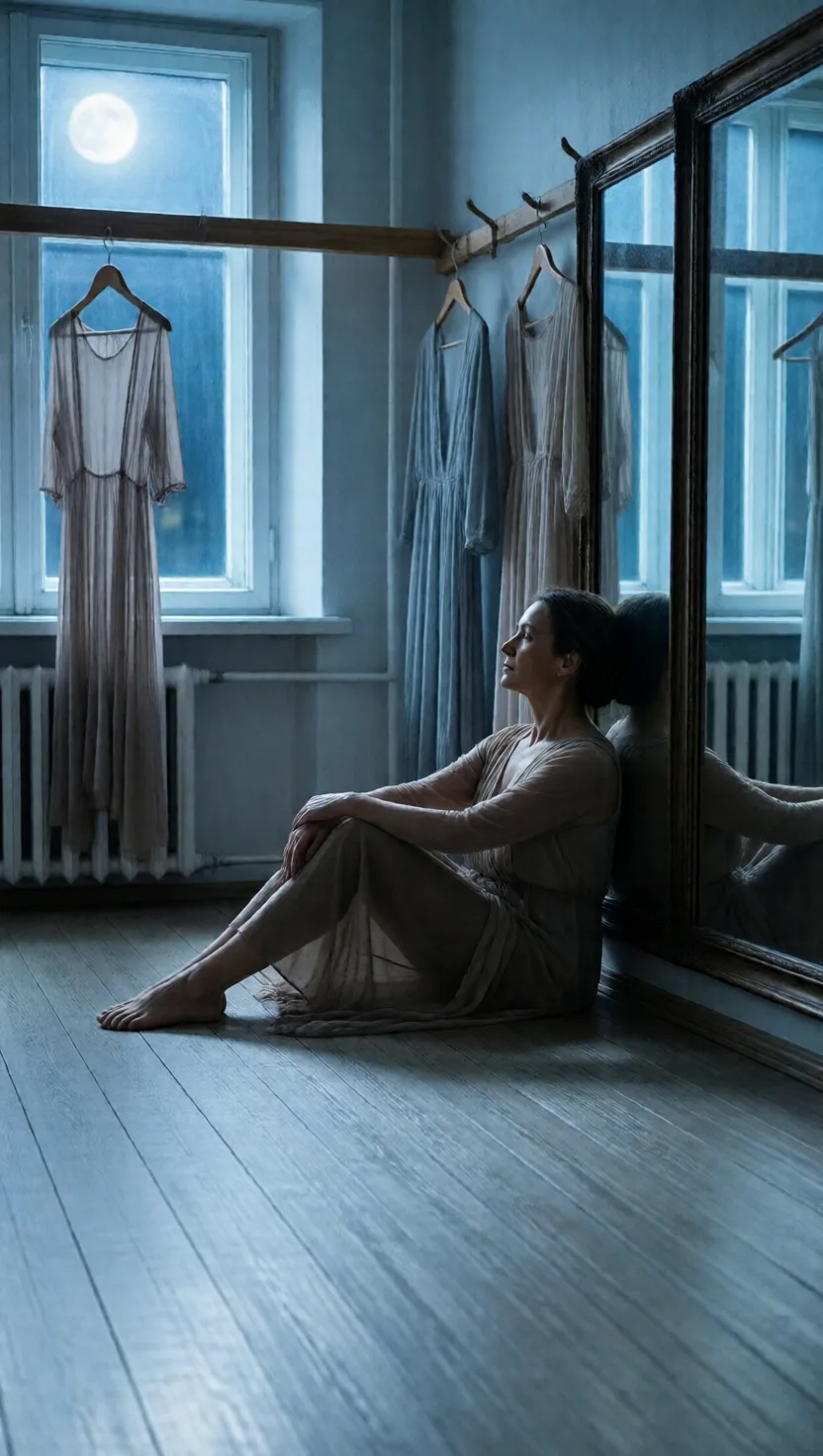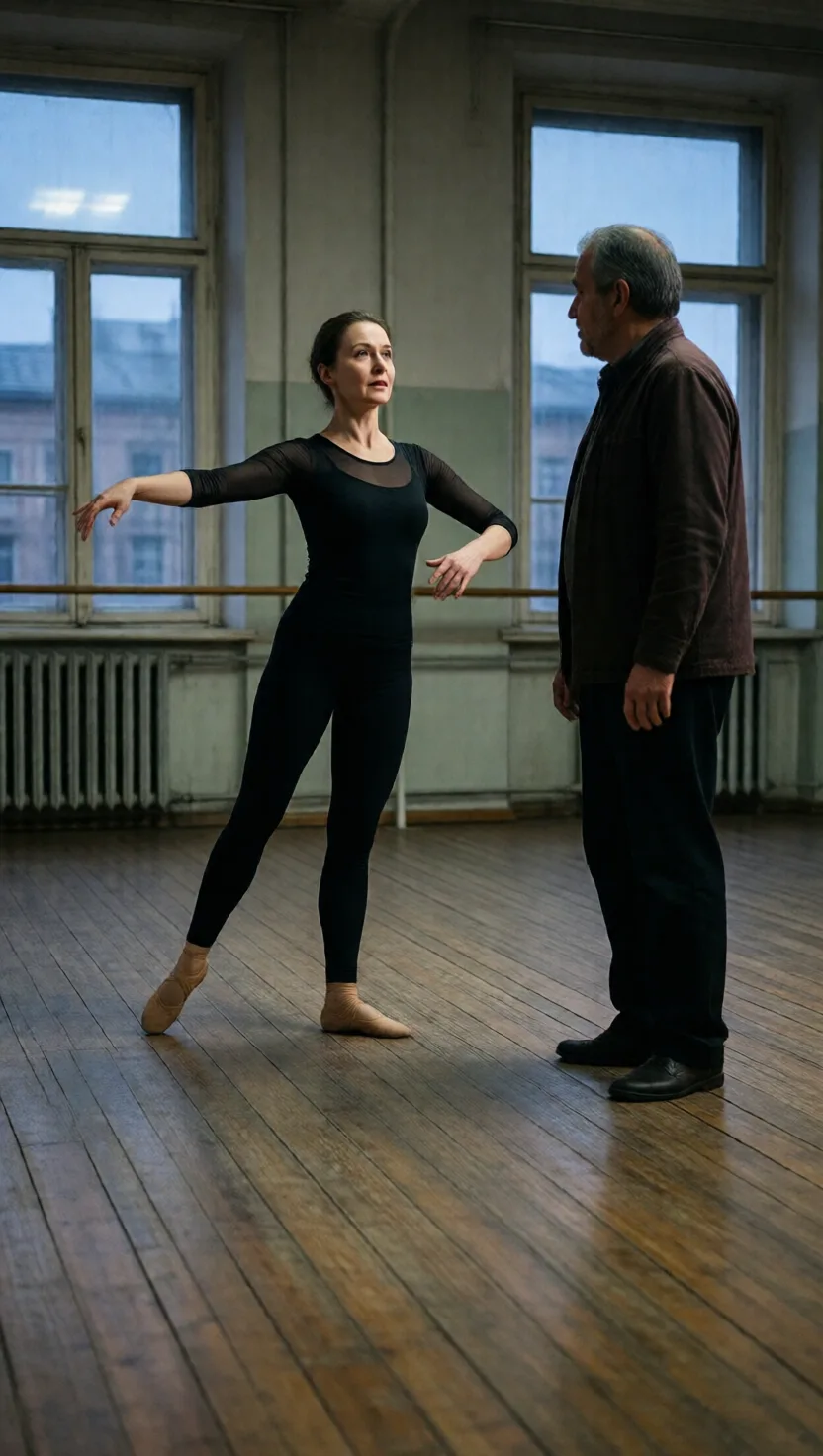
The dancer who learned a foreign style without relearning herself.

SRC·134 Source
Learn a foreign dance in one season — without touching the old one

Learn a foreign dance in one season — without touching the old one

Vera has danced one tradition for thirty years; it lives in how she stands, how she falls, how she breathes. Now a foreign company invites her to master their style in a single season. Impossible, say her friends — it took decades to build her. The visiting teacher watches her cross the floor once and smiles: nothing will be rebuilt. Then how do you teach a new dance without touching the dancer?
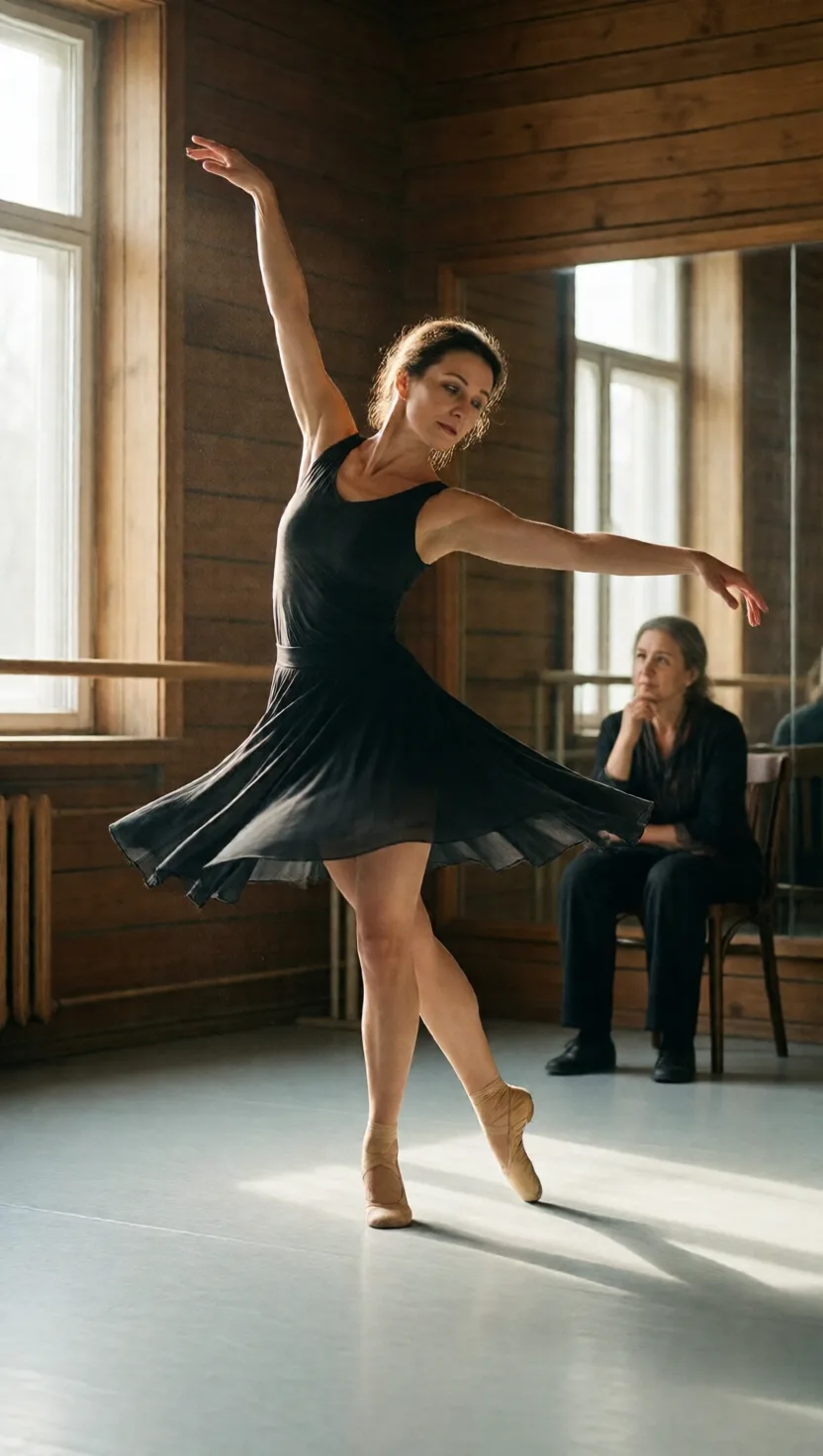
The new style is not a new body — it is a re-aiming of this one

The new style is not a new body — it is a re-aiming of this one

Her balance, her turns, her way of hearing rhythm: an enormous inheritance, and none of it wrong. The teacher's claim is stranger than rebuilding — the distance between her dance and theirs is small. Most of what the foreign style needs, thirty years already built; what is missing is a handful of tendencies. The deeper the training underneath, the fewer the knobs that need turning. So the teacher brings out a short list…
A few dozen standing adjustments, each riding through every step

A few dozen standing adjustments, each riding through every step

The list is strange: tilt the wrist so, delay the hip half a beat. A few dozen small standing corrections — not steps, not choreography. Each is tiny, yet rides through everything: delay the hip and every turn she owns comes out different. On the first day the corrections are set to nothing — she dances exactly as herself — and week by week the teacher feathers them in. And because they only sit on top of her, something else becomes possible…
The whole style comes off in a breath, like a thin garment

The whole style comes off in a breath, like a thin garment

Her decades were never edited, so nothing needs undoing. Drop the adjustments and she is entirely herself again; resume them and the foreign dance returns, whole. By spring her wardrobe holds several such garments — one for each style she guests in, each just a thin list of corrections, light enough to carry in a pocket. One base, many overlays, switched between two pieces of music. Then a young student borrows one of the lists…
The student copies every adjustment — and no dance appears

The student copies every adjustment — and no dance appears

The girl practices each item faithfully: the wrist, the hip, the shoulder. What emerges is unsettling — gestures, and no dance inside. The corrections were never the style; they were corrections to thirty years of technique, a slight re-aiming of a vast trained thing. On a body that hasn't built the base, there is nothing to re-aim. The overlay is nearly weightless because the weight lives underneath it. And machines discovered the same economy…
Freeze the decades, train a thin overlay: LoRA

Freeze the decades, train a thin overlay: LoRA

W=W0+BAW' = W_0 + BA
A trained language model is Vera: billions of numbers of built technique. To give it a new voice you freeze them all and learn a thin correction on top — the old sheet of weights plus the product of two narrow strips. This is low-rank adaptation — LoRA. Thin is the trick: fully editing one 1024×1024 sheet means a million numbers; the rank-8 strips need sixteen thousand, 64× less — light enough to swap like a garment while the base stays whole.
🌱 What can a thin garment never teach?

🌱 What can a thin garment never teach?

Alone in the moonlit studio, Vera knows the garment's limit: it re-aims what her body already holds; it could never have poured the foundation — the foreign tongue's songs, its childhood games, its ground. Overlays redirect decades; they do not replace them. Think of your own fast changes — a new job's manner, a new city's pace. Which were thin garments over old training — and which change would need the foundation itself?
tap →swipe ↑ for depthswipe ↓ to exit