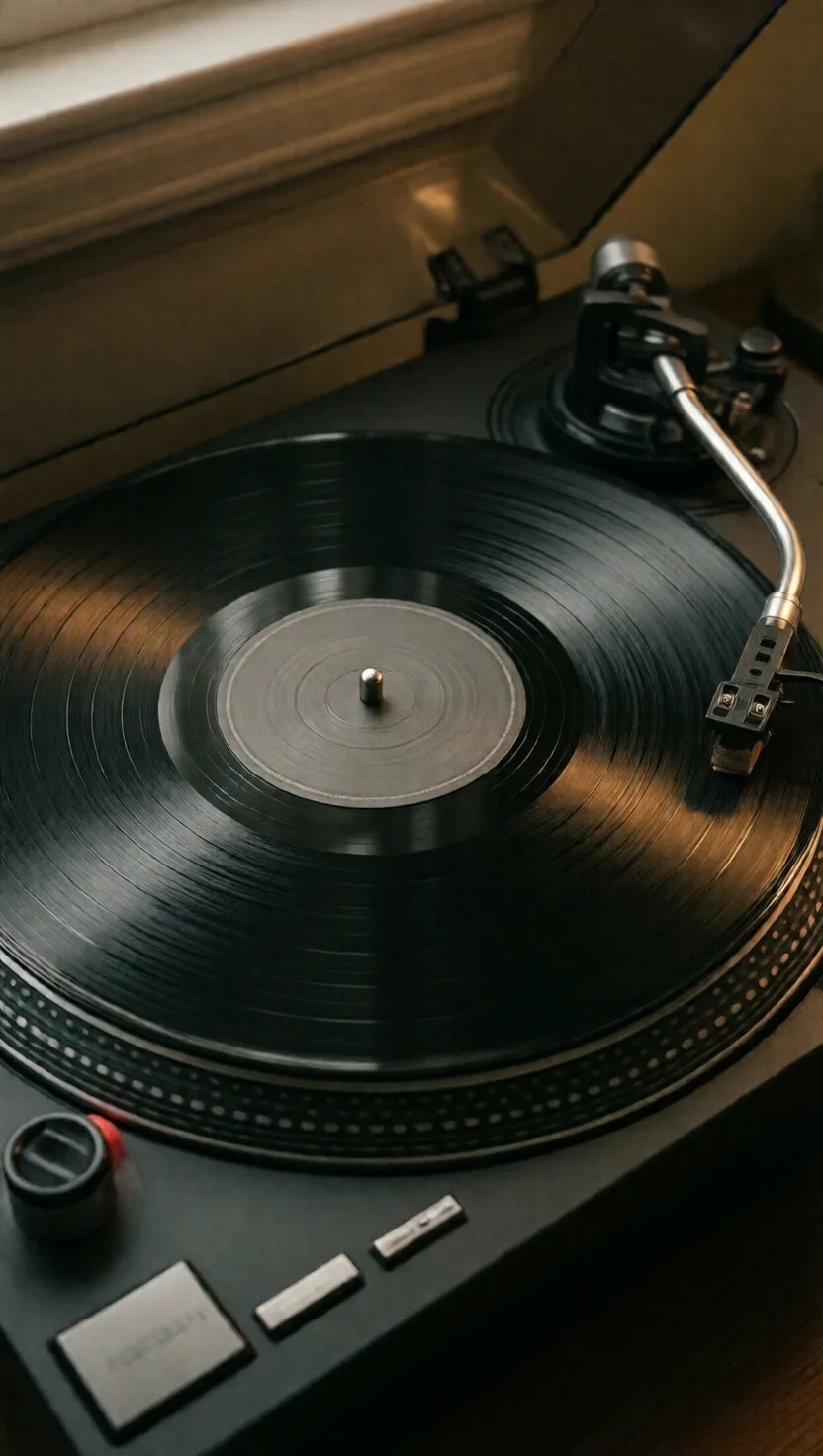
Why each next word stays cheap to generate.

SRC·13 Source
To add one word, it should reread the whole chat. It doesn't.

To add one word, it should reread the whole chat. It doesn't.

A chatbot streams words almost as fast as you can read them. But to choose each next word, a model is built to look back over everything said so far. Do that from scratch every single word, and a long conversation would crawl. It doesn't crawl — it pours. The trick that keeps it pouring is the whole story here.
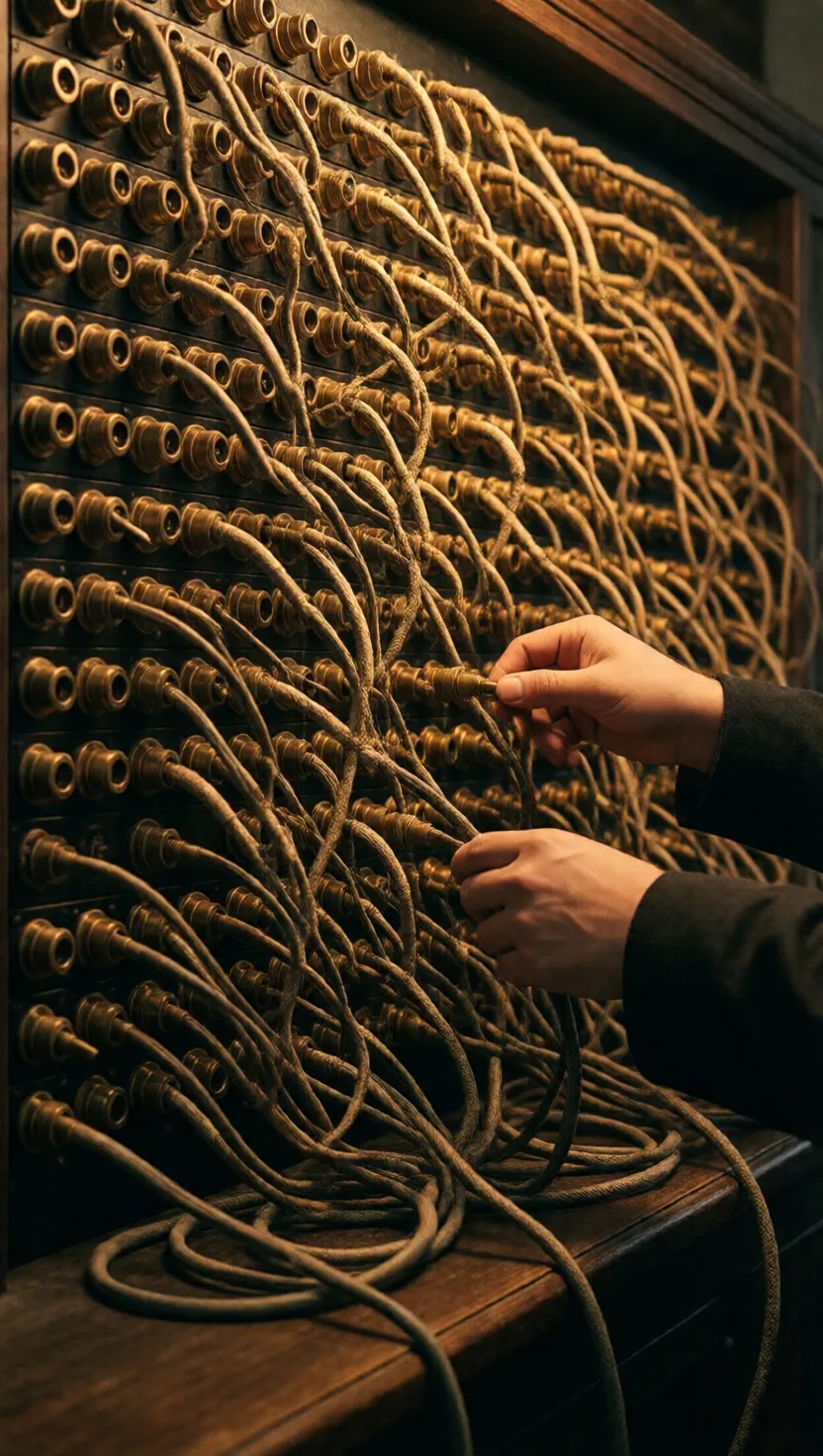
Each new word re-reads every word before it. It piles up.

Each new word re-reads every word before it. It piles up.

t=1nt=n(n+1)2n22\sum_{t=1}^{n} t = \frac{n(n+1)}{2} \approx \frac{n^2}{2}
A model writes one word at a time, and to pick each one it looks back across the whole prefix. Word 2 re-reads 1, word 100 re-reads 99, word 1000 re-reads 999. Like a switchboard re-patched by hand for every call: the same wiring laid down again and again. Add up all that rework and the cost climbs with the square of the length — double the chat, quadruple the work.
But the past never changes. So why recompute it?

But the past never changes. So why recompute it?

kj=xjWK,vj=xjWVk_j = x_j W_K, \qquad v_j = x_j W_V
When the model turns an earlier word into the two things attention needs — a Key and a Value — those depend only on that word. Words added later can't reach back and alter them. Like a handprint pressed into wet cement: the moment it sets, it's fixed for good. Compute it once, and you're done with it.
So save them. Keep a running table of Keys and Values.

So save them. Keep a running table of Keys and Values.

Attn=softmax ⁣(qtK1:td)V1:t\mathrm{Attn} = \mathrm{softmax}\!\left(\frac{q_t\,K_{1:t}^{\top}}{\sqrt{d}}\right) V_{1:t}
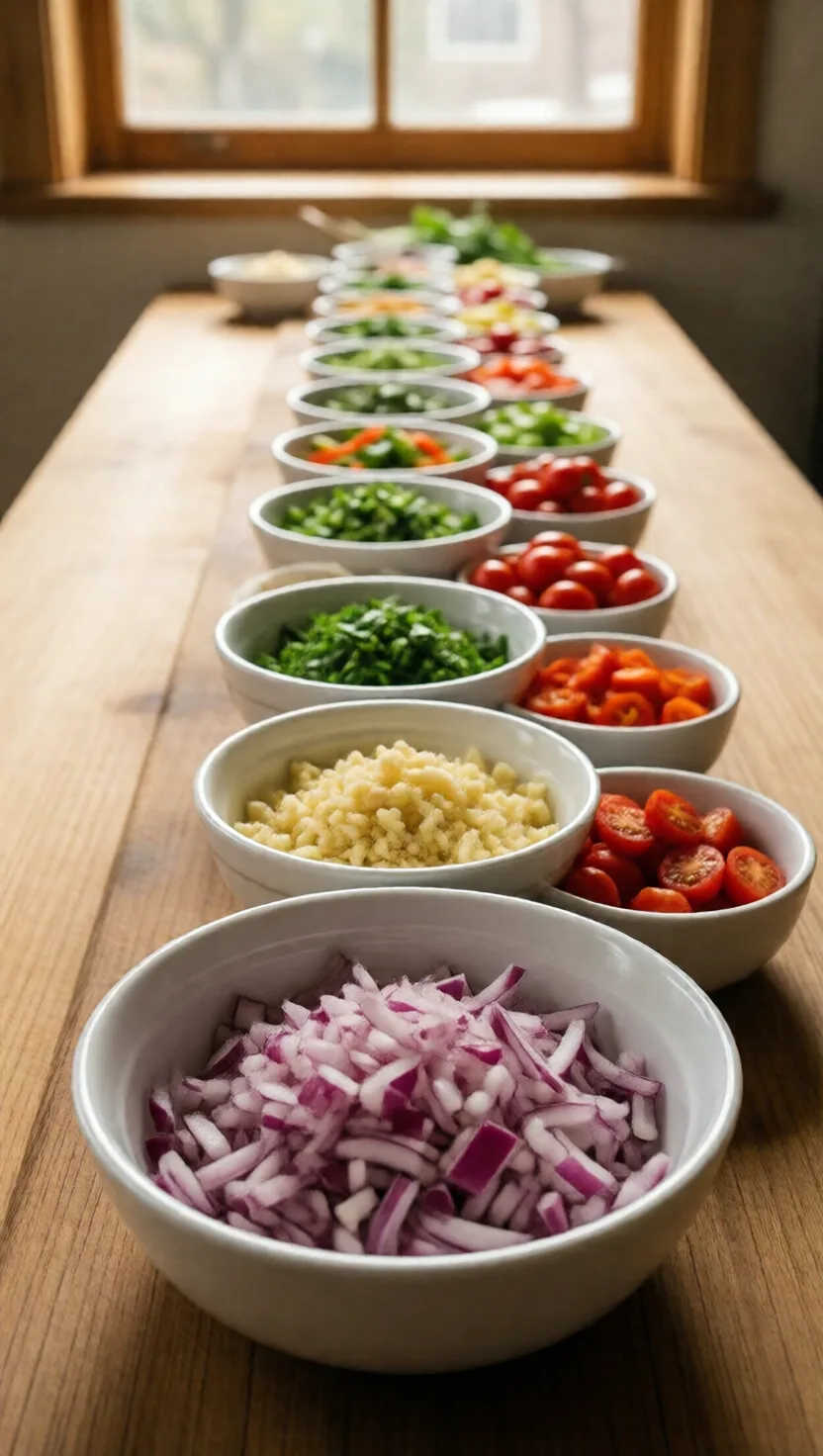
Don't redo the past — store it. Every Key and Value the model computes drops into a growing table. To write the next word, it forms one fresh Query and looks it up against that whole saved table. Like a chef's mise en place: prep every ingredient once, then just reach for what you need. That table is the KV cache.
Now each new word is cheap: encode one, glance at the rest.

Now each new word is cheap: encode one, glance at the rest.

O(d2)one new word+O(td)the glance    O(td2)re-encode all t\underbrace{O(d^2)}_{\text{one new word}} + \underbrace{O(t\,d)}_{\text{the glance}} \;\ll\; \underbrace{O(t\,d^2)}_{\text{re-encode all } t}
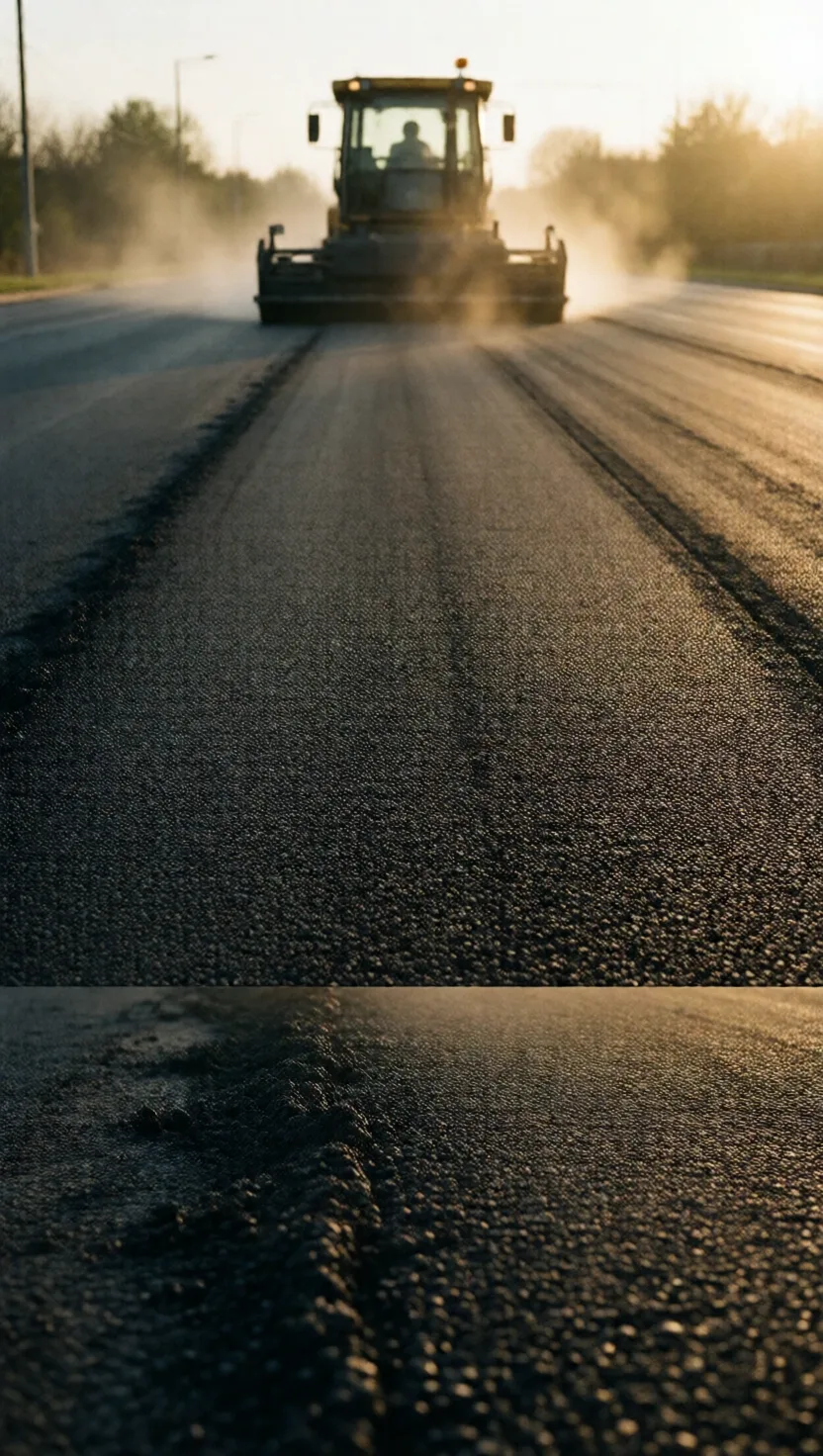
With the table saved, adding a word costs almost nothing. The model encodes just that one word — a flat cost, however long the chat — then takes a quick glance across the cached rows. Like paving a road: you don't re-lay the miles behind you, you add fresh asphalt only at the leading edge. The expensive re-encoding of the whole prefix is simply gone.
The catch: that table only grows. Memory is the new bill.

The catch: that table only grows. Memory is the new bill.

cache bytes=2Lndmodelb\text{cache bytes} = 2 \cdot L \cdot n \cdot d_{\text{model}} \cdot b
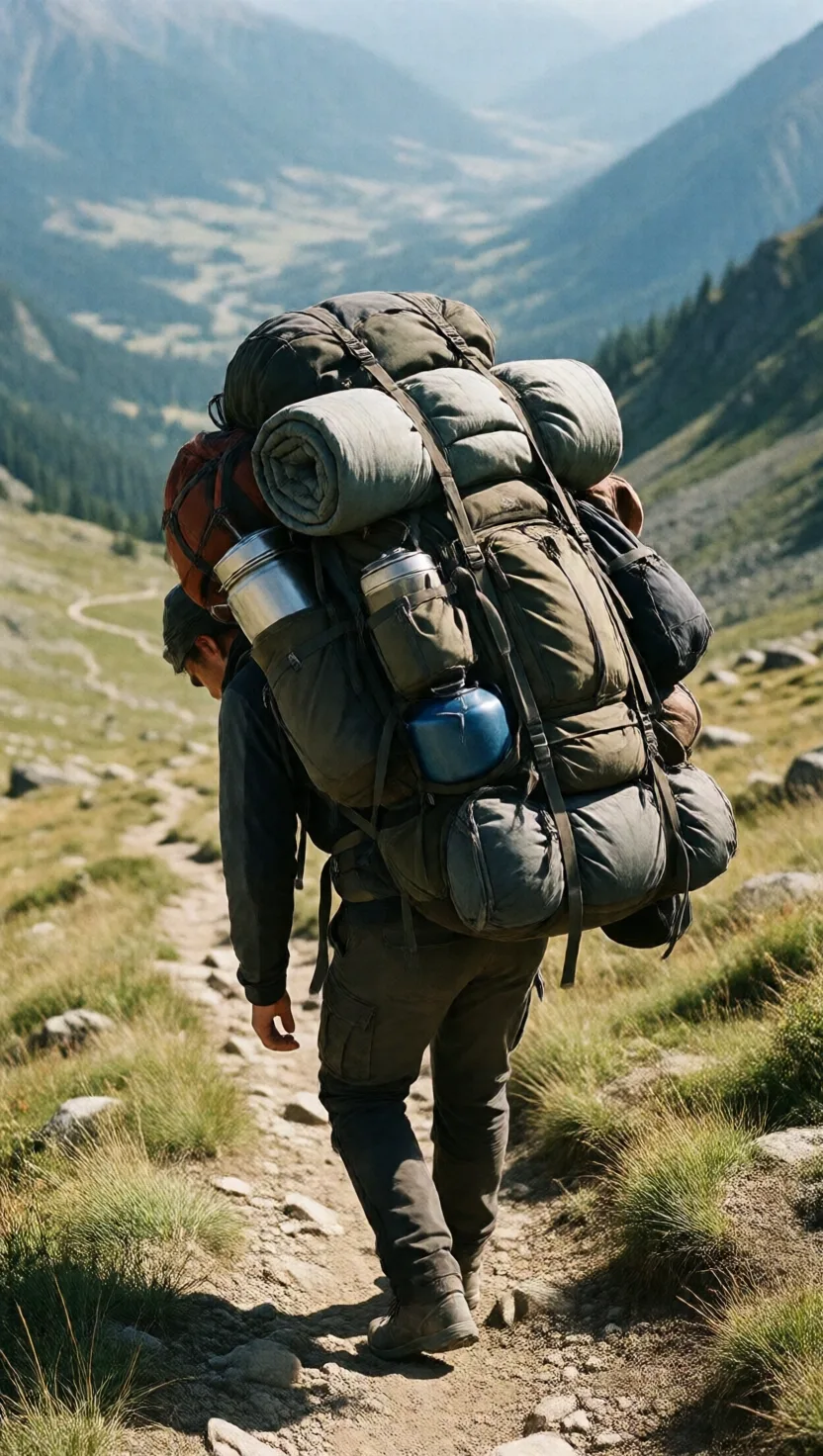
You bought speed with space. The cache stores two vectors for every layer, for every word so far — and it only swells as the chat goes on. For long contexts it balloons into gigabytes, and that, not compute, becomes the wall. Like a hiker who never sets anything down: the notes that keep you fast also pile onto your back, step after step.
Read the prompt once. Then stream — one cheap word at a time.

Read the prompt once. Then stream — one cheap word at a time.

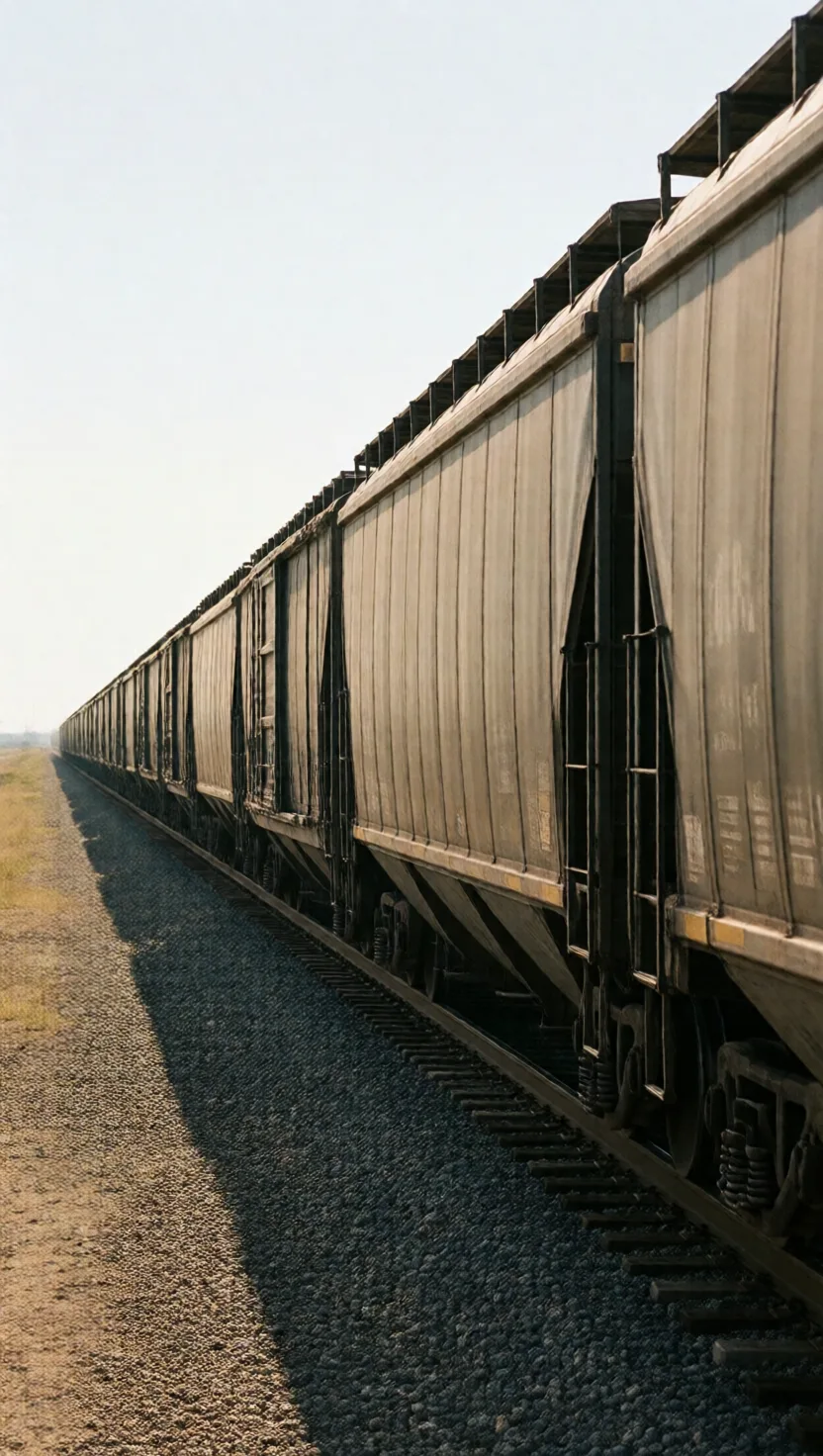
That's the KV cache: trade memory for time, so the past is never recomputed. It splits the work in two — read your whole prompt in one parallel pass to fill the table, then stream out each word by adding a single row and glancing back. Like a freight train: you don't rebuild it to go farther — you couple one more car and roll on.
It can add to its memory. It can never revise it.

It can add to its memory. It can never revise it.

🌱 The cache is append-only. Every word the model has seen is fixed the instant it lands — kept perfectly, never rewritten, like a record cut once and only ever replayed. And each new thought must still glance back across all of it. So is a memory you can only add to — never edit, never shorten — a kind of freedom, or a weight that can only grow?
tap →swipe ↑ for depthswipe ↓ to exit