Fifteen years, then one season at the forge.

SRC·123 Source
The swordsmith takes students for three months, never more

The swordsmith takes students for three months, never more

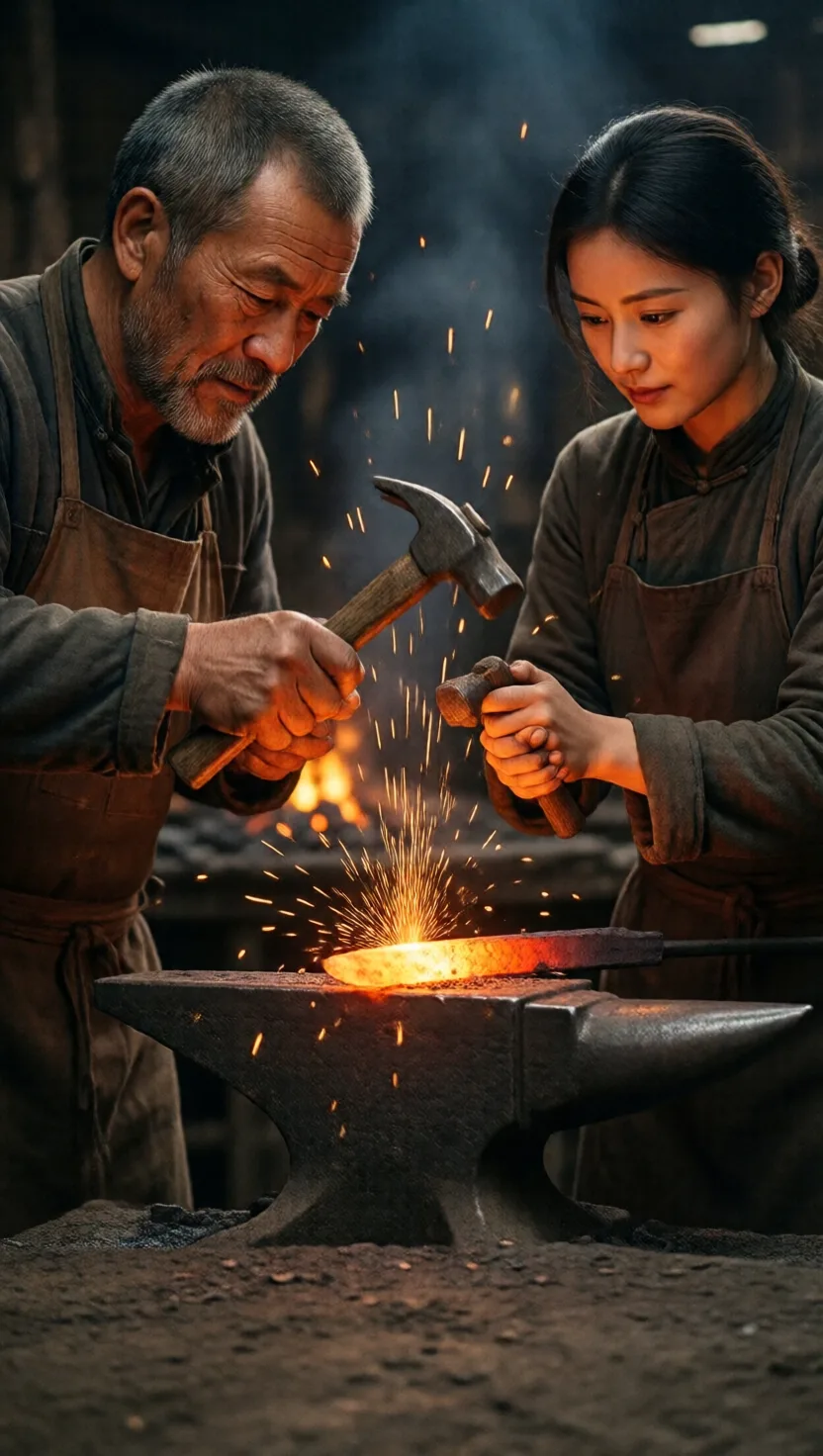
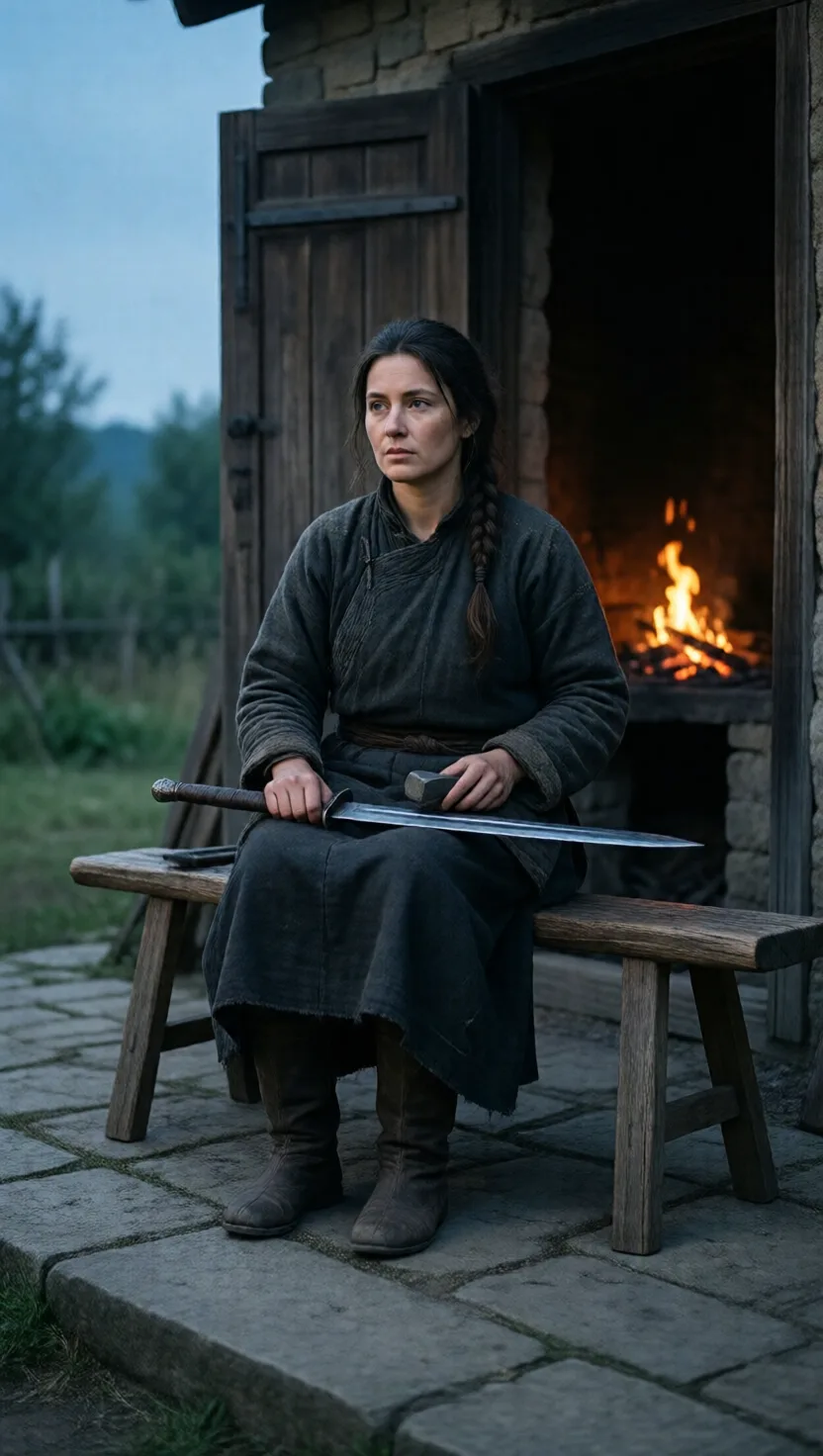
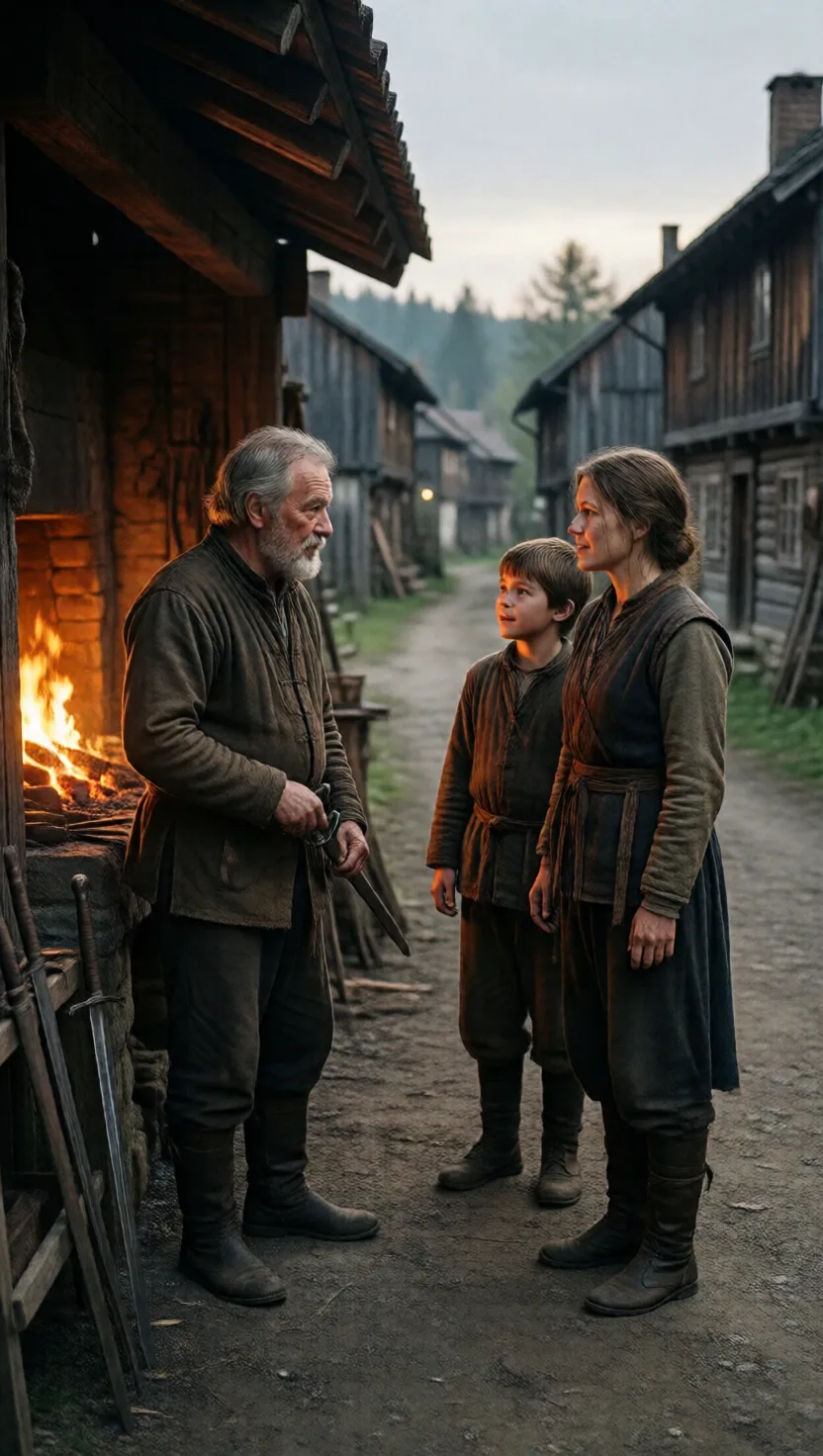
The old swordsmith takes apprentices for one season only. Joss has wanted blades since he could walk and knows nothing else. Mira, the smith's daughter, arrives late — fifteen years spent on everything but swords: carpentry, weaving, bargaining, weather. The village bets on the boy. The master studies Mira's hands, and takes them both. How could three months make anyone a swordsmith?
Fifteen years of everything except the thing

Fifteen years of everything except the thing

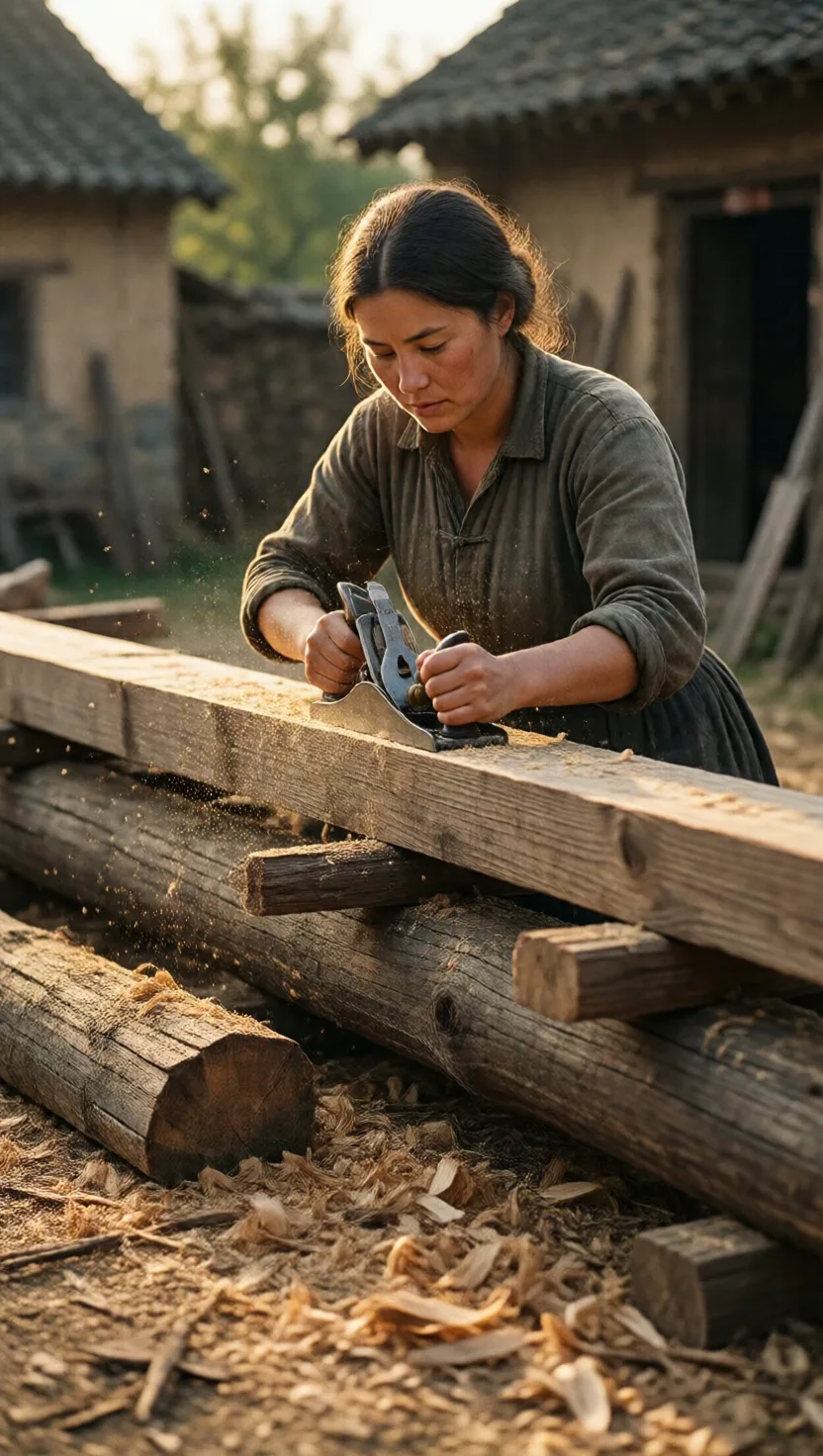
What did Mira actually learn all those years? Carpentry taught her that material has a grain, and what happens when you force it. Weaving gave her hands rhythm and a feel for tension. Bargaining taught her to read what people truly need. Weather taught her heat, and patience with what cannot be rushed. None of it mentions steel. All of it is about to matter.
The master doesn't fill her — he aims her

The master doesn't fill her — he aims her

At the forge the master barely lectures Mira. He gives small corrections, and every one lands on something already there. Steel has a grain — her carpenter's hands nod. The hammer wants rhythm — the loom gave her that years ago. Fire has moods — she has read weather all her life. He isn't pouring in a craft; he is aiming fifteen years of village at a blade. Joss, meanwhile, is memorizing.
The mirror boy: perfect motions, nothing beneath

The mirror boy: perfect motions, nothing beneath

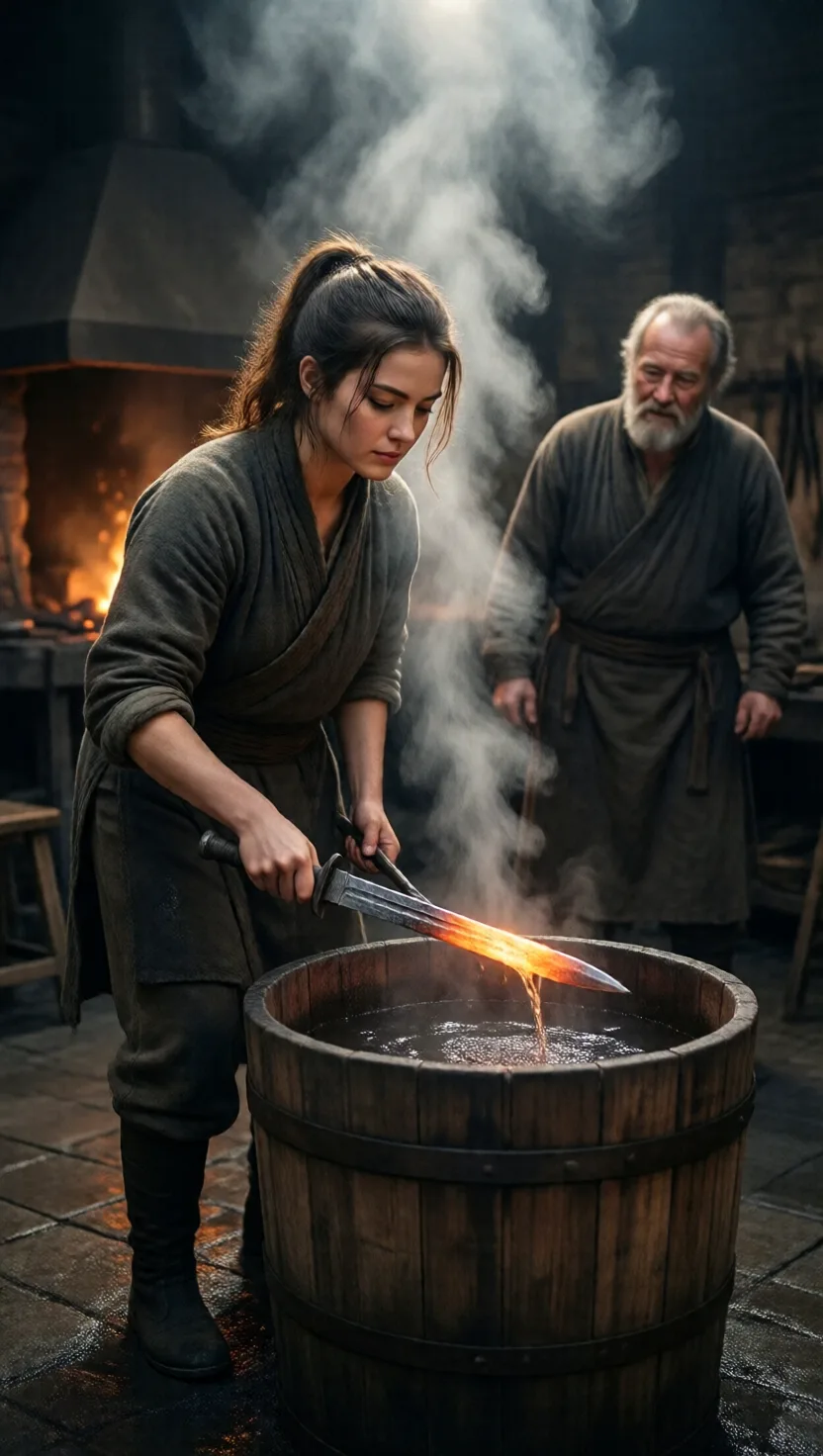
Joss is not lazy. He copies every motion exactly, and on the standard blade he is clean. Then a strange billet arrives — iron that bends wrong and cools oddly. Mira slows, listens to it like weather, works it like cross-grained wood. Joss repeats the only motions he owns, and the metal does not care. He can copy a craft. He cannot adapt one. Why not? He had the same three months.
Three months only works after fifteen years

Three months only works after fifteen years

Count the time. The education: fifteen years. The apprenticeship: one season — a sliver. Yet the sliver is what makes her a swordsmith. It can be short precisely because it barely has to change her: grain, rhythm, heat and people are already built in, and the master only redirects them toward one craft. A tiny change, a huge turn. Learning machines are raised in exactly these two acts.
Machines do it in two acts: pretraining, then fine-tuning

Machines do it in two acts: pretraining, then fine-tuning

θtuned=θpretrained+Δθ\theta_{\text{tuned}} = \theta_{\text{pretrained}} + \Delta\theta
A language model lives Mira's life. First it reads a world of general text — years of it — absorbing grain, rhythm, how things fit: that long education is pretraining. Then a short, cheap pass over task examples redirects it: that apprenticeship is fine-tuning. The equation says the tuned model is the educated one plus a small nudge — and measured on a real model, a few hundred knobs recovered most of what re-tuning hundreds of millions would.
🌱 What could one season aim your years at?

🌱 What could one season aim your years at?

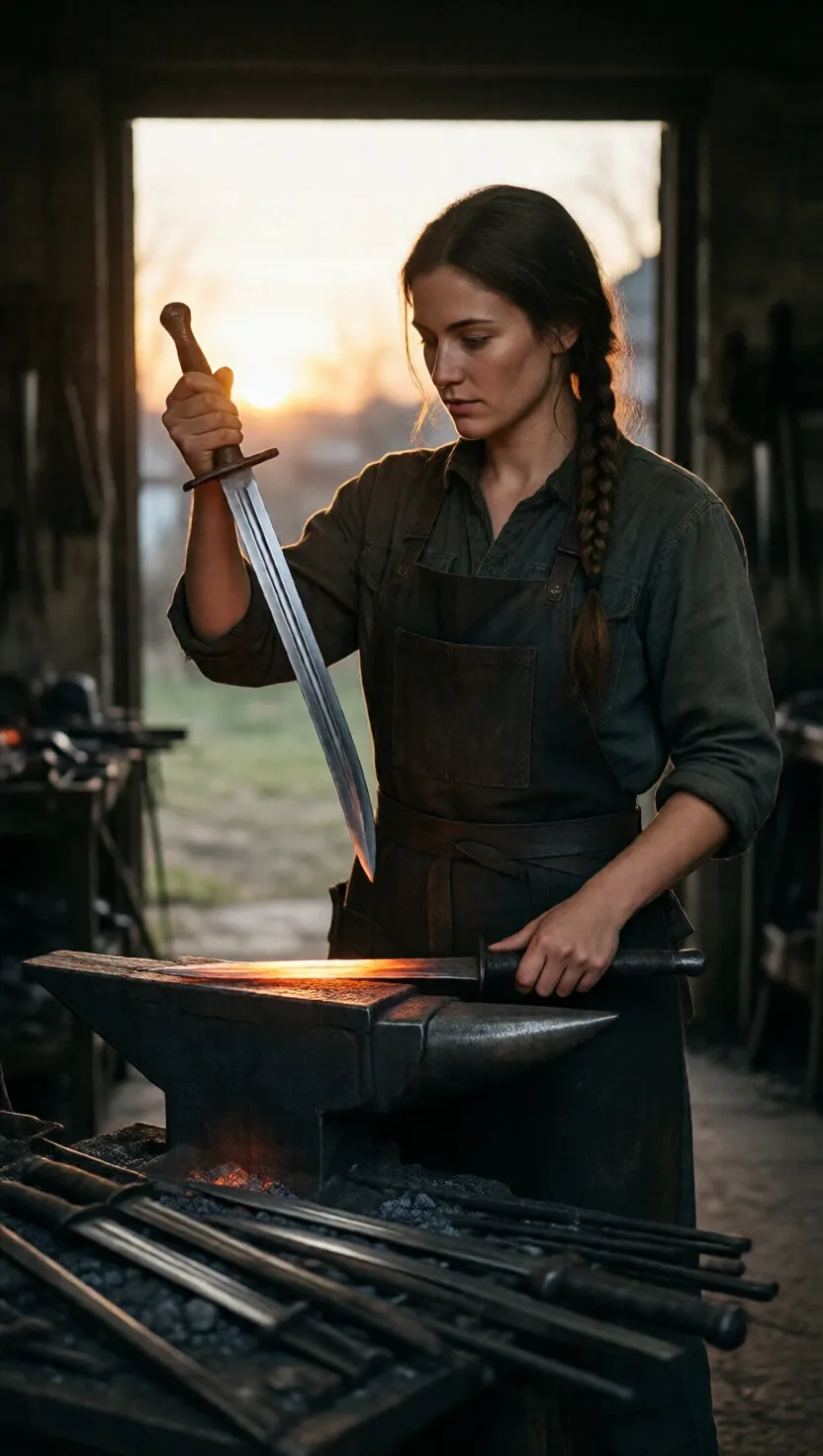
Years on, Mira sharpens a blade and wonders. The master once told her those same hands could have gone to bells, or plows, or locks — the fifteen years weren't aimed anywhere. The better the general education, the smaller the apprenticeship it needs. So everything you have ever learned is quietly general. What could one focused season redirect all of it toward?
tap →swipe ↑ for depthswipe ↓ to exit