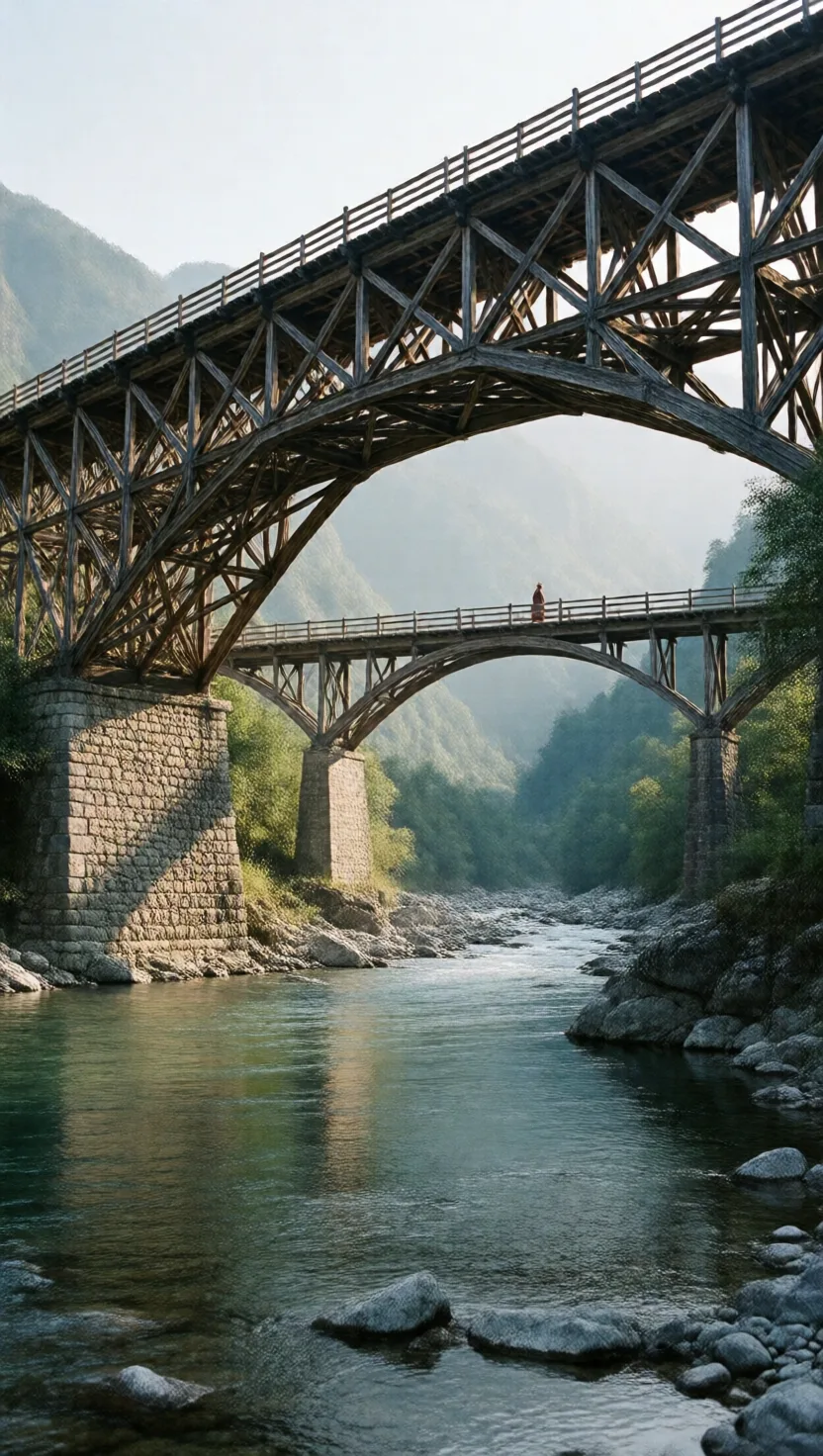
The bridge master who taxes every beam.

SRC·121 Source
The prettier bridge loses the frontier

The prettier bridge loses the frontier

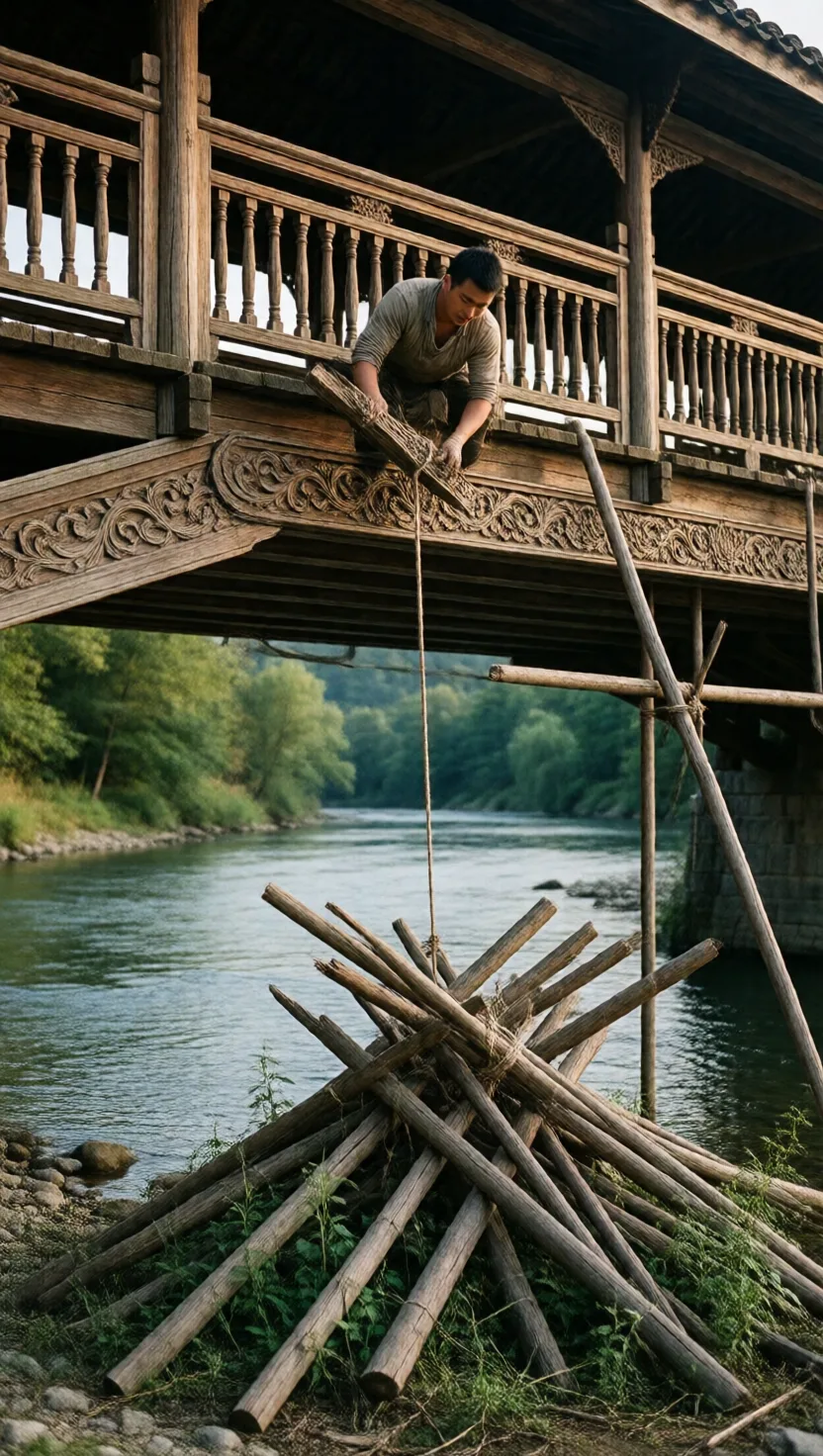
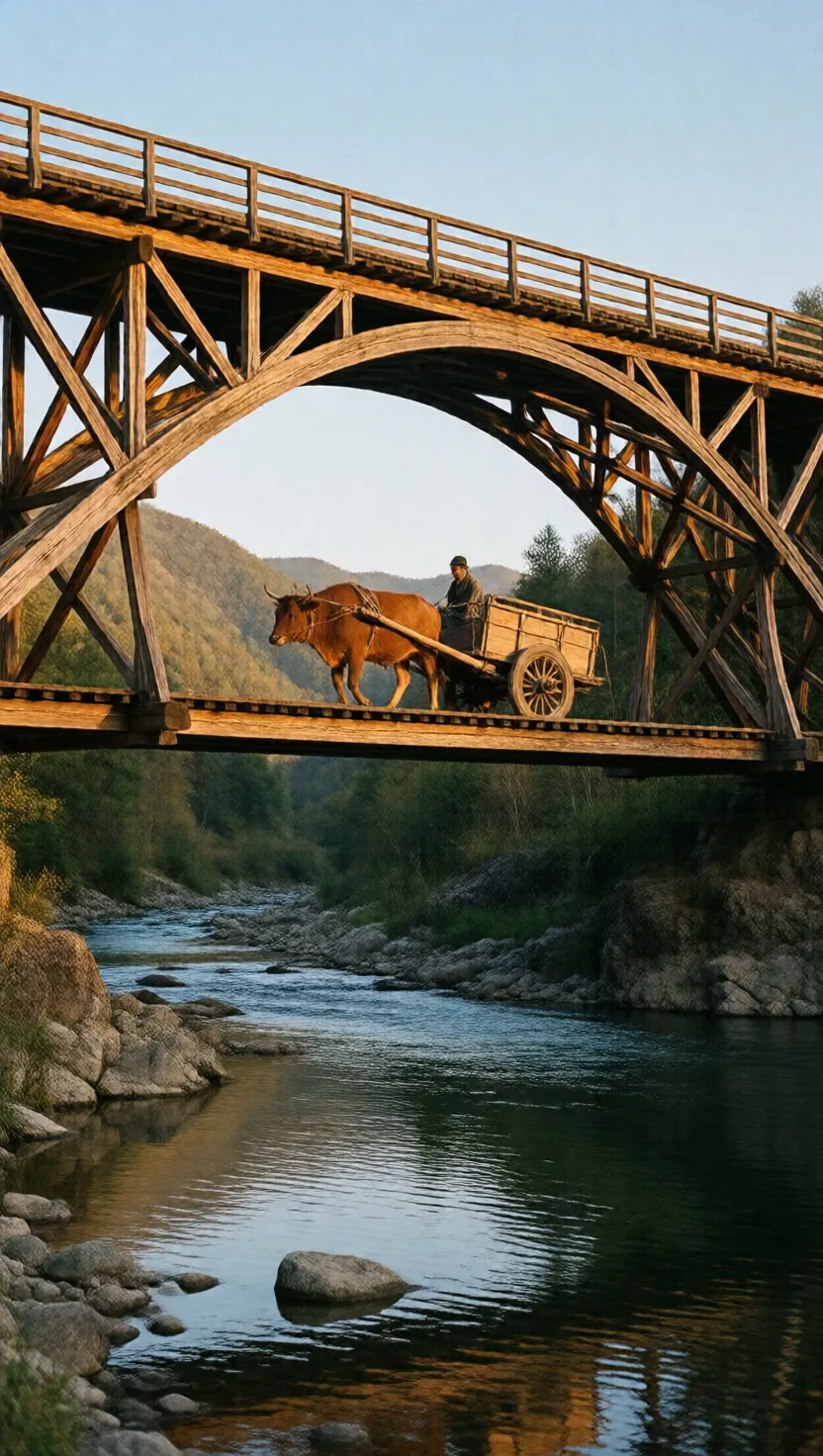
Two apprentices, two bridges over the guild's trial river. One is an ornate marvel — braces answering every boulder, struts for every eddy — and on this river it stands stiffer than anything ever built here. The other is almost plain. The master walks both, then sends the plain one's builder to the frontier and the marvel's builder back to the yard. What did she see?
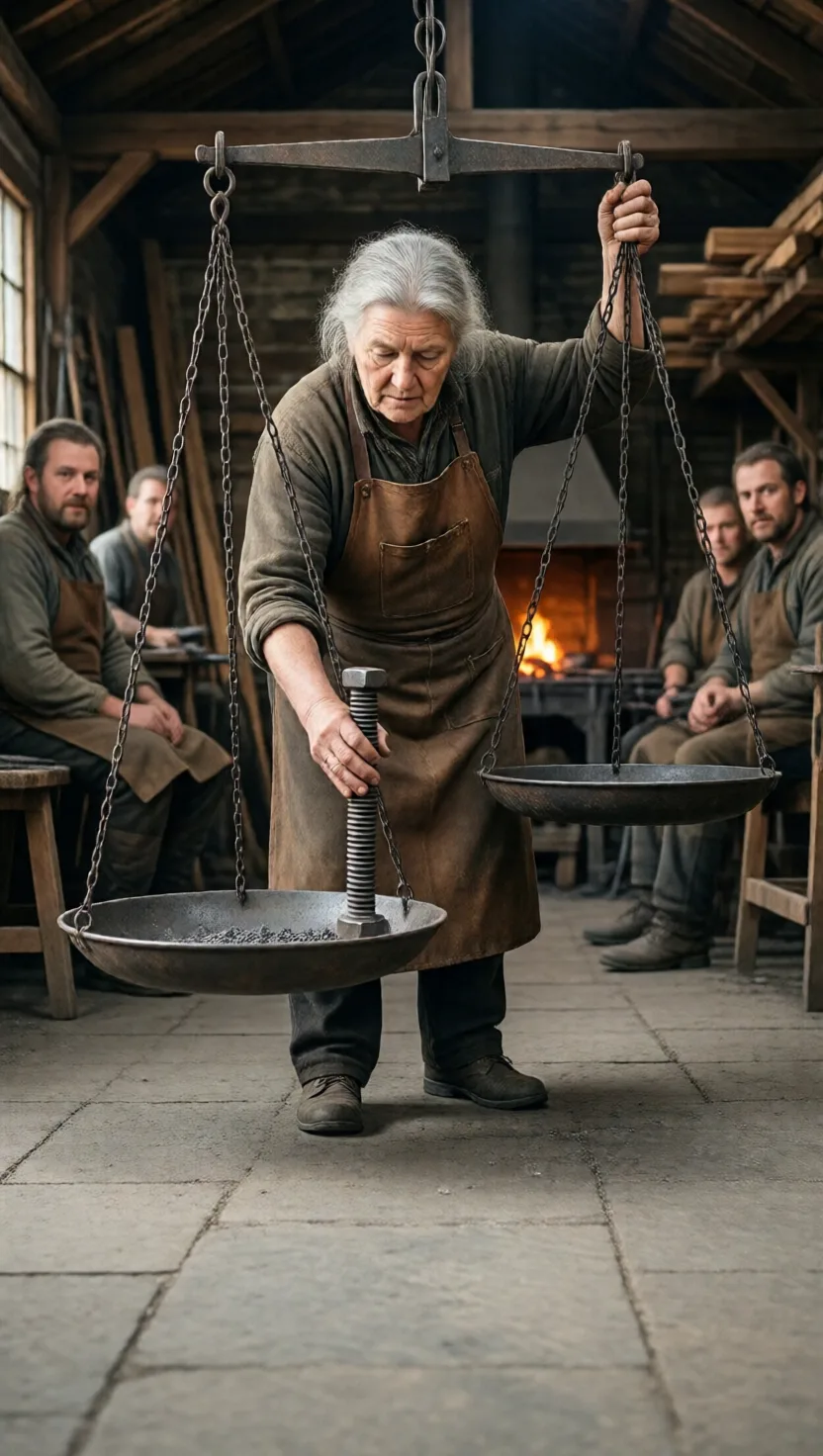
The iron tax: every beam pays its weight in dues

The iron tax: every beam pays its weight in dues

The master's rule is famous and hated: the iron tax. Every beam, strut and bolt in a design costs its weight in dues, paid from the apprentice's own purse — and refunded only if removing that piece would measurably weaken the bridge. The apprentices grumble that she taxes ambition itself. She answers with one sentence: build me nothing that cannot pay for itself…
Under the tax, the quirk-braces die first

Under the tax, the quirk-braces die first

Now watch the ornate marvel meet the tax. Piece by piece, the test is the same: take it out — does the bridge sag? Most of the clever braces exist to flatter one boulder, one eddy, one quirk of this particular river; remove them and the trial crossing barely notices, so no refund comes. Keep them and the dues bleed you. One by one, the quirk-braces go…
What survives the tax is load, not memory

What survives the tax is load, not memory

Look at what remains when the dues are settled: the main arch, the deck, a handful of braces that earn their refund on any crossing — the members that carry load. The tax never once said which beams were true. It only made every piece justify its weight, and accident can't pay rent. The taxed bridge now sits slightly humbler on the trial river… on purpose.
Frontier rivers punish memorized cleverness

Frontier rivers punish memorized cleverness

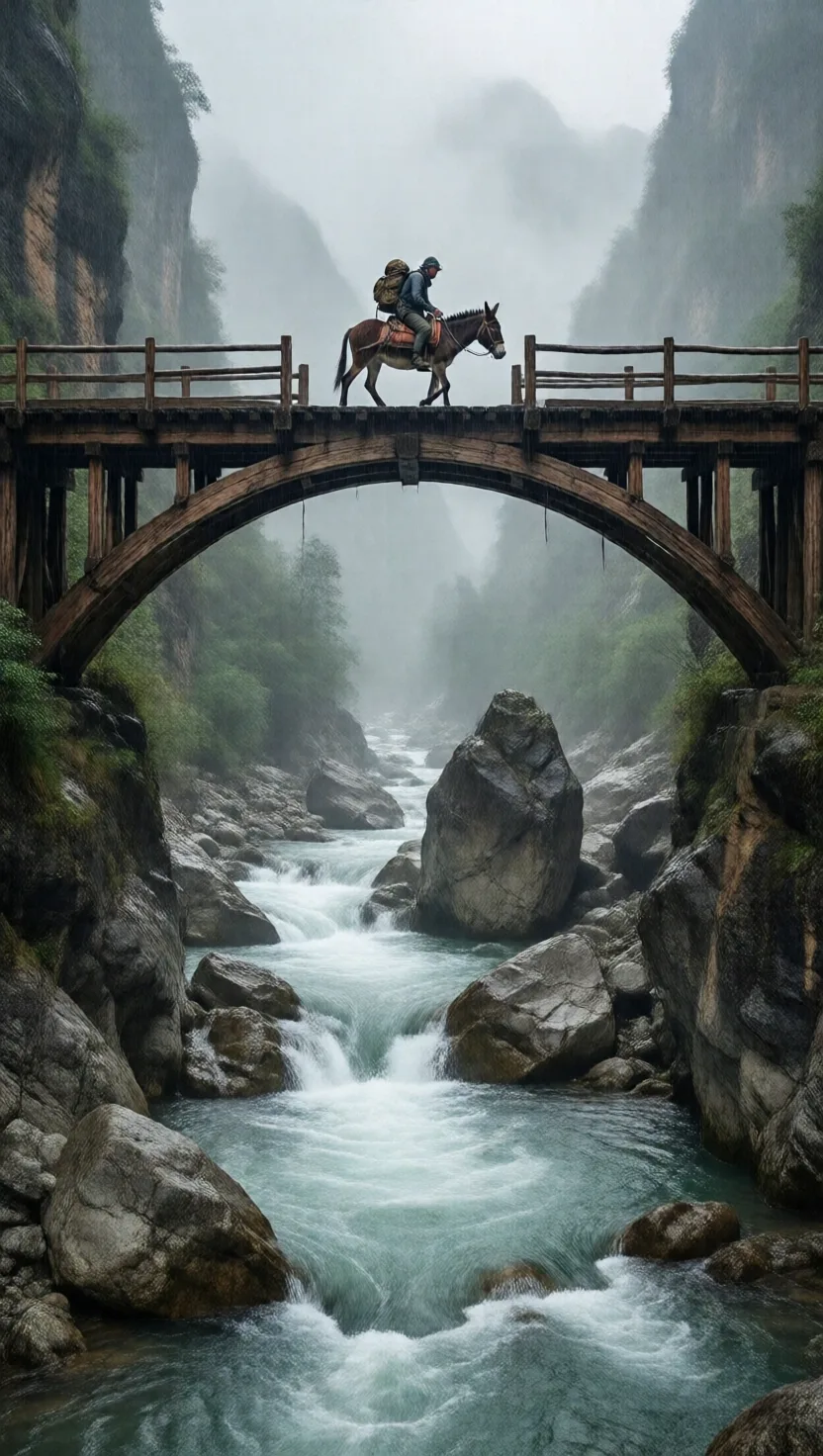
Why it matters arrives with the frontier: rivers nobody measured, boulders in new places, eddies that spin the other way. Rebuilt out there, the ornate design's clever braces answer quirks that don't exist and miss the ones that do. The taxed bridge stands river after river — everything it kept was load, not memory. A little worse where it learned; far better everywhere else…
The standing tax on complexity: regularization

The standing tax on complexity: regularization

Learning machines get the same discipline. Add to their training goal a standing tax on complexity — every weight pays for its size, kept only if it buys real accuracy — and the parts that merely memorize the sample's accidents can't afford to exist. That is regularization. It makes the fit slightly worse on the data it learned from, on purpose, so the structure that remains carries load on rivers it has never seen.
🌱 What rate do you set the tax?

🌱 What rate do you set the tax?

One question keeps the master up at night: the rate. Tax too lightly and ornament creeps back, memorizing each river all over again. Tax too heavily and the bridge is stripped past the bone — too simple to meet any river well. She tunes the dues by testing on crossings she keeps aside. Now turn it on yourself: if every habit you carry had to pay rent by proving its use somewhere new, which would survive?
tap →swipe ↑ for depthswipe ↓ to exit